by Oden Taylor
Get out your wallets, folks, this is not your average Asian eatery.
Curry Leaf: Asian Fusion and Sake Bar opened earlier this month in Eureka, making its place as the only restaurant in Humboldt county to serve Malaysian, Indian, Chinese, Japanese, Korean, Thai food, and more, all under one roof.
Opened by Chef Joe Tan, who designed the sushi bar at Bayfront Restaurant in Eureka, as well as partnering to open Nori in Arcata, Curry Leaf is Tan’s third Humboldt restaurant and it’s gearing up to be a major success.
Walking into Curry Leaf, you are greeted by a pair of Chinese guardian lions. The restaurant space feels refreshed and has undergone renovations since its days as the restaurant Gonsea.
My partner and I were greeted warmly and seated quickly at a purple leather booth near the back of the bustling restaurant. I was beyond thrilled when I looked at the menu and saw the range of options available to me.

Curry Leaf is a cultural explosion for the city of Eureka, bringing many new foods to the diners of Humboldt county. The menu includes ingredients like screwpine leaves, dried chili coated anchovies and fried taro nests, to name a few.
To start off the meal, I ordered the fried street wontons with special szechuan red chili sauce. The wontons come either steamed or fried and contain ground pork, shrimp, yellow onion, and black mushrooms.
They were so crunchy and flavorful. The red chili sauce is made with a savory spicy bright red chili oil that really compliments the wontons.
Even the side salad we ordered was beautifully plated and had crisp, fresh ingredients with a delicious tangy sweet miso dressing.
Make sure to order appetizers because though the waitstaff is friendly and professional, it can be a bit of wait due to the popularity of the restaurant.
For our entrees my partner and I shared the beef chow fun and the honey glazed prawns.
The beef chow fun is a large portion of velvety beef, rice noodles, bean sprouts, soy sauce and green onions. This dish is hearty and perfect for sharing.
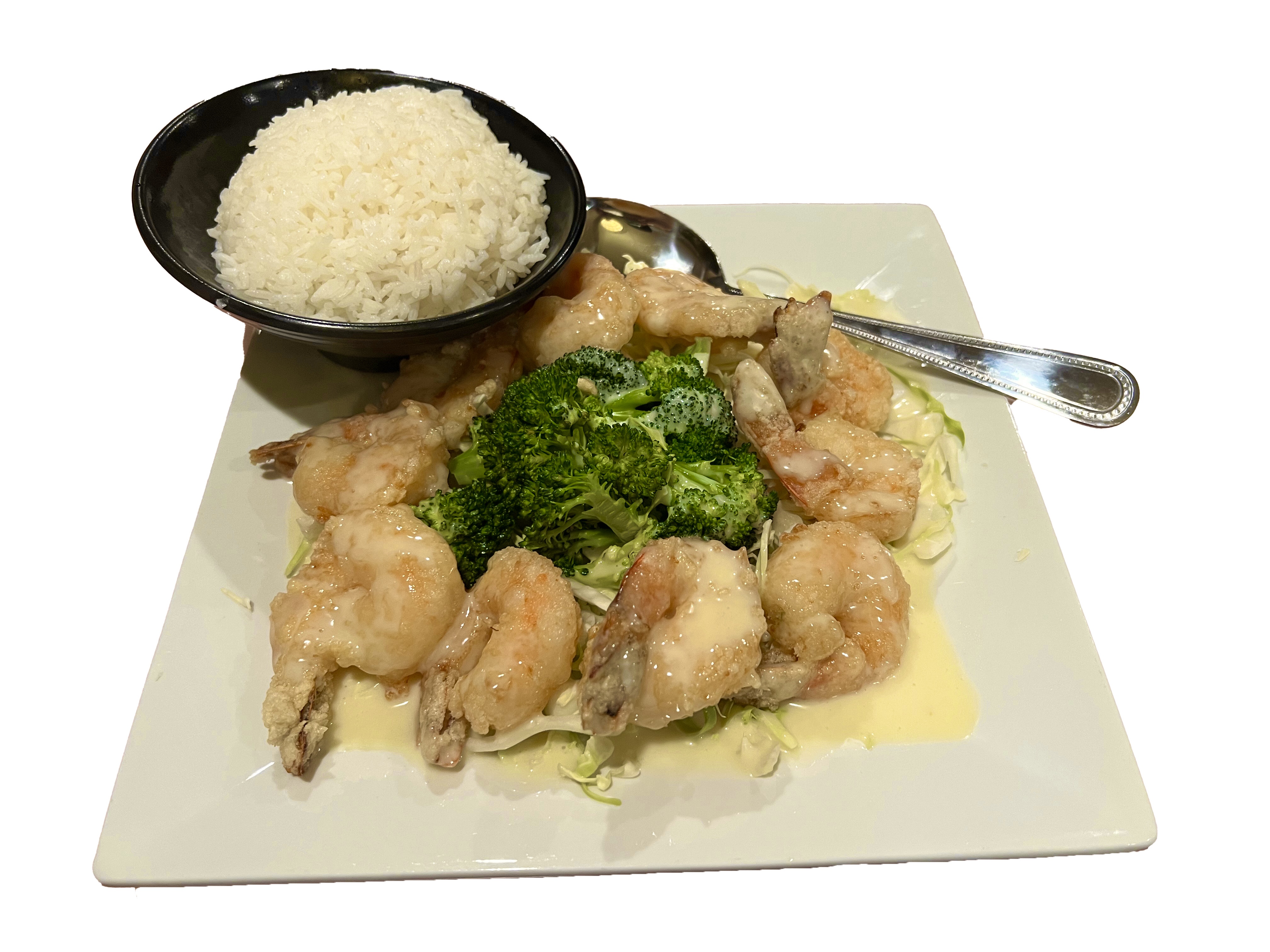
The honey glazed prawns were the star of the evening. The prawns are lightly fried and coated in a succulent honey lemon glaze. The portion is huge and is served with perfectly cooked broccoli and aromatic steamed rice.
For lovers of classic honey walnut shrimp, the honey glazed prawns at Curry Leaf elevate this dish to the next level.
As our meal came to a close we shared the almond pudding—a Chinese soft-style jelly made of apricot kernel milk, topped with whipped cream, honey and bright goji berries.
This dish is served cold and has a similar texture to flan, but tastes like an almond vanilla ice cream. It’s sweet and rich, making it the perfect ending to a very well crafted meal.
All of the food was cooked perfectly and plated professionally. Even the drink menu is fantastic with desert alcohols like chocolate nigiri and pineapple sake, as well as more traditional beer, wine and sake. The restaurant also offers free refills on non-alcoholic specialty drinks like Roy Rogers and Shirley Temples.
If you are looking for a delicious meal and a good night out, Curry Leaf is the place for you. Curry Leaf is located at 2335 US-101 in Eureka and can be reached for take-out at (707) 798-2049. It is open from 11:30 a.m. to 9 p.m. Wednesday through Monday.