The Lumberjack


Students Serving The Cal Poly Humboldt Campus and Community Since 1929

Tag: cannabis use

  • Connecting Cannabis and Cancer

    Connecting Cannabis and Cancer

    New study links smoking cannabis with testicular cancer

    Those attending Humboldt State University who smoke marijuana regularly may want to rethink their habit.

    Marijuana is the most widely used drug in the United States, and a large part of its popularity as a recreational narcotic comes from the perception that it has very few, if any, long-term health effects. There are, in fact, several positives that are associated with the drug, such as help with depression or anxiety, easing of muscle soreness and a reducing of the number of seizures experienced by people with epilepsy.

    “When you combust any plant, you’re creating significantly more carcinogens.”

    Dr. Jeffrey Chen

    However, despite its positive effects, a recent study conducted by the Journal of the American Medical Association has identified a link between marijuana use in people with male reproductive organs and an increased risk of testicular cancer. The study explained that burning marijuana (which is necessary to smoke it), like burning any plant, triggers the release of carcinogens, which, in this case, may lead to testicular germ cell tumor.

    “When you combust any plant, you’re creating significantly more carcinogens,” Dr. Jeffrey Chen explained to Science Alert.

    The study also analyzed potential connections between recreational marijuana use and lung cancer, oral cancer and head and neck cancer. However, JAMA did not find any connections to any of those cancers.

    The meta-analysis in the data collected by JAMA is specific to white men, leaving out a large part of the global population. Many of their findings also date back as far as 1973.

    There also isn’t a direct causality from marijuana to cancer over a wide range of the population. The American Association for Cancer Research has identified many of the victims of cancer as having used marijuana heavily. However, there is still no evidence of other variables, who else might be at risk or other drugs that might increase or minimize said risk.

    These studies so far are limited in the information they provide, and should not be taken as the final word on any and all links between cannabis and cancer. However, it does contribute to the ongoing discussion of the health effects of the drug, and those who do use it may want to sit up a little straighter and take some notice.
  • Mary Jane in the brain

    Mary Jane in the brain

    What goes on inside your brain when you’re high

    By| Carlos Olloqui

    Things melt, time loses all meaning. Your body begins to tingle from head to toe. Everything you touch feels electric. Music seems to play note by note. Pressure builds on your cheekbones, your eyes squint up, your brain begins to tickle, and a bliss takes over. Yup, you’re stoned.

    Marijuana, also known by its scientific name, Cannabis, is no longer a stoner drug earmarked for hippies. One in eight adults in the United States said they smoke marijuana, according to a Gallup poll conducted in 2016. That means about 13 percent of Americans enjoy getting high.

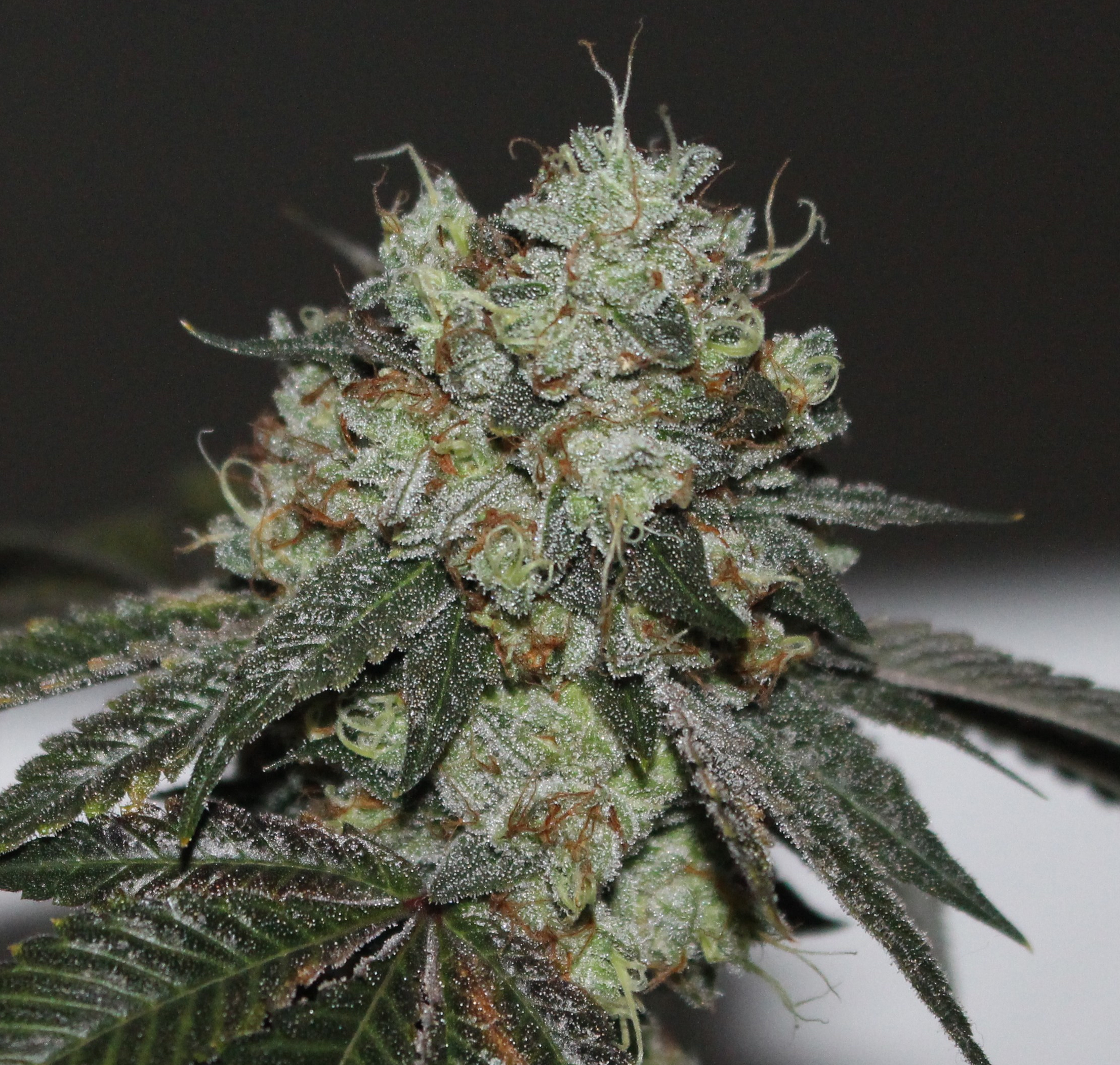
    Olloqui.IMG_0105
    THC crystals on a flowering marijuana plant.

    But what exactly does it mean to get high? What goes on inside of your body after a couple of hits of that sweet Mary Jane? Well, the marijuana plant produces chemical compounds called cannabinoids. The two most popular ones being delta-9-tetrahydrocannabinol (THC) and cannabidiol (CBD). According to Thorsten Rudroff, an assistant professor at Colorado State University who studies cannabis use, THC is the most psychoactive compound which is what gives you that high feeling.

    When you ingest THC, in any form, it quickly infiltrates your bloodstream and travels to your brain. Your brain is made up of neurons. Neurons are specialized cells that like to keep their distance from each other. In order to bridge this gap, chemicals called neurotransmitters deliver chemical messages by traveling from neuron to neurons and attaching onto receptors. There’s a special kind of neurotransmitter called an endocannabinoid.

    According to the website Greatist, the cannabinoids in marijuana mirror those naturally produced by your own body, which latch onto the existing cannabinoid receptors in your brain. Cannabinoid receptors are activated by anandamide, a neurotransmitter that our body already produces, according to AsapSCIENCE. THC mimics the actions of anandamide.

    Olloqui.IMG_1284
    Highest tree in the yard.

    Once neurons fire, they undergo a refractory period, which prevents them from overworking and allows your brain to function calmly. However, cannabinoids interrupt this neuron nap time and cause them to run wild. This means that your neurons keep firing, your current thoughts become more meaningful and intense than ever, as if you could actually see them. You brain gets stuck on a certain specific idea until a new idea takes the spotlight and you go off on a tangent.

    According to Leaf Science, these cannabinoids also affect the levels of happiness chemical, dopamine and norepinephrine, which often lead to a sense of euphoria and relaxation.

    While this information may seem to put weed up on this high (no pun intended) and grand pedestal, it does come with its downs. Marijuana can affect our memory and learning, coordination, cause anxiety, and limit our cognitive function. Not to mention the cottonmouth, bloodshot eyes, and coma inducing munchies you get after lighting up.

    So, next time you feel like interacting with Mary Jane, make sure you think about your cerebrum. That is if you aren’t already too stoned to even think.