by Monica Robinson
Reflecting on the journey to reach this point in my life is mind-boggling. This journey started when my mother was five years old. My grandmother fearlessly guided her and her six older brothers to the basement while bombs dropped a few blocks away post-World War II in England. Shortly after, they embarked on a transatlantic voyage to Canada and settled in New Hampshire. I chose to find higher learning by moving away from the bustling East Coast to lay roots in the West.
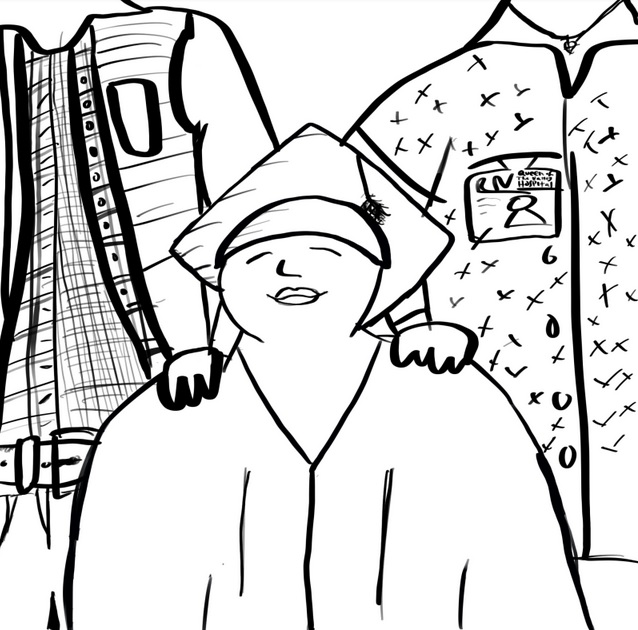
As I approach graduation next month, I will be the first generation in my family to graduate from college. This idea never crossed my mind until I attended last week’s week-long event celebrating first-generation students hosted by the TRiO Upward Bound and Educational Opportunity Program(EOP).
Students and teachers shared various experiences and stories about what shaped their journeys through higher education, including the unique hurdles of navigating the educational system with determination and resilience. From family support to overcoming language barriers, the stories spoke of triumphs, setbacks and, ultimately, the pursuit of a better life for themselves and their loved ones.
Unraveling the influences
Growing up in poverty alongside my father and older brother, our family faced numerous challenges. However, my mother was determined to instill in us the value of education. Despite working long hours, our parents ensured that my brother and I had access to opportunities. In pursuit of his dream to become a doctor, my brother went to a prep school, which came with a considerable financial burden for my mother.
However, my brother veered off course after high school. Instead, he traveled the country on the quest for a different type of education. While his enticing lifestyle was tempting, I couldn’t let my mother down the same way.
Charlie Perez, an engineering major, talked about his self-discovery and resilience between frequent moving and language barriers within his family. Growing up in a Spanish-speaking household while attending English-speaking schools presented unique challenges for Charlie. The resulting sense of isolation and disconnection affected his academic performance and harbored a dislike for English literature.
Assistant Professor and Public Relations professor Jessie Cretser-Hartenstein’s father played a pivotal role by instilling two fundamental values: honesty and higher education.
Her brothers also served as inspirations, each following their unique paths towards college, creating an environment where educational aspirations thrived. With her family’s support, Hartenstein met a mentor who offered invaluable guidance, contributing to her academic success and personal growth.
Pressure to Succeed
Spanning the past 19 years, I have navigated higher education, transferring from College of the Redwoods and eventually to Cal Poly Humboldt.
However, it is notable that I only recently took the step to register with the student disability center a year ago. Driven by a determination to reach the academic finish line alone, I hindered my completion.
I could have also capitalized on the resources offered to seek out grants and lightened my debt if I had been more proactive in seizing those chances. With these realizations, I see how important seeking assistance and support is.
During an art workshop, students sketched their educational journey. To illustrate this, the Administrative Support Assistant of the EOP, Xelha Puc, incorporated wind next to a tree to symbolize burnout, imposter syndrome (fake it till you make it) and isolation.
“I feel like for me being first gen, you feel a lot of pressure, being the like first, and sometimes you don’t know how to navigate certain things within the education system,” Puc said.
Hartenstein reflected on her challenges during her educational pursuits, including imposter syndrome and the lack of guidance. Although these obstacles threatened to derail her college journey, she prevailed.
Keys to Success
On the road toward my personal and academic goals, I am fortunate to have an exceptional community that consistently shows me persistent love and support. Their presence in my life has been essential and the driving force behind my achievements. Reaching the finish line has only been possible with their encouragement.
“So, the first thing I learned was [to surround] myself around people who actually care about me, and how to identify people who are temporary and just want to take from you,” Perez said. “This helps me out with determining my learning group.”
Additionally, Perez highlighted how the COVID-19 pandemic demonstrated the importance of self-reliance and individual strength. He realized that having a clear sense of purpose, or a compelling “why?” helped him overcome challenges and pursue his passions.
Perez noted taking fun courses and engaging in community-building activities builds a sense of companionship, and students can connect with their peers and discover shared interests.
Hartenstein highlighted the importance of mentors, including professors, advisors, and professionals in the industry who provide crucial guidance and support.
“… if you don’t have self-confidence, and you have impostor syndrome, just work on building confidence,” Hartenstein said. “I started this sort of game with myself many years ago, where I have to have three things on my gratitude list every day, at least once a day. And those three things are one thing about myself, one thing about the world outside of me, and nowadays, it’s one thing about my partner or my family, or whoever I’m with.”
Untapped Potential
The experiences of first-generation college students are a testament to determination, resilience and perseverance in pursuing a brighter future.
“My family went through all of this, to transfer from Mexico to California, for me just to stop here?” Perez said. ‘No – the story continues.”
Each story draws inspiration, encouraging others to embrace their identities, seek support and conquer the barriers in their way. They embody the untapped potential for growth and success in every individual.
“Most of us have impostor syndrome, and we’re just faking it,” Hartenstein said. “Don’t tell anyone, but it’s true.”
Their stories are a powerful reminder of the transformative power of educational aspirations, shaping a better tomorrow for themselves and others.
“Address your deep wounds. They’re the cause of a lot of suffering that may keep on relapsing in your life, but they also are the things that hold the biggest treasure,” Perez said.