The Lumberjack


Students Serving The Cal Poly Humboldt Campus and Community Since 1929

Tag: Food sovereignty lab

  • Indigenous Foods Festival highlights the importance of food sovereignty

    Indigenous Foods Festival highlights the importance of food sovereignty

    by Krisanne Keiser

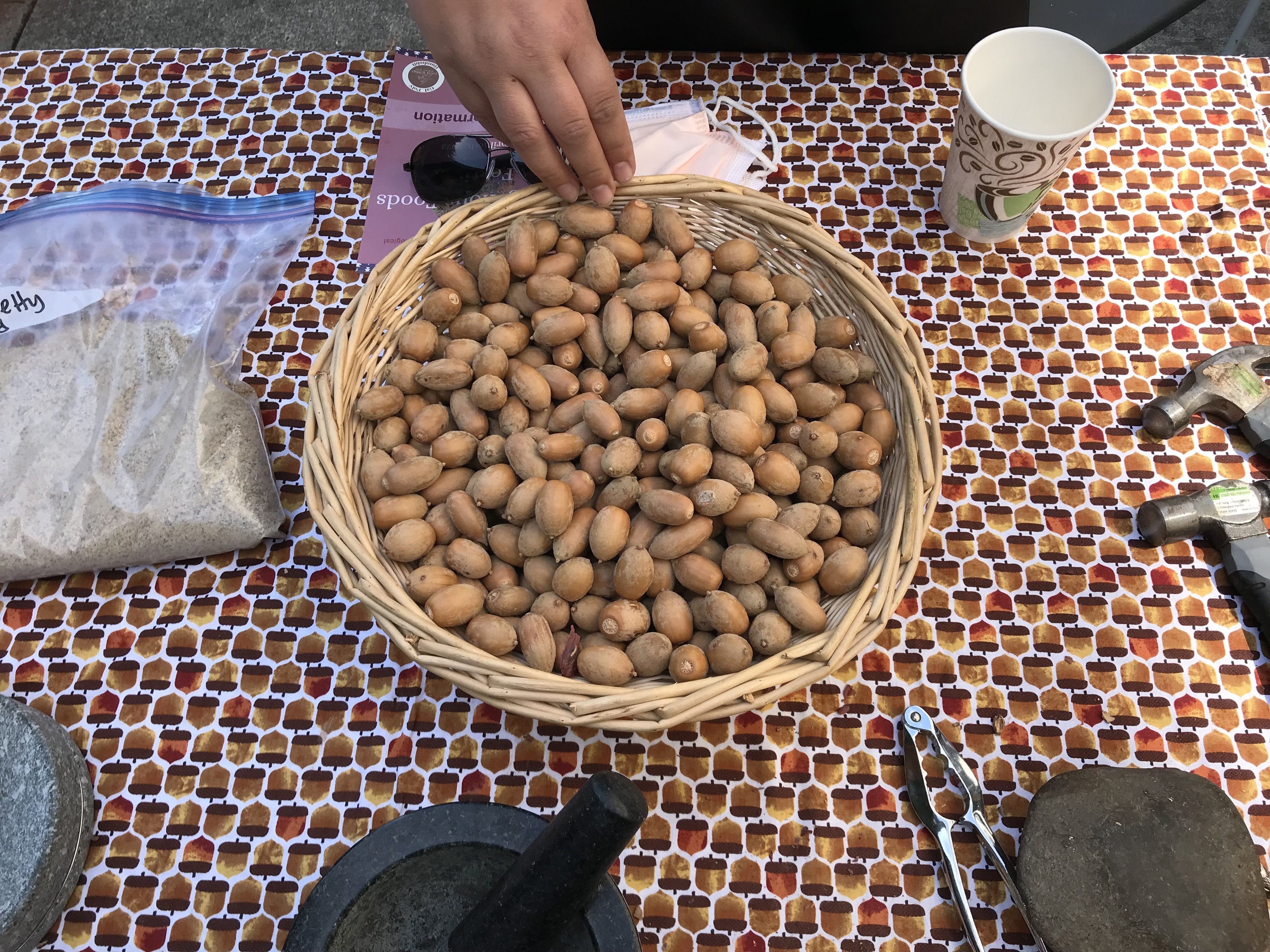
    On a bright sunny Saturday morning, students, faculty, and local tribal peoples came together to celebrate the Rou Dalagurr Food Sovereignty Lab & Cultural Workspace at the Indigenous Foods Festival. The event was held on the Cal Poly Humboldt campus on April 16 and was part of a month-long Food Summit that is focused on educating students, staff, and the public about food sovereignty. The event featured special featured films, keynote speaker presentations, and numerous outdoor volunteer opportunities working with plants and learning thoughtful ways to gather that respects Indigenous self-determination of land.

    Several speakers presented in the Native American Forum, each giving information about their respective organizations and how they are practicing food sovereignty. One event hosted by the California Indian Museum & Cultural Center was incredibly informative. Executive Director Nicole Myers-Lim led the presentation and discussed the projects their native youth are working on as part of the museum’s Tribal Youth Ambassadors program. One of those projects was creating acorn bites, which was an idea that came from one of the youths, and was being sold during the event. I must add that they were extremely delicious!

    During the presentation, Myers-Lim reminded the audience that in order to practice food sovereignty, there are several elements to consider such as land access, settler laws and regulations within park systems, as well as handling public harassment and racism when gathering on public lands. Additionally, the monetization and over-harvesting of natural foods such as abalone have prevented their tribe— the Pomo Tribe— from utilizing this natural resource, which is a large part of their culture.

    “Our Pomo food that we love is abalone…we can’t eat abalone right now but when abalone was harvested, it was overharvested,” said Myers-Lim. “We’re really trying to educate non-native communities that this is our cultural resource; we need it for the continuity of our culture. It doesn’t have to be sold for $70 dollars on a plate at Oma’s in San Francisco.”

    Another aspect that Myers-Lim highlighted was how native youth had gradually lost interest in gathering natural foods and resources due to being subjected to harassment by the public. At one point the racism and harassment became so severe that the youth feared practicing their traditional gathering activities at local parks on local trails. To help mitigate this issue, the Native Youth Program created an educational card pamphlet called the ‘Culture Card: Tribal Member Educational Handout’ to give to park visitors who questioned, disturbed, and accused them of harming the environment while they were gathering. The culture cards discuss the cultural significance of traditional harvesting and gathering as well as explaining how and why gathering is a healthy activity. It also highlights gathering and harvesting permits.

    “We’re out there praying and giving gratitude to the plants that are sustaining us and so to be accused of abuse is ironic,” said Myers-Lim. “After hundreds of years of the abuse that’s happened through the Gold Rush, the wildfires and the dams and everything else.”

    If that wasn’t harmful enough, the program also has to obtain special 24-hour permits before gathering which is just another hoop to jump through.

    “We have to work with them to have ancestral gathering rights that are recognized throughout the state,” said Myers-Lim. “As tribes we need to advocate for that through our consultation policies and try to change that on those levels.”

    Past Cal Poly Humboldt chemistry major, Sunny Rojas (Yurok/Karuk/Apache) stated that his people were not equipped to consume processed foods, and doing so has caused much damage to the health of his community.

    “It has a devastating effect on Americans and my people…we never ate like that in the past and our bodies are not quite equipped to deal with a lot of things that are surprisingly allowed in our food,” said Rojas.

    He expressed that one of his goals as a chemistry major was to learn more about the components of the earth, people, and the contents of America’s food.

    “I wanted to try and find some way to help this poisoned food system we have in America right now,” said Rojas.
  • Students advocate for award-winning food sovereignty lab.

    Students advocate for award-winning food sovereignty lab.

    Awaiting approval from President Jackson, the food sovereignty lab is the first of its kind

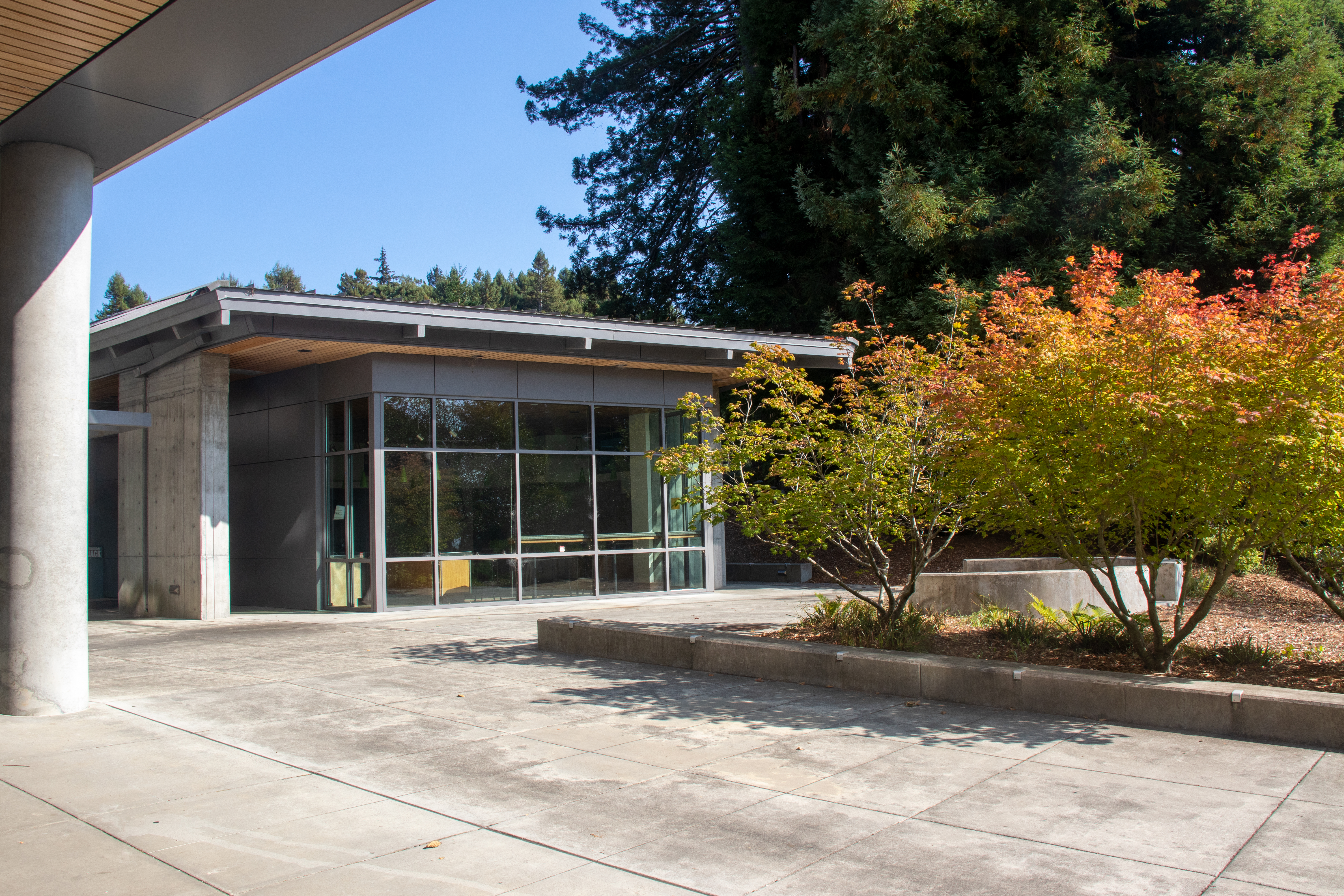
    After facing rejection multiple times from administration, the request to use the former Hilltop Marketplace as the location for an entirely student-lead food sovereignty lab is finally getting attention from the higher-ups.

    Last semester, on the first day of class, professor of Indigenous Natural Resource Management Practices Cutcha Risling Baldy, posed students with two questions they would have the entire term to answer: first, what do you think HSU needs? Second, what do you think we can accomplish as a class in the semester?

    The idea students came up with is a food sovereignty lab that could be used for academics, events and gatherings and it would be connected directly to food security. The food-lab would be the first of its kind available in all California Universities, possibly all colleges in the country.

    Amanda McDonald is a leader of the Waste Reduction Resource Awareness Program at HSU and one of the student participants in the food-lab project. According to McDonald, food security is the number one student need across all CSU campuses. She feels our current food security program, OhSNAP! is a huge help, but students need more.

    “The OhSNAP! student food pantry has done an outstanding job at helping meet basic student needs in the past two years, however, it is simply not enough,” McDonald said. “The Food Sovereignty Lab will work in tandem with organizations like OhSNAP! to address innovative solutions to food security, food sovereignty and sustainability. Through conducting research, writing grants and collaborating with community gardens in our region, the potential of this Lab has yet to even scratch the surface.”

    The student-led project is backed by award-winning research. Carrie Tully is a graduate student in the environmental and community program at HSU and also one of the students that participated in the food sovereignty project.

    “My classmate presented this research to the CSU research competition and our classes’ research was selected by the University to participate in the competition,” Tully said. “They won second place in the graduate level behavioral and social sciences field.”

    The University’s initial decision to deny the space was especially frustrating after their achievement, considering they were selected by the University to participate in the competition.

    “Our request was denied by the committee in a very casual email,” McDonald said.”

    The University’s Space and Advisory committee’s response stated they believe the former Hilltop Marketplace would better serve as a general student space, accessible to all.

    “The Coronavirus pandemic has highlighted the need for local sustainability, food security and food sovereignty.”

    Ted Hernandez

    McDonald couldn’t make sense of the committee’s decision. The last use of the location was a marketplace, designed specifically for the purpose of putting food in the hands of students. McDonald and the others also envisioned the food-lab as a place that would be available to everyone – the diverse student-population, surrounding communities, tribal nations and national and international scholars. It would be a kitchen space that could be used for academics, events and gatherings.

    “If they’re thinking it is better suited as a lounge, there is a lounge on every floor of the BSS,” McDonald said. “Or they can build a lounge on any part on campus.”

    In response to the committee’s decision to deny the space request, there was a significant outcry of community support for the food sovereignty project, including over 80 letters received from students, staff, faculty, local organizations and members of tribal nations in a single week.

    Wiyot Tribe Chairman, Ted Hernandez, is one of the many to have sent a letter supporting the project. In his letter, Hernandez explains how the food-lab would be especially beneficial to us now, given the pandemic.

    “The Coronavirus pandemic has highlighted the need for local sustainability, food security and food sovereignty,” Hernandez said.

    Hernandez supports the food lab because it will benefit HSU, the local community and local tribes.

    “The end result would be an interdisciplinary learning lab worthy of HSU that would both attract Indigenous people and students from out of the area,” Hernandez said. “While also serving the local Indigenous peoples by helping to preserve their food sovereignty and native food security.”

    Students from NAS 331 presented their proposal to the Associated Students board of directors and the University Senate this summer. The former Hilltop Marketplace was approved to be used for the food sovereignty lab, May 28, by the University Space and Facilities Advisory Committee. Then again on July 19, by AS President Jeremiah Finley – suggesting it be adopted into the next HSU academic master plan.

    The project is still currently awaiting approval from the President’s office, the Academic Master Plan group and Facilities Management. For now, it seems the COVID-19 pandemic has caused another roadblock in the project and the grand-opening of the food-lab is yet to be determined.