The Lumberjack


Students Serving The Cal Poly Humboldt Campus and Community Since 1929

Tag: governor Gavin newsom

  • Humboldt County skips from yellow to red tier

    Part of a statewide effort to slow COVID-19 cases, Humboldt county enters a heavily restrictive tier.

    Humboldt County moved into a heavily restrictive tier as part of a statewide COVID-19 response. California saw a rise of cases within the past weeks, reporting 57,000 new cases within the past seven days. Governor Gavin Newsom said this will slow down any plans of reopening.

    Part of a 40 county reorganization, Humboldt has been moved from the lowest tier into the second highest tier, with 4.8 cases for every 100,000 tests conducted.

    42 percent of positive, reported Humboldt county cases have occurred within the Latinx community, despite making up only 12.3 percent of the population according to 2019 US Census Bureau data.

    In a Humboldt Health Alert sent out on Nov. 16, Humboldt County Health Officer Dr. Teresa Frankovich said that the current case rates could possibly move Humboldt into the most restrictive tier.

    “Since the state first implemented the Blueprint framework, they’ve signaled that they could move faster if conditions warranted,” said Frankovich. “Our recent data shows why that makes sense because this virus is moving faster than we have ever seen, and rapid response can help to slow the upward trajectory.”

    Under the new tier list all bars, breweries and distilleries will be closed while wineries can be open outdoors only. Restaurants, retail shops and places of worship can be open “…indoors at maximum 25% capacity or 100 people, whichever is fewer,” according to the Humboldt Health Alert.

    The CDC and the Humboldt Department of Health and Human Services both highly advise against having gatherings for the holidays as this will most likely increase the spread of COVID-19.

    “We simply need to stop traveling and stop gathering, especially indoors. It isn’t safe, and it is impacting our schools and our business communities,” Frankovich said in the health alert. “The upcoming holidays need to be single household celebrations if we want to get through this pandemic with fewer hospitalizations and fewer lives lost.”

    Nationwide, cases continue to spike. The New York Times is currently tracking around 11.4 million cases reported nationwide and nearly 250,000 deaths attributed to the virus, as of time of publication.

    The Center for Disease Control has predicted that “…the number of newly reported COVID-19 deaths will likely increase over the next four weeks, with 5,500 to 13,400 new deaths likely to be reported in the week ending Dec. 5, 2020. The national ensemble predicts that a total of 260,000 to 282,000 COVID-19 deaths will be reported by this date.”

  • The Ethnic Studies Bill is a Blessing

    The Ethnic Studies Bill is a Blessing

    Ethnic Studies will thankfully become mandatory for all California State University students – as it should be.

    College is meant to be the epi-center of uncomfortable conversations, meeting people we normally wouldn’t and learning about the world. How does one go through college and not participate in education regarding the systemic oppression impacting those around you?

    Assemblywoman Shirley Weber proposed Assembly Bill 1460, which requires all enrolled California State University students take a 3-unit ethnic studies course.

    Governor Newsom signed the bill on Aug 17.

    This was a monumental decision to be made because ethnic studies require students to learn about various cultures’ histories, struggles and successes.

    Since we were in grade school, we learned about Christopher Columbus discovering America, that Thanksgiving was when the pilgrims and Native Americans sang kumbaya while eating turkey and potatoes, and that George Washington had wooden teeth. The history we were taught when we were younger was just one point of view, one perspective, and that was the white man’s point of view.

    I didn’t even learn about my own Black history until I attended college and took an African-American History course. That’s when I learned that Christopher Colombus did, in fact, not discover America, because he never made it to what is now considered America. He came across the Caribbean and was rescued by the natives because he was found drowning. I think we all know what he did after that. The first Thanksgiving was pretty much the pilgrims killing the majority of the native Indians, pillaging their land and then having a feast on it. Now George Washington’s teeth? They were actually made of hippo ivory and his own slave’s teeth. Great guy.

    Taking ethnic studies courses will force you to unlearn the lies you were taught growing up and relearn the facts, the stories, the culture and how it all impacts these groups today. It doesn’t take a rocket scientist to know that people of color had a history of oppression that still takes place to this day. Denial of that is pure ignorance.

    We need ethnic studies more than ever. With various protests going on nationwide, there should be no excuse as to why you wouldn’t know what each one stands for. From Black Lives Matter movements to ICE detention centers, and from racist COVID-19 statements to Indigenous lands being destroyed, we need to acknowledge what has been happening and understand that it is not okay. This is where the necessary education comes in.

    Lucky for us, Humboldt State University has an amazing ethnic studies program run by phenomenal professors. From the introductory courses to the Dialogue on Race, having these conversations are extremely important and should have been mandatory a long time ago.

  • Miscommunications and Misdirection

    Miscommunications and Misdirection

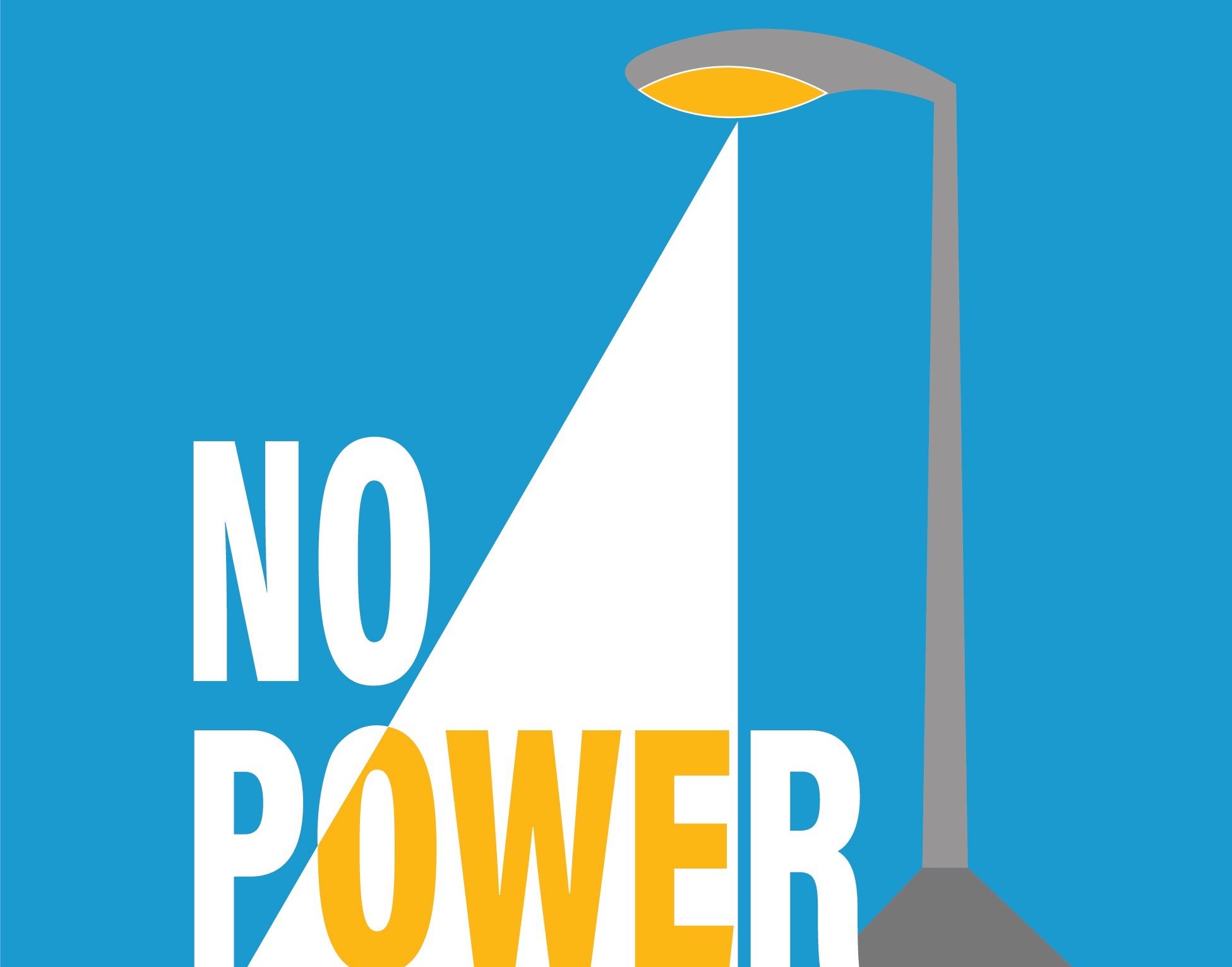
    Hold PG&E accountable for its reckless and unprofessional behavior

    During the most recent Public Safety Power Shutoffs, the Pacific Gas & Electric Company’s communication with its customers was awful.

    The first time the utility shutoff power in Humboldt County was on Oct. 9. The county had less than 12 hours of notice for residents to prepare for a possible four-day outage. Humboldt was the only county in California to lose all power and initially wasn’t even on the list of affected counties.

    After the outage, Michael Lewis, PG&E’s senior vice president of electric operations, said that Humboldt County shouldn’t have lost power in the first place. Although extreme weather and fire risk were at play in other counties’ outages, Humboldt went dark because of scheduled maintenance on one of the transmission lines coming into the county.

    On Saturday, Oct. 26, reports from PG&E said only about 2,000 customers in Humboldt would be affected. Several hours later, PG&E corrected itself and acknowledged that all Humboldt residents would be hit with the outage.

    During the most recent PSPS, the utility released news that another outage would likely hit Humboldt early Tuesday morning. Additional updates said that while many residents would regain power, it was possible that residents still without it may continue to be in the dark through to Tuesday’s outage.

    When Tuesday morning came and went, locals wondered when the outage would hit. Those who regained power the day previous still had it, and conflicting reports from PG&E, the Redwood Coast Energy Authority and the Humboldt County Office of Emergency Services led to mass uncertainty about when –and if– the power would go out again.

    For those PG&E customers who tuned in to one of the company’s many streamed press conferences, they were forced to wade through jargon including “operational event,” “incident commander,” and the terribly-named “Public Safety Power Shutoffs.”

    Late Monday night, the Redwood Coast Energy Authority posted on Facebook that PG&E said that power in Northern Humboldt wouldn’t go out until 9 p.m. That same night, OES made its own Facebook post stating that PG&E said power was still planned to go out early in the morning.

    On Tuesday morning, OES continued to stand by what it had learned from PG&E.

    PG&E’s own updates from Tuesday morning listed the outage time for Northern Humboldt as 9 p.m., and as the day went on, that seemed to be likely.

    Humboldt State University had no better idea of when the power would go out, as it noted in its update on Tuesday morning.

    “HSU is seeking clarity from PG&E regarding the timing of a possible power shutdown,” HSU’s update said. “There has been conflicting information from the company, and in local news reports, over the last 24 hours.”

    PG&E later updated its estimated timing to 7 p.m., and then, around 5 p.m., it called off any PSPS for Humboldt at all. On Facebook, OES said PG&E had given it inaccurate information.

    “PG&E has provided the Humboldt County Office of Emergency Services (OES) inaccurate information regarding times of de-energization in our County,” OES said.

    Communication is everything. PG&E changing times of planned outages makes sense, especially since the outages are primarily based around weather patterns. But failing to provide accurate information to emergency services and county officials is ludicrous. The company’s communication strategies are unacceptable.

    As a community and state we need to hold PG&E accountable and remove ourselves from its firm corporate grip. These blackouts should be the push California needs to turn toward alternative energy and municipal utility boards, ridding the state of monopolized power once and for all.

  • How HSU Handled Its Second Blackout

    How HSU Handled Its Second Blackout

    For the second outage to affect Humboldt in less than a month, students and staff were better prepared for the darkness and the subsequent time off

    After Humboldt County’s first Public Safety Power Shutoff, students and staff at Humboldt State University were better prepared when the latest outage hit the county the night of Saturday, Oct. 26.

    Marine biology sophomore Tyler Nagle spent his Sunday at a beach in Trinidad with friends.

    “I went to the beach, got a campfire going, roasted some s’mores and looked at the stars,” Nagle said.

    While Nagle said he’s learned how to prepare for these outages, he did have concerns about the outages’ impact on classes.

    “I definitely think this has taken a hit on my learning,” Nagle said. “But I hope these will be more few and far in between.”

    Vice President for Administration and Finance and HSU Emergency Operations Center Director Douglas Dawes said it’s too early to make any calls about how the outages will affect the semester’s class schedule, but he said HSU will be in touch with its academic accreditor.

    Otherwise, Dawes said he’s proud of the way the campus has handled the outages.

    “There have been some hiccups, but we’re getting through it,” Dawes said.

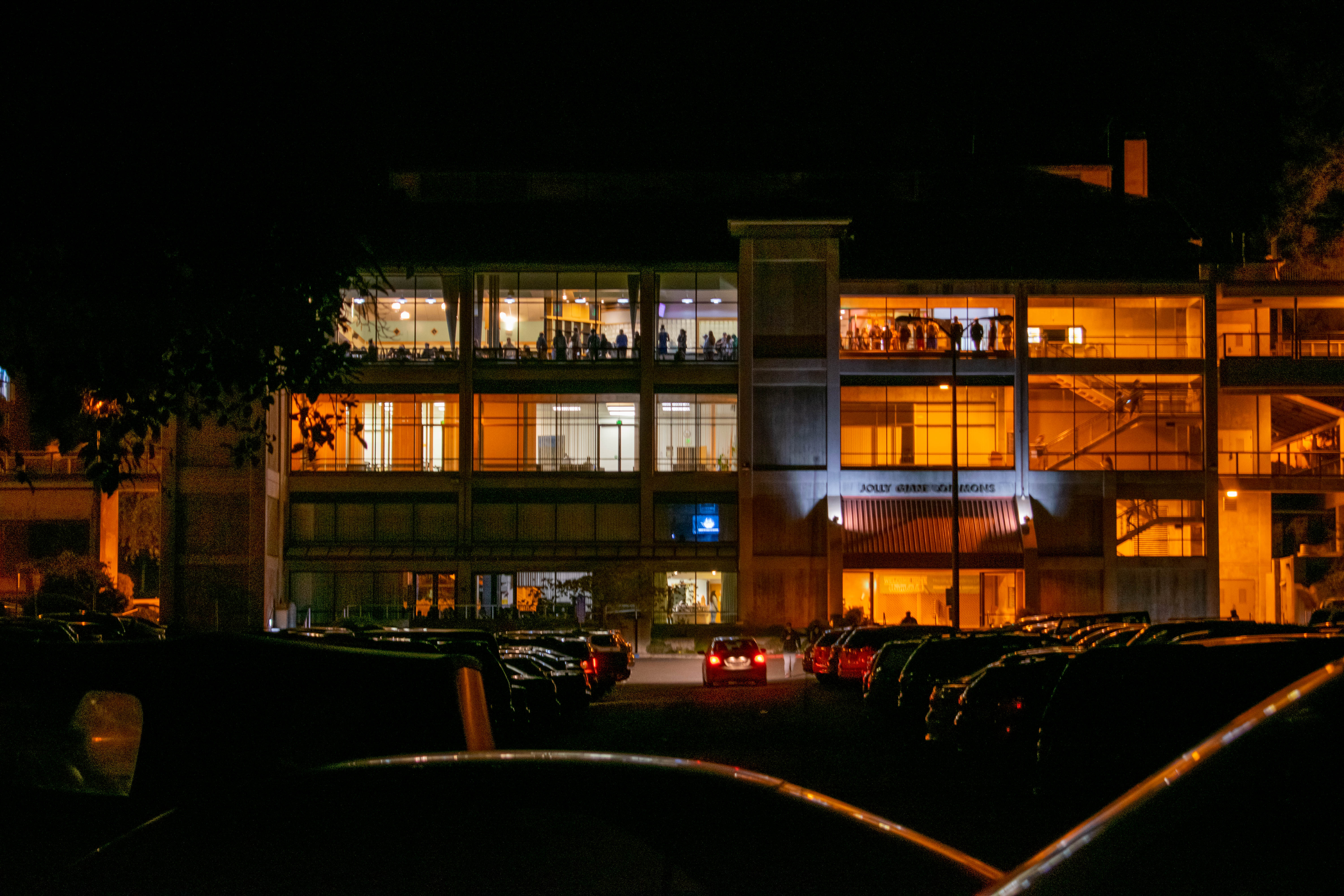
    Dawes said one generator failed over the weekend, but Facilities Management quickly moved around generators to keep providing power to the most essential buildings on campus including the Jolly Giant Commons, Student Recreations Center and residence halls.

    “They’ve been champions,” Dawes said. “Our facilities team has been keeping everything together.”

    Daniel Valencia, a sophomore kinesiology major, normally works at The Depot. During the outage, Valencia helped out at The J. When not working, Valencia said he enjoyed his hobbies.

    “I picked up skating more,” Valencia said. “And I’ve been looking into hobbies like reading and painting.”

    Zane Eddy, a master’s student in the environmental science and management program, came from an undergraduate program at the University of Oregon. Eddy said he was surprised by the outages.

    “It’s really odd having these power outages,” Eddy said.

    Eddy spent his free time going to Clam Beach and picking chanterelle mushrooms. Eddy said he believes the outages will make people understand their dependence on others for power.

    “We’re part of a larger system and we’re part of a larger environment,” Eddy said.

    While preparing for the outages on Friday, Interim Vice President of Enrollment Management Jason Meriwether echoed Dawes and said he was proud of how HSU handled the first outage.

    “That was a positive thing that we responded to the power outage in that way,” Meriwether said. “Now, in my opinion, that’s how it should always be and that’s how it will be. But I think students were happy to know we took that approach.”

    Dawes said HSU served 4,400 meals on Sunday. While he admitted that HSU incurred some significant costs in diesel and food, he said a percentage of those costs can be covered by disaster funds.

    On Tuesday, HSU uploaded a response page for students wondering why classes are cancelled during the outage. The page noted concerns over safety, non-functioning technology and a focus on personal wellbeing. The page also explained why it takes time to reopen campus even once power is restored.

    “It takes a great deal of time to safely re-open the campus, including powering down and disconnecting generators, resetting locks, and ensuring fire suppression systems are working,” HSU’s post said.

    As of Tuesday afternoon, HSU classes are set to resume on Thursday, Oct. 31.

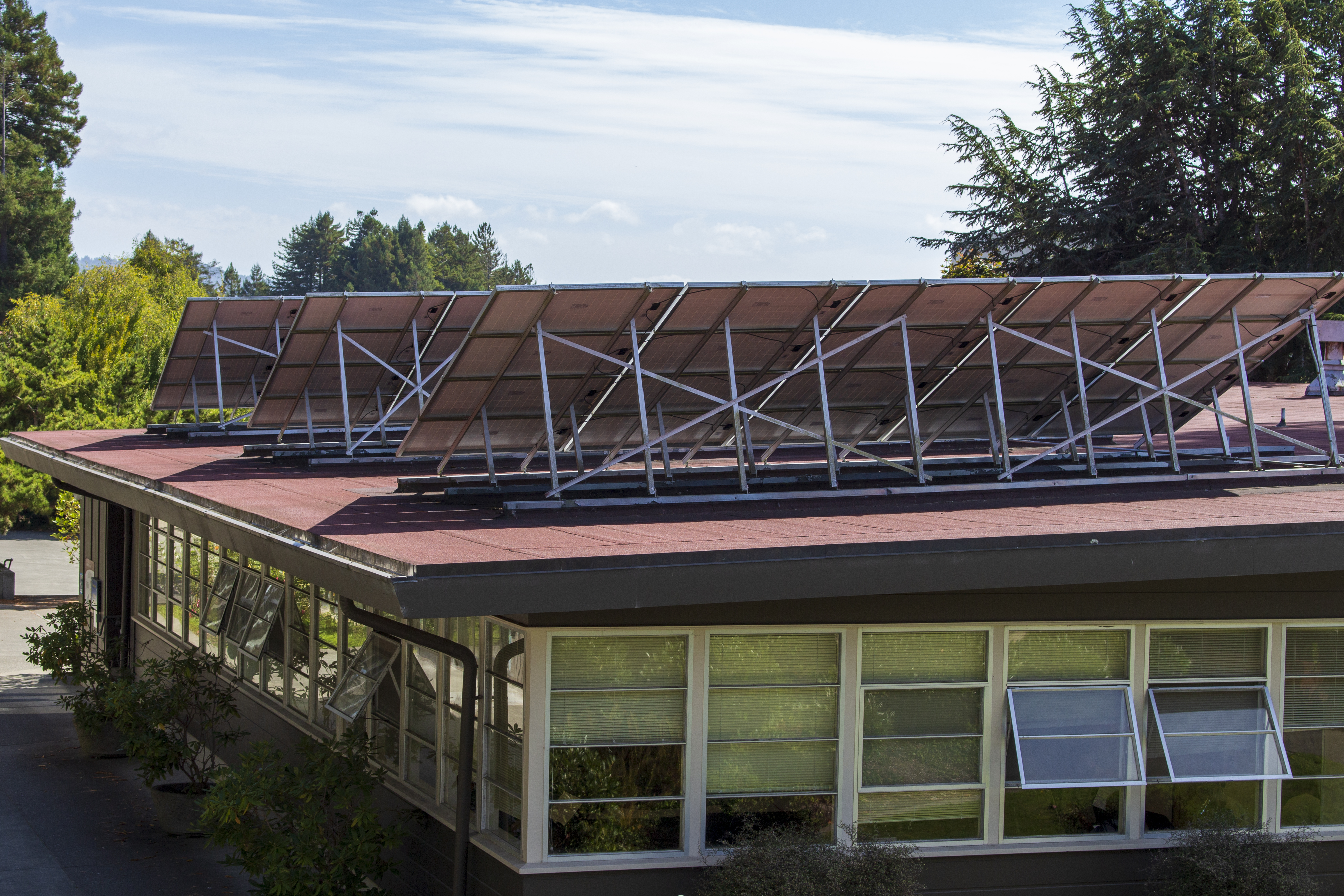
    In the future, Dawes said HSU will likely look toward generating more of its own power.

    “Having more generation for the campus would be a huge help,” Dawes said. “So we’ll be looking into doing that.”

    For now, Dawes wanted to thank staff, faculty and students for restoring his faith and hope in humanity.

    “We’ve got really good students that want to provide for others,” Dawes said. “And staff that really care about providing for students as well.”

  • PSPS Events Showcase Reliance on Fossil Fuels

    PSPS Events Showcase Reliance on Fossil Fuels

    With the recent Public Safety Power Shutoffs, blackouts may be a big push toward renewable energy

    Public Safety Power Shutoff, blackouts could aid the push toward renewable energy. Solar micro-grids, local offshore wind farms or more well maintained power lines could be the answer to back-to-back outages. 

    Pacific Gas and Electric Company’s PSPS events are triggered by environmental conditions that threaten parts of their power grid. For example, a third consecutive power shutoff was originally scheduled for Tuesday morning, but changing weather patterns pushed back the timing. On Tuesday at 5:22 p.m. the county was removed from the PSPS affected counties list.

    PG&E’s PSPS events are triggered by environmental conditions that threaten parts of their power grid.

    “Due to diminished weather conditions, Humboldt County is no longer in the scope for a Public Safety Power Shutoff tonight and power will remain on,” said Humboldt OES in an email alert. “There are still communities without power but PG&E advises they hope to have those areas re-energized tonight.”

    The nature of the power grid in Northern California renders Arcata and Eureka subject to power outages if other areas of the grid are at risk. The energy used in Northern Humboldt is imported through transmission lines to the Eureka Humboldt Bay Generating Plant, where it’s amplified for local use. If energy stops flowing through the lines to Humboldt, there is no source of energy and therefore, no electricity. 

    Terra-Gen, a Manhattan-based wind power company, has proposed a wind generation project for the Monument and Bear River Ridges that could provide nearly half of Humboldt’s energy. A panel discussion on the project will be held Nov. 6 at 5:30 p.m. in Founders Hall 118.

    “Anticipated project features include a significant contribution to North Coast renewable energy generation and to California’s clean energy mandate,” the panel flyer says.

    According to Terra-Gen, benefits of the project could include the creation of local green jobs and Humboldt Bay development. However, some local community members see the project as more consequential than not. 

    As California’s dry and windy seasons become the new normal, power shutoffs will likely become common occurrence.

    The proposed area of development, Monument and Bear River Ridges, sit on Wiyot territory. According to the Wiyot Tribe and the California Department of Fish and Wildlife, the Monument and Bear River Ridges aren’t appropriate for wind development. The turbines could harm or destroy some of the rare and protected species that call the area home.

    “Concerns raised include impacts on bat and bird deaths; tree removal; effects on sites with cultural and ecological significance to Native American Tribes; erosion and sedimentation from sub-river drilling and road expansion; visual impacts; light and noise pollution; and traffic congestion,” the flyer says.

    The upcoming panel lists some of these concerns as additional talking points, but it is unclear if the company or the county have come to a conclusion on how to proceed with this particular option of alternative energy. 

    Alternatively, PG&E maintains that shutoffs are necessary to prevent dangerous wildfires like the Camp Fire of 2018. Any at-risk transmission line can be shut off. As California’s dry and windy seasons become the new normal, power shutoffs will likely become common occurrence. However, some individuals are taking advantage of the winds, rather than suffering from them. 

    Blue Lake Rancheria has tested local energy generation since 2011. The Rancheria has yet to be seriously impacted by the power shutoffs because they have solar electricity and battery storage, forming a microgrid

    Their microgrid works as a system of solar panels which power the Casino and other buildings during the day while also charging up a bank of Tesla batteries for the night. The grid can be connected or disconnected from PG&E’s grid as needed, making them sustainable without any power from the utility.

    The primary barrier to building offshore wind turbines and micro grids or improving PG&E’s transmission lines is cost. Alternative energy projects cost significantly more upfront that traditional fossil fuels. The economic costs of the recent power shutoffs, however, may be enough to kickstart real conversations about alternatives.

  • Humboldt County Won’t Lose Power on Tuesday

    Humboldt County Won’t Lose Power on Tuesday

    Some areas of Humboldt County still don’t have power, however power will potentially be restored by tonight

    UPDATE 10/29/19 5:25 p.m. : According to the Humboldt County Office of Emergency Services alerts, “PG&E has advised that Humboldt County is no longer in teh scope for a Public Safety Power Shutoff tonight and power will remain on.”

    They also said at this time the National Weather Service does not see more weather patterns that would cause another PSPS event in the near future.

    UPDATE 10/29/19 4:24 p.m. : PG&E has now stated Humboldt County will be affected by a third power outage on Oct. 29 at 7 p.m. rather than the previously reported 9 p.m.

    UPDATE 10/2/19 10:00 p.m. : According to a PG&E press release Humboldt county is expected to lose power on Oct. 29 at 9 p.m. This is the most current information as of Oct. 28 at 10 p.m.


    Pacific Gas and Electric Company announced in a press release they will shut power off for a third PSPS event scheduled for Oct. 29.

    The utility said the next weather event responsible for the third PSPS may begin Tuesday at 6 a.m. According to the Humboldt Office of Emergency Services, power will likely be turned off before that time, although the exact time of the shutoff remains unclear.

    The third PSPS event is expected to last until the afternoon of Wednesday, Oct. 30.

    Power was restored at Humboldt State University mid-morning Monday, but the campus remains closed through the duration of Tuesday. There is no update for Wednesday classes as of 5:20 p.m.

    PG&E has reported it could take up to 48 hours to assess the damage from the Oct. 26 PSPS, but said it is attempting to restore power to customers before the next shutoff. According to the utility company, it is possible not all customers will have their power restored before it goes off again.

    Amidst the shutoff, the Student Recreation Center is open temporarily till midnight. HSU is inviting students, staff, faculty and their families to eat for free at the J until campus reopens. Parking permits are not required during the shutdown.

    This story is ongoing and timing is subject to change due to changing weather patterns.

  • Fires Still Burn as PG&E Implements Mass Outages

    Fires Still Burn as PG&E Implements Mass Outages

    Largest intentional blackout in California history keeps millions without power while the state burns

    Over two million people across Northern California were without power on Sunday. Pacific Gas & Electric is working to restore power, but the company has scheduled another Public Power Safety Shutoff, this time for Tuesday morning.

    Despite the shutoffs, fires are burning across the state. The Kincade Fire, a 66,000 acre fire in northern Sonoma County, was only 5% contained as of Monday at 3 p.m. Located just northwest of Santa Rosa, the Kincade Fire has forced more than 180,000 people to evacuate, including the towns of Windsor and Healdsburg. 

    There are no casualties or missing persons reported as of yet, but 80,000 structures are at risk. Firefighters from as far south as Pasadena and as far north as Oregon have reported to the scene to try and stop the fire from pushing west across Highway 101. 

    PG&E’s shutoff is an unprecedented intentional blackout, and is the largest intentional blackout in history, according to the Los Angeles Times. The utility’s goal is to prevent high winds—which have reached upwards of 100 miles per hour in some parts of Sonoma County—from sparking wildfires.

    In a PG&E press conference on Saturday, CEO and President of the utility company—but not the entire corporation—Andy Vesey said the company’s goal is safety. 

    “Right now we have a big, historic event coming at us,” Vesey said. “We have two and a half million customers being impacted. There’s a real threat to public safety and that’s why we’re doing this.”

    Yet, across the nation, media outlets are questioning PG&E’s shutoffs. 

    Articles from Time, The Nation and ProPublica have claimed that PG&E’s shutoffs may not actually reduce wildfire risk. The shutoffs could prevent debris from sparking fires from electrical wires, but that is not the only cause of wildfires. Abraham Lustgarten for ProPublica points to cigarettes, barbecues, generators (which are used extensively during shutoffs) and cars as other common fire starters.

    “The blackouts solved nothing, of course,” Lustgarten wrote. “De-energizing the electrical grid is a bludgeon: imprecise, with enormous potential for collateral damage as people deal with a darkened world. It doesn’t even eliminate fire risk.”

    To Lustgarten’s point, a structure fire on the east side of the Arcata Plaza erupted Sunday afternoon, likely caused by a generator at the Big Blue Cafe, according to reporting by the Times Standard. While firefighters contained the blaze and no injuries were reported, initial estimates for the damages are as high as $2 million.

    “It’s more than just climate change. It’s about the failure of capitalism to address climate change. It’s about decades of mismanagement. It’s a story about greed.”

    Gavin Newsom, California Governor

    In some instances, it seems the shut offs weren’t implemented in time to prevent electrical lines from sparking fires. PG&E admitted that it registered a failed jumper cable at one of its transmission towers near the possible ignition point of the Kincade Fire right before the fire began. The area of the fire was set for a Public Safety Power Shutoff, but it didn’t begin until 28 minutes after the fire started.

    The outages have pressed some government officials to speak out against the corporation and its tactics. California Governor Gavin Newsom called out PG&E for greed and mismanagement in a press conference on Thursday. 

    “It’s more than just climate change,” Newsom said. “It’s about the failure of capitalism to address climate change. It’s about decades of mismanagement. It’s a story about greed.”

    Vermont Senator and presidential candidate Bernie Sanders tweeted that it was time to think about public ownership of utilities.

    Amidst the outages, PG&E’s stock has plummeted to all-time lows. On Saturday, Governor Newsom encouraged Warren Buffet’s Berkshire Hathaway to buy PG&E. 

    In the Saturday press conference, Vesey declined to entertain questions about PG&E’s tainted image. Vesey said those discussions can come later as they will focus on the public’s safety for now. 

    “No matter how much we focus on the past, it will not help us at all today or tomorrow,” Vesey said. “We take lessons learned, we take actions, we put in our programs and we work responsibly.”

    For now, California is under a statewide declaration of emergency by Governor Newsom, who has promised to hold PG&E accountable.

    “We will hold them to an account that they’ve never been held to in the past,” Newsom said in a press conference. “We will do everything in our power to restructure PG&E so it is a completely different entity when they get out of bankruptcy by June 30th of next year.”