The Lumberjack


Students Serving The Cal Poly Humboldt Campus and Community Since 1929

Tag: hip hop

  • Music of the Moment 2

    Music of the Moment 2

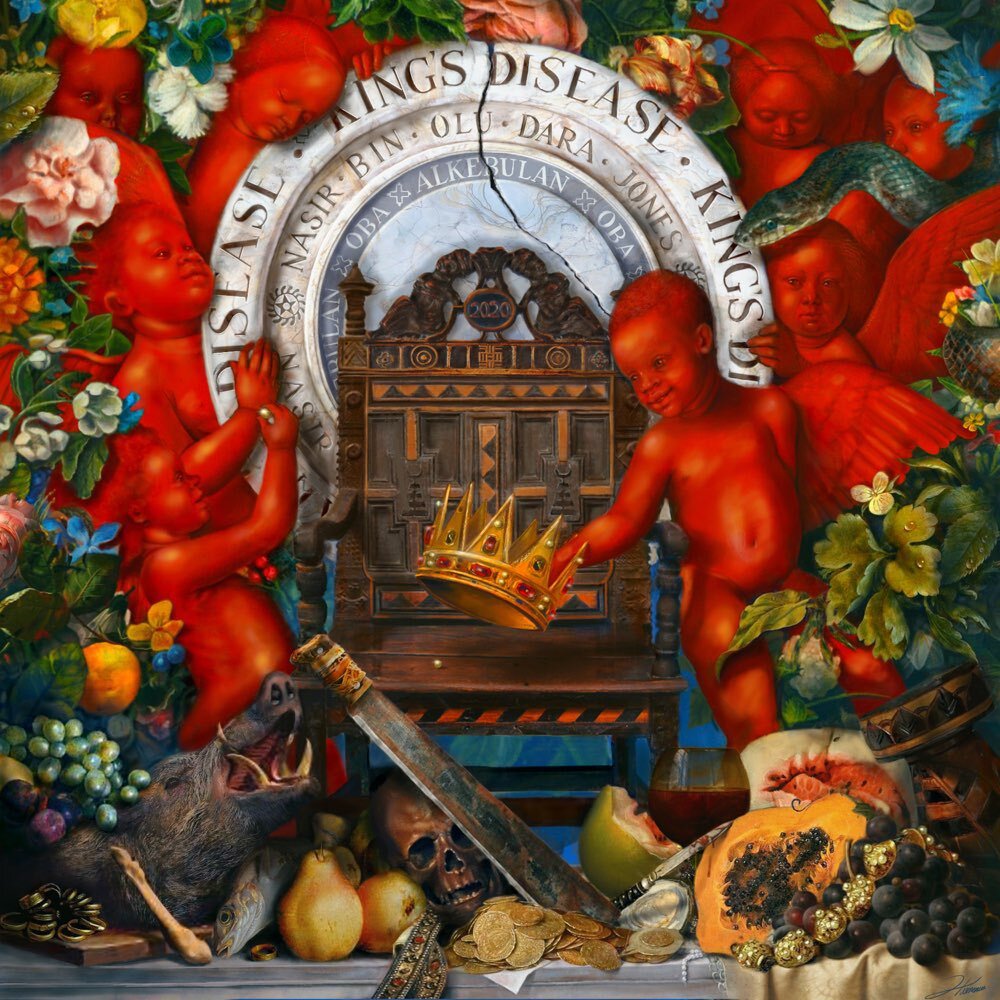
    The long awaited return of God’s son, Nas.

    Regarded unanimously as one of the greatest rappers of all time and by many as having created the best hip-hop album to date with his 1994 debut, “Illmatic,” Nas has returned at the age of 46 with his studio album, “King’s Disease.”

    More than eight years since his last full-length album, “Life is Good,” Nas has been more active than usual in the last few years. In June 2018, Nas released his seven-track “NASIR” album, executive produced by Kanye West, then followed it up with “The Lost Tapes 2” compilation album in July of 2019.

    To set the tone for his new album, Nas released the lead single, “Ultra Black,” boasting the beauty of black life, a theme which is felt throughout the album and heavily featured on songs like “27 Summers,” “10 Points,” and the title track. In these songs, Nas lays down the definition of a true king: someone who is willing to work their way to the top, leave their baggage behind them and give back opportunities and knowledge to their people. In other words, a leader not a ruler.

    Produced entirely by Hit-Boy, with occasional assists from other producers, “King’s Disease” features a mixture of old school beats on songs like “Full Circle” and “Car #85” and more modern instrumentals on tracks like “Til the War is Won” and “Spicy,” a New York anthem featuring hometown rappers Fivio Foreign and A$AP Ferg. To compliment the tone of the tracks, Nas recruits features for over half the songs on the album, including unlikely appearances from Travis Scott’s new artist Don Toliver and Big Sean on the track “Replace Me.” Nas also reunites his old group, The Firm, to please fans of the old-school, with nearly four minutes of uninterrupted bars, on the track “Full Circle.” The features that stand out the most, however, both in terms of their quality and the surprise of hearing their voice alongside Nas on a song are Lil Durk with “Till the War is Won” and Anderson.Paak with “All Bad.”

    As Nas fans have come to expect, he delivers more of the signature story-telling style that caused hip-hop to fall in love with his music. He brings you into his world like no one else can with the songs “Blue Benz” and most especially “Car #85,” as Nas reminisces on life in the hood. Forever a part of him, mentions or allusions to the hood appear on the majority of the album, most powerfully on the track “Till the War is Over.” In this song Nas expresses his sympathies for single mothers and especially those who’ve had to bury a child, while Lil Durk provides the perspective of one of the children caught up in the streets.

    Following the longest break between proper full-length albums in his career, Nas lays all his cards on the table, dedicating entire tracks on “King’s Disease” to addressing the ugly, prejudiced state of the world and reflecting back on his 27 summers in the game with “The Definition” and “The Cure.”

    Around 7,500 people in the world can be considered one in a million with “King’s Disease,” Nas proves once again that he’s one of a kind.
  • Music of the Moment

    Music of the Moment

    The hip-hop community rallies behind the Black Lives Matter Movement

    When footage of an unarmed black man named George Floyd being murdered by police officer Derek Chauvin was uploaded to the internet on May 25, Black Lives Matter protests began erupting across the country and throughout the world. Given the role hip-hop plays in the black community, it’s natural that protesters adopt anthems from the genre to fuel their cause.

    In the weeks following Floyd’s death, several members of the hip-hop community took their frustrations to the studio and created new anthems to further fuel the protests, notably including FTP by YG, Other Side of America by Meek Mill and The Bigger Picture by Lil Baby, all of which are raw reflections of the artists’ real experiences as black men living in America.

    An unlikely protest anthem came from the late Pop Smoke, who was gunned down in his Los Angeles residence earlier this year. Thousands of New Yorkers took to the streets of Manhattan during the initial protests, chanting the words to the former rapper’s hit song “Dior.”

    To celebrate Juneteenth, the holiday commemorating the abolition of slavery in the United States, Beyoncé released her own Black Lives Matter anthem, “Black Parade.” On July 31, she delivered an entire visual album titled “Black is King” celebrating the African race throughout history.

    When the protests were at their height, another song from Beyoncé’s 2016 album “Lemonade” titled “Freedom,” featuring Kendrick Lamar, was also being played across the country. Along with Lamar’s own song, “Alright.” Another artist with a critically acclaimed album celebrating Black excellence in “To Pimp A Butterfly,” Lamar has remained suspiciously silent since the protests broke out, beside participating in the Compton Peace Walk.

    Regarded alongside Lamar as one of the best and most progressive rap artists of the era, J.Cole chose a different path that landed both him and Lamar on the list of Twitter cancellation campaigns.

    Afterwards, Cole admitted in a tweet, “[he hasn’t] done a lot of reading and [doesn’t] feel well equipped as a leader in these times.” Cole released a song on June 16 titled “Snow On Tha Bluff,” addressing both his own ignorance of the plight of his people, and the criticisms of an unnamed Black woman, quickly discovered to be Chicago rapper, Noname. On the track, Cole compels Noname to preach her knowledge rather than shame those unwilling to speak up and to share it with audiences outside of those that already have access. Cole’s “queen-tone” lyric, however, muddied the message with accusations of policing a Black woman’s tone and inspired a response track from Noname with “Song 33,” in which she questions how he could write about her in a time of such international tragedy.

    As the Black Lives Matter movement carries into the fall, hip-hop continues to celebrate its roots, most recently with the release of the first official, full-length Nas album in over eight years, “King’s Disease,” preceded a week by his own Black Lives Matter anthem, lead single “Ultra Black.”

  • The Overnight Sensation is Back at It Again

    The Overnight Sensation is Back at It Again

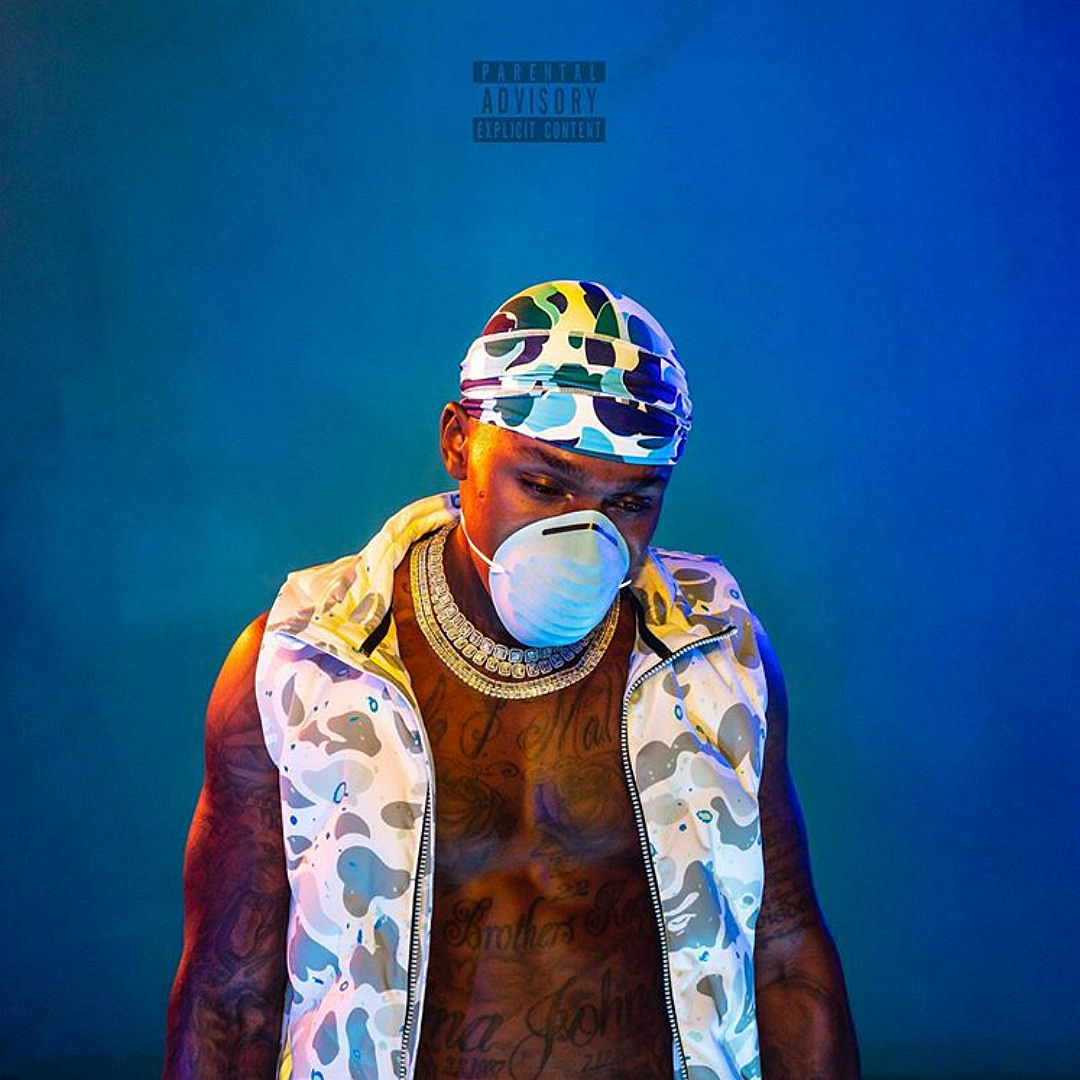
    DaBaby releases his third album in 13 months, “BLAME IT ON BABY”

    Capitalizing on a unique sound and unique circumstances, with COVID-19 providing more available listeners than ever before, DaBaby is flooding the market—a strategy that’s proven most useful to artists like Lil Wayne and Young Thug in the past. Coming less than seven months after his previous effort, “KIRK,” and only a year after his extremely successful debut, “Baby on Baby,” DaBaby has returned with his third album, “BLAME IT ON BABY.”

    Since his introduction to mainstream hip-hop with his platinum-hit-record, “Suge,” DaBaby has kept his name relevant in the media with a string of negative headlines, most recently “accidentally” slapping a female fan. Despite the negative nature of these incidents, each headline only seems to contribute to his success.

    A great deal of DaBaby’s launch into the mainstream can be credited to arguably the most impressive feature run from a rookie, landing himself a verse on songs with the likes of Chance the Rapper, J. Cole and Post Malone and playing a standout role on each of the associated albums. This earned DaBaby the attention of hip-hop fans everywhere.

    “He’s just different from everybody else—his style, the way he goes about it. I just like him cause you can never tell what direction he’s gonna go with it.”

    Jesus Ontiverof, College of the Redwoods student

    Although nothing on “BLAME IT ON BABY” is as personal as “Intro” from “KIRK,” DaBaby switches up the vibe in the second quarter of the album, revealing his emotional side while he sings on “SAD SH*T,” “FIND MY WAY” and “ROCKSTAR.”

    BLAME IT ON BABY” is still mostly filled with the party music that we expect from DaBaby, with raw lyrics about guns, girls and guap laid over high-energy beats intended to be played at high volumes.

    Jesus Ontiverof plans to transfer to Humboldt State University after completing the nursing program at College of the Redwoods. As a casual fan of DaBaby, Ontiverof enjoys all his music.

    “He’s just different from everybody else—his style, the way he goes about it,” Ontiverof said. “I just like him cause you can never tell what direction he’s gonna go with it.”

    “A lot of his music sounds the same, which is kind of a bummer. But I do like some of his shit when he mixes it up.”

    Jay Coch, kinesiology major

    HSU kinesiology major Jay Coch has a different view and experience with DaBaby’s music.

    “A lot of his music sounds the same, which is kind of a bummer,” Coch said. “But I do like some of his shit when he mixes it up.”

    Even though Coch wasn’t eagerly awaiting the new release, he can’t knock the hustle.

    “For him, it seems like he’s being pretty successful putting out a lot of music,” Coch said. “A lot of people like that. They’re like ‘Drop more music, drop more music,’ but it would be cool [if] he took a little more time and really mixed it up and thought about his lyrics more, and actually put himself out there as a musician more than just a big name in the rap industry.”

    Despite having its moments on the song “ROCKSTAR,” with a feature from the other hottest new name in rap, Roddy Ricch, and another feature on the song, “NASTY,” with DaBaby’s biggest featured guest to date, Ashanti, “BLAME IT ON BABY” is easily his most forgettable album yet.