The Lumberjack


Students Serving The Cal Poly Humboldt Campus and Community Since 1929

Tag: illness

  • Humboldt Mold Manifests in Moisture

    Humboldt Mold Manifests in Moisture

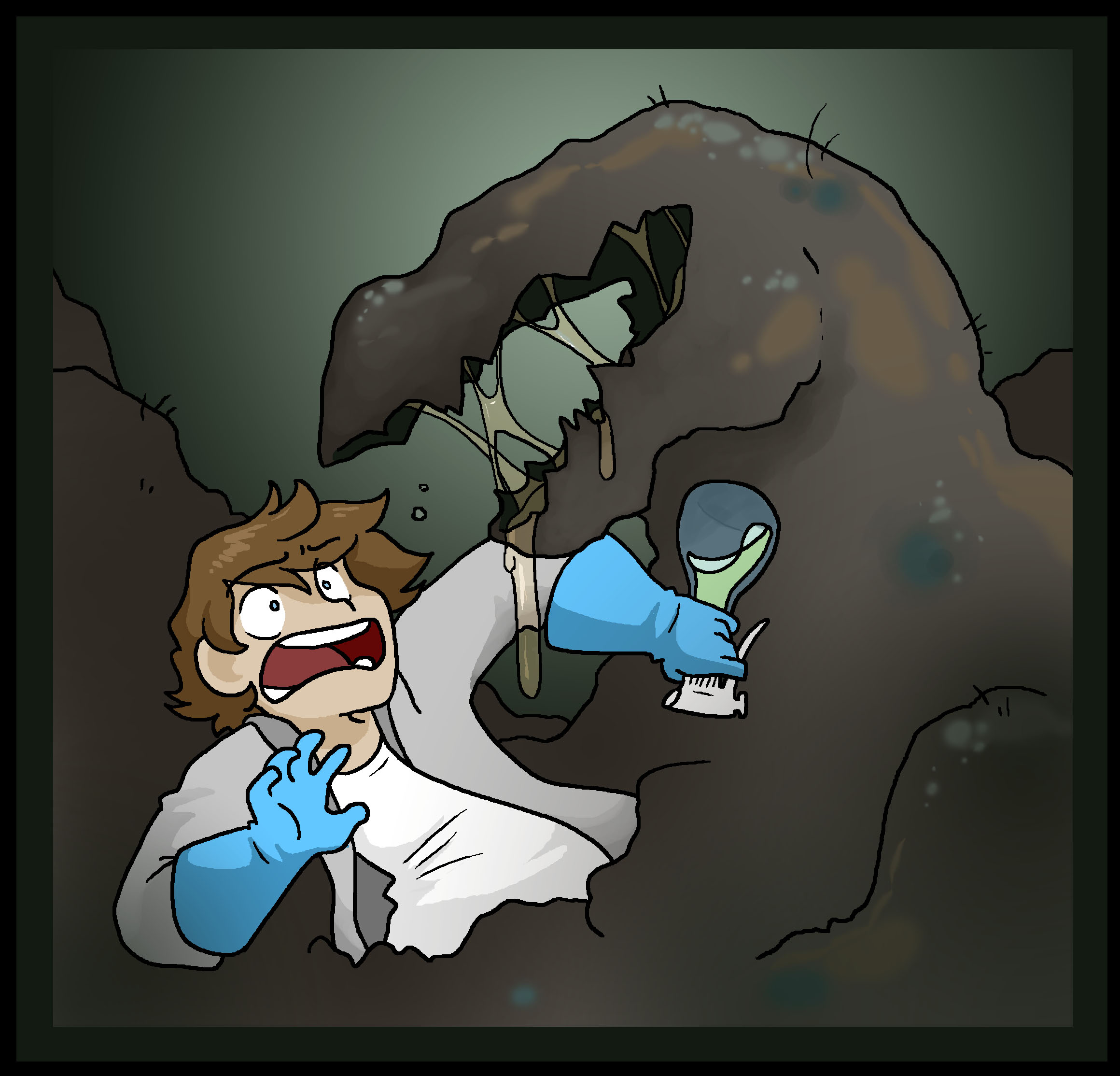
    HSU students are under-informed and unprepared for the beast that is mold

    It accumulates like there’s no tomorrow, unleashing its inner animal at every turn. No damp area is safe from the monster of mold. What can students do to fight it?

    The rainy season is still around in Humboldt. Lurking amidst the hundreds of buildings students live in—and may be stuck in—is a hidden and nasty phenomenon—mold.

    Mary Gaviglio, a freshman business administration major, has had first-hand experiences with mold, from seeing it grow on a bowl of cereal she left out overnight to meeting someone who was severely affected by it.

    “He’s actually allergic to the mold spores here, so he gets really excited because they’re in the air,” Gaviglio said.

    Gaviglio also remarked on how it’s easier to breathe in Humboldt than where she is from in Southern California.

    “I usually get sinus infections when the Santa Ana winds come in because of all the pollutants, and now that I’ve moved here, I actually breathe a lot better,” Gaviglio said.

    Dr. Miriam Peachy, an accredited practicing naturopath in McKinleyville and a mold expert, gave a breakdown of the ins and outs of mold and mold illnesses.

    There are five different kinds of mold and the mold that humans can see is called active mold. Mold reproduces through spores, which get in the air, fly around, settle on surfaces and eventually begin to grow as moisture emerges.

    Mold toxins, the waste products of mold, are what can get people sick. Most people aren’t affected by most kinds of mold, but for those with weakened immune systems or allergies, extended exposure to some mold can cause nausea, headaches and cold sweats.

    “I’ve had people literally sleep outside because they didn’t have anywhere else to live.”

    Dr. Miriam Peachy

    Colton Trent, an environmental science senior, talked about how he’s dealt with mold in his apartment. His bathroom is in the middle of his apartment and has no window and an old ventilation fan, which makes for a messy situation in the winter when humidity is high.

    “Whenever me or my roommates take showers or if we leave the door closed for too long, the condensation collects on the ceiling and the walls,” Trent said. “And we have to clean the walls and the ceiling pretty frequently because mold spots will start to grow.”

    No matter where you stand in the mold illness spectrum, there are steps that can be taken to treat it.

    The first step is distancing yourself from the mold, which means permanently leaving the environment in which the mold is taking over.

    Unfortunately, in Humboldt, the lack of housing is a known factor that is doing the mold illness treatment process no favors.

    “Too many people are afraid to rock the boat or lose their rental and they don’t have anywhere to go and they don’t know if the next place they go will be moldy,” Peachy said. “It’s almost impossible to find a place that’s not moldy here.”

    The next step in treating mold and mold illness is remediation. That is to say, removing and replacing anything and everything that might’ve contracted mold from kitchen wooden cabinets all the way to furniture.

    “I’ve had people literally sleep outside because they didn’t have anywhere else to live,” Peachy said.

    The final step in the process is washing and cleaning everything that can be wiped down or otherwise cleaned like clothes and metal surfaces.

    Above all, Peachy stressed the importance of getting a dehumidifier, as it can work wonders and is the most basic way of combating the spread of mold.


  • First Case of Coronavirus Confirmed in Humboldt

    First Case of Coronavirus Confirmed in Humboldt

    Press release from Humboldt County Department of Health and Human Services Public Health Branch

    Press release:

    The Humboldt County Department of Health & Human Services Public Health Branch has received confirmation from the California Department of Public Health and the U.S. Centers for Disease Control and Prevention (CDC) of one case of COVID-19 in a Humboldt County resident. A close contact who has symptoms is being tested as well.

    This marks the first confirmed case of the novel coronavirus in Humboldt County. Presently, the ill individuals are doing well and self-isolating at home, while being monitored for symptoms by the Public Health Communicable Disease Surveillance and Control Unit.

    Close contacts of these individuals will also be quarantined at home and monitored for symptoms by Public Health staff. With the amount of foreign travel by county residents, including travel to China, it is not surprising that a case has emerged locally. Additional cases may occur either in returning travelers or their close contacts.

    “It’s important to remember that the risk to the general public remains low at this time,” said Humboldt County Health Officer Dr. Teresa Frankovich. “Despite the fact that Humboldt County now has a confirmed case of COVID-19, there is no evidence to suggest that novel coronavirus is circulating in the community at large.”

    Frankovich added that transmission in the U.S. to date has been among close contacts and not among the general public.

    Public Health suggests the following precautions to prevent the spread of COVID-19 and all infectious diseases, including common illnesses like colds and flu:

    • Stay home when you are sick
    • If you have a fever, stay home or go home if you are already at work or school, and stay home for at least 24 hours after you no longer have a fever (without the use of fever-reducing medicine).
    • Wash your hands frequently and particularly before eating or drinking.
    • Promote good hand hygiene in your home by educating household members and making sure soap, hand sanitizers, and tissues are available.
    • Avoid touching your face, particularly your eyes, nose and mouth.
    • Encourage proper cough etiquette. Cough or sneeze into a tissue, sleeve or arm. Do not use your hands.
    • Perform routine surface cleaning, particularly for items which are frequently touched such as doorknobs, handles, remotes, keyboards and other commonly shared surfaces.

    The county’s Communicable Disease Surveillance and Control Unit will continue to provide updated information about COVID-19 to health care providers, hospitals and schools, as well as the general public.

    The county’s Communicable Disease Surveillance and Control Unit will continue to provide updated information about COVID-19 to health care providers, hospitals and schools, as well as the general public.

    For updated information about COVID-19, please continue to check the https://www.cdc.gov/coronavirus/.

    If you are ill and in need of medical care and have been in China within the previous two weeks or have been in contact with an individual who has COVID-19, please contact your health care provider or emergency department before presenting for care. Arrangements will be made to have you evaluated in the safest manner possible for health care staff and other patients.

  • HSU Students’ Home Remedies

    HSU Students’ Home Remedies

    We asked HSU students for their home remedies to get over colds and flus

    It’s about that time of year when empty seats and sniffles become a daily thing in class. Hopefully everybody is taking care of themselves during the winter, because the common cold or even the flu can creep up on you. I asked students and staff what home remedies and tips they use when they feel a cold coming.