The Lumberjack


Students Serving The Cal Poly Humboldt Campus and Community Since 1929

Tag: lj editorial

  • Let’s Make Media Coverage Equal, Always

    Let’s Make Media Coverage Equal, Always

    Emphasizing equity and integrity in the media February and beyond

    Humboldt State University celebrates Black Liberation Month, which promotes black excellence and achievement, every February.

    People of color are often covered by the media for achievement in athletics and entertainment, but rarely for academia, volunteer work or simple successes unless they’re a trailblazer in their field. More often than not, Blacks face the most discrimination in media.

    At HSU, Black Liberation month emphasizes the great achievements and progress in the Black community—but these often fall out of the public eye once February is over. This is a failure—the celebration of the Black community should extend through the year and into perpetuity. At The Lumberjack, we acknowledge the lack of representation blighting the mainstream media and our own newsroom. We strive to break the toxic cycle of misinformation and misinterpretation and promote the achievements of the Black community at HSU.

    “Blacks represent 37 percent of criminals shown in the news, but constitute 26 percent of those arrested on criminal charges. In contrast, news media portray whites as criminals 28 percent of the time, when FBI crime reports show they make up 77 percent of crime suspects.”

    Travis L. Dixon

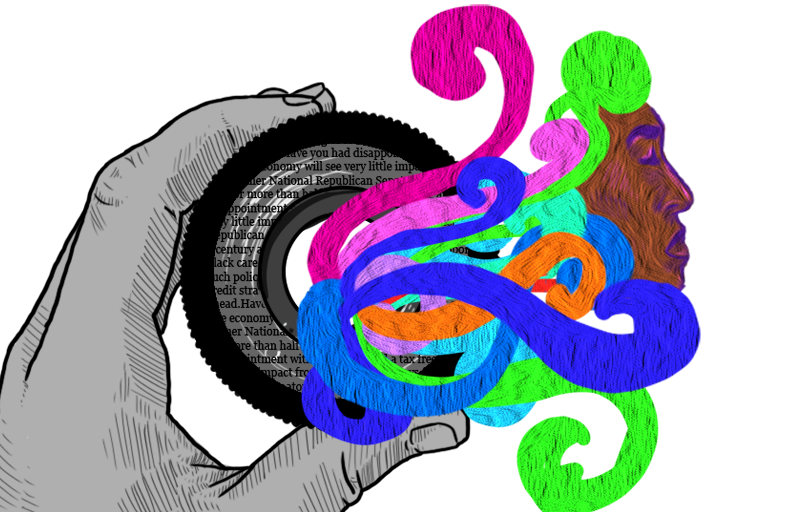
    Modern media organizations filter the truths of the world, a behavior that has a significant impact on their audience. The way we absorb news depends on the way it’s delivered. Emphasizing equity and integrity in the media February and beyond

    The study, “A Dangerous Distortion of our Families,” by Travis L. Dixon, Ph.D from the University of Illinois, looked into media coverage from local and national media outlets and found they often warped the reality of Black families to fit the narrative of the big screen.

    “Blacks represent 37 percent of criminals shown in the news, but constitute 26 percent of those arrested on criminal charges,” Dixon wrote. “In contrast, news media portray whites as criminals 28 percent of the time, when FBI crime reports show they make up 77 percent of crime suspects.”

    The study, sponsored by The Washington Post, found that at best, media outlets promoted racially biased portrayals and myths that pathologize black families and idealize white families with respect to poverty and crime.

    At worst, the study found that media outlets amplified those inaccurate depictions for political and financial gain. They said such reporting reinforces debunked narratives that justify police brutality or promote economic policies that hurt not just Black families, but all families.

    Throughout February, throughout the year, into the next decade and into forever, we shall strive to accurately report on and represent the lives and achievements of the Black community at HSU. We commit ourselves to journalistic accuracy and integrity. We commit ourselves to the celebration of the liberation of our oppressed communities and we commit to support them on their path to self-realization.
  • ‘OK Boomer,’ Let’s Set the Record Straight

    ‘OK Boomer,’ Let’s Set the Record Straight

    Millennials and Zoomers may be fed up, but ‘OK Boomer’ is not equivalent to a racial slur

    If you’re present on social media –or even if you read any of the major news organizations– you’ve probably heard of the latest linguistic controversy, “OK Boomer.”

    Memes have become a fundamental aspect of younger generations’ humor. They are used to convey vast amounts of information within a simple image or text post. Google defines memes as laughable images, text or videos that are replicated and spread quickly around the Internet.

    The “OK Boomer” trend started as just that, a meme. Unfortunately it has taken a new life and those outside of meme culture fail to realize the actual meaning behind the phrase.

    Boomers are those from the post-WWII baby boom era who were born from 1946 to 1964. Millennials are young adults born from 1981 to 1996. Generation Z, or zoomers, were born from 1997 to the present day.

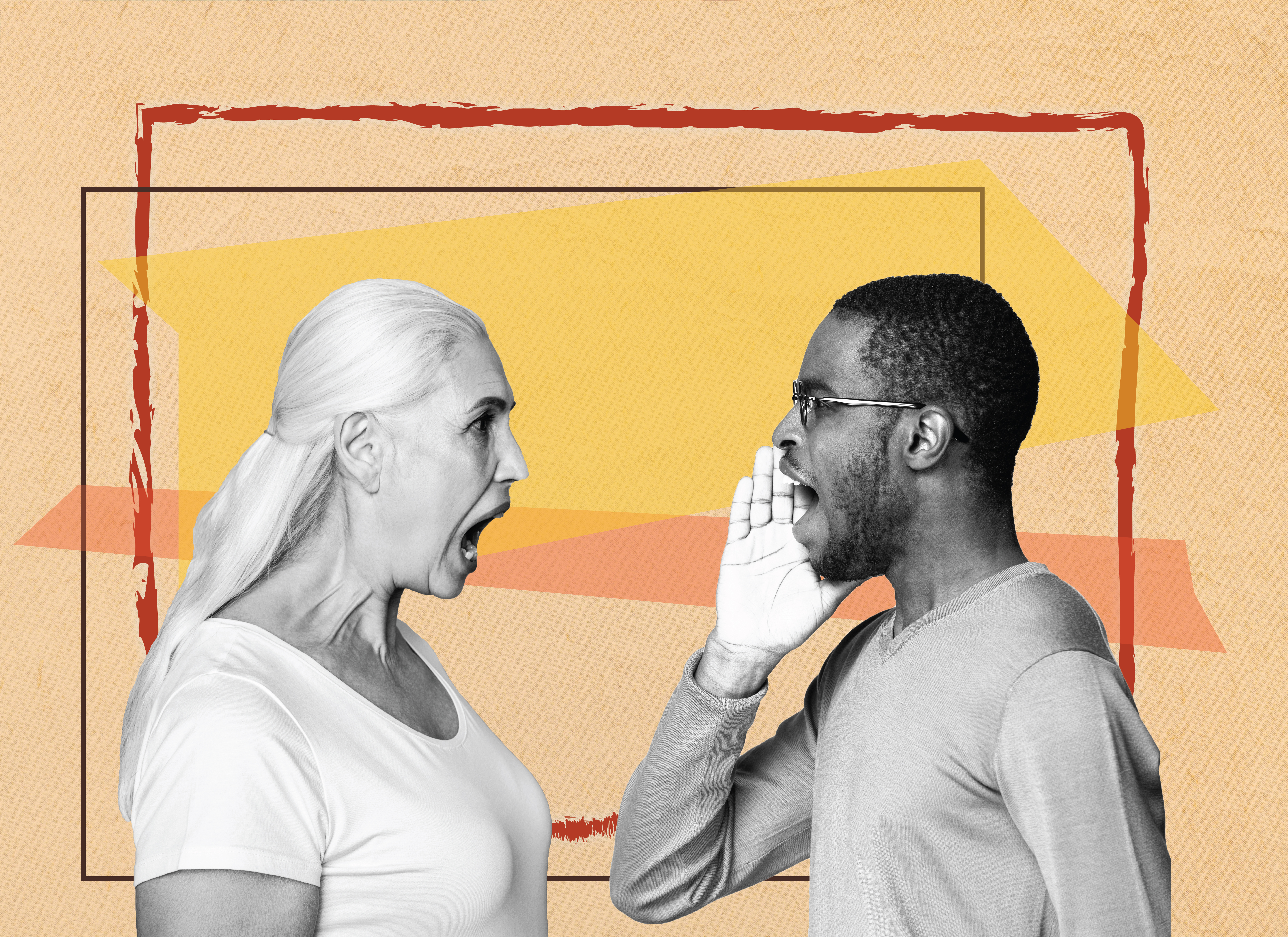
    “OK Boomer” is used to dismiss the disdain older generations have against millennials and zoomers. The phrase can be used as an insult, but it’s often used to blatantly point out double standards that many boomer generation individuals subject younger generations to.

    Don’t worry, Boomer. It’s just a meme.

    The meme began as a way to passive aggressively, and humorously, let loose the frustrations that younger people have at the current state of the world–a world that was created and subsequently tarnished by the boomer generation.

    This comical phrase is by no means equivalent to a racial slur, as some people have insinuated.

    While “OK Boomer” can be misconstrued as a derogatory term against the older generations, it’s not meant to be hateful. Millennials and Zoomers simply found a way to comment on the older generation’s biases. This term isn’t even specifically about age, it’s about issues.

    Nevertheless, this phrase has hit the mainstream with news station stories and business marketing campaigns. Companies like Natural Light and Netflix are jumping on the bandwagon and are trying to appeal to today’s youth by using this meme slogan for marketing.

    Millennials and zoomers are fed up with the boomer generation feeding us disdainful comments on how to lead our lives.

    Boomers often look down upon younger generations and you can commonly hear boomer individuals using phrases that start with, “Back in my day,” or “When I was your age,” which are typically followed by an array of rhetoric that aim to condemn the lifestyles and decisions of younger generations.

    The majority of us zoomers and millennials are not entitled and arrogant as we are so often portrayed. In a general sense, we see and experience the injustices created by an inconsiderate generation, and feel a need to retaliate against the judgement that boomers perpetuate in a creative yet harmless way. We are trying to make them see their own corruption.

    Memes, and “OK Boomer” in particular, can confuse older generations because they don’t have the contextual knowledge that we’ve absorbed through the saturation of media messages surrounding us that help us able to understand pop culture or meme culture references.

    Any older generation will inherently look down upon its successors because as humans we are resistant to change. The fact that older generations now are offended by what the young people have to say just solidifies that they don’t understand what younger generations are expressing, so they react with scorn.

    The older generations fail to realize that we are fed up with how we’ve been viewed and treated by them. Our use of ‘OK Boomer’ is solely used to highlight this mistreatment.

    Overall, the use of this comical phrase isn’t meant to upset the older generations. It’s meant to inform them about the concerns younger generations have which don’t seem to be taken seriously by boomers. Don’t get offended, it’s just a meme.