The Lumberjack


Students Serving The Cal Poly Humboldt Campus and Community Since 1929

Tag: Logging

  • LOGGING THEIR HOURS ‘JACKS SHARPEN THEIR AXES        

    LOGGING THEIR HOURS ‘JACKS SHARPEN THEIR AXES        

    By Alex Anderson

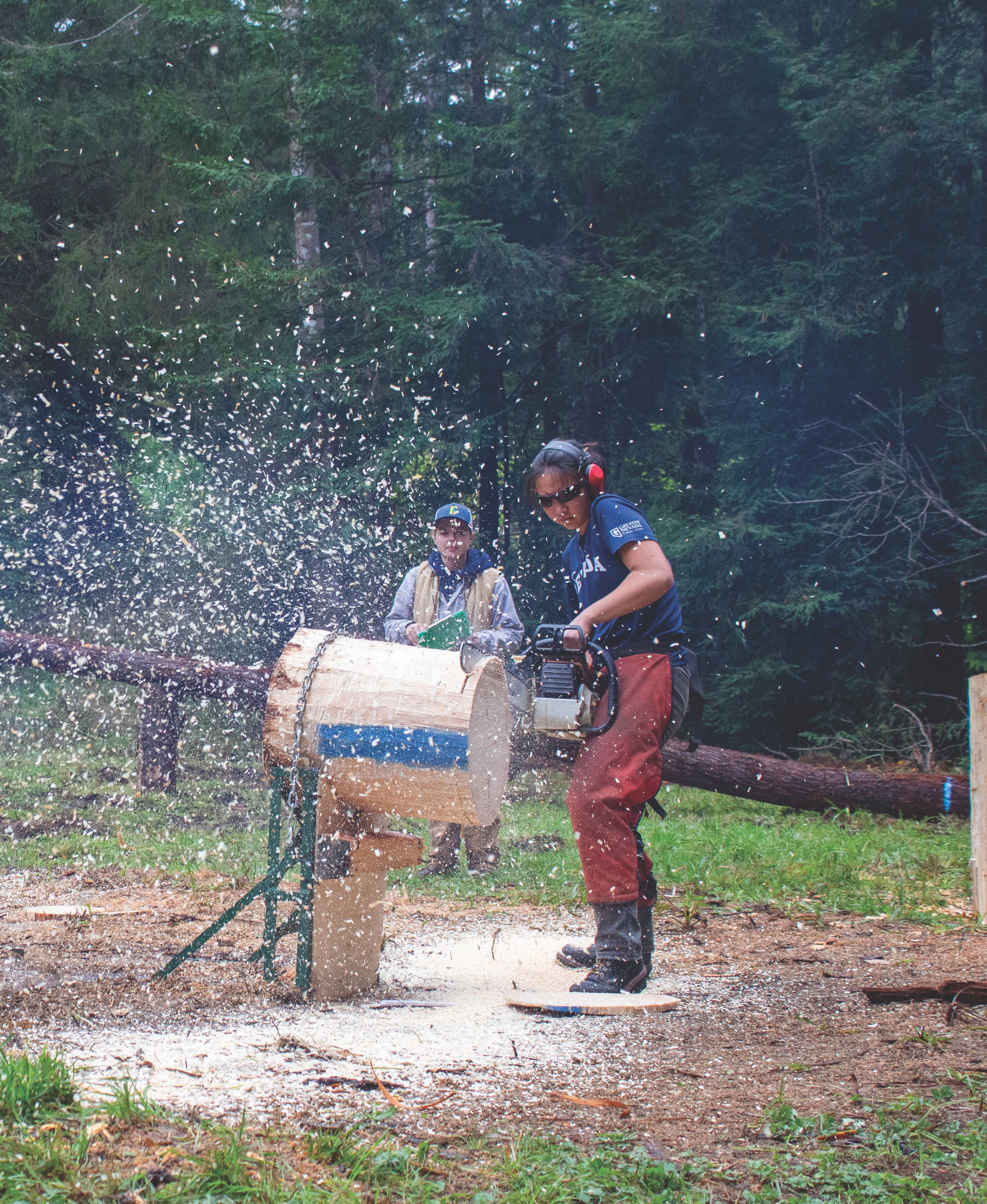
    Over 150 logging competitors will soon descend upon Humboldt swinging axes, climbing trees and firing up their saws. They’re coming to compete at the 84th Annual Association of Western Forestry Clubs (AWFC) competition, a special opportunity to showcase what makes Humboldt logging sports unique. 

    After about a year of planning, Cal Poly Humboldt’s logging sports team is excited to host the AWFC competition for the first time in 10 years, in conjunction with the Redwoods Region Logging Conference (RRLC). The competition is free and open to the public, taking place at Redwood Acres Fairgrounds on March 13 through March 16. Zoey Cardoza, president and captain of Cal Poly Humboldt’s logging sports team, is excited for the team to host the event this year. 

    “We’re expecting over 180 competitors coming from 10 western schools,” Cardoza said. “We’re bringing 31 students to compete, which is wild, and it’s gonna be really fun. I just want them to have the same opportunities that I’ve had and be able to compete in a competition that everybody else has strong passions for, learn something new about themselves and hopefully about the sport too.” 

    Logging sports is far from any typical sports club seen on university campuses. Deeply intertwined into the history of Cal Poly Humboldt and surrounding community, logging sports keeps the tradition alive. The team strives to open their doors to everyone with interest, not limiting themselves to forestry majors. Cardoza aims to create a safe space for people to try something new with logging sports. 

    “I think a lot of people assume that, you know, we’re logging sports, we’re all foresters,” Cardoza said. “We’re not. We have economics majors, psychology majors, and English majors. We welcome any and all walks of life. I think that’s what makes us unique too, is that you don’t have to be a certain shape, size or have a certain passion. If you want to try it, come out and try it.”

    While the club is open to all educational backgrounds, the team does serve a vital role in preparing students who are interested in forestry careers following school. Ed Laskey, a forestry student and second year logging sports competitor, explained how being on the team also provides an essential space for learning safe practices with modern and traditional logging skills. 

    “I would say just practicing valuable working skills using the axes, the cross cuts and chainsaws because I’ve worked with chainsaws before and it’s good to have a big group of people that you can learn from to do safe operation,” Laskey said. “And help others to learn how to use these tools in a safe way.” 

    Cameron Wallace, a forestry student at Cal Poly Humboldt and logging sports competitor, explained what sets logging sports apart from other sports on campus. 

    “It’s more niche,” Wallace said. “There’s a little more inherent risk. It really lets me get involved with my friends in forestry and in a way that I wouldn’t normally be able to… at the end of the week you’re tired, you’re done with sitting in the library all week and you’re just [ready to] go out into the woods with your friends to use chainsaws and axes. Do what we’re learning about in a natural environment with your friends, and it’s a good way to get outdoors, that’s part of the fun.” 

    Humboldt’s logging team is another place where students find a supportive community. Team members look forward to showcasing their skills and comradery at upcoming competitions.

    “I would say it’s special because you meet a lot of cool people,” Laskey said. “The friendships that you make are really cool. Whenever you’re at a competition and you’re competing in an event, you have the whole team, because usually it’s only one thing going on at a time. So the whole team is able to go there and watch you and cheer for you. That’s super special.”
  • Students shocked at Arcata Community Forest logging

    Students shocked at Arcata Community Forest logging

    COVID-19 hampered the communication of logging plans between the city of Arcata and new members of the community

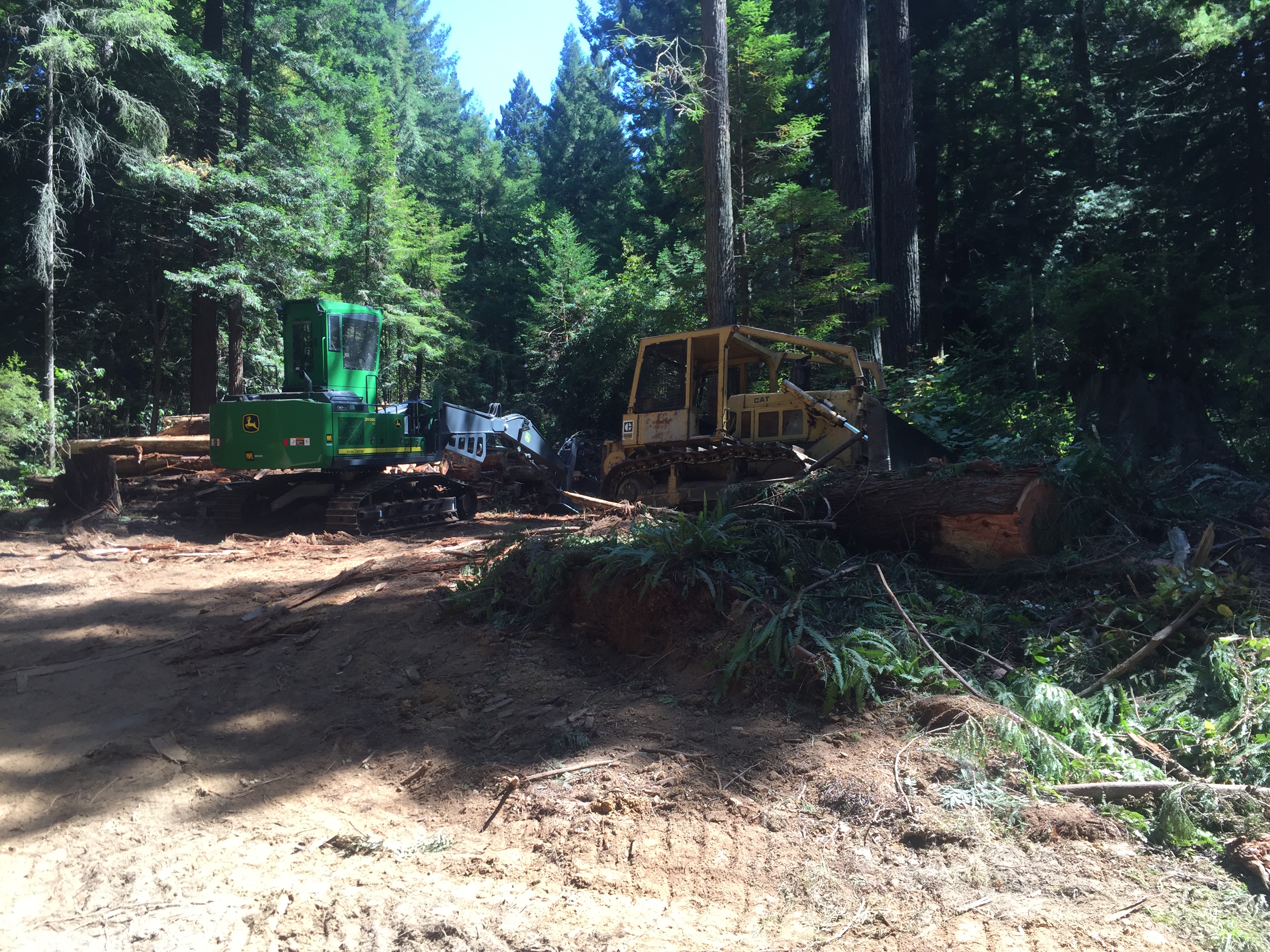
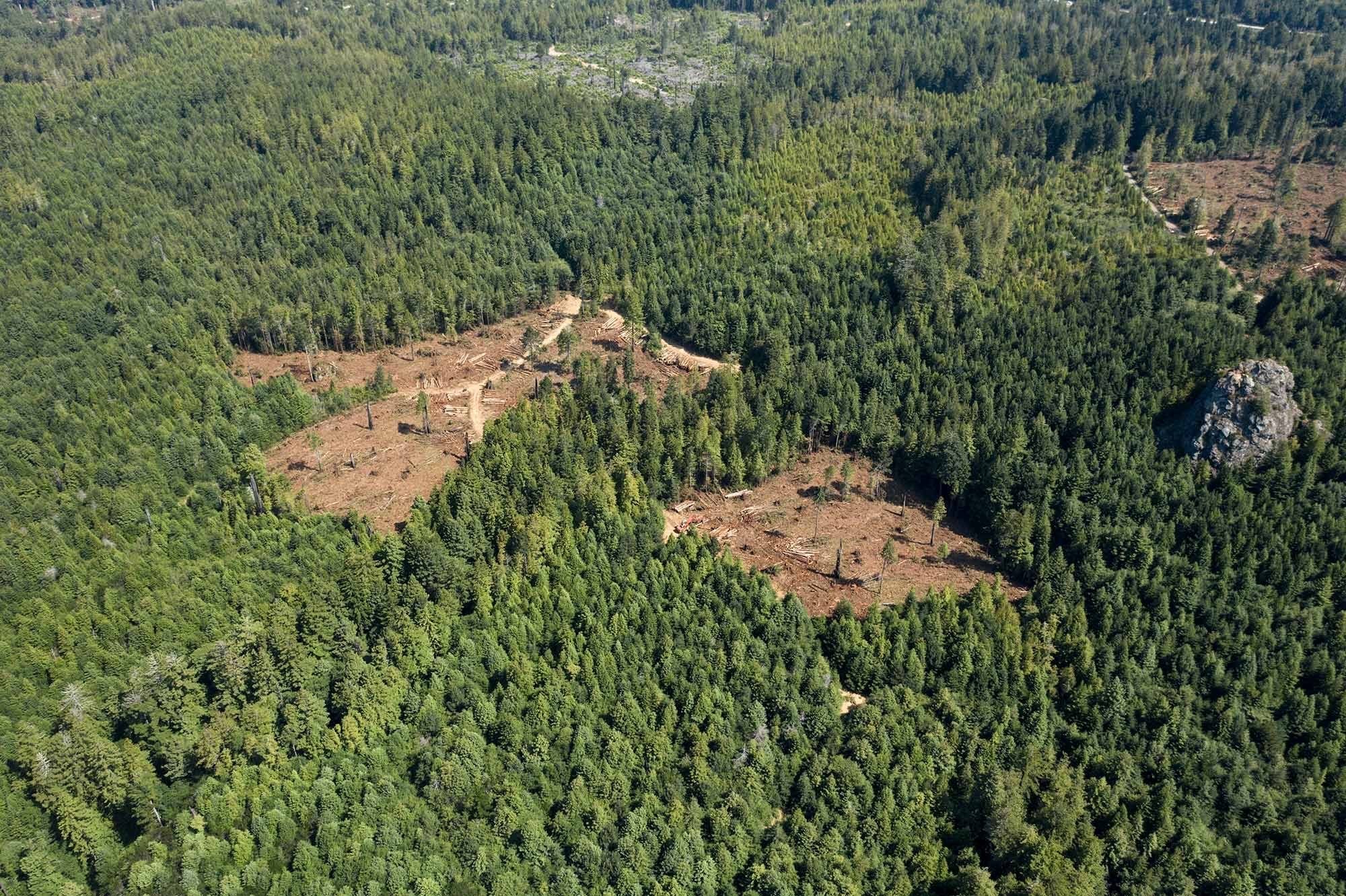
    Lumberjacks with heavy equipment felled redwood trees in the Arcata Community Forest during the last two months, shocking some Humboldt State University students who regularly use the park. The City of Arcata uses timber harvest money to fund the management of the park and purchase additional park land in the area.

    HSU senior Isaac West downhill bicycles the trails most days. He was disappointed when he came across the heavy equipment in the park near Fickle Hill Road, and a friend told him a section of the bicycle “jump trail” had been ruined.

    “We have trees burning down everywhere,” West said. “It just seems like a really bad time to be cutting them down.”

    Karlee Jackson, an HSU transfer student majoring in environmental studies, said many students she talked to hadn’t heard the tree cutting was happening, and were shocked by it.

    “I am so mad they are cutting down these trees when so many trees have already been cut down,” Jackson said. “Why wasn’t it discussed with the community?”

    Jackson acknowledged that COVID-19 may have made it more difficult to consult with the community, but said she would have liked the city to have found another way to engage the community before cutting.

    Mark Andre, Arcata City director of environmental services and former HSU watershed management graduate student, said community engagement in the forest’s management was greatly impacted this year due to COVID-19.

    “The biggest challenge to us is to explain to new people who are moving here,” Andre said. “During this COVID-19 year [community consultation] has not been as perfect as it could have been.”

    Andre prepared the current Non-Industrial Timber Management Plan which allows some logging in local community forests. It was approved in 1999 and therefore public comment is not required each time the city wishes to cut, but the city is required to submit a Notice of Timber Operations (NTO). The city did issue a press release and convened the city Forest Management Committee, made up of appointed experts, although some regular meetings were canceled this year due to COVID-19.

    The NTO includes an impact analysis on spotted owl populations, and the steepness of the grade to ensure the cuts do meet environmental regulations.

    Greg King, executive director of the Siskiyou Land Conservancy and one of the first-ever Redwood tree-sitters, said he supports the efforts of Andre and the city.

    “I’m pretty skeptical when it comes to most logging,” King said. “It almost surprises me to say I support this.”

    King said he was far more concerned about the practices of logging companies owned by the billionaire family, Fisher, and Green Diamond Resource Company. Together these companies own roughly half of all redwoods in existence and regularly get “incidental take permits” which are essentially licenses to kill endangered species found while cutting.

    “What you see is a lot of faux [or fake] sustainable logging, but that’s not what you see here,” King said.

    He hasn’t read the forest management plan, but King encouraged students and community members to keep a close eye on the city. He is impressed at the “light touch” of the operations, and how the city has been able to purchase additional land in the area for conservation with the money from the park’s timber harvest. But King does believe public notice could be improved.

    Andre said he has been working for the city since 1984 and since then the size of the forest has doubled. In the past decade about 30% less is cut annually compared to the 1980s. The city originally purchased the park and instituted the arrangement to use timber harvest money to purchase additional land for conservation after a city bond measure passed in 1979. Andre said since then the city has set standards in sustainable forestry and community based forestry even winning an award from the Forest Stewards Guild.

    Regarding the recent destruction of a section of the downhill bike trail Andre said, “If we damaged the jump trails it’s going to be rebuilt this fall anyway.”

  • Tree sitters defend forest near Strawberry Rock

    Tree sitters defend forest near Strawberry Rock

    The Redwood Forest Defenders demand Yurok tribal land be returned

    Green Diamond Resource Company, (GD), an Humboldt State University research partner and local logging company, made two clear cuts near Strawberry Rock in Trinidad this summer. Redwood Forest Defense partially blocked the logging by creating a tree sit village in the forest canopy.

    A Redwood Forest Defense tree sitter risking arrest asked to remain anonymous, but provided the alias Lupine. Lupine said the tree sits were erected April 1 immediately after Humboldt County imposed the COVID-19 isolation order.

    The company stopped about 20 acres, or 20 football fields, short of logging the whole area they originally intended. Roughly 100 acres between two timber harvest plans, Lupine said.

    Karen Pickett from the Bay Area Coalition for Headwaters and an Earth First!er since the early 1980s believes protecting the forest is crucial.

    “I guess forest defense is an essential job too,” Pickett said. “I find it really inspiring that people are up there doing this.”

    Lupine and the tree sitters have defended a five acre area this year. In previous years the sitter protected the remaining untouched 20 acres of the timber harvest plan. Green Diamond and the Trinidad Coastal Land Trust are in active discussion over the 20 acres, wanting to preserve a strip of forest for trail access to Strawberry Rock.

    Sarah Lindgren-Akana, Yurok tribe member and secretary of the Tsurai Ancestral Society, an organization advocating for the Indigenous of the area whose land was stolen, said she supports the tree sitters.

    “I really admire their dedication and I hope people are listening to their message,” Lindgren-Akana said. “While some may argue that this is just a small area, or that it is not an old growth forest, we need to keep in mind that over the past 500 years America has lost about 95 percent of its forest due to development and logging.”

    Gary Rynearson, GD chief communications officer, claims the company stopped logging the clear cuts near Strawberry Rock more than three weeks ago.

    “We think it’s dubious for them to say that [since] they have refused to file the completion paperwork [for the timber harvest plan],” Lupine said. “We are staying here since they are still legally entitled, within the timber harvest plan, to come here and cut.”

    Lindgren-Akana disapproves of the management practices of GD advocating for the land to be returned to the tribe.

    “The Strawberry Rock property is within the Tsurai village and should be returned to the tribe for proper management and care,” Lindfgren-Akana said. “The Yurok tribe can bring the land back into balance and ensure the plants and forest, animals and people all have something to enjoy for generations to come.”

    Lupine supports Lindgren-Akana and the idea of the land being returned to its rightful protectors.

    “The goal for this land is not to be held by an entity like the land trust, but to be returned to the Indigenous people it belongs to, the people it was stolen from,” Lupine said. “Whether that be the tribal council or groups like the Tsurai Ancestral Society.”

    Lindgren-Akana stated that the GD was starting to move towards a streambed that directly impacts the surrounding ecosystem.

    GD declined to comment on stream encroachment and sustainable forestry practices.

    Lupine said very little is done to ensure the company complies with sustainable forestry practices.

    “I think there is very little oversight whether it is from those types of third party certifiers or whether it is from the state and federal agencies who are tasked with overseeing these things,” Lupine said. “I often wonder if [third party] certifiers are doing more harm than good.”

  • Lumberjacks Host Logtoberfest

    Lumberjacks Host Logtoberfest

    Logging sports club invites competition for an axe amount of fun

    On Nov. 16, the Humboldt State Logging sports club held its annual Logtoberfest. This year they got to compete against schools including University of California, Berkeley, University of Nevada, Reno and Shasta College.

    In previous years, Logtoberfest was more of a practice session for HSU logging sports. This year HSU decided to make their event an open invitational and welcomed other university logging sports teams.

    Sounds of axes chopping and chainsaws revving echoed as those involved gathered around to show off their woodcutting skills. But the event was about more than just cutting wood. Logging athletes and their familiarity with each event provided entertainment while still ensuring safety.

    Vice President of the club and HSU forestry major Sophia Ackerman was in her third year competing in Logtoberfest. She was happy to see the arrival of the traveling schools and the growth of her logging team.

    “Our team has gotten bigger,” Ackerman said. “Logtoberfest in the past has been more like practice scrimmages against ourselves to get ready for competitions really early in the season.”

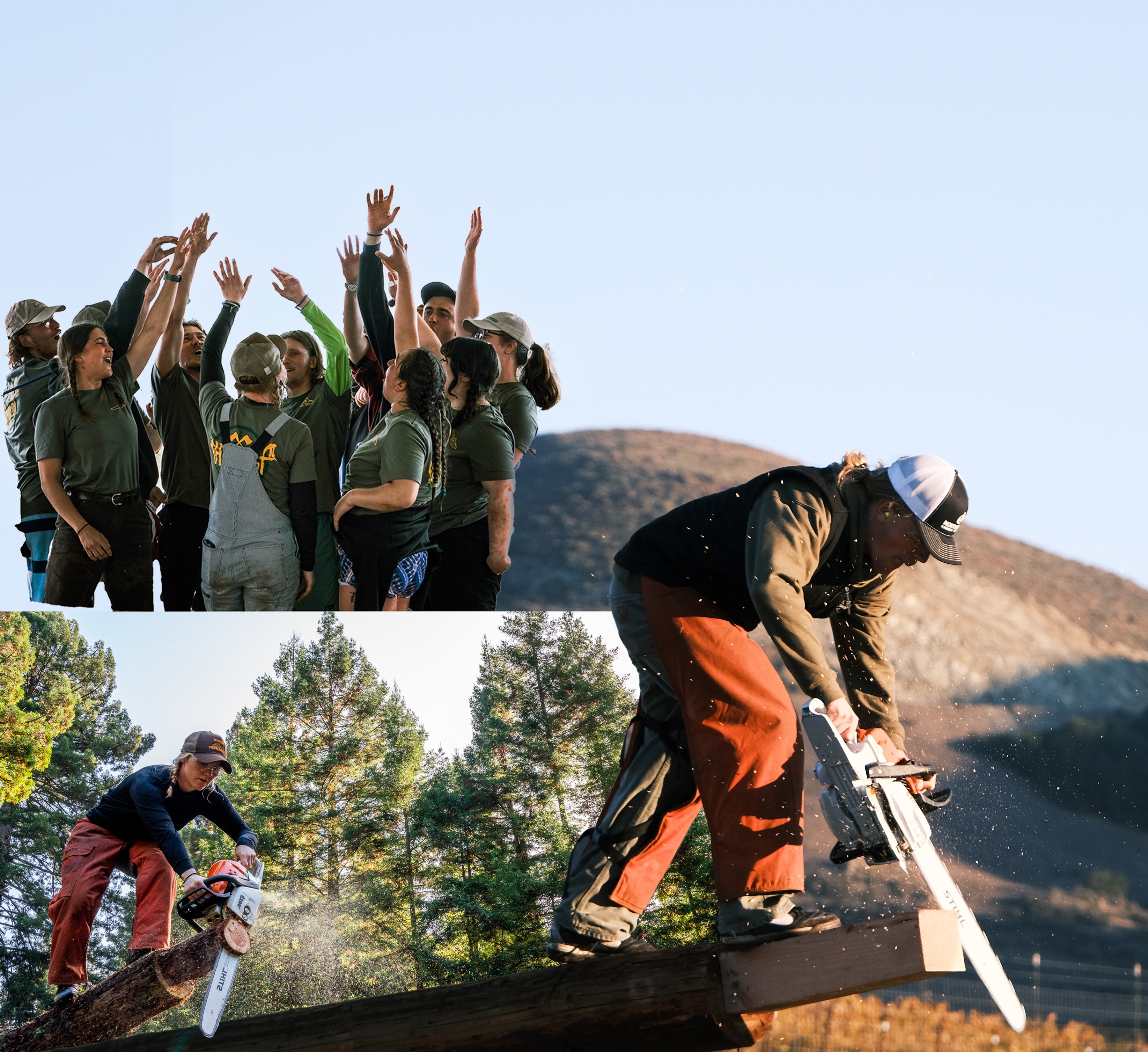
    Ackerman spoke highly about one event in particular: the obstacle pole. This event required an individual to carry an active chainsaw up a tilted log and cut off a portion of it.

    Another event called the horizontal chop involved a person positioning their feet on a log as they land multiple strikes until it breaks. Feet are exposed, but an important safety feature includes metallic footwear and chain-mail shin guards, so that in the event a contestant misses their intended target, no one is seriously injured.

    “Because it is extremely dangerous, if you glance out you can chop your leg. You gotta be comfortable with chopping and really good with the axe.”

    Jace Hunt

    Ackerman participated in the horizontal chop event and wasted no time chopping the log against her Shasta College opponent. Upon completion, Ackerman sat and took a break as she watched and cheered on her opponent to finish strong. Sportsmanship among the logging athletes has allowed them to form a bond of endless support for each other.

    Wildlife conservation major Jace Hunt competed in an event called the vertical chop, and after multiple swings from his axe, Hunt delivered a final blow to the log sending wood chips flying in every direction.

    Despite constant sawdust and wood chips flying everywhere, maintaining an uninterrupted line of sight was a goal the athletes thrived for. However, there were some participants that saw the flying chips as a motivational obstacle.

    Not only does swinging an axe demand physique but it demands discipline to assure that team members avoid inflicting bodily harm. Although this is Hunt’s second Logtoberfest, he did not compete in last year’s axe-wielding events.

    “You have to be on the team for a full year before you can do the vertical chop,” Hunt said. “Because it is extremely dangerous, if you glance out you can chop your leg. You gotta be comfortable with chopping and really good with the axe.”

  • HSU Logging Sports Came, Sawed, and Conquered

    KBLogging01: George Menges (left), Jayme Yee (middle), Robert Muma (right) during a double buck saw round. Photo by Sean Ihle.

    by Kelly Bessem

    All 10 members of the Humboldt State logging sports team scored first place in at least one event during this year’s Sierra-Cascade Logging Conference in Redding, Calif. Humboldt State, Cal Poly, Shasta College, and UC Berkeley all participated.

    Team member Dana Grevenkamp scored first place, enough to get “Belle of the Woods”, a title given to the female competitor with the most points overall. Grevenkamp beat out both male and female competitors in some of the events.

    Sean Ihle, a wildlife major and president of the HSU logging sports team, is impressed with how competitive the team has become.

    “It’s rare that every single person on the team scores that highly,”  Ihle said.

    “We’ve started working out and practicing form with professionals this year.”

    The HSU team gets access to the field, where they hold practice once a week. They compete against teams from schools that provide access five days a week, such as Cal Poly. Motivated team members sought out ways to improve while not on the field, such as 7 a.m. gym meetings.

    HSU’s team has now held the Sierra-Cascade Conference trophy more years than any other logging sports team.

    Logging sports vice president Jayme Yee, a fisheries major, acknowledges the current team’s talent.

    “After a lot of our people graduated last year we lost a lot of good competition and we’ve luckily formed another team of great athletes,” Yee said.

    George Menges is a geography major and the longest standing team member.

    “We definitely put together the best team we’ve had in years,” Menges said.

    The Sierra-Cascade competition consisted of one practice day and two days of timed rounds. At the end of Friday, the first timed day, HSU was tied with Cal Poly.

    “Everyone went for it,” Yee said. “Many of the sudden death matches ended up being Humboldt versus Humboldt.”

    HSU’s logging sports team broke the tie and won with 14 points. The second-place team had eight.

    In addition to winning competitions, team members learn a lot of applicable skills.

    “Not everyone is a forestry major but we all learn how to use forestry tools and techniques,” Menges said. “A large portion of our team has or is hoping to work for fire or timber crews.”

    Menges said that many team members are interested in conservation.

    Evelyn Murphy, an outdoor recreation major, described how being part of the logging sports team also comes with a lot of fun and traveling.

    “It’s a lot of fun, and I’ve learned so much,” Murphy said. “I really liked this particular competition because there were a bunch of pros that came to help coach us through things afterwards. We got a lot of good tips.”

    Team members also have fun naming all chainsaws and axes that they use. The team named the chainsaw they won at the conference Jefferson. This “State of Jefferson” reference is a running joke among the teammates. The State of Jefferson is a proposed new U.S. state consisting of southern Oregon and Northern California. It remains a frequent reference in the involved counties.

    “It was a good day for everyone,” said Ihle about conference.