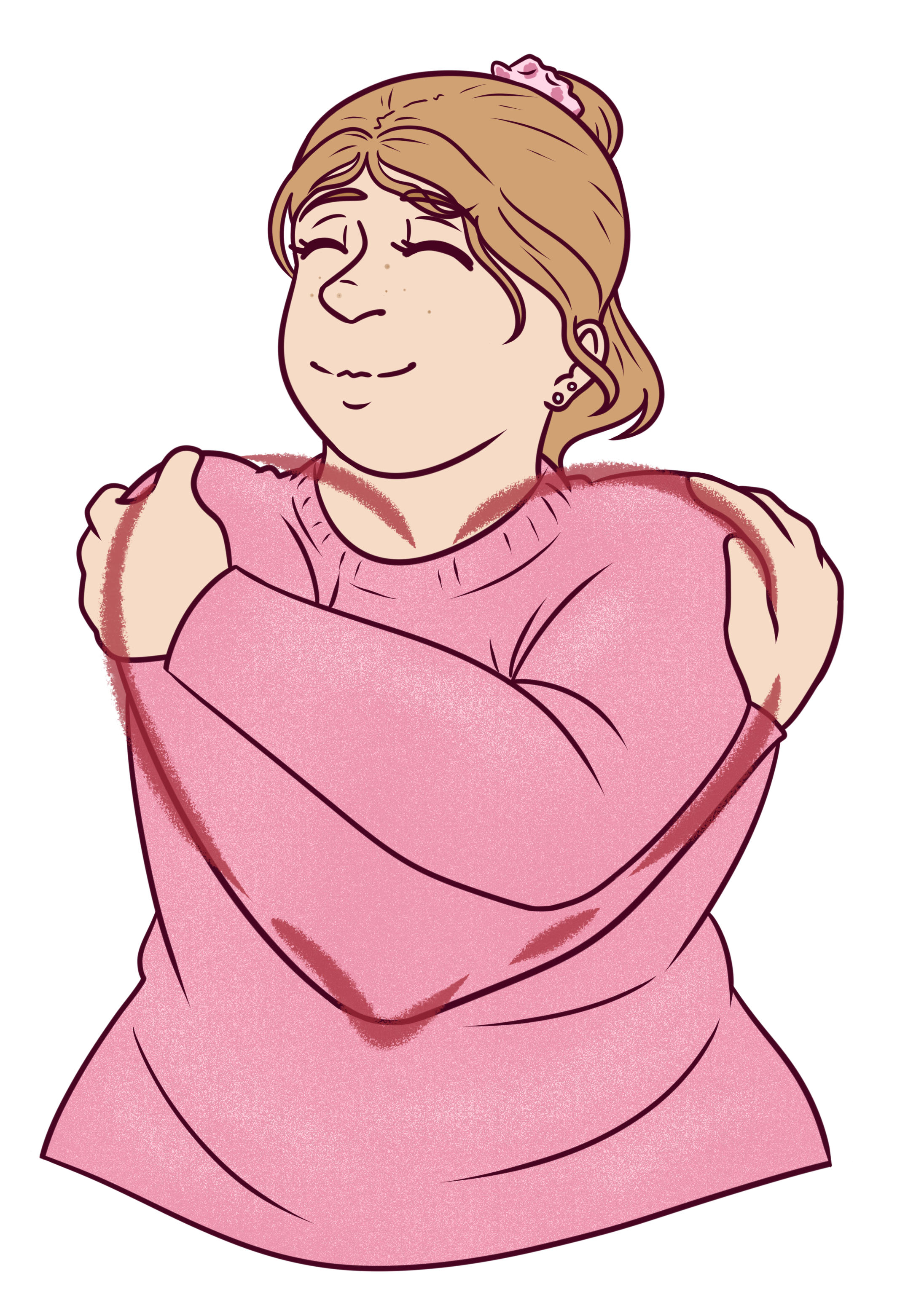
Last year, after a bout of psychosis and mania, I was diagnosed with schizophrenia and bipolar I. I was given a little blue pill called Abilify. Abilify (aripiprazole) is an antipsychotic/mood stabilizer that kept me on my rocker for a few months until my body started changing. I was prescribed Abilify in March 2023 when I weighed about 130 pounds. By May, I was 160. I went to my psychiatrist and he put me on Vraylar (cariprazine) which is a weight-neutral drug, meaning it should have stopped the weight gain. It didn’t. My general mental health was starting to decline, but at least I wasn’t convinced that everyone was out to kill me. I was probably overeating to some extent, but not enough to gain another 30 pounds. Yet around Nov., I hit 195. The drugs had wreaked havoc on my body and I didn’t recognize myself anymore. I had started an antidepressant, Wellbutrin (bupropion) back in the summer and it slowly started to help me accept my body and not mope about it all the time.
I decided to start Weight Watchers (WW) on Christmas Day. It was the best decision I’ve made in a while. It’s been almost a month and I’ve lost six pounds! I’d been tracking calories for seven months with no results, but doing WW, which factors in grams of fat, protein, carbs and more, I’m taking a more holistic approach to weight loss. It’s also like a game; I get daily and weekly points to spend on food and I have to budget my points like they’re money. I went from constantly planning what I was going to eat to only thinking about it right before eating.
Even though my body is different than it was before my life-changing diagnosis, I’m still the happy person I was before. I wouldn’t say I’m the same; I’m stronger. I’m more resilient. I am grateful for my body and my opportunity to live this life in this world.
No matter what you look like, if you’re happy, then you’re perfect. It took me a while to love myself even when I thought I didn’t deserve to. Now, as Billie Eilish said, ‘I’m happier than ever. I’m no longer trying to be someone else.’ I’m just being Savana Motherfucking Robinson.
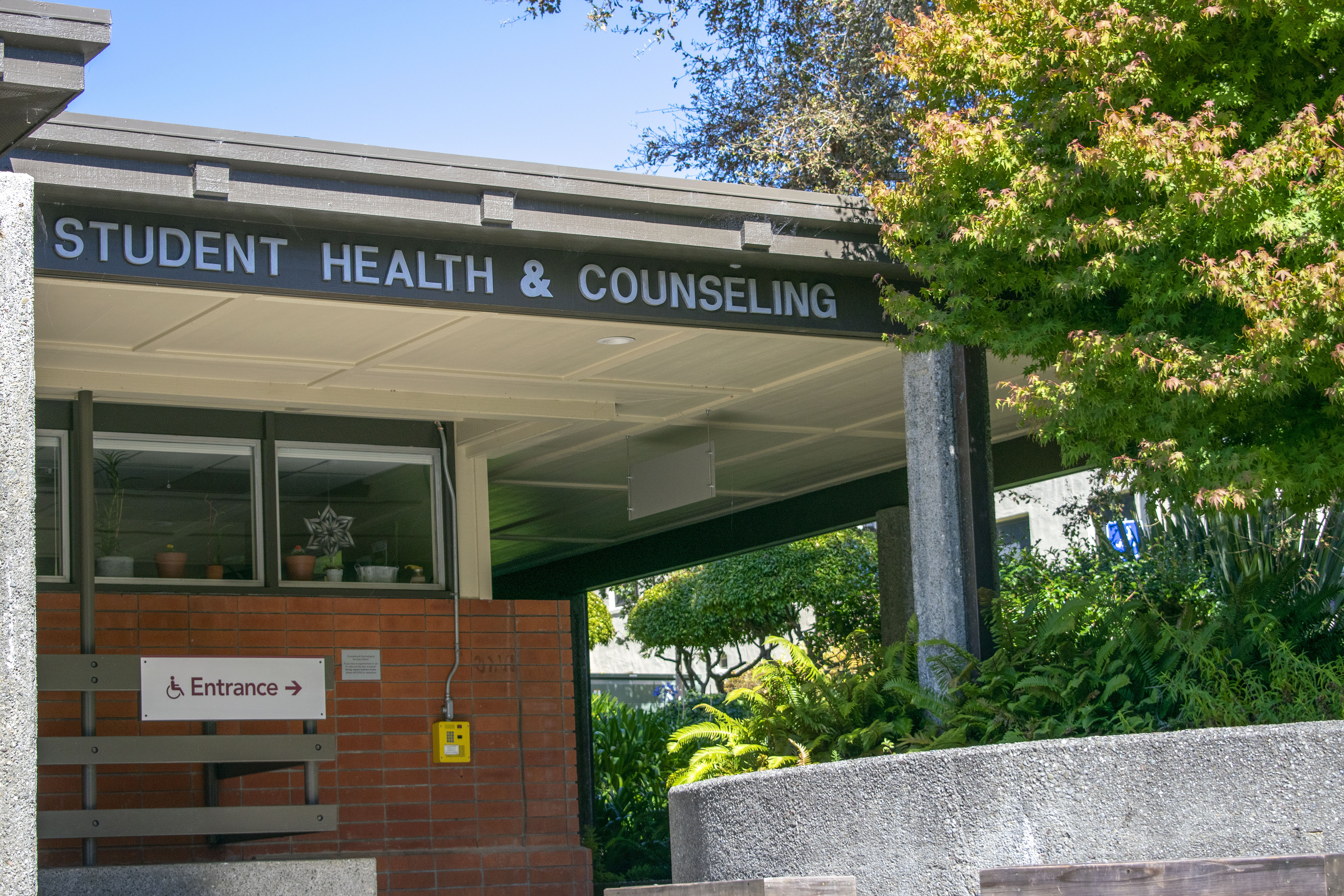
HSU’s CAPS is working to combat mental health concerns among HSU students
Rates of attempted suicide in Humboldt County stand far above national and state averages, according to Humboldt State University Health Center Director Brian Mistler, Ph.D.
“Suicide attempt rates in Humboldt County are nearly twice the national and California averages,” Mistler said in an email response facilitated by HSU Communication Specialist Grant Scott-Goforth. “And HSU students face greater systemic barriers to access health care than in other more affluent and less isolated parts of the country.”
An estimated 40% of HSU students felt elevated levels of depression according to a 2016-2017 Healthy Minds Study led by Daniel Eisenberg, Ph.D of the Healthy Minds Network, which performs web-based mental health surveys on college students.
Eisenberg has been leading an analysis of student mental health at all 23 California State Universities. In the 2016-2017 analysis of HSU, an estimated 42% of students had elevated levels of anxiety, while an estimated 4% of students attempted suicide in the last year.
Mistler tied Humboldt County’s lack of expert services to mental health.
“…HSU students face greater systemic barriers to access health care than in other more affluent and less isolated parts of the country.”
Brian Mistler, Humboldt State University Health Center Director
“Mental health is a critical basic need and it’s tied to others like having enough food, shelter and physical health care and safety,” Mistler said in the email. “Psychological needs become more important as chronic resource insecurity increases.”
Mistler clarified that HSU’s relatively high rates of mental health conditions do not appear to be caused by Humboldt itself.
“From what we know today, the increased needs among students appear to be present on the first day,” Mistler said in the email. “That is, it’s not caused by being here.”
Mistler added that many HSU students may arrive with a history of limited health care access.
“It’s also true that many students arrive at HSU having not had access to their fair share of health and counseling services in the past,” Mistler said in the email. “It’s clear from all the data that HSU’s team of health experts do a phenomenal job of helping those students who choose to seek help.”
Counseling and Psychological Services Staff Psychologist and Outreach Coordinator Dr. Elizabeth McCallion in a CAPS office on Oct. 1. McCallion said most students who visit CAPS report positive experiences. | Photo by James Wilde
HSU Counseling and Psychological Services Staff Psychologist and Outreach Coordinator Dr. Elizabeth McCallion is one of the experts working to help students.
McCallion hopes to mitigate the stigma around mental health.
“Mental health support doesn’t just have to be for when you’re having severe symptoms,” McCallion said. “It can be a way of just generally taking care of yourself. Kind of like preventative health care.”
McCallion said CAPS is working to meet students where they are, including through library SkillShops and outreach by Multicultural Specialist Cedric Aaron.
McCallion praised HSU’s mental health services but did acknowledge a lack of services in the surrounding community.
“I think in terms of the counseling center, the counseling center does a wonderful job with that support,” McCallion said. “In terms of our community, there is a need for additional mental health care. But that’s not just mental health, that’s health care in general because of where we live.”
Both McCallion and Mistler emphasized that those students who do use HSU’s services see verifiable benefits.
“Dozens of studies confirm that medical and counseling services reduce the risk for students of catastrophic outcomes, help with anxiety and depression, and increase the chances of students graduating,” Mistler said in the email. “If there’s a message here, it’s to encourage people to use the available resources.”
Mistler noted that HSU’s outreach efforts have produced an increase in student visits to counseling services of about 5% each year.
Mistler also pointed out that students that receive counseling show improved retention rates and a higher likelihood of graduating.
Mistler and Eisenberg plan to prepare a CSU-wide analysis of mental health in spring 2020, which they hope will provide more information on the state of student mental health.
Per the CAPS website: You can reach a CAPS therapist by phone at all hours at (707) 826-3236. In emergency situations, you should call Humboldt County Mental Health at (707) 445-7715 or dial 911.
You may also reach the National Suicide Prevention Lifeline at 1-800-273-8255.
This website uses cookies to improve your experience. We'll assume you're ok with this, but you can opt-out if you wish. Cookie settingsACCEPT
Privacy & Cookies Policy
Privacy Overview
This website uses cookies to improve your experience while you navigate through the website. Out of these cookies, the cookies that are categorized as necessary are stored on your browser as they are essential for the working of basic functionalities of the website. We also use third-party cookies that help us analyze and understand how you use this website. These cookies will be stored in your browser only with your consent. You also have the option to opt-out of these cookies. But opting out of some of these cookies may have an effect on your browsing experience.
Necessary cookies are absolutely essential for the website to function properly. This category only includes cookies that ensures basic functionalities and security features of the website. These cookies do not store any personal information.
Any cookies that may not be particularly necessary for the website to function and is used specifically to collect user personal data via analytics, ads, other embedded contents are termed as non-necessary cookies. It is mandatory to procure user consent prior to running these cookies on your website.