The Lumberjack


Students Serving The Cal Poly Humboldt Campus and Community Since 1929

Tag: nature

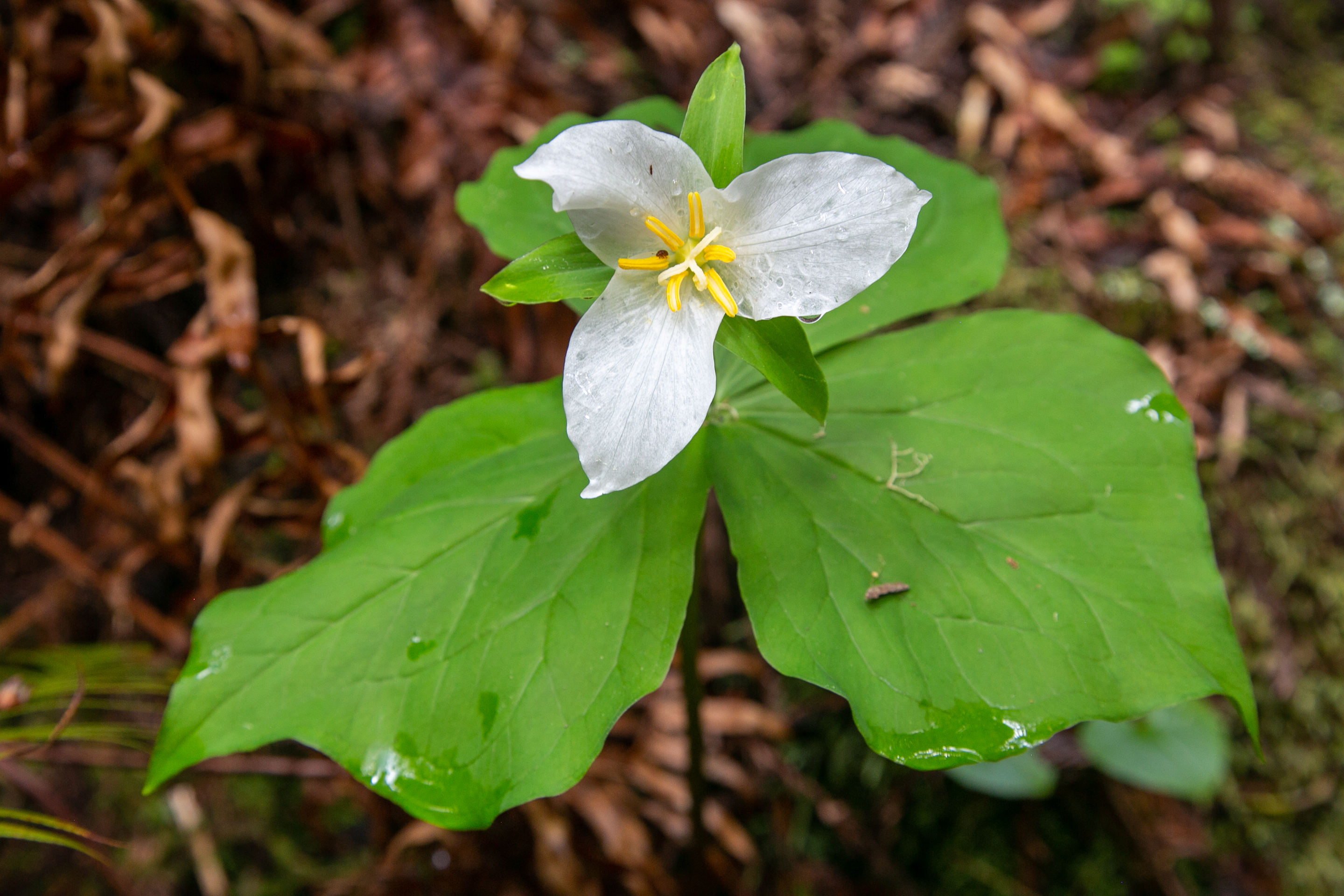
  • Fragile trillium flowers on the forest floor

    Fragile trillium flowers on the forest floor

    by Abraham Navarro

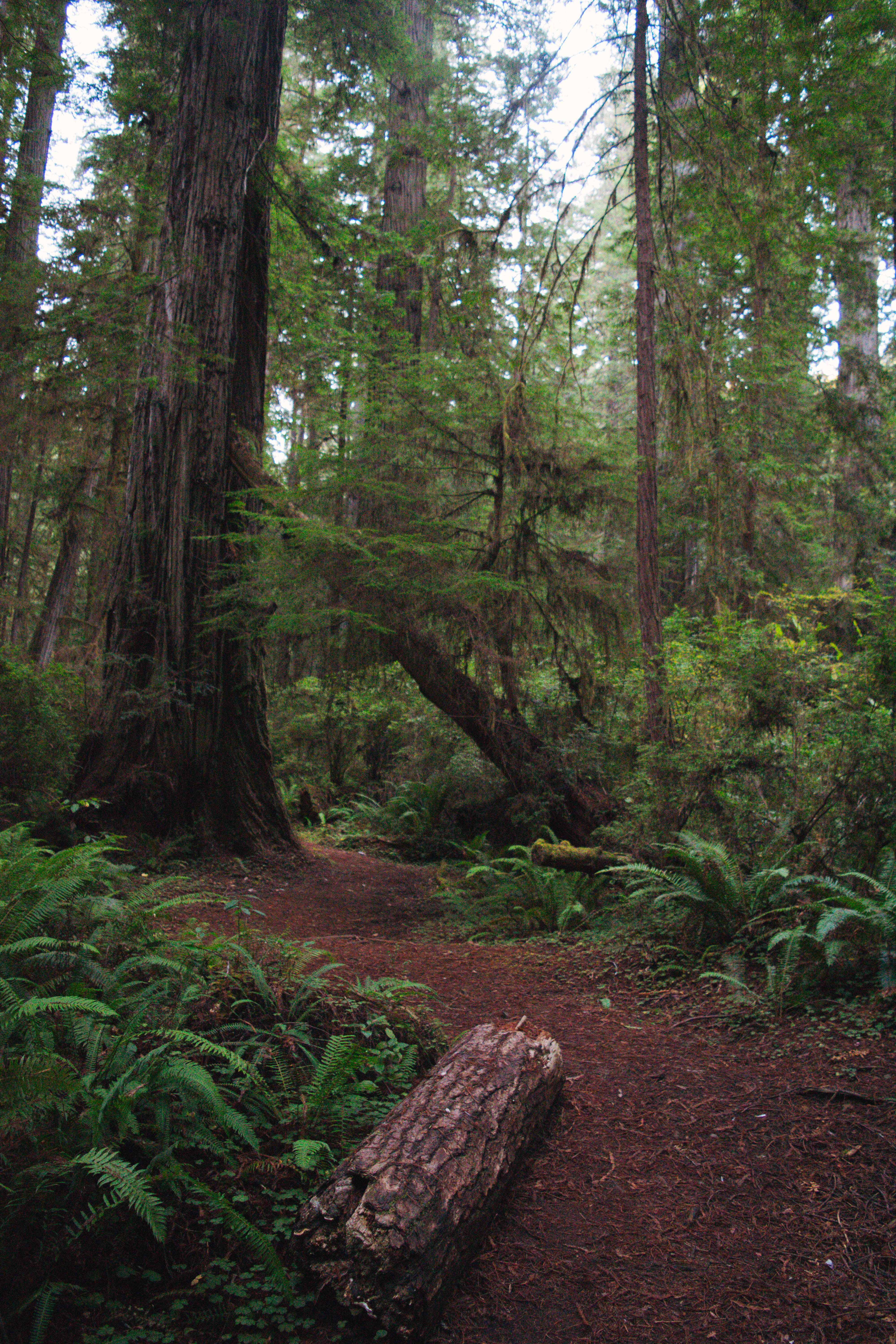
    Wandering through the underbrush in the Arcata Community Forest as the daylight slips away, some of the last plants you can make out against the blur of darkening foliage are the pale white faces of Pacific trillium (Trillium Ovatum) looking back at you.

    A hallmark of spring in the redwoods, these small white flowers dot the alien ferns in the community forest along trails and sometimes even right in the middle of them.

    Trilliums are easy to identify. Their name comes from the latin word tres meaning three, referring to the symmetrical three sets of leaves, petals and sepals that can be found on all 43 species of trillium, 38 of which can be found in North America.

    According to the U.S. Forest Service, several species of trillium contain chemical compounds called sapogenins that have been used medicinally through the ages as astringents, coagulants, expectorants, and uterine stimulants. This is evidenced in common names given to some trilliums such as birthwort or birthroot.

    The Pacific trillium is widespread across the Pacific Northwest and the northern Rocky Mountains. Although it might be tempting to pick the pretty white blooms along the path, experts advise against damaging the delicate flowers.

    Dr. Erik S. Jules, professor of botany and ecology at Cal Poly Humboldt who specializes in plant ecology, said that the Pacific trillium is not endangered, and that it’s doing quite well in the Arcata Community Forest. It is, however, sensitive to disturbances.

    “Like the trampling associated with the frisbee golf course in the forest,” Jules said. “So they tend to be less abundant right in those immediate areas.”

    Trillium are ephemeral bloomers, which means they flower for a short period of time and go dormant until the next year. Trilliums live for up to 70 years, and damaging them can compromise their ability to bloom again.

    “Picking them generally doesn’t kill them, but will definitely reduce their ability to grow and flower the following year, so people should never pick the plant or flower,” Jules said.

  • Trees are Here to Help

    Trees are Here to Help

    How planting trees can serve as one branch of a climate action plan

    In the face of climate change, all scales of society, from government to corporations to individuals, are looking for ways to emit less and sink more carbon. The internet latched onto the tree-planting solution, but it’s important the right trees are planted in the right place at the right time.

    The climate crisis is the dominant issue of this decade. According to Robert H. Socolow and Stephen W. Pacala, who wrote the article “A Plan to Keep Carbon in Check” in 2006, the world must avoid emitting about 200 billion tons of carbon over the next 50 years.

    To make the problem manageable, Socolow and Pacala turned the required reduction into one-billion-ton “wedges.” The paper contained strategies that could be scaled up by 2050 to reduce carbon emissions by one million tons per year. For example, a wedge would be achieved if the number of miles traveled by the world’s cars was cut in half or if global deforestation was halted within 50 years.

    Tree planting has become one of the most popular solutions in popular culture. Ecosia and Team Trees are two internet campaigns working to plant millions of trees.

    A consistent goal in climate science is net zero emissions. In other words, the volume of greenhouse gasses going into the atmosphere needs to equal the volume coming out. With a record 37 billion tons of carbon dioxide emitted in 2018, that’s a daunting task. To achieve this goal, society needs to emit less carbon and increase nature’s carbon sinking, or the natural process of turning carbon dioxide gas into solid matter.

    Top minds of the world are putting their heads together to come up with solutions, ranging from modernized public transportation to alternative energy technology to lifestyle changes toward less consumption. Beyond that, policy makers and scientists are working closely with everyday people to educate, inspire and solve the crisis.

    Locally, Humboldt State University, the City of Arcata and Humboldt County have prepared climate action plans. In the spring of 2019, five public workshops were hosted by the county to get ideas from community members on an action plan. The primary goal of these plans is to reduce emissions to pre-1990 levels by 2030.

    2030 is the nearest milestone in climate policy. According to the Intergovernmental Panel on Climate Change Special Report on Global Warming, global emissions will need to fall 45% from 2010 levels by then to be on track for the net zero emissions goal for 2050. This ideal timeline would limit global warming to the best-case 1.5 degree Celsius increase in average temperature, a goal which still brings with it real climate change.

    Tree planting has become one of the most popular solutions in popular culture. Ecosia and Team Trees are two internet campaigns working to plant millions of trees. A number of science-based YouTubers have published videos explaining the project, including SmarterEveryDay, Mr.Beast and Aspect Science.

    Trees are a valuable ally in the battle against climate change because they sequester carbon. A tree’s bark is made out of carbon. During photosynthesis, plants turn sunlight, water and carbon dioxide into glucose. The glucose molecule, along with other essential nutrients, turns into plant matter like leaves, branches and roots, effectively storing carbon in a solid state.

    For this ordeal to be successful, it’s essential the people planting trees understand the silvics of those trees. Silvics is the study of the life history and characteristics of forest trees, and without understanding it, the newly-planted trees are more likely to die.

    With the Earth at a critical time in its life history, the top minds of the world are opting for some deep breaths, planning and deliberate, well-informed environmental action.

  • #ExploreHumboldt: Arcata Marsh

    #ExploreHumboldt: Arcata Marsh

    Try and lose yourself in the Arcata Marsh for the best experience

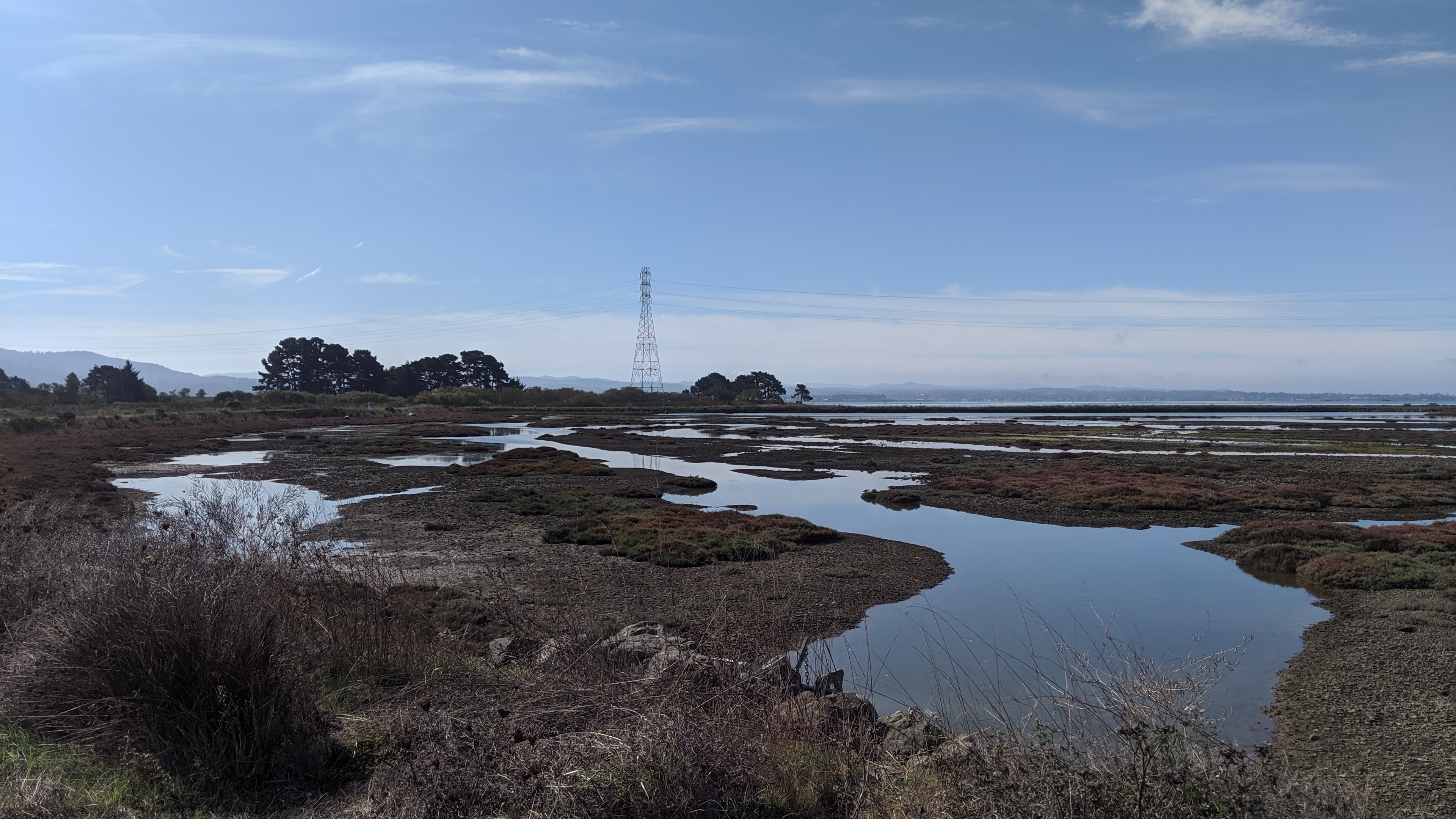
    Welcome back to the #ExploreHumboldt column, your source for accessible natural areas to visit in your spare time. This week, we’ll look at a unique, double-duty location that serves as a wastewater treatment facility and a beautiful habitat for countless bird species: the Arcata Marsh!

    This 307-acre sanctuary is located in southern Arcata, and can be accessed from South G and I streets. This places the marsh within a 15-minute walk or a five-minute bike ride from campus.

    The Marsh’s interpretive center provides information on the wide variety of bird species that frequent the marsh, and how the marsh filters Arcata’s wastewater into clean water that can be released back into the bay. | Photo by Jett Williams

    Any trip to the Marsh should start at the Interpretive Center. There, you’ll find installations detailing the many exotic bird species that stop at the marsh on their migratory journeys up and down the coast. So far, over 300 unique bird species have been spotted in the marsh this year. Some of these are extremely rare, or are typically found on the East Coast.

    From the Interpretive Center, multiple trails spiderweb out to every corner of the park. In total, there are about 5.4 miles of mostly gravel trail, with some paved sections. Strategically-placed maps ensure that you won’t get lost and provide interesting information on the park’s science and history.

    But, as with any natural area, the best way to get a lay of the land is to get lost. Around every corner is another table or bench overlooking a scenic view, or an enclosed shelter for birdwatchers to observe the local wildlife.

    Organized nature walks are a good way to experience the marsh in a social environment, with experienced birdwatchers who can point out and identify rare bird species. | Photo by Jett Williams

    If you want a recommended route to get started, begin at the Interpretive Center and head north along the west side of Butcher Slough Log Pond. Turn left and follow the trail as it winds around Brackish Pond.

    This time of year, Brackish Pond is covered in a layer of green algae that gives it a surreal look and is a hotspot for birds. Stop at the bird viewing station on the northwest corner before heading south past Gearheart Marsh, and looping back to the Interpretive Center.

    In addition to being a nearby natural spot to get out to for some nature time, the Arcata Marsh serves as a wastewater treatment plant. Algae and bacteria help to purify the water as it moves through the different ponds of the marsh.

    One can spend hours wandering the marsh, checking out the different ponds and looking for exotic bird species. The marsh is expansive and rarely crowded, offering ample opportunities for seclusion. | Photo by Jett Williams

    Eventually, the water is sterilized with chlorine and flows back into the Humboldt Bay. This system allows Arcata to manage its wastewater production while providing a refuge for local wildlife and a local park for residents to enjoy.

    If you’d like to check out the Arcata Marsh with the help of experienced and knowledgable guides, there are several guided marsh walks available. Friends of the Arcata Marsh meets every Saturday at 2:00 p.m. at the Interpretive Center for a guided marsh walk.

    For those looking to learn more about the many bird species that call the marsh a temporary home, the Redwood Region Audubon Society meets for guided birding walks every Saturday at 8:30 a.m. This walk meets at the I street parking lot.

    The Arcata Marsh is an amazing free resource for students in need of a quiet oceanside spot to explore and relax in. Get it while you can, and don’t forget to #ExploreHumboldt!

  • Redwoods Growing at Remarkable Rates

    Redwoods Growing at Remarkable Rates

    Some coastal redwoods are growing faster than expected and scientists aren’t certain why

    Many redwoods in Northern California are growing at unexpected—even record-breaking—rates. While redwoods only remain in a tiny portion of the world, they appear to be in good health.

    “People talk about saving the redwoods,” Humboldt State University Professor of Forest Ecology Steve Sillett said. “The redwoods, as long as we don’t cut them down, are doing just fine. The question is, can they help save us?”

    The answer is complicated.

    “The Redwoods and Climate Change Initiative found that one Del Norte County redwood put on 2,811 pounds in 2014, a record-breaking annual growth.”

    Many coastal redwoods are growing faster today than they have in the last thousand years, according to a 2019 report from the ongoing Redwoods and Climate Change Initiative.

    The RCCI, a research partnership studying redwood health since 2013, found surprising growth in redwoods located away from dry forest fringes or recent fires.

    By estimating tree weight based on the tree’s measured width, height and volume, the RCCI found one Del Norte County redwood put on 2,811 pounds in 2014, a record-breaking annual growth.

    The cause of the increased growth is uncertain. Sillett, who sat in his lab beside tree rings which he used to measure age and growth, said climate change may or may not play a role in the increased growth. Sillett said the Clean Air Act of 1970 may have cleaned the air enough to allow more sunlight on the trees.

    “What happened is, the air cleared,” Sillett said. “And with clear air, you get more light, and so it could very well be that this increase in growth rate that we see very strikingly in some of these trees, starting in the late 60s and early 70s to present, is just because of increasing air quality.”

    Beyond climate and air quality, Sillett said multiple factors likely contribute to increased growth. Sillett also said the growth won’t necessarily last.

    “I think that there’s very much a limit to what redwoods or any vegetation can achieve,” Sillett said.

    A redwood tree ring in HSU Professor Stephen Sillett’s lab Aug. 28. | Photo by James Wilde

    A sudden spread of redwood forest also seems unlikely, Lucy Kerhoulas, an assistant professor of forest physiology, said. Kerhoulas said redwoods already have to work hard to reproduce via seed. Climate change might make reproduction even more difficult.

    “Successful seedling germination and establishment might be really challenging under a warming and drying climate,” Kerhoulas said.

    In other words, redwoods are doing well, but they’re not about to reclaim their lost forests.

    Sillett emphasized that many living redwoods are maintaining their normal growth despite less successful reproduction.

    “It’s not the case that they’re responding uniformly,” Sillett said. “But what we do see is that in the prime parts of their range, which is, say, north of San Francisco and relatively close to the coast, the rates of wood production are higher than they were in the not-too-distant past.”

    Redwoods store large amounts of carbon, especially in their prime ranges, but Sillett said that won’t offset the carbon dioxide produced by humans.

    “There’s not enough land in the world to plant with redwood forest,” Sillett said, “that would allow them to save us from what we’re doing to the atmosphere’s chemistry.”

  • Warriors of Rainbow Ridge

    Warriors of Rainbow Ridge

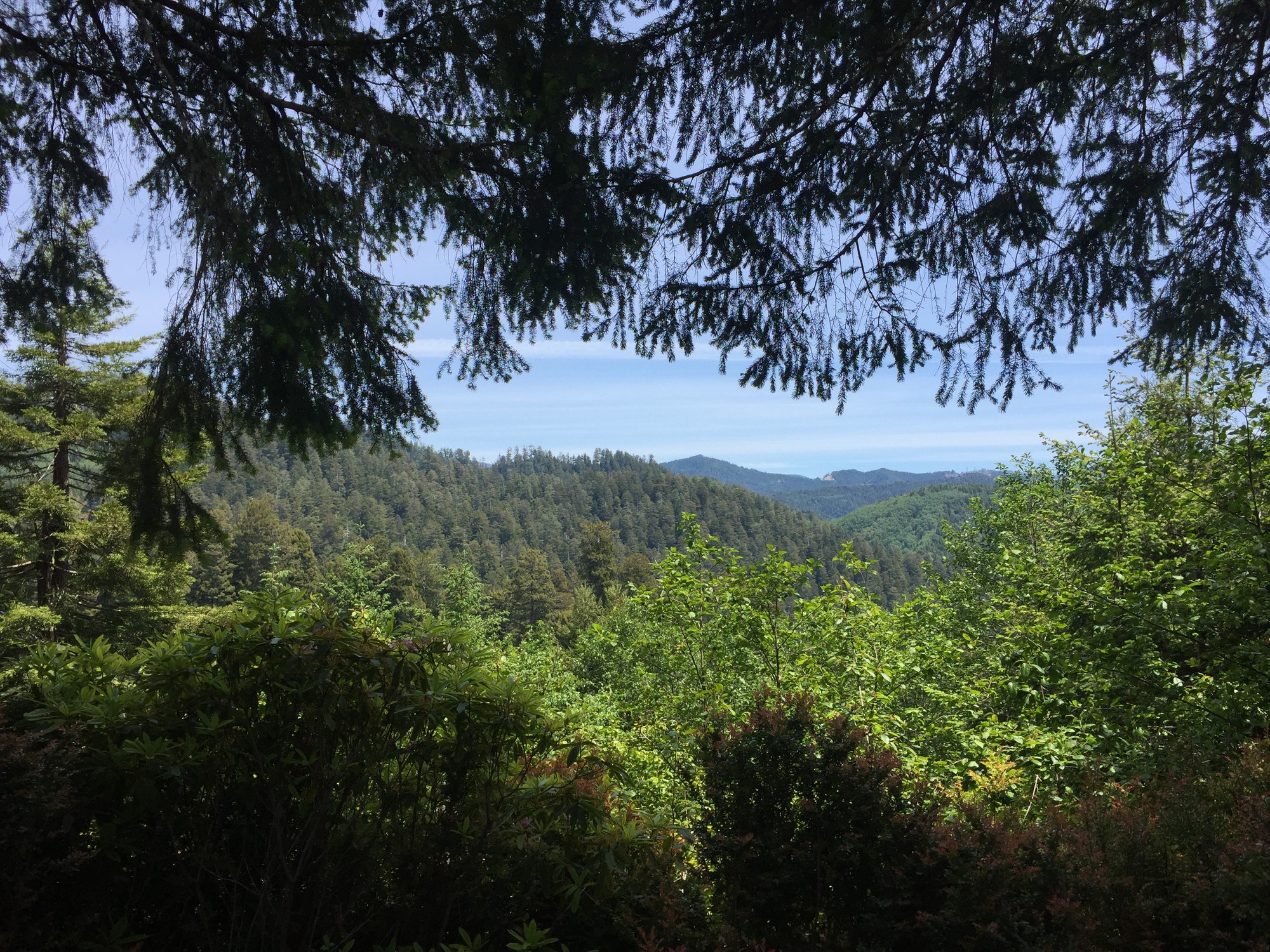
    In between the Humboldt Redwoods State Park and the King Range National Conservation Area lies Rainbow Ridge, a hidden treasure connecting the redwoods to the sea. 

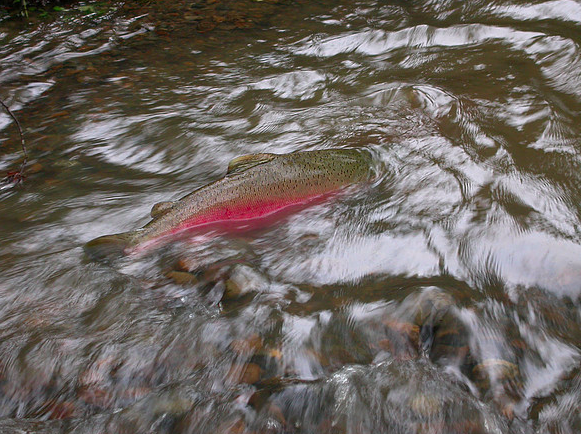
    About an hour south from Humboldt State University lies Rainbow Ridge, a fairy tale forest with 300-foot tall trees covered in lichen and moss. Fungi grows in all shapes, sizes and colors. Rare and endangered animals lurk; the agarikon, the pine marten, the Pacific fisher, the spotted owl, Coho salmon and Sonoma tree vole. The endangered Coho salmon return here to spawn.

    “It is really important that we save the remainder of old growth. It is all that we have left,” conservation consultant for the Lost Coast League, Gabrielle Ward said. “We need to look at how we can help preserve and maintain landscape connectivity so that animals can continue to move across landscapes and not be isolated.”

    Rainbow Ridge is a combination of coastal Douglas fir trees and mixed-hardwood forest along the north fork of the Mattole River. Inside of Rainbow Ridge’s 18,000 acres of forest and meadows lies 1,100 acres of old growth coastal Douglas fir trees.

    Rainbow Ridge is “one of only two old growth Douglas fir forests that have been unentered and untouched, and the only one in California,” Joe Seney, a HSU lecturer in forestry and wildland soils, said.

    “There are very few remaining tracks of old growth Douglas fir anywhere along this part of the California coast,” Seney said.

    The Lost Coast League is a group of citizens from the Mattole watershed and they have been in land acquisition, litigation and conservancy since the early 1970s. The Lost Coast League has acquired and protected thousands of acres of forest since their inception.

    “The goals of the Lost Coast League are to study, survey, understand and preserve and restore this forest,” Ward said.

    The Lost Coast League hopes to acquire and restore Rainbow Ridge. The Rainbow Ridge is privately owned by the Fisher family, who is known for their GAP clothing stores. The Lost Coast League intends to purchase Rainbow Ridge from the Fisher family.

    The east border of Rainbow Ridge is adjacent to Humboldt Redwoods State Park, which holds Rockefeller Forest within it that has the largest contiguous old growth redwood forest in the world.

    The west border of Rainbow Ridge is the King Range National Conservation Area. The purchase and preservation of Rainbow Ridge would connect the world’s largest redwood forest with the ocean, creating a wildlife corridor to remain throughout time.

    “If the Fisher family would recognize the treasure value of Rainbow Ridge and what kind of legacy they could leave, they could create a Fisher Forest standing adjacent to Rockefeller Forest. This is something that could last throughout time,” Michael Evenson, vice president of the Lost Coast League, said.

    The advantages of this biodiverse forest close to HSU provides unique opportunities. The Lost Coast League would like to see the University of California’s nature preserve program or Humboldt State’s College of Natural Resources utilize Rainbow Ridge for research.

    “By looking at what is left we can understand what the rest is supposed to look like,” Ward said.

    There is the potential for new discoveries on Rainbow Ridge, especially in fungi. Agarikon is a fungus found growing on Rainbow Ridge with medicinal properties that can treat antibiotic resistant tuberculosis.

    “There is a vast opportunity for students to be a part of the solution. Looking at fire regimes and restoring portions of the landscape that have been [logged] in the past, and it does have some deep carbon sinks,” Ward said.

    The Cascadia Temperate Rainforest spans from Southern Alaska to Southern Humboldt and is the largest carbon sink on the planet.

    “The only deep carbon sinks left in the United States are along the coastline of this Cascadian Temperate Rainforest,” Ward said. “It’s all that we have left, we can’t continue to fragment this endangered ecosystem.”

    Paulo Sweeney, a forest defender, addresses Humboldt Redwood Company’s inconsistencies in forest practices.

    “Humboldt Redwood Company sets aside high conservation areas that they are not going to log at that time. They aren’t going to log the area now but that does not mean that it is protected from being logged in the future,” Paulo said. “These are key places for restoration.”

    During Earth Week from April 16-22, HSU will be having talks, films, demonstrations and workshops on environmentally sound practices and sustainability.

    Paulo will be having a question and answer period on April 19 after the film “If a Tree Falls” in Forestry Room 201 from 3-4:30 p.m., as part of the documentary day hosted by the Climate Crisis club for Earth Week. Come and learn more on forest defense in the community, climate change, ecological collapse and student involvement in direct action.
  • Benefits of being outside

    Benefits of being outside

    By | Bryan Donoghue

    Being outside rejuvenates our bodies. Geneviève Marchand, a Kinesiology professor specializing in outdoor recreation notices that many students come here and take opportunities to get to know the community of outdoor recreation, but that there are also some students who do not. This point of curiosity led to a study, if participation in the outdoors near Humboldt State helps students feel more connected to their campus community.

    “My hypothesis is that it is and that students that actually either have opportunities to go outdoors or take the time to go outdoors feel more connected to Humboldt State.” Marchand said. “I’m really interested to find if that works and if that makes a difference.”

    Outdoors 3.jpg
    Gold Beach, Oregon Photo credit: Iridian Casarez

    The outdoors provide a variety of different benefits under a cluster of different weather conditions and locations. Although, being outside in nature like we have in Humboldt stays consistently beneficial in how it effects our bodies and mind.

    The cooling air is helpful with refreshment, acting as a stimulant of sorts that wakes up an individual, specifically someone who has been fatigued.

    “When I’ve been at the gym all day, it’s nice to just walk outside and feel the cool air and just kind of chill for a second,” said Madeline Hatch, a sophomore kinesiology major at Humboldt State.

    This sentiment aligns with Marchand’s research. According to Marchand, just being outside reduces our stress levels.

    “We basically just go outdoors, and somehow being that it’s nature, that open space, being in green, the sounds and the smells, it all reduces our stress levels.” Marchand said. “There’s actually evidence of it reducing your heart rate, and calming your breathing.”

    Outdoors 4.jpg
    Grants Pass, Oregon Photo credit: Iridian Casarez

    It’s not just feeling exhausted physically, after spending a while studying, sometimes the brain needs a breath of fresh air to be woken up as well.

    “I definitely notice that when I get bogged down with studying, if I take my reading outside, it kind of wakes me up a bit,” said Kindall Murie, a senior marine biology major.

    There’s evidence that the outdoors helps plenty psychologically. According to Marchand, it reduces mental stress and gives just a better mental wellbeing overall.

    The outdoor environment of Humboldt County is something to be grateful for according to Steve Bell, an assistant supervisor at the Student Recreational Center at Humboldt State.

    “You have to stimulate yourself. This is a natural way to get what’s available out there.” Bell said. “So that’s what we’re doing. We’re making the most of an opportunity to be out here, by being outside today. I was just telling my daughter here that you really need to thank God for the opportunity.”

    To enjoy the benefits of being outside, you have to put the effort in. Make that first step. The benefits will follow.

    “I was telling my daughter, we are going to get a lot more out of this than what you put into it.” Bell said. “You don’t only reap what you sow, you reap more than you sow. We’re doing it by faith, and we’re basically sowing the seed today to reap the benefits of another time.” 

    Outdoors 2
    The top of the sky trail at Trees of Mystery. | Photo by Iridian Casarez

    According to Marchand, there’s evidence we learn best about ourselves, and potentially about how to work with other groups in outdoor settings that are challenging us.

    “In the end, nature takes care of letting them know if they did a good job, or not.” Marchand said. “I think they learn about themselves, and become better and more in tune with themselves as human beings.”