The Lumberjack


Students Serving The Cal Poly Humboldt Campus and Community Since 1929

Tag: pop

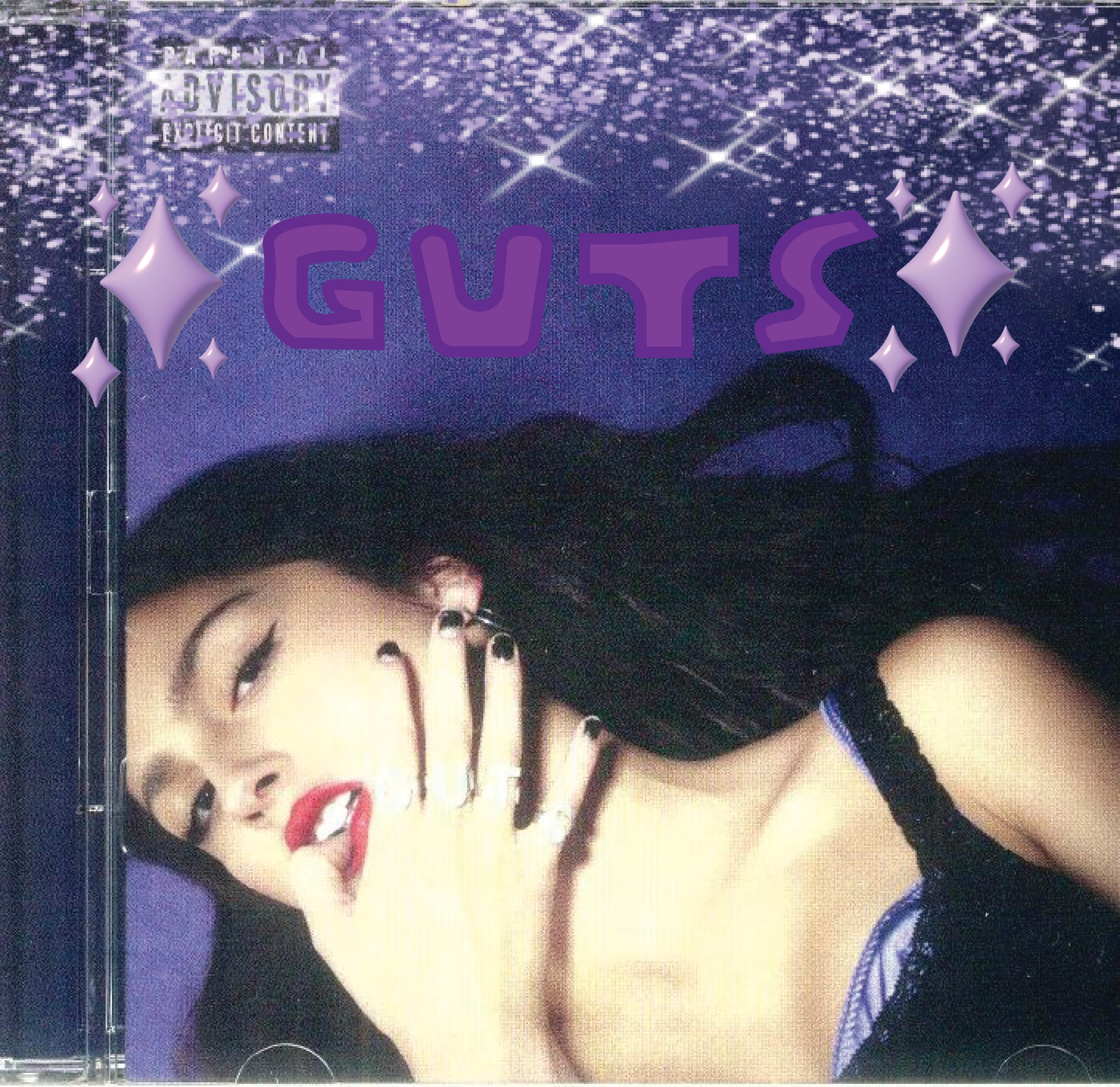
  • Pop meets Y2K grunge in “GUTS”

    Pop meets Y2K grunge in “GUTS”

    by Kianna Znika

    As someone who’s been listening to a lot of early 2000’s alternative/female pop rock lately, I really like the new Olivia Rodrigo album. The girl just gets it, truly.

    “GUTS” makes me feel like I’m the main character in an early 2000’s film, reminding me of some of my childhood favorite movies like “Confessions of a Teenage Drama Queen.” She reminds me of Avril Lavigne and P!nk, delivering stories in her lyrics that even I as a twenty-five-year old can relate to. I love alternative music and I think, as far as pop stars in mainstream music go, Rodrigo does just get it. Everyone who disagrees, I think you’re just being a hater – genuinely. 

    I think a lot of people don’t validate Rodrigo’s angst because she is a young popular artist, but honestly just a few minutes into the album you’ll hear the grunge influences in her track “all-american bitch.” Close your eyes and listen to the chorus and tell me that isn’t Hole. Tell me that isn’t modern-day feminist punk music. I’m in a feminist punk band, I listen to niche artists, and I’m telling you right now: I love Rodrigo’s sound.

    People on the internet were trying to make fun of her screaming in the record, but I think they just didn’t get what she was going for. I don’t think Rodrigo is trying to be the next Bring Me The Horizon; let’s be so for real. I think her choice to scream like that was intentional, an artistic choice that reminds me of Regina George screaming in Mean Girls. If you keep that image in mind, you’ll see that Rodrigo perfectly channels the thoughts and feelings of an angry teenage girl. It’s intentional. It’s poetic, really.

    That’s why listening to her music is so much fun for me. It’s healing. I can still relate to the antisocial, insecure themes that are present in songs such as “ballad of a homeschool girl.” I can definitely relate to having conflicted feelings about an ex, which is a present theme in songs like “bad idea right?” 

    Yes I know that he’s my ex, but can’t two people reconnect? I only see him as a friend – Biggest lie I ever said.”

    I know a majority of you can relate to that, too. It’s like an era that we all have to go through at some point in our life, and Rodrigo knows that.

    The only song I really couldn’t vibe with was “vampire,” which doesn’t surprise me because I didn’t care too much for “driver’s license” from her first record either. I don’t listen to Olivia Rodgrigo for her slower material. I think she truly excels as an angsty artist and I’m glad that she’s continuing to explore that realm. 

    Whether or not you end up liking the album yourself, I at least hope more people give Olivia Rodrigo a chance and stop seeing her as just another “mainstream pop star.” Even then, it’s okay to like popular music. Especially when it’s objectively good.
  • Pop-Star Weeknd is Here to Stay

    Pop-Star Weeknd is Here to Stay

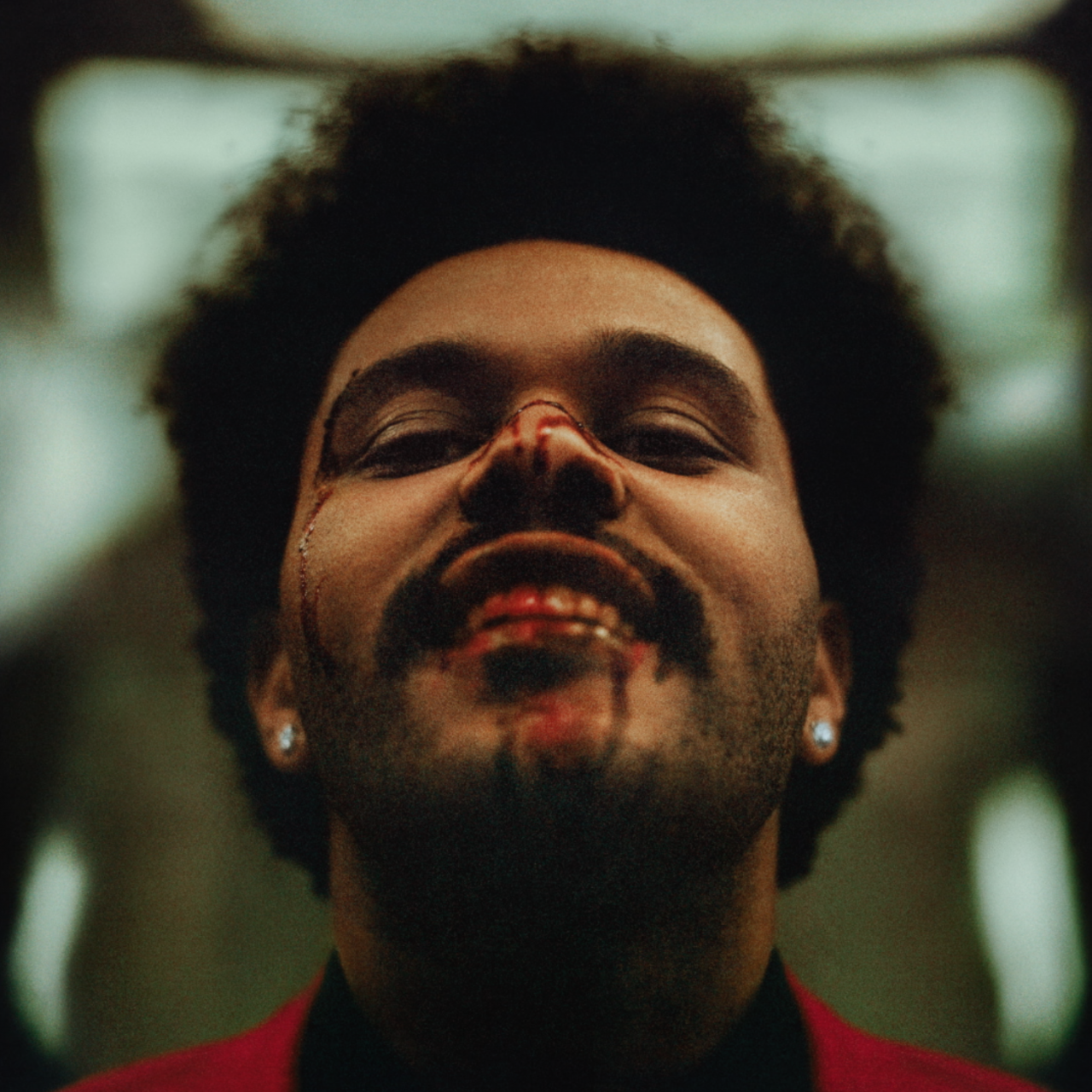
    The Weeknd’s fourth album, “After Hours,” has arrived

    The R&B villain, better known as The Weeknd, has returned with his fourth studio album, “After Hours.” In this album, The Weeknd revisits the same themes of drugs, lust and heartbreak found in previous releases, but this time, with a different approach. In the past, his music has come off generally unapologetic, but “After Hours” brings a mix of emotions on his lifestyle.

    After nearly a decade of partying and coming onto the scene in 2011, The Weeknd reveals on track eight, “Faith,” that he’s spent the last year sober. Still battling the urge to return to the fast life, The Weeknd comes to terms with the choices he’s made in “After Hours” and the mental war he’s fighting to avoid making those same mistakes.

    Coming into this project, The Weeknd set the tone by dropping two pop singles at the end of November, claiming the top position on the Billboard Hot 100 chart with his lead single, “Heartless.” His follow up, “Blinding Lights,” is currently peaking at number two on the Hot 100 chart in the wake of the album release. He followed up in the second half of February with the title track, “After Hours,” as an unofficial single. The song is slow to build, but is equal parts patience and pop, making it clear that the pop-star style is here to stay.

    “I will always prefer his earlier stuff. It’s just a sound you couldn’t have found anywhere else at the time.”

    Alexa Noperi, HSU film major

    Alexa Noperi is a film major at Humboldt State University, and she hasn’t been happy with The Weeknd’s direction since he dropped “Starboy.”

    “I will always prefer his earlier stuff,” Noperi said. “It’s just a sound you couldn’t have found anywhere else at the time.”

    The Weeknd’s gradual transition to pop music has left some of his day-one fans behind in the darkness of his mixtapes. Made official by his 2016 album “Starboy,” the style shift can be attributed to the success of his biggest single, “Can’t Feel My Face,” along with other pop efforts on “Beauty Behind the Madness,” including “Earned It” and “Angel.”

    When he released his first EP, “My Dear Melancholy,” in 2018, the day-one fans that were left behind were delighted by the return of a dark Weeknd. With his latest release, The Weeknd is likely to disappoint hardcore fans again, as he mostly leaves behind the dark, moody atmosphere of his earlier music to make room for the pop sound that generated so much success with “Starboy.”

    After Hours” is a rollercoaster of indecisiveness. The Weeknd’s desires constantly clash with one another on his quest for true happiness.

    The album begins with chilly instrumentals that build into their own pop section. The Weeknd flaunts his typical unremorseful attitude, claiming, “It’s too late to save our souls,” on the song “Too Late.”

    “After Hours” is the most consistently solid project The Weeknd has dropped so far.

    Track four, “Scared To Live,” marks the first shift in his approach. He begins to express remorse for his actions, as well as an authentic desire to leave the fast life behind on the stand-out track “Snowchild,” reinforced on the next song, “Escape From LA.”

    Unfortunately, The Weeknd relapses, back to the fast life on his song, “Heartless.” This marks the beginning of the pop-star section that dominated the sound of “Starboy,” this time, with a heavy ’80s electro-dance influence.

    After Hours” then enters its final section, returning to the slower, chilly instrumentals that opened the album on the “Repeat After Me” interlude. The Weeknd concludes his fourth album, echoing a desire to leave the fast life behind and asking for one last chance at a normal life.

    Though it may be missing the unique, dark sound of The Weeknd’s early music, found on songs like “D.D.” and “The Hills,” as well as the beauty and optimism found on “True Colors” and “I Feel It Coming” from “Starboy,” “After Hours” is the most consistently solid project The Weeknd has dropped so far.

    “It’s not bad background music to try on jeans to. But I don’t think I will be playing it again.”

    Isabelle Eddisford, HSU political science and dance major

    This album marks a growth in his discipline, but also in experimentation. Following the massive success of “Starboy” and the widely-positive reception of “My Dear Melancholy,” the less-than-spectacular “After Hours” might just leave all of his fans a little disappointed.

    Isabelle Eddisford, an HSU student studying political science and dance, felt disappointed that the new songs sounded the same. She described the album as something that would be playing in an Abercrombie and Fitch store.

    “It’s not bad background music to try on jeans to,” Eddisford said. “But I don’t think I will be playing it again.”

    With predicted first-week sales of 400,000 units for “After Hours,” The Weeknd’s continued success in the pop genre may mean the death of his dark times.