The Lumberjack


Students Serving The Cal Poly Humboldt Campus and Community Since 1929

Tag: Rebecca Laurenson

  • Animal Crossing New Horizons, The Quarantine Game

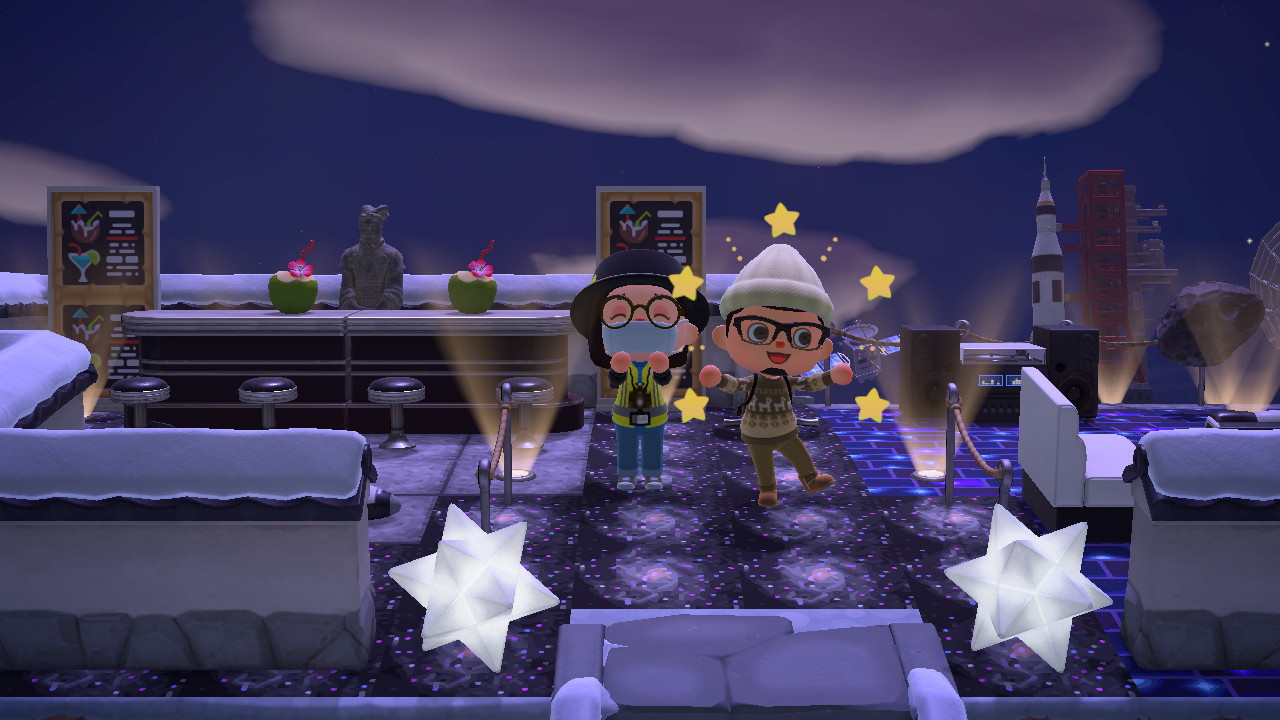
    Animal Crossing New Horizons, The Quarantine Game

    Animal Crossing New Horizons came out towards the beginning of quarantine in the \on March 20, 2020. It became instantly popular with students, but have they continued to play?

    Ash McElroy, a creative writing major, enjoys the game and the aspect of creativity and freedom the game creates.

    “I got Animal Crossing New Horizons literally the day it came out, I spent a solid month playing it,” McElroy said.

    McElroy enjoys games such as Animal Crossing New Horizons where you get creative freedom. The game includes terraforming, design, and the the ability to shape the overall look of an island itself while offering a bit of structure.

    “I like there is structure even after you’ve finished the game, you still have more options to continue playing,” McElroy said.

    The hype around the game centers on the relaxing and calming gameplay that students can use. Even now it’s still popular.

    “I definitely think it is still very popular, there are whole communities for designs and how to decorate your island,” McElroy said. “But I do think the hype has gone down.”

    Although not everyone who bought the game at first enjoyed it as much in the long run. Monica Vidaurre, an anthropology major at Humboldt State University, bought the game when it came out and it didn’t stick as much.

    “I decided to download it because it was the hype at the time,” Vidaurre said. “I’m always looking for something new to play and so I downloaded it and when I started playing it I thought it was really boring.”

    Vidaurre tried all the activities in the game but it just wasn’t as fun as other games she had played, although she liked the design and overall “cuteness” of the game. Once she reached the ending of the game it wasn’t the hype she thought it would be.

    “It really wasn’t for me, after playing it I regret having it,” Vidaurre said.

    Chris Lee, a wildlife major, played previous titles in the franchise and bought New Horizons the day it came out. Lee has continued to play the game and enjoys its relaxing nature and creative freedom.

    “I like how relaxing it is, it’s different from games, but it is more of something that I can escape into and work on my island and customize things the way I want,” Lee said.

    New Horizons has frequent updates which add more and bring people back to the game as well as adding aspects from the previous Animal Crossing games.

    Part of the appeal of Animal Crossing New Horizons is the connection factor, it is a friendly game where one can visit other friends’ islands and communicate. Especially in a pandemic, being able to visit friends’ worlds without risk is another fun aspect.

    “It still is popular but not to the extent when it first happened,“ Lee said. “I think a lot of people saw it as something came out for us because of quarantine and we are all able to still connect and have some sort of social aspect.”

  • New funding aims to reduce turnover in special needs teaching program

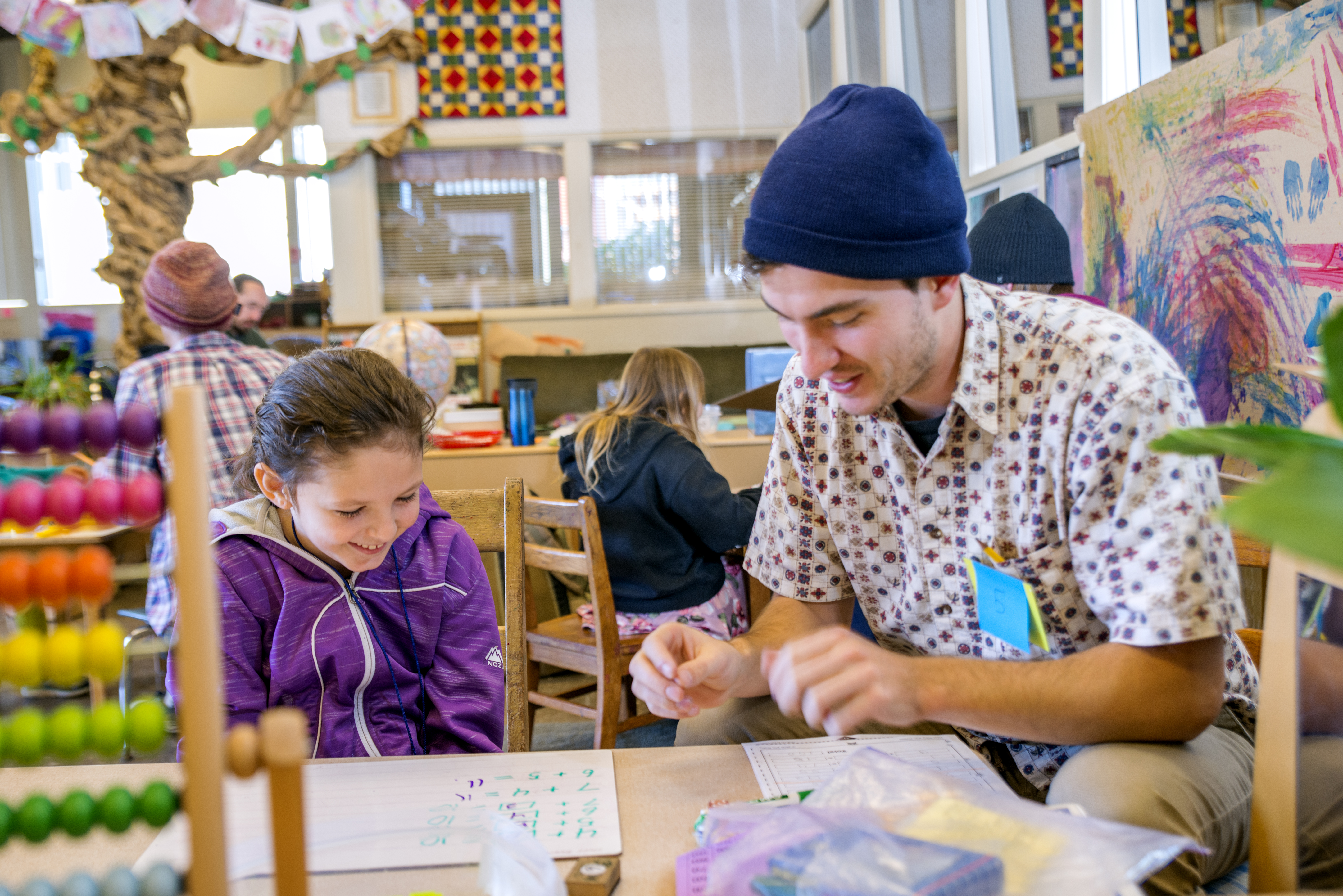
    New funding aims to reduce turnover in special needs teaching program

    The HSU special needs teachers program was awarded a residency grant worth about $200,000 per year. This covers the resident education fees and any other fees within the program. The administration of funds are from the Humboldt County Office of Education as well as partner Humboldt State University. A major part of this program is to reduce the turnover or drop of special needs teachers in Humboldt County.

    The four individuals partners are David Ellerd, a professor and program leader, program coordinator Bernie Levy, Colby Smart, superintendent of educational services, and Jenny Bowen, Director of Personnel Services Humboldt County Office of Education.

    The grant was first established three years ago when Ellerd, among other members, wrote the grant to provide funding for local schools that were having issues getting special needs teachers as well as having them stay for five years. Levy, the program coordinator, wanted to help with getting school teachers and credentials for those teachers.

    “Apart from being a resident, they have the opportunity to continue working and most people in this program are already working as a classroom aid and they were ready to sort of taking the next step,” Smart said.

    “It provided funding for the residency program for ten residents,” Levy said. “It could be ten different schools, it could be less spending on how many residents in a particular school for five years.”

    Prior to this program, there was a mentoring program established but had little success and high turnover in teachers.

    “They found over the years in research that retention rates for special education using the internship model have been huge turnovers, in other words, you might get a teacher staying in the profession one or two years and then leaving prematurely,” Levy said.

    Since the partnership with HSU has simplified credentials and residency, this program has been a great success in helping the community. Smart has seen great success in this program and even more than ten residents apply.

    “Part of the agreement is that the student will teach in the district for four years,” Smart said. “That’s really the goal, we really try to match residents with school districts who are looking for or needing additional special education teachers.”

    With this program’s success, there have been a few complications in the program regarding the pandemic, but some new opportunities as well.

    “One of the benefits with virtual instruction is that we realized that we can deliver our course work to outlying areas where the folks can’t leave their school to come to Humboldt,” Ellerd said. “One of the things we have been discussing is being able to continue to deliver our course work online so those folks in the outer areas will be able to participate in the program.”

    The overall goal is to help students get the credentials they need to become special education teachers and stay in that district to stop the turnover in Humboldt County.

    “Primary goal of this program is to build up and promote special education in our community,” Smart said.

  • McKinleyville launches the first Christmas lighting contest

    McKinleyville launches the first Christmas lighting contest

    McKinleyville plans its first Christmas lights, house decorations and door decorating contest.

    McKinleyville will host their first Christmas lighting contest. The contest consists of Christmas lights and Christmas decorations on McKinleyville houses. The contestants are judged based on inflatables, Christmas lights and Christmas decorations.

    The Christmas lighting contest, will have a map drawn out of all participating homes. There will be first, second and third placements with prizes. Participating in the event is free and the event itself will take place Dec. 23, 24, and 25 from 6 to 9 p.m.

    Keith Ownsbey was the first to launch the idea and hopes the event can become an annual tradition. Ownsbey started a Facebook page dedicated to the idea and posted his contact information for those interested in participating and volunteering.

    “I was bored,” Ownsbey said. “I decided to make a post on the local Facebook page and said ‘hey this is who I am, my family and I are lucky enough to call this community our home and I plan on decorating a lot this year and I wanted to put on a Christmas lighting decorating contest.’”

    The event will be following COVID-19 protocol by looking at Christmas lights within the McKinleyville area. The event is being held over a three-day span, rather than one giant event on a single day, as another COVID-19 safety precaution.

    The Christmas light contest is only happening locally in McKinleyville, but the Christmas door decorating contest is available throughout Humboldt County, so more people can participate.

    “Not everybody can drop two or three grand on a bunch of stuff,” Ownsby said. “But almost everybody can decorate a door and send in a picture.”

    Local community members and businesses who wished to contribute to the event offered prize money and donations.

    “All the prize money coming solely from the community members, business and donations,” Ownsbey said. “That’s what we are gonna use for the awards.”

    Cyndi Bainbridge, the treasurer for McKinleyville’s Lions Club, is excited about participating in the event. The Lions Club is a community and worldwide known club that partnered with Ownsbey to help out with the Christmas event.

    “I talked to the Lions Club,” Bainbridge said. “The president felt it was a really good idea to get behind something like that.”

    The Lions Club, by partnering, has helped with donations and credibility regarding the event. COVID-19 has taken a lot from communities this last year, Bainbridge is hopeful the outcome of this event can change that.

    “The community needs this,” Bainbridge said. “It’s been a hard year, we are the type of community that likes to come together and be involved.”

    Kacy Tonkin is a participants in both the Christmas lights and door decorating contest. Once she found out about the event, she messaged Ownsbey asking to participate because she enjoys the Christmas season a lot.

    “I am super excited,” Tonkin said. “Personally I really enjoy driving around at Christmas time looking at lights, and I think less and less people were decorating, so this kind of gives them the incentive for people to decorate.”

    Tonkin mostly decorates inside her home, she’s excited to decorate the outside and help bring cheer regardless of the contest.

    “Gives people something to do,” Tonkin said. “I think that more than any monetary gain, I think just the joy or the happiness it brings people.”

    The deadline to sign up for the event is Dec. 15. The deadline for door decoration contest will be Dec. 22. To participate or ask any questions, reach out to the Facebook page, 1st Annual Mckinleyville Lighting Contest.

  • Savage Henry Comedy Club faces potential closing

    Savage Henry Comedy Club faces potential closing

    The club’s GoFundme is near its deadline

    The Savage Henry, known for its magazine and comedy club, is being threatened with shutting down. Their current GoFundMe stands $9,000 short, as of publication, and the deadline is coming up.

    The club temporarily shut down from March to July due to COVID-19.

    Co-owner of Savage Henry Chris Durant first opened the club in November 2018. Ever since, the club and magazine have been a hit locally and statewide but due to pandemic restrictions, the club faces financial troubles.

    “We couldn’t pay any bills because we couldn’t sell anything,” Durant said. “We were dead in the water,” Durant said.

    Calista LaBolle, a stand-up comedian at the Savage Henry, has been performing at the club for a year and has been friends with Durant prior to stepping on stage. LaBolle emphasized the beauty of the comedy club and it’s importance in the community.

    “It’s a mecca for comedy in Humboldt. It is for many comedians,” LaBolle said. “In our region, it is very well known. A rest fit for a lot of the comedians, a place that they can come and be themselves. That will be difficult for a lot of us, if it has to close.”

    Eric Fitzgerald, a stand-up comedian at the Savage Henry, found the club from open mic acts. For Fitzgerald, the club is a place of creativity and expression, a supportive outlet for local comedians to get their art form public and have fun.

    “A place to get together and see good entertainment that’s hilarious and to get a good laugh,” Fitzgerald said. “Especially now with the pandemic I feel like comedy kind of essential to break up the monotony.”

    Although the club had shows in alternative forms during the pandemic, like drive-in and movie theatre-style comedy with protocol being followed within the building, it is not bringing in as much money as it was.

    “If the comedy club goes away, there’s other things that will go away too and then we are all stuck in our houses staring at our phones,” Fitzgerald said.

    Only certain drive-in and comedy streaming shows within the club are available making it hard to bring money in with the club shut down. Usually, the club packs the week full of different comedy sets.

    “We would have local comics, open mics on Wednesdays and Sundays, the comedians produce their own shows, on the weekends we usually have headliners from out of the area,” Durant said. “The only dedicated comedy club between the Bay area and Portland, OR.”

    The GoFundMe money would go towards rent and keeping the building. There’s still time to raise the money and with flexibility between landlords and the owners, Durant is hopeful.

    “We make jokes about it now,” Durant said. “I would turn to the camera and say, ‘Please donate so this guy doesn’t come running up to you in the store and try to tell you jokes, give him a safe place to do his craft’.”

    To donate, visit their GoFundMe at http://www.gofundme.com/f/save-savage-henry.

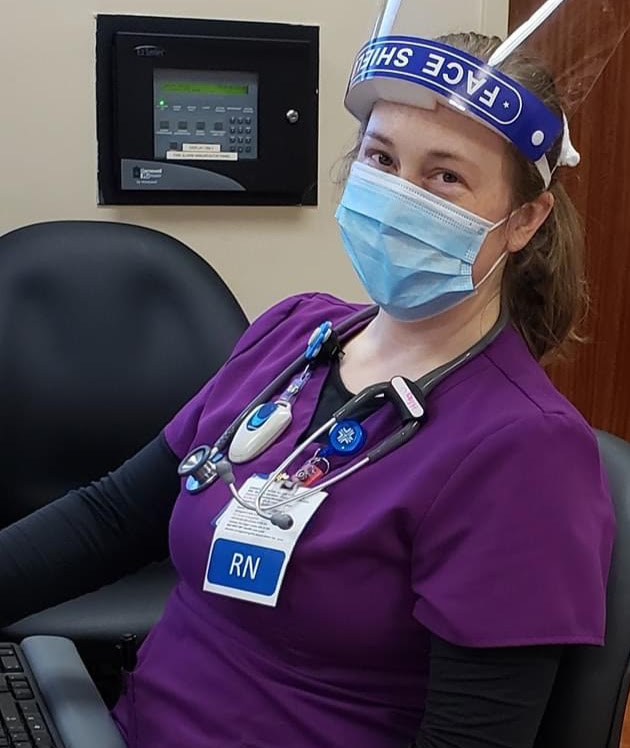
  • HSU starts new program for active nurses

    HSU starts new program for active nurses

    RN-BSN nursing program for incoming or working nurses to continue their education

    Humboldt State University introduced a new nursing program this semester. The program started as a hybrid course for returning or new, incoming nurses wishing to continue their college education. Since it is an online format, nurses have a flexible timeframe between school and work.

    Kimberly Perris, the director of the nursing program at HSU, played a significant role in getting the program started, along with Assistive Director Eden Donahue. The program is designed for those who have finished their nursing degree and have prior experience working as a nurse.

    “All the students that come into the program have already been through a nursing program through a community college and have gotten their associate degree in nursing,” Perris said. “This program offers those nurses an opportunity to get their bachelor’s in nursing.”

    The program is less about hands-on nursing and more focused on critical thinking and management as a working nurse.

    “Our particular program is focused on our rural population, Indigenous populations,” Perris said. “So they are getting exposure to cultural humility and the social determinant of health and all the things that affect a person’s healthcare.”

    Prior to the pandemic, the class was designed for working nurses and already planned to operate as a hybrid class with intensives on weekends.

    Hilary Bagnell, a Registered Nurse for Saint Joseph Hospital, is ednrolled in the program. Bagnell decided to further pursue her education after graduating from the College of the Redwoods.

    “I graduated CR a year ago,” Bagnell said. “I was in the mode to do academic work already and I find that it’s a good thing to keep the momentum going and to go for those goals rather than let them get pushed back.”

    Bagnell works as a nurse and has a family, the issue is finding time to manage home life, work and the program.

    “It’s been challenging, on top of working full-time it’s a lot to do, but the content is so applicable to what I am doing,” Bagnell said. “It applies directly to things I experience every day on my job.”

    Katie Ohlsen, a nurse with Saint Joseph Hospital, is participating in HSU’s program. Ohlsen wants to further her education and credentials as a nurse. She found the program online and signed up in July, knowing the class could be altered due to the pandemic.

    “COVID was one of the reasons I decided, the final push I needed to go back to school,” Ohlsen said. “I knew the program was going to be online because it is meant for working nurses.”

    Ohlsen enjoyed classes and even though she’s experienced as a nurse, she finds the new and old critical thinking, and nurse management in class compelling.

    “I’ve actually been a nurse for 22 years now,” Ohlsen said. “So it is interesting to be back in school for being out for that long.”

    Nurses from different backgrounds, ages and hospitals are coming together to attend this new program to learn, boost their credentials and be around peers who experience similar stresses and understand their careers.

    “In a way,” Bagnell said. “It’s kinda like therapy for all of us to come together and talk about these stressful experiences we have as nurses.”

  • Library construction picks up the pace during the pandemic

    Library construction picks up the pace during the pandemic

    The library undergoes seismic retrofit construction

    Humboldt State University’s library has been under construction since 2018 when the contract was set and planned in 2015. The construction project is for the library and the theatre arts buildings on campus, both buildings were not safe regarding seismic activity.

    Jason Baugh, HSU project manager, has been communicating between the contractors and campus on the seismic retrofit project for both buildings.

    “Building safety is to keep these buildings maybe not 100% secure, standing and occupiable after a major earthquake, but getting everyone out safely,” Baugh said.

    The overall goal was to have it safe for seismic activity but other projects and delays started to pile on as time progressed.

    “The California building code changes every three years, the chancellor’s office for the CSU also has their own internal code review and it’s basically mirroring what the California building code is,” Baugh said. “They have their standards where they want all their buildings to adhere to and so that changed and as we submitted plans for review, we missed the code cycle and everything had to be re-evaluated.”

    Setbacks such as new seismic code, modifications in original plans and lower level issues with the foundation have led to longer construction time than anticipated. Recently the project got sprinklers in the library.

    “There was a few areas of the lower library basement, and basically it was where books, some of the special collections library books that they don’t use on a daily basis but are archived for various reasons,” Baugh said. “For some reason, only that area was sprinkled.”

    Changes to the project made the years of construction go on longer than originally thought. The overall budget for the project of both buildings was $20 million plus add ons of almost $4 million dollars.

    Daytime construction has increased due to COVID-19 restrictions. Cyril Oberlander, HSU’s library dean, has been overseeing and delegating people to new temporary areas of work.

    “It also created new opportunities, rather than waiting for the sprinkler project for a couple of years,” Oberlander said. “It’s something we can do now because no one is in the building which is pretty good.”

    Since the library will most likely be closed in the spring semester due to COVID-19, construction will continue at a faster pace. Oberlander is hopeful that students and all HSU personnel will enjoy the new library when things are back to normal.

    “Thank goodness they really were resilient through it because it’s finishing up now,” Oberlander said.

    Jaime Clough, a senior at HSU, had trouble in the previous semester with construction noise and communication of the project’s finishing time.

    “I was in the library every single day. I was there on weekends. I basically lived in the library and it was kind of tricky,” Clough said. “I mean sometimes you have to go through random doors, sometimes the stairwells are closed and you have to go around the backside. You’d be sitting in the nice quiet corner trying to study for finals and all of the sudden there’s a jackhammer on the wall right next to you.”

    Construction is set to be finished around June of 2021. With construction schedules and the library closed, construction could be finished before the fall 2021 semester.

    “June is my goal, I think it’s realistic, as I kind of indicated you don’t know till you dive into things especially with retrofit projects,” Baugh said. “Hoping for the best, I think the end of June is a realistic date and that we may have a month buffer of working through any problems.”

  • Students experience extra stress without access to a classroom

    Students experience extra stress without access to a classroom

    Online learning amplifies student stress

    Spring semester that consisted of conference calls with teachers while relaxing at home crazed returning students overwhelmed by large lesson plans and a full workload.

    Nicole Matonak, a zoology major at Humboldt State University, manages a part-time job at the Marine Lab and five classes worth of homework.

    “There are times where I wish I wasn’t working so I could focus on school stuff,” Matonak said. “It feels like there is not enough hours in the day for everything I need to do.”

    Matonak’s methods of getting homework done on time revolve around scheduling out the week in advance. She’s made a habit of setting time aside to relax. Matonak is taking a yoga class this semester and has been trying to do other exercises to reduce stress.

    “Lately when I feel like I am zoning out,” Matonak said. “I try to stretch and practice headstands and I feel like it gets my blood flowing.”

    Matonak lives in Humboldt County and relies on surrounding outside nature to exercise or study without distractions.

    “Charging my iPad, my notebook and my computer and taking it to the beach and studying in my car,” Matonak said. “I think that’s been the best way for me to work and not have distractions.”

    Mikayla Nicholas is an art education major at HSU and is taking upper-level art courses.

    “I knew that some of the art classes would be high-end, project-wise,” Nicholas said. “But I didn’t really expect the level to still be this high online.”

    Being overwhelmed by the work in her classes and miscommunication with professors, Nicholas finds relaxation by baking bread.

    “I enjoy baking and cooking as something to do that’s easy and stress-free,” Nicholas said.

    For students overwhelmed by stress, Liza Auerbach Ph.D. has your back. Auerbach is a clinical psychologist with the HSU Counseling and Psychological Services program.

    Auerbach suggests students learn their rhythms of productivity and dedicate that time to accomplishing tasks.

    “I am a big believer in psychological inertia and momentum,” Auerbach said. “The longer that we are not doing something the harder it is to get started.”

    Auerbach also recommends students falling behind in classes contact professors and be forward with concerns, instead of struggling alone or giving up altogether.

    “If the stress of what’s going on in the world and in our own minds is interfering with our ability to perform,” Auerbach said. “Reach out and let them know.”

    Students struggling can also call CAPS during business hours to schedule a one on one therapy session, included in the cost of your student fees.

    CAPS is open by phone from 8:30 a.m – noon and 1:00 p.m-4:30 p.m.

    707-826-3236 or hsucaps@humboldt.edu

  • HSU art students create their way through quarantine

    HSU art students create their way through quarantine

    Artists at HSU are experiencing somewhat smooth sailing this semester

    Factoring in all the tools, materials and space art students require to create, they more or less have access to everything they need at HSU.

    Studio art major at HSU, Nicole Velazquez, already does online sketching on her own time. With her recent courses, however, she’s been focusing a lot more on class related artwork.

    “I mostly do digital art right now, because of my classes,” Velazquez said. “It keeps me a little more occupied.”

    So far, Velazquez has experienced somewhat rudimentary quarantine classes, leaving her with more time to improve her artistic abilities and explore new art forms. Lately, this hasn’t involved traditional art.

    “I don’t really have time,” Velazquez said. “I’ll sketch like here and there.”

    Velazquez hasn’t had many issues with online art courses but she misses in-person instruction. When it comes to art, she often draws her creative inspiration from others.

    “I like getting criticism,” Velazquez said. “I just feel like, if I don’t have someone telling me something, I will personally bring my art piece down.”

    Brittany Sheldon is an instructor in the Art department whose main course revolves around art history. Sheldon is still adapting to the new normal of teaching.

    “It is all based on equity,” Sheldon said. “Just trying to be as equitable as possible and accessible as possible for my students, while also trying to recreate whatever I do in the classroom normally.”

    Sheldon’s classes this semester are mostly asynchronous. By allowing students to have more flexibility, Sheldon hopes this will make her classes more accessible for students.

    “I have Zoom office hours and I was doing weekly Zoom sessions that were optional,” said Sheldon. “Students didn’t get a grade for that – it was an opportunity for them to come and ask questions or talk to each other.”

    At this point, students enrolled in Sheldon’s courses this semester seem to be passing. Sheldon has relaxed deadlines for assignments and is doing her best to be helpful and understanding but it is hard to tell how her students are doing from a screen.

    “I field their emails and just respond with empathy,” said Sheldon. “I am just trying to be there for my students.”

    Alex Pickrell majors in child development at HSU and minors in studio art. They’re using their excess quarantine time to explore more art forms and experiment with current projects.

    “I’ve also started doing collages with my old pieces,” Pickrell said. “Which I’ve never done before.”

    Living off campus, Pickrell has more room to explore their creativity as well as different art forms. They have their own space to create and express themselves without distractions.

    “I’ve been living off campus for about three years, so I kind of turned my apartment into my own little art studio,” Pickrell said. “It makes it a really nice space to work.”

    Pickrell typically creates abstract artwork. They’re currently taking two art classes where they’re exploring entirely new styles.

    “I decided to do left hand vs. right-hand painting,” Pickrell said. “Just because I usually only paint with my right hand and I’ve only ever done a set of paintings once.”

    The struggles of quarantine are plentiful, but Pickrell figures, we can either wallow in our misfortune or we can rise to the occasion and make the best of a bad situation.

    “I’ve just been trying to get out of my comfort zone,” Pickrell said.

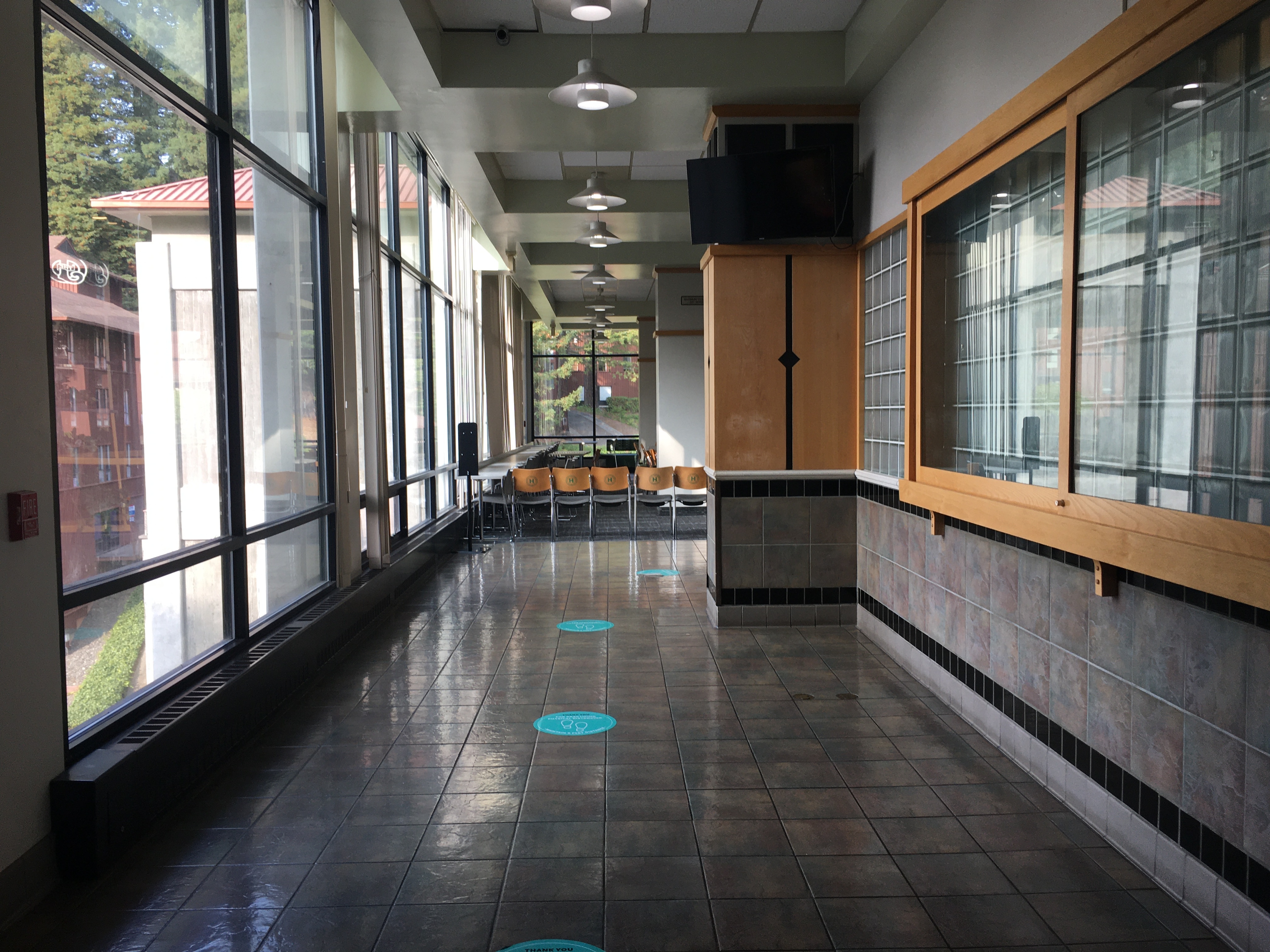
  • Students are dining in during the COVID-19

    Students are dining in during the COVID-19

    Students survive COVID-19 by cooking for themselves and avoiding college cafeteria

    Whether they live on or off-campus this semester, students are facing new challenges in just about everything they do and dining is no exception. Meal plans are offered to students living on the campus at a steep price, but this semester students have resorted to cooking for themselves.

    Humboldt State University botany major, Zeen Vincent, purchased a mini-meal plan but finds cooking in his dorm more affordable and enjoyable.

    “It’s just easier to cook at home and just buy groceries once a week than it is to go out and eat all the time.” Vincent said.

    Although the pandemic has turned trips to the grocery store into an uncomfortable mission, Vincent hasn’t allowed it to affect him much. When he does prepare food, it’s often raw ingredient based meals or snacks.

    “I’ve been making a lot of sandwiches,” Vincent said. “I am making burgers tonight so that’s kind of special. I usually don’t eat that on a daily basis.”

    HSU freshman, Jesse Barragan, lives on campus and has the green meal plan which is recommended for students who plan to cook on the weekends. Barragan eats at the J cafeteria weekly but is forced to occasionally cook when the J lacks in vegan options.

    “Sometimes for dinner they may not have a lot of options,” Barragan said. “Maybe like a few sautéed squash and rice but usually it is good.”

    With more vegan and vegetarian options than most places, Barragan is able to eat well on a budget. Barragan’s meals involve easy-cooking in his dorm kitchen, using mostly veggies and produce.

    “Lately I’ve been eating a lot of potatoes, squash, tomatoes and salads,” Barragan said.

    Although most students who came back to campus moved in at the end of Aug., HSU junior Vanessa Odom, stayed to pursue a work opportunity on campus.

    “There were no dining services,” Odom said. “The J and everything closed back in March after spring break.”

    Odom discovered they could acquire free food from the Oh SNAP! program. Receiving mostly raw foods, Odom took the opportunity to sharpen their cooking skills.

    “I really enjoy cooking for myself,” Odom said. “Obviously it’s a life skill to have and I’ve learned a lot about different kinds of cooking.”

    Richard Shilts is a sophomore at HSU and has a job at Domino’s Pizza in Eureka. He applied shortly after moving back to Humboldt and has been working as a delivery driver since July.

    “I work just about every day of the week,” Shilts said. “I work about 30 hours. I was working like 40 before school started.”

    Shilts’ main concern is work interfering with his education but the job pays too well to quit. Unfortunately, Shilts puts up with customers that are unwilling to abide by COVID-19 protocol, putting himself at a powerless, higher risk of getting sick.

    “I can’t do anything about it,” Shilts said. “I just have to deliver to them.”

  • Students Find Creative Ways to Pass Time in Quarantine.

    Students Find Creative Ways to Pass Time in Quarantine.

    An inside look at how Humboldt State students’ are staying busy with pandemic hobbies.

    Just because life has begun to resemble a sci-fi movie, doesn’t mean students aren’t having fun. Abiding by COVID-19 protocol, students are cooped-up indoors more than usual. While video games, Netflix and sleeping becoming more common in the household, others have chosen instead to spend their time creatively.

    Rebekka N. Lopez, a music education major at Humboldt State University, was the drum major for the Marching Lumberjacks in the spring. When classes were brought online and health-guidelines were put in place, the Marching Jacks’ season was cut short and they remain on the bench this semester. Undeterred, Lopez continues to practice through quarantine.

    “That’s what I did almost every day this quarantine,” Lopez.

    Lopez enjoys practicing as a hobby and intends to pursue a professional career in music. Recenty, she’s been learning to play new instruments.

    “I play a couple, I play the flute and the saxophone mostly and, I’m still learning other instruments like ukulele, guitar, clarinet and piano,” Lopez said. “It’s my job to know even more than that so I’ve got a long way to go,” Lopez said.

    Hobbies are not only great outlets for self-expression, they can also make it easier to co-exist with the anxious attitude of the difficult times we live in. HSU psychology major Madelynne J. Avila uses some of the extra time she has during quarantine to practice singing.

    “For me personally, singing has always been an outlet for you know relieving stress and just kinda getting my mind off of whatever may be going on right now,” Avila said.

    Along with singing, Avila also enjoys volunteering. In the spring, before quarantine, she volunteered at her local animal shelter and at a local wildlife rehabilitation hospital. Once quarantine started, volunteer opportunities were no longer available. She was able to transfer into the education department at Lindsay Wildlife Experience and continues helping those in need.

    “Volunteering has been something that I’ve really wanted to do for a while, and really kinda just go all into it,” said Avila.

    Jared Schroter, a sophomore at HSU, is an Eagle Scout with the Boy Scouts of America, the highest rank earned by completing various tasks and demonstrating expert survival skills. Schroter is also a leader in the Venture Scouts program, composed of male and female scouts between the ages of 14 and 21.

    “I started to make a crew when I was 18 because I aged out of Boy Scouts,” Schroter said.

    As the president of crew 200, Schroter continues to plan and hold meetings over Zoom, keeping him more or less occupied most days. Schroter also enjoys outside activities like golf to fill in gaps during the day.

    “I’m horrible at golfing but I’ve become somewhat decent at it now,” Schroter said.

    Being stuck inside for long periods of time is not healthy, so for students willing to follow social-distancing guidelines, like anthropology student Scarlet Chapman, they can still experience the joy of nature.

    “I’ve been getting out a lot, spending a lot of time in nature,” Chapman said. “Been trying to put my phone down more.”

    One of Chapman’s new quarantine hobbies is drying flowers. She got inspired to spend her time more creatively when she saw friends posting their hobbies on social media.

    “I saw a lot of gardening on Instagram,” said Chapman. “And I was like ‘oh that looks fun’, so I’ve been adding to my garden outside,” Chapman said.

    Quarantine can be an opportunity for personal growth for those willing to work for it. Finding the silver lining and keeping yourself on track will help repel negativity and boost morale.

    “Just to know that even during quarantine you’ve improved on something or you’ve like gotten better at a certain skill, I think that’s really great for personal morale and you can only get so much from watching a show,” Lopez said.