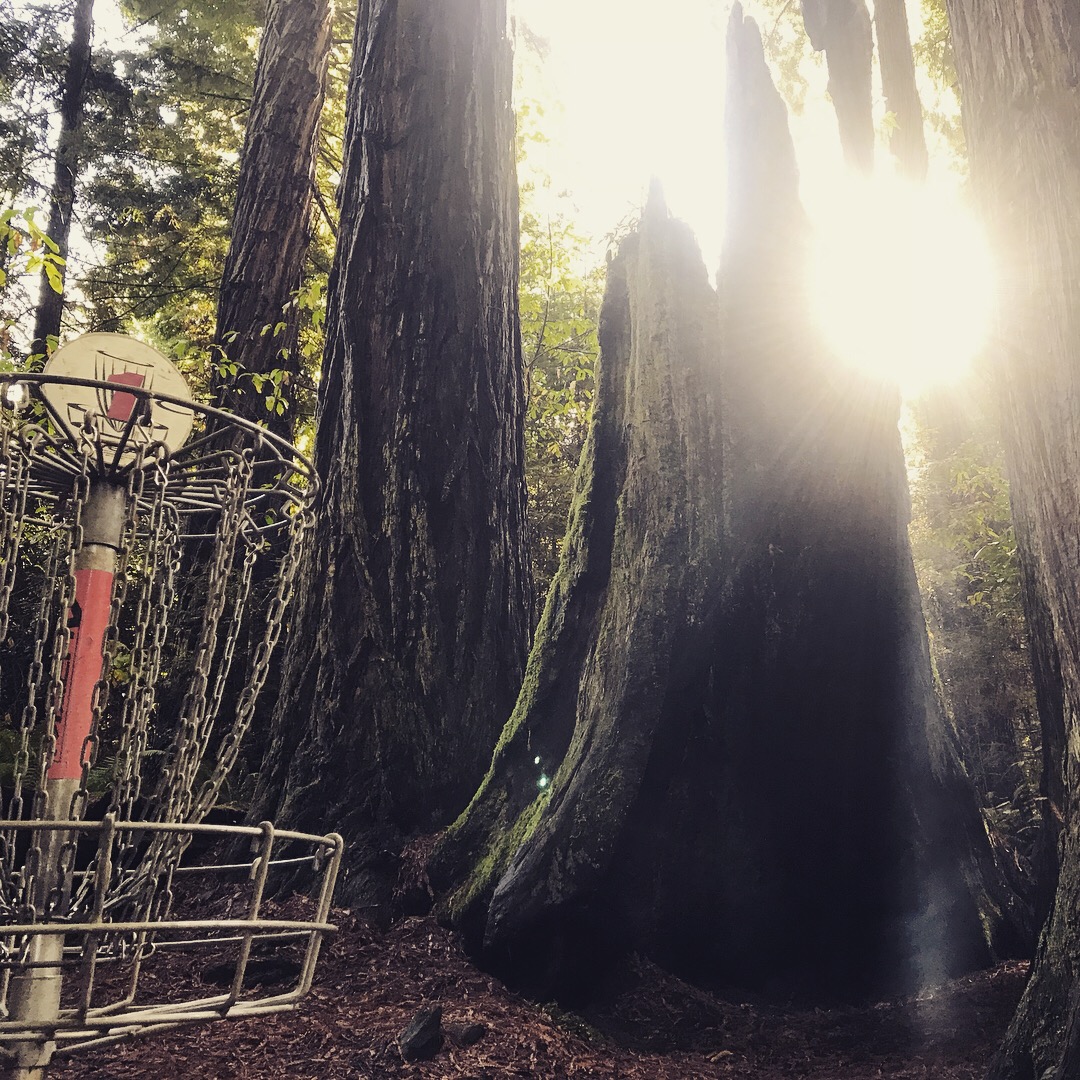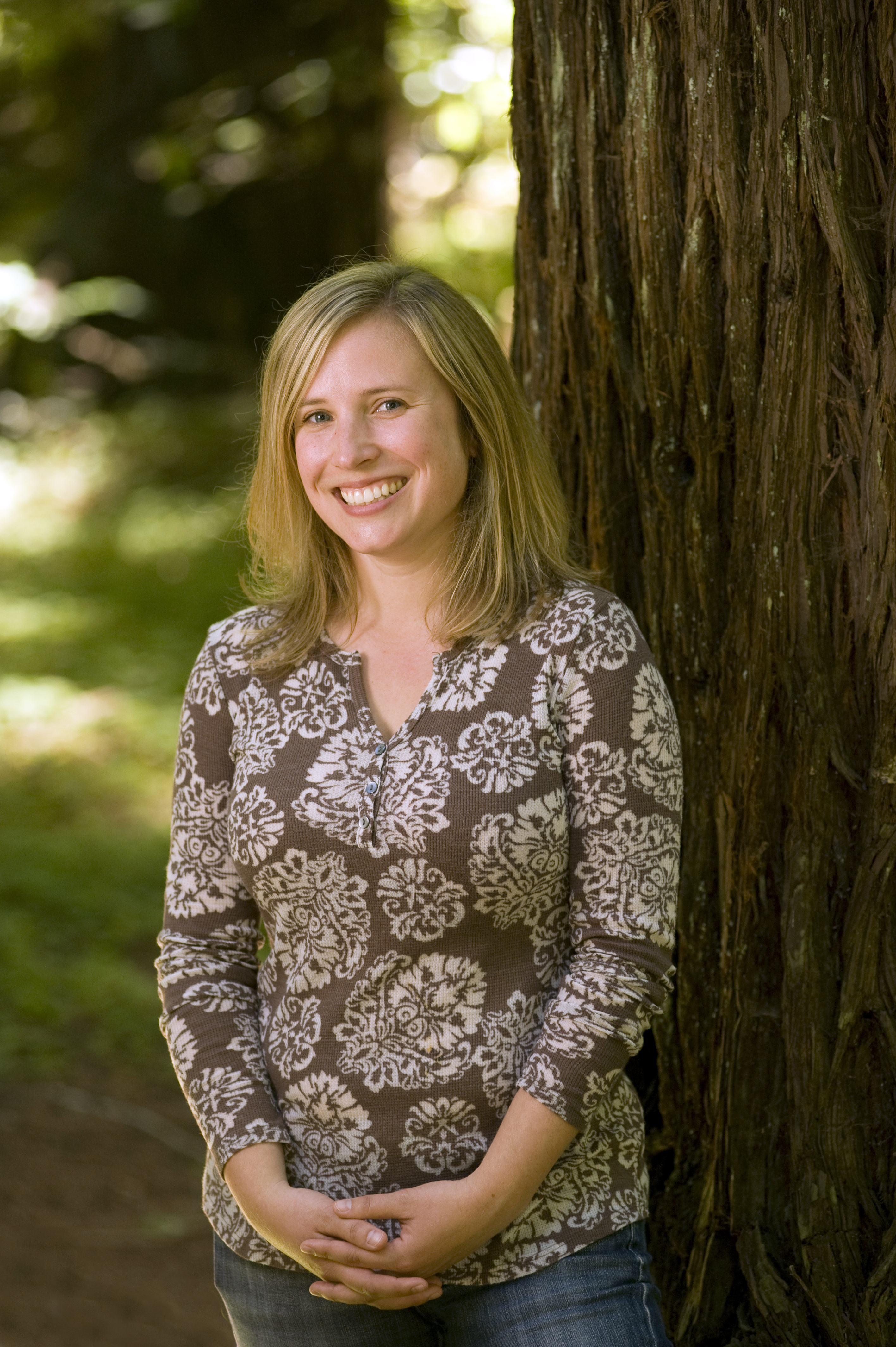
Emily Burns discusses redwood trees and the effects of climate change in her lecture, Restoring Redwood Forests in a Changing Climate, as part of The Sustainable Futures Speaker Series hosted in FH 118 at Humboldt State on March 22.
Emily Burns is the director of science for the Save the Redwoods League. Save the Redwoods League has been working for 100 years to save and restore the coastal redwood forests in California, ranging from Central California (Big Sur area) to near the Southern Oregon border. On March 22, Burns visited HSU to give a lecture, Restoring Redwood Forests in a Changing Climate,which focused on how to restore redwood forests in a changing climate.
“The climate conditions are going to change,” Burns said.
Zachary Erickson, an HSU forestry major, thinks there are plenty of opportunities in restoration.
“I’m interested in seeing some of the places where redwoods can grow, and some of the redwoods’ genetic diversity,” Erickson said.
Redwood National Park, Prairie Creek Redwoods State Park, Jedediah Smith Redwoods State Park and the Humboldt Redwoods State Park are all within a two-hour drive from HSU, making it an ideal research facility to study the redwood forests.
The Redwoods and Climate Change Initiative, or RCCI, by Save the Redwoods League shows warming patterns appearing throughout the redwoods. Warm summer nights are the most noticeable change throughout the redwood range.
“The area that the redwoods occupy now is likely to shift under future climate conditions,” Burns said.
Santa Cruz and Monterey counties show the most intense departures from normal climate conditions, according to the RCCI. It is anticipated that the conditions of Santa Cruz and Monterey counties will be warmer and drier. The southernmost redwoods in Santa Cruz County are currently experiencing warmer temperatures in all four seasons.
Current results from the RCCI show climate stability for Humboldt and Del Norte counties.
“The areas that currently show a stable climate are also predicted to be climate- stable over the next decade,” Burns said.
The structure and ecology of forests have changed, both in old growth forests, mature second growth forests, new growth and secondary growth forests.
“Because of environmental changes, some redwoods have grown more since the 70s than they ever have,” Burns said. “One hypothesis is that rising temperatures are lengthening the growing season.”
Partnered with the Save the Redwoods League to carry out research on redwoods, HSU professor Stephen Sillet determines that the old growth redwood forests of California are growing faster now than they did in the past.
“Out of all of the old growth forests, only 113,000 acres remain of primary old growth forest,” Burns said. “That represents 7 percent of the existing forest footprint of today.”
Only amounting to 27,000 acres, mature second growth is the original regrowth of the first old growth redwoods’ that were cut by settlers..
“This [mature second growth] is even rarer than old growth,” Burns said. “It amounts to just two percent of the current forest footprint. The rest of the current forest is separated into categories of second growth.”
“It is pretty tragic that so much of the post-virgin redwood forest has been logged, but this gives us many research opportunities,” Burns said.
Lucy Kerhoulas, an HSU forestry professor, is positive about forest practices.
“I think it’s really great that there is this restoration work to try to accelerate old growth conditions,” Kerhoulas said.
The Save the Redwoods League has moved their attention to the Salt Point area of Sonoma County, where there are many remnant patches of old growth scattered throughout the region.
“We think there are 20,000 patches of remnant old growth forests scattered throughout the entire redwood region,” Burns said.
During the lecture, Burns addressed whether the remnant patches of old growth are viable habitat.
“That depends on the species we are talking about,” Burns said. “We think of forest patches as anything smaller than 11 hectares (approximately 27 acres) that do not truly have interior forest and there are species that need that interior forest to thrive.”
However, these remnant patches serve as incredible anchors for restoration.
“These isolated trees are important for healing the forest and facilitating the regrowth of younger forest,” Burns said. “It brings islands of diversity into an otherwise depleted landscape.”
Alex Fitanidies, an HSU forestry major, is passionate about sustainability and restoration.
“I love that the focus now is going over to sustainability and focusing on the long-term goals,” Fitanidies said. “I just want everybody in 1,000 years to be able to walk through a massive redwood forest, not these one-mile loops that they have now.”