The Lumberjack


Students Serving The Cal Poly Humboldt Campus and Community Since 1929

Tag: reuse

  • SCRAP Humboldt: Saving the Planet One Scrap at a Time

    SCRAP Humboldt: Saving the Planet One Scrap at a Time

    Affordable art supplies with environmental consciousness in mind

    Doohickeys, thingamabobs and whatchamacallits galore. One local craft store has it all and does so with purpose to provide a community with creative inspiration and affordable art supplies while reducing, reusing, recycling and repurposing.

    SCRAP Humboldt is a craft supply store with hundreds of items available for creative reuse. The store started as a temporary holiday season shop in 2012 at the Jacoby Storehouse and later became an established organization aimed at repurposing items that society would typically deem as waste.

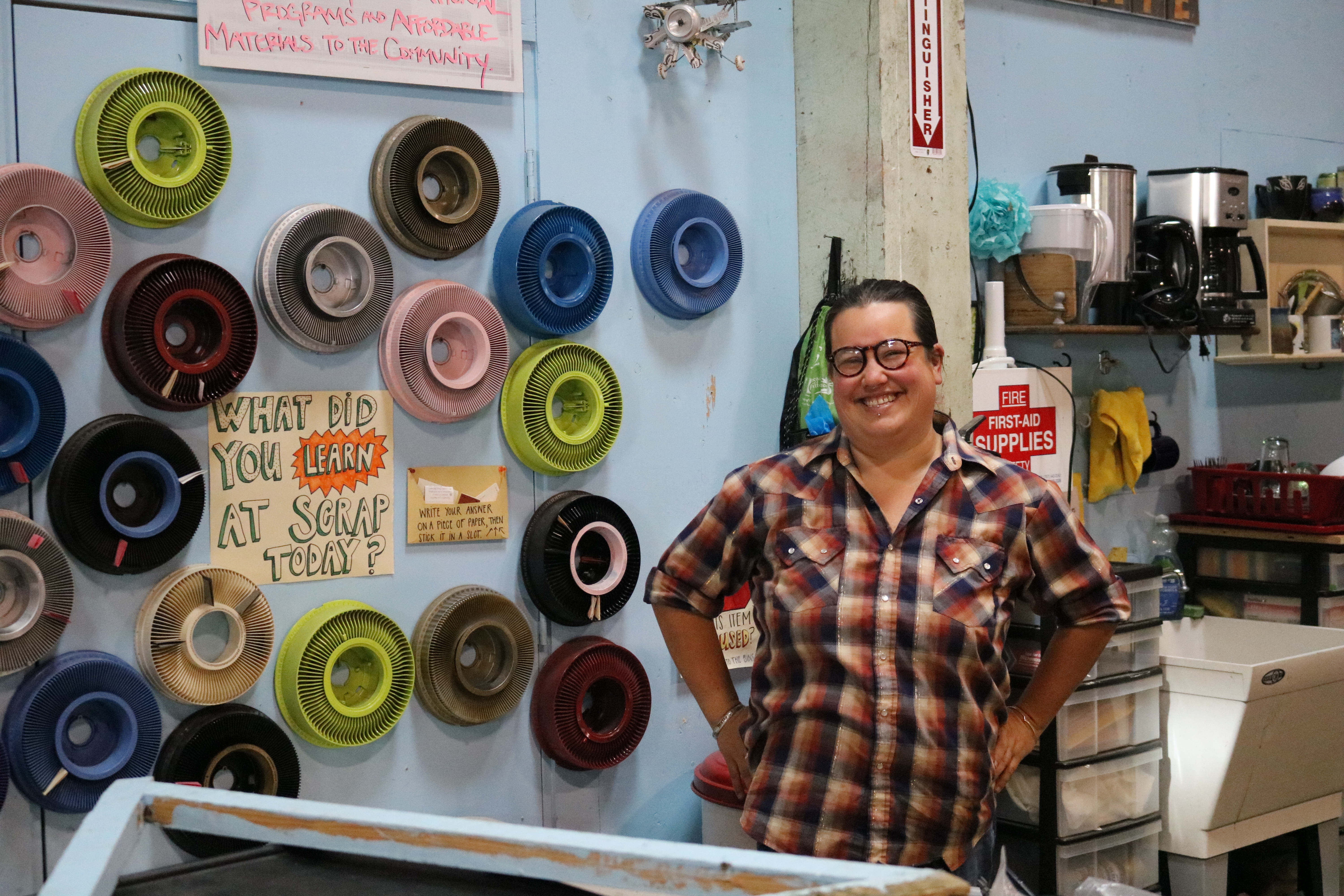
    Malia Matsumoto first began volunteering her time with SCRAP Humboldt and later became the director of the organization in 2017.

    “As an artist, I taught classes at Scrap and volunteered my time to come take care of the store,” Matsumoto said.

    As director, she coordinates events, reaches out to similar organizations for cross pollination and manages staff and volunteers at the center. SCRAP Humboldt also works with other local organizations for mentoring programs like the Humboldt Area Foundation.

    SCRAP Humboldt relies heavily on donations and receives items for reuse from community members, businesses and even Humboldt State University. Steady donations also come from partnerships with local businesses that aim to reduce their product waste. Local donors include Los Bagels, Kokatat and the Humboldt Bay Coffee Company.

    Donations are sorted into respective categories and then placed on the store’s floor. SCRAP Humboldt has supply sections for sewing, painting, scrapbooking, holidays, jewelry-making and crafting.

    “Because everything is donation-based, it’s a really low price point,” Matsumoto said. “As an artist or a maker you’re able to get more materials than you would if you went to a traditional brick and mortar store like Michael’s or JoAnn’s.”

    The variety of conventional and unconventional up-cycled items SCRAP Humboldt has to offer gives locals access to affordable art supplies. The organization also hosts weekly tutorial classes to teach the community how to complete projects with repurposed materials.

    Matsumoto and the crew at SCRAP Humboldt have a passion for diverting reusable waste from landfills by finding creative ways to repurpose items that typically wouldn’t be thought of as art supplies.

    Matsumoto said that once people start making things on their own, they begin to see the hard work it takes to create something. Matsumoto said people also learn to give more value to scraps while seeing the potential for an old thing to become new.

    The SCRAP Humboldt team spreads this message and their passion for waste reduction and art creation with the community by offering summer camps for kids, creative reuse classes and a space for an artist-in-residence program.

  • Reduce, Reuse, Repurpose Recyclables

    Reduce, Reuse, Repurpose Recyclables

    Earn money. Many recycling plants in California offer trade-in programs where you can redeem money from the cash refund value (CRV) of plastic, glass and aluminum cans. The CRV amount for aluminum cans under 24 ounces and for glass and plastic bottles is $0.05. Containers larger than 24 ounces are redeemable for $0.10. Here in Humboldt you can take your bottles and cans to Humboldt Sanitation & Recycling in McKinleyville or the Eureka Recycling Center.

    Make something new. There are so much things that can be reused and transformed into something new. Milk cartons can become bird feeders and trash can become artwork. Locally, Scrap Humboldt offers hundreds upon thousands of recycled, slightly used and new items for sale to let your creativity soar. They host creation tutorials to show people how to turn something discarded into something useful again. You can also donate your clean recyclables to their Arcata location to add to their collection of items for repurposing.

    Clean them. Clean your recyclables before you toss them. Be mindful of the journey your recycling has yet to take in this consumerist chain. Besides knowing what is appropriate to recycle, it’s also important to properly prepare items before you recycle them. Cans should be rinsed clean, plastic caps should be discarded and wrappers should be torn off of containers.

    Compost. Compost what you can. Paper materials like cardboard and newsprint are great materials for creating new flower and produce beds. These items don’t have to end up in the trash or even the recycling bin. Paper is great for reducing decomposition stench from compost bins and the carbon in paper can help facilitate the breakdown of waste. Just be sure the paper you use in your compost doesn’t have glossy inks like magazine paper.

    Throw away the rest. You might be recycling things that aren’t recyclable. Plastics numbered with 3, 4 or 7 are sometimes not accepted by curbside recycling programs. Check your local recycling plant’s policies on what materials they accept and what they reject. Things like pizza boxes, aerosol cans, batteries and styrofoam are not recyclable. Throw items like these away or find a proper disposal. Here on campus there are several recycling hubs which offer bins for proper disposal of batteries, computer products and cellphones.

  • WRRAP goes beyond barriers during the Zero Waste Conference

    WRRAP goes beyond barriers during the Zero Waste Conference

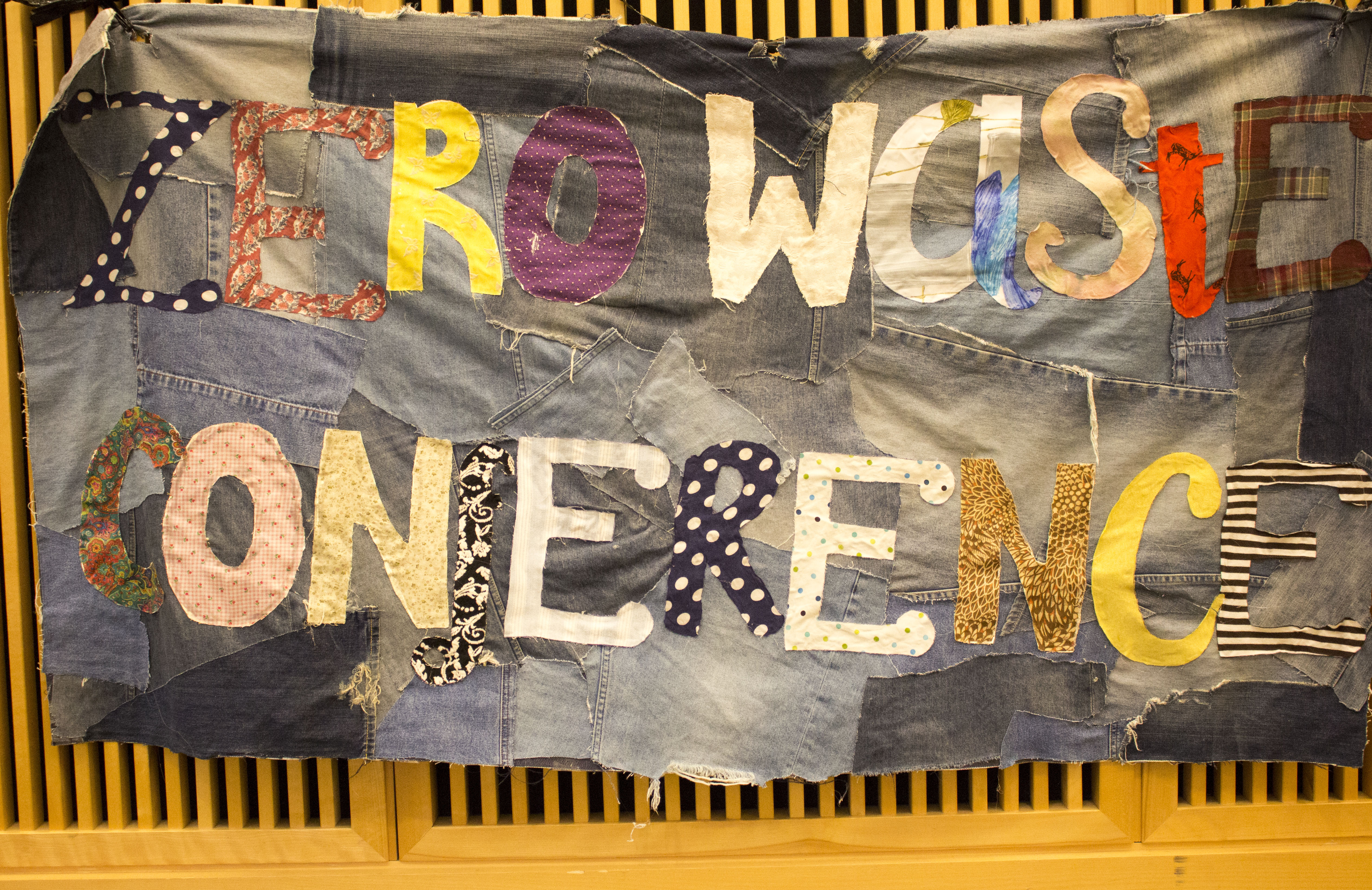
    Humboldt State University’s WRRAP hosted their second annual Zero Waste Conference on Feb. 9 and Feb 10.

    The conference aimed to focus on the way we’re redirecting waste in our community, as well as the barriers that come with it.

    The two-day conference kicked off on Feb. 9 with DIY workshops focusing on waste reduction in the Humboldt community.

    There was also a banquet with keynote speakers followed by a documentary screening of Wasted Away.

    There was an all-day event of panelist discussions, a compost workshop and speakers on Feb. 10.

    One of the speakers was Dr. Melanie McCavour, lecturer for environmental science and management at HSU.

    McCavour’s presentation went over some common definitions and misconceptions of the terms biofuel, biomass and much more.

    “There’s no one answer to the question ‘Are biofuels sustainable?’,” McCavour said. “They’re not always bad and they’re not always sustainable. It depends on the situation.”

    McCavour expected to see more people in attendance. However, she said that one cannot judge success by the amount of people who turned out, and that it’s better judged by how much those learn from it.

    WRRAP education director Shanti Belaustegui believes this conference is an amazing opportunity to have a dialogue in our community about solutions and to get inspired by things that are happening.

    “I personally am leaving feeling very inspired,” Belaustegui said. “The people that did show up left with their minds nourished. That’s all we could’ve asked for, to create dialogue with the community and start this.”

    Ciera Wilbur, zero waste director for WRRAP, hopes that the Zero Waste Conference becomes a permanent event at HSU for people who don’t quite know about sustainability and zero waste.

    “The way I see sustainability is like the capacity to continue to exist,” Wilbur said. “We’re trying to protect our resources for future generations not just our current gratification.”

    Wilbur described zero waste as something that should bring us away from the current idealism, which is convenience and single-use products. She tries to bring forth the idea that what you use can be reused.

    “… we’re looking to create a circle,” Wilbur said.

    When it comes to sustainability and zero waste, there are barriers that people face. Wilbur said our biggest barrier is accessibility.

    “There’s a lack of education and sharing knowledge of how we can be more sustainable in an easy way,” Wilbur said.

  • Recycling isn’t working

    Recycling isn’t working

    Recycling is not as sustainable as you might think. It has become a wasteful movement that was beneficial during the early stages of the environmental movement. Now the cost outweighs the satisfaction we get out of recycling.

    “Recycling has been relentlessly promoted as a goal in and of itself: an unalloyed public good and private virtue that is indoctrinated in students from kindergarten through college,” wrote John Tierney, journalist and self-described “contrarian” for the New York Times. “As a result, otherwise well-informed and educated people have no idea of the relative costs and benefits.”

    To put it in another way, most recycling advocates are unaware of the cost of transportation, labor and production of renewable materials that ultimately defeats the purpose of saving the planet.

    Recyclers are validated by the collective consciousness of fellow believers. They don’t realize the wastefulness that occurs after rolling the recycling bin to the curb. Why did things get worse? The short answer is the success of an ongoing marketing campaign that resonates with a growing population of millennials and aging liberals.

    Since the advent of the “Reduce, Reuse, Recycle” idea, recycling received the most attention. Why? Because there’s barely any money in reducing or reusing. If you think about it, recycling starts its capitalistic cycle from our wallets to the bins or recycling centers, then to the manufacturing plants, the businesses and back to burning a hole in our pockets.

    So, there you have it, reduce consumption and reuse your renewable materials. Buy used products and learn how to repair them if they break. Borrow, rent or share if you can. The point is to reduce the disadvantages of recycling that is practiced by too many people and apply smarter solutions to climate change. If enough of us consume less and reuse more, the act of recycling can reclaim its integrity. It’s all about balance.