The Lumberjack


Students Serving The Cal Poly Humboldt Campus and Community Since 1929

Tag: sexual health

  • Good vibes at Good Relations

    Good vibes at Good Relations

    by Alana Hackman

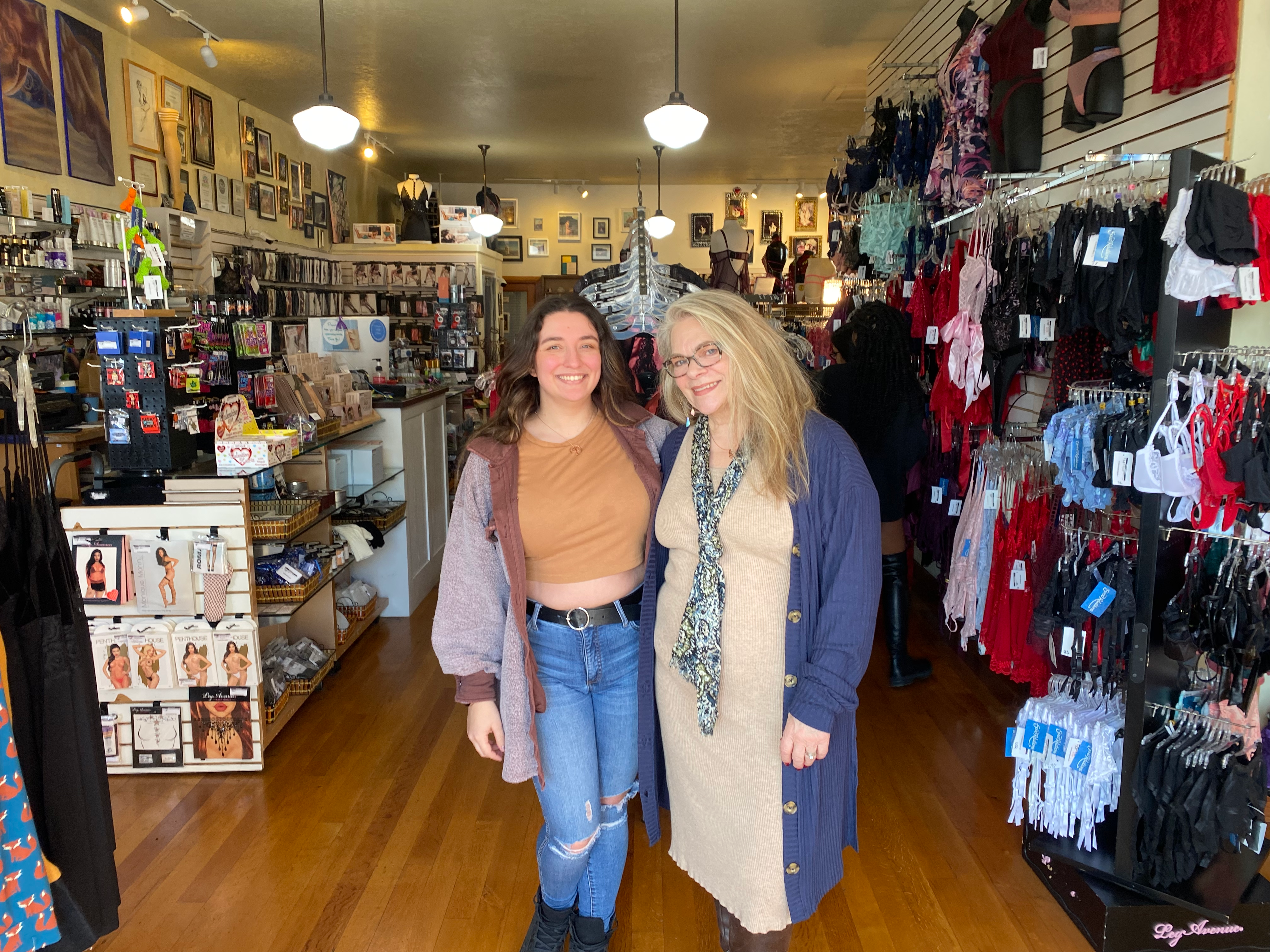
    Nestled away in Old Town Eureka on 2nd and D street is Good Relations, Humboldt County’s very own independent lingerie and sex store. Founder Linda Meyers began the company in 1983 while attending Humboldt State University for mathematics before changing her focus to psychology.

    “I was going to be a junior high school math teacher way back then, and then I realized I would probably wind up getting fired because I would drive a kid to the [sexual health] clinic,” Meyers said. “So I just decided to skip that part and go immediately to the next career.” 

    Meyers is a fourth-generation Humboldt State graduate. She attended elementary school in Gist Hall because her father taught at Humboldt State. Meyers graduated from Humboldt State in 1988 with a bachelor’s in psychology and got her Doctorate in psychology in 1994. She also lectured for 25 years in the psychology and Multicultural Queer studies department up until 2017. 

    Adorned in a golden labia necklace and sporting dark red painted nails, Meyers welcomes all customers in her Eureka store with her beaming smile. Good Relations opened its first store in the early 90s after Meyers wrapped up nearly 1000 of her own “pleasure parties”. Meyers compares these parties to the Tupperware parties of the 1980s, where she would bring her basket of sexual health goodies to different houses for those attending to buy.

    “It was all word of mouth,” Meyers said.  “Usually I knew somebody who had referred me.” 

    Good Relations was an at-home company in its foundational years until the first storefront opened in Arcata in 1995. A second location was opened in Eureka in 1998, and is now the only open location. This year, the store will be celebrating its 40th anniversary.

    Meyers is grateful for Good Relations giving her the ability to have a free schedule within her work life, especially when she was still attending school and raising her children. Meyers mentions opening her first store was the result of her eldest son asking why there were penises on a shelf in their spare bedroom that Meyers worked out of. 

    Good Relations is focused on sexual education and creating a welcoming atmosphere for any curious or experienced customers that walk in. Meyers mentioned accessibility and diversity is the main focus within the company from differing skin tone options for lingerie, custom corsets, and lingerie sizes up to 5x and up if needed. 

    Photo by Alana Hackman | Handblown glass buttplugs for sale at Good Relations

    “Auntie-ing people is in my nature, it’s in my culture, it’s in every cell of my body, and the nice thing about having a place like this is it’s very appropriate to auntie people, right,” Meyers said. “Aunties will kind of tell you what you need to know, even sometimes if you don’t really want to hear it, so we tell the truth. We educate the stores as a front for sex-ed and always has been.” 

    Good Relation’s success for the past 40 years can be attributed to Meyer’s efforts to bring in a well-trained staff and make sure they are knowledgeable in all topics around sexual wellness and education, as well as consent.

    Abby Beha, an employee of Good Relations, mentions the three-month-long training of videos, pamphlets and tests is a crucial part of employment, but is necessary for trying to help people have better sex lives. 

    “I just want them to feel welcomed, and that they can ask any question without feeling that they’re gonna get made fun of or ridiculed,” Beha said. “Everyone starts somewhere and we’re just here to help.” 

    A new employee, Gabrielle Castro, has only been working at Good Relations for a month after a second try at applying for the position and is grateful for the opportunity to help others.

    “I really do believe that personal human pleasure is a basic right,” Castro said. “Everyone should have the opportunity to experience what they want to experience before their deathbed and shouldn’t have to wait till they’re in a retirement home partying their ass to be able to do it.”
  • Sex toys for the soul

    Sex toys for the soul

    By Alana Hackman

    The college experience is something you hear about before you get the chance to step foot on campus. Whether it’s beer talk with dad or sorority rushing advice with mom, we all get a little taste of the dining hall food and frat parties from the people closest to us before our own orientation day, but they usually skim over one major detail: sex. Blame it on your nearing 20s or the newfound freedom of living hours away from your parents, but sex is definitely a part of the college experience. Whether you participate in it or not, with sex comes sex toys.

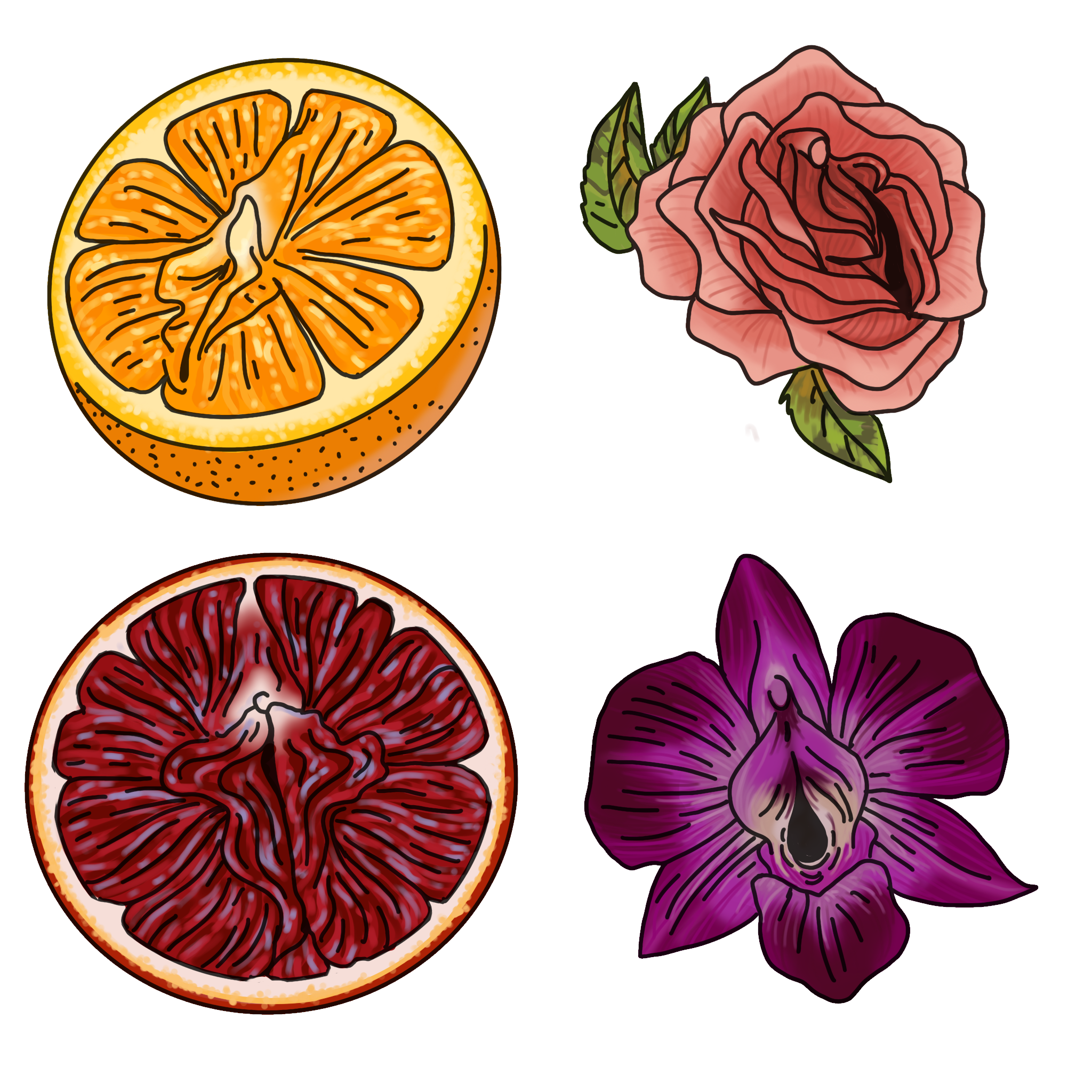
    Graphic by Sierra Cosper

    Cal Poly Humboldt’s Peer Health Educators (PHE Humboldt) are here to promote sexual and mental health on campus. The program is funded through the Student Health Center and works to provide student-to-student education surrounding sexual and mental health. The peer educators apply their and others’ experiences to create interactive health promotions such as workshops or guest speakers. The program also focuses on sexual wellness within yourself as well as with partners. The educators encourage the use of sex toys and even have some silicone dildos on display in their office located in the Recreation and Wellness Center in room 127.

    The current Peer Health Educators are Sierra Cosper, Selena Aguilera, and Emily Black. All have been with PHE for over two years now. Cosper explained how they feel there is still a stigma around sex toys and sex education as they experienced it first hand as a peer health educator. Cosper also noted that discussion about sex toys and the use of sex toys sometimes intimidates those who identify as male and is more taboo in their daily discussions compared to women.

    “Sometimes when I talk to them [men] about the job I’m doing they’ve said ‘oh why would I come in here to know anything,’” said Cosper. “ There’s this idea with men and sex toys that they can’t be better than their penis.”

    Black also added they have a tendency to leave out the part about sex toys when explaining their job role to new people they have met to avoid assumptions. She also mentioned how she lacked exposure to toys and sexual wellness before coming to CPH and participating in PHE events.

    The group recommended the local storefront Good Relations in Eureka for those interested in dipping their toes into the world of sex toys for a wide selection of toys in discrete packaging as well as informative and helpful staff.

    “If you’re too embarrassed to go, you gotta remember they’re choosing to work there, they want people to come,” said Aguilera.

    “And then come,” joked Cosper.

    “They want you to be as healthy and comfortable about it as possible,” said Aguilera.

    The group also advised beginners to use toys by themselves before introducing them to a partner as it can cause some miscommunication sometimes. Although, all agreed using toys doesn’t have to be solitary and using them with others is an experience as well.

    Graphic by Sierra Cosper

    “It puts a lot of pressure on relationships sometimes, like ‘I’m not good enough’ feelings cause you’re using this toy, but they’re actually just really fun,” said Cosper. “You can’t expect your partner to get you off every time also.”

    “It’s supposed to enhance your experience not take anything away from it,” added Aguilera.

    Black, Cosper, and Aguilera also encourage proper care of sex toys to avoid sexually transmitted diseases or infections. They recommended a lot of toys are able to be boiled but toys usually come with care instructions on how to clean and properly care for them, also mentioning to steer clear of toys made of porous material and the use of silicone lubes on silicone toys to avoid degradation over time.

    “Something people forget to do sometimes is clean communal toys, which are more popular in queer communities,” said Cosper. “The communal strap-on, you should be using condoms on it between each person. Same with vibrators to avoid any risks of spreading.”

    The PHE educators all agreed they encourage more open discussions about sex toys to break the fears and taboos surrounding them, which is exactly what they’re doing within their roles on campus.

    Black encourages students to participate in their tabling events to enter a safe space for open conversations about sexual health and wellness.

    “Everyone gets embarrassed, but liking what you like is sexy,” said Aguilera. “Not being afraid to show what you like is nothing to be ashamed about, you know.”

    Join the Peer Health Educators at their annual Sexland event on April 23, a sex-positive, kink-based, informative event including sex toy giveaways and much more.

  • Syphilis Rates Spike in Humboldt

    Syphilis Rates Spike in Humboldt

    Though prevalent, there are many free treatment and prevention options

    Syphilis rates are spiking throughout California, and Humboldt County is no exception. If left untreated, syphilis can cause a brain condition that resembles dementia, heart problems, skin ulcers and blindness.

    Nurse Practitioner Andrea Shoup is taking an active role to better inform the community about risk factors, prevention and treatment of syphilis.

    “It’s totally treatable,” Shoup said. “People don’t really get tested. If they do, it’s not enough.”

    Syphilis can manifest, but then seem to disappear. If a person doesn’t get regularly tested, they may never know they have it and spread it without knowing. There are also risk factors that increase the likelihood of contracting syphilis. Men who have sex with other men are at a higher risk than men who only have sex with women.

    “It’s just the butthole,” Shoup said. “The anus tears more easily than the vagina.”

    Other risk factors include finding sexual partners using social media, which can create a false sense of trust between partners. Methamphetamine use is also linked to high rates of syphilis. People under the age of 26 are also more likely to contract syphilis than any other age group.

    “That just comes down to promiscuity,” Shoup said. “It’s true in my own life. I kind of doubled down at 20.”

    Dr. Teresa Frankovich, the health officer for Humboldt County, said she is not surprised about the local rate of syphilis.

    “I somewhat expect we would see the same trend as elsewhere,” Frankovich said. “There’s ultimately a large amount of people at-risk.”

    Though the actual number of cases are going up, Frankovich thinks there’s more to it.

    “Part of it is we’re doing a better job at screening individuals,” Frankovich said. “We’re catching more cases of it.”

    “Notifying your partner if you have a positive test is really important.”

    Dr. Teresa Frankovich

    There is a lot that can be done to limit the risk of exposure to syphilis. Frankovich suggested limiting partners. Abstinence and monogamous relationships are ideal for limiting exposure to STDs. Condoms are available at most medical treatment facilities, including the Student Health Center on campus. Condoms are also available by prescription.

    Shoup says condom prescriptions, though important for limiting STD rates, still cause controversy.

    “I had some Republican coworkers that were all, ‘I’m paying for people’s pleasure,’” Shoup said.

    Along with condom prescriptions, yearly screenings are recommended. Since syphilis and other STDs such as chlamydia can go unnoticed, there is no way of knowing the STD status of a partner without a test.

    “Notifying your partner if you have a positive test is really important,” Frankovich said.

    Frankovich acknowledged that communicating with past partners about syphilis can be a challenge for many, which is why the Public Health division of the Humboldt County Department of Health and Human Services provides a service called the Partner Services Program. Public health will assist in contacting partners and inform past partners in order to jump the hurdle of uncomfortable situations.

    The Student Health Center, the Open Door Clinics, Planned Parenthood and any general practitioner can help with preventative measures, testing and treatment.

    “Really it’s a lot of bad things that you don’t want,” Shoup said. “You don’t see the consequences until much later.”

  • Tools for student wellbeing

    Tools for student wellbeing

    By | Charlotte Rutigliano

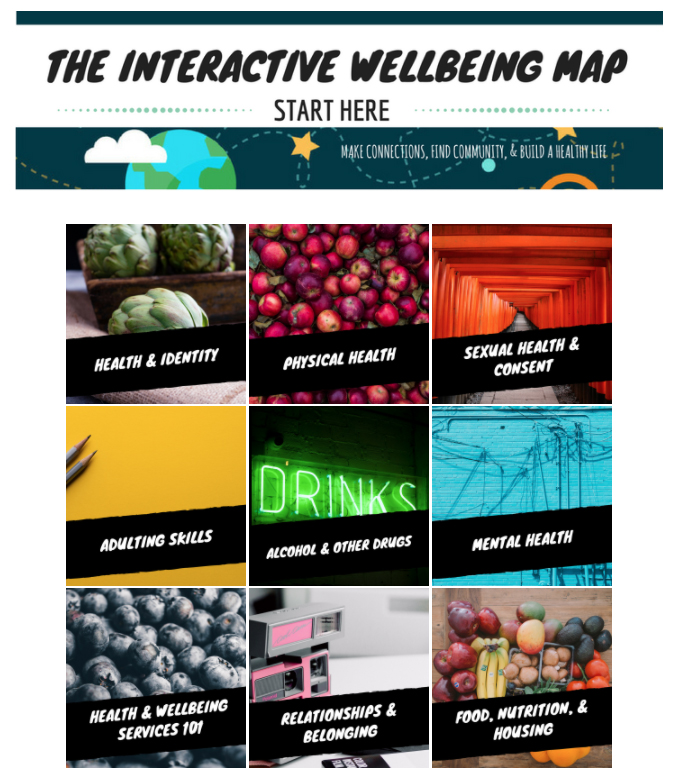
    After being in development for over a year, Executive Director of Student Health & Wellbeing Services Dr. Brian Mistler, Health Educator Ravin Craig, and a team of peer health educators have created an interactive online tool to guide students toward a healthier lifestyle and habits as well as campus support services.

    Mistler said that the interactive wellbeing map is to help students make connections, find a community and start building a healthier lifestyle at Humboldt State.

    “Health is not a linear process, there is no start or end on our journey to build positive relationships with our body and community,” Mistler said.

    According to Mistler, the team intentionally designed the introductory quiz to target the primary health and wellbeing-related obstacles in a way that was approachable and helpful to students from top to bottom.

    “The BuzzFeed-style quiz is an easy entry point that most students are comfortable with,” Mistler said.

    The wellbeing map is broken down into nine different topic areas; health and identity, physical health, sexual health and consent, adulting skills, alcohol and other drugs, mental health, health and wellbeing services 101, relationships and belonging, and food, nutrition, and housing.

    According to Mistler, the modules focus on frequently identified health concerns, such as a sense of belonging, sexual health, friendships and romantic relationships, nutrition and food, trouble relaxing, financial wellness and much more.

    “Each topic area is a map to get students connected to the resources they need to be successful at HSU, though it isn’t designed to list all of the student support services on campus,” Mistler said.

    Students can access the online tool by visiting wellbeing.humboldt.edu