
The Lumberjack


Students Serving The Cal Poly Humboldt Campus and Community Since 1929

Tag: sleeping strategies

  • Ask Evergreen: Sensitive Sleeper

    Ask Evergreen: Sensitive Sleeper

    Ask Evergreen is a weekly advice column by the students of The Lumberjack


    Dear Evergreen,

    I’m a sensitive sleeper. How do I stay asleep all night?

    Dear Sensitive Sleeper,

    Falling asleep and staying asleep can be challenging, especially if you live in a community environment like dorms or apartments. There are a few things you can try before heading to bed that may help you sleep through the night.

    Use earplugs or other noise-cancelling items. Earplugs are a blessing when you have noisy neighbors. Pop a pair in your ears and listen to your heartbeat and breathing. The rhythmic melody of these two sounds may help distract you from outside noise.

    Use white noise to help you sleep. The Pulmonary, Critical Care and Sleep Medicine Division of Rhode Island conducted a study on the effects of white noise on patients’ sleep in intensive care unit environments that are a cacophony of noise. The study found white noise facilitates less sleep disruption. You can conduct a similar study on yourself. Try turning on a fan or downloading a white noise app and see how it affects your sleep.

    Have a warm drink. Old wives’ tales suggest having a warm glass of milk to help you sleep. For those who don’t drink milk, try having a hot cup of non-caffeinated tea. There are even specific tea blends to aid restful sleep. I recommend a tea blend with chamomile, mint or lavender elements.

    Get all your priorities out of the way so you don’t worry about them. If you don’t have assignments to worry about, you might sleep better and skip those crazy school panic dreams. Try completing as much work as you can to put your mind at ease. Give yourself some time before bed to relax away from your work to let your brain have a chance to disconnect.

    Don’t use your phone before bed and avoid screens. A study by the Lighting Research Institute in New York found blue light from phone screens and other digital devices can disrupt your body’s natural melatonin release habits. Give your body and mind a decompression period away from screens before trying to fall asleep.

    Get a heart monitoring device. Fitbits and Apple Watches can record your sleep patterns and resting heart rate. While these devices can be pricey, they also offer other life applications that can make them worth it. If you already have one, start paying attention to that sleep data.

    Sweet dreams!

    Sincerely,

    Evergreen


    If you have any questions you’d like to send in, email us at contactthejack@gmail.com. We won’t publish any names and you don’t need to use one.
  • Sleeping Strategies

    Sleeping Strategies

    A few ways to get to sleep easier according to science

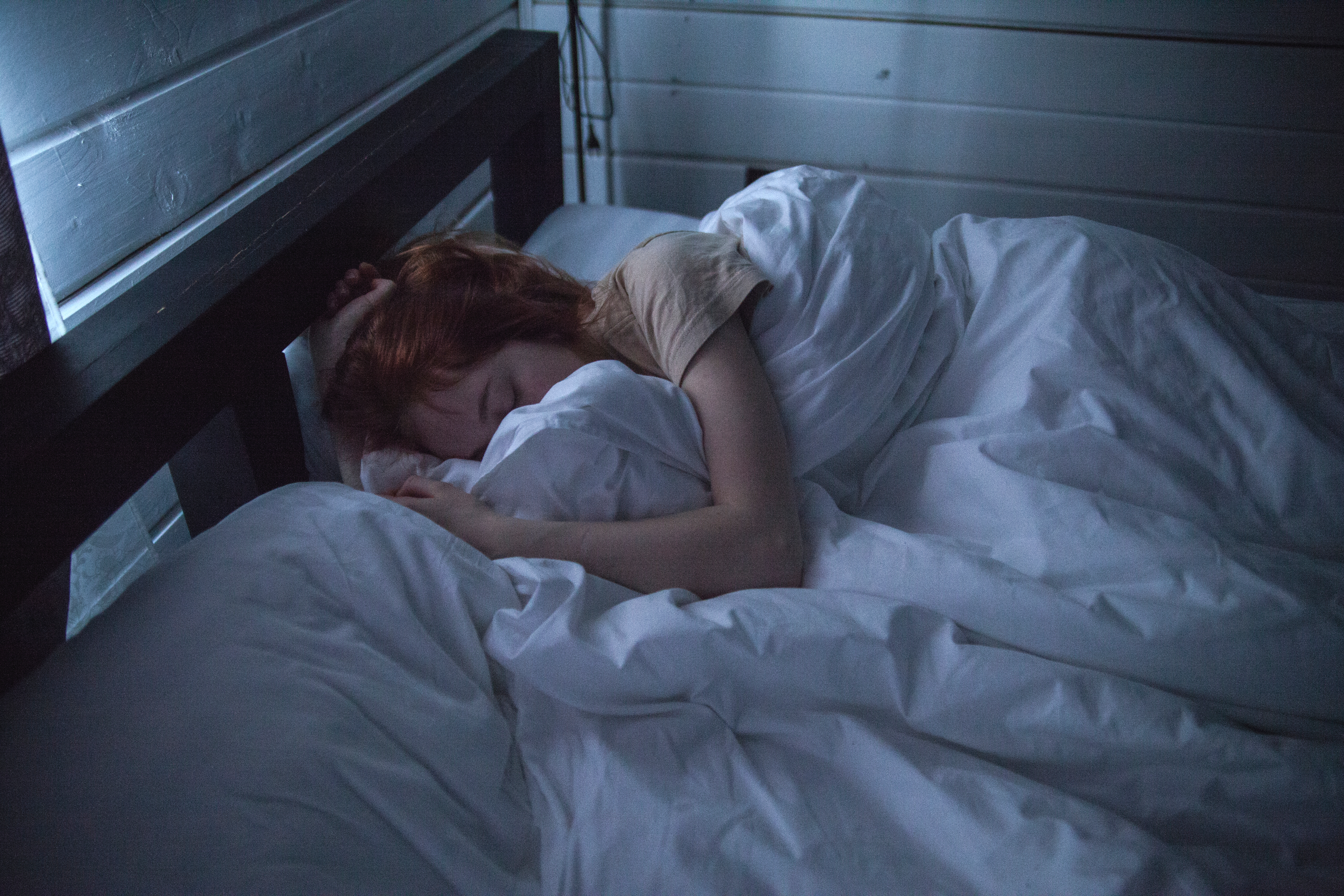
    Being relaxed, refreshed and clear-minded are common themes for getting to sleep. Going to sleep and waking up at the same time each day is touted as the most effective way to ensure good sleep. Beyond that, here are seven other great strategies for passing out.

    1. Sleep in a colder room: To initiate sleep, your body has to cool down a couple of degrees. A colder room will get you there faster.

    2. Take a hot shower or bath before bed: When you’re exposed to hot temperature, blood vessels on your skin’s surface swell to release heat. This will help you cool down.

    3. Avoid stimulants and sugar late in the day: Nicotine, caffeine and sugar can energize your body and make it tough to fall asleep.

    4. Don’t nap too late in the day: A late-day nap can make it harder to fall asleep at night, since your brain’s already had some rest and may want to stay up.

    5. Relax before bed: Relaxing before bed will prepare your brain for bedtime. Doing a relaxing activity such as reading or yoga for an hour or so before bed will prepare you for sleep.

    6. Avoid bright screens at night: Screens emit blue light, a wavelength of light which tricks our brain into thinking it’s daytime. Putting the phone away an hour or two before you go to sleep will make it easier to fall asleep.

    We all have our own methods for falling asleep. Personally, I like to lay on my belly and cover myself in pillows, but I’m weird like that. I asked students on campus what their methods were for falling asleep. Here is what they said:

    Stephanie Rodriguez and Krystal Padilla both have pre-sleep rituals that prepare them to crash.

    “I feel like de-stressing,” Rodriguez said. “Taking a shower, doing a face mask, smoking a bowl. You have to turn off your brain before actually going to sleep. I hate going to bed actually thinking about stuff.”

    “I have these Christmas lights in my bedroom and I turn those on, I smoke a blunt, I listen to music,” Padilla said. “I’m just relaxing, I feel refreshed and I just brush my hair. It helps me go to sleep.”

    Gigo Derderian and Seamus Begley have straightforward methods for getting to sleep. Allowing sleep to wash over them, they lay in bed either meditating through discomfort or rolling around until maximum coziness is achieved.

    “One thing I do is I lie down and try to stay as still as possible,” Derderian said. “Even if I feel an itch or something I just ignore it. I will kinda start with my toes and work my way up. I try to make sure I’m comfortable and relaxed in every point in my body. By the time I get to the top, I’ll already be dozing off.”

    “Whenever I’m going to sleep, I’ll lay down and I just need to get really comfortable,” Begley said. “I’m always rolling around for the first five minutes and then I find a spot where I’m like ‘yeah, that’s it,’ and then I’m just out.”

    School demands a lot from students. We can be pushed to a limit as project deadlines approach. The stress we face is definitely real, but we shouldn’t let that get in the way of some shut-eye. Sleep is just as important as eating and exercising when it comes to health. Get some.