The Lumberjack


Students Serving The Cal Poly Humboldt Campus and Community Since 1929

Tag: spooky season

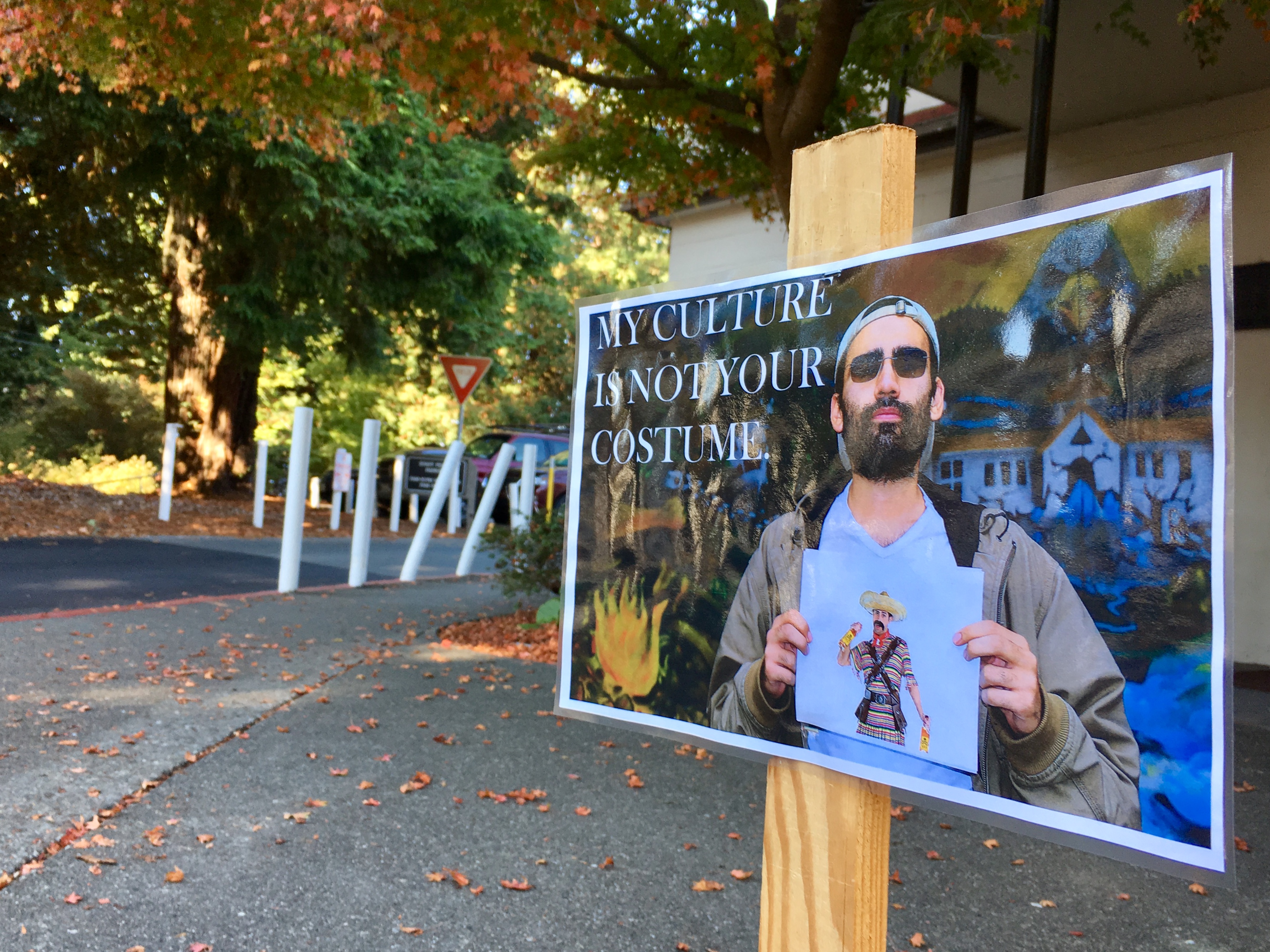
  • Commercial Costumes Can Be Problematic

    Commercial Costumes Can Be Problematic

    Many costumes portray culture and lifestyle in an insensitive manner

    Humboldt State students hurry last minute to piece their Halloween costumes together but find no comfort in commercial Halloween stores as the stores will often have sections full of costumes that are ignorant or insensitive.

    Sierra Cosper, a forestry major, expressed her discontent in the commercial Halloween store, Spirit Halloween.

    “I went through Spirit Halloween and they had a whole aisle of Pocahontas and it’s not cool,” Cosper said. “It’s 2019, can we move on from that now?”

    Students agreed that Pocahontas and Native American themed costumes were disrespectful and unacceptable to wear. Haley Fedalizo, a liberal studies elementary education major, found another commercial Halloween store, Party City, to be disrespectful toward culture and body weight.

    “Obviously the [costumes] that are in your face like the Native American one is not okay,” Fedalizo said. “I was literally at Party City yesterday and I saw a “fat costume” and that’s not cool.”

    Jose Moreno, a social work major, also found fault in the commercial chain Party City. Moreno practices an ironically ‘fun’ tradition at the store every year. Often losing count of the inappropriate costumes.

    “I went through Spirit Halloween and they had a whole aisle of Pocahontas and it’s not cool. It’s 2019, can we move on from that now?”

    Sierra Cosper

    “When I go to Party City or anything like that, I count how many cultural appropriation outfits there are,” Moreno said. “I’m like ‘there’s one right there, and right there! I lost track.”

    Beyond the recognizable commercial chains, the internet continues to advertise culturally insensitive and inappropriate Halloween costumes and accessories.

    HSU student Gabrielle Sturm, an environmental studies major, went online to browse for the Halloween season and couldn’t believe what was advertised.

    “I was looking up costumes online and I was a little surprised to see how many [inappropriate costumes] there still are,” Sturm says. “I think they’re bad but a lot of people still do it.”

    While cultural appropriation continues to popularize social media with cultural awareness movements, HSU promotes a safe and respectful Halloween season. Of course, the message on campus has no influence on commercial chains.
  • Perpetuating Stereotypes Ain’t Cute

    Perpetuating Stereotypes Ain’t Cute

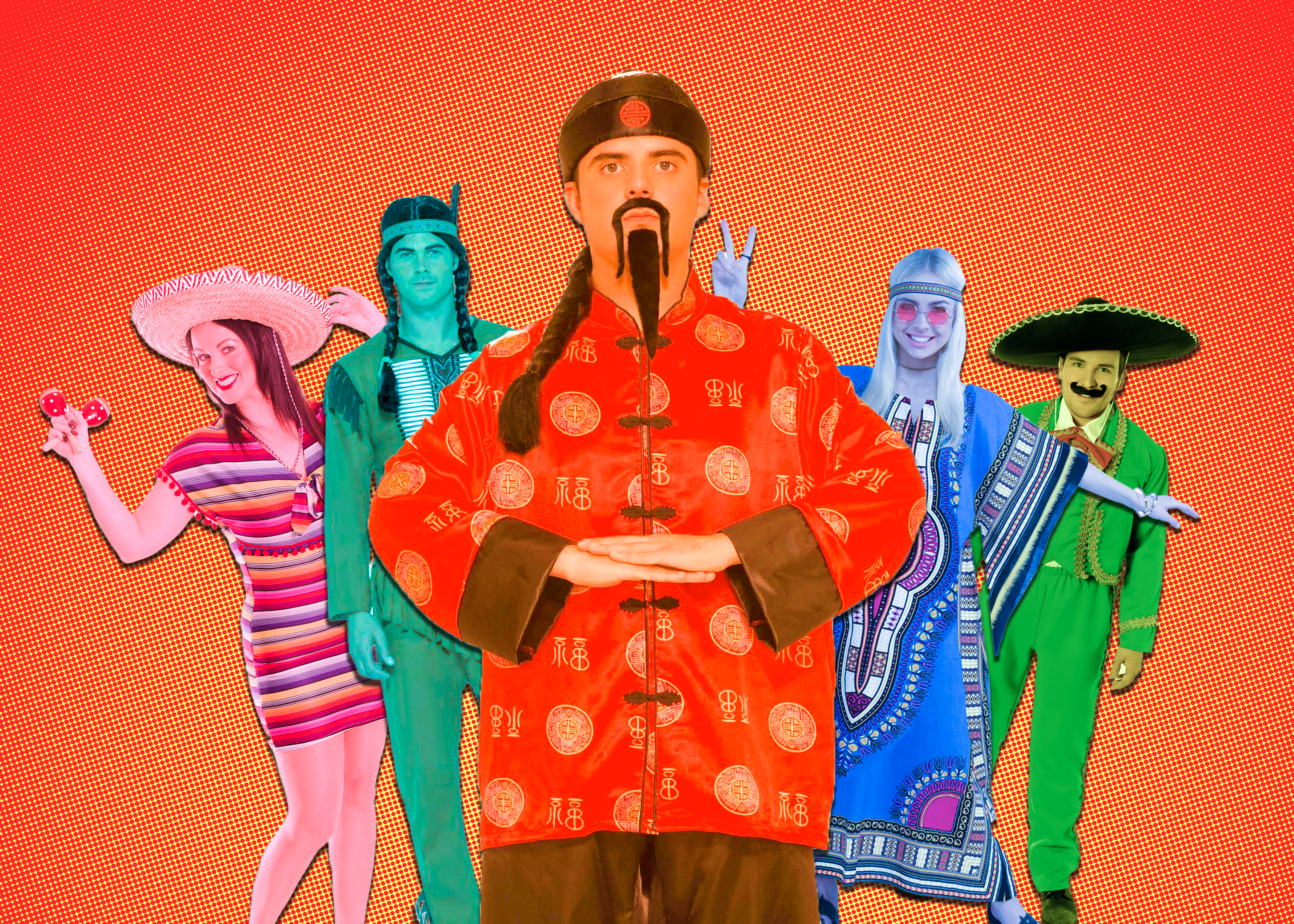
    Costumes that perpetuate stereotypes of cultures and minorities aren’t funny, they’re problematic

    The Halloween season provokes the competitive nature of costume shopping, but costumes that display a person’s culture, religion and tradition should remain off-limits.

    Costumes based off of Native American, Latinx, Asian, Middle Eastern and African cultures are appropriation, plain and simple. Feathered headdresses, beads and tassels don’t adequately reflect the entirety of Native American culture. Just as Egyptian culture is more than gold jewelry and eyeliner. These costumes are tasteless, especially if you aren’t from the cultures you’re dressing up as.

    While these are the obvious examples of appropriation, other costumes can still be offensive even if they aren’t directly ripping off a culture.

    Other costumes that take advantage of different lifestyles, religions and customs include nuns, priests, inmates and military personnel.

    The intentions behind a costume should be highly considered. You need to remain mindful of how you choose to display an idea to ensure you aren’t being offensive to any culture.

    Cultures can’t be boiled down to a single costume, accessory or prop, so don’t wear anything that diminishes a significant part of someone’s life just for some laughs or notoriety.

    The appropriation of cultures are so often portrayed in an ignorant and blind fashion that fail to value the importance and significance behind an item being used purely as an accessory. By appropriating a culture or religion with a costume you’re perpetuating ignorance and preventing the education of how to accurately respect and represent people.

    Costumes that appropriate heritage and traditions pick and choose aspects of a culture purely for entertainment purposes. These ultimately cast a stereotypical image that fails to accurately reflect reality.

    The transition from culture into costume disregards past movements, practices and emotions experienced by those who are being appropriated. Costumes often fail to reflect the original garments through the commercializing process, furthermore disrespecting the authenticity.

    You should be able to decipher which outfits are appropriate and which are inappropriate. If not, you shouldn’t consider these ideas as viable costume options.

    If you’re questioning whether or not your costume choice is offensive, put yourself into the shoes of someone who genuinely practices what you’re posing in.

    Be a critical thinker. Before attending a Halloween party or heading out, check the fit. Examine your decisions, and if it feels unethical or immoral, don’t wear it. That’s it.