‘From Wounded Knee to Standing Rock’ offers insight into 71-day rebellion
As Indigenous Peoples’ Week came to an end, one of the last events was an airing of the documentary, “From Wounded Knee To Standing Rock: A Reporter’s Journey” at the Eureka Theatre.
This story followed rookie reporter Kevin McKiernan and his experiences recording the events of the 71-day seizure and occupation of the town of Wounded Knee, South Dakota on the Pine Ridge Indian Reservation from Feb. 27 to May 8, 1973.

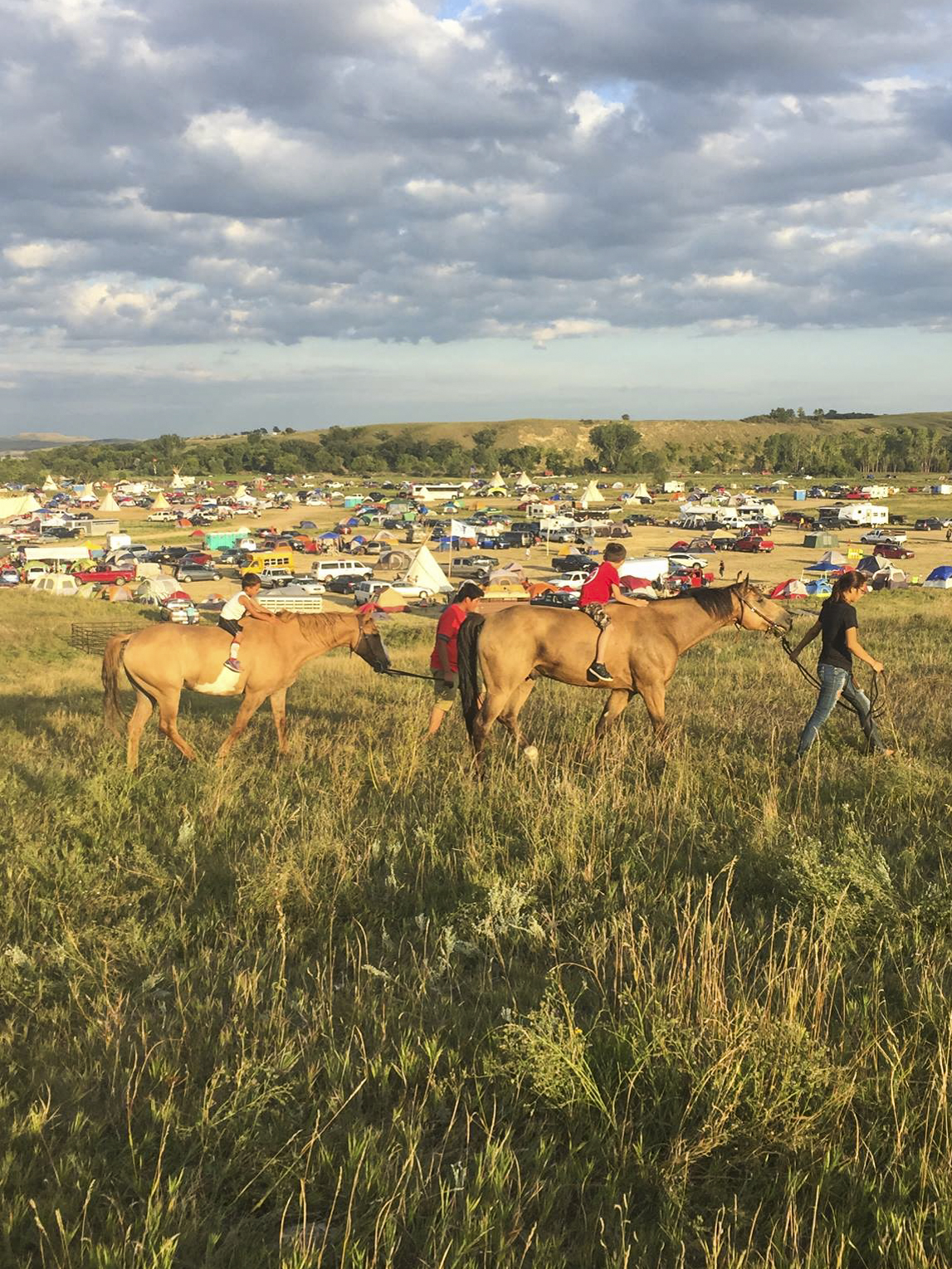
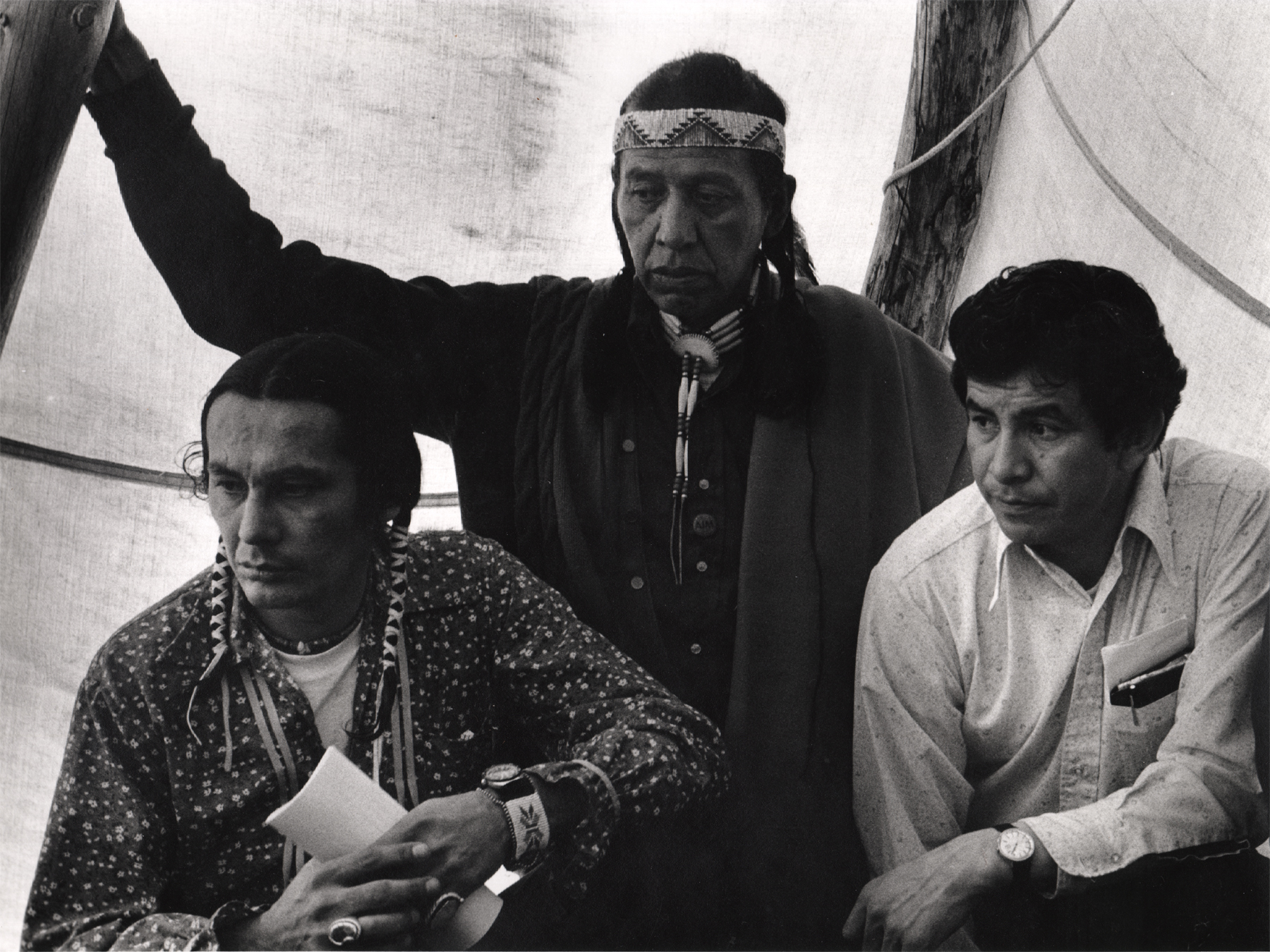
Photo courtesy Kevin McKiernan 
Photo courtesy Kevin McKiernan 
Photo courtesy Kevin McKiernan
Richard A. “Dick” Wilson was chairman of the Oglala Lakota Sioux of the Pine Ridge Indian Reservation. Protests started in response to failures of impeachment. Wilson had accusations ranging from giving jobs to friends and family, to suppressing his political opponents with his private militia, the Guardians of the Oglala Nation.
In addition, there were protests of the United States Government’s failure to uphold treaties with Native Americans. This was concerning since there was a history of abuse and neglect from American police and government. Cases such as State v. Bad Heart Bull served as a catalyst for the occupation.
As a result of the GOON squads’ weaponized militia, the American Indian Movement was brought in to assist the protesters. Wilson also received help from the American Government in the forms of U.S. Marshals Service and the FBI.

AIM started as a grassroots movement in Minneapolis, Minnesota, to address police brutality towards Native Americans; and grew to represent all indigenous tribes and help them with the issues they have faced since European colonialism, as well as helping people reconnect with their heritage. Many people lost their history once Americans forced native youth assimilate into Euro-American society.
Acclimation to the colonizers’ lifestyles included forcibly removing Native people from their families, as well as preventing them from practicing their traditional customs. By accepting the different values as their own, such as Christianity, private property and material wealth, people became disconnected from their roots. AIM was a way for people to reconnect to their ancestors’ ways of life.
During the time of this occupation, the U.S. Government prevented media personal from entering the reservation or recording any discussions between them and the rebel leaders, such as Dennis Banks and Russell Means. They also implemented roadblocks to prevent aid for the natives.
McKiernan snuck in with the help of some rebels and slept on the floors of a church. While inside he recorded conversations with multiple members of the rebellion, shootouts with the FBI and USMS, took pictures of the aftermath of the altercations and recorded meetings with U.S. officials. Conflict escalated to the point of the USMS and FBI using helicopters, armored vehicles, snipers and automatic weapons.

U.S. Marshal Lloyd Grimm was shot in the conflict and suffered paralysis from the waist down and Cherokee activist Frank Clearwater was shot in the head April 17, within 24 hours of his arrival, during a fire fight with federal forces.
Shootings were just one reason for keeping the media in the dark, by preventing coverage of the measures that the government took against the AIM and Sioux. At one point during the winter, Department of Justice appointee Kent Frizell, to manage the government’s response, cut off water, electricity and food supplies to Wounded Knee in an attempt to starve them out. They also made attempts to stir up distrust in the local factions, which lead to some activists being killed by their own allies, for fear they were government plants.
The final blow came in late April, when Lawrence “Buddy” Lamont, a local Oglala Lakota, was shot by a government sniper and killed. Soon after, both sides would come to an agreement to disarm. This led to the eventual end of the 71-day standoff between the Wounded Knee activists and AIM, and the United States assisted tribalists, serving as but one example of the Native American’s struggles since European Colonization.