The Lumberjack


Students Serving The Cal Poly Humboldt Campus and Community Since 1929

Tag: this week in science

  • This week in stem

    This week in stem

    By | Bryan Donoghue


    Ancient feathered ostrich-like dinosaurs laid clutches of blue-green eggs just like the traits of robins from today. The eggs are thought to have camouflaged themselves in forested environments, and they were in open nests dug into the ground. Using chemical analyses, scientists were able to detect traces of two pigments, biliverdin and protoporphyrin, which are commonly found in modern bird eggs. According to David Varricchio, expert on dinosaur reproduction at Montana State University, “The discovery highlights how much our thinking has changed about dinosaur preservation and how much more we can learn about the original animal.”


    Source: National Geographic


    Known as the “cradle of humanity”, Africa is from where our earliest human ancestors spread across the rest of the world some 50,000 years ago. Africa is also where people—ancient and modern—are most genetically diverse. Harvard University evolutionary geneticist Pontus Skoglund and his colleagues obtained DNA from 15 ancient Africans from between 500 and 6000 years ago and found ancient genomes and evolutionary adaptations. This has been the first big effort to sequence ancient African DNA and reveal how early humans swept across the continent.

    Source: Science Magazine


    For a long time, scientists have been left wondering if jellyfish can fall asleep. Three Caltech graduate students found that at least one group of jellyfish, the Cassiopeia xamachana or upside-down jellyfish, does get some shut eye. To prove that jellyfish sleep, the students had to demonstrate that they fulfill three behavioral criteria. First, the animals must undergo a period of diminished activity. Second, the animals must show decreased responsiveness to stimuli while sleeping. Three, the animals must show an increased need for sleep if they are kept from it. The upside-down jellyfish fit all these criteria, and thus can be considered sleepy. In addition, the researchers also demonstrated that jellyfish get sleepy when exposed to melatonin, just as humans do.

    Source: New York Times


    High energetic particles called cosmic rays were found by scientists to come from outside of our Milky Way Galaxy. The ray’s journey possibly starts from a black hole in the center of a distant galaxy. Trying to identify which galaxies and seeing if there is any pattern linking them are the next steps for researchers. That research could help narrow down the processes that can accelerate cosmic rays.

    Source: Science News

  • This week in science (April 19 – April 26)

    This week in science (April 19 – April 26)

    By Claire Roth

    Wildlife – Ants, fungus, and Radiohead

    Screen Shot 2017-04-27 at 8.51.04 AM
    Graphic Illustration by Claire Roth

    Though the subjects of ants, fungus, and the rock band Radiohead are all normally unrelated, the discovery of a new ant species created a connecting thread between all three. The species was found in the Venezuelan Amazon by a team of scientists from the Smithsonian Institution’s Ant Lab in Washington, D.C. It was named Sericomyrmex radioheadi in recognition of Radiohead’s recent environmental advocacy, including raising awareness of climate science and joining environmental movements such as Friends of the Earth, an international network of environmental organizations. Its namesake aside, the ant itself is an impressive gardener. Sericomyrmex radioheadi grows its own food in a fungus garden and females are thought to possibly produce a natural parasite and microbial weed deterrent with a crystalline substance on their backs.

    Source(s): Phys.org, Rolling Stone

    Wildlife – A taste for plastic

    A taste for plastic
    Graphic Illustration by Claire Roth

    An ally has appeared in the environmental war waged on plastic bags, and in an unlikely way. A caterpillar called the wax worm, most commonly used as fishing bait, poses a significant threat to the wellbeing of bee colonies. After wax moths lay their eggs inside of hives, the larvae grow on the walls of wax inside the hive and become pests to the bees. In the process of removing the wax worms from the beehive, Federica Bertocchini, a beekeeper and member of a research team deposited the retrieved wax worms in a plastic shopping bag. Curiously, small holes began to appear. In a controlled experiment conducted at a later time, the research team found that wax worms placed inside of a plastic shopping bag created holes in just under an hour. This was a result of the wax worm’s ability to break the chemical bonds found in the plastic bag. Their ability to do this stems from their ability to break the chemical bonds of the beeswax that they grow on, which has a similar chemical structure to that of plastic. Researchers from the Institute of Biomedicine and Biotechnology of Cantabria in Spain and from the University of Cambridge’s Department of Biochemistry aim to pinpoint the wax worm’s chemical bond-breaking ability and possibly scale it up for use in plastic waste reduction.

    Source: Phys.org

    Medicine – Mice, spice, and weed

    Mice, Spice and weed
    Graphic Illustration by Claire Roth

    An experiment conducted by researchers from the University of Connecticut has raised questions about the interactions between the brain and the immune system. In the experiment, mice were fed chili pepper in order to observe how the chemical responsible for spiciness in peppers, capsaicin, reacted with a receptor called TRPV1 in the mice’s gastrointestinal tracts. TRPV1’s interaction with capsaicin resulted in cells making anandamide. Anandamide caused the mice’s immune systems and stomachs to calm down and become less inflamed, even curing type 1 diabetes in some mice. Anandamide is also similar to cannabinoids found in marijuana, and the brain’s receptors for anandamide are what cause the high feeling when reacting with cannabinoids. The question researchers asked was why anandamide receptors could be found in both the brain and the immune system, when they are not particularly necessary for bodily functions. The research team hopes to use the observed effects of ingested marijuana and hot peppers in order to develop ways to combat varieties of intestinal, pancreatic, and digestive disorders.

    Source: Medical Xpress

    Wildlife – Naked mole-plant

    Naked Mole Rat
    Graphic Illustration by Claire Roth

    It’s not easy being a small, naked mammal near the bottom of the food chain. Life consists of burrowing underground to escape snakes, coprophagia (eating one’s own feces), and looking like a cross between an earthworm and a rat. This is perhaps why the naked mole-rat has developed such a specific and strange set of skills that allow it to survive. Colonies of naked mole-rats are eusocial, meaning they have the highest classification of a social structure. They live the longest out of all rodents, typically surviving for around 30 years in the wild, and have one queen per colony. Naked mole-rats also can thrive in oxygen-deficient environments and are cancer and pain resistant. Scientists from several universities recently discovered another strange ability of the naked mole-rat: the ability to use fructose, a sugar found in fruits, to power their brain cells when oxygen is not available for use. When deprived of oxygen for too long, brain cells will begin to run out of energy and die, posing a serious problem to the underground-dwelling naked mole-rat. However, the brain cells of naked mole-rats create energy anaerobically by burning fructose. This is a process that has beforehand only been observed in plant life.

    Source(s): Science News, Wikipedia

  • This week in science (April 5 – April 12)

    This week in science (April 5 – April 12)

    By Claire Roth

    Technology – Samsung steps up

    Bixby
    Graphic Illustration by Claire Roth

    In the age of technological personal helpers, such as the voice-controlled Alexa and the iPhone-dwelling Siri, the electronic appliance and smart technology company Samsung has stepped up to the plate with their own virtual assistant: Bixby.

    According to Samsung’s website, Bixby learns through actions. The major difference between Bixby and initial virtual assistants is Samsung’s referral to Bixby as an agent, not an assistant. Bixby helps to fast-track tasks having to do with commands that aren’t readily available in devices, such as sending photos to a contact without opening up multiple apps to do it.

    Bixby also learns the phone user’s cellular routine, such as what time they check the weather in the morning or at what time a daily reminder occurs. This self-education allows Bixby to have apps ready for the user without the user exerting extra effort.

    Sources: The Verge, Samsung

    Wildlife – Penguins vs. Volcanoes

    Screen Shot 2017-04-11 at 6.50.21 PM
    Graphic Illustration by Claire Roth

    The British Antarctic Survey led a team of scientists from all over the world on an Antarctic expedition to study a population of gentoo penguins that has been at odds with survival for thousands of years. Through the study of ancient samples of gentoo guano (seabird feces) and volcanic ash in sediment core samples, the researchers concluded that the population of gentoo penguins had been all but obliterated by volcanic activity several times over the last 7,000 years. The volcano to blame resides on nearby Deception Island. The sediment cores produced data telling the research team when the volcano erupted and how that eruption affected the gentoo population being studied in Antarctica.

    Source: Phys.org


  • This week in science (March 29 – April 5)

    This week in science (March 29 – April 5)

    By Claire Roth

    Astronomy – Electric sands

    Scientists at the Georgia Institute of Technology conducted experiments to come to the conclusion that the windy conditions of Saturn’s largest moon, Titan, have the ability to electrically charge the sands covering the moon’s surface. As the grains of sand are blown about by Titan’s winds, they move across the moon’s uneven surface in a motion called saltation. They make contact and rub against each other in such a way that a static charge is created, strong enough to hold the grains of sand together for extended periods of time. The reason the experiments were conducted in the first place was in an attempt to come up with an answer for why the 300-foot-tall sand dunes on Titan were leaning opposite the direction the wind was blowing in. The research suggested that the electrically charged sands were being pulled toward the direction the dunes were leaning, with the wind too weak to push them the other way.

    Source: Science Daily

    Medicine – Printing human skin

    Graphic Illustration by Claire Roth

    The gruesome and scarring process of skin grafting, where a portion of healthy skin is removed from one part of the body in order to cover an injured part of the body, may be a thing of the past. Scientists from the Universidad Carlos III de Madrid, the Center for Energy, Environmental and Technological Research, the Hospital General Universitario Gregorio Marañón, and the BioDan Group were recently successful in creating a prototype for a 3D bioprinter that has the ability to print viable human skin. A 3D bioprinter is a machine that has the ability to print cells, complete with the desired cell function, structure and longevity. Like real human skin, 3D bioprinted skin includes layers that protect against the outside environment and help the body to maintain functionality. The 3D bioprinter uses substances called bioinks, made up of biological components, to create the skin and keep it as lifelike as possible. This 3D printed skin could be used for cosmetic tests as well, possibly helping to eliminate the controversial practice of testing new products on animals.

    Source: The Huffington Post

  • This week in science (March 15 – March 22)

    This week in science (March 15 – March 22)

    By Claire Roth

    Wildlife – New Colombian bird species

    Graphic Illustration by Claire Roth

    Twenty-five years after its initial sighting, the Tatama Tapaculo has been been identified as a new species. The Tatama Tapaculo resides in the rainforests of the Western Andes in Colombia and was discovered due to research on its call and mitochondrial DNA. The black-brown bird is small at an average of 10 to 23 centimeters in length and 10 to 185 grams in weight. It spends its days on the forest floor and underbrush, scratching away with sturdy legs in search of food.

    Source: Sci-News

    Geology – Canadian crust

    Graphic Illustration by Claire Roth

    Whether you’re the kind of person who enjoys pizza crusts or banishes them after eating the good stuff, a very different and much more ancient kind of crust was detected in the Superior Province of Canada, and geologists are simply eating up (metaphorically). This crust hails from around 4.2 billion years ago when the Hadean eon was in full swing. The Hadean eon received its name after the Greek god and ruler of the underworld, Hades, because it was the time of Earth’s formation and boasted a hellish landscape. The crust was dated through analyzing an isotope of the element neodymium that was present in rock samples. Neodymium itself is a result of the radioactive decay of an extinct element known as samarium. Samarium disappeared within the first few pages of Earth’s history and had been studied in early meteorites from Mars and the Moon, indicating to scientists the age of the rock samples.

    Source: Sci-News

    Wildlife – Hungry hungry spiders

    Graphic Illustration by Claire Roth

    A recent study found that you don’t need to be the largest predator in size to be the largest predator in impact. The Science of Nature journal published research by scientists at the University of Basel finding that spiders consume the same amount of weight in insects as humans consume per year in fish and meat. Let that sink in for a second, but not before noting, for perspective, that the world’s population of spiders cumulatively weighs 24 million tons and that same population consumes somewhere in the ballpark of 400 million tons and 800 million tons of insects per year. The positive impacts of this voracious diet and population size include controlling insect-related damage to plants and also feeding larger critters who enjoy munching on spiders themselves.

    Source: BBC

    Wildlife – Fluorescent frog

    Graphic Illustration by Claire Roth

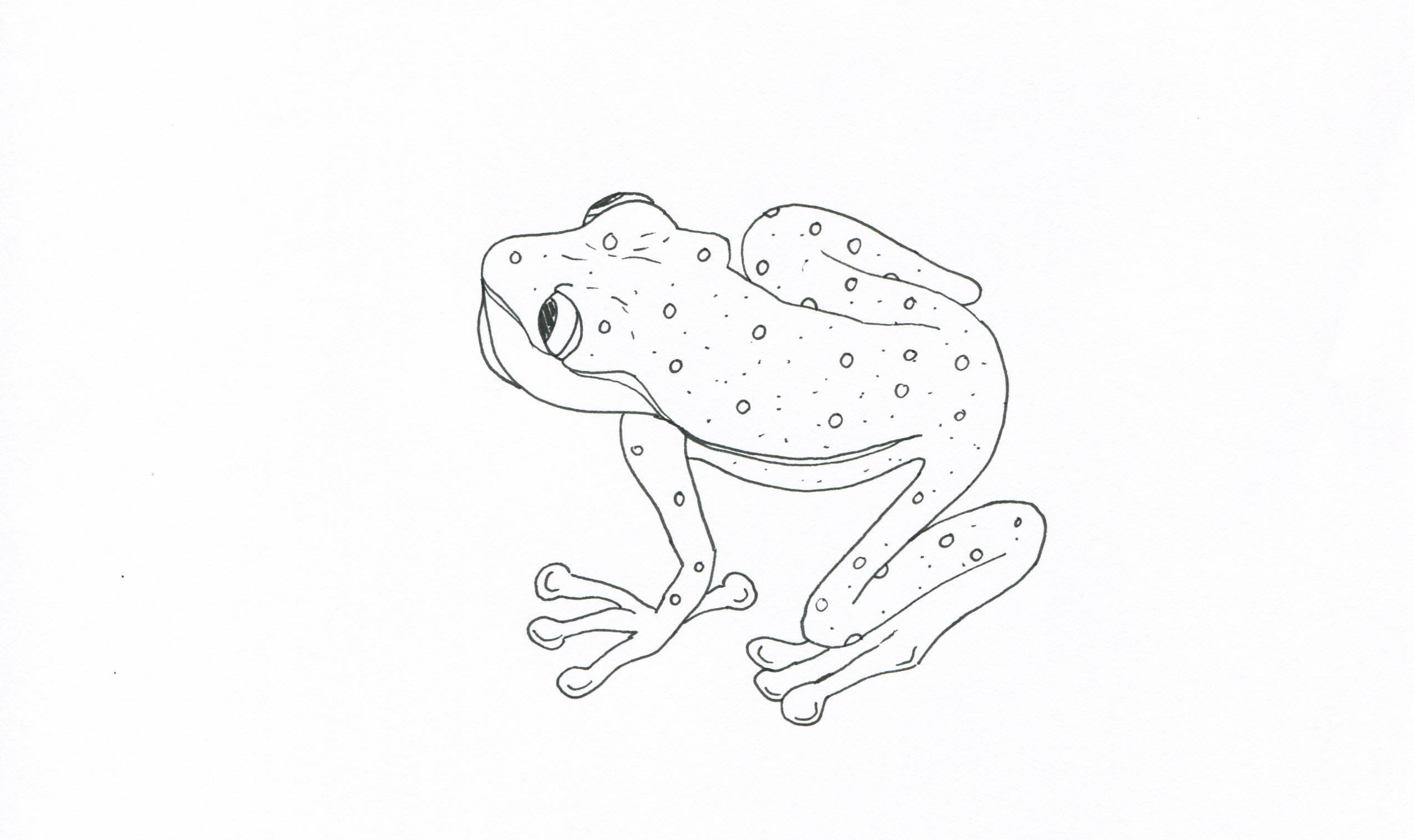
    A study published in the Proceedings of the National Academy of Sciences noted the discovery of the first ever naturally occurring case of fluorescence in an amphibian. Fluorescence occurs when light is absorbed and then emitted. The amphibian, a frog called the South American polka dot tree frog, has a particular structure of molecules within its skin, lymph tissue, and gland secretions that allow it to glow when ultraviolet light is shone on it. This creates a much different spectacle than its normal olive shade under regular light.

    Source: The Huffington Post

  • This week in science (March 1 – March 8)

    This week in science (March 1 – March 8)

    By Claire Roth

    Graphic Illustration by Claire Roth

    Physiology – Understanding our desires

    Scientists from the United Kingdom recently were awarded with “The Brain Prize” by Denmark’s Lundbeck Foundation for their research on what it is in our brains that makes us enjoy things in life. In value, “The Brain Prize” amounts to one million Euros. The research centered around a chemical present in the brain called dopamine that is responsible for driving our reward-motivated behavior. This behavior includes actions like going to a restaurant again after having enjoyed it the first time or even experiencing a drive to graduate college. One of the methods used by the scientists to understand the brain’s pleasure center was observing the firing of neurons in an animal when they were given fruit juice. It was discovered that over time, if shown the same image before given the juice, the animals’ neurons would fire just the same when seeing the image in expectancy of later receiving the juice. This could be applied to why people are often drawn to high-calorie snack food brands that are packaged in flashy wrappers and bags. The scientists’ research could also prove useful in future studies on drug addiction, the forces behind economics and political elections.

    Source: BBC


    Graphic Illustration by Claire Roth

    Astronomy – Satellite launched

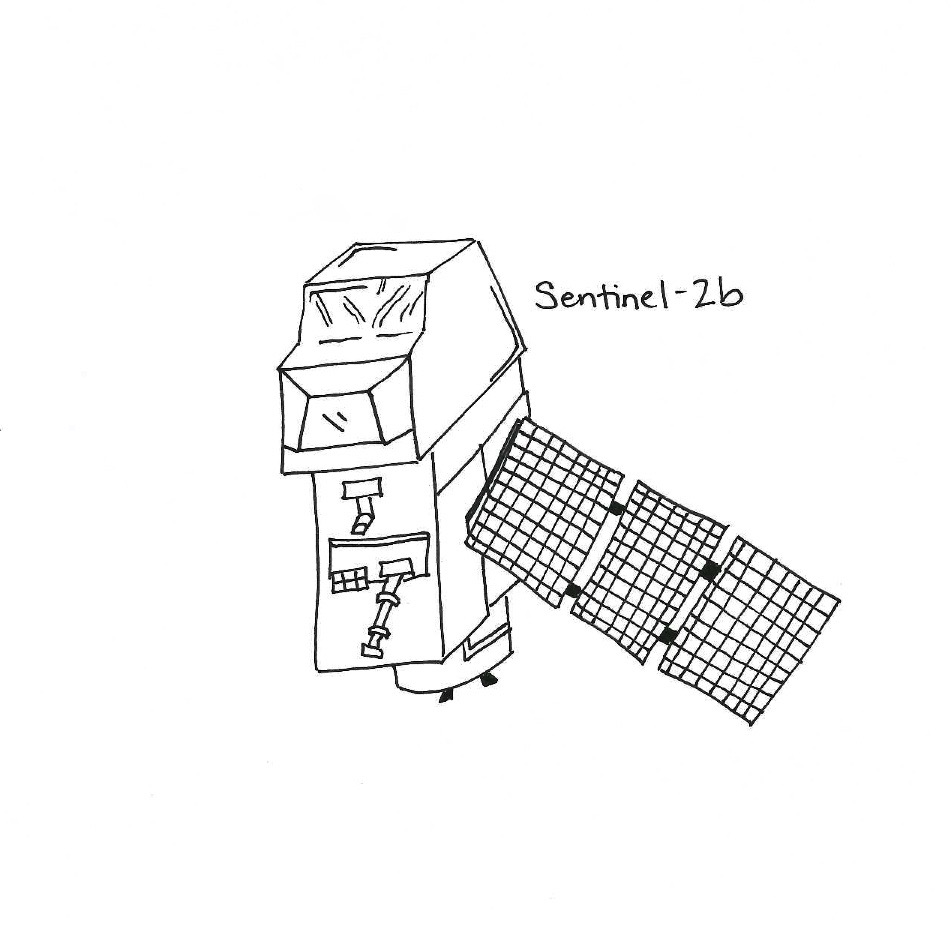
    A satellite called Sentinel-2B was sent into orbit around the earth to join its sister satellite, Sentinel-2A, in a mission to photograph all of Earth’s land and waters. This event is part of the European Union’s Copernicus environmental monitoring program. The program aims to create an all-inclusive, continuous observation of planet Earth in order to keep in-depth tabs on the environment, effects of climate change, planetary security and more. The Sentinels have ultra-sensitive cameras that allow them to register details on Earth that measure as small as 10 meters across. This will be utilized by the European Union in a variety of ways, from city planning to measuring the wellbeing of crops to monitoring deforestation. In the future, the project hopes to launch more satellites with capabilities such as monitoring carbon dioxide and measuring the status of the planet’s ice caps.

    Source: BBC

  • This week in science (Feb. 15 – Feb. 22)

    This week in science (Feb. 15 – Feb. 22)

    By Claire Roth

    Graphic Illustration by Claire Roth

    Astronomy – Deep space beats

    Today’s music seems to be getting more and more space-age, but scientists recently came across the cause of a sound that really is out of this world.

    Around 10 years ago, astronomers detected strange sounds from within the far-reaches of space. It was not until recently that scientists at Cornell University discovered that the sounds, known as fast radio bursts, had come from 3 billion light-years away.

    Fast radio bursts, much like their name suggests, happen so quickly that they are oftentimes missed. They only last for several milliseconds and because of this only 18 have ever been documented. The way that the recent fast radio bursts were detected is that the bursts repeated and allowed astronomers to get a more accurate reading of where they came from. The origin of the waves is thought to have come from a dwarf galaxy outside of our own and astronomers hope to use the new data to study how radio waves move through different gases and conditions in space.

    Source: The Verge


    Wildlife – Crabby Potter

    CRTwis 02
    Graphic Illustration by Claire Roth

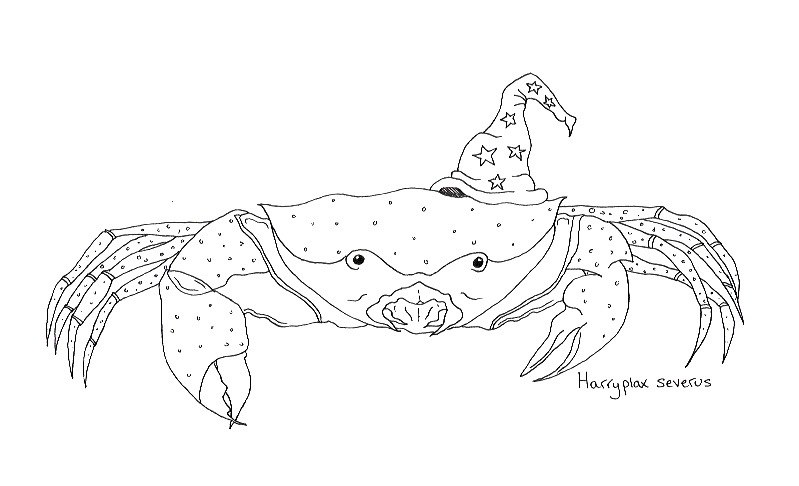
    A new species of translucent crab was recently given a name honoring not only the researcher who first discovered it 16 years ago but also a character in the “Harry Potter” series by J.K. Rowling.

    Upon confirmation that it was indeed a new species, researchers at the National University of Singapore named the crab Harryplax severus. The researcher who had originally happened upon the crab 16 years ago off the coast of Guam, Harry Conley, unfortunately passed away in 2002 before the new species status was confirmed. The species designation of the crab, severus, was chosen as a nod to the “Harry Potter” character Severus Snape. In the book series, Snape had been seen as mysterious and villainous until the end of the series when it was revealed that he had a bigger heart than many had expected. Similarly, Harryplax severus had to wait just over a decade and half until being recognized until what it truly was – a species never before identified.

    Source: ScienceNews


    Environment – Chemicals in hiding

    CRTwis 03
    Graphic Illustration by Claire Roth

    Harmful chemicals that had been banned back in the 1970s have been detected in a place far beneath the ocean’s surface.

    Research vehicles positioned over the deepest oceanic trench in the world, the Mariana Trench, and one of the deepest trenches in the world, the Kermadec Trench, were sent to monitor these areas and bring back lifeforms for testing. The lifeforms that were brought back are known as amphipods and are an order of crustacean. What troubled the scientists who led the study, a team from the University of Newcastle, was what was found in the fatty tissues of the amphipods; pollutants banned over 40 years ago.

    The presence of the pollutants, polychlorinated biphenyls and polybrominated diphenyl ethers, could be explained by the fact that they cannot be broken down through the natural processes. Polychlorinated biphenyls and polybrominated diphenyl ethers had been used as ingredients in flame-retardants and insulation for electrical units until it was discovered that they may be connected to increases in cancer rates.

    The bright side of this discovery is that it may provide further proof that all parts of the world are connected, no matter how deep or seemingly isolated.

    Sources: British Broadcasting Corporation, Agency for Toxic Substances & Disease Registry


    Geography – The Old Zealand

    CRTwis 04 copy
    Graphic Illustration by Claire Roth

    Though there is no consensus on how many islands our planet has, scientists recently found that there may be one less major island than originally thought.

    New Zealand is a country that is home to about 4.47 million people and has been defined throughout geological history as an island nation. That definition has gone without challenge until now. A research group in New Zealand known as GNS Science discovered that the landmass that makes up the island of New Zealand is actually part of a much larger, sunken landmass. If still above water, Zealandia, as researchers are calling it, would have met all of the criteria of being called a continent. Some of these criterion include the thickness of the crust of Zealandia in relation to the thinner crust of the surrounding ocean floor and also more elevated (yet still sunken) areas in relation to the surrounding oceanscape.

    The discovery of Zealandia as meeting the requirements for being a continent, though under water, could better help geologists understand the history of our planet’s plate tectonics.

    Sources: Phys.org, The Washington Post