The Lumberjack


Students Serving The Cal Poly Humboldt Campus and Community Since 1929

Tag: Tiffany Emmons

  • Students Suffer from Frequent Bike Thefts

    Students Suffer from Frequent Bike Thefts

    Humboldt State University police say a student on campus gets their bike stolen every day

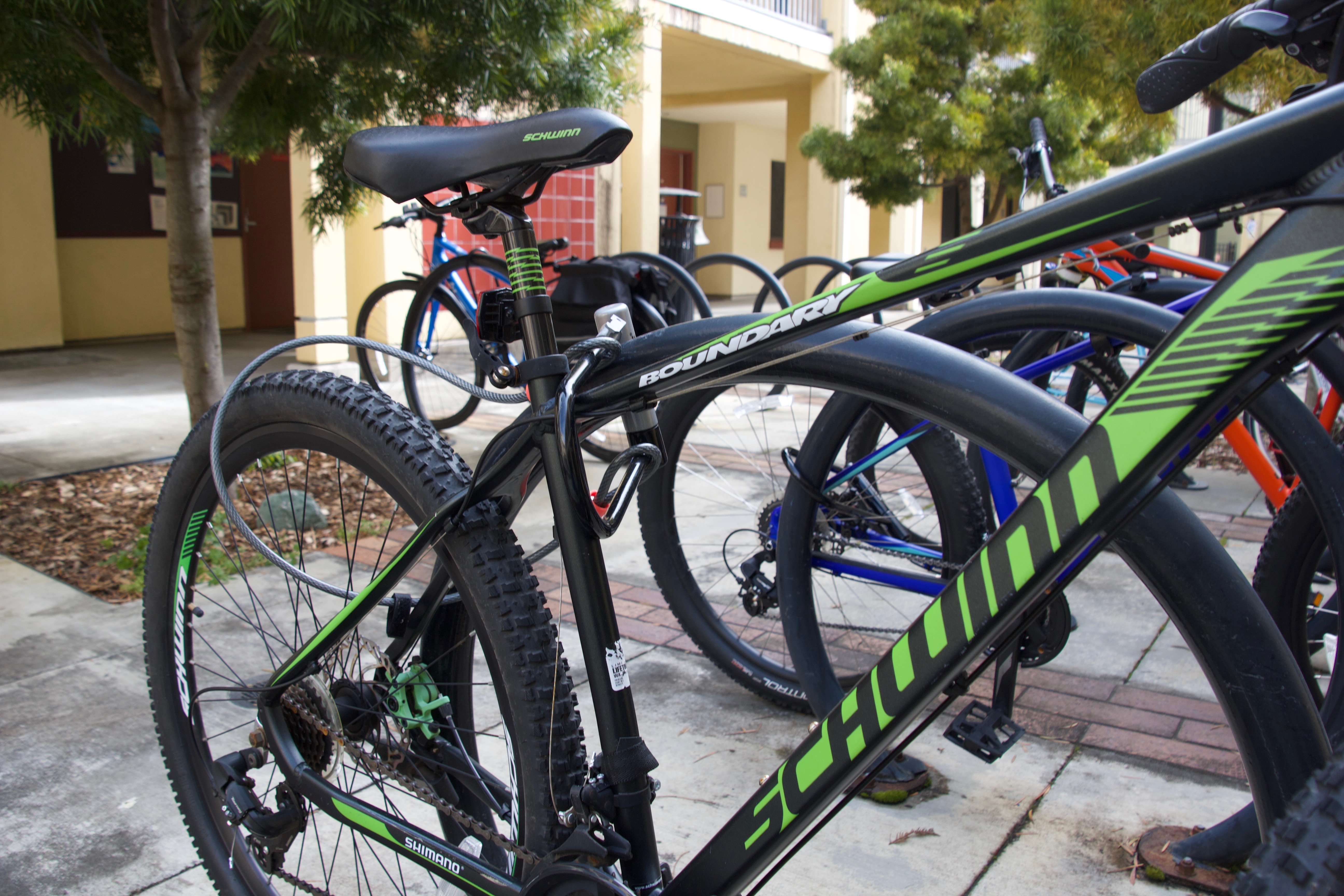
    Many Humboldt State University students have their bikes disappear from where they left them. Either a front wheel attached to a bike rack with the lock around it or a frame without a back wheel remain. Some thieves can even take the whole bike by using bolt cutters to cut the bike lock. Bikes are expensive, and having them stolen is a real cost to a student.

    Kaitlin McKie, a 23-year-old student at HSU majoring in engineering, lives off-campus. Her partner’s bike was stolen at their apartment complex. She said bike theft has been going on for a while.

    “Use U-locks instead of the cable locks,” McKie said. “They’re a little bit heavier—a little bit harder to put on the bike rack—but it’s definitely worth the investment.”

    Bike thieves can dismantle newer bikes from the front and back tires by lifting a lever on the wheel and unscrewing it, which releases the wheel from the frame. This makes it easy to remove the frame from the front tire or remove the back wheel. This technique is manufactured for bike owners to easily break them down to create a more convenient way to travel.

    University Police Department Sergeant John Packer said a student’s bike is stolen on campus every day.

    Jack McLaughlin, a freshman chemistry major at HSU, said three of his friends had their bikes stolen this semester on campus.

    “Never leave your bike for a minute,” McLaughlin said. “Always keep your eyes on your bike. If you can, bring it into the classroom with you. If you’re leaving it somewhere overnight, bring it inside with you.”

    University Police Department Sergeant John Packer said a student’s bike is stolen on campus every day. While it’s hard to stop these crimes from happening, there are ways to prevent it.

    Packer suggested you register your bike at the police station. This allows officers to match your serial number to a newly confiscated bike to return to you if it is stolen.

    Police officers can find your bike at a pawn shop by matching the serial number to the numbers that the pawn shop will register in their system. Pawn shops can even give police officers copied images of the seller’s ID, which police can use when investigating the crime.

    “Ride your bike every day,” Packer said. “If you’re doing that, you know where it is, you’re locking it up, you’re moving it around from point A to point B. It will be with you at that point in time.”

    Packer also suggested investing in a Kryptonite bike lock. These bike locks are well known for being tough, reliable and hard to cut. If you don’t want to buy one a Kryptonite lock, Packer said a simple, thick chain with a lock can do the trick.

  • New Grant Spurs CAPS Growth

    New Grant Spurs CAPS Growth

    CAPS will provide 36 more appointments per day by next year

    On Jan. 9, the California State University Office of the Chancellor gave Counseling and Psychological Services a grant of $150,000 under the California Budget Act of 2019 to provide Humboldt State University students with more counseling services to combat mental health issues.

    Director of Counseling and Psychological Services and Associate Director of Student Health and Wellbeing Services Jennifer Sanford was closely involved in the acceptance of the grant.

    “I’m most excited about the pilot project to get innovative programs off the ground that’s focused on high-risk students,” Sanford said. “In developing this program we will be doing some specialized training that we’re doing research on now to launch next year.”

    “Mental health doesn’t get the recognition that it should. When you’re not mentally well, your body reacts to that. If you’re stressed out, you’re only going to make it worse. More people should pay attention to it.”

    Danele Quijas

    Lobby areas will be built to hold more students and allow for an increase in counseling appointments. The grant will also fund two new therapy offices in the Behavioral and Social Sciences building, which will allow therapists to extend their hours. More tables and chairs will be added to the waiting areas to eliminate standing-room-only appointments. Construction will begin this summer.

    The funds are expected to help students learn life skills, cope, regulate stress and manage moods. CAPS says improving these areas can improve class attendance, retention in school and promote graduation. With anti-stigma campaigning, CAPS hopes to make students feel comfortable talking about their problems.

    Danele Quijas, a 22-year-old biology major, said students don’t pay enough attention to their mental health.

    “Mental health doesn’t get the recognition that it should,” Quijas said. “When you’re not mentally well, your body reacts to that. If you’re stressed out, you’re only going to make it worse. More people should pay attention to it.”

    A pilot project of $25,000 was also accepted by CAPS and will allow the growth of an intensive treatment program for high-risk students with disabling and chronic mental health issues. This treatment plan will include individual and group therapy as well as the highly-researched dialectical behavior therapy. CAPS hopes to continue this growth by providing other California State Universities with the tools to rebuild their own programs to be as effective as possible.

    Casey Pederson, a senior majoring in business marketing, said HSU should do more to make resources clearly available to students.

    “In a case like this with mental health, there can never be too many resources—so I definitely think it would help,” Pederson said. “I also think a big issue about it is getting people to know. Like I said, I had no knowledge that this was happening, and the big thing with mental health is the lack of knowledge and getting help. And there are resources available.”