The Lumberjack


Students Serving The Cal Poly Humboldt Campus and Community Since 1929

Tag: weather

  • Rain Returns to Humboldt This Weekend

    Rain Returns to Humboldt This Weekend

    A moderate rainstorm will make its way through Humboldt County

    A storm is hitting Humboldt this weekend will bring a considerable amount of rain.

    Jonathan Garner, a meteorologist for the National Weather Service in Eureka, gave us a preview of what to expect.

    “All in all, maybe up to two inches of rain over the weekend,” Garner said. “I’m also expecting accumulated snow across the mountains for elevations mainly above 3500 feet. We could get a little bit of small hail and stronger showers and perhaps a thunderstorm as well.”

    The rain is mainly forecasted to fall on Saturday but will linger in showers on Sunday. Expect high temperatures to be in the low to mid 50s with lows in the lower 40s.

    “It will put a very small dent into our deficit. We’re about 10 or 11 inches below normal right now.”

    Jonathan Garner, meteorologist for National Weather Service in Eureka

    Garner said the storm won’t resolve our rain deficit for the year.

    “It will put a very small dent into our deficit,” he said. “We’re about 10 or 11 inches below normal right now.”

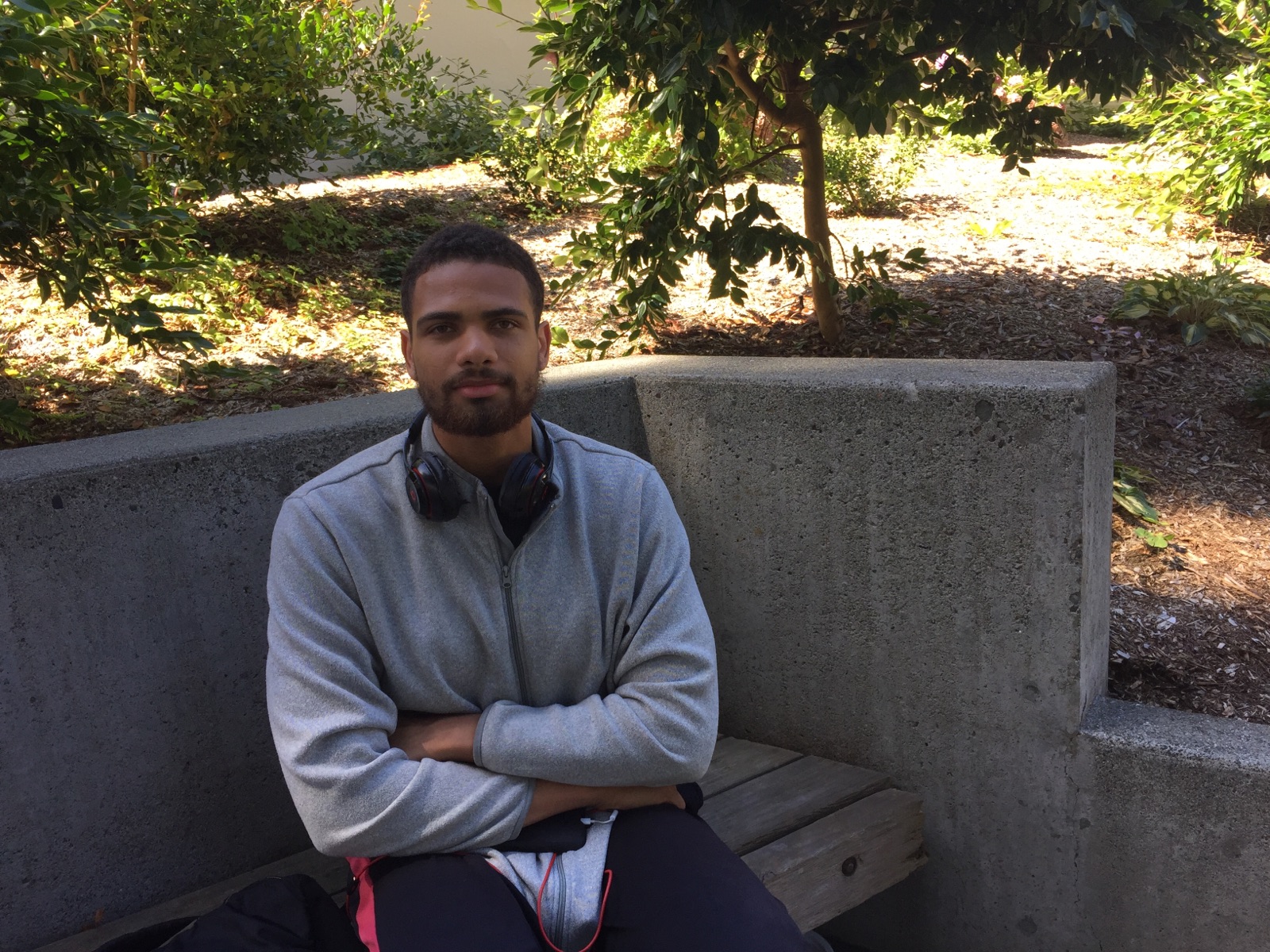
    Emily Read, a junior environmental studies major, is still around in Humboldt amidst the coronavirus outbreak. With the rain looming, she planned on not doing much this weekend beyond trying to learn a new program for an engineering class.

    “I typically am fine with rain,” Read said. “I like it most of the time—but right now, since we’re stuck at home anyway, I kind of just am tired of it and I just want it to stop raining so it can be nice and warm.”

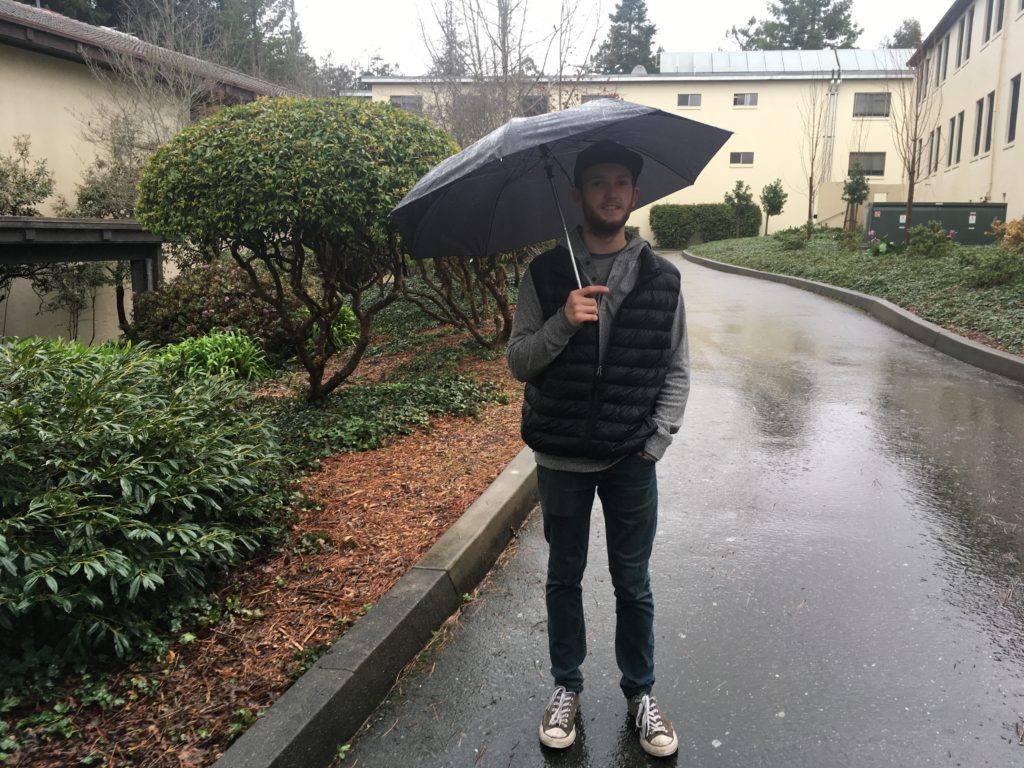
    Jared English, a junior film major, also planned to remain indoors this weekend even though he was initially looking forward to getting outside and doing the one thing he can do in Manila—frisbee golf.

    “It does kind of make me a little sad,” English said. “Because that means even more time inside and even more time isolated in this quarantine, and the rainstorm kind of takes that one thing away.”
  • Sprinkles Expected for Spring Break

    Sprinkles Expected for Spring Break

    Rains look to rush in this upcoming weekend

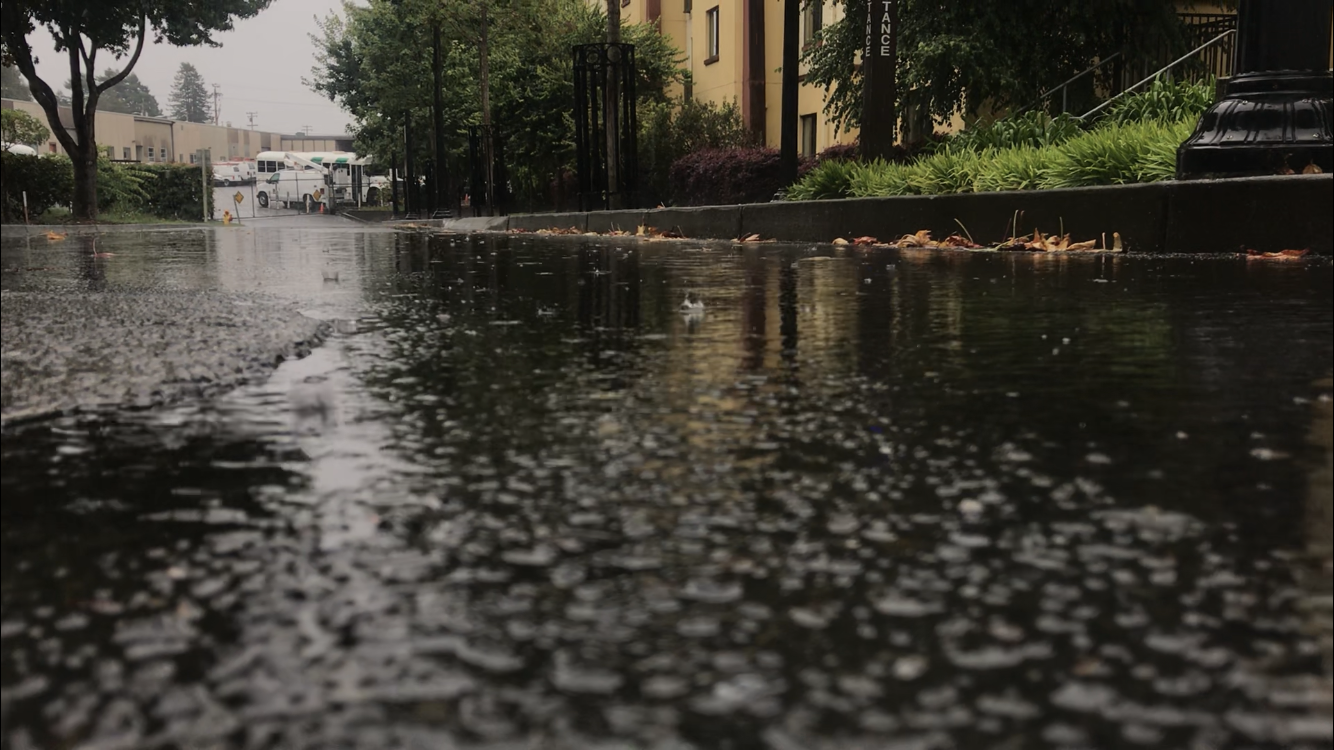
    Cold clouds creep on the horizon, waiting for students to flee Arcata before dumping rain on the city. The days of sunny skies and warm weather may come to a damp halt at the beginning of spring break.

    Spring is here, and it’s wet. This coming weekend, rain is forecasted to fall on Humboldt State. Break is just around the corner and inclement weather may be a downer for partying students, so be sure to check the weather before the rager starts.

    This helpful graph, built by weatherspark.com, shows the average daily chance of rain in Arcata throughout the year. | Graph by Weatherspark

    To prepare for the break, The Lumberjack science section reached out to the National Oceanic and Aeronautic Administration office and asked a meteorologist what we can expect. It may get cold.

    According to Brad Charboneau, one of those NOAA meteorologists, we’ve still got a couple more cold months ahead of us. We’re not out of the chill yet, even though the spring season is when temperatures start warming up.

    “I check the weather often either with the NOAA weather app or by looking at the sky. If it looks questionable or if the sky is darker than usual, check it.”

    Mattea Roberts

    For curious weather geeks, the NOAA station uses a number of sensors and measuring devices to record weather events. For example, they use a tipping bucket rain gauge that measures hundredths of an inch. Each time the bucket fills, the bucket tips over and records a tic. The more tics, the more water. Easy as that.

    Mattea Roberts probably appreciates meteorological instruments like the tipping bucket. A freshman studio artist at HSU, Roberts takes advantage of NOAA science by using their weather app. She said it was a good idea to check the weather if the sky looked questionable.

    “I check the weather often either with the NOAA weather app or by looking at the sky,” Roberts said. “If it looks questionable or if the sky is darker than usual, check it.”

    Roberts also said she brings a rain jacket or an umbrella to school every day, just in case it does rain. She’s probably going to be prepared for whatever the climate has to throw at her this weekend.

    “I can tell you right now, it’s gonna be nice and warm up until Friday,” Charboneau said. “On Saturday, believe it or not, we’re gonna have a shift to cooler, more showery weather that will last through the weekend.”

    Charboneau said the rain isn’t going to be very intense from the perspective of the rivers, but the conditions may make the weekend less than ideal if students have outdoor plans.

    One of Charboneau’s colleagues, Meteorologist Ryan Alyward, explained how NOAA forecasts weather. He said as a meteorologist, his job is to pay attention to what’s going on in the sky and diagnose the conditions. Understanding what’s happening now allows him to make a prognosis of what weather conditions will be.

    Using a program he called Ensemble, meteorologists input real-time data and get a large number of weather predictions. The predictions are future weather patterns that may or may not happen, and it is his job to use these to make a forecast of the weather. The trick is to look at the similarities in each model, because together, those similarities make the most likely prediction.

    The current models, beyond the wet weather forecasted in Arcata, include snow in the mountains east of the city. Charboneau said although snow is more common in January and February, it’s not unheard-of in March.

    “We’re looking for the potential of snow—low-level snow—which will impact the passes going east,” Charboneau said. “It is likely to see some snow over the weekend. Those are the main threats over the weekend.”

  • What’s up, weather?

    What’s up, weather?

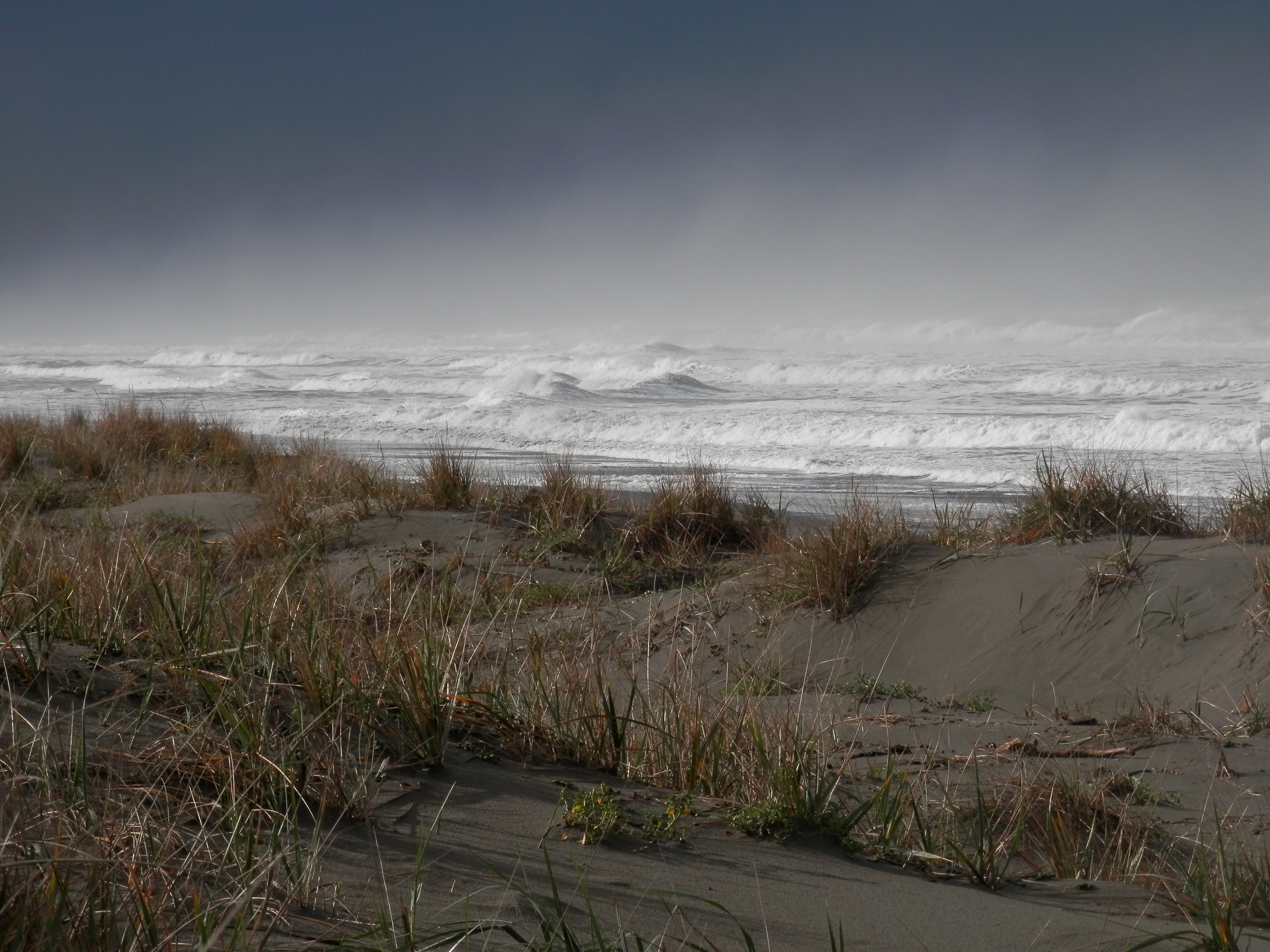
    Well, winter is most definitely here. Rain, hail, snow, strong winds and waves nearing 30 feet shook the Humboldt County coastline this week.

    Source: Eureka NOAA

    The National Oceanic and Atmospheric Administration (NOAA) has issued several hazard warnings throughout the week, such as a hazardous seas warning, a winter storm warning for Northern Trinity County and winter weather advisory in Eastern Trinity County.

    The entrance to Humboldt Bay was closed to any and all inbound and outbound vessels due to the high surf on Jan. 18. It opened the following morning, according to the Humboldt County Office of Emergency Services.


    (Tweet: Humboldt County Office of Emergency Services)

    ******

    “The ocean is the earth’s largest wilderness, but it’s clearly more wild here in Humboldt,” ecological restoration student at HSU Gabe Roletti said.

    The Humboldt County coastline and much of the Pacific Northwest are lined with trees and steep beaches, unlike Southern California’s gentle, broad beaches. The average water temperatures here in Humboldt are also much cooler.

    “SoCal is mellow and a little underwhelming,” Southern California native and HSU environmental science student Mike Leone said. He said that in Humboldt, he feels “more surrounded by crazy elements of nature like the big waves and wind.”

    Despite cold, unforgiving conditions, to go or not to go is not the question for some outdoor enthusiasts, but rather to, “Go big or go home,” local resident and surfer Greg Masessa said.

    Jokes aside, Masessa said that in reality, he really doesn’t put much thought into surfing behemoth waves. He just surfs, because it makes him happy.

    In order to practice reasonable precaution during swells like these, Masessa said that he surveys the conditions before going out and will often surf in a more sheltered area, such as a protected cove.

    ******

    A small craft advisory is in effect through late tonight, according to NOAA. A gale warning is in effect from late tonight through Saturday morning. We should be seeing hazardous seas throughout the week.

    Therefore, it’s especially important for all beachgoers to remain vigilant and practice caution when in or near large surf. In addition, beachgoers should always remain aware of sneaker waves.

    View the graphic below for basic information on sneaker wave safety:

    Source: NOAA. Illustration by Michelle Meyers.

  • The enemy that sweats

    The enemy that sweats

    Breathing in the Arcata air, you can feel the humidity invading your lungs. The usually crisp forest air has been exchanged for a hot, humid mugginess.

    The weather may be nice for weekend adventures, but trekking up the stairs to Founders Hall has now become a sweaty, smelly challenge for most students. Those returning to the HSU campus are noticing the difference in the weather.

    Kristen VanGilder, a general biology major in her fourth year at HSU, has mixed sentiments on the change in the weather.

    “It’s nice that it’s been so warm, you get to go to the beach and it’s not raining, but walk into classes and you’re drenched in sweat,” said VanGilder.

    “Last year we got buckets, and then so far this year it’s just been hot, really, really hot. Recently it’s also been pretty humid.”

    Jeffrey Kane, a 2008 HSU alum and associate professor in the Forestry and Wildland Resources department, provides some insight into the intense heat and humidity.

    “It seems like there has been a change from wetter to dryer, and now we might be going into a wetter cycle again,” said Jeffrey Kane, “and that seems to be consistent with the ideas of how the climate for California is predicted to change.”

    During the three years Kane was a grad-student, Humboldt State was cold, wet and foggy most of the time. Originally arriving in Humboldt in 2005, Kane has been here during the wet seasons as well as the multi-year drought.

    “I came back in 2012, which happened to be the first year of the drought that lasted up until about last year,” said Kane. “I think last year was a pretty average year.”

    Unlike last year, the last couple months of the summer heat and humidity has been higher than in recent years. While temperatures above 80 degrees are usually rare, this past summer saw temperature frequently in the 80s and 90s.

    “What they’re predicting is increasing temperatures, and what did we have this year? We had 90 degree temperatures here in Arcata,” said Kane. “That was record breaking in some areas and very hot, uncharacteristic I would say.”

    The heat and humidity within Humboldt county is unusual for the area, but correlates with the general increase in temperatures in California and around the world. According to the National Oceanic and Atmospheric Administration, temperatures worldwide are rising.

    Kane said that the increase in temperature here in Arcata is consistent with the ideas and predictions on changing temperatures, “largely attributed to climate change, global warming, and the increase in Co2 in the atmosphere.”

    While the increase in heat has some fun outside benefits, the constant fluctuating humidity is a huge drawback.

    “Precipitation is a little more complex,” said Kane. “What they’re predicting isn’t that we’ll necessarily get less precipitation, but that well get more variable precipitation.”

    Basically the weather patterns themselves have not altered, though the general temperature and climate have changed creating repercussions for the local weather patterns.

    “It’s concerning, but I have hope that it will turn around, and we’ll get some rain,” said VanGilder.

    Rainfall is expected to increase as we enter autumn. However, the heat and humidity may also continue for longer than we have experienced before.

    “We can look forward to dryer drys and wetter wets,” said Kane.

    Jermaine Wilson, a criminology major also in his fourth year at HSU, came to Humboldt to escape the heat of LA, only to have the heat follow him here.

    “It pretty much makes you want to just lay down in bed, in cold conditions,” said Wilson. “It’s to hot to do anything else.”

    We’ll just have to wait and see if the humidity dissipates. In the mean time, drink water, take advantage of the sun, and give yourself enough time to walk to class.


  • What to wear in the cold and rain at Humboldt State University

    What to wear in the cold and rain at Humboldt State University

    By | Curran Daly

    People have many clothing options to choose from on cold and rainy days. So do dogs. Teus is a dog who rocks a sweatshirt on a cold and rainy Humboldt afternoon.

    Kiara Pineda and her dog Teus. Teus’ outfit caused many people to laugh as he and Pineda walked across campus on a cold and rainy Humboldt day. Photo by Curran Daly

    While walking between classes Teus gets many smiles, stares and the occasional pet. When it is raining, Teus wears a sweatshirt to stay dry so he doesn’t get his owner’s apartment wet.

    Teus’ owner, Kiara Pineda, is a junior child development major. She learned a few tricks over the years for the cold and rainy Humboldt weather. Warmth is important while walking between classes. When she’s not dressing Teus, Pineda has her own go-to clothes to stay warm and dry.

    “I put rain boots on and a rain jacket,” Pineda said. “I’d recommend just like a turtle neck and rain boots and any warm pants that you have.”

    Layers work especially well to stay warm when it’s wet and rainy. Desteny Gutierrez, a Freshman from Los Angeles, knows how important it is to be warm. She feels that layers work perfectly for cold weather. When you’re outside you can be bundled up and when you’re inside you can take it all off to enjoy the heater.

    “You definitely need layers ‘cause, you don’t want to get wet and have nothing to take off,” Gutierrez said.

    According to the National Weather Service, Eureka has already had 40.94 inches of rain so far this winter. That is 7 inches more than at the same point last year and 16.4 inches more than the historical average for this time of the season. This increase in rain also affects Humboldt State students. Students must walk through the rain to and from classes. Gutierrez doesn’t worry about the rainy weather.

    “If it’s raining, definitely just throw on a rain jacket and anything under with some jeans and boots,” Gutierrez said. “If it’s just cold, I’d pull on a pull-over sweater with jeans and shoes.”

    The shoes you wear are also important in wet weather. When it’s cold and rainy some elect to wear boots to keep their feet warm and dry while others, like freshman kinesiology major Conner Chappel, just wear regular tennis shoes.

    “I need my jacket and then an umbrella, jeans, and some not nice shoes,” Chappel said. “Why would I want to ruin nice shoes?”

    Chappel moved to Humboldt from Rocklin, Calif. He hasn’t dealt with much rain in Rocklin for the past few years due to the drought. Moving from a drier climate to Humboldt can make for a hard transition, but Chappel found the move easier than he expected.

    Conner Chappel rocking some “not nice shoes” through the wet winter’s day. Photo by Curran Daly

    “It was pretty easy to transition, especially compared to my roommate,” Chappel said. “He came up to school without a rain jacket, like he didn’t even have a rain jacket.”

    Desteny Gutierrez came to Humboldt at the beginning of this school year. In the cold wet weather Gutierrez uses layers to stay dry and warm. Photo by Curran Daly