By Nick Escalada
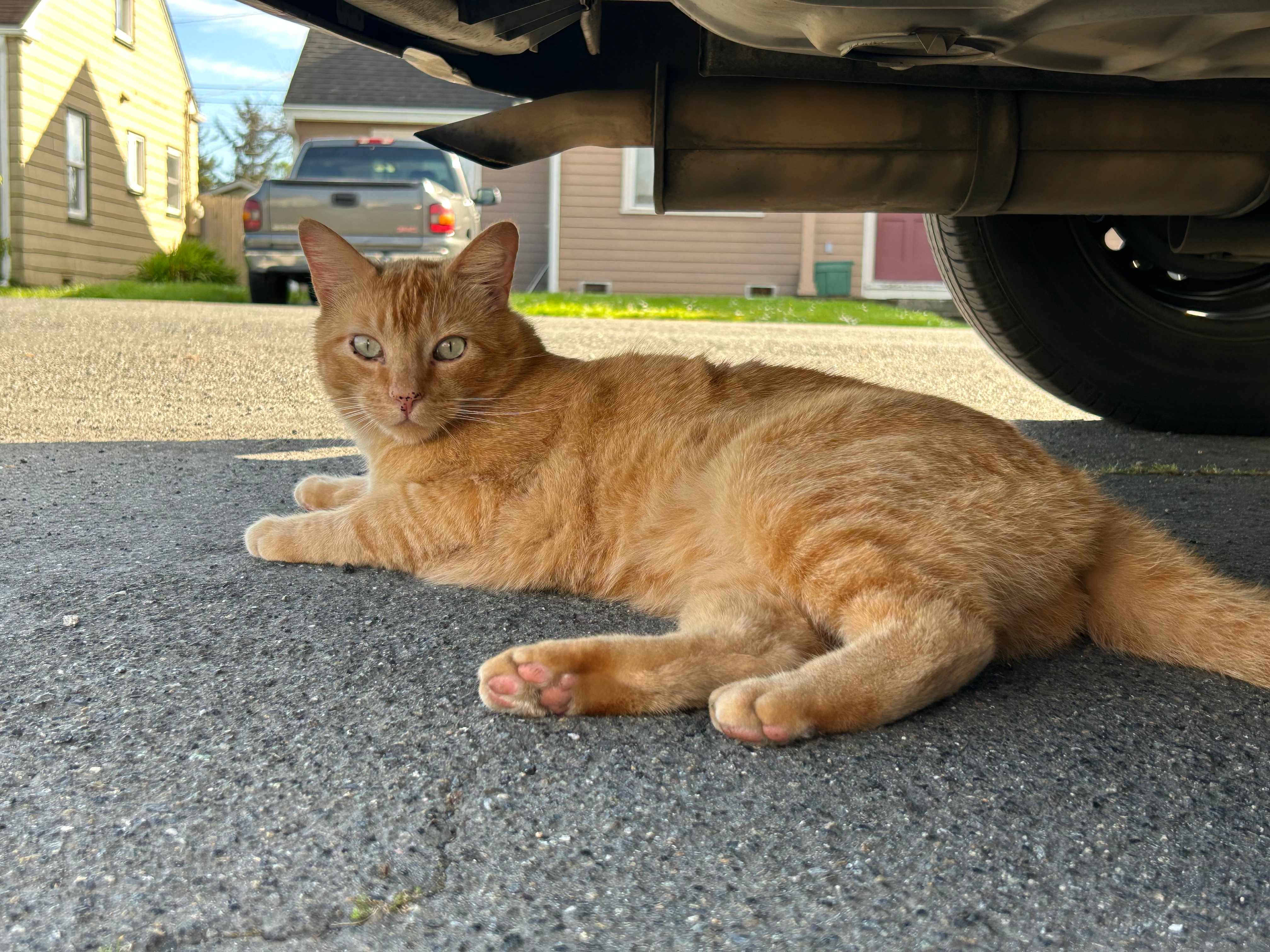
The tranquil uptown neighborhoods of Arcata are frequented by many a wild animal, but among their most notorious visitors are feral cats. Cats are incidentally a tidy, low-maintenance pet popular among Cal Poly Humboldt students, who sometimes find themselves unable to care for their felines after they transfer or graduate. The Humboldt County Animal Shelter takes in cats who are too young or vulnerable for the streets.
“So, you’re just starting college, you’re independent for the first time and you want to get your own pet under your name,” Rachel Norton, legal office assistant at the shelter, said. “You know, that’s great. I did the same thing when I was 22 — I had two dogs, and it was really hard.”
In Norton’s experience, younger people often underestimate the weight of taking on a responsibility like pet adoption. Even relatively self-reliant animals like cats can bear complications that demand the care and resources one might associate with parenthood.

“You could get taken advantage of financially, or you can end up with a pet that is not as medically or physically sound as it was advertised,” Norton said. “If you look deep inside and you’re like, ‘Yes, I can have this pet, I can financially provide,’ that includes if anything medical comes up. And sometimes, medical things will come up. A cat will get unexpectedly sick or unexpectedly injured. So, you need to be prepared to maybe spend between $200 and $2,000 at the vet if it comes up.”
Animal control avoids picking up mature cats who don’t need medical attention, as they’re more likely to be eventually euthanized than adopted. Leaving them without spaying or neutering is when problems arise. Gestation in mother cats only takes six months, and their litters can reproduce themselves a mere eight weeks after.
“One female cat can generate hundreds of kittens in one year because they can become fertile at four months old, or sometimes even earlier depending on that cat,” Norton said. “So, she has babies, those babies have babies four months later, and so on and so forth.”

Norton believes that all cats are better off spending their entire lives indoors. After all, nearly every hazard, disease and violent encounter that afflicts a pet occurs outside the house.
“They are getting into cat fights, they are transmitting illnesses, they are getting injuries,” Norton said. “I talked to someone last week whose cat came home with injuries, and suddenly it didn’t have an eye and its leg was in half.”
The center is able to provide deworming and every essential feline vaccine except for rabies, but they do not accept surrendered animals from owners. Take a feral cat to a local rescue if it needs fixing or has medical or behavioral issues — but first, double-check that it doesn’t belong to a neighbor.
There are, however, circumstances where owners are left with no choice other than to part ways with their companions. If you don’t know another family to entrust them with, refrain from the inhumane and illegal practice of pet abandonment and instead leave them in the care of one of the animal rescues recommended by the shelter. These include the Sequoia Humane Society, Miranda’s Rescue, Companion Animal Foundation, Humboldt Animal Rescue Team (HART), Sierra Pacific Furbabies, NorCal Pet Supply and Bless the Beasts of Humboldt County.
“Sometimes, life happens,” Norton said. “If you absolutely have to rehome your cat, [these organizations] can all help with finding placement or, sometimes, owner surrenders.”
Nick is the news editor at The Lumberjack, and studies wildlife and journalism with the goal of spreading his love of nature through media. Chat with him at ne53@humboldt.edu!
Leave a Reply