The Lumberjack


Students Serving The Cal Poly Humboldt Campus and Community Since 1929

Tag: CDC

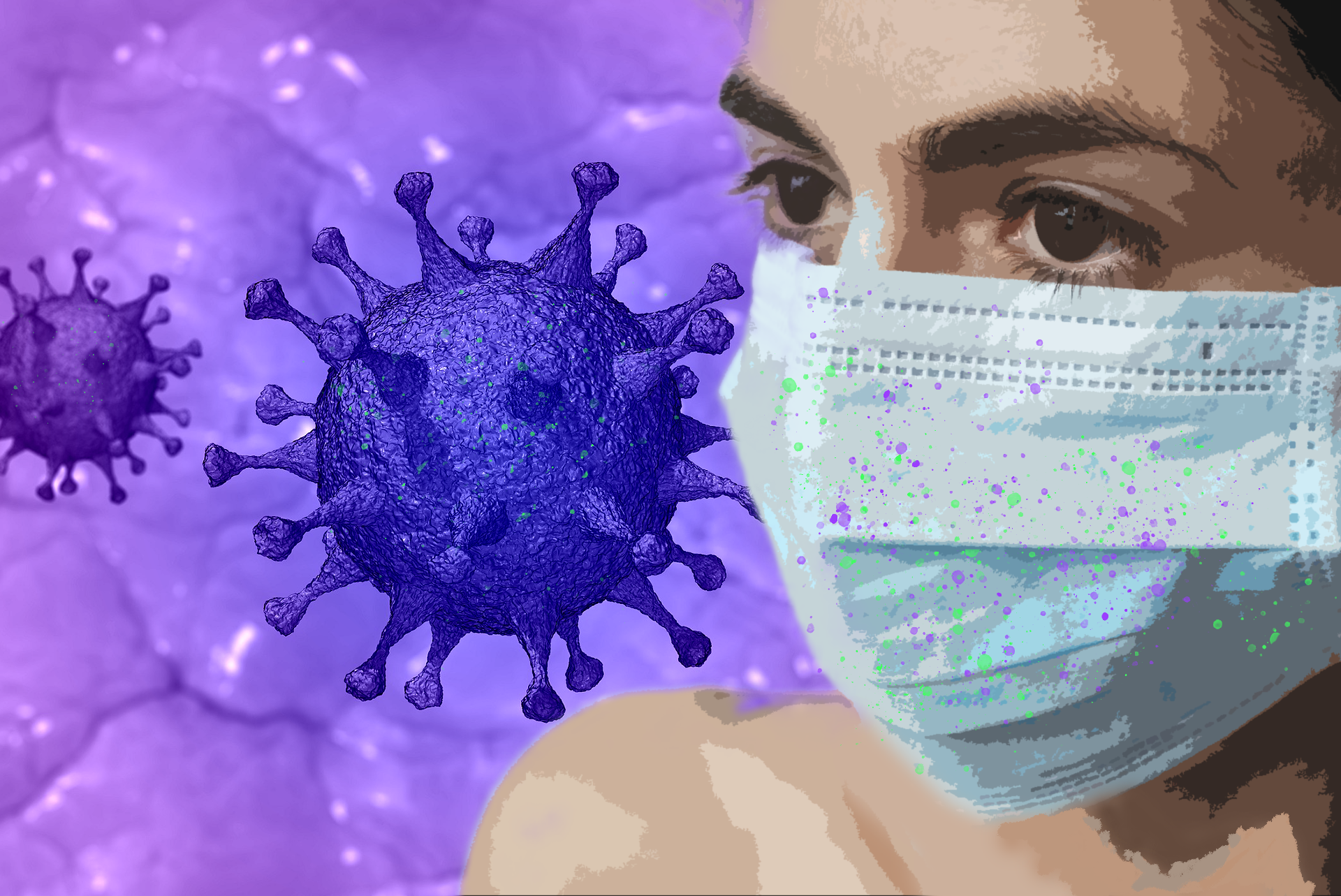
  • Sports Bubbling for controlling Coronavirus

    Sports Bubbling for controlling Coronavirus

    Science behind social bubbling casts doubt on the security behind implemented safety practices

    How many Superbowl parties have you been to? Drunk bodies stacked on top of each other. Frantic embraces. Hollering and crying. Sports, both play and spectation, is all about physical expression. And each one of those mass expression events carries the potential for an outbreak of COVID-19.

    According to the CDC, the virus is more likely to spread through close contact than through airborne transmission. Packing tightly into bars, gathering in stadiums, cheering and hugging are all likely to spread COVID-19. Early in the year, scientists linked a soccer game in Italy to a massive outbreak, with the true toll difficult to track.

    The danger doesn’t just come from the stadium, but also all the orbiting viewing locations. Simply social bubbling by quarantining the team, coaches, staff and media doesn’t cut it when major transmission events may happen as a result of independent viewings of sports broadcasts in addition to attendance of official events.

    Transmission through close contact may be more likely than airborne transmission. Contact sports may be more dangerous than sports with significant distance between players. Baseball has faced bumps in the road, with an outbreak in the Miami Marlins, but football requires more contact, and therefore more risk. The NFL recently suffered its first major outbreak in the Tennessee Titans, signaling a failure of their non-bubble model

    Realistically, models of disease spread must consider a wide range of variables. Changing numbers of susceptible individuals, changing likelihood that a susceptible person will encounter a sick person, increasing numbers of recovered individuals, the implementation of safety measures, and frequency of social gatherings like sporting events are all variables that matter when mapping disease transmission. But simple exponential growth is the basic reason why uncontrolled disease can overwhelm local healthcare at the beginning of an outbreak.

    One person has it, they give it to two people in a day. Those people give it to two more people each then next day. That’s four new people who can give it to two more people each. That’s eight new people and in a few weeks many more have it. It doesn’t realistically work that way on a large scale due to a wide range of important factors, but it’s a useful model for how outbreaks can begin in previously uninfected communities.

    Now say one person on a football the team contracts COVID-19. Then that one person gives it to 14 people through close physical contact. So, 15 people have it. They go out into the community and give it to 2 people each in a day. Our starting number is higher, so the growth is faster. Those 15 give it to 30 people, those 30 give it to 60, those 60 give it to 120, and so on.

    This clear danger is just one reason that hundreds of college teams have been cut due to the pandemic. These cuts impact athletes, athletic programs, schools and local economies. Specifically, Football often funds the rest of a school’s athletic program. If it goes, so might every other sport. Sports matter on a local level, not just as a national industry.

    That’s where the bubble solution comes in. The team and everyone who supports them cuts themselves off from the rest of a community. No one leaves, everyone gets tested constantly. It’s a bubble.

    In practice, it’s difficult. That’s hundreds of people quarantining together, with further levels of quarantine within the bubble. The people with the most contact, such as the players and coaches, must stay away from the other staff as much as possible, effectively forming bubbles within bubbles. Then the staff with the most contact to the players stays away from the staff undergoing the least risk.

    All of those bubbles on the edge of popping, delicate planning, and vigilant testing for only a chance to keep the team safe. There are severe consequences if all those measures fail. And none of those intense measures accounts for what happens outside. It can’t account for people huddling around their TV, packing into bars, or embracing when victory is declared.

  • Face coverings are vital to preventing spread of COVID-19

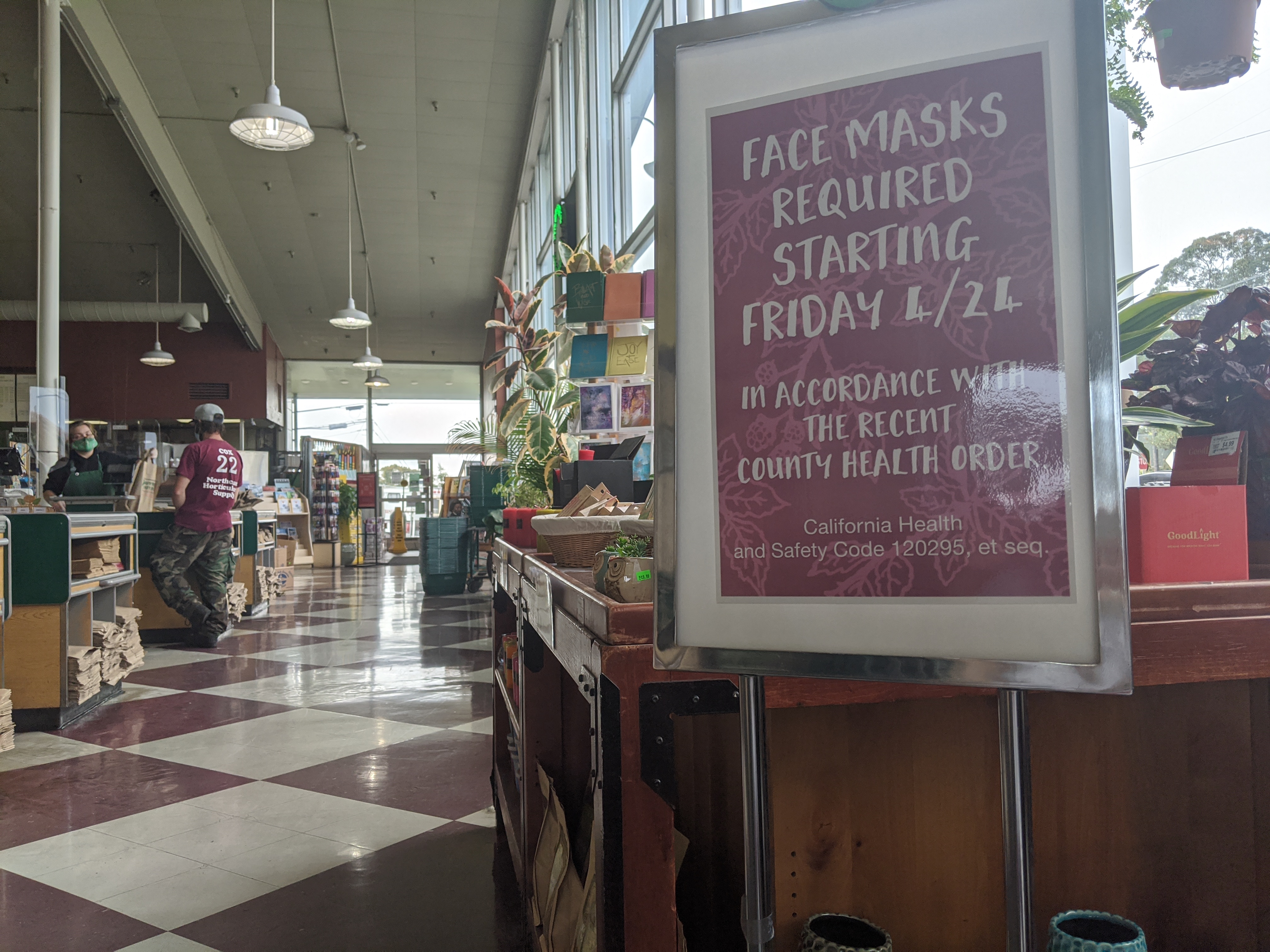
    Face coverings are vital to preventing spread of COVID-19

    Humboldt State University taking necessary first step by requiring students and faculty to wear face coverings on campus.

    Humboldt State University, after being closed since March, has reopened six months after the COVID-19 outbreak in the United States. HSU was approved by the California State University system to offer “limited face-to-face courses this fall,” according to the HSU website. Considering the circumstances, HSU is taking the right precautions to keep both the students and faculty safe.

    The university announced safety precautions on Aug. 4, which includes wearing face coverings with at least two layers of 100% cotton. These are required on campus at all times, both indoors and outdoors. HSU will provide students with face coverings at the campus Police Department, the first floor of Student and Business Services building, Jolly Giant Commons, College Creek Market and the Parking Kiosk.

    Other precautions include practicing social distancing of six feet at all times when possible, refraining from gathering in groups, staying away from crowds, frequent washing of hands with soap and water and using hand sanitizer when soap and water are not available. The commitment to the precautions established by HSU represents a social responsibility that keeps us safe, as long as we follow them.

    Although wearing masks is uncomfortable, research has shown that they prevent transmission of coronavirus when worn correctly. The Centers for Disease Control and Prevention states that the spread of COVID-19 mainly results from settings where people are in close contact with each other, so the use of masks are especially effective in environments such as universities.

    Different kinds of masks “block [the] virus to a different degree, but they all block the virus from getting in,” said Dr. Monica Gandhi, an infectious disease physician at the University of California, San Francisco, to The New York Times. No matter what type of face coverings people wear, it is still much more protective than not wearing one at all.

    It’s also important to wear masks correctly, covering both one’s mouth and nose at all times. They need to be secured to the face without being too loose or too tight, making sure people are still able to breathe. They also need to be worn hands-free. Working at a grocery store during this pandemic, I’ve seen multiple people’s masks fall to their necks and they try to hold it up to their face, which leads to the spread of particles. Touching masks is unsanitary, so washing hands with soap and water is critical. The risk of spreading respiratory particles is much higher if the mask is not worn correctly.

    Masks are only one of many protocols HSU has enforced. Students were instructed to follow safety protocols on Aug. 15 when over 200 of the 800 students moved into on-campus housing. All students were expected to self-quarantine for 14 days following their move-in day. Considering the risks of the spread of COVID-19, the university made the correct decision to reduce the number of students allowed to live in on-campus housing. It was also decided to make all rooms single occupancy.

    Following health protocols is crucial, especially during a global pandemic. Wearing masks on campus has been mandated for all students and faculty members, and will be a major part in limiting the transmission of COVID-19. It will be especially important this fall when some students and faculty will be taking part in hybrid learning, which includes limited face-to-face contact.

  • Happy Thoughts and Hot Liquids Won’t Save Us

    Happy Thoughts and Hot Liquids Won’t Save Us

    A reminder of the few things we know that help prevent the spread of COVID-19

    I received a text from a housemate recently recommending we all drink hot liquids and think happy thoughts to get us through the COVID-19 pandemic. Sadly, happy thoughts and hot liquids won’t save us.

    In the midst of a pandemic, it makes sense that people will seek home remedies—they can give you actionable measures to take to try to inoculate yourself against COVID-19. But peddling bunk medicine like a medieval plague doctor only makes things worse.

    Random herbs, hot liquids and happy thoughts do nothing against COVID-19 (neither does weed). What can help stop the spread of COVID-19 are these much less sexy things you’ve probably already heard, adapted from the Centers for Disease Control and Prevention:

    • Social distancing. Hang out with yourself for a while. The crushing introspection may seem scary, but who knows, maybe you could learn something about yourself. The CDC gives suggestions on how to cope in this stressful time.
    • Frequent hygiene. Wash your hands with soap and water for at least 20 seconds. Sanitize doorknobs in your home. Sanitize your debit or credit card if you’re grocery shopping. You might even go so far as to ask to scan your own groceries at the checkout stand.
    • Don’t touch your face. According to disease expert Michael Osterholm, the virus behind COVID-19 chills out in the throat and lungs, and it likes to get in your body through your eyes, nose and mouth. Your hands provide an Uber ride for the virus straight into your system.
    • Also, cover your face. The CDC have shifted course and now recommend people cover their face with a cloth mask in public, especially in high-risk areas like grocery stores or pharmacies. If you have a sewing machine, here’s how to make your own mask. If you don’t have a sewing machine, the CDC provides a video on its site on how to make a mask out of any old cloth and a couple rubber bands.
    • Keep your body healthy. Eating a well-balanced diet, getting enough sleep and exercising all maintain a healthy immune system.
    • Find a new hobby. Don’t allow depression to set in from all the time spent indoors. Netflix is nice, but it’s not a hobby. Try reading, painting, knot-tying or bread-making. Blogger Matt Gilligan compiled a list of 19 inexpensive hobbies for self-quarantining.
    • Connect with your friends and family. Don’t gather with people in person. (No group hugs.) Instead, take advantage of your phone and call up your friends and family. For a more socially stimulating experience, use FaceTime or Zoom to have a video chat. Invite all your pals and make it a virtual party. If you happen to be posted up in a house with a friend, try to hang out with them rather than hiding away in your room.

    We have no cure for COVID-19. A vaccine, by all accounts, remains a long way off. If you end up with the coronavirus, we only have treatments that can relieve symptoms as suggested by the Mayo Clinic, like Tylenol, cough syrups, rest and fluid intake.

    I’m no stranger to distrusting authority or being suspicious of science—I grew up in Southern Humboldt and wasn’t vaccinated until I was a teenager. But for the sake of yourself and the rest of the world, put your suspicions aside and have a little faith in the only proven measures we know against COVID-19.

  • Myths and Truths of Surgical Face Masks

    Myths and Truths of Surgical Face Masks

    Mirage of safety causes mask supply to plummet and xenophobia to reemerge

    The emergence of everyday people using surgical masks amidst the COVID-19 pandemic has caused mass misinformation and the perpetuation of xenophobic ideas.

    Myth: Surgical masks make you immune to COVID-19

    Typically found on hospital workers and sick personnel as a safety barrier, surgical masks are almost regarded as invincibility devices, protecting the body from outside pollutants and threats. The implied purpose of surgical masks is to protect patients from the secretions of a doctor’s mouth or nose during surgical procedures or to protect doctors and nurses from infected patients. Either way, a basic surgical mask prevents the exchange of bodily fluids, not air particles. Surgical masks are often mistaken as invincible shields against all viruses and bacteria.

    Surgical masks show no evidence of prohibiting the inhalation or contraction of the virus that causes COVID-19. The COVID-19 virus particles are too minuscule to be stopped by a surgical mask barrier. According to the Centers for Disease Control and Prevention, “most facemasks do not effectively filter small particles from the air and do not prevent leakage around the edge of the mask when the user inhales.” In no way do surgical masks prevent or obstruct contaminated air.

    While surgical face masks are virtually pointless against COVID-19, N95 filtering facepiece respirators are different. These masks are personally fitted to the face and “filter out at least 95% of very small (0.3 micron) particles, capable of filtering out bacteria and virus particles,” according to the CDC. These masks are typically worn by hospital and treatment personnel that come in direct contact with infected patients. N95 masks prevent the inhalation of micro-particles.

    Truth: Surgical and N95 masks are running low

    Due to the personal fitting of each N95 mask, they begin to degrade overtime depending on their usage, storage and environment. The assigned expiration date and high demand due to the current pandemic has resulted in an unexpected shortage in supply. Doctors are now reusing their masks, but they risk contamination due to degrading components affecting the protection and performance of the mask. Government administrations are requesting N95 donations as well as demanding some occupations to give up their assigned mask for medical workers.

    While N95 masks are needed most, surgical masks are running low as well. Infected patients wearing masks benefit surrounding parties by limiting exposure of emitted particles into the air. The pandemic panic has misinformed the public to go buy surgical masks when patients and medical workers need them most.

    Myth: DIY masks provide reliable protection

    YouTube and social media platforms are advertising do-it-yourself face mask tutorials in response to the shortage in surgical mask supply. The misinformation has continued as people attempt to protect themselves with faulty protection materials. Bras and bonnets to sandals and plain cloths are being cut and trimmed to replicate surgical face masks. But, as previously mentioned, surgical face masks provide no protection against COVID-19 virus particles. Any alteration of store-bought or recycled material will have the same, if not less, protection against COVID-19 than a surgical mask.

    Truth: Mask usage has reignited xenophobic ideas

    Surgical masks provide zero protection from contracting COVID-19, but they have effectively reignited xenophobia. It’s completely normal for the mind to want to assign a face to an infected COVID-19 individual or picture what a threat would look like out of caution. Assuming someone wearing a face mask has the virus and extending that assumption past the mask, to their race or ethnicity, is disgusting, racist profiling. In a time of crisis, people should be exercising neighborly behavior and picking one another up, not perpetuating racist, profile-based assumptions on others in an attempt to accuse others of the chaos. It’s unproductive and invasive.

  • Humboldt County Coronavirus Case Update

    Humboldt County Coronavirus Case Update

    Department of Health and Human Services quells concerns

    The Humboldt County Department of Health and Human Services informed the public Feb. 20 via press release they had received confirmation of one confirmed case of coronavirus in Humboldt County. A close contact of the confirmed patient has symptoms and is also being tested for the disease. 

    Information has come, and will continue to be provided from the California Department of Public Health and the U.S. Centers for Disease Control and Prevention.

    The DHHS has since been fielding questions from the concerned community.

    The Lumberjack spoke with Hava Phillips, the supervising public health nurse at DHHS. If you are concerned that you may have contracted the disease, she asked that you call them before visiting their department.

    For now, the county is not considering this a public outbreak, and the ill individuals are self-isolated and under close watch by the Public Health Communicable Disease Surveillance and Control Unit. This doesn’t mean they’re not prepared for the disease to spread.

    “We are making sure we have the infrastructure in place if this were to become a larger outbreak,” Phillips said.

    Phillips said because it’s also flu season, people should be following basic precautions to prevent the spread of communicable diseases of all varieties, summed up by these tips from the DHHS press release:

    • Stay home when you are sick.

    • If you have a fever, stay home or go home if you are already at work or school, and stay home for at least 24 hours after you no longer have a fever (without the use of fever-reducing medicine).

    • Wash your hands frequently and particularly before eating or drinking.

    • Promote good hand hygiene in your home by educating household members and making sure soap, hand sanitizers and tissues are available.

    • Avoid touching your face, particularly your eyes, nose and mouth.

    • Encourage proper cough etiquette. Cough or sneeze into a tissue, sleeve or arm. Do not use your hands.

    • Perform routine surface cleaning, particularly for items which are frequently touched such as doorknobs, handles, remotes, keyboards and other commonly shared surfaces.