The Lumberjack


Students Serving The Cal Poly Humboldt Campus and Community Since 1929

Tag: Dakota Cox

  • A redistribution of wealth is in order

    A redistribution of wealth is in order

    Since the dawn of mankind there have been the rich and the poor – in order for a few to thrive, many must suffer, or so it goes.

    March 16 has marked the anniversary of the first shelter in place orders being put into effect in the United States. Millions of breadwinners remain out of work as different regions of the country continue to loosen and tighten restrictions on businesses according to their COVID-19 threat level tier.

    This month’s stimulus distribution brings the total up to only $3200 of support the government has provided each qualifying non-dependant since COVID-19 first spread to the States, with an additional $2500 for each dependent of their own.

    With the median American household annually earning $68,000 and the 29% of Americans that make up the lower class earning $25,000 a year, it’s clear that the compensation offered by the American government is both inadequate and unsustainable. The solution to so much of the suffering that exists in the world today is excruciatingly simple, if only we made it a top priority: We need a universal basic income.

    Nearly one third of the wealth in America is currently concentrated among the top 1% of the population, with the majority of that existing in the top .01%. The bottom 50% of America’s population, meanwhile, lives almost exclusively paycheck to paycheck, owning only 2% of the country’s collective wealth.

    The income inequality gap in American is undeniably disgusting with billionaires collecting fortunes in interest they’ll never spend while millions of Americans walk around hungry and hundreds of thousands go to sleep without a roof over their head. The reality outside of our cushy first world existence, however, is even more disturbing. As of 2017, 1% of the human population officially owns over half the wealth in the entire world.

    The problem with economic systems is that it’s impossible to create a separation of money and power. Those who have one have the other and almost without exception, they have no intentions of letting them go. This creates a litany of problems, as it becomes impossible to make objective decisions when you have a personal investment in the outcome. In the same vein of thought, it’s much easier to ignore issues when they don’t pertain directly to your life. This results in our world’s leaders sweeping many of our most pressing issues under the rug while contributions from corrupt corporations to political campaigns all but ensure a system that operates to serve the rich and ignore the poor.

    Instituting an aggressive tax strategy on high income earners to establish a universal basic income would go beyond mitigating much of the suffering experienced by low-income individuals, potentially restoring some balance to the powers at be. By stripping the rich of some of their wealth and redistributing it to those in need, more people will have reasonable access to the opportunities this country claims to offer, creating a greater potential to achieve the “right” kind of progress. Unfortunately, in America especially, progress is sought out for the mere sake of progress, or more likely, motivated by monetary gains. Too often, people are blinded in the pursuit of power and lead away from their intended paths. By limiting returns on investments in the highest tax bracket, millionaires and billionaires would become encouraged to seek progress in other areas of their lives, potentially creating a more well-rounded and generally happier population.

    Humankind is doomed to exist in a perpetual state of inequality. There will always be a rich population among us, however, that doesn’t mean millions must continue to suffer as a result. The time has come to abandon the every man for himself attitude that plagues our world. Every human being deserves an opportunity to pursue the life that makes them happy and no one man hoarding a fortune should stand in their path.

  • Student leaders and staff fight for a safe campus

    Student leaders and staff fight for a safe campus

    Editors Note: This article was originally published on Dec. 12, 2020

    In the year 2020, with racism, sexism and homophobia alive and well, existing in this country as part of a minoritized group continues to add extra layers of suffering to life.

    Sophomore and Vice President of the Queer Student Union Adrian Black joined the club immediately upon learning about it their freshman year. Black identifies as transgender, queer and said they came out quickly after discovering who they were through conducting online research.

    “I just felt like I needed to get it out as soon as possible,” Black said. “I think [coming out] definitely enabled me to embrace more of my genuine self. I definitely felt like I was being sort of dishonest in the way that I was presenting myself to other people and after coming out I sort of slowly began to just be who I wanted to be and who I felt like I was rather than what other people wanted from me.”

    For QSU Treasurer Claire Rogers, it took a bit longer to come to terms with her identity as a lesbian and even longer to share it with her loved ones. While she expected her group of mostly queer friends to be accepting, Rogers was nervous about the reaction she would receive from her family.

    “It took a while just for me to be able to put a label on what I was experiencing and it took me a while to be comfortable with a label,” Rogers said. “I felt very shut off from my sisters and my parents before I came out because there was this huge part of myself that I would avoid telling them about.”

    Rogers sought communities of people experiencing similar awakenings in her high school LGBT club and again in the HSU QSU club. With operations taking place entirely virtually this semester and an entirely new staff of student leaders, the transition has been slow but relatively smooth according to Rogers. Members maintain virtual contact on Discord and over Zoom, however, the lack of structure in past meetings that allowed members to move around and engage in several conversations has been replaced by a single channel of communication where it’s easy to become drowned out.

    “That really casual kind of interaction has mostly been maintained through our Discord server and even that isn’t quite the same because it’s over text,” Rogers said. “I don’t know if either of them is worse or better than the other but it’s a different quality than the previous structure or lack thereof that we need to have.”

    Rogers feels mostly comfortable in Humboldt outside of the community created within QSU, however, the idea that there are people out there harnessing hatred towards people like her for simply wanting to be who she is upsets her.

    “It doesn’t come up a lot. So, when it does come, it’s definitely jarring,” Rogers said. “It’s mostly been fine I guess but it’s still something that I’m aware of and it definitely has an impact.”

    Janet Winston, professor of critical race, gender and sexualities studies, believes HSU has a long road ahead in the effort to provide an entirely safe and comfortable campus for all of its students.

    “There are lots of initiatives [on campus], but there’s also a lot of direction based on trying to protect the university as an institution from lawsuits,” Winston said. “The thing that has been most striking to me and most frustrating is the lack of institutional commitment in the form of material resources to a professionally staffed queer resource center – which is something that I and many of my fellow faculty, staff and students have been working on for over 10 years.”

    Winston was the first faculty advisor for the Eric Rofes Multicultural Queer Resource Center before it was defunded by administration “on the grounds that there’s some kind of legal risk in the campus paying students in this center,” Winston said.

    Having taught queer studies since the 90’s, Winston said because the field is constantly evolving, she had to reinvent her curriculum each time she would teach a course.

    “The field is changing,” Winston said. “There’s an explosion of amazing literature and I want to still connect students to the past and to foundational theories like Barba Smith’s book “Ain’t Nobody Gonna Turn Me Around,” so that they can see the longevity and the kind of radical things that were being done in the 70’s, but also, I want to stay on top of what’s happening in terms of queer literature and queer theory. It’s challenging but it also is very exciting.”

    As a member of the LGBTQ+ community, Winston discovered a great deal of her identity through reading books like “This Bridge Called my Back: Writings by Radical Women of Color” that challenged her to become conscious of her intersectional identity in ways she hadn’t considered before.

    “[Those experiences] formed the foundation for what I bring to all of my classes – that it’s going to be intersectional, that we’re going to look at ourselves and our own social positionality and the privileges that we have and the oppressions that we face because of our identities,” Winston said.

    Winston believes society is plagued by compulsory heterosexuality, which reinforces the notion that we ought to be punished for not conforming to the narrative society provides.

    “My goal for [my classes] is that people who identify as queer or some version of that see themselves reflected in the literature and also feel challenged by the literature to rethink their own notions of identity,” Winston said. “For students who don’t identify as queer, [my goal is for them] to really expand thinking about the frameworks within which they conceptualize their own gender and sexual identities and unsettle that sense of the normative.”

  • COVID-19 defines society’s future mental health

    COVID-19 defines society’s future mental health

    Though it’s still far from over, the effects of the COVID-19 pandemic could last a lifetime.

    All CSU campuses offer mental health services with a range of options available, included in the cost of student fees. Operations Coordinator and Staff Psychologist for HSU’s Counseling And Psychological Services program Dr. Elizabeth A. McCallion said their services are especially valuable now that students are facing additional stressors brought upon by the pandemic. Though in-person services are currently unavailable, CAPS is operating at full capacity, offering all of the regular services, virtually.

    “Students come to counseling at CAPS for a range of reasons and I think it’s really important to recognize that,” McCallion said. “We are not just a support for students who are in a crisis situation, though we do provide that support as well.”

    For students curious about the practice or grappling with issues of any size, CAPS provides an opportunity to uncover the answers to some of your questions. For those who decide it’s not for them, McCallion especially recommends placing emphasis on the prioritization of our emotional health.

    “Getting good sleep, nutrition and physical exercise have been shown to have really positive benefits on our mental health,” McCallion said. “So, I think looking at our health behavior and our lifestyle choices can be really key to making sure that we’re taking care of our emotional health.”

    Professor of Psychology Gregg Gold believes the effects of isolation will remain, to some capacity, with those who live through the pandemic.

    “There will probably be some permanent mental health issues for those of us who spent a year and a half alone,” Gold said. “I don’t think you could say that’s not going to have some kind of effect on people.”

    Gold said the pandemic lifestyle has generated more loneliness and frustration in his life as he battles with motivation and concentration droughts. The monotony of quarantine is largely to blame, Gold said, giving us nothing to look forward to with each day being the same as the last. The most significant factor influencing this is the deprivation of genuine, in-person human interaction.

    “It’s a basic human need to be around other people, face to face,” Gold said. “We’ve evolved to crave the company of other humans because the more friends we have, the bigger our network, the more we can ask others to do things we can’t do for ourselves, the more likely we were in the very recent past to be able to survive and even today, [we’re] much more likely to be successful.”

    Our time in isolation is not only damaging to our present well-being, according to Gold. Each day we spend contained inside the walls of our homes, interacting only with a familiar few and the algorithms of our social media accounts, we are being deprived of opportunities to explore new ideas.

    “When you’re out in the real world, you actually run into people that might think differently than you do,” Gold said. “That tends to broaden your view.”

    Though some are willing to place their own lives and those of others in immediate danger in order to go about life as usual, the majority of people are less inclined to make the sacrifice.

    “If you can’t [socialize] safely it means there’s underlying tension and fear and that takes the fun out of it,” Gold said. “It’s like trying to go out and party the night before you have a major midterm, how much fun are you really gonna have?”

    While millions of people lost their homes, their loved ones, and their lives to COVID-19, it can put those who’ve been more fortunate in a position where they don’t feel comfortable feeling sorry for the lesser losses they’ve suffered in their own lives, Gold said. The reality, however, is that the individual struggles we face now will be significant in our entire lives.

    “It’s easier for people to become depressed,” Gold said. “If you think about it, [depression] is the reaction you would expect, given the circumstances.”

    The increase in depression among American citizens is evident by the increased rates of substance abuse and suicide since the pandemic began, Gold pointed out. These reactions also come from severe anxiety surrounding financial and health insecurity. According to Gold, the two are one in the same in this country, where our physical and mental well-being are treated as commodities.

    Masters Student and Associate Professor of Sociology Travis Cunha began work on his thesis around the same time COVID-19 reached the United States and explored how different countries initially navigated the pandemic, specifically in regards to business practices. Given the high volume of jobs that have moved online and are planned to remain there, Cunha is concerned for smaller communities that rely upon only a few providers for a high volume of jobs, as he expects more outsourcing of labor than ever when the pandemic has finally passed.

    Cunha is curious to see what will come of all the vacant buildings left over from businesses that were forced to leave. He fears outside sources will capitalize on the opportunities and feed off the people who are in need of relief. This is especially a problem in low-income communities of color.

    “It was already like that even before the pandemic. These communities aren’t getting the resources other communities are,” Cunha said. “Since the pandemic, those things have just been made a lot worse.”

    According to Cunha, the most shameless offenders are the loan companies by allowing opportunities for business owners to remain open, for families to keep their homes and for students to pursue their educations. With a contract guaranteeing significant profits, loan companies have nothing to lose and everything to gain.

    “It’s not a coincidence that they’re opening places where communities have been hit the hardest,” Cunha said. “These communities need loans and grants and stuff to recover from this pandemic because they got no help during the pandemic, so I think it could be a recipe for disaster in that sense.”

    Unlike the psychological trauma that will follow us out of the pandemic, the financial burden that will plague the post-pandemic society is entirely avoidable if we were to come together in solidarity, recognize the problem and create a solution.

    “I would hope that after this is over, people wouldn’t dismiss the views of scientists as politically motivated when they tell them something they don’t want to hear,” Gold said. “But the incredible ability of people to completely deny reality even when it’s right in front of them is profound.”

  • The world was a better place the last time I took a bath

    The world was a better place the last time I took a bath

    Even as the world and our perception of it changes at an exceeding pace as we age into adulthood, there are certain constants in life that we can always rely on. For me, it’s that taking a bath is a big mistake.

    The fond, foggy memories of 3-year-old me sitting in the tub with a rubber ducky and a dozen other toys, paying no attention to hygiene and playing until the water grew cold are an unpleasant reality today. Now, what you get is a 22-year-old man-child sweating into a soapy Dakota flavored soup. Yuck!

    The last time I took a bath, I was living in the studio apartment on my uncle’s property that had been designed for my grandmother – without a shower. For four of the longest months of my life, I was oppressed by my circumstances to an archaic method of bathing, one only the greatest of my enemies should ever be forced to endure.

    After spending the holiday back home with my mother, I returned to my studio to discover the greatest Christmas present I’d ever been given. While I was gone, my father had a showerhead installed above the tub and a curtain put around it for good measure. Since that day, over two years ago now, I’m proud to say that I am both metaphorically and literally clean.

    In the time since I last took a bath, an incredible amount has changed in my life and in the world. While my personal experience has followed a roller coaster of highs and lows, it seems every time I turn on the TV, there’s another tragedy on the news.

    7 months clean.

    In the summer after I graduated from community college, more than 46,000 fires were started in the Amazon Rainforest to clear land for crops and grazing. Deforestation has plagued the Amazon Rainforest since the 1970’s, claiming tens of billions of trees so far, and what’s projected to be 27% of the entire forest by 2030. The effects of the devastation to the forest is already having a measurable impact on the region with temperatures rising, causing more frequent floods and a longer dry season. With the world’s largest forest disappearing before our eyes, to be replaced mostly by endless fields of cattle, producing methane at an increasing rate, our window of opportunity to combat global warming is closing more rapidly than ever.

    10 months clean.

    With the holiday season right around the corner, I became the victim of grand theft auto around the same time the first case of COVID-19 was recorded in Wuhan, China. Since then, as of Feb, more than 100,000,000 cases have been recorded and over 2,350,000 deaths have been linked to COVID-19. The initial feeble response of nations like the United States and their failure to correct the mistakes following the resulting massive outbreaks have caused this pandemic to grow much larger and last much longer than it ever should have with the modern advancements in science and technology we have available today.

    The late response and the fail to correct our mistakes has caused this pandemic to become much bigger and last much longer than it could have. Instead, we have placed all of our faith in a vaccine that’s sure to be refused by a large enough stubborn portion of the population to keep us inside for at least another year.

    14 months clean.

    After spending 17 years legally single, my mother remarried less than a month after the world lost one of its foremost living idols when Kobe Bryant passed away in a tragic helicopter crash. Recent years have also seen several sudden deaths of rap artists, including rising superstars Juice WRLD, Pop Smoke and the controversial XXXTentacion, along with hip-hop legends Nipsey Hussle, Mac Miller, MF DOOM and too many others. Because of the internet, the state of celebrity culture today leads most of those with a considerable following to live their entire lives in the spotlight, thanks to social media. Having access to your favorite celebrities 24/7, as a fan, creates an artificial perception of a personal relationship that makes losing a star harder now than ever.

    17 months clean.

    While I sat home last summer, lamenting the loss of a childhood friendship that could have been avoided with a mature conversation, a police officer sworn to protect the lives of the citizens of this country, Derek Chauvin, stood with his knee on the neck of George Floyd for nearly nine minutes – long after he’d become unresponsive. This extremely public tragedy came only months after police mistakenly broke into Breonna Taylor’s home, then opened fire, fatally wounding her. These police murders reignited the Black Lives Matter movement that was first conceived in 2013 when Trayvon Martin was fatally shot by neighborhood watchman George Zimmerman, who was acquitted for claims of self-defense. Trayvon Martin was far from the first black person to be killed at the hand of someone who’s supposed to protect them, and this will unjustifiably continue until the people committing these heinous crimes are held accountable.

    25 months clean.

    Over two years have passed since I last took a bath. I am no longer the clueless child, sitting in a tub of Dakota soup, without an Associate’s degree. Now, mere months away from receiving my Bachelor’s in a field I stumbled into and fell in love with, there’s finally something on TV resembling good news. Though Joe Biden is certainly no Bernie Sanders, the end of the Trump era is cause for a collective sigh of relief. Gone are the days of waking up to the president’s latest outburst on Twitter. The appearance of professionalism will once again return to politics and we can go back to living in ignorant bliss of the deteriorating state of our country.

    Here’s to hoping the next time I take a bath, I can climb out of the tub into a better world than the one we have today.

  • Music of the Moment 10

    Music of the Moment 10

    Author’s note: This article was written before Black was pardoned by Donald Trump and released from prison for his most recent weapons charge. Black is still facing an outstanding sexual assault charge in South Carolina that could put him back in prison for as many as an additional 30 years.

    Despite being incarcerated, serving a nearly five year prison sentence on multiple felony weapon charges, Kodak Black released his third album “Bill Israel” from behind bars.

    Black was arrested less than a year after dropping his sophomore album “Dying to Live” on two separate charges of purchasing a firearm under false pretenses. Because of his extensive record, Black was denied bond and faces as many as 60 more years in prison.

    Unlike other recent releases we’ve received from incarcerated artists like Rowdy Rebel’s verse on Pop Smoke’s “Make It Rain” or Black’s own performance on A$AP Rocky’s “CALLDROPS” skit, “Bill Israel” was crafted with the same degree of polish as his previous two albums. While this results in an album that’s undoubtedly much easier to listen to than anything recorded over a jail phone, it means all the vocal tracks were created prior to Black’s most recent incarceration.

    Considering the small window of time Black had to record music between bids behind bars, he delivers a surprisingly fresh performance on the new album. Rapping over a strong selection of instrumentals with a compelling variety of tones, Black proves his unique sound has a powerful presence on any modern beat you throw his way, even when he’s just repeating the same line over and over, like on “Feeling Myself Today.” Though the project bears some sonic resemblances to the albums and even some of the mixtapes that came before it, “Bill Israel” contains enough brand new material to justify the release, and having traces of previous projects on the album provides fans the extra incentive to return to his other bodies of work.

    Concerning the content of “Bill Israel,” the majority of the subject matter continues to unfortunately revolve around the lifestyle that landed Black in prison. The song “Serene” hauntingly captures Black’s inner conflict, with him claiming to seek a more positive life on the hook, while he contradicts himself with the actions he describes in his verses. Assuming the majority of songs on this project were recorded after the release of “Dying to Live,” it seems foolish at this point to expect a change in his behavior the next time he’s released.

    The limited content Black’s record label had to work with in the creation of “Bill Israel” results in an album restricted both in the overall length of the project and the growth in style and content that Black demonstrated between his first two albums. The slim track list ultimately works in Black’s favor, however, given the shallow range of subject matter. With just 11 songs, Black’s signature charisma is enough to keep listeners engaged and leave them wanting more once the final track has faded out.

  • Shopping online saves lives and kills local business

    Shopping online saves lives and kills local business

    As our collective shopping behaviors change to accommodate the COVID-19 pandemic, Amazon feasts on the misfortune of millions of Americans struggling to pay their rent and keep food on the table.

    According to data gathered by Yelp, approximately 60% of businesses registered with the app that shut down when the pandemic first reached the United States will never re-open. Only including the 5.3 million active, claimed local businesses registered with the app, as of August 2020, nearly 100,000 American businesses have been forced to permanently close their doors.

    Many corporations have also experienced varying degrees of drowning during the pandemic, with retail chains closing over 8,700 stores in America in 2020 according to the Coresight Research report. This number comes in just shy of 2019’s record breaking 9,300 closures that’s predicted to be broken in 2021, with over 2,000 closures already in the first month alone.

    This downward trend of brick and mortar retail is an ongoing result of the 2008 real estate bubble burst. Combining a struggling economy with a rise in popularity of e-commerce – allowing customers to seek out the best possible deal through a variety of providers at the click of a button – brick and mortar retailers were forced to significantly discount their prices in order to convince an especially stingy consumer base to buy. With shoppers becoming accustomed to the new prices, retailers were forced to adjust or disappear. This phenomenon has gone on to become infamously known as the “retail apocalypse,” claiming over 1.3 million American retail jobs in the last decade alone.

    The enormous gap in the market created by the retail apocalypse has been seamlessly filled in by e-commerce. While tens of thousands of brick and mortar stores have closed over the past decade the internet’s online shopping Goliath, Amazon, has massively multiplied in size, increasing their 2010 net income by a factor of almost 10 in 2018 and growing their employees by a factor of nearly 20 in that same amount of time. To meet the increased demand for online shopping created by the COVID-19 pandemic, Amazon hired over 400,000 new employees in 2020 alone, bringing their total employee count over 1 million.

    Amazon has achieved such massive growth so quickly as the result of a business model that is essentially built around one core concept Jeff Bezos refers to as “customer obsession.” Amazon’s ultimate goal is to create loyal customers that won’t just return once, but hundreds and thousands of times. They do this with the assistance of a website the company has collectively invested billions of dollars and man hours into, in order to connect customers with as many possible items they’re interested in, in as few clicks as possible.

    Providing additional incentive for customers to spend even more money and time engaging with the brand, Amazon’s Prime membership includes free shipping on all items and access to Amazon’s video and music streaming services for the price of $119 per year – a number small enough for almost one in three Americans to justify the purchase and large enough that they will be especially inclined to get their money’s worth out of their subscriptions. Combining the perks of membership with a consistent and vast stream of products that appeal to the consumer and a pricing model specifically designed to undercut the competition, they become unstoppable.

    In order to consistently provide the best prices for a vast variety of products on the internet, Amazon trades off especially low net profits on sales for the increased business their prices attract. In fact, the majority of the corporation’s income is actually generated by the Amazon Web Services. Essentially, this means that Amazon has been reducing businesses to rubble left and right for the past decade, all so they could eventually capitalize on their popularity and finally make a decent profit from a virtual cloud.

    With the pandemic stoking the fire of the retail apocalypse, as is the case with climate change, we are fast approaching a point of no return. While faceless retail corporations will continue to exist in some capacity for those who refuse to conform to the online platform, private businesses will someday become a thing of the past if we can’t collectively escape the “every man for himself” attitude our society has adopted.

    We need to look past the immediate future and understand that helping others ultimately helps everyone in the long run. So, instead of outsourcing your next purchase for a cheaper price, whatever it may be, invest in a business from your local community. Take pride in watching your wealth spread, rather than sulking in the shame of knowing you’re feeding the beast that intends to devour the businesses your neighbors have devoted their lives to.

    Author’s Note: This righteous rant brought to you by a shameless Amazon Prime member. Do as I say, not as I do and together we can save the small business.

  • Embrace the idea of spending another year in isolation

    Embrace the idea of spending another year in isolation

    The never ending year has finally come to pass, but the cause of our suffering remains.

    When COVID-19 made its way to the United States in early 2020, the uncertainty surrounding the virus brought society and the American lifestyle to a sudden halt as businesses across the nation closed their doors and citizens locked themselves inside their own.

    As we approach the anniversary of quarantine, cases continue to rise at an alarming rate and the end of the pandemic is nowhere in sight. A new year has begun, the period of denial has long since passed and the time has come to accept and adapt to the circumstances of the pandemic, if we as a society place any value in escaping them any time soon.

    Consider this: cared for properly, the average flesh wound will heal in a matter of days. Left untreated, however, and exposed to harmful contaminants, the same wound can become infected, spread to a larger area and in extreme cases lead to the death of the damaged limb or even the host. To neglect taking the proper measures to heal the wound would be an irresponsible act that would present unnecessary risks. To intentionally expose the wound to harmful contaminants would be an unthinkably reckless act that would surely cause further harm. Now, think of it like this: COVID-19 is essentially a series of massive, infected flesh wounds we’ve allowed to spread across the body of the human race for nearly a year now.

    While the majority of people have enough sense to wear a mask in public and stay home when they get sick, in this instance, the bad apples overwhelmingly spoil the bunch. With the extremely contagious nature of COVID-19, unnecessary gatherings – especially involving anti-mask COVID-deniers, who typically come in contact with a significantly increased number of people – pose a direct and immediate threat to the entire species, as proven by the massive spikes in cases and deaths surrounding each major holiday since the pandemic began.

    The effectiveness of complete lockdowns and strict public health control measures in preventing the spread of COVID-19 have been proven time and again in Italy, the United Kingdom and especially New York, where devastating initial outbreaks were contained to manageable positions before the holiday season. The simple solution to escaping this nightmare has been clear since nearly the beginning, if only we would pay the virus the attention and respect it deserves: stay home and it will be over before we know it. Unfortunately, that’s proved to be easier said than done.

    The bottom line is if you’re not willing to be a part of the solution, you’re actively contributing to the problem. By walking around in the world without taking the necessary measures to protect yourself from the virus, you put millions of other lives at risk, you invite the virus to extend its stay, and you spit in the face of all the people doing everything they can to avoid getting sick.

    With daily cases still coming in near the peak, unless we collectively agree to adhere to the restrictions already proven to work, we can look forward to another year of ignoring the increasingly attention starved elephant in the room, while we wait for the vaccines to come to our rescue.

  • The San Jose State University Football Team Comes to Humboldt

    The San Jose State University Football Team Comes to Humboldt

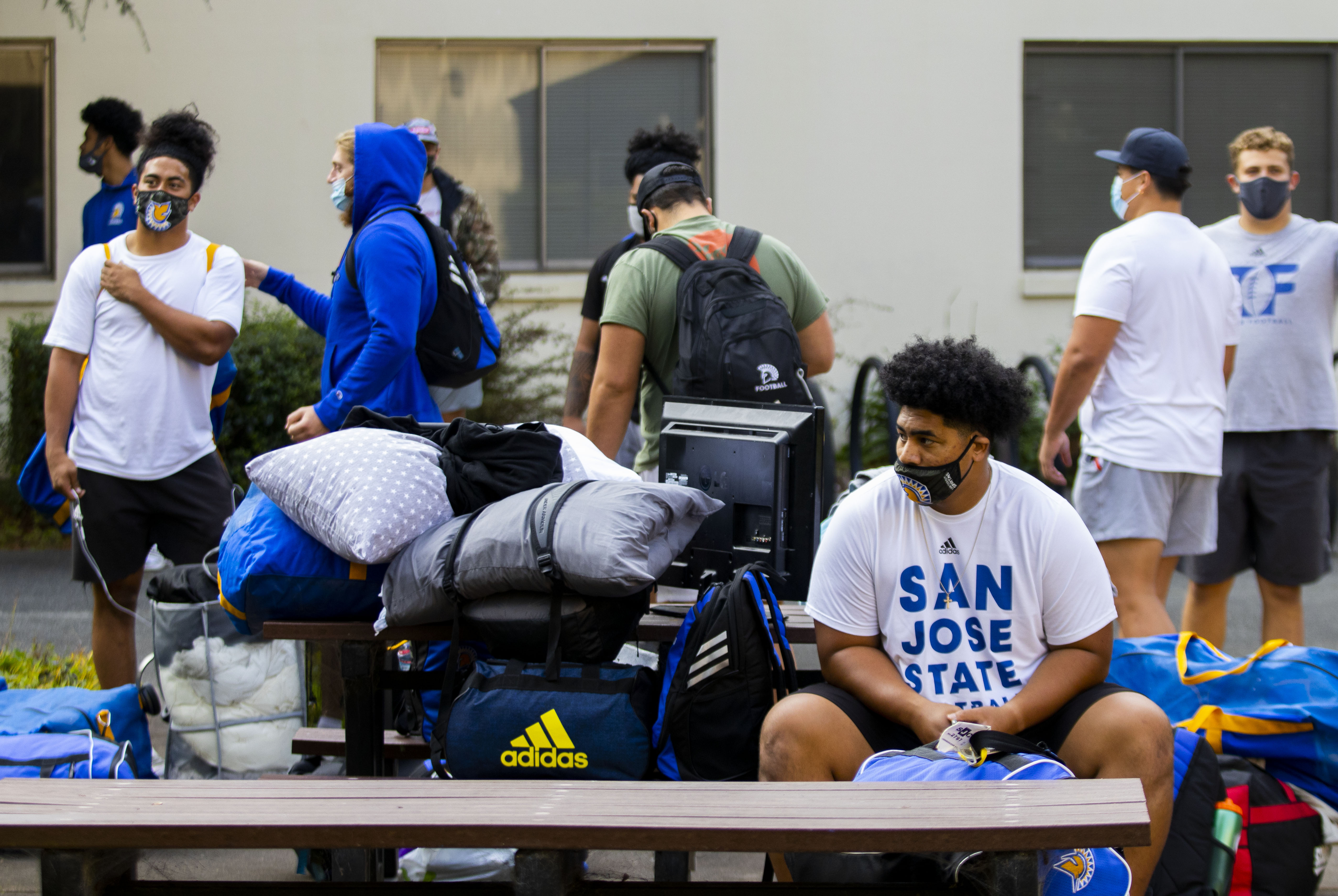
    On a day’s notice from administration, the SJSU football team spends a week and a half in Humboldt practicing because their county did not allow it. Students react to their presence on campus in the midst of a pandemic.

    Directed and produced by Dakota Cox.
    Contributors: Skylar Gaven & Thomas Lal

  • Maintaining a sustainable lifestyle during a global pandemic

    Maintaining a sustainable lifestyle during a global pandemic

    HSU students continue to pursue a zero waste lifestyle despite the additional obstacles presented by COVID-19

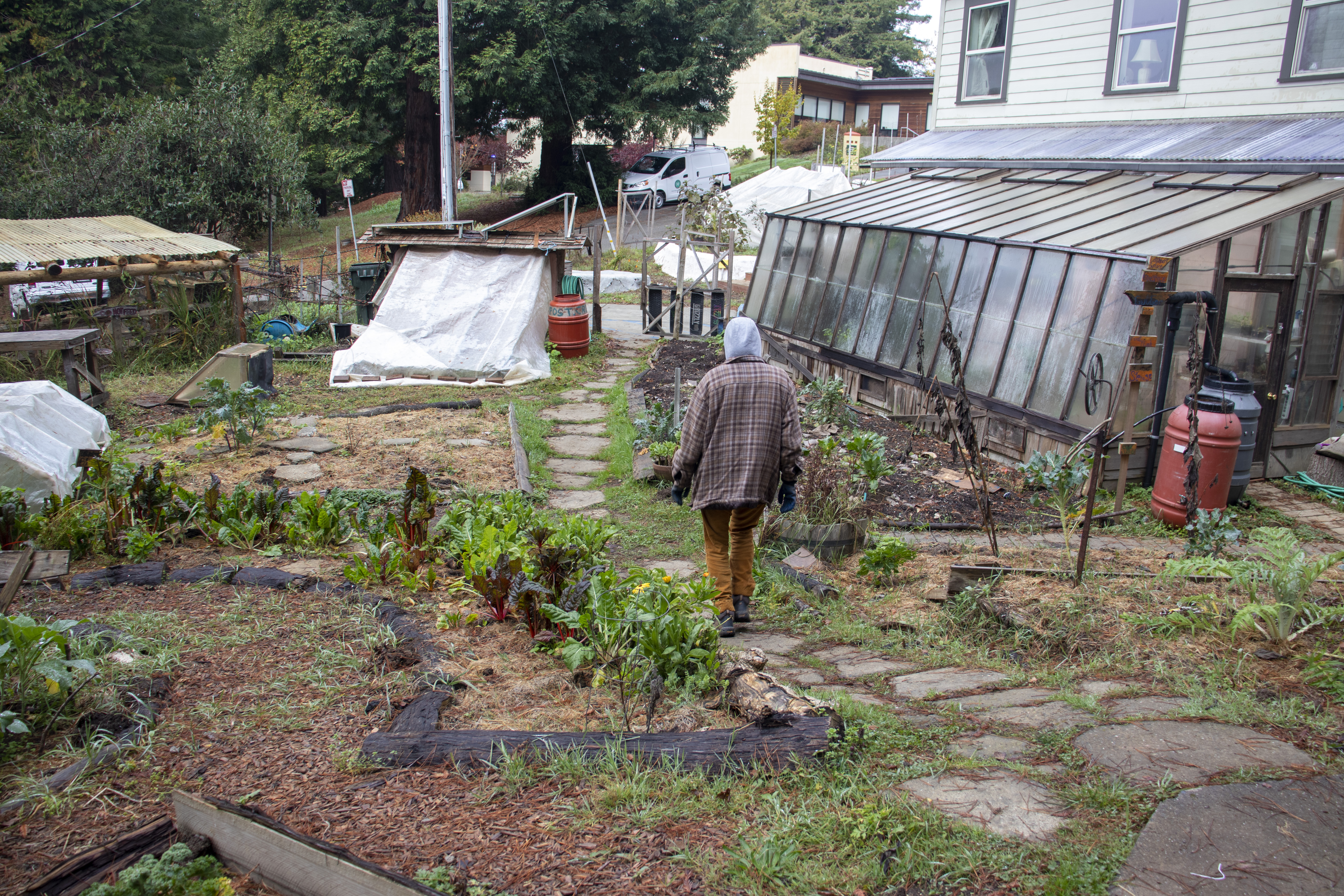
    Humboldt State University is synonymous with an eco-friendly, green lifestyle. This year, student sustainability values have been put to the test with a nationwide shutdown and a closed campus.

    Sage Palacils, freshman at HSU, was raised in a household that emphasized the importance of sustainability and has been living eco-consciously their entire life.

    “I’ve been practicing [sustainability] since I was young and the practice, more than the reasons are ingrained in me,” Palacils said. “I grew up really poor and we really didn’t have money to keep replacing things or not be sustainable.”

    Since the pandemic began, Palacils’ carbon footprint has been significantly reduced, after they moved to Humboldt and stopped driving. Palacils also found they don’t miss shopping in the massive malls back home in Los Angeles, because they don’t see a need to be flashy this year.

    “Since I don’t go out much, I don’t really buy clothes,” Palacils said. “I don’t really shop online. I kind of reuse the same clothes I have because of the pandemic.”

    This semester, Co-Director for HSU’s Campus Center for Appropriate Technology Klara Hernandez is attempting to provide students with a virtual substitute for the resources and sustainable living information they would have access to in a normal semester.

    “I feel like if I lead by example, people will become aware,” Hernandez said. “[I] just want to show that it’s possible that we can change individually. But at the same time, we have to attack this at the source, the corporations and big businesses, the people in power making the environmental impacts.”

    Hernandez originally got involved through their volunteer Friday events, which are not currently offered. The hardest part about being a member and leader of CCAT for Hernandez this semester has been having to turn away eager students because of the HSU’s pandemic policies.

    “We have to tell them no and it’s sad,” Hernandez said. “People really want to get involved and get their hands-on experiences, which is what we’re all about – providing that and serving the students, but we’re not able to.”

    HSU Waste Reduction and Resource Awareness Program Outreach Director Skylar Fisher believes the pandemic has proved the human race is ill equipped to tackle the much larger issue of climate change.

    “[If] we are not capable of responding to something as serious and as widespread as COVID, then we’re not gonna be able to be prepared for climate change,” Fisher said. “I’m very fortunate because I’m not extremely impacted by [climate change] yet, but you see all these communities that are and I think living sustainably is the least I can do.”

    Unfortunately, Fisher believes a majority of the sustainability advice floating around the internet comes from insincere influencers who are seeking an easy paycheck.

    “I think the current environmental movement is incredibly whitewashed. A lot of people having these conversations have taken it on more so as a fad than as something that they think can actually benefit our greater systems,” Fisher said. “It’s not so much about making a positive impact on the environment, it’s more so buying these products to make more products.”

    Practices like upcycling, thrifting, composting and growing your own foods can significantly contribute to a reduced carbon footprint. Fisher emphasized not putting yourself down for things your unable to accomplish, instead being proud of what you did.

    “It is impossible to expect everyone to be completely zero waste, but the important thing is to stay as aware as you can and reduce what you can.” Fisher said. “Just being aware, I think that’s the most important thing.”

    Given the precautions taken to prevent further spread of COVID-19, living a sustainable lifestyle has become significantly more challenging as stores safeguard their produce in plastic and purchasing in bulk items is no longer an option.

    “It’s super hard to get a hold of cheap, quality, low waste products and that has only gotten more difficult as the pandemic has progressed,” Fisher said. “[In the past] zero waste was the way that you lived if you couldn’t afford to waste, but it’s kind of been swapped now because plastic is subsidized, so it’s really easy for everything to be wrapped in plastic products. Which is hard on the consumer who now is blamed for wasting plastic.”

    For Fisher, the bottom line when it comes to waste reduction and sustainable living is that we all need to get involved and do our part in order to succeed and for species to survive.

    “[Reducing carbon emissions] is something that is very abstract to a lot of people but is very real and we need to understand that this isn’t just a competition to see how little trash we can throw out every week,” Fisher said. “There’s really real ramifications behind our waste output.”

  • Dorm students cling to the college experience

    Dorm students cling to the college experience

    Students living on-campus concerned as Humboldt County enters the red COVID-19 tier

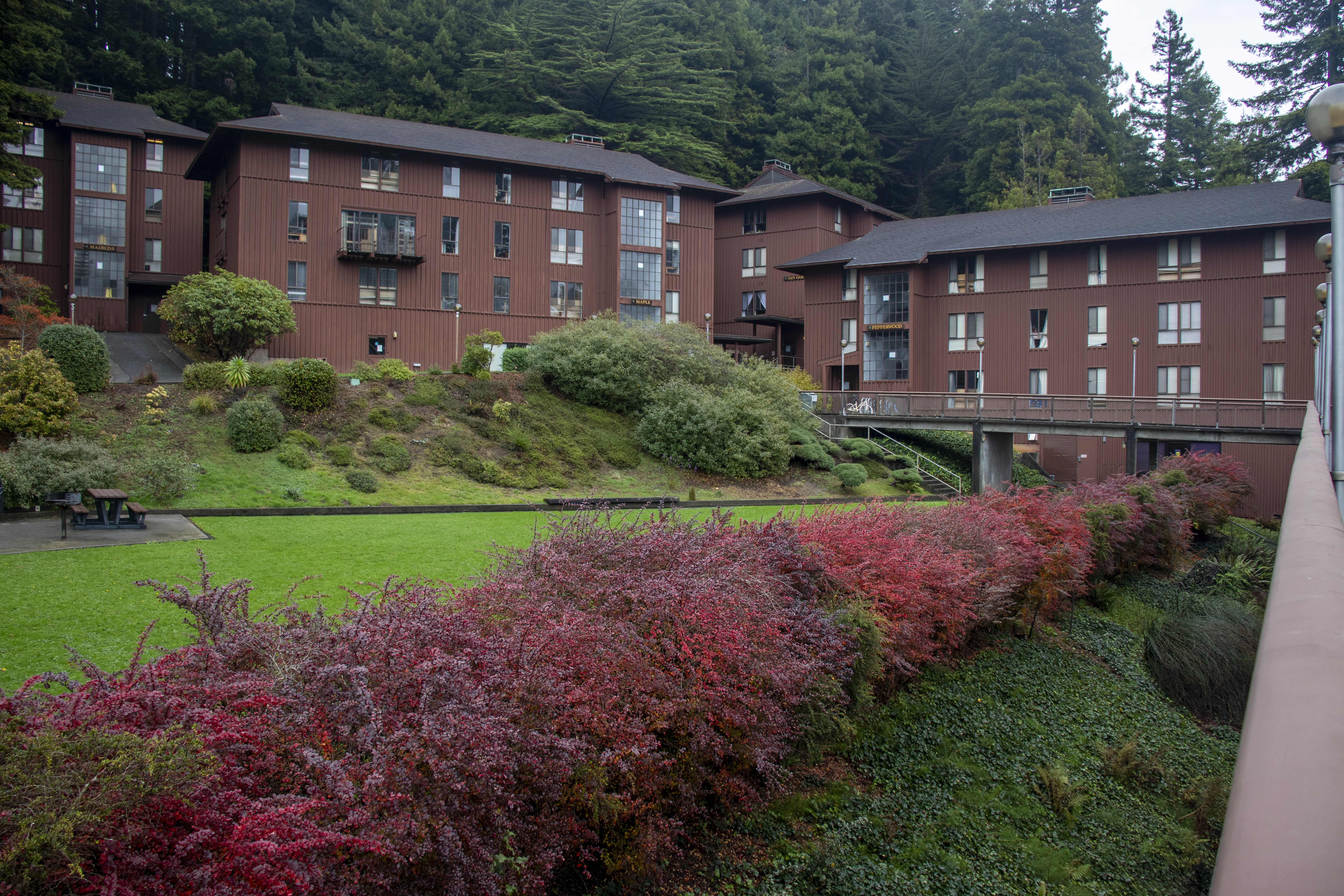
    Students living in dorms, on-campus at Humboldt State University received a sliver of the college experience offered in a normal semester.

    Eli Farrington, an undeclared freshman, came to HSU to escape an unhealthy home-life and an unsafe place to live during the pandemic.

    “I think it’s pretty safe [here], compared to where I came from, which is Oakland,” Farrington said. “Which is way less safe in terms of corona.”

    Farrington enjoys having a triple suit all to himself, but he’s nervous about sharing common areas and only goes into the kitchen to do his laundry. Having little in common with his dorm mates, Farrington spends much less time interacting with people than he expected on a college campus.

    “They put me in Tan Oak, which is the student athlete dorm and I’m not a student athlete at all,” Farrington said. “I don’t really have any friends in my dorm.”

    His appreciation for the nature surrounding campus, having friends from Oakland that came to HSU this year and family tension, Farrington plans to continue living on campus in the spring.

    “I’d rather be here than stuck at home with my parents and also [a lot] of my friends have gone off to college too so there’s nothing really waiting for me at home,” Farrington said.

    Lake Mcleod, a political science major, is another freshman experiencing college life behind a screen of a laptop. Mcleod came to campus intending to live every ounce of the traditional college experience as possible.

    “Being here is helping me experience new things,” Mcleod said. “Personally, for me, back home is a different phase that I’ve moved on from. So, being here, I’m able to grow into the person that I really wanted to be.”

    Given that the university has restricted student interaction opportunities this semester, Mcleod feels more of an emphasis should be placed on the behavior of students on campus.

    “I feel like most people are staying as safe as possible but I’ve still seen huge groups and things that are a little questionable,” Mcleod said. “Which the university can’t control everybody, but I feel like it could be a bit better in terms of restrictions.”

    Mcleod’s main concern is the lenient testing regulations for students who leave the area and interact outside of their bubble.

    Students living in the dorms were only tested upon arrival back in August. All testing and quarantining currently operates under an honors system but, Mcleod has personally met people who’ve broken it.

    “Random people that I’ve talked to have said ‘oh yeah, I’ve been here and there’ and it doesn’t sound like they’ve been tested when they come back or they haven’t really been social distancing,” Mcleod said.

    Mcleod was also bothered by HSU hosting San Jose State University’s football team earlier in the semester. Considering how dorm students are restricted to host guests from other areas of housing and no more than two people are allowed at a table in the J’s dining area.

    “I feel like it was hypocritical in a lot of ways,” Mcleod said. “Having a whole football team here from a different county, from [a place with high cases], for them to come over here where we had low cases, that didn’t really sit too well with me and a whole bunch of other people I know.”

    River Ruiz, a political science major, has been living in the dorms for the past three semesters. His biggest reason for returning this semester was his on-campus job with HSU dining services. His experiences this semester led him to begin searching for other employment opportunities.

    “They need to make a lot of improvements,” Ruiz said. “The population is dwindling a lot, so the current workers, they like overload [them].”

    Ruiz will be making separate trips home to Southern California for Thanksgiving and Christmas because he needs to work between the holiday breaks.

    “It’s just crazy,” Ruiz said. “Cause you’re scared that you might come in contact with someone and you can’t go home because you have to quarantine.”

    No longer having the same access to extracurricular activities, Ruiz is grateful to have work as a distraction from school, despite the risks and drawbacks of this semester.

    “I know a lot of people that live on campus and go to school, they just stay here all the time and they don’t really have a good college experience,” Ruiz said. “[This semester is] kind of depressing, but it’s a depressing time and everybody’s getting through it.”

  • Student employees unhappy with the university

    Student employees unhappy with the university

    Students show up to work despite stress, non-payment and fear of unsafety

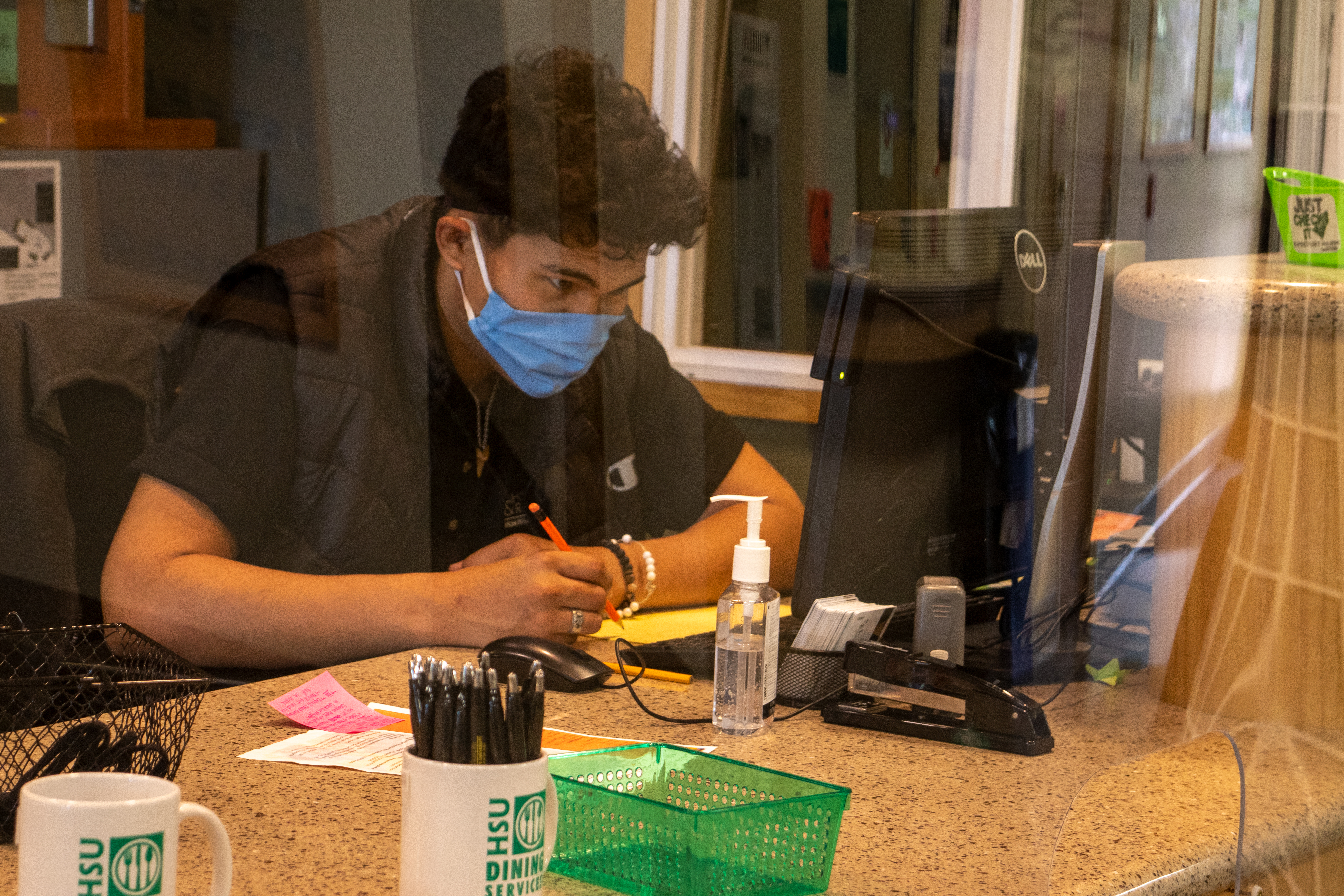
    José Juan Rodriguez Gutierrez is a second year Resident Student Service Advisor at Humboldt State University, which mostly involves providing general student assistance and taking phone calls. This semester, Gutierrez and the other RSSAs’ jobs added pandemic precautions.

    “We have new cleaning procedures at the start of every shift. We also have to get tested as employees,” Gutierrez said. “We also have followed the two week quarantine before any of us started working [and] if anyone leaves the county, that’s still being required.”

    When the pandemic began in the spring, Gutierrez and the other RSSAs were put on paid leave for the rest of the semester while the university developed a strategy for fall. For students like Gutierrez, returning home to Los Angeles wasn’t an option, so he spent the summer working odd jobs and searching for a long term back up plan.

    “If anything, LA was a lot worse during the pandemic,” Gutierrez said. “I decided it would be safer to stay up here and if school couldn’t employ me, I was gonna apply to some of the other local areas.”

    With education virtual this semester, many of the other RSSAs decided not to return to campus, reducing the staff to approximately half of what it was in the spring. According to Gutierrez, the most challenging part of the transition has been not having the authority to enforce proper pandemic protocols.

    “It’s been pretty disturbing seeing like groups of eight people hang out together since the first week,” Gutierrez said. “It takes like three, four days to get your [COVID-19 test] results and I think that even before people got them, they were already hanging out, walking in and out [of our building], and that is something that concerned me and many of my other co-workers.”

    Within his department, however, Gutierrez feels precautions are being taken very seriously and he takes comfort in the extra procedures that initially felt like a drag.

    “I feel like before this, we live in a society that was so set on doing things no matter what you felt, like your personal being did not matter,” Gutierrez said. “The fact that we can kind of rely on each other, that we’ve taken care of ourselves and we’re trying to do everything we can to stay safe, I feel like that’s been really rewarding and I feel that the sense of respect to ourselves and to others gets carried on out of this pandemic.”

    Lee Chase, Critical race, gender and sexuality studies major, got a job this semester as a Teacher’s Assistant in his department, after not receiving an offer to return to the the J dining services. The TA position offered a small pay increase. It wasn’t made clear, however, that he was being paid from a stipend that would max out.

    “That wasn’t communicated to me at the beginning of the semester,” Chase said. “I think ultimately it will be way below minimum wage if it becomes a stipend or if they’re not able to figure something out.”

    Along with likely receiving less compensation than he signed up for, Chase has yet to receive his first paycheck as of the first week of November.

    “I’ve been having a lot of trouble with paperwork cause usually they do this stuff in person, so it’s been really slow,” Chase said. “I would have expected them to be more organized in regards to payment and getting paperwork done and like, communicating.”

    Setting aside payment issues, Chase appreciated being able to conduct his work entirely online. Working from home, however, began to interfere with Chase’s education.

    “I put my camera off in my classes and just grade.” Chase said. “It’s simple work, you can kind of just get it done, but it does take time.”

    Along with grading, Chase also writes weekly assignments and collaborated with the professor in creating this semester’s midterm.

    “I feel like I’m learning a lot from just having to create questions and re-engage with the readings.” Chase said. “I’m learning a lot too just about what is expected in papers and responses and how to communicate what is expected to people, which is helping me in my other classes I think.”

    Destiny Aguilera, theatre arts major, worked at the Depot in the spring but was transferred to the Marketplace this semester after the Depot didn’t reopen. Like the RSSAs, dining service workers were not given notice about jobs until moments before the school year started. For Aguilera, this made the summer especially stressful.

    “To work on campus and to have that financial support was definitely a big factor [in staying].” Aguilera said. “Also, my partner and I didn’t have the funds to move back to Southern California [or] Minnesota where they live, so we had to figure out how to make it work up here.”

    New management and a significantly reduced staff presented additional challenges at the Marketplace this semester. In Aguilera’s case, this means sacrificing some of their rehearsal time in the theatre department to accommodate a less flexible work schedule. What really bothers Aguilera is HSU’s laid back approach to the threat of COVID-19.

    “A lot of the people who work on campus, like at the Marketplace, weren’t told that we had to come in and get testing done in any aspect,” Aguilera said.

    Aguilera also has serious concerns about serving students who don’t respect the social distancing protocols dictated inside the Marketplace. With a full schedule of classes and limited local opportunities available, however, Aguilera doesn’t have another option.

    “The honesty policy works, unless someone decides to be dishonest and that factor is always a little bit scary,” Aguilera said. “A lot of us don’t live on campus, we go home to other people and families and stuff. We don’t get to go home and just isolate and it’s hard when students disrespect the policies on campus.”

  • Students contemplate not returning for spring semester

    Students contemplate not returning for spring semester

    HSU exclusively reverts back to online instruction on Nov. 9 and students aren’t happy

    As Humboldt State University transitions back to exclusively utilizing online instruction starting Nov. 9, students return home for the holiday season. Traveling students are faced with the difficult decision to return to campus for the spring semester.

    Diego Celis is a cellular molecular biology major with two semesters left until graduation. Celis has off-campus housing and a kitchen job in Humboldt. He expects to return for next semester after spending the holidays with family.

    “I think my biggest incentive [to come back] is definitely just to have my freedom up here,” Celis said. “I do have family back home, but I can’t move back home because I have a dog and my family is all split up, so there’s not really anywhere that I can move back to.”

    Online instruction had a significant impact on Celis’ education which reflected most prominently in his grades. He felt online learning created a disconnect between lecturers, students and information retention.

    “I hate it. I hate it so much,” Celis said. “It’s not immersive. It’s pretty disconnected. They’re just sending you information and your absorbing it all as best you can, kind of teaching yourself.”

    Judith Escobar, a zoology major, originally decided to come to HSU because of its positive reputation regarding hands-on learning. Escobar has found online learning especially obstructive to her education and lab work.

    “I can’t really learn how to work with the tools and the instruments correctly,” Escobar said. “Right now, for chemistry and biology I’m just looking at my professors doing the lab and it doesn’t really do me any justice.”

    Diego Naranjo, freshman at HSU, lives in the dorms. Naranjo feels the greatest impact from online learning on the lack of social interaction with classmates.

    “Online has been pretty tough,” Naranjo said. “I think socially, I kind of depend on going in class and having a different setting, so that’s been really difficult.”

    Without any in-person classes this semester, Naranjo feels disappointed in the college experience currently offered by HSU.

    “I kind of thought there would still be activities that are encouraged,” Naranjo said. “I just wish there was more stuff going on.”

    Despite the experience falling short of Naranjo’s expectations, the times he spends mingling with like-minded learners, makes him grateful he choose to come to Humboldt.

    “My head space has changed and my mentality towards school has changed a lot,” Naranjo said. “Being up here has definitely changed my perspective on a lot of stuff that I don’t think I would’ve had, had I stayed in my hometown.”

    Naranjo plans to return to Humboldt in the spring, after heading home for the holidays.

    “[Learning online] really taught me how valuable in-person stuff is and human connection is,” Naranjo said. “I don’t think this is gonna end any time soon, so I just hope that the school gets better at moving with it, rather than kind of waiting it out for things to go back to normal, which it seems like is happening right now.”

  • COVID-19 hits student parents with a hurricane of obligation

    COVID-19 hits student parents with a hurricane of obligation

    Humboldt State students with children carry the weight of multiple educations this semester

    Carrie Tully is a single mother in the graduate program at Humboldt State University. Having completed all of her course work in the spring, Tully holds down two jobs and assists in her daughter’s education while completing her own graduate thesis.

    “I haven’t been doing very much thesis work at all,” Tully said. “Things are really not going as according to what I thought my plan was gonna be when I entered grad-school.”

    Tully’s daughter attended preschool last year through HSU’s Children Center. This year, she’s attending Fuente Nueva Charter School where all of her instruction is online.

    “It’s hard for her, it’s hard for me, of course. Children her age need socialization and that’s mainly what they are supposed to be doing in school right now,” Tully said. “It’s really nearly impossible for them to do that via Zoom.”

    Beyond her daughter’s quality of education, Tully is stressed about her daughter’s emotional education suffering.

    “I don’t have the financial or mental ability to be able to be 100 percent present for her all the time,” Tully said. “That’s the hardest part. She needs attention, I need space to do good work and it clashes.”

    Between Tully’s two jobs, her thesis project and playing a leadership role in HSU’s food sovereignty lab project, she spends the majority of her day in Zoom meetings. After a full day, Tully has little energy to give her daughter and she is usually greeted with an explosion of a mess.

    “Cars, toys, cards, books, stuffed animals everywhere,” Tully said. “That’s when parents have mini panic attacks. Like, I’ve been on Zoom all day long and I just need to take a break and sit down but I can’t because my couch is covered in stuff.”

    Tully said the lack of personal space in constantly being around each other also proves challenging at times.

    “Just like any relationship,” Tully said. “You need to be able to be apart in order to really appreciate that love.”

    Between managing work and her daughter’s progress in school, Tully has had to sacrifice a great deal of time she originally planned to spend on her thesis.

    “To me, the most important thing that I need to be focused on right now is my child’s education,” Tully said. “Because I’m in my mid thirties and I have my education. I have my career things that I’m working on. I can go with the flow.”

    Carrie Tully’s daughter Kallie Gregg attends kindergarten virtually from her room this semester. | Photo by Carrie Tully

    Sayde Mendes is a business major and mother of three children, ages 2, 9, and 11. Thanks to the transition to online classes, on top of parenting responsibilities and pursuing her own education, Mendes has to provide an education for her children.

    “No matter how much teachers try and how much they do,” Mendes said. “There’s still quite a hefty reliance upon parents.”

    In her senior year of high school, Mendes was date raped and suffered a brain injury when she was rehydrated too rapidly at the hospital. The injury caused her to lose control of her motor skills and forced her to relearn all functions virtually. Mendes also suffers an intellectual disability, impairing her power to both pursue her own education and her childrens’.

    Mendes’ husband spends the majority of his waking hours at work, leaving her with little time and energy to complete her own responsibilities like work, school and providing for her children.

    “I feel like I have to kind of push them away sometimes, because I need to be present for my class,” Mendes said.

    While HSU only offers tutoring to students and not their children, the Childcare Center continues offering its services to student parents five days a week at approximately 50 percent capacity to meet COVID-19 protocols.

    Grants are available to students whose incomes qualify for reduced or no cost for childcare, through California’s Early Head Start program.

    According to Director Steve St. Onge, the most challenging part of operating during the pandemic is keeping the children in line with regulations.

    “I gotta tell you, having a 2 and 3 year old wear masks is not easy,” Onge said.

    Onge’s daughter attends kindergarten two days a week for two hours, leaving him as the majority role in his child’s education this year.

    “I think I would speak for many of us parents of children in school that are also working,” Onge said. “Our days start earlier and end later. We’re still getting the job done, it’s just taking us a lot longer to do it.”

  • Screens are losing their novelty

    Screens are losing their novelty

    Life and Arts editor, Dakota Cox, speaks on his shifting perspective towards technology.

    2020 has tainted the relationship between humans and screens.

    When I was a child, my favorite thing in the world was my Gameboy. I was only allowed to play on long car trips or the rare occasions when a friend spent the night. My favorite game was Pokémon, of course. I remember the satisfaction I felt after beating the game for the first time. Those were the days before YouTube tutorials when discovery in games meant something.

    When I grew older, I replaced my Gameboy with an out of commission iPhone I found one day in a crack of the couch in our family room. It served me well as an iPod for years until it finally refused to accept a charge and became replaced by my first official iPhone.

    That phone met a violent end far before its time. It wasn’t missed. The replacement that sits in my pocket today has aged noticeably over the years having been through more than most. It will also not be missed.

    Over the years, whether it be a computer, a television or a phone, there’s always been a screen at the center of my life. Though they may not always have received the majority of my time, the ideas attached to screens have almost certainly played a dominant role in my decisions since they were introduced to my life.

    All it took was a taste and I was hooked, now I understand why my mom warned me about drugs. I only wish she’d known the damage a single screen can cause.

    When I was 10 years old and my brother Yoshi was born, my mother more or less granted me the trust to make my own decisions. For me, this meant staying up till 5 a.m. watching Netflix, playing Skyrim and sleeping in until 2 p.m. Those were the days.

    When I started living away from home, I began spending more time than ever in front of screens. They were no longer just an optional escape, they’d also become a regular part of my college education.

    Now with the pandemic and online learning, the time spent in front of screens has crossed the threshold to a place of dread.

    The once exciting prospect of a notification arriving on my phone is ruined by the endless nagging of unfulfilled responsibilities and classes I spend hard-earned money on to attend.

    The little quality time I get to spend with family in the pandemic has become corrupted by the constant presence of screens.

    Aside from hiking, almost every moment I was with Yoshi over the summer was spent playing the latest video games and half-paying attention to the shows playing in the background.

    When I have time to spend the weekends with my Mother, I wake up before 7 a.m. for work and don’t get back until 5 p.m. By then, I’m exhausted and I’ve got a pile of stories to edit, if I don’t have to write one myself, along with whatever homework I couldn’t finish during the week.

    My mom is mostly glued to her phone and outside of an occasional board game or family movie, we retire to our respective rooms. Is this what life has come to?

    Screens can be used to accomplish great achievements as tools or produce great joy as toys, however anything over-used can become unhealthy. So, give your poor brains a break, I know mine needs one!

  • WRRAP’s fifth annual Zero Waste Conference goes virtual

    WRRAP’s fifth annual Zero Waste Conference goes virtual

    HSU’s eco awareness program continues providing support to campus during the pandemic

    Humboldt State University’s Waste-Reduction and Resource Awareness Program team will be hosting seminars and workshops online, raising awareness of environmental justice, local resources, the zero-waste lifestyle and providing eco-friendly DIY techniques, like making your own deodorant.

    This year Oct. 19-23, WRRAP will be holding its annual Zero Waste Conference virtually.

    The virtual setting grants more accessibility for speakers to attend. Beyond the clothing swaps and physical demonstrations, WRRAP sacrificed the semester for the safety of students. The new policies come at the cost of student interaction.

    Amanda McDonald, WRRAP’s program manager, said the biggest obstacle in their path this semester is reaching students.

    “Typically, there’s multiple table events that we work throughout the semester that really get students engaged in waste reduction just by walking through the quad,” McDonald said. “That kind of interaction is so much harder with students being online.”

    The WRRAP staff is smaller this semester, they are still provide students on campus with resources through the Reusable Office Supply Exchange program, the Bicycle Learning Center and the campus compost project.

    The ROSE program simultaneously reduces waste and provides students with free access to school supplies donated by the community and former students.

    Sam Kelly, director of ROSE, said the program is operating as usual with extra precautions and shorter hours of operation.

    “We definitely have more stuff in here right now than past semesters,” Kelly said. “Just because we don’t have a lot of people coming in and taking it.”

    The BLC, located on the eastern end of the Redwood Bowl, is offering free bike repairs to students, staff and faculty. Service differences include wearing masks and social distancing during repairs.

    COVID-19 restrictions currently forbid the BLC from allowing volunteers, which has forced them to cut back their hours.

    Justin Delgado, a BLC instructor, said it has also made the days a lot longer without someone else in the shop.

    “Typically we get about one person, at least when I’m here, per day right now,” Delgado said. “It used to be prolly five or six.”

    The compost team continues providing campus with their weekly services, however with a fraction of the employees present, their load is significantly lighter.

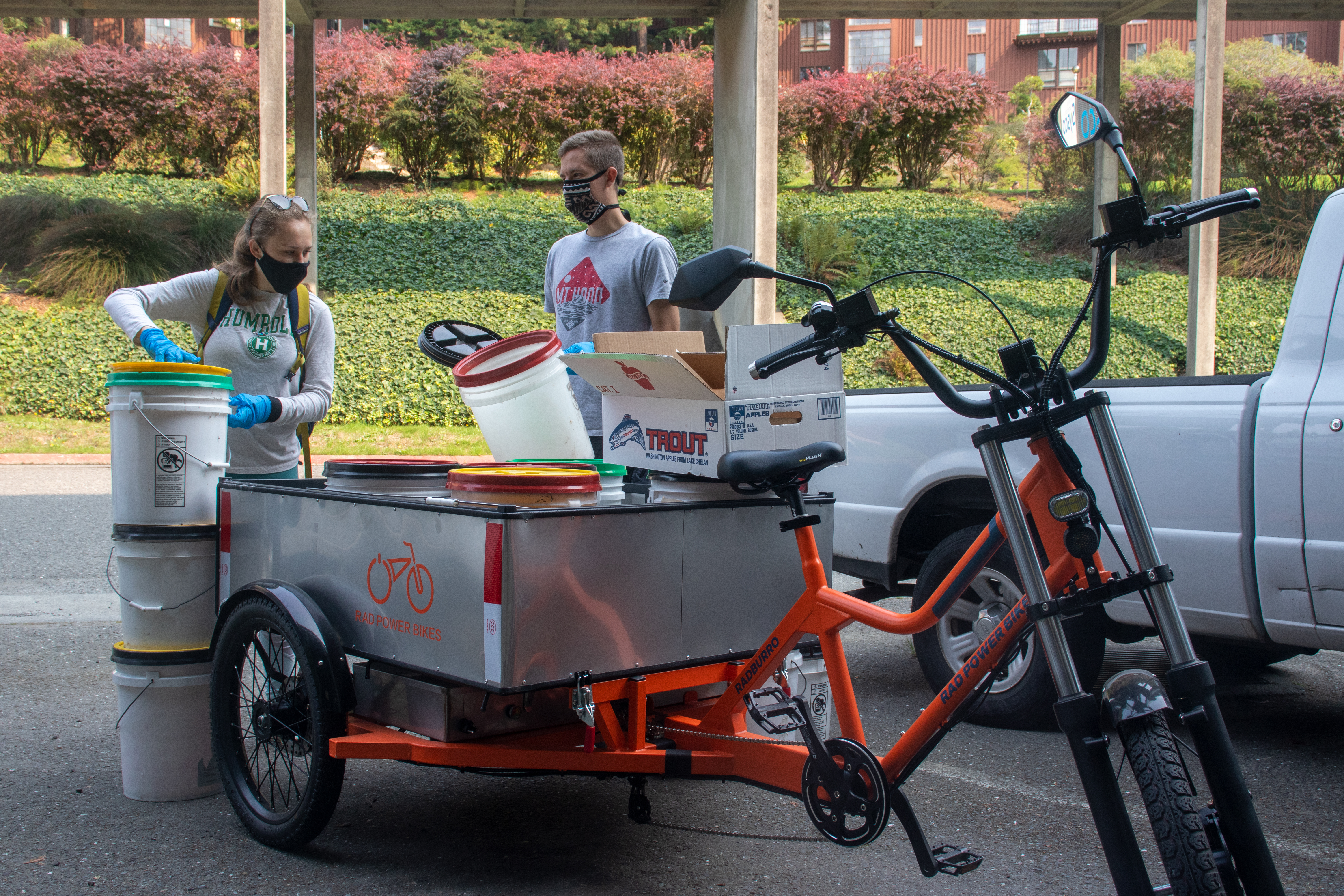
    The team recently made the switch to an electric mountain bike this semester for compost collections. While much more energy efficient than the electric facilities vehicles they used in the past, in its current state, the trailer they’re hauling behind the E-bike can only hold a fraction of the buckets.

    WRRAP’s compost collection process has switched over from electric facility vehicles to an electric mountain bike for energy efficiency. The downside to the switch, is the trailer the bike pulls behind it can only hold a fraction of the compost buckets.

    Krissi Fiebig, the director of the compost branch of WRRAP, said they intend to team up with the BLC and modify the trailer possibly into a tower to fit more buckets.

    “I don’t know how aerodynamic that would be,” Fiebig said. “But it would get the job done.”

    The compost team is beginning a new partnership with the Campus Center for Appropriate Technology, allowing students access to properly dispose of their food waste. Additionally, providing free fertilizer towards the end of the semester, to any students who show up.

    McDonald expresses concern in the programs future with several of the student staff members expecting to graduate in the spring. Finding replacements will be challenging given the virtual format that’s currently planned for the rest of the academic year.

    “I’m just nervous that it’s going to harm the integrity of the program,” McDonald said. “When we do hire new people, I want them to understand the history of this program and the legacy that they’re stepping into and carrying on.”

    Though they can’t currently accept casual volunteers, the WRRAP team currently has intern positions available and leadership positions opening soon for students interested in the future of our planet.

    “Being one of the people on the WRRAP branches really helps to remind me to reduce my own waste,” Fiebig said. “And just to be more conscious than I already was of the things I consume and what I do about my life.”

  • Music of the Moment 6

    Music of the Moment 6

    21 Savage and Metro Boomin drop a classic with “Savage Mode II”

    April 23 came and went last semester without a 21 Savage concert at Humboldt State University. Thanks to the pandemic, students like myself felt cheated.

    The sequel to Savage and Metro Boomin’s 2016 EP “Savage Mode,” delivers and, is worth the six month delay from its initial release date.

    Fresh off of receiving the 2020 Grammy for best rap song with “A Lot,” featuring J. Cole, Savage is back with Boomin and unlikely narrator Morgan Freeman, whose alone is enough for anyone to give “Savage Mode II” a listen.

    Similar to Savage’s solo albums “Issa Album” and “i am > i was,” “Savage Mode II” was dropped without any promotional singles leading up the release. Instead, they promoted the album with a trailer. Narrated by Freeman, the trailer ends with only a brief snippet of “Many Men.” Referencing the classic 50 Cent track and sampling his original chorus near the end of the song. One of the strongest moments on the album.

    One of several narrations from Freeman, starts with speaking to a greatness that can only be accomplished when brilliant minds collide. Track two, “Runnin,” opens with Savage delivering a villainous laugh.

    From the first song, Savage has your attention with his signature Slaughter Gang style and the first of many creative, simple and especially catchy hooks. Sticking to a pattern of two verses and a chorus on each song, with occasional intros and outros, Savage never overstays his welcome on a track.

    The variety of vibes Savage is able to create on the new project is all made possible by the range Boomin displays on the production end. He boasts his artistic vision on tracks like “Slidin” where Boomin recreates the beat to the original project’s standout record “No Heart.” He does this again on “Said N Done,” recreating the beginning of “10 Freaky Girls” from his own album for the background of the chorus.

    Savage provides listeners with a collection of hits catering to a much larger chunk of the mainstream audience than with past projects. Savage does this without compromising the content his fans have come to expect from him.

    Don’t get it twisted, “Savage Mode II” is very much a sequel to the project that launched Savage and Boomin into the mainstream. Aside from a few tracks near the end of the album, including “My Dawg” and “No Opp Left Behind,” Savage reflects on his past, the overwhelming majority of Savage’s lyrics revolve around the topics of murder, money and meddling with monogomy.

    Regardless of your feelings towards the message of his music, Savage delivered the most enjoyable overall performance of his career. Supported by the most varied and arguably strongest release we’ve received from Boomin, “Savage Mode II” will no doubt go down as a classic.

  • Music of the Moment 5

    Music of the Moment 5

    After shooting Megan Thee Stallion, Tory Lanez cancels himself

    Back in June, rapper and R&B singer Tory Lanez was freshly released from his label and experiencing unprecedented success with the Quarantine Radio show he performed on Instagram Live, his career at an all time high. As quickly as he rose, he sunk exponentially, when what started as an unclear altercation evolved into an unthinkable assault.

    For over a month, the July 12 incident was left to mere speculation. Megan Thee Stallion, the other party involved, finally took to Instagram Live on Aug. 21, to explain her side of the story.

    “Tory shot me,” Stallion said.

    In the weeks leading up to her statement, Stallion was receiving a mix of sympathy and accusations, despite releasing the X-rays showing proof of the bullet wounds.

    Lanez remained silent on the matter until releasing the album “DAYSTAR,” Sept. 25, only two days after Breonna Taylor’s killers were let off without justice. On the project, he persistently denies any wrongdoing regarding the incident and outright accuses of lying.

    Lanez’s unabashed decision to capitalize from the situation, only providing his side of the story through a product, and his incessant claims of innocence ultimately detract from his credibility and have led many of his supporters to abandon him.

    Heavily feeding into the backlash of supposed friends, Lanez fires shots at several rappers, singers and most viciously, Los Angeles Lakers’ small forward J.R. Smith. While entertaining, the “Me Against the World” approach leaves a bad aftertaste. Given the opportunity, Lanez consistently takes the low road, rather than owning up to any of his mistakes or at least acknowledging the severity of the situation.

    Concerning the quality of “DAYSTAR,” the beat selection, various flows and word play are just as good as any other Tory Lanez album. The sonic range he displays between the two genres he occupies would normally be enough to satisfy the average listener, however, his fixation on the incident and the two-dimensional account he provides make it both agitating and boring to listen to entirely in one session.

    Lanez fails to deliver any form of apology or explanation on the album for whatever occurred on the night of July 12. Instead, he calls Stallion’s account into question and implies he’s the one due an apology, using good production to punctuate his empty argument.

    When it comes down to it, the album sounds quite good, so long as you’re not actually listening to the lyrics. Even then, the sting of the initial reaction wears with each play for those willing or perhaps careless enough to silently condone the behavior. Lanez challenges his haters, however, providing what would normally be received as a hit with “Just Got It Done” as well as an otherwise undeniable classic with “Care For You.”

    The question is, can a hit record or even a potential classic save Lanez from sinking out of the spotlight? Or is the wound simply too raw for him to survive a tasteless response like this?

  • The HSU ceramics department fires back up

    The HSU ceramics department fires back up

    Experienced ceramics students are back in the lab this semester

    Following a graceless transition to online learning in the spring, ceramics students are receiving a drastically improved experience this semester.

    When the COVID-19 pandemic first went into effect, forcing students to finish the spring semester from home, ceramics students were among those who drew the shortest stick.

    According to Ryan Hurst, who has been teaching ceramics at HSU for nine years, when classes were moved online, the hands-on experience that students signed up for was no longer possible. They were instead tasked with drawing up sketches, studying research and development and critiquing other artists’ works.

    “It wasn’t ideal,” Hurst said.

    This semester has been a continuous adjustment according to Hurst. Gaining access to the building as well as the proper equipment to record demonstrations over the summer was an uphill battle.

    “I didn’t get either of those things until two weeks before it started up, so the plan kind of went out the window,” Hurst said. “I’d reformulated plans leading up to the end of the summer and some are working and some aren’t, but it’s a crazy adjustment.”

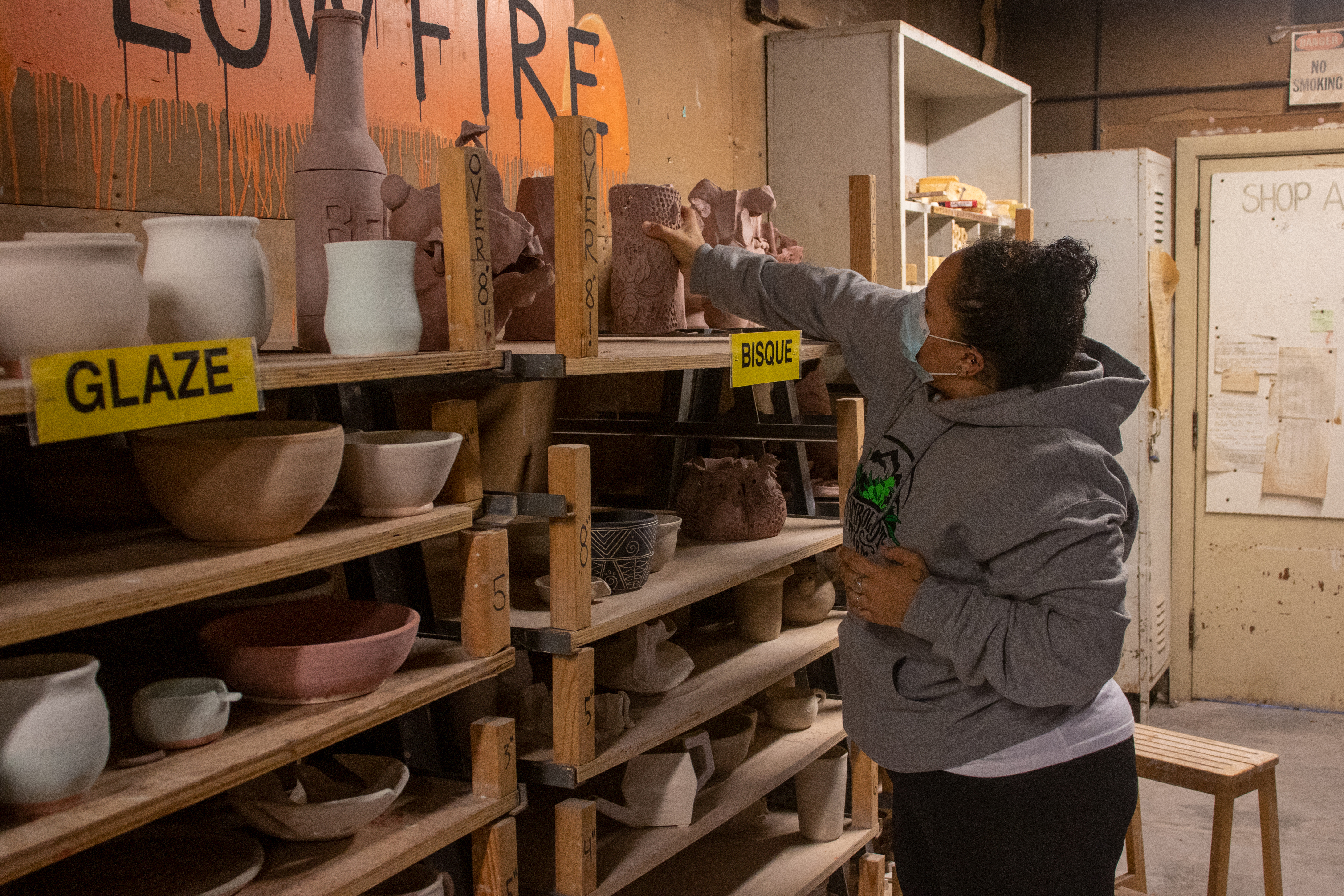
    At the start of the fall semester, each student was given a kit to take home, including basic ceramics tools and the clay they would receive in a normal semester. Beginning ceramics students will be creating almost entirely from home this semester, because of the new lab capacity put in place by COVID-19 protocols. Meanwhile, intermediate and advanced level students are granted some access to the building, with portfolio development students receiving first priority.

    “They have paid their dues and deserve the last moments of their academic career to do as much as time allotted them,” Hurst said.

    Jenna Santangelo is a former student and now lab technician for the ceramics department. After six years of classes, this is Santangelo’s first year as a staff-member. According to her, the beginning students are able to accomplish almost all that’s required of them in a normal semester from the comfort of their homes, assuming they possess the space.

    “Working at home is possible,” Santangelo said. “But it’s pretty messy and a lot of people don’t really have the space necessary for it.”

    Melissa Martin is a graduate psychology major with an emphasis in academic research. She takes ceramics as a therapeutic ritual each time she’s nearing the end of a chapter in her education. This semester, she’s preparing to close the final chapter as she puts the polishing touches on her thesis. Taking the beginning ceramics course this semester and not having access to a lab has changed the way Martin approaches her projects.

    “I think that you’re a little bit more restricted of how much work you can actually do,” Martin said. “I also was a very avid wheel thrower, so that’s also been a real big challenge. Now I’m doing a lot of hand building stuff so I really have to hone in on different skills.”

    One thing not included in the kits the university handed out to ceramics students this semester was a proper kick wheel for throwing pottery.

    “The kick wheels are, I think, like 400 pounds,” Santangelo said. “Which isn’t really feasible for most students to move.”

    Despite the disappointments and also experiencing challenges with creating a comfortable workspace at home, Martin is remaining optimistic.

    “We’re just learning how to be resilient in this world. We’re still trying to accommodate the best that we can,” Martin said. “But it is still a challenge and we’re still learning little bit by little bit, each time.”

    Maximus Landon is brand new to the ceramics program this semester. Landon took the class in hopes it would help them enjoy school again. Unfortunately, the barriers introduced by the online format have taken away from some of the enjoyment.

    “Because I’m really new to all of this, I’m not entirely sure what exactly I’m doing,” Landon said. “I’m not sure if I’m scoring things wrong and I’m not sure if I make this dent too large if it’s just going to have the entire side fall off, so it’s a lot of trial and error by myself and it’s not very fun for my anxiety.”

    Likewise, Hurst has been very anxious this semester about the safety of his students and the quality of their education.

    “It’s definitely not an ideal thing,” Hurst said. “But a lot of students have just been really happy to still be able to work with clay, even if it is at home.”

  • HSU Considers UPD chief candidate: Jason Wade

    HSU Considers UPD chief candidate: Jason Wade

    Captain of the University of Oregon police department, Jason Wade, puts his hat in the ring for UPD chief at HSU.

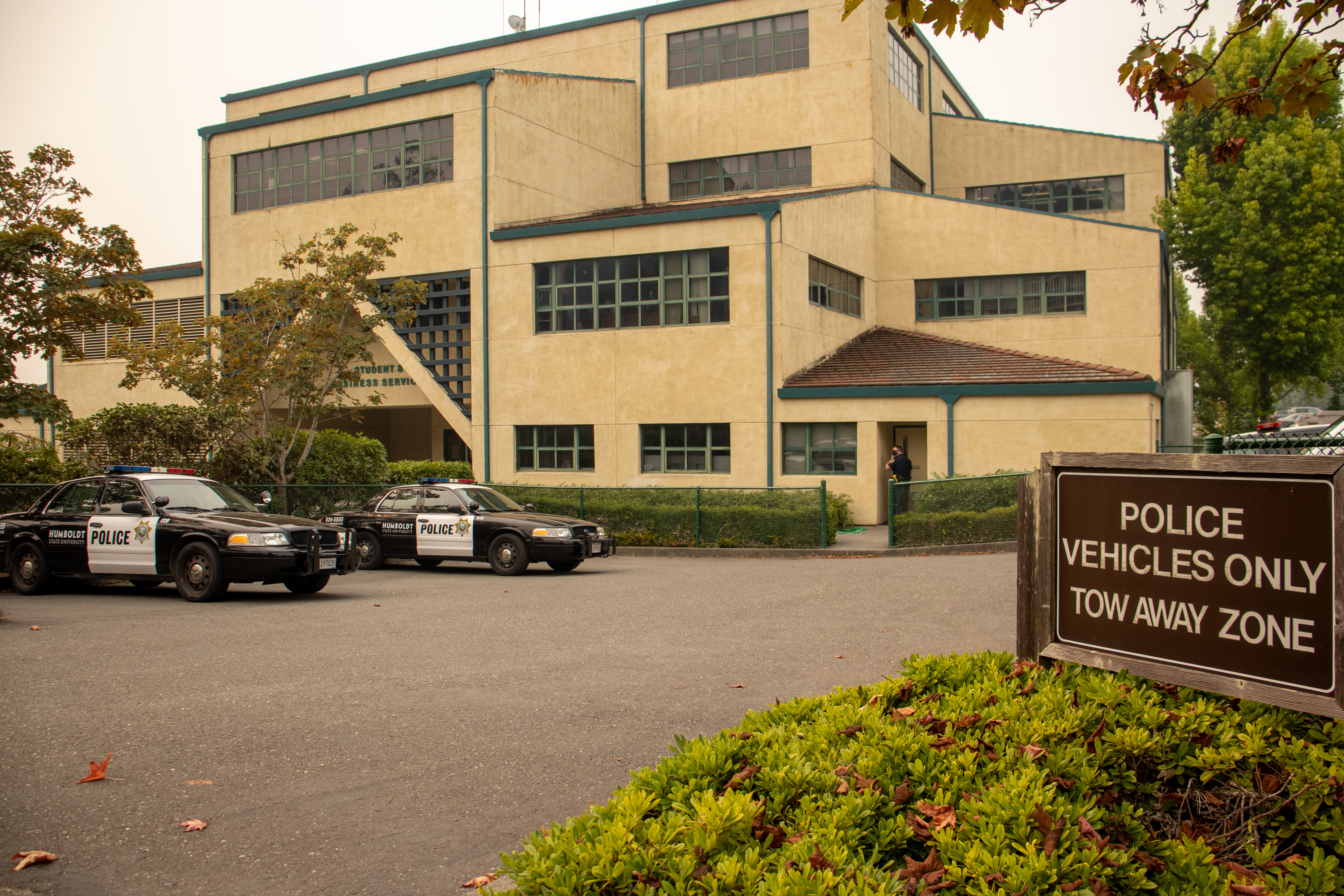
    Following the retirement of former chief, Donn Peterson, in the end of May, the University Police Department has begun its official search for a new chief. Current captain of the University of Oregon Police Department, Jason Wade, is one of the two candidates currently in contention for the position.

    Wade has more than 20 years of experience in law enforcement, working primarily for the University of Colorado, Boulder Police Department and for the past six years with the UOPD. In his time with the UOPD, Wade has served as an instructor and director for their cadet academy, developed their body camera program and served as the internal affairs investigator managing the background process for new employees.

    In today’s atmosphere of nation-wide calls for radical change regarding the country’s law enforcement system, Wade believes that rather than defund police departments, we need to re-think them.

    “The police in the past were seen as the catch all. You know, if you have a problem you call them,” Wade said. “And the expectation was that they were able to respond and serve equally no matter what.”

    Wade is of the mind, not every call for service requires the response of a police officer and that many non-violent calls would be better handled by mental health professionals.

    “The police still are responsible for enforcing the laws and keeping people safe but how can we better address those issues,” Wade said. “That’s one of the largest levels of police reform, is the calls for service and how we respond with what we respond with.”

    According to Wade, the benefit of having a campus police department, in specific, is the collaboration with the university that wouldn’t take place with a city department.

    “The campus police department can be brought forward to help the campus,” Wade said. “We can be trained. We can work with the campus to develop the department that the campus needs.”

    Campus police departments can also be held to a higher level of accountability by the university. Given the job, Wade plans to implement the policy work groups system currently in place at the UOPD.

    The system involves reading every new policy or change in policy at the UPD to a community panel made up of students, staff and faculty of the university who are given the opportunity to weigh in on each policy.

    “At some level there has to be oversight that allows the community to see what occurs behind the walls of a department,” Wade said. “So, they know that if a complaint, an allegation of misconduct or something is going on inside the department, that it’s being handled and handled appropriately – and if there is misconduct, that we’re taking measures to not let it happen again.”

    When Wade started as a young police officer, he said it was all about how many tickets he would write, how fast he could drive and the fancy gadgets he got to play with.

    “That was the mindset back in the late 90’s,” Wade said. “There were problems then, but we didn’t address them. We didn’t have the concepts of implicit bias training or crisis intervention training. I’ve seen change occur, but we’re not there, where we need to be, yet.”

    Ultimately, Wade believes, rather than acting in the interest of whoever is in power, a UPD has to hold the best interest of the entire community above all, in order to succeed in creating a safe learning environment for students.

    “This should never be the ‘Jason Wade’ Police Department,” Wade said. “Because that will not be successful.”

  • Music of the Moment 4

    Music of the Moment 4

    YoungBoy Never Broke Again dodges the sophomore slump with his new album “Top.”

    Two years and six mixtapes since the release of his debut album, “Until Death Call My Name,” YoungBoy Never Broke Again has returned with his sophomore album, “Top.”

    Boasting sixteen solo mixtapes at 20 years old, YoungBoy is an artist who thrives on flooding the market with music. When it comes to releasing an album, however, YoungBoy has proven to follow a much more selective process.

    With “Until Death Call My Name,” YoungBoy delivered infectious performances either vocally, lyrically or both on all 20 tracks of the deluxe version. Paired with flawless beat selection, the album is a strong candidate to someday be looked back on as a classic. Now, with “Top,” YoungBoy carries that same infectious performance and flawless beat selection throughout the 21 track album.

    It’s clear on “Top” that YoungBoy has mastered the art of melodic rap. With two or three possible exceptions out of 21, YoungBoy delivers undeniably catchy hooks that often come off as effortless. With the tracks “Right Foot Creep” and “Big Bankroll,” YoungBoy doesn’t bother to establish a pattern and the hook still hits. The unique appeal of “Top,” however, is YoungBoy’s pairing of two, three or as many as four hooks on a single track, disguised as intros, outros, refrains or even within the verses – “Sticks With Me” being a prime example.

    Unlike YoungBoy’s first album, where the goal was to create a record catering directly to a mainstream audience, “Top” is packaged with several songs made specifically for his street supporters. While the tone of the tracks are generally abrasive, YoungBoy frequently flip-flops flows in each song, consistently delivering multidimensional-tracks that maintain mainstream appeal.

    Even on songs with less aggressive tones, like “House Arrest Tingz,” YoungBoy’s subject matter is focused in the streets and saturated with heavy themes of violence. While a deterrent for some people, there’s no question concerning the authenticity of the experiences YoungBoy raps about, barring occasional exaggeration. We’re made aware of just how dark that reality is on tracks like “All In,” where YoungBoy reveals his anxieties surrounding his health and safety, his dad’s questionable release from prison, and the threat of losing more loved ones to gang-related violence.

    Consistently, drastically switching flows and tones on most tracks along with providing more than twice as many hooks as songs on the album, it’s like Drake rapped on “5AM In Toronto,” “that’s why every song sound like Drake featuring Drake,” except it’s YoungBoy featuring Never Broke Again. In the oversaturated state of music today, it’s records like “Top” that stay on the charts, because of their knack for staying stuck in your head.

  • COVID-19 cheats the college system.

    COVID-19 cheats the college system.

    Asynchronous classes allow students flexibility at the cost of self-discipline.

    Following the disastrous transition to online learning, students returning this fall express concern about the quality of their college experience moving forward.

    Matthew Moretti is a botany major at Humboldt State University. Moretti took spring semester off after a particularly challenging fall but decided to return because he felt it was his only option in the pandemic.

    “If there’s any time to rush through the rest of college, I feel that online courses are in a way easier, even if they have their unique challenges to them,” Moretti said. “I think the asynchronous classes are particularly difficult and I need to have a lot more self-discipline than I think I have any other semester before.”

    Moretti’s biggest gripe with online learning is missing out on the practical knowledge that comes with the hands-on experience of lab classes. He’s delaying as many labs as possible, in hopes they’ll be held in-person in the near future. Unfortunately, Moretti couldn’t avoid taking an online entomology, study of insects, lab this semester.

    “We will not be able to collect or curate insects,” Moretti said. “Which I feel is a real disservice to really understanding the ins and outs of the insect properly. You lose a lot without being in person.”

    Chris Bignery, HSU wildlife major, plans to become a herpetologist, working with amphibians and reptiles. His online lab means missing out on educational field trips and important labs with species samples, but he couldn’t risk losing his spot.

    “It’s the class I’ve been waiting for, for three years,” Bignery said.

    Bignery came down from Oregon to live on campus this semester because he loves Humboldt’s redwood forests, beaches and small cities. Although claiming the county has everything he needs, Bignery described his life on campus this semester much more bleakly.

    “It’s like a prison,” Bignery said. “It’s very lonely.”

    Sara White, environmental studies major, enrolled in two classes that were moved online at the last minute. Regardless, she’s carrying a positive attitude into the semester.

    “Honestly, I’m really excited, I like all of my classes so far,” White said. “I mean, I wish that things were different obviously but I’m still happy to be here.”

    White was attending community college last semester and like other students was forced to convert to online learning mid-semester. Her only concerns are the three asynchronous classes she’s signed up for.

    “I feel like it’s a little bit harder to keep track of things,” White said. “I think that’s true of being online in general. It feels like things can get lost in the void.”

    Drake Woosley, HSU mathematics major, believes asynchronous classes are much more efficient because he doesn’t have access to an internet connection at home, so he has to walk to campus every time he has class. He feels, generally speaking, there’s a lot less being covered this semester than in normal circumstances and the tuition should reflect that.

    “It’s an online school, it shouldn’t be the same tuition. That’s kinda ridiculous,” Woosley said. “There’s almost nothing— no facilities are open. You’re not getting anything other than the accredited university online degree.”

  • Flaws within Title IX risk students security and protection.

    Flaws within Title IX risk students security and protection.

    HSU student shares their experience of sexual assault from a non-student member within their club.

    Title IX is a federal law protecting students from facing discrimination within any federally funded academic institution. Title IX prioritizes the significance of equal treatment of students, however, flaws in the investigation process leave some students feeling abandoned. 

    David Hickcox is the Title IX coordinator at HSU. When the Title IX office conducts an investigation into a sexual assault, they’re required to remain impartial through the process.

    “I think it’s human nature to want to assume that every person bringing a report is telling the truth,” Hickcox said. “In some cases, it’s pretty clear cut that the person accused is responsible for that behavior, but I can’t rush to judgment. I can’t start treating that person unfairly and not giving them access to advice.”

    In a Title IX investigation, an investigator will be assigned to conduct interviews with the parties involved and witnesses willing to cooperate. They will also gather any relevant documentary evidence they can, including text messages, social media posts are collected. The investigator will then present the evidence to both parties, allowing for any questions, before writing up a report with their findings.

    Prior to 2019, Title IX investigations were entirely done on paper by a single investigator. A CSU-wide policy change requires that all students be given access to a live-hearing, with the opportunity to question and respond to evidence used in the investigation before a finding is made.

    In the case of non-students who participate in campus activities like rec-sports and clubs, the Title IX office has almost no jurisdiction as they’re only able to investigate students or staff members.

    “I can’t compel a member of the community to come on the campus and talk to me and give me an interview statement,” Hickcox said. “I can with a student, because guess what, I can put a hold on your student account and you won’t be able to progress in your degree.”

    An HSU student-member came forward, wishing to remain anonymous. They shared their experience of being sexually assaulted by a non-student club member and demanded accountability and reform within club policy to exclude non-student members from joining.

    “I read through a couple of cases where it was pretty clear that the students had lost faith in the process, because it was taking so long.”

    David Hickcox

    Hickcox hasn’t found there to be a disproportionate number of sexual-misconduct cases coming from the clubs department, and doesn’t believe non-student members should be excluded.C

    “I think that might be a bit like the sledgehammer on the fly,” Hickcox said. “But I think we could definitely target that behavior.”

    Through auditing cases, Hickcox discovered the office wasn’t properly following through with several victims. He took his concerns to the HSU Chief of Staff.

    “I read through a couple of cases where it was pretty clear that the students had lost faith in the process, because it was taking so long,” Hickcox said.

    California State University executive order 1068 allows for non-students to become non-voting members of clubs on campus, provided they constitute less than 20 percent of each club. 

    Molly Kresl is the office of student life coordinator and oversees the clubs department. Kresel says this is a prevalent issue that’s been happening at the CSU level for a while now, claiming non-student members pose a higher risk.

    “It is because of push back from student groups who rely on their alumni and community members to support their events and outreach that we permit the 20 percent max non-student membership,” Kresl said.

    It’s ultimately up to each club to allow or not allow non-students to become members. Kresl works with clubs to put together plans of action to address problematic non-student members. Students can obtain a no-contact-order against another student or non-student.

    Under CSU executive order 1095, all campuses are required to have a survivors advocate – a person to whom students can confidentially report sexual-assault, without any obligation to report to the University.

    Rather than hire a single advocate to work from within HSU, the University has been contracting the local North Coast Rape Crisis Team. The NCRCT provides victims with a 24-hour hotline, one-on-one counseling and general advocacy.

    Paula Arrowsmith-Jones is the community outreach coordinator of the NCRCT. Her job is to hear, believe and support victims of sexualized-violence.

    “Our services are available to any person of any age or gender,” Arrowsmith-Jones said. “Who has ever in their lifetime been impacted by some form of sexualized-violence.”

    HSU’s Title IX office has recently been granted two new full-time positions, tripling the size of their department and expanding their opportunities to stop, remedy and prevent sexual misconduct on campus.

    “No one should ever have to go through the betrayal and violation that an assault invokes,” Anonymous said. “It’s not just physical – it’s also an overt psychological trespass that forces you to question the entire relationship you thought you had with the person who assaulted you. It’s a form of injustice on the interpersonal level, a trickle-down of our society’s attitude and response toward sexual assault, and it needs to be addressed.”

    Humboldt Domestic Violence Services24-hour crisis line: (707) 443-6042
    North Coast Rape Crisis Team24-hour crisis line – (707) 445-2881
    Humboldt County Mental Health720 Wood Street, Eureka, CA 24-hour crisis line – (707) 445-7715
  • Lumberjack editor tests positive for senioritis

    Lumberjack editor tests positive for senioritis

    Not the senior year I anticipated or signed up for.

    For the previous three summers, it had been a tradition of mine to spend time in Colorado with my father’s half of the family. My first summer working 50 hours a week in the bow shop, without the time to explore and appreciate the nature of a mostly foreign land. It only took a few weeks before I began to grow homesick and impulsively withdrew my enrollment at San Diego State University and submitted a late application to Humboldt State University.

    My first couple weeks at HSU were typical to that of any new school. New faces and new spaces took warming up to, but it was hardly a choice. Majoring in journalism, I found myself faced with the earth-shattering task of walking up to complete strangers and asking them personal questions in the first week of beginning reporting. This was quickly followed by photo assignments that required me to take pictures of strangers and ask for their names, for print publication. I found myself interviewing professionals in their field, on camera, for video production class.

    First semester opened my eyes to a reality where most strangers are willing and eager to share their experiences with anyone willing to show interest. Those experiences became a newfound passion for sharing the stories of my community.

    Unfortunately, for me especially, the semester was not without a few hiccups. Less than two months into classes, northern California’s largest power-supplier, Pacific Gas & Electric, was forced to shut off their customers’ electricity in efforts to reduce the risk of causing more wildfires. These blackouts not only interrupted HSU instruction and ultimately cost me learning opportunities with scrapped assignments, the first and only full day without power happened to be my 21st birthday. Instead of going out with my friends, having my first legal drink in a bar, I spent the night listening to Kid Cudi in the dark like I was thirteen again.

    The pitfalls of my first semester at HSU didn’t stop there. In one of my rare random acts of kindness, I agreed to give a ride to a stranger. Unfortunately, in life, when you give some people an inch, they’ll take a mile. Non-confrontational by nature, my inability to tell others ‘no’ landed me 30 minutes later with the middle-aged man I’d picked up telling me to ‘hand over the keys.’

    Believing my lack of cooperation would be met with violence and me losing the keys to my car, I complied with his demand. Although my car turned up a few weeks later, all of its contents stripped, I wasn’t able to enjoy winter break because my roommates moved out without notice. I spent most of my time scrambling to find a new place and my new roommate.

    Despite the emotionally taxing events of the fall semester, everything seemed to fall into place for the spring. My first semester reporting for The Lumberjack. The first story I wrote about the HSU Bicycle Learning Center found its way into the hands of administration and the BLC budget was increased. I was immediately hooked.

    By the time California reacted to the COVID-19 pandemic, cancelling in-person instruction at HSU and putting the shelter-in-place policy into effect, writing for The Lumberjack had become my only priority. When assignments in other classes were significantly shrunk and cancelled altogether, I wrote more articles to pass the time.

    Over the summer, my annual Colorado trip to visit the family was cancelled by the pandemic. It’s been over a year now since I’ve seen my little sisters and my brother Travis. As I navigate my life in the pandemic, I’ve come to realize now more than ever, the power of family, the people standing by your side when you need them most. I’ve come to find a second family in the friends I’ve made in my short time with The Lumberjack and despite the disappointment of returning to online instruction in the fall, I’m grateful to be returning home.