The Lumberjack


Students Serving The Cal Poly Humboldt Campus and Community Since 1929

Tag: foraging

  • Gone Foraging

    by Morgan Hancock

    Edible and medicinal plants grow in every corner of campus. Students can learn to forage for them in Campus Center for Appropriate Technology’s new Foraging class. Josefina Barrantes and Sandra Zepeda are the student instructors of ENST 123. The course expands on their research of ethnobotany on the Cal Poly Humboldt campus.

    Ethnobotany is the study of plants and how people use them. Zepeda and Barrantes spent the last year mapping and researching edible plants on campus. Their map shares a location, name, and photos of plants with ethnobotanical purposes. Students will use the map along with information taught in the class to forage on campus sustainably. The map includes native plants that grow in the area and non-native plants used in landscaping.

    “It’s comparable to urban foraging because we’re not actually nature, we’re on a university campus,” Zepeda said. “A lot of the edible plants on campus are not native, they’re just for decorative purposes.”

    The course will highlight how plants like mountain pepper (Tasmannia lanceolata) can serve as a seasoning alternative and also have medicinal uses.

    “This plant was significant to aboriginal people, they used it to make medicines and tinctures,” Zepeda said, between nibbles of a leaf. Indigenous groups used the mountain pepper to treat stomach aches, colic skin disorders, and toothaches.

    As its name suggests, the mountain pepper is spicy, but it is not quite a pepper. Instead, it is a shrub that uses a tricky chemical reaction to taste spicy, rather than capsaicin like many spicy plants. The pepper taste comes from the compound polygodial, a C15 sesquiterpene.

    According to a study published by The Australian Institute of Food Science and Technology titled “Native Australian fruits — a novel source of antioxidants for food,” the mountain pepper had more than three times the antioxidant levels of blueberries.

    The instructors shared some of their favorite foragable plants on campus. The Dog Rose (Rosa canina) provides bright red hips packed with vitamins and has many common health benefits.

    Some campus plants have simple uses, like in-between-class snacks. Bolivian fuchsia (Fuchsia boliviana) offers bright flowers and juicy berries. The strawberry tree (Arbutus unedo) also has round edible fruits.

    The ENST 123 course is the result of several attempts to bring sustainable foraging on campus. Barrantes and Zepeda are enabling students to rethink food sustainability.

    “We started this project so that we could add more edible landscape,” Barrantes said. “To show this is what we have and we could do more, and also supports the desire for more sustainable food projects, like the food sovereignty lab or starting an off-campus farm.”
  • Before You Forage: Nasturtiums

    Before You Forage: Nasturtiums

    Pretty flowers offer a punch packed with nutrition

    Foraging for your own sustenance is both rewarding and enjoyable. With grocery store shelves low on most necessities like fruits and vegetables, you can still find satisfying snacks out in nature.

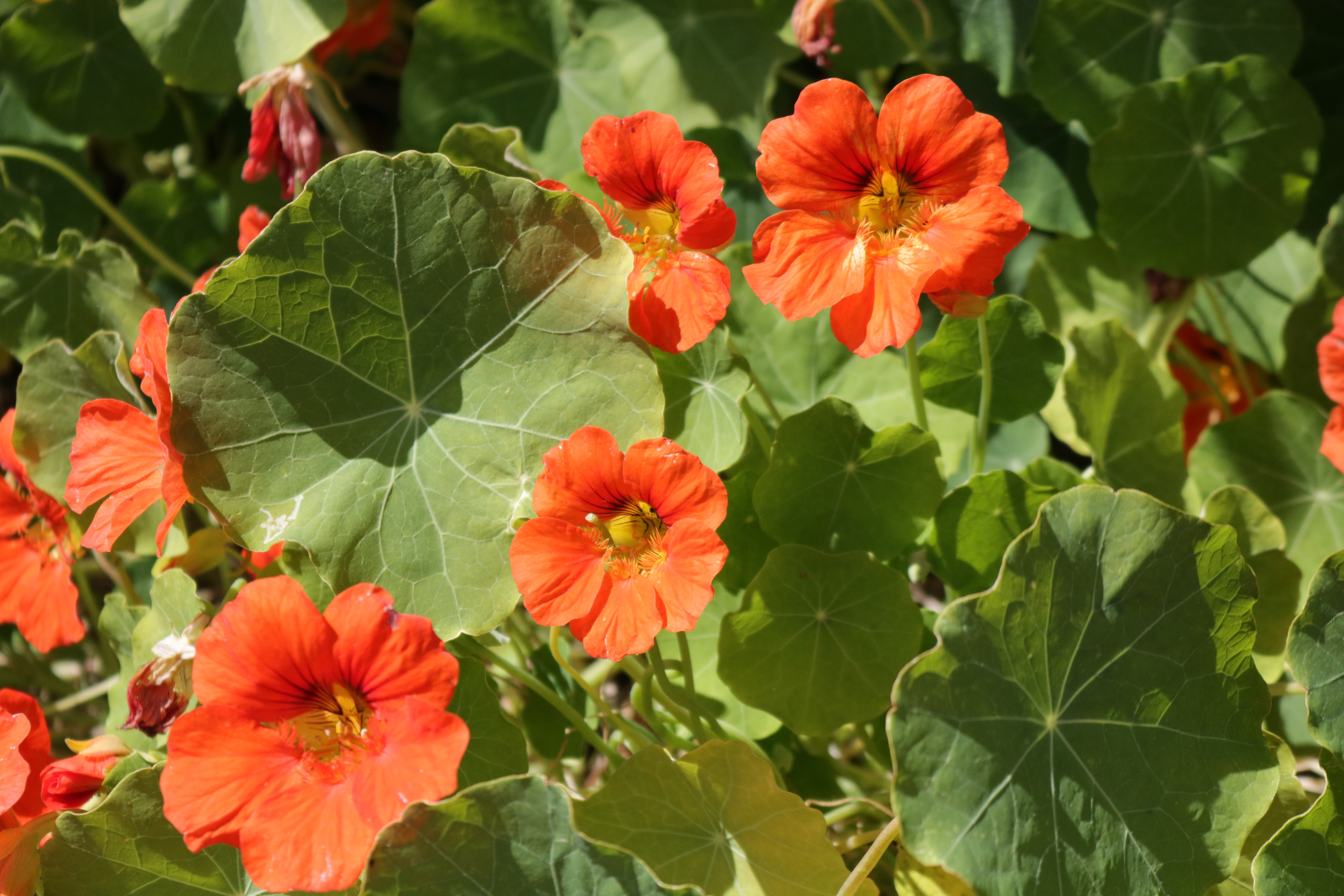
    According to Encyclopedia Britannica, nasturtiums are a type of flowering herbaceous plant in the tropaeolaceae family. These green, circular-leaved and orange, red or yellow-petaled plants are edible flowers and foliage.

    While nasturtiums may be hard to find in the wild as they’re native to Central and South America, they can easily grow in home gardens just about anywhere.

    Early spring is the perfect time to start cultivating your own nasturtiums, and you can simply order seeds online to get started. Nasturtium seeds, when dry, look like tiny, brown walnut shells with wrinkled surfaces. When fresh, they are pale green and have a slightly smoother texture. Fresh seeds are edible as well and often pickled and used as caper substitutes.

    A great way to prepare nasturtium for your first taste is in a salad with cucumbers, mandarin oranges and spinach with a light vinaigrette dressing.

    Once fully grown and blossomed, the sprawling, vine-like nasturtium plant offers a bounty of vitamin C if consumed. Not only are these plants aesthetically pleasing, the amount of nutritional value packed into the entire nasturtium is astounding, as they contain vitamins B1, B2, B3, and magnesium, iron and calcium.

    This plant has a peppery, mustard-like taste and can be used as an alternative to potent arugula leaves or mustard greens in salads. You can eat the whole plant, which is said to be similar to the taste of watercress.

    A great way to prepare nasturtium for your first taste is in a salad with cucumbers, mandarin oranges and spinach with a light vinaigrette dressing. Or if you’re bold enough, try the leaves and petals on their own after a thorough rinse.

    Beyond the beauty and nutrition of nasturtiums, this plant also offers antibiotic and antibacterial properties. These plants are by no means a way to cure colds, the flu or COVID-19, but can offer slight relief. Nevertheless, according to a study published in the Open Microbiology Journal, these plants were found to contain antimicrobial effects and can be safely used in the food industry as an antibacterial oil on foodborne bacteria.

    So get your hands on some nasturtium seeds and get to planting. Soon you’ll have a garden full of the edible and nutritional plant.

  • Before You Forage: Sea Lettuce

    Before You Forage: Sea Lettuce

    Everything you ever wondered about sea lettuce

    Learning to forage for sustenance is a convenient and exciting way to spend a day. In Humboldt County you can find your next snack or meal on the coast or in the forest—if you know what to look for.

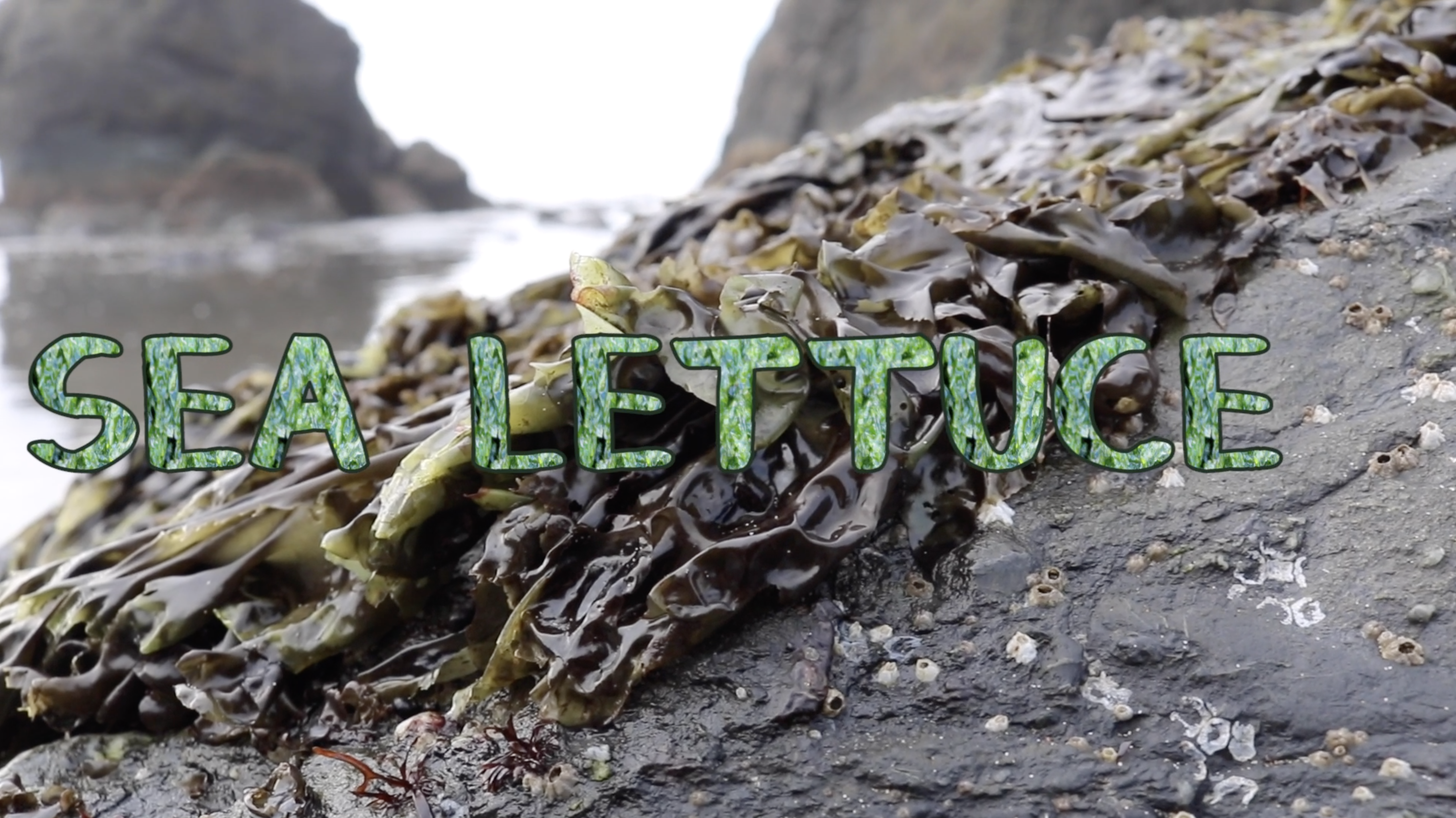
    One easy item you can forage for is sea lettuce, an edible green algae scientifically known as Ulva lactuca. Sea lettuce looks similar to garden-grown lettuce, as it has ruffly, thin leaves that bunch together, forming a head.

    This vibrant green algae is found along coastlines worldwide, typically in tidal zones on rocks and docks. Ollie Relfe, a British blogger and self-professed nutrition expert, says sea lettuce offers antioxidant qualities and is a great source of vitamins A, C and E, to name a few.

    Sea lettuce thrives in areas with high levels of nutrients or pollutants, which makes harvesting for consumption depend on water quality. A bushel of sea lettuce from a remote beach is surely more pristine than a bushel harvested from the mouth of a boat harbor.

    According to Capital Regional District, a Canadian governmental sustainability organization, sea lettuce is a valuable food source to numerous creatures. Grazing sea animals, including snails, amphipods and sea urchins, all rely on seaweeds like Ulva lactuca to provide nutrients. Too much sea lettuce can inhibit the growth of other seaweeds, especially when large, floating blooms block sunlight from reaching other oceanic plants below the surface.

    As sea lettuce decomposes, it releases hydrogen sulfide, a chemical compound which smells like rotten eggs. The United States Occupational Safety and Health Administration says this toxic gas can be harmful to humans and animals alike, and can even be deadly in high amounts.

    When foraging for anything, it’s important to take only as much as you need. Harvesting sea lettuce is no different. However, foraging for sea lettuce can help reduce its decomposition and subsequent toxic contamination.

    It’s important to verify the safety of any body of water you plan on foraging in. You can do so by checking local biotoxin warnings. During hotter months, steer clear of consuming coastal collections due to potential red tide contamination.

    You don’t need a fishing license to recreationally collect seaweed in California. The daily limit is 10 pounds of wet seaweed, and you must carry a scale with you to ensure you’re within regulation standards.

    To collect sea lettuce, one needs a sharp knife and a bucket. Only harvest bushels that are large enough to leave some behind after collecting. Be sure to leave a good amount to ensure you don’t affect the holdfast of a sea lettuce head so the algae can grow back next time.

    Before heading out to the coast to collect sea lettuce, check local regulations and make sure you aren’t harvesting on protected land.

  • Explore Nature Through Your Tastebuds

    Explore Nature Through Your Tastebuds

    Forage for free food locally while learning about your environment

    If you’ve ever dreamed of living off the grid and growing your own food, foraging is the next best thing to fulfill that desire.

    Foraging is a fun and rewarding way to immerse yourself in your local environment. Here in Humboldt County, there are plenty of opportunities for outdoor food morsel scouring. You can find dozens of wild plants that are both useful and edible, from anise, dandelions and yarrow to cattails.

    If you know what you’re looking for, urban food foraging is quite simple. Some yards in Arcata have fruit trees that are tempting to take from, but be sure to ask for permission before picking.

    If you don’t know where to start looking, you can use the Falling Fruit website or app. This site features a global map with geotagged locations of edible and useful items within your area. When you identify something new, you can mark it on the map to help others locate your foraging find.

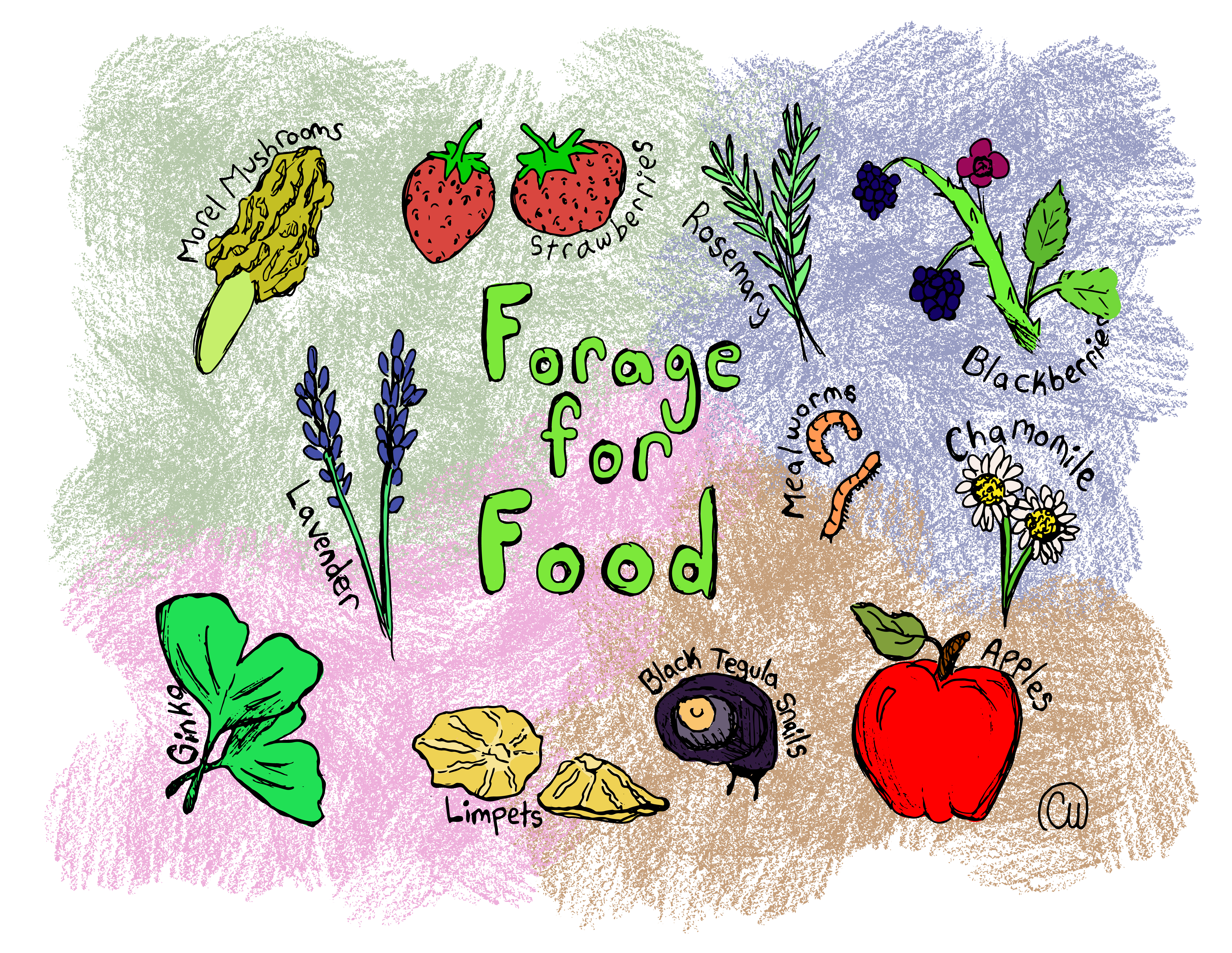
    If you want to look for wild herbs, fruits and vegetables beyond the cityscape, take a stroll to a park or the community forest and chances are you’ll find something forage-worthy, whether it’s morel mushrooms, blackberries or ginkgo.

    If you aren’t well-versed in fungi identification, there are options in the wild for food finding beyond the typical mushroom hunting. It’s best to steer clear of gathering mushrooms unless you are with an expert or have definitive knowledge of a particular type you are searching for.

    Foraging is a helpful way to inform yourself about natural food cycles. We often forget about the different produce seasons as grocery stores usually supply all types of seasonal produce year-round, but foraging for your own food helps you learn when produce is ready for harvesting.

    Explore beyond the city streets and forested land for scrumptious surprises from the sea.

    If you’re foraging for sea life, ensure you’re legally licensed to do so. You can forage for loads of coastal edibles like seaweed, snails and goose barnacles, but many items require a fishing license to take as well as prior knowledge of eligible sizes and harvesting limits.

    Make sure to have the proper equipment for specific foraging needs. When coastal foraging, it’s necessary to have have measuring equipment for the sea life you’re searching for to verify your finds are within size regulations. Bring a bucket for your finds and a knife or prying tools like a spudger to scrape off treats like limpets or sea snails. Gloves and knee pads are useful, but not necessary as long as you’re cautious on slippery terrain.

    Be aware of red tides and other contaminants that may affect coastal harvests. Humboldt and Mendocino County undergo an annual mussel quarantine form May 1 to Oct. 31 which prohibits mussel gathering to protect people from shellfish poisoning due to oceanic toxins. Avoid this concern by foraging for univalve organisms which don’t filter throughout their body and have singular shells, like periwinkles or black tegula snails.

    Foraging for insects can also be an exciting addition to your food gathering excursions. There are hundreds of species of edible insects including crickets, weaver ants and silkworms.

    Identifying edible insects can be tricky if you aren’t completely sure of what to search for. The most advisable way to consume insects would be through home cultivation of a species like mealworms or crickets.

    Don’t ever consume something that you aren’t 100% sure is safe to eat, whether it’s a fungus, plant or creature. Be sure to know how to properly identify items before your search.

    In addition, prepare foraged food properly. Make sure to wash findings thoroughly and cook it correctly so as to not have an upset stomach.

    Remember, do not forage on private land, or at state and national parks. It’s illegal to take items including rocks, wood, berries and nuts from these parks as they’re protected by state and federal conservation regulations.