The Lumberjack


Students Serving The Cal Poly Humboldt Campus and Community Since 1929

Tag: Humboldt County Cannabis Culture

  • Wild West in Humboldt County

    Wild West in Humboldt County

    Humboldt County is known worldwide as a safe haven for hippies, liberals and gun-toting conservative cowboys.

    Gun violence is on the rise around the country, especially in regards to mass shootings, as was just seen in Florida. Gun culture is being examined everywhere, questioned in many states and threatened all together.

    “It puts gun owners in a hard position,” Humboldt resident and registered gun owner Liam Doherty said. “We get lumped in with the demonization when we’re trying to be responsible and use these tools for useful purposes.”

    Mass shootings are on the rise, however. There have already been 30 mass shootings in 2018, according to the nonprofit Gun Violence Archive. Protests have erupted all around the United States in attempts to bring about gun law reform to make it harder or even impossible for American citizens to purchase firearms.

    Video by Patrick Maravelias.

    Alexis Pritchard, Humboldt State graduate with a bachelor’s degree in sociology, said if she had the power, she would take everyone’s guns away.

    “I believe that the root of the problem comes with the National Rifle Association and the lobbyists that are paying off these politicians to keep guns like AR-15’s that should only be used in the military,” Pritchard said.

    Arcata in particular has a reputation for being a progressive college town; pro-choice, pro-gun control and proactive in fighting for human rights. Outside of Arcata, however, is a jungle full of conservatives, cannabis and lots of firearms.

    “Arcata’s the only place you don’t see it,” Doherty said. “It’s the only town in Humboldt without guns in it.”

    HSU created a small, safer and more progressive circle than the rest of Humboldt. In addition, Arcata has a reputation for hippies, potheads and other stereotypes. But the truth is the majority of the country is very conservative. Fortuna, Ferndale, Rio Dell and Scotia all have more registered conservative voters than liberals, according to an article by the Times-Standard.

    “Arcata is a bubble, even compared to Mckinleyville,” Pritchard said. “I believe that the gun culture in Humboldt is very diverse in that we have one city specifically that has completely different ideals than the rest of the county as a whole.”

    The recreational cannabis industry is booming in California, and Humboldt is at the center of it. Currently, registered cannabis growers aren’t allowed to own firearms, which has created a mecca for illegal firearm trafficking in Humboldt as well.

    Cannabis is legal to grow and use in California within certain limitations. But on the federal level, cannabis remains illegal, forcing farmers to use cash-only for business transactions, because banks are in control. This has indirectly created a community of farmers who are forced to own unregistered firearms in order to protect their assets.

    The issue of illegal gun trafficking will be discussed further in the video on The Lumberjack website.
  • 4/20 at HPRC

    4/20 at HPRC

    Article by Juan Herrera

    Video by Juan Herrera and Chelsea Medlock

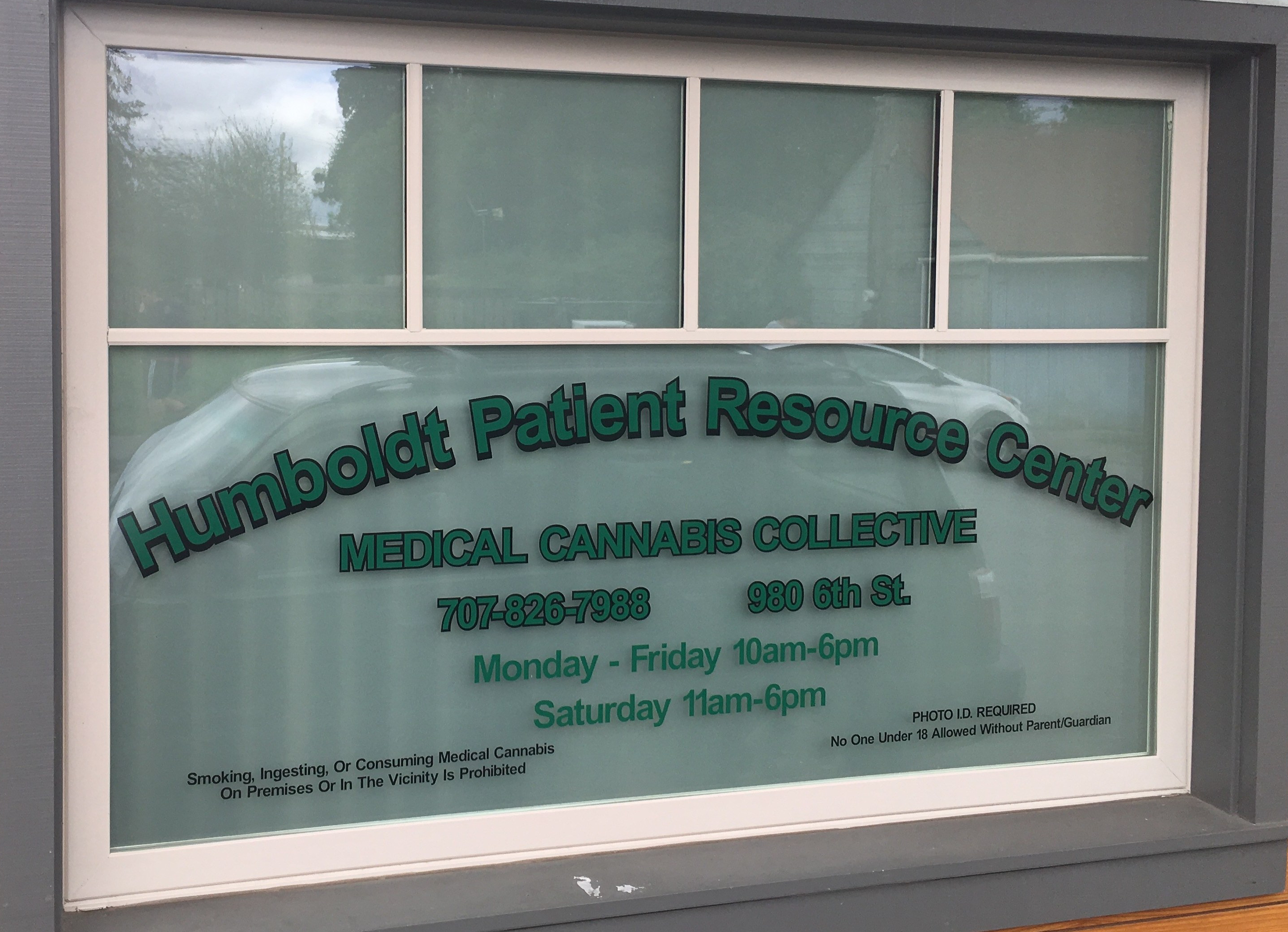
    Right when you enter, the strong aroma of medicinal marijuana hits your nostrils so hard you can almost taste it. Over twelve different strains clog your nose of smelly cannabis and yummy edibles. Humboldt Patient Resource Center, also know as HPRC,  has been serving Humboldt county for over 15 years.

    Michelle Sealy, a bud-tender at HPRC, discusses the patients most preferred cannabis offered.

    “Gorilla Glue #4, Girl Scout Cookie, and Titan OG are the winners of the people,” Sealy said.

    FullSizeRender
    Girl Scout Cookie at HPRC. | Juan Herrera

    Sealy also talks about concentrates and edibles that all their patients love.

    “When it comes to concentrates our customers love the live resin by Mr. Nice Guys, or any of the Sour Extract $30 grams,” Sealy said. “As far as edibles, the KIVA bars are a huge hit as well as the smaller size called KIVA bites.”

    Sealy explained how each KIVA bar has 100 milligrams of THC, the mind-altering substance in marijuana, compared to 5 milligrams for the bites. According to Ricardo Baca, an author for the marijuana publication The Cannabist, the average dose for a person is 10 milligrams.

    Another budtender from HPRC, Mark Moore, talked about the exciting plans their clinic has for the special day of April 20.

    “To start off this exciting holiday we will be giving out 420 goodie bags full of different cannabis strains and edibles from the different vendors we use,” Moore said. “There will also be many special deals the clinic is offering as well as live music playing.” 

    IMG_0041
    HPRC lighter and matches. | Juan Herrera

    Moore goes on to mention how HPRC will also be hosting a delicious barbecue for their patients and also to the community at their location on the corner of 6th and J street in Arcata.

    Caeden Williams, a new worker at HPRC, discussed the changes they have seen in patients since the medicinal marijuana laws have passed.

    “There has been a lot of anxiety in the air with the new change of what the outcome or end will be,” Williams said. “A lot of patients are scared that the prices are going to skyrocket, while others are anxious to see how far this industry will go.”

    Williams explains how as a new employee he is excited to adapt with the new change, but also nervous to see how it will play out.

    Moore had one last thing to say the patients of HPRC.

    “We are here to fulfill the needs of everyone, from new patients to old ones, we have what you need,” Moore said.

  • Mary Jane in the brain

    Mary Jane in the brain

    What goes on inside your brain when you’re high

    By| Carlos Olloqui

    Things melt, time loses all meaning. Your body begins to tingle from head to toe. Everything you touch feels electric. Music seems to play note by note. Pressure builds on your cheekbones, your eyes squint up, your brain begins to tickle, and a bliss takes over. Yup, you’re stoned.

    Marijuana, also known by its scientific name, Cannabis, is no longer a stoner drug earmarked for hippies. One in eight adults in the United States said they smoke marijuana, according to a Gallup poll conducted in 2016. That means about 13 percent of Americans enjoy getting high.

    Olloqui.IMG_0105
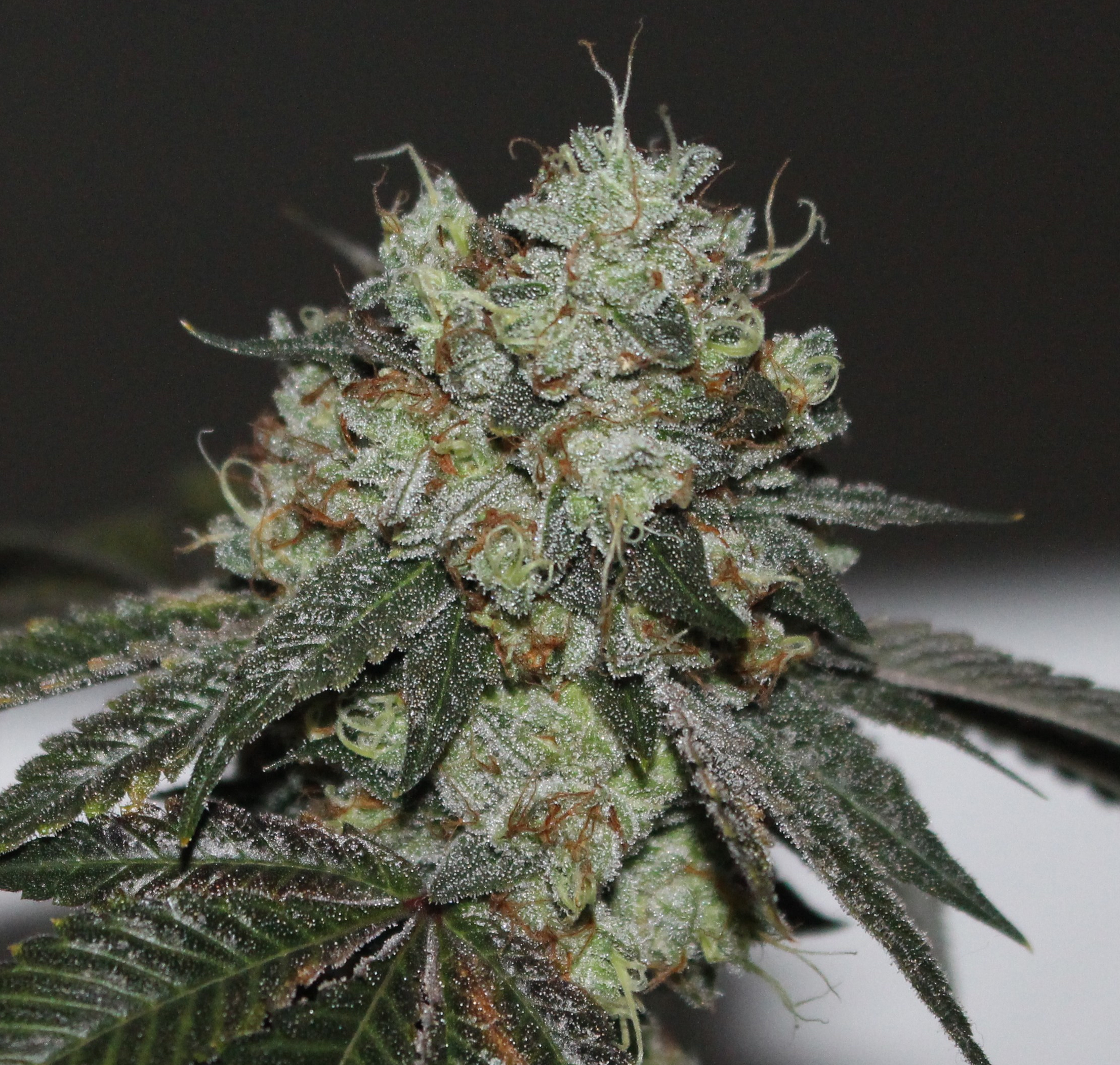
    THC crystals on a flowering marijuana plant.

    But what exactly does it mean to get high? What goes on inside of your body after a couple of hits of that sweet Mary Jane? Well, the marijuana plant produces chemical compounds called cannabinoids. The two most popular ones being delta-9-tetrahydrocannabinol (THC) and cannabidiol (CBD). According to Thorsten Rudroff, an assistant professor at Colorado State University who studies cannabis use, THC is the most psychoactive compound which is what gives you that high feeling.

    When you ingest THC, in any form, it quickly infiltrates your bloodstream and travels to your brain. Your brain is made up of neurons. Neurons are specialized cells that like to keep their distance from each other. In order to bridge this gap, chemicals called neurotransmitters deliver chemical messages by traveling from neuron to neurons and attaching onto receptors. There’s a special kind of neurotransmitter called an endocannabinoid.

    According to the website Greatist, the cannabinoids in marijuana mirror those naturally produced by your own body, which latch onto the existing cannabinoid receptors in your brain. Cannabinoid receptors are activated by anandamide, a neurotransmitter that our body already produces, according to AsapSCIENCE. THC mimics the actions of anandamide.

    Olloqui.IMG_1284
    Highest tree in the yard.

    Once neurons fire, they undergo a refractory period, which prevents them from overworking and allows your brain to function calmly. However, cannabinoids interrupt this neuron nap time and cause them to run wild. This means that your neurons keep firing, your current thoughts become more meaningful and intense than ever, as if you could actually see them. You brain gets stuck on a certain specific idea until a new idea takes the spotlight and you go off on a tangent.

    According to Leaf Science, these cannabinoids also affect the levels of happiness chemical, dopamine and norepinephrine, which often lead to a sense of euphoria and relaxation.

    While this information may seem to put weed up on this high (no pun intended) and grand pedestal, it does come with its downs. Marijuana can affect our memory and learning, coordination, cause anxiety, and limit our cognitive function. Not to mention the cottonmouth, bloodshot eyes, and coma inducing munchies you get after lighting up.

    So, next time you feel like interacting with Mary Jane, make sure you think about your cerebrum. That is if you aren’t already too stoned to even think.

  • Women in Weed

    Women in Weed

    Cannabis industry take over

    By|Megan McDaniel

    It’s not just about blunts and babes when it comes to women in the cannabis industry. It’s about hard work, courage, strength, and determination of working in a field dominated by men. Surprisingly there are multiple cannabis companies in Humboldt County ran by women, who grow, harvest, and cultivate, all by themselves.

    It’s not easy to identify a woman grower since most of them don’t drive around in lifted trucks and flaunt their wealth. Instead most of them are everyday moms who have a special green thumb. The cannabis industry isn’t for every woman. The industry mostly operates on the black market which means pay is under the table and one may never know when it’s going to come and if it’s going to be the correct amount owed. 

    There are many cases that aren’t talked about where woman have been kidnaped, sexually assaulted, and even killed when they thought they were just going to trim in the hills. Brandie Wilson, co-founder of Humboldt Area Center for Harm Reduction which focuses on reducing harm through education and advocacy. Wilson also created Harm Hill Reduction to teach people how to be safe when working in the hills. This program gives tips like ask what the drug and alcohol policy is on the hill, bring friends, drive yourself, and tell someone in town where you are. People don’t realize the real risks they take going to an unfamiliar hill.

    The misconception that women are only trimers in the industry is not true. Companies like Space Gem Candy, Sarkara Cannabis Confections, Honeydew farms, Arcana Delights, and Humboldt Harvest are examples of companies owned and created by women. These women are healers  focused around providing clean medicine for all their patients. Most of these companies hire  women to help package, design, and distribute which keeps the local economy flowing. Woman get disrespected and not taken seriously in the industry which needs to stop. They have proved that they are strong and smart enough to work in the fields.

    Humboldt County even has it’s own Women’s Cultivating Community, “Women helping women, working together with the love for the cannabis plant to heal the community.”  The group has been together since 2015, and has expanded ever since. One of their supporters and promoters is our local dispensary Humboldt Patient Resource Center. The cannabis industry wouldn’t be where it is today if it weren’t for the females in our community.

    Woman make up a huge part of the cannabis industry which shouldn’t be taken for granted. So before you hire a woman to work for you remember she’s human too and has bills to pay.


  • HSU cultivation 

    HSU cultivation 

    More than a 4/20 education

    By | The Lumberjack Editorial Board


    What is the first words that come to mind when you think of Humboldt State University? While it should be environmentally-conscience, often HSU is associated with marijuana culture.


    Don’t let this issue’s dedication to 4/20, the nationally celebrated marijuana day, fool you. Although Humboldt county is a main hub of cannabis production, HSU isn’t as accepting of marijuana culture as our reputation suggests.

    HSU may not actively promote this image — But HSU doesn’t do a thing to stop it either. Students come here thinking that the cannabis culture of Humboldt County will extend to HSU’s campus. Students are shocked when they get fined, suspended or even expelled for possession of cannabis.


    Sure the HSU Student Rights and Responsibilities policy states that under federal law the sale or possession of marijuana are felonies carrying prison terms of seven years or more, but hey… HSU is located in the Emerald Triangle- the largest cannabis-producing region in the U.S. HSU collects on the persona of an accepting weed culture; a culture that attracts new students.


    HSU’s conflicting views on marijuana was witnessed with the treatment of Christina DeGiovanni, a former HSU student and founder of Emerald magazine. In 2012, DeGiovanni was arrested for possession of marijuana sales, and being armed in the commission of a felony.  

    De Giovanni states in her first letter from the editor that the negative and ostracizing treatment she faced from HSU and the community during her trials encouraged her to start the magazine that embraces the stereotypes associated with cannabis users.  


    Not all look to weed culture as positively as Humboldt residents. Critics reject HSU as a serious academic university because of the casually flaunted 4/20 culture. While we are known for our Green initiatives, we are still mocked for being influenced by the marijuana industry that throttles Humboldt County.


    If we want to be taken more seriously as a top University to potential students, we have to do more to address the stereotype that HSU is only about the weed. It attracts students to an area where they feel they will be welcomed into the throws of Humboldt Counties cannabis culture, often a risky and even dangerous endeavour.

    Yes, Humboldt County heavily thrives on the Marijuana industry but HSU is more than just a community of growers, trimmigrants, and stoners. It is irresponsible and flat wrong for a university to benefit from a generalization about its campus, while simultaneously ignoring and demonizing that generalization. Weed: Either love it or hate it HSU.

  • HSU’s 4/20 Fame

    HSU’s 4/20 Fame

    Exaggerating stereotypes of Humboldt and it’s cannabis culture

    By|Domanique Crawford

    “Are you going to Humboldt just so you can smoke weed?”

    My friend- who for none-embarrassment purposes we will just call Jane- asked me when I announced what school I was transferring to.

    Jane’s reaction wasn’t surprising or even uncommon. Anyone I mentioned my school choice to immediately connected HSU with the thriving cannabis industry in Humboldt County. This became an annoying phenomenon, to say the least.

    Some people where even scandalized by my choice of schools, and would jokingly [I’m pretty sure] say that I had to be careful or else I will stumble across a weed farm in the Redwood forest and get shot. My friends and family members, had dramatic interpretations of the HSU student and community lifestyle assuming that anyone in the county is either involved in the weed industry or is a pothead.

    Before I started to attend, I carried some of those crazy misconceptions about HSU being all about cannabis with me. Outside of Humboldt County smoking marijuana was this taboo thing that you did behind closed doors. I was a little ashamed to mention that I was attending HSU just because of all of the stoner stereotypes that captivate HSU image and the quickness people immediately associated HSU to marijuana.

    I don’t know if it’s because of the 21 century’s obsession with legalizing weed, or the fact that HSU is within the Emerald Triangle, but HSU’s 420 friendly attitude pushes to pass the university’s green initiatives and its well-celebrated environmental science programs. People were not interested to hear that I was attending HSU because of its affordability and I respect the strong student force of social activism. Everyone felt the need to reduce HSU cannabis industry that surrounds HSU and not on what makes HSU a great university.

    Being inside of the Humboldt community brings on a new understanding of the marijuana industry located here. Residency of the community isn’t only a collection of people consumed with running marijuana organizations. In fact, marijuana is medicinal staple product, like talking about aspirin.

    Despite what people may believe, the county isn’t overrun with homeless stoners trying to sell weed. The industry is taken very seriously and enacted in a professional manner.  You have to get a doctor’s recommendation and everything.

    There is the occasional trimmigrant who will stop you on the street to ask you if you want to buy marijuana, but a simple no will have them moving on their way. Students shouldn’t feel ashamed of attending HSU and when someone attempts to reduce our university  to nothing but cannabis culture, correct them with whatever motivates you to attend HSU.