How the body uses multiple levels of defense against foreign intruders
With the coronavirus craze going on right now, it may be nice to know our bodies are working hard to protect us.
When a foreign bacteria or a virus enters the body, it goes into full defensive mode. A complex relationship of cells evolved over hundreds of thousands of years, the human immune system is our reliable defense from sickness and death. The body has developed a battalion of guards, soldiers, intelligence, weapons factories and communication stations to defend us from attackers.
The Kurzgesagt – In a Nutshell YouTube channel published an easy-to-watch video on the immune system. They broke down the immune system’s jobs into 12 jobs including to communicate, kill enemies, cause inflammation, remember enemies and make strategic decisions.
There’s more to the process too. Russel Wheatley is a family practitioner at the HSU Student Health Center. Wheatley said that, even though he doesn’t study immunology, he has a working knowledge of the immune system. He referenced an immunologist colleague named Huang Bo for his explanation.
Wheatley said there are five levels of immunity, and all of these levels work together as a multi-faceted defense.
The first level is a physical barrier, the skin. He said the skin is bacteria and virus-proof. Between the skin and the mucous in your nose and mouth, combined with coughing and sneezing, the body is pretty good at fending off invaders.
If the skin is broken, then the immune system really starts working. When the skin is cut, nearby bacteria take advantage of the break and enter the blood stream, risking infection. First to the plate is the macrophage, a large, abundant cell.
“Most of the time, they alone can suffocate an attack because they can devour up to 100 intruders each,” Kurzegsagt says. “They swallow the intruder whole and trap it inside a membrane. Then the enemy gets broken down by enzymes and is killed.”
If the macrophage is overwhelmed, it begins to call for help from the garrison. Neutrophils are hype- aggressive, destructive cells that appear at the site of the battle to destroy any cell near the cut, including healthy ones. If this isn’t enough, the macrophage calls the dendritic cell to the battlefield.
“You have to rest the body when the immune system is trying to work.”
Russel Wheatley
The dendritic cell is the brains of the operation. When hailed by the macrophage, the dendritic cell starts to collect samples of the intruders and presents them on the outer membrane.
“Now, the dendritic cell makes a crucial decision,” Kurzgesagt says. “Should they call for anti-virus forces that eradicate infected body cells or an army of bacteria killers?”
If a virus has entered the body, Wheatley says a protein in the blood stream called a complement protein identifies the virus and destroys them. Eventually, after the body has torn apart the virus, white blood cells produce antibodies.
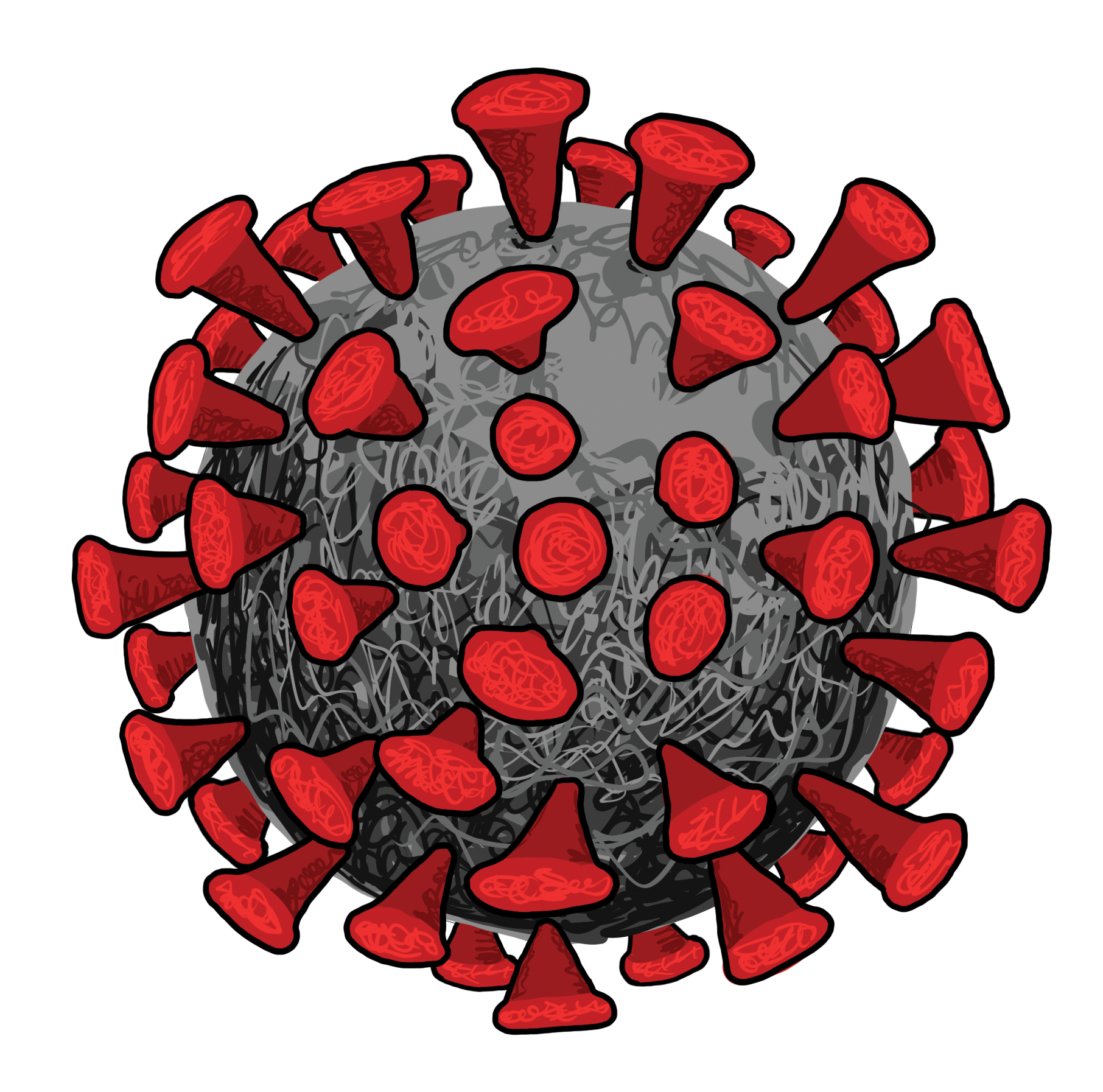
In the case of the coronavirus, it’s a little more sinister. The virus tries to hide itself from the immune system by burying itself in lung cells. In a video about the virus, Kurzegesagt says the virus attaches itself to a specific receptor on lung cells and inserts a new DNA command: copy and reassemble. It fills up with more and more cells until it’s full, and then the cell receives a final order: self-destruct.
“At this point, the virus hasn’t done too much damage,” Kurzgesagt says. “After millions of body cells have been infected and billions of viruses swarm the lungs, the virus releases a real beast on you, your own immune system.”
While the immune system pours into the lungs, the virus infects them and confuses the system. The coronavirus causes immune cells to overreact and yell, “Bloody murder.” The immune system wastes a lot more resources than it should to fight the reaction, exhausting the body’s energy.
Wheatley encouraged anybody who is feeling sick to rest. He explained when a person wakes up, the body has a limited bowl of energy. Thinking, exercising and immune-responding all need that energy to do their thing, and expending energy can make the body less effective at fighting invaders.
“You have to rest the body when the immune system is trying to work,” Wheatley says. “Some people have different immune systems and some aren’t nearly as strong as others, especially to these viral type invaders. You have to rest. You have to give it the right kind of energy.”