The Lumberjack


Students Serving The Cal Poly Humboldt Campus and Community Since 1929

Tag: Netflix

  • Arcane Review: Alternative Canon Done Right

    Arcane Review: Alternative Canon Done Right

    Two months ago, ‘Arcane’ dropped and took the world by force. The animated steampunk series is a League of Legends adaptation that debuts a few show-exclusive characters, most notably the villainous kingpin Silco.

    For people who don’t play League, ‘Arcane’ sets itself apart as an alternative canon to its video game predecessor – and it does it right, something that isn’t always the case for TV and film adaptations.

    ‘Arcane’ catches the viewer’s undivided attention within the first few minutes of the pilot episode and consistently maintains it throughout the course of the tumultuous, action-packed storyline. Beloved League legends roam the streets of the undercity and maneuver testy politics in the edifices of Piltover as the two worlds collide with explosive consequences.

    Viktor, a chronically ill Hextech inventor with a progressive disability, straddles both as undercity stock working far above the poisoned squalor of his original home. He and his research partner Jayce face various moral dilemmas as they make the push for progress, at great cost to themselves, particularly Viktor. An aged-up Ekko, a far cry from the young boy introduced at the start of the series, takes the helm of the Firelights, an undercity rebel group, with unabashed swagger and style.

    Caitlyn, the posh rifle-wielding daughter of a prominent council member in Piltover, finds her bearings in the undercity as Vi, tattooed and grisled from her formative years in the undercity and subsequently in prison, shows her the ropes. While the two women initially find each other at odds, they soon form a strong sapphic bond that defies the strictures of their respective differences in social status and upbringing. Korra and Asami from ‘Legend of Korra’ and Adora and Catra (and many more) from ‘She-Ra’ walked so Caitlyn and Vi could run.

    The unique art style, bombastic musical score, and thorough character development flourish the compact plot, which largely centers around the estrangement of Vi and her younger sister Powder, aka Jinx. The tragedy of Jinx lies in her inability to reconcile her younger self, Powder, with her present self. The inclusion of Silco is necessary to piece together Jinx’s elusive backstory while still maintaining congruence with the original canon of League, a feat that Arcane managed to pull off seamlessly.

    Jinx’s mental health issues are spurred on by Silco, who took on the role of her adoptive father at the end of the third episode and psychologically groomed her to become an explosive human weapon as a means to meet his nefarious ends. In the backdrop of this central conflict, mounting tensions between the elites of Piltover and the vagabonds of the undercity rise to a dramatic crescendo and abruptly halt with a jaw-dropping cliffhanger that leaves the viewer teetering on the razor thin edge of Jinx’s deteriorating mental health.

    When done right, TV and film adaptations embellish the canon of the original source material, not detract from it or contradict it. In the span of only nine episodes, Arcane succeeded and kept its viewers braced for the second season.
  • Why shifting the true-crime narrative matters

    Why shifting the true-crime narrative matters

    As a true crime junkie, I will and have consumed all things released that I can. That includes documentaries, podcasts, books— basically label anything true crime and I am there.

    In the true crime community, there is ongoing discussion as to whether or not retelling these stories is glorifying criminals and exploiting survivors for views and reads, which ultimately equate to dollars. You can tune in to any crime program and walk away whenever you find yourself getting bored, without the cognitive realization that the reality still stands. Survivors and victims’ families must live with this day in and day out.

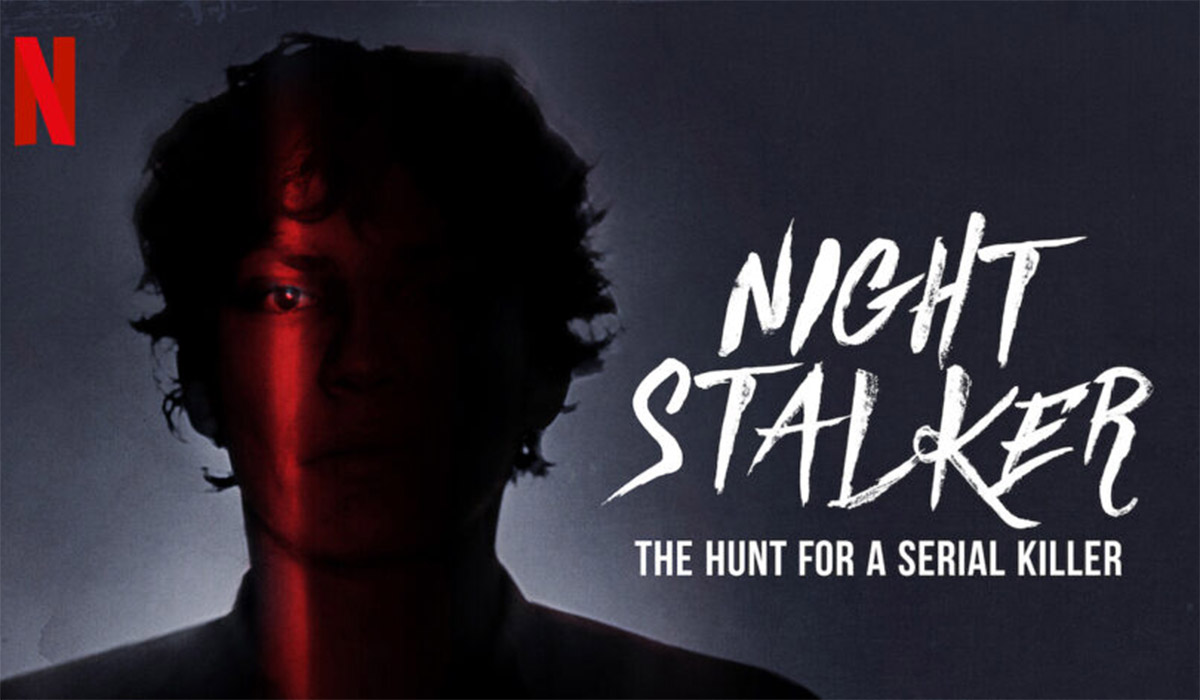
    Recently, Netflix released a new documentary, “Night Stalker: The Hunt for a Serial Killer,” based on the crimes of Richard Ramirez, an elusive and controversial serial killer active in the mid ’80s. Netflix is no stranger to true crime docuseries, they have a slew of them in their catalog, but now with the Night Stalker we’re seeing a deviation from the traditional storytelling.

    Shifting the narrative is crucial for true crime. The new style is not as controversial or shocking because we’re not seeing the nitty-gritty, dirty details, but, the stories of survivors and victims are still able to be told. True crime is built on shock value, but it’s vital to remember that there are real people behind the headlines.

    Television writer Kayla Cobb explains in an interview with “Decider,” “They’re all too focused on providing some sort of explanation about how this monster came to be that the reason they’re monsters — the very people whose lives they ruined become sidelined. These survivors become secondary characters in the story about the worst moment of their lives.”

    One of the most popular true crime documentaries released last year, “Seduced: Inside The Nxivm Cult,” was based on Keith Raniere who profited off of people in a multi-level marketing scheme turned cult. Show creator Cecilia Peck chose to focus and let the story be told by survivors.

    “One of the reasons that people will speak about traumatic subjects is because they believe that others can learn from their experience,” Peck said in an interview with “Decider.” “They want to turn that trauma into activism.”

    Recognizing true crime as more than entertainment allows for uncomfortable conversations to take place about reform – how we approach and prosecute predators, how to support survivors and how we can continue to keep our communities and loved ones safe.

    True crime journalist, Billy Jensen, has highly publicized the idea of crowdsolving, “utilizing the eyes, ears, and expertise of individuals, both locally and across the globe via social media, to aid in the solving of crimes”, and citizen detectives, “an individual who devotes his or her time and expertise to aid in the solving of crime, without compensation or expectation of reward.”

    Through Jensen’s podcast with Paul Holes, the notorious cold case detective who solved the Golden State Killer case 40 years later, they utilize their standing with law enforcement to vet the tips and suggestions from “citizen detectives” to pass on to detectives on active cold cases.

    Take a look at how cases are being handled now. Cases from decades ago are being solved through DNA submitted in public databases, through tips after reintroducing the cases, through real and honest conversation between media and their audience.

    And that is what true crime should be, a lesson, a warning, advocacy. The shift has, and will, continue to create a space for empathy and reflection, healing for survivors and families of victims.

  • 5 Dystopian Films to Watch Now That You Now Live in One

    5 Dystopian Films to Watch Now That You Now Live in One

    Lock yourself indoors and pretend these films are strictly fiction

    With a deplorable excuse of a federal administration lying through their teeth about having the situation under control, it’s starting to feel like the world is descending into the plot of an apocalyptic or dystopian film. Fortunately, there are quite a few films to compare with the current state of the world.

    1. Equilibrium (2002)

    “Equilibrium” is a brilliant 2002 futuristic thriller starring Christian Bale in a fascist police state mandates daily medication that eliminates all feelings. “Sense offenders” that refuse their medication are rounded up and disposed of in ovens, and books and other forms of media that might inspire emotion are burned. Subtlety is not this film’s forte, but that’s to be expected when it also boasts brilliantly-staged action sequences where Christian Bale uses his guns as all-purpose weapons. It’s “The Giver” meets “1984” meets “The Matrix.” The fighting style is referred to as “gun-kata,” and its efficiency and balance reflects the tightness of the film’s storytelling.

    2. Snowpiercer (2013)

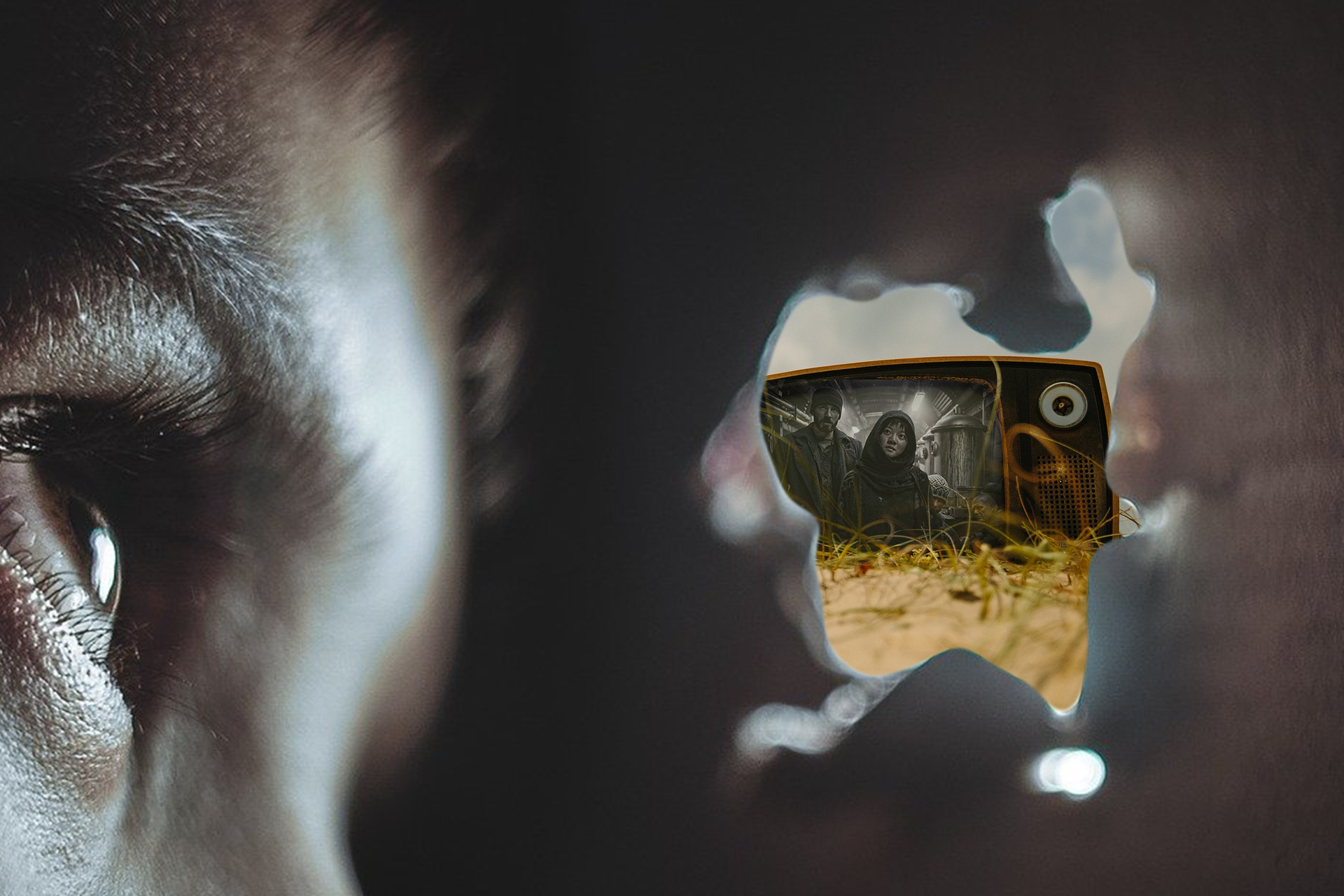
    Did you like Bong Joon-ho’s Oscar-winning “Parasite” from 2019? If so, you might enjoy one of his previous masterpieces. In “Snowpiercer,” Earth is in the midst of a new ice age, leaving humanity to survive within the confines of a train that runs on a perpetual track. The train spins its wheels around the icy remains of the former metropolitan homes of the billionaires responsible for the crisis in the first place. An extreme contrast in quality of life lingers on the train, which continues to spin its wheels until a rebellion begins. “Snowpiercer” is another brilliant deconstruction of the class divide and inequity that reminds us that we all live in a capitalist country.

    3. Looper (2012)

    From Rian Johnson, director of the best Star Wars film, comes an exciting thriller in which time travel is possible, but outlawed. Gangsters send victims back in time to be killed by a hit man until he becomes the target. Unlike most time travel films, this one accepts and plays around with many of the potential paradoxes of time travel and stages scenes only possible in films with time travel. It takes great advantage of the strengths of its cast, as all Rian Johnson films do, and is a whole lot of fun, as all Rian Johnson films are. All of them.

    4. Kingsman: The Golden Circle (2017)

    OK, this one takes place at the time that it was made, and isn’t particularly dystopian, but to be fair, it’s about a group of rich vigilantes, who already killed the entire Obama administration in the previous “Kingsman” film, “The Secret Service.” Thus, they are indirectly responsible for the Trump presidency, which is a major part of the plot of this film. Now investigating a foreign cartel with a monopoly on drug trade, they discover the cartel’s plan to poison cannabis users and hold the planet hostage so that drugs will be legalized. In the real world, this would just mean that Big Pharma takes a huge share of the market and kills their business. But in the Kingsman world, it means a healthy helping of flashy action helped out by an Elton John appearance.

    5. Planet of the Apes (1968)

    Before the Andy Serkis trilogy and the underwhelming Tim Burton effort was the original 1968 classic, “Planet of the Apes.” It watches more as an extended “Twilight Zone” episode than a futuristic adventure film, and it is superbly well-crafted, with intricate and detailed sets. The chemistry between the humans and the apes is a wonderful tone balancing act that offers plenty of ideas on race relations. And its brilliant twist ending goes down as an all-time classic.

  • What (Not) To Watch This Week: ‘The Dirt’

    What (Not) To Watch This Week: ‘The Dirt’

    There are many ways to make a decent biopic, but this wasn’t it

    We’re all familiar with the term ‘clickbait’—that thing YouTubers, social media influencers and crappy publications utilize to get views by advertising mind-blowing topics that don’t pan out too much. Netflix is guilty of this.

    Netflix advertises original movies with all-star casts on popular topics and many have been total flops. It’s mind-blowing to try to analyze why these movies haven’t worked out as there are usually decent actors and a whole lot of money thrown at scripts approved by Netflix executives. Yet, somehow we end up with biopics like “The Dirt.”

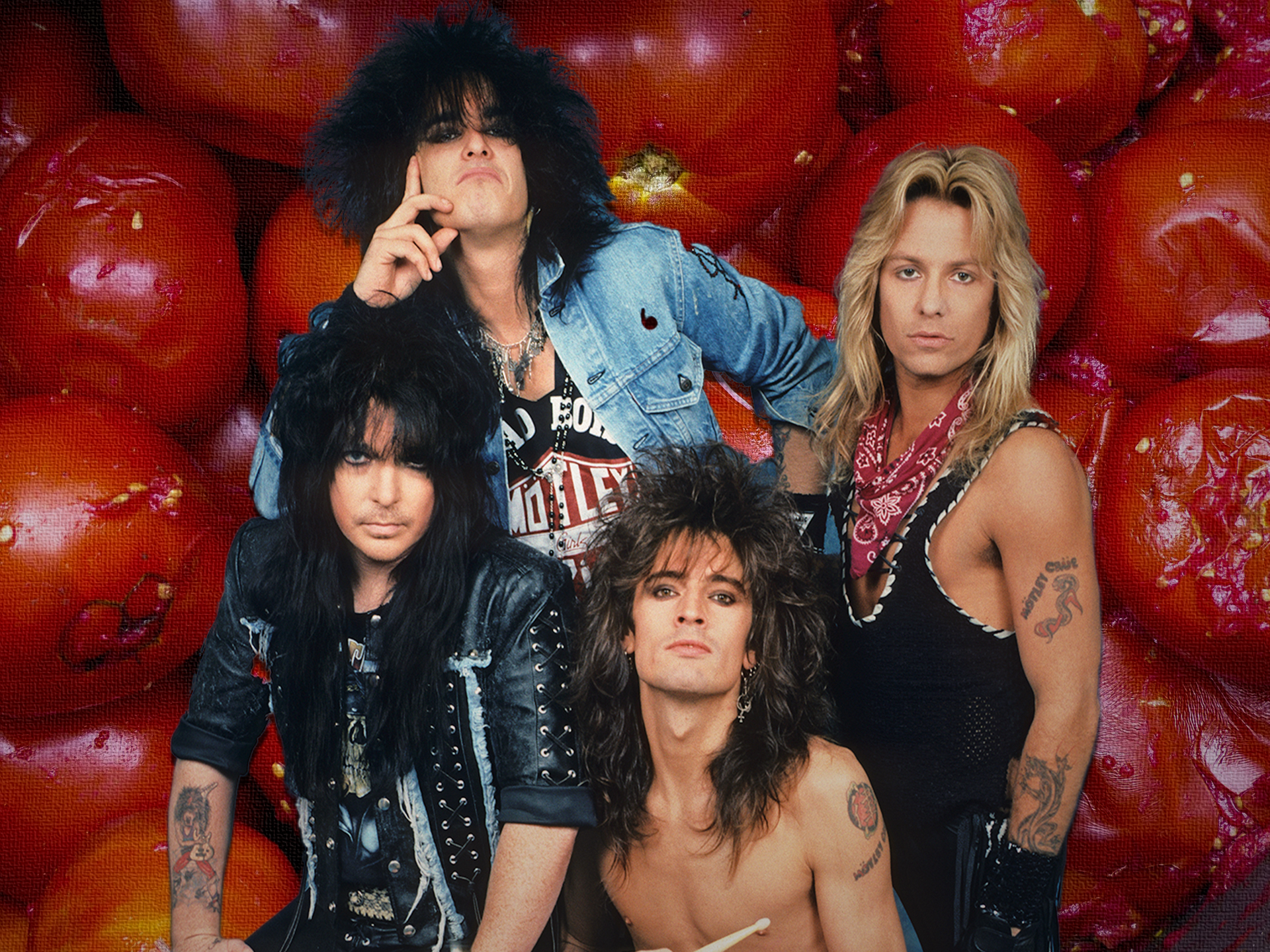
    The film follows the life and times of the band Mötley Crüe, a rock group from the 80s that were as influential to rock as N.W.A. was to rap. The movie is based on the autobiography of the band by the same name and the production received first-hand help from the members themselves. Somehow, it still managed to suck.

    I would go as far as referring to it as a dumpster fire, but one with a $28 million budget. I hate this expensive dumpster fire so much that it inspired me to start this column, investigating and deconstructing Netflix’s worst original movies.

    “The Dirt” starts with a cliché voice over as we watch the band form, negotiate a signing and start making music before they dive headfirst into a world of debauchery. Despite this and heavy sourced material, the plot feels empty.

    I would go as far as referring to it as a dumpster fire, but one with a $28 million budget.

    There’s tons of drama, struggles with addiction and the rockstar lifestyle, yet all of it feels disconnected. What is a crazy and interesting true story turns into a passionless montage of crude humor, nudity and subplots that have no bearing on the rest of the story.

    The poor structure and terrible acting could be forgiven if the writing didn’t feel so lazy. There were far too many conflicts that resolved due to convenience or off-screen. When the band formed they were down a lead singer. They sought out Vince Neil at a half-nude backyard party and gave him their mixtape in hopes that he’ll join their band.

    Neil starts making out with a girl as a voiceover plays (did I mention that they pointlessly include these fourth-wall-breaking voiceovers that aren’t even consistent throughout?) of him saying he had no interest in joining the band because he was only in a band to get chicks.

    Fast forward five seconds to him and this same girl at his house, the voiceover plays again and he randomly decides that he will call the band back. He hasn’t had an epiphany of any kind, Neil just decides to join the band. Instances like these are prevalent and pointless but, hey, writing like this gives us more time to watch the band do drugs and hang out with naked women. And, of course, see Ozzy Osbourne drink urine off the ground.

    When I said that the movie was a bad montage, I wasn’t exaggerating. The filmmakers decided to take all of the band’s most iconic and emotional moments and reenact them for the camera. Then they threw in some basic cut edits of band arguments and performances. The scenes are exaggerated for shock value and not narratively rewarding.

    This brings us to N.W.A. and their 2015 biopic. The exaggerations made by the screenwriters of “Straight Outta Compton” were intentional and contributed to tension within the movie which helped hold it together. The characters that N.W.A. struggled with in the film motivated the audience to root for their success.

    Mötley Crüe’s biopic has no antagonists or even attempts to emphasize tensions felt between members. When the band gets back together at the end of “The Dirt,” I felt nothing.

    Mötley Crüe’s biopic has no antagonists or even attempts to emphasize tensions felt between members. When the band gets back together at the end of “The Dirt,” I felt nothing. There was no struggle to get to that point and the movie never made a play for conflict in that regard. Besides external motivations, I also felt very little about Nikki Sixx’s overdose and his continuous struggle with addiction due to the way it was portrayed.

    Meanwhile, I cry every time I watch Eazy-E receive his HIV/AIDS diagnosis in “Straight Outta Compton.” I don’t cry in the scene where he dies, but the scene where he is diagnosed. Why? Because after all the conflict that he and fellow group members survived, this moment pulls everything out from under them.

    What happens with Sixx’s initial overdose and the band’s continuous struggles with addiction? The directors chose to do a thirty-second scene where the band decides to go to rehab. That’s cool, I guess. Not as much of an emotional impact, though.

    And while we’re on the topic, here are some other things that bothered me about this garbage fire of a movie: Machine Gun Kelly’s over-acted and exaggerated portrayal of Tommy Lee, the recurring mention of the band’s lead guitarist Mick Mars always being sick and no one caring, the weird humor they try to force onto Pete Davidson’s character Tom Zutaut (including a scene where he speaks with a band member through a door while the same band member has sexual relations with Zutaut’s girlfriend), Machine Gun Kelly’s acting (again), the lack of cohesion between personal and on-stage life and finally, the lack of grounding in real world events. I, obviously, could keep going.

    The absence of tension, overarching narrative or fun scenes showing off the band’s greatness doom this movie from the get-go. Even if you were able to look past those issues, the terrible writing and bad performances, the movie leaves you with nothing more than unintentional laughter and the urge to turn it off. Which isn’t anything that even shock value or sweet nostalgia can salvage.

  • Netflix Closes Scranton Branch

    Netflix Closes Scranton Branch

    NBC is set to make its own streaming service, taking “The Office” off of Netflix

    On June 25, Netflix announced the removal of “The Office” from its streaming services. “The Office” will officially be removed by Jan. 2021. NBC decided to pull out its shows and create its own streaming service to compete with Hulu and Netflix. Many fans were upset about the news, including myself. “The Office” is a popular show loved by many, so popular that it was streamed for over 52 billion minutes last year alone.

    “The Office” is a globally popular show that many return to watching when other TV series come to an end. Personally, I have rewatched this show over 20 times from start to finish. This is a show that can be rewatched over and over. The jokes are still as funny as the first time you heard them, thanks to its balanced use of comedic tropes.

    For many people, the show is background noise to fall asleep to.

    On Twitter, there are millions of tweets on how people fall asleep to “The Office” every night. Including Derek Peth who tweeted, “I need a sleep mode in Netflix so the intro and credits on “The Office” don’t wake me up every 24 minutes.” His tweet received about 1.2k retweets and 14.3k favorites.

    Anyone who falls asleep to “The Office” knows that the sound of the intro and credits is loud enough to wake the dead.

    This show has had a huge impact on many people’s lives, whether it results in having a good laugh after a long day or it just plays as a favorite binge watch series on a Sunday afternoon. “The Office” is so impactful that there are groups online dedicated to talking about it all day, every day.

    There’s a group on Facebook called “The Office Addicts,” which has 156,220 members and boasts daily posting from everyone within the group just talking about the show. This show also has fan accounts posting scenes from “The Office” on Instagram and Twitter. There’s even a petition, on change.org, signed by 69,011 people to keep the show on Netflix.

    It is ridiculous to have to pay for another streaming service just for the one show, but some of us just might. I think Netflix is just fine for the simple fact that it has a variety of shows and movies from multiple TV networks, but we are losing a beloved show thanks to NBC’s corporate greed. Make sure to watch “The Office” as much as you can before it leaves Netflix in January 2021.

    As Michael Scott once said, “I don’t hate it. I just don’t like it at all and it’s terrible.”

    Sign the petition here.

  • WTF is net neutrality?

    WTF is net neutrality?

    By|Phil Santos

    Most of us are probably asking, “what the hell is net neutrality anyway?” Here is a short breakdown of what it means and why it matters.

    The internet is made possible by ISPs (internet service providers) and content companies. Netflix and Hulu are content companies. In their case, the content is video. ISPs pave the road of the internet and content companies use them to truck their services across the web.

    Currently, ISPs treat all content providers equally. YouTube videos stream just as fast as Hulu videos. Every content provider is bound to the same speed limit. This speed limit is the foundation of net neutrality.

    Net neutrality demands that all content is bound by the same speed limit.

    Opposers of net neutrality believe that they should be given preferential treatment. They want the ISPs to make a private high speed toll road to deliver their content faster.

    The toll for these high-speed lanes will not be cheap and an increased cost at the top will result in an increased price at the bottom. This means that if net neutrality is abolished, you’ll be paying more for the same services you already receive. If net neutrality is removed, you pay the price.

    Aside from individuals, small businesses will suffer too. If a business can’t pay for a fast lane, it has to function at a slower speed. While Netflix is gliding down the fast lane, these small businesses will be choking in the gridlocked web traffic with everyone else who can’t afford to pay for preferential treatment. When Netflix streams a TV show twice as fast as Hulu, nobody is going to wait twice as long as they have to. This will create a mass exodus to the content providers using this fast lane.

    By restricting small businesses with this two-tiered system, we are putting our internet content in the hands of a select few.

    A world without net neutrality is a world where the natural democracy of the internet is up for purchase. Internet traffic will be concentrated into a handful of companies that can afford to do business in the fast lane. Imagine the implications if three companies dominated everything on the internet.

    The internet is a rarity in that it’s a decentralized technology. We all have relatively equal access to it and no one owns it, yet. For the freedom of the internet to be preserved, neutrality is a must.


  • “13 Reasons Why” review

    “13 Reasons Why” review

    By Liam Olson

    The first two episodes of “13 Reasons Why”, “Tape 1, Sides A and B” are a strong and well done start to the story of high schooler Hannah Baker. What makes this show so great is the diverse cast of characters, well thought-out plot, and emotional and convincing acting. “Tape 1, Sides A and B” is so heart wrenching and intriguing, it will keep audiences pressing play to find out each reason why.

    The Netflix show “13 Reasons Why” was released on March 31. The show is adapted from the young adult book, “13 Reasons Why” which was written by Jay Asher. The show was created by Brian Yorkey and the first two episodes were directed by Tom McCarthy. Another well-known public figure who had a hand in the making of the show is Selena Gomez as an executive producer.

    The show’s engaging and thorough plot is one of the many reasons this show is so great. The show follows along each of Hannah’s reasons for committing suicide, but shows some of them out of order causing some differentiation from the book. Furthermore, while the book only goes into the tapes and each reason why Hannah ended her life, the show expands beyond that. It explains how the characters are reacting to Hannah’s suicide, such as her parents searching for the reasons Hannah ended her life and her friend’s interactions with people who are on the tapes Hannah left behind.

    “13 Reasons Why” begins with Hannah’s friend, Clay Jensen, finding a package at his door full of cassette tapes and a map. Clay puts the first cassette tape into his parents’ cassette player and begins to listen. He is shocked to hear the voice of his friend Hannah Baker who ended her own life not long ago. The recording of Hannah tells Clay that the set of tapes contains the 13 people who influenced her decision to take her own life, one side for each person, and that everyone who is on these tapes must listen to all 13 tapes. Not only does each person have to listen to the tapes but they must pass it on to the person after them on the tapes. Also, if one person refuses to pass on the tapes or refuses to listen to them, then a person Hannah entrusted with a second set of the tapes will release them publicly. After hearing the instructions, Clay begins to follow the tapes and find out the answers to why his friend ended her life.

    One of the reasons that “13 Reasons Why” is such a powerful show is the fact that it brings awareness to issues such as bullying, suicide, and other issues that are prevalent in the dark side of high school social culture. In the first two episodes alone, the viewer learns that one of Hannah’s classmates cyber bullied her and that one of her close friends betrayed her and isolated Hannah from her peers. This is just the beginning to the bullying that Hannah Baker experienced.

    Another reason why the show is so amazing is the wide variety of characters throughout the show. Even though there are many characters within the show, it does an amazing job at introducing each character and gives the audience enough background and time to understand each character. Some of these characters include Hannah Baker’s grieving parents, played by Kate Walsh and Bryan d’Arcy James, Clay’s calm and collected friend Tony, played by Christian Navarro, and popular girl and Hannah’s former friend Jessica played by Alisha Boe.

    With so many actors and actresses in the show, all of them gave outstanding performances but it is best to focus on the performances of the actors who play two main characters, Clay and Hannah.

    Dylan Minnette does a phenomenal job of bringing Clay Jensen to life. He perfectly captures the lost and confused feelings that Clay has after finding out that he is one of the 13 reasons why Hannah chose to end her life. In one scene, Minnette was able to show the mixed emotions Clay was feeling while he was riding his bike listening to one of Hannah’s tapes.

    The one person who by far has an outstanding performance in the show is Katherine Langford as Hannah Baker. Langford marvelously narrates the tapes explaining the tragedy contained in each one. Not only that but she perfectly captures the emotions Hannah feels after being betrayed by her close friend.

    “13 Reasons Why”, “Tape 1, Sides A and B” are an amazing start to the tragic and heart wrenching story of Hannah Baker. With outstanding acting, interesting plot, and a wide variety of characters, “13 Reasons Why” will keep audiences wanting to press play to find out each reason.

  • “Iron Fist” Review

    “Iron Fist” Review

    By Danny Dunn

    “Iron Fist” is a good show with interesting plotlines and characters throughout the season, but does suffer from some pacing and visual issues. “Iron Fist” is the latest Marvel show on Netflix, following the character Danny Rand (Finn Jones) otherwise known as The Iron Fist.

    “Iron Fist” is the fourth installment of Marvel television shows on Netflix along with “Daredevil”, “Jessica Jones”, and “Luke Cage.” “Iron Fist” is the last Marvel Netflix show before the big team up of the four heroes called “The Defenders”.

    “Iron Fist” is written by Scott Buck and directed by John Dahl. While neither have worked on a Marvel show before, they both have many years of experience in television, and have collaborated on the show “Dexter”.

    While on a trip to China, the Rand family plane goes down somewhere in the Himalayas. After seeing both of his parents die in the plane crash, young Danny Rand is found by some monks that reside in the mystical city of K’un-Lun, where he is trained in martial arts and eventually is granted the power to summon the Iron Fist.

    After being presumed dead for the last 15 years, Danny returns home to New York City. He goes to Rand Enterprises to have meeting with Harold Meachum (David Wenham), to try and reclaim his company, but to Danny’s surprise Harold had died shortly after the Rand plane went down 15 years ago.

    Now Harold’s children and Danny’s childhood friends Ward Meachum (Tom Pelphrey) and his sister Joy (Jessica Stroup) run Rand enterprises. They are understandably skeptical of Danny, and do not believe he is the real Danny Rand.

    Danny also finds out that members of his sworn enemies criminal organization, known as The Hand, are not only in New York but have infiltrated Rand Enterprises.

    So now Danny must force his way back into Rand enterprises, while also protecting the company and the city from ‘The Hand’.

    One of Danny’s allies in his quest is Colleen Wing (Jessica Henwick). Colleen owns her own martial arts dojo in New York City, and allows Danny to stay at her dojo when he has nowhere else to turn.

    There are some outside characters and references to other Marvel shows.

    For instance, The Hand plays a central role in both “Daredevil” and “Iron Fist”. The Hand is a criminal organization that manufactures and distributes drugs, along with having highly skilled assassins.

    Jeri Hogarth (Carrie-Anne Moss) or ‘J-Money’ is a lawyer, who has a recurring role in Jessica Jones. Before becoming a lawyer Hogarth interned at Rand Enterprises, where she met a young Danny Rand, which leads Danny to seek out Hogarth to help him get control of his company again.

    Former nurse Claire Temple (Rosario Dawson) has now made an appearance in each of the four Marvel shows. She was introduced in “Daredevil” as a nurse for an injured Matt Murdock. In “Jessica Jones” Claire is brought in by Jessica to help an injured Luke Cage. This leads to Claire making an appearance in “Luke Cage” as a love interest of Luke.

    In “Iron Fist” Claire joins Colleen Wing’s dojo to try and improve her martial arts skills. She also assists Danny and Colleen on a couple adventures throughout the season. Claire mentions to Danny that she knew somebody that had battled ‘The Hand’ in the past (Daredevil).

    Madame Gao (Wai Ching Ho) was also in Daredevil, as an associate of the crime boss Wilson Fisk. Gao has her own drug operation along with ties to ‘The Hand’ and presents a problem to Danny throughout the show.

    One of the main issues with the show is that some of the actual plot points took too much time to get going, and that it spends too much time dealing with Rand Enterprises issues and not Iron Fist action or superhero related issues.

    However, there are a lot of scenes in the first half of the series that have to do with Rand Enterprises, but they are presented in an interesting fashion. The struggle for Danny not only to prove that he is in fact Danny Rand, but also the struggle get back majority shareholder status in a company that his father created.

    There are a few times that a plotline was dragged out an episode or so longer than it needed to be. The scenes that were long were not terrible, they are just sometimes not really essential.

    There is also a need for more action throughout the show. There are only a handful of solid action scenes, but the overall story makes up for it. There are times that you can tell that it is not actually Finn Jones doing his own stunts.

    Speaking of Finn Jones (Danny), his acting is kind of bland throughout the season, it is hard to tell whether it is the writing or his acting.  For instance, there is a scene where Danny is supposed to be furious with Ward and Joy when they are still trying to keep him out of the company. Danny makes a scene and throws plates and glasses, but his overall demeanor did not seem angry at all.

    In scenes where he is not fighting, which is the majority of the show, he does not show enough charisma on screen, and that is something that is essential if there is not going to be a lot of action in the show. “Jessica Jones” is a perfect example of little action, but it is entertaining throughout, because the characters are interesting.

    That is not to say there is no interesting characters in “Iron Fist”. Jessica Henwick nails her role as Colleen Wing. She is easily the most likable character in the series, and when she is on screen she steals the scene. There are a few cage match fights she is in that are unrealistic, but that is not really her fault. It is not a stunt double issue, it is more of a six foot 300 pound guy getting his butt kicked by five and a half foot 115 pound Colleen. It is awesome to watch her fight scenes, a couple in particular in the back half of the season that really show how skilled she is in martial arts.

    Despite the show suffering from pacing and visual issues, it makes up for it with an interesting plotline and deep and well thought out characters throughout the season. “Iron Fist” is a solid show to watch for anyone out there looking for a nice binge on Netflix, and the show is a four out of five stars.

  • Why Netflix Might Just Edge Out Hulu with their New Original Series

    Why Netflix Might Just Edge Out Hulu with their New Original Series

    By: Erin Chessin

    It is a combination of mystery, adventure and that ‘80s nostalgia all in one – we’ve never seen anything quite like “Stranger Things.” Netflix is rising to the top as a contender for who can make the most addictive original series. It is impossible to not get hooked on at least one of the many original series they have spit out recently. I would call “Stranger Things” a mix between Stephen King and Steven Spielberg; you get that perfection combination of ‘80s sci-fi and horror.

    The story starts off with a missing boy named Will Byers, and the audience thinks, “oh great another cheesy ‘80s horror series.” But then you have Byers’ mother, brother, three best friends and the police chief involved, who end up discovering more than they wanted to know about what is out there in the world. You fear the head of the Hawkins Laboratory, who is conducting inhumane practices in efforts to stop the horrific monster they allowed to exist.

    There are unexplainable tragic events, people going missing, lights flickering and dark elements – it’s quite the adventure three little kids go on. We have Dustin, nicknamed Toothless, who strikes his audience as geeky and innocent. Mike might have to be everyone’s favorite, just because he is probably the most compassionate of all the characters on the show. Lucas has to be that voice of caution, warning his friends of the dangers they could be accidentally getting involved in.

    In their small town of Hawkins, Ind., everyone knows everyone. It is a matter of all the characters figuring out how all the strange things that have occurred are connected; and better yet, why they are even happening.

    There is no doubt that I give this new television series a glowing review; I mean, it has to be one of the most compelling series that Netflix has created. However, those who have never seen “The Shining” or are simply not into entertainment that haunts you, the storyline might not be as intriguing to you as it is to that sci-fi/horror genre fanatic. “Stranger Things” is perfect for those popcorn and warm blanket nights. It is enough to give you a scare and provoke that sense of fear in you that you haven’t grasped since you last watched “The Shining.”

  • A good start to “A Series of Unfortunate Events”

    A good start to “A Series of Unfortunate Events”

    By: Liam Olson

    “A Series of Unfortunate Events, The Bad Beginning: Parts 1 and 2” are definitely a good start to the new Netflix series. From the wide variety of different characters to the beautiful sets of these episodes, “The Bad Beginning” definitely will make the viewer not want to look away from the rest of the season.

    The first season of the show was added to Netflix on Friday, Jan. 13. Barry Sonnenfeld directs “The Bad Beginning” and Daniel Handler (who plays Lemony Snicket) adapted the books for television.

    The adaptation stays true to the book, however, some plot points that make the book more dramatic are replaced for comical scenes. To a person who read the book series, this may be disappointing, but for those who have not, it is enjoyable.

    In order to make the show more lighthearted, comical tropes were added such as defining vocabulary words to explaining the difference between literally and figuratively. Although these pauses are fun, they become more excessively used as the show goes on and create unnecessary pauses in the plot.

    Most of the plot follows the books with the Baudelaire children, played by Malina Weissman (Violet), Louis Hynes (Klaus) and Presley Smith (Sunny), escaping the grasps of Count Olaf, played by Neil Patrick Harris, who wants their parents’ fortune.

    With the extra time the show had due to each books being split up into two parts, plot that was never mentioned by the books is explained in the show, making it more interesting for fans of the book series.

    As far as the acting goes, a majority of the actors do well. Patrick Warburton gives an amazing performance as the solemn narrator, Lemony Snicket, for the story of the Baudelaire children. K. Todd Freeman’s performance as Mr. Poe seems to be the weakest of the main characters. Much of his acting makes the character feel fake and unbelievable, and the coughing gag for Mr. Poe becomes excessive over time.

    Weissman and Hynes do well as Violet and Klaus Baudelaire; they perfectly capture the clever and sincere personalities of the characters. However, they do sometimes fall flat in their interactions with Neil Patrick Harris’s Count Olaf often looking lost on how to respond to him. Harris’s performance as Count Olaf gives a humorous take on the character compared to Jim Carrey’s darker version of Olaf in the 2004 film. Although Harris’s Count Olaf is not very intimidating as a villain, he does make up for it in his outrageous and entertaining antics on screen, though they sometimes drown out the other characters who struggle to react to his strong personality and actions.

    One of the most prominent elements worth mentioning in the show are the set designs. There is a wide variety of set designs from the dark and dreary mansion of Count Olaf, to the peaceful and colorful house and library of Justice Strauss. All the different locations in the show add to the overall atmosphere to the scenes.

    “The Bad Beginning: Parts 1 and 2” are good starting points for “A Series of Unfortunate Events.” While there were a few issues with the first two episodes, the series shows promise. Viewers will want to keeping looking to see what happens next in “A Series of Unfortunate Events.”