The Lumberjack


Students Serving The Cal Poly Humboldt Campus and Community Since 1929

Tag: race and gender

  • Dr. Cornel West Headlines Black Liberation Month at HSU

    Dr. Cornel West Headlines Black Liberation Month at HSU

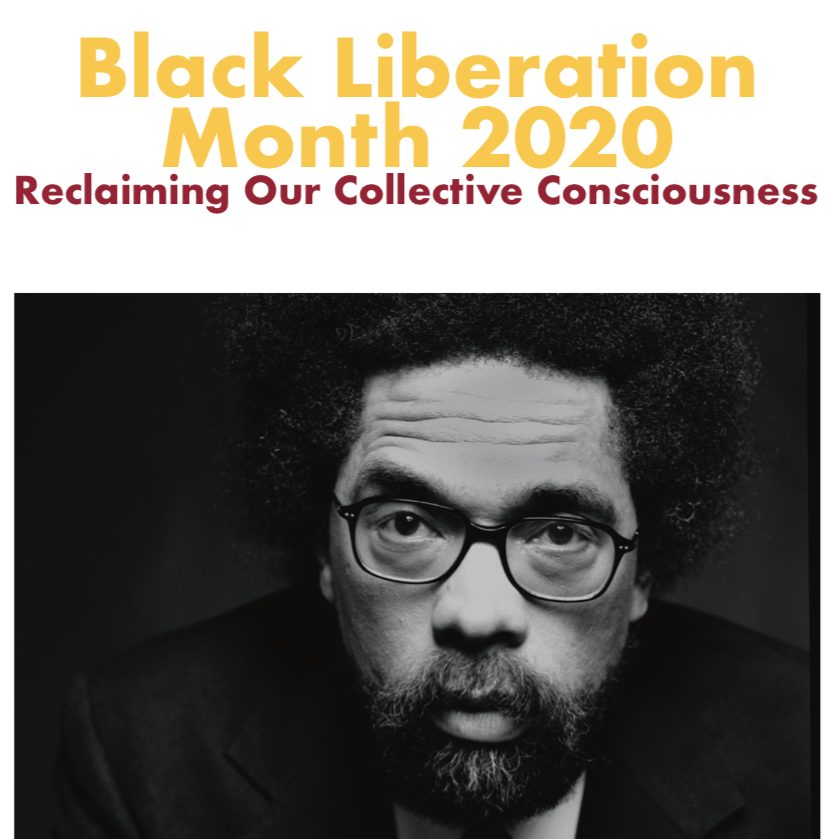
    Philosopher, activist and intellectual Dr. Cornel West visiting Humboldt State University

    Dr. Cornel West will be at Humboldt State University Friday, Feb. 7 to celebrate Black Liberation Month as the keynote speaker of a series of events.

    West advocates for race, gender and class equality. West’s social and political activism goes back to his days at John F. Kennedy high school where he marched for civil rights and protested against the lack of diversity and black studies classes offered at the school.

    West went on to become class president of his high school before attending both Harvard and Princeton Universities. He is known for infusing the world with academic inference, intelligence and philosophical reflection.

    The event is hosted by HSU’s African American Center for Academic Excellence and HSU Brothers United.

    West’s lecture will focus on topics from his 1993 book, “Race Matters.” Doors open at 6:00 p.m. and the lecture begins at 7:00 p.m. in the Kate Buchanan Room.

    The first 100 students through the door with an ID will receive a free copy of “Race Matters.” Additional copies can be found at Northtown Books at 947 H St. in Arcata.

    Tickets are free and available at the University Center Ticket Office at HSU, which can be reached at (707) 826-3928.

  • Marijuana Legalization is a Race Issue

    Marijuana Legalization is a Race Issue

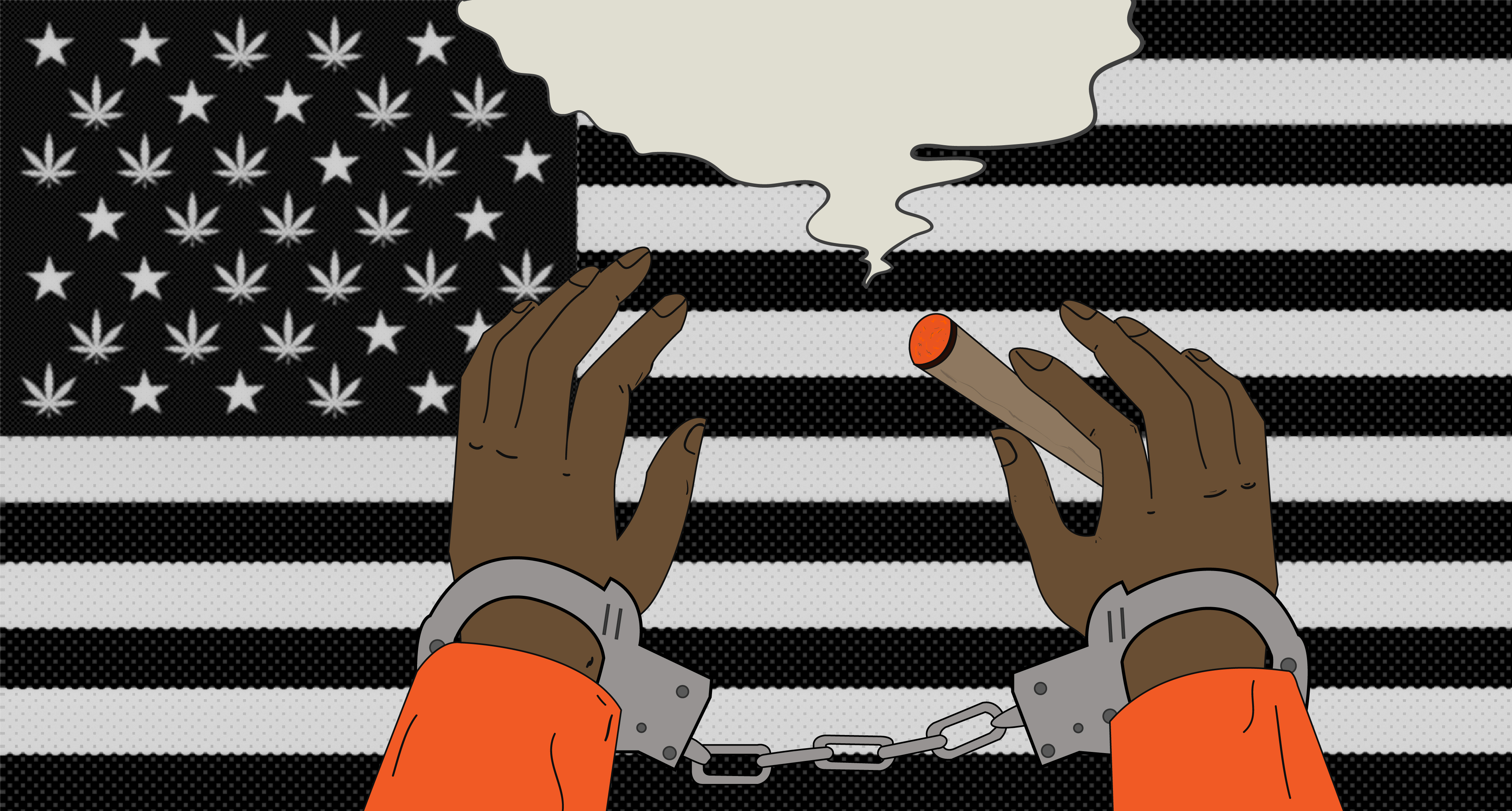
    Marijuana laws are enforced unequally and minority communities bear the brunt of the consequences

    Many states have voted on the legalization of marijuana, a schedule one drug, and 11 states have legalized recreational cannabis. Weed is now a large source of legal income in the U.S.

    Forbes shows that the top three states where recreational marijuana is legal profited over $4 billion in 2018 on cannabis sales. But according to a 2010 study by the American Civil Liberties Union, states waste over $3 billion a year in weed-related arrests.

    We believe states waste more time and taxpayer money by not legalizing and decriminalizing weed. Law enforcement often enforce weed laws unequally, with more arrests in underprivileged neighborhoods, which are often filled with people of color. According to the ACLU, black people are four times as likely than white people to be arrested for marijuana possession despite similar usage rates.

    We are fed up with blatant inequality and discrimination.

    In July 2016, a Minnesota police officer shot and killed black 32-year-old Philando Castile in his vehicle. The Minnesota Bureau of Criminal Apprehension investigated the case, and was told by the officer that he “feared for his life” due to the smell of marijuana and Castile’s lack of concern for the child in the vehicle. This ended in the officer’s acquittal.

    While most states don’t keep data for marijuana possession by Latinx individuals, New York City’s data shows that the Latinx community has the same rate of use as black and white individuals, but recent data shows that marijuana possession is the fourth most common cause of deportation.

    It’s obvious that many of those affected by these ludicrous laws are from black and brown communities. And it may be relevant to note that there is political gain to keep it this way, as many people who have been arrested for marijuana can no longer vote.

    This war on drugs, specifically the war on marijuana, is a war on communities of color. Children are left without parents and people are locked up for years on minor counts. And yet, even when white people commit similar crimes the punishments are all too different.

    Opioid addiction is at an all time highs in the states. It has largely affected white communities, but the amount of arrests is no where near that of other cultural communities when marijuana is involved.

    If treatment and repercussions are unequal, we need to understand that the system is flawed. When one group is given more freedom to make mistakes than another, it seems that there is a hidden agenda at work to keep white communities more prosperous.

    Drug laws are just one example of discriminatory regulations within the United States. Data shows that law enforcement agencies often treat people of color differently, our laws only add tension to the problem.

    As of now, 10 states plus Washington D.C. have legalized recreation marijuana and an additional 20 allow medicinal use. These states should quickly look into decriminalizing the drug fully. If we take steps to free individuals locked up for minor drug possession charges and use the money saved to focus on bigger issues, then we take one major step toward reforming the country’s unjust system.

    It may be a slow process, but it’s one that needs to happen now.
  • Athletes Are People Too

    Athletes Are People Too

    Pro sports is a two-sided business in need of a power redistribution 

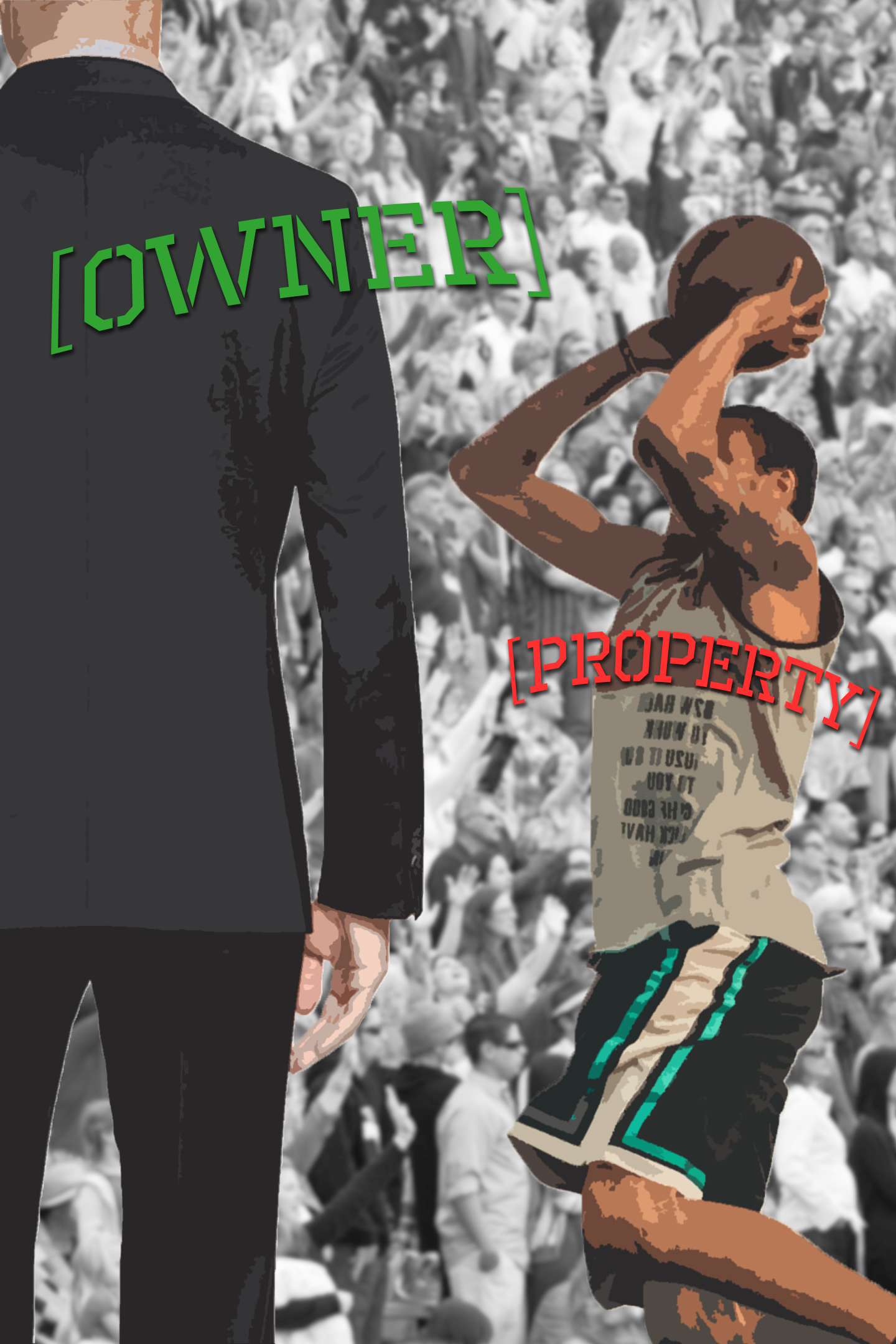
    Owners of professional sports teams have made headlines the last few years for all the wrong reasons. The primary issue regards team owners treating players as property instead of as people, and a good amount of this coverage surrounds the National Basketball Association and the National Football League.

    Since 2014 there have been numerous situations where owners of sports teams made racially-toned remarks concerning their athletes, who are predominately black. Simply referring to whomever controls the majority of the team as ‘owner’ can have its own racial implications in leagues where most players are people of color.

    According to the NBA’s 2015 Racial and Gender Report Card and a 2014 NFL Census, 75% of NBA players and 68% of NFL athletes are black. The NBA also has the largest percentage of people of color in its fan base, whereas NFL fans are primarily white.

    In 2014, The NBA forced former LA Clippers’ shareholder Donald Sterling to sell his team after a tape of him spouting racist remarks was released to TMZ. But in the NFL it seems like their majority shareholders are able to get away with more. NFL team owners were more vocal than ever this past season due to the outrage from many fans about players kneeling during the National Anthem.

    While NFL contracts may seem ridiculous compared to other high-grossing sports, professional football players receive the lowest percentage of guaranteed money in their contracts. In contrast, NBA athletes make every cent of their contracts and are often considered to be involved in the daily running of the league as opposed to just their respective teams’ shareholders making all the decisions.

    When it comes to the relationship between owners and their athletes, a large factor in the athlete’s treatment is how fans act. Rhetoric during the kneeling protests relayed many of the players who took a knee as unpatriotic, spoiled and privileged, with fans telling players to “shut up and play.”

    Fans treat players as if they are toys for amusement instead of human beings. And team owners treat players like property that can be replaced at any moment. But when there is a media storm of fans and others calling for change like with the Clippers in 2014, progress can be made. Fans hold more power than they know and can directly affect how teams are handled and how athletes are treated.