The Lumberjack


Students Serving The Cal Poly Humboldt Campus and Community Since 1929

Tag: Sarah Blunt

  • Students Struggle to Stay Motivated

    Students Struggle to Stay Motivated

    COVID-19 rages through US as students struggle with online schoolwork

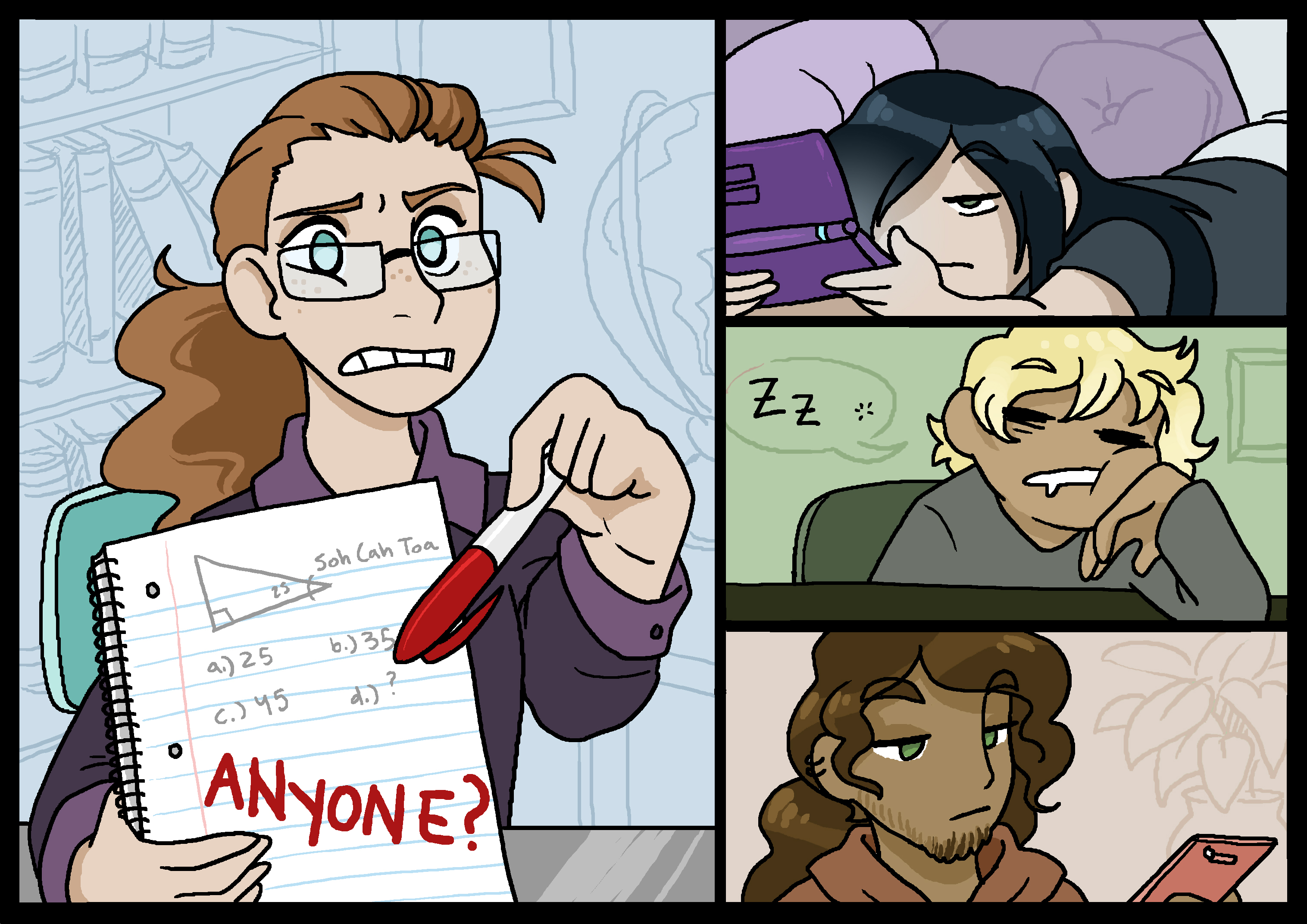
    Humboldt State University transitioned to online instruction for the rest of the semester on March 26. Since then, some students have had a hard time staying focused and motivated in online classes.

    Deana Lopez, a third-year zoology major at HSU, admitted that this hasn’t been an easy transition.

    “I feel overwhelmed with the amount of emails professors and instructors are sending, and everything seems all over the place,” Lopez said. “I have been neglecting my school work so much that I forget that I still have classes. I’ve missed quizzes and assignments already because it’s so easy to forget that I have to do them without a professor reminding me.”

    Third-year psychology major Madeline Baker said she was having a tough time staying motivated without face-to-face instruction.

    “Not being able to have classes in person further discourages me,” Baker said. “Holding classes through Zoom has been easier for me in contrast to pre-recorded lectures, but they still aren’t the same. Not having that in-person connection alters the learning environment in a way that makes me feel disconnected from my overall learning experience.”

    Not only are students dealing with the move from face-to-face instruction to online classes, but they also have to manage the stress of living in a pandemic. With many students moving back home, there’s added family stress as well.

    Not only do I feel like my beginning of therapy has been interrupted, but the full college experience for this semester.”

    Madeline Baker

    Lopez was feeling pressure from school alongside tension from life in general.

    “I know I can find the motivation, but everything is hectic at the moment,” Lopez said. “My grandma recently passed away so there was that on top of the COVID-19 situation, and a lot of family problems have occurred as well. I’m trying to get myself and my surroundings organized before I can actually put all of my focus into school.”

    No matter how good a job professors are doing, online education doesn’t appear to be the same. For the students, it’s not just the classes they feel they’re missing out on, but the whole college experience.

    Meanwhile, the state of the world may be taking a toll on student mental health.

    “The resource I would like to use most right now is CAPS,” Baker said. “Before all of this happened, I finally decided to go in and begin appointments, something I feel like I’ve needed to do for a while now. I feel like that has now been interrupted for me. I had a private safe space provided to speak with someone and learn to cope with things. Given my current housing situation, I do not have a private enough space in which I would feel comfortable confiding in someone and work through my personal feelings and issues over the phone or video. Not only do I feel like my beginning of therapy has been interrupted, but the full college experience for this semester.”

    Many students are also dissatisfied about paying full-price tuition for resources they won’t be able to access for the rest of the semester.

    Kayla Rodenburg, a third-year English major, thinks the tuition price doesn’t add up with all classes now online.

    “I do feel like the tuition price is too high for online classes,” Rodenburg said. “Online university is dirt cheap and we are paying CSU prices for that which is kinda ridiculous in my opinion. I’m pretty sure many parts of our tuition fund things on campus that we now don’t have access to, so I hope some type of refund happens, even though it’s kind of a stretch.”

  • First-Year Students Frustrated with Their Education

    First-Year Students Frustrated with Their Education

    HSU freshmen got the short end of the stick after facing blackouts and the COVID-19 pandemic

    Humboldt State students have experienced a crazy school year. From blackouts in October and COVID-19 ending face-to-face classes, it’s been quite the ride for everyone. For freshmen, this was their first experience with college.

    Freshmen learn to live on their own, make new experiences and acclimate to their new surroundings. For the freshmen that entered in fall 2019, it’s been a different story.

    Mikayla Diaz, an environmental science management major from Torrance, California, struggled with scheduling her first semester during the blackouts.

    “It was just really unexpected,” Diaz said. “Starting college, people will tell you how to stay organized and to keep a weekly planner and stuff like that, so everything I heard just kind of went out the window. Like, I wanted to keep a weekly planner but how do I if I don’t even know if I’m having class? It was difficult to make my way and get the bare minimum done.”

    “Keeping in contact with my teachers has been helpful, but it is difficult to do the Zoom thing with my teachers. It’s kind of awkward.

    Mikayla Diaz

    HSU has a prominent science program, and with that comes a lot of lab classes. Megan Bach, a wildlife management major from Boulder, Colorado, admitted that the blackouts affected her lab class.

    “Because of both blackouts I missed two labs,” Bach said, “which I was super bummed about because we didn’t get to do certain activities. Same with the coronavirus too though.”

    COVID-19 has affected students throughout the world by pushing classes that are normally face-to-face online. Classes are conducted from home and teachers have been forced to cut assignments that can’t be done from home or without certain equipment.

    Bach is concerned about the lack of hands-on learning, specifically for her chemistry lab.

    “The teachers are doing a great job. I’m still getting all the information,” Bach said. “It’s just rough because it’s hard, especially from home. I hate online classes. It makes everything harder. I’m a very hands-on learner and I can’t even imagine how they’re gonna do my chemistry lab.”

    Although classes are changing to accommodate online learning, students are missing out most on science classes.

    “Teachers are cutting out a lot of work,” Diaz said. “Keeping in contact with my teachers has been helpful, but it is difficult to do the Zoom thing with my teachers. It’s kind of awkward. For classes—especially lab classes—I need to go to the Arcata Marsh or something and I can’t go and do that because I’m in SoCal. It’s just kind of disappointing.”

    Science students feel they aren’t getting the education they paid for. Science and freshman botany professor, Mihai Tomescu, admits some of his students are struggling with the online format.

    “There’s just a lot of stuff I’m missing out on.”

    Mikayla Diaz

    “Just recently I had a student emailing me and she was a really good student until COVID hit,” Tomescu said. “She was really involved in class, really liked the material, was there in lectures all the time, worked in the lab really hard, she really enjoyed it. She missed an assignment and I checked in with her to see how things were going and she told me that she has really big problems with the internet.”

    Tomescu admits that he can’t directly do anything about the situation or to help in any way with the problems his students are facing, such as internet access.

    “It’s either slow or not available or spotty. Parts of lectures will stop and she’ll have to wait for the internet to come back on and stuff like that,” Tomescu said. “That’s very worrisome, especially when you see that in a student that was doing really well in class and she was excited. I don’t want it to be a missed opportunity.”

    Doing school from home can be frustrating, difficult and demotivating. At times, it’s inaccessible for people that don’t have the resources they need to complete the work. Not only are students missing opportunities on campus or in classes, but they’re also missing out on social opportunities they’ll never get back.

    “It’s really frustrating because I’m not getting the material for my classes,” Diaz said. “There’s just a lot of stuff I’m missing out on.”

  • The Lumberjack in Print: April 22, 2020

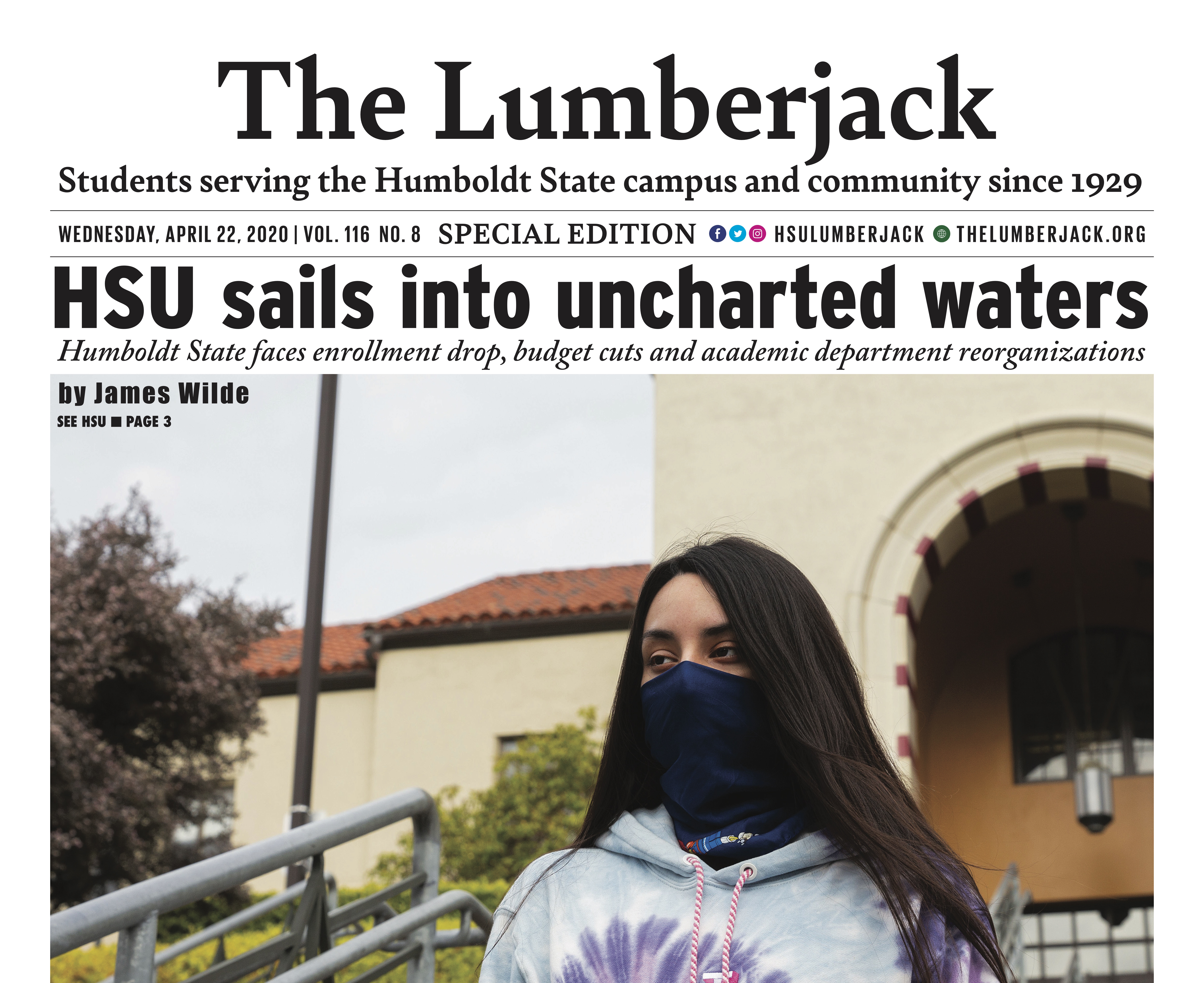
    The Lumberjack in Print: April 22, 2020

    The eighth issue of The Lumberjack for the spring 2020 semester, a special edition mailed to over 6,000 students

  • Here’s What The Lumberjack is Watching, Reading, Playing and Doing

    Here’s What The Lumberjack is Watching, Reading, Playing and Doing

    Some unedited recommendations and brief reviews from some of our staff


    Life and Arts Editor Grace Caswell

    What I’m watching:

    Just finished “Tiger King.” It’s the most ridiculous and unbelievable show I’ve seen yet with a surprising amount of depth.

    What I’m reading:

    “Noam Chomsky” by John Lyons.

    What I’m playing:

    None :/

    What I’m listening to:

    Lots of new music is being released but right now Toro y Moi and Jhene Aiko.

    What else I’m doing:

    Yoga and meditation has been a go to as well as cooking healthy foods. Anything to keep my mind at ease and health immunity high.


    Managing Editor Chelsea Wood

    What I’m watching:

    I’ve been watching the final season of “Schitt’s Creek” which has been a bittersweet reflection of the last five seasons.

    What I’m reading:

    I’ve been reading more of a book I started last summer. It’s called “The Spaceship Next Door” and it about a teenager who grew up in a small town where a spacecraft crashed years ago but never left.

    What I’m playing:

    Minecraft. I trash talked this game as a teen, but it’s amazing and I love creating things on it. It’s extremely entertaining and relaxing.

    What I’m listening to:

    I’m listening to lots of downbeat songs—music that soothes the soul with catchy beats. Just stuff to satisfy this melancholy phase I’m swimming through.

    What else I’m doing:

    I picked up an old hobby, basket weaving. It’s a relaxing and simple task that yields a useful item. And no that’s not a BS excuse, basket weaving is the shit.


    Editor-in-Chief James Wilde

    What I’m watching:

    I just finished season three of “Ozark.” It’s a crime drama with superb characters and writing that had an unexpected depiction of mental illness that probably hit a little too close to home and (full disclosure) made me tear up.

    What I’m reading:

    I just finished “Why Time Flies,” by Alan Burdick, a fun little foray into the way we think about time. Next up: “The Glass Hotel,” by Emily St. John Mandel.

    What I’m playing:

    Call of Duty: Warzone with my brother and some friends. I hate the premise of Call of Duty and, you know, shooting people, but as long as I ignore that it’s lots of fun.

    What I’m listening to:

    Kind of all over the place, which isn’t out of the ordinary. Indie stuff to hip hop to alt rock to electronic stuff to jazz to whatever else. Oh, and random Tiny Desk Concerts.

    What else I’m doing:

    Walking or going on runs to get out of the house. Drowning in schoolwork. Lying on the floor.


    Opinion Editor Alexis Parra

    What I’m watching:

    “Gentrified”- A show that hits home for people of color. “Tiger King”- A cult war in the world of big cats.

    What I’m reading:

    “Z: The Beginning of Everything”- the untold story of Zelda Fitzgerald and beautifying her life.

    What I’m playing:

    None.

    What I’m listening to:

    My playlist on LJ- All of my favorites songs and energy that I carry into one playlist. “La Platica”- A bilingual podcast where the host is funny and talks about dumb shit and real shit.

    What else I’m doing:

    Painting. Make-up. Face masks. Talking to my family. Getting creative while also taking care of my skin and keeping in touch with my loved ones.


    Sports Editor Thomas Lal

    What I’m watching:

    “Drive To Survive,” a super fun look into the 2019 F1 season with the dramatic thrills and spills to match!

    What I’m reading:

    “Permanent Record” by Edward Snowden. An intriguing and somewhat terrifying read.

    What I’m playing:

    The Witcher 3. This game has consumed my life. Loving the story and exploring the world.

    What I’m listening to:

    So much music, mostly ska, punk and jazz along with the “Every Little Thing” podcast.

    What else I’m doing:

    Being sad without any sports to watch.


    Web Editor Seth Finnegan

    What I’m watching:

    “Community.” The always funny comedy about students at a community college.

    What I’m reading:

    None.

    What I’m playing:

    Dead Rising and MLB The Show 19. Filling the sports void with hitting baseballs and zombies with baseball bats.

    What I’m listening to:

    The “Adventure Zone” podcast. Three brothers and their dad play D&D together.

    What else I’m doing:

    Learning to play darts. It’s very frustrating but very fun!


    Video Editor Benjamin Zawilski

    What I’m watching:

    The filmography of David Fincher and Hayao Miyazaki, and “The Good Place” on Netflix.

    What I’m reading:

    Rereading “Peter and the Starcatchers” by Dave Barry and Ridley Pearson, which was one of my favorite book series as a child

    What I’m playing:

    Overhearing my sister play Animal Crossing.

    What I’m listening to:

    The film scores of Mark Mancina, Alexandre Desplat, and James Newton Howard.

    What else I’m doing:

    Hiking at least five miles a day, sometimes up to seven, and have done a considerable amount of housecleaning.


    Reporter Deion Alston

    What I’m watching:

    “Coffee & Kareem.” Cop dates kid’s mother and him and kid (Kareem) uncover a conspiracy of dirty cops.

    What I’m reading:

    Haven’t been reading books tbh, but a lot of news article pertinent to sports, COVID-19, crimes etc.

    What I’m playing:

    Fortnite and NBA 2K 20. Fortnite is a shooting game and 2K is professional basketball at your finger tips.

    What I’m listening to:

    For podcasts, I listen to “Up in Smoke” hosted by two former NBA players, Matt Barnes and Stephen Jackson. It’s very interesting—great interviews and guests as well. For music I’m listening to a lot of Lil Uzi, G Herbo, Tory Lanez. So basically rap, hip-hop and R&B.

    What else I’m doing:

    I’m cooking a lot more—takes time up in the day. Do my 250 push-ups everyday and step-ups for some cardio. And occasionally throw the football in the drive way.


    Reporter Dakota Cox

    What I’m watching:

    “Seinfeld” & “Empire.” “Seinfeld” is a wonderful waste of time. “Empire” is a must-binge, cutthroat musical.

    What I’m reading:

    “Hurricanes” by Rick Ross is a fairly generic success story in terms of rapper autobiographies. “The Alchemist” is an extraordinary journey of the body, mind and soul.

    What I’m playing:

    Animal Crossing; don’t ask questions, go pick up the game!

    What I’m listening to:

    Going back and forth between oldies and hip-hop, gotta keep the serotonin up. Michael Jackson, Bob Marley and The Beatles are timeless, go listen! Gambino got the best album of 2020, @ me!

    What else I’m doing:

    Slipping out of sanity; would not recommend. Get a mask-on walk in when the sun shows it’s face; I like to play a little game called guess the gang members.


    Reporter Sarah Blunt

    What I’m watching:

    I just finished “I am not okay with this.” It was a really good show with short episodes that have a lot going on in them. 10/10. I also just recently watched “Freedom Writers.” That one was really good and empowering, also took place in Long Beach (where I’m from) so that was relatable (kind of).

    What I’m reading:

    “Looking for Alaska.” I’ve already seen the show on Hulu but I realized I had the book. So far it’s really good and John Green (the author) writes really descriptively so I never feel bored when I’m reading it.

    What I’m playing:

    None.

    What I’m listening to:

    Tons of music. Nothing in particular just going through my music apps and looking for things I haven’t heard before, or even music from shows i’ve watched that I liked the soundtrack. That’s most of what I spend my free time doing.

    What else I’m doing:

    Lately I’ve been taking bike rides alone just to get fresh air and not be stuck in the same surroundings. I never ride bikes but lately it’s just been a really nice way to get out the house but also keep my social distance from others. 10/10


    Reporter Ivan Ramirez

    What I’m watching:

    “Castlevania,” the show. “Mewtwo Strikes Back: EVOLUTION,” the movie.

    What I’m reading:

    Marcy Burstiner’s Investigative Reporting Book.

    What I’m playing:

    None.

    What I’m listening to:

    Psytrance, Electronic Dance Music, Drum & Bass, Electronic Rock.

    What else I’m doing:

    Meditating, talking to people on Discord, Instagram.


    Reporter Alberto Muro

    What I’m watching:

    I have started watching the Amazon Prime series “The Boys.” It has an interesting take on superheroes proving that not all of them are super. It’s a world where super heroes exist, now imagine their lack of empathy for saving people.

    What I’m reading:

    Currently reading through my textbooks so that I don’t fall behind on homework.

    What I’m playing:

    I am currently playing the remake of Resident Evil 3 which has updated graphics and character development.

    What I’m listening to:

    I am listening to the “Tinfoil Hat” podcasts since conspiracies take my mind on a wild ride

    What else I’m doing:

    I have transitioned from a student using critical thinking to an essential asset during a global pandemic thus turning me into a critical drinker.
  • Navigating the Pressures of the First-Generation Student Experience

    Navigating the Pressures of the First-Generation Student Experience

    First-generation students must look outside family for support

    Usually, students talk with parents, siblings or friends who have attended college in the past to gather information and paint a picture about college classes, professors and the overall college experience. For first-generation students like myself, that’s not an option.

    Being a first-generation student means you are the first person in your family to go to college. Your family members have no prior knowledge about college, the application and selection process, or what’s going to happen in the months prior to attending.

    First-generation students feel the pressure of learning to balance living on your own, being successful in college and working a job all at the same time. For Destiny Aguilera, a second-year theatre major, the help they needed was provided by a high school instructor.

    College is a time of self discovery.

    “My greatest struggle has definitely been finding myself,” Aguilera said. “College is a time for learning, experimenting and growing as a person. As a first-generation student, it is also a time to work multiple jobs and try to support oneself as best as possible, with as little help from family as they can provide.”

    The pressure to be successful and independent to avoid burdening parents financially heightens the expectations of the college experience.

    “Having that pressure of taking care of oneself added to the mix makes it difficult to take time to breathe and learn more about who I am and who I want to be,” Aguilera said. “That being said, it’s not impossible. Just within recent months I’ve been able to discover that I identify as nonbinary and use they/them pronouns. I have college and allies to thank for that.”

    College is a time of self discovery.

    Natyvidad Landeros, a third-year biology major, got help with applying to colleges through a high school class created to help students prepare for college.

    “I took it junior and senior year,” Landeros said. “They helped me with the process of applying. If it wasn’t for them I don’t know if I would have got into college.”

    Javier Hernandez, a political science major at HSU, also prioritized resources outside his family to pick the school that fit his needs.

    “I joined these college programs which helped other first-generation students like me to guide me through the process,” Hernandez said. “To take me to other college campuses and learn about the recruitment process and all the details that I needed to know applying to colleges.”

    College is a time of change and immense amount of pressure. This pre-college experience is only heightened for first-generation students who have to navigate blindly and on their own. High school classes or staff, friends and independent interests can be helpful guides.

  • Sovereign Bodies Brings Awareness

    Sovereign Bodies Brings Awareness

    Activist creates new database to track violence against Indigenous women

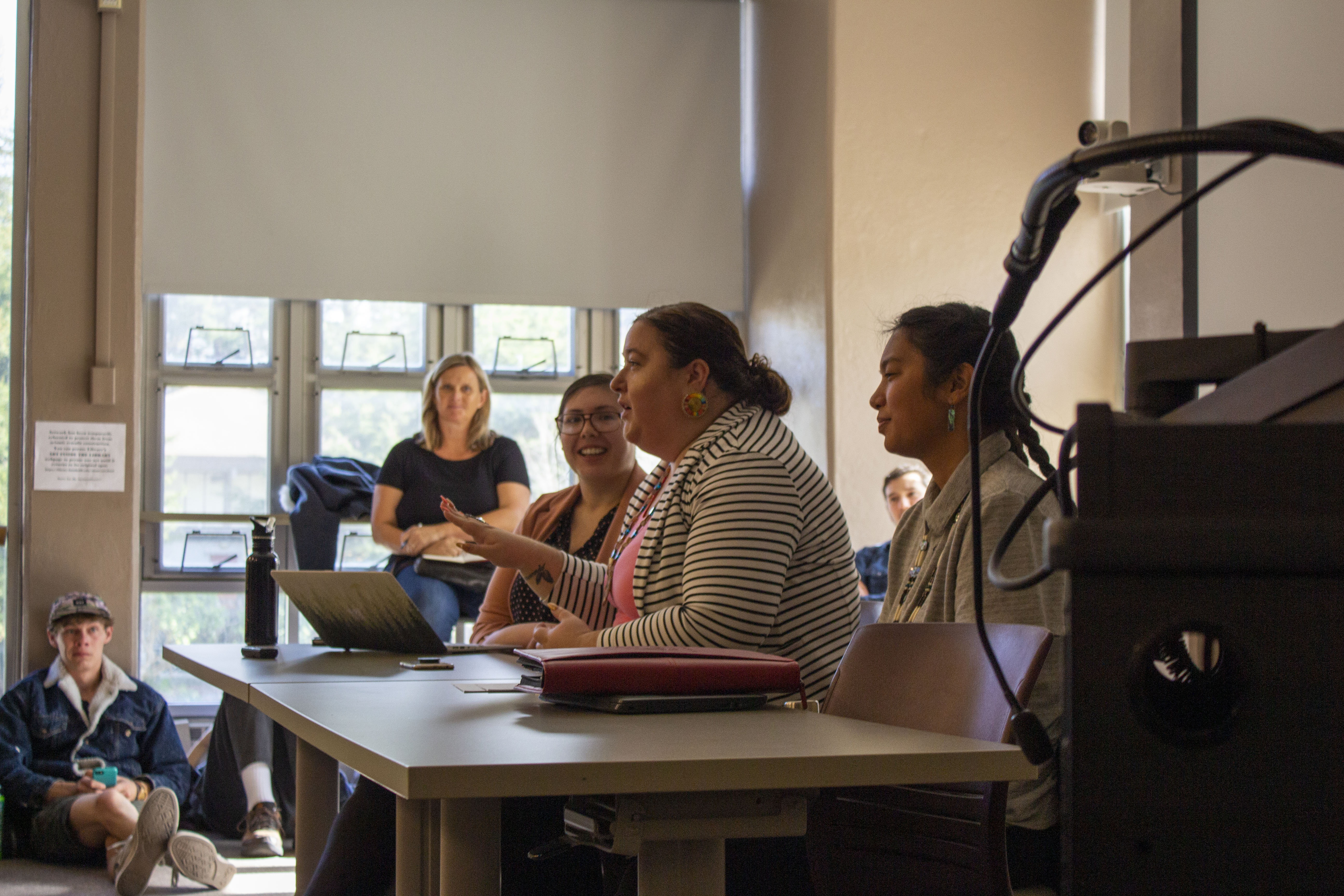
    Accounts of violence and murder toward Indigenous people are lost in history or left unrecorded. This became an even bigger problem for Indigenous women in places occupied by white men, such as mining or gold rush communities.

    The Sovereign Bodies Institute was founded about a year ago by Annita Lucchesi, a Native American and activist. Lucchesi realized the need for a database of violence and murder against Indigenous women after needing one, and it not existing.

    “It really bothered me because at that time in my life, I had just escaped a really abusive relationship that almost killed me,” Lucchesi said. “I also was being trafficked through that relationship, so I had a number of experiences where I almost was one of these missing and murdered Native women, so for me it was really personal and it really bothered me that if that had happened to me there was no guarantee that my story would be used to make sure that doesn’t happen to other women or girls.”

    Four years ago, Lucchesi created her own database for missing and murdered Indigenous women, which eventually became the kickstarter idea for the Sovereign Bodies Institute.

    “Humboldt County is amongst one of the highest counties of missing and murdered Indigenous peoples.”

    Chelsea Miraflor Trillo

    Sovereign Bodies Institute’s website says SBI is a home for generating knowledge of how Indigenous communities are impacted by gender and sexual violence and looking into how they can continue to heal and find freedom from such violence.

    Lucchesi has acquired around 4,000 missing and murdered Indigenous women cases in her database. Lucchesi founded SBI with the help of the Seventh Generation fund, an international organization for Indigenous peoples.

    Chelsea Miraflor Trillo, an Indigenous woman and participant of SBI, received her masters from Humboldt State. Trillo continues to work with SBI and families of missing and murdered Indigenous women to advocate awareness towards these issues.

    “Humboldt County is amongst one of the highest counties of missing and murdered Indigenous peoples,” Trillo said. “Students are usually in the area where community awareness and political action happen.”

    According to Lucchesi, Humboldt and Del Norte County hold a third of missing and murdered Indigenous women in California. Lucchesi said the justice system contributes to missing and murdered Indigenous women and the lack of action taken. Lucchesi said Indigenous women are considered non-human, and the justice system refuses to hold non-Native perpetrators responsible.

    Tammy Carpenter is a member of the SBI organization and an HSU alumna. Carpenter was subjected to the mistreatment of Indigenous people personally.

    “I, myself, am a mother of a victim that was murdered,” Carpenter said. “It’s still unsolved as of today, so I like to support the organization for the awareness for all women. Not just Indigenous women. All women.”

  • Growing Up in the Shadow of Malcolm X

    Growing Up in the Shadow of Malcolm X

    Ilyasah Shabazz discussed her background with loving energy on Feb. 12

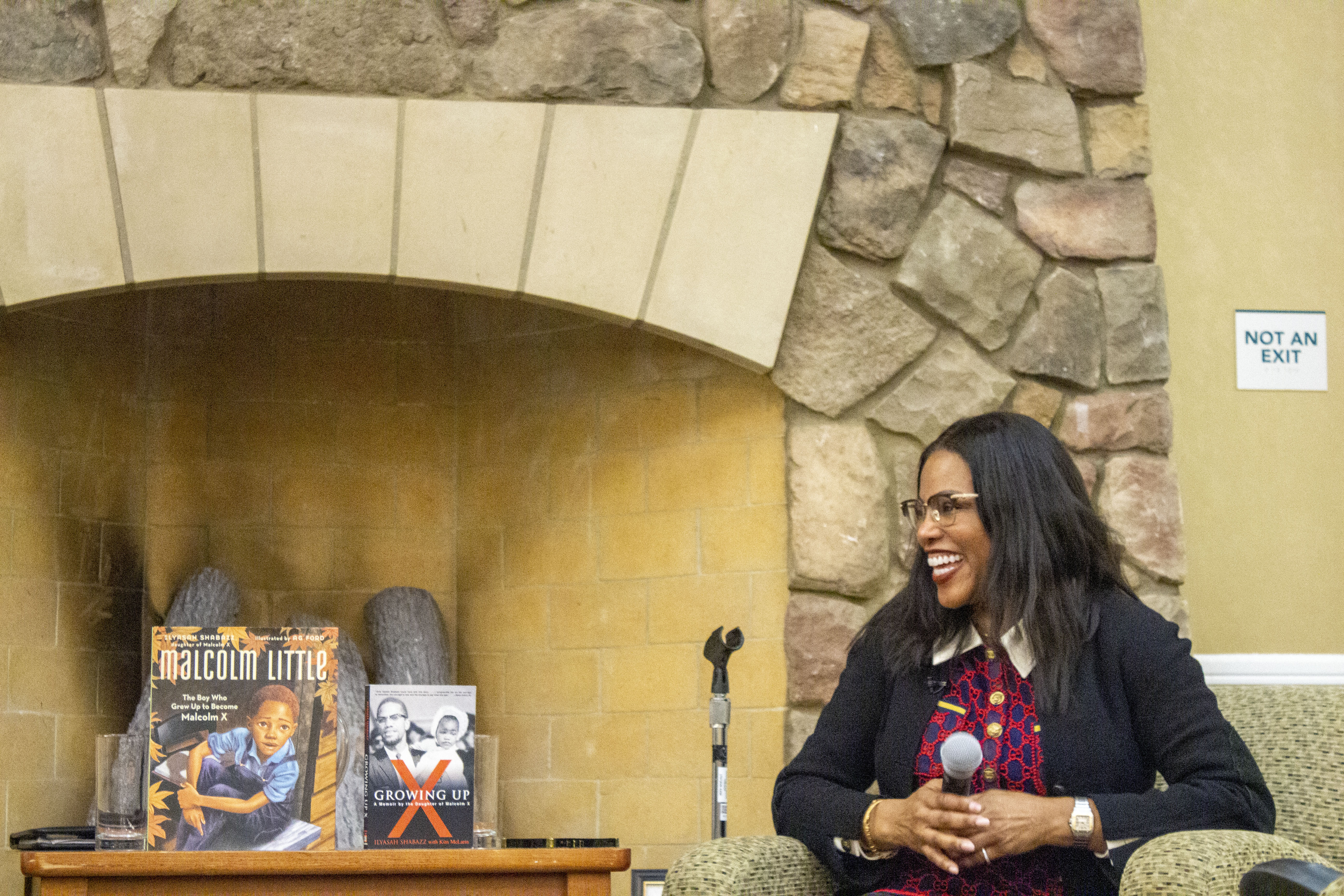
    Ilyasah Shabazz, one of six daughters of Betty Shabazz and Malcolm X, came to Humboldt State University Feb. 12 to discuss her book, “Growing Up X.”

    Despite the title, the book is not about Malcolm X. Rather, it surrounds the lessons and experiences that of Shabazz as she grew up living in her father’s radical legacy.

    “One of the benefits of being my parents’ child is that I grew up with a lot of love,” Shabazz said. “It’s really what drives my work because I realized there are a lot of young people who realize they are not worthy of love, or worthy of a quality education, or worthy of all of these things that life is supposed to provide us.”

    Shabazz dedicated her career to sharing the importance behind love and support being provided at a young age.

    In an exclusive interview with The Lumberjack, Shabazz emphasized the importance of love and humanity and the awareness that people are a reflection of one another.

    “In high school, I was at a prep school and not too far down the street was a group home, so we would go and tutor these young people,” Shabazz said. “I was tutoring them in math and then I started realizing that they didn’t have love—that there was no self love.”

    Shabazz dedicated her career to sharing the importance behind love and support being provided at a young age. She began advocating for the younger generation and their educational opportunities.

    “As I got older, I started realizing that it was really important for me that young people understood that they were worthy of love—that they were worthy of a quality education,” Shabazz said. “Because our education curriculum is not inclusive of historical facts, it makes young people feel that they are not worthy.”

    Shabazz felt inspired to write books because she wanted to change how children saw themselves portrayed in history. She specifically wanted to change the narrative of Black history and liberation for children.

    “That’s why I write my books,” Shabazz said. “So that children could open up a book, learn some history—learn good history—and then see a reflection of themselves in the story.”

    Her family’s legacy and the lessons shaped Shabazz into the person she has become today. An activist who has dedicated her life to working and representing the younger generations.

    “It’s about recognizing the humanity in everyone,” Shabazz said. “That we’re all brothers and sisters in the fatherhood or family of God or the creator. That we’re interconnected just because we’re human beings. Just imagine how much better life could be if we didn’t have to fight for someone to stop pressing us or, you know, committing these criminal acts on us and seeing them for as they are.”

  • Stuck Swimming in Circles

    Stuck Swimming in Circles

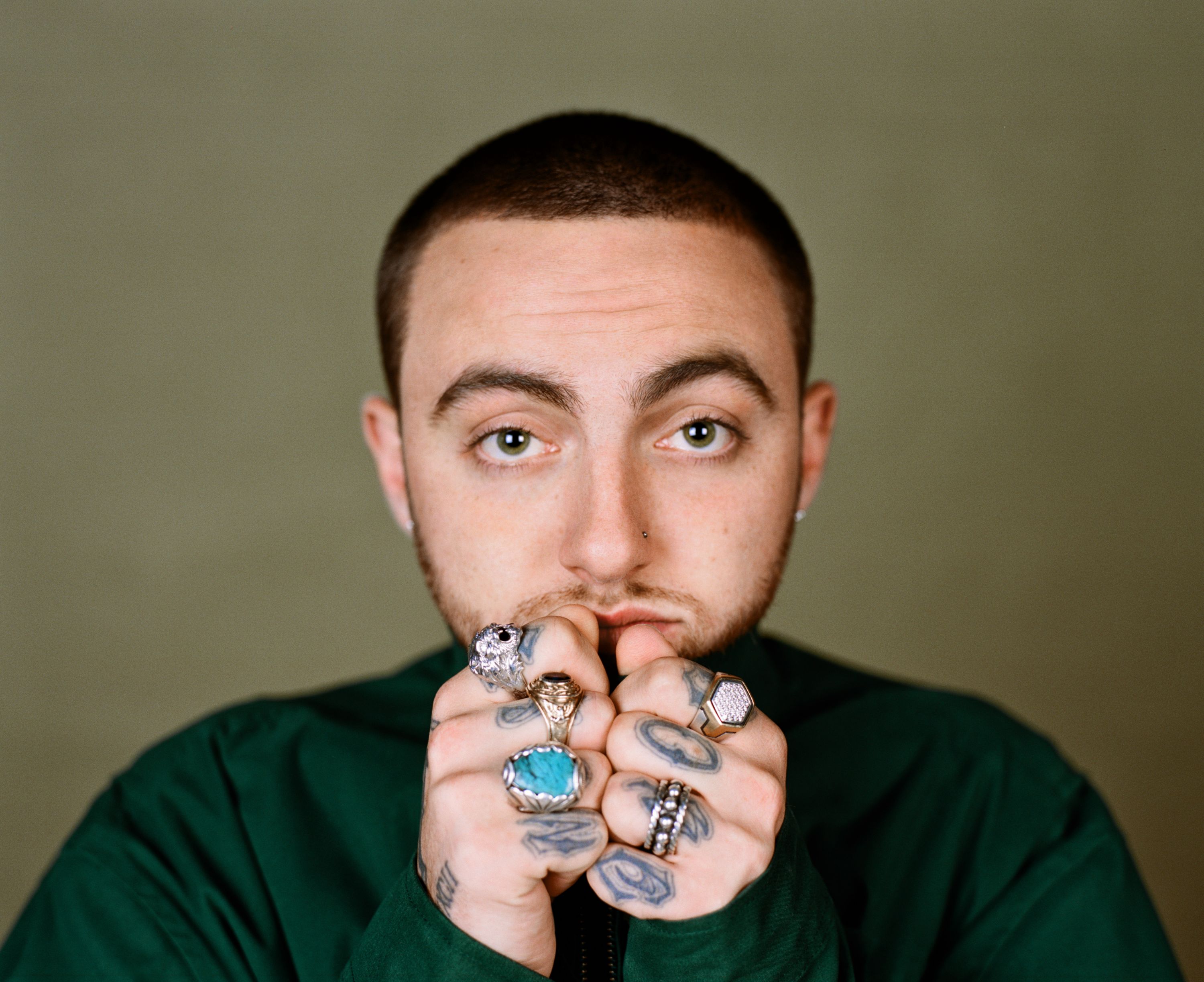
    Completing and contemplating Mac Miller’s final album

    Mac Miller‘s family and record producer, Jon Brion, released his final album, “Circles,” on Jan. 17. “Circles” completes his previous album, which was under works during his accidental overdose a month after “Swimming” was released in 2018.

    “Circles” goes deeper into his personal life and the struggles he was dealing with. Songs such as the last song, “Once a Day,” hit home. Miller had posted a snippet of the song on his Instagram story the day before his death.

    Jena Schuh, a zoology student at Humboldt State University, said she knew this album was going to be one of, if not the greatest, album Miller worked on when she first started listening.

    Miller’s album goes deeper into the idea that although he was rich and famous, he still dealt with struggles.

    “The style of ‘Circles’ truly portrays who Mac as a person was,” Schuh said. “Even though he had a lot of money and fame, he still went through the daily struggles that a lot of normal people have too.”

    Throughout the album, Miller openly talks about how he was feeling and some of his darker thoughts about the world and himself. He displays vulnerability to himself and is more transparent in “Circles” than any other album he made.

    Miller’s album goes deeper into the idea that although he was rich and famous, he still dealt with struggles. In the song “Circles,” Miller talks about how he’s tried to change, but can’t.

    “He’s just so creative and so unique. I feel like no one could ever guess what Mac would want, you know?”

    Hazel Belair

    This album in particular has a lot of things that people can relate to, such as going around and around in circles in life. In his song, “Blue World,” Miller describes the craziness of the world and the devil being on his doorstep, but carrying on and shining. It’s an album of pain and tribulations, but also triumph. He continues to talk about himself rising up, shining or continuing on.

    This album gave Mac Miller fans mixed emotions. Hazel Belair, a 21-year-old Arcata resident, said she chose to avoid listening to the album because it wasn’t finished by Miller himself.

    “He’s just so creative and so unique,” Belair said. “I feel like no one could ever guess what Mac would want, you know?”

    The family asking Brion to complete the album was an important part of keeping the authenticity. Brion had been working with Miller on not just “Circles,” but also on his last album, “Swimming.” They had been experimenting with different sounds, instruments and lyrics.

    With the amount of time the two spent together, Brion learned a lot about Miller, but particularly about his music style and preferences. After countless hours in the studio with him, Brion picked up on what Miller was looking for in the album and how he wanted it to sound. There isn’t anyone else who could have made this into a more pure Mac Miller album than Brion did.

    HSU geography student Olivia Dorenkamp thought Brion did a great job on the album and brought out new sounds.

    “‘Good News‘ and ‘Woods‘ put me in a state of bliss and remembrance of his past music,” Dorenkamp said. “Overall into a groovy state of mind.”

    Although “Circles” was Mac Miller’s final contribution to the music world, it was one of his most beautiful. He died over a year ago, but his memory continues to live on through his lyrics and the musical creativity that’s portrayed in “Circles” and his other albums.