The Lumberjack


Students Serving The Cal Poly Humboldt Campus and Community Since 1929

Tag: self-isolation

  • Students Stay Home Scared to Learn in Pandemic Times

    Students Stay Home Scared to Learn in Pandemic Times

    Students stay home this semester with concerns of health and quality of education.

    In the midst of the global pandemic, Humboldt State University students have chosen to stay home and attend classes virtually or not at all this semester, citing living expenses, health concerns and quality of education as factors in their decisions. Given most classes will only be offered virtually this semester, there’s much less incentive to be present on campus.

    Ahead of their return, the HSU health department informed students of the risk in coming back to campus and the new safety protocol including wearing masks, practicing social distancing and a mandatory COVID-19 test followed by two weeks of self-quarantine upon arrival.

    Calista Tutkowski, an environmental science major, is one of the students staying home and continuing her education online. Tutkowski’s family lives in Colorado and she decided coming back to campus wasn’t worth the risk. In her time on campus, Tutkowski made lots of friends that were also from out of state/from all over the country

    “All of them coming back to one place felt like a recipe for disaster,” Tutkowski said.

    While Tutkowski’s lab-classes were deemed deserving of in-person instruction this semester, her concern outweighed her desire to return.

    “It just wouldn’t feel like a safe environment,” Tutkowski said.

    In Colorado, she’s employed as an essential worker and frequently has to interact with customers that don’t abide by social-distancing protocols. Tutkowski also has the financial advantage of staying in her parents home and avoiding the cost of out-of-state tuition with the cost of housing in California, it wasn’t worth her return.

    “It’s like pulling teeth with some people,” Tutkowski said. “I could just be making money here if I stayed home.”

    Oliver McVay, a psychology student, online learning was never an option. The shift to online-instruction last semester in response to the initial outbreaks of COVID-19 cases, students like McVay, who suffers from a learning disability, were left to fend for themselves.

    “There wasn’t a lot of face-to-face stuff,” McVay said. “It was more just, here’s the assignment, turn it on canvas by this day at this time.”

    McVay experiences difficulty teaching himself the material and felt he wasn’t receiving the education he paid for, so he decided to take the year off.

    “Last semester, I didn’t really learn anything from my online classes,” McVay said. “I just felt like it wasn’t benefiting me.”

    Former HSU student, Chase Ervin, also found learning online too challenging in the spring and decided not to return for the fall.

    “I knew that online schooling was going to be difficult,” said Ervin. “I went from like all A’s to all B’s and C’s.”

    Students like Ervin and McVay require a proper learning environment to tap into their potential.

    “I was lacking a lot of focus,” Ervin said. “There were a lot of distractions at home that I wouldn’t necessarily have at school.”

    Whether students patiently await their return to the classroom or carry on pursuing an online education, it’s clear the virtual teaching methods do not benefit or cater to all students.
  • From Colorado to COVID-19 self-isolation

    From Colorado to COVID-19 self-isolation

    HSU Freshman’s experience catching coronavirus.

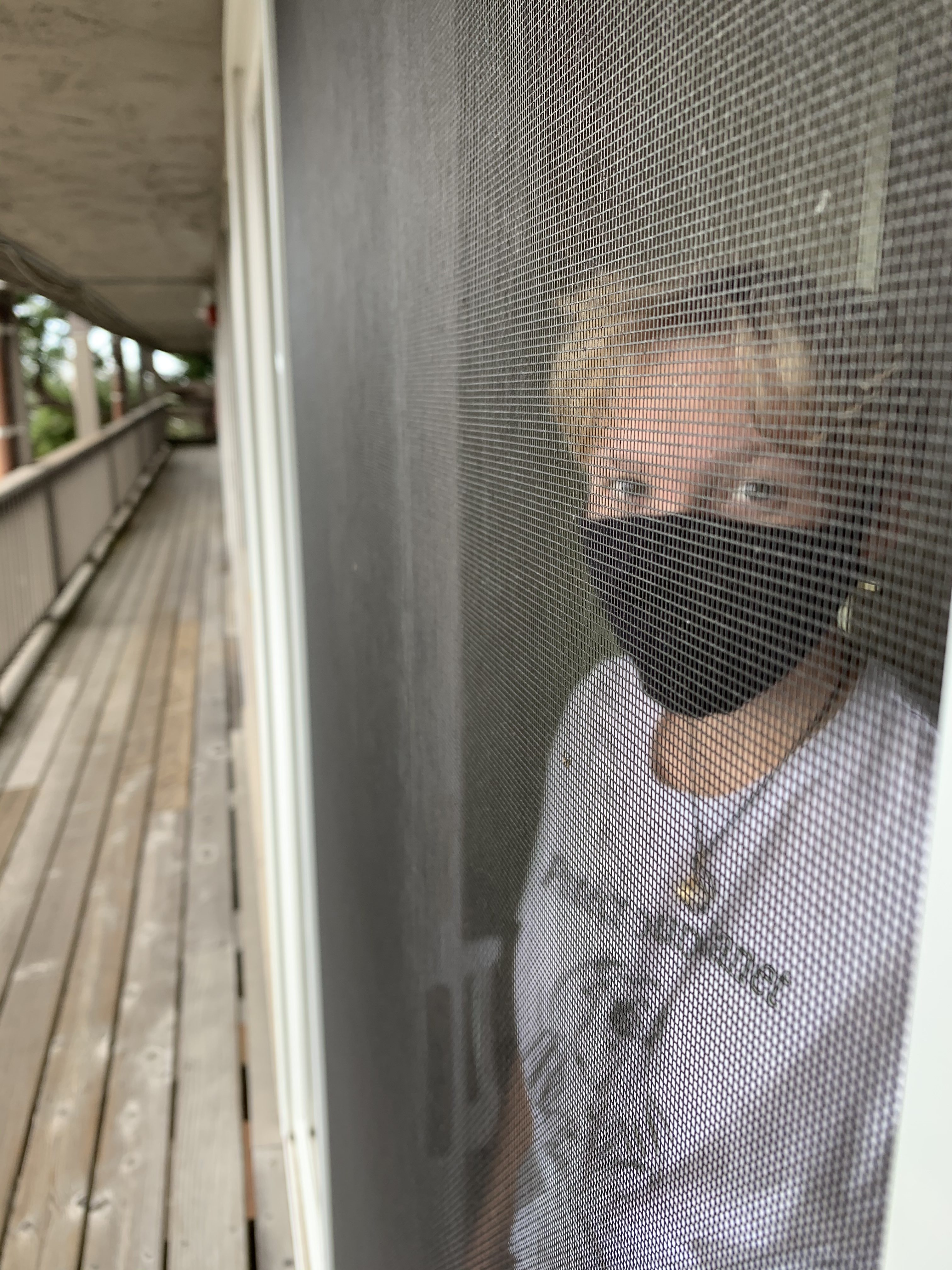
    After losing the second half of my senior year to the pandemic and missing out on new friendships at a new school, I begin my college journey isolated in a campus apartment, where my only access to the outside world is through a screen door I’m not allowed to open.

    Coming from dusty and deserted Western-Colorado, all I’ve wanted to do since I was accepted to Humboldt State University is explore. An area surrounded by redwood forests and ocean was a dream alone, but it’s also home to the majestic, wild banana slug – I had to see one! But first, there were a few things to do.

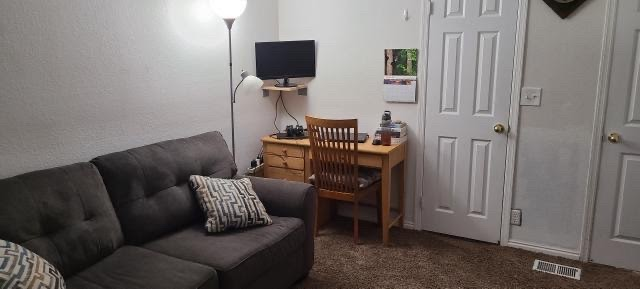
    On Aug. 17, I took my mandatory COVID-19 test and excitedly began moving things into my dorm, arranging a plethora of houseplants and a cozy corner for my pet tree frog, Terra. Very quickly, this became my new home. Aug. 18 was orientation day – I’d quickly adjusted and felt ready to conquer the world at HSU. That afternoon, I explored campus and the forest, making not just one, but an entire slimy armful of banana slug friends. My dream had come true, at the cost of only a few tiny slug-bites.

    Before my parents returned home on Aug. 19, we met at a local coffee shop to say goodbye; that’s when I received the call informing me my COVID-19 test had come back positive. It was as if suddenly the world started spinning; I was speechless. I never imagined it would be me who caught COVID-19; afterall I’m young and otherwise healthy. But this pandemic has taught us what we think we know to be true is often not the case.

    I wish I could say we rushed to my dorm, but instead, we stepped out of line and just stood together in shock. It occurred to me, I’d experienced possible symptoms of the virus earlier in the week – shortness of breath, nausea, low appetite, fatigue and headaches – however, each is also a symptom of my anxiety-disorder and it’s unclear which was the cause. My parents asked questions, but all I could think was of myself and every person I’d seen, connected by a piece in my contaminated puzzle. Suddenly, guilt and anxiety filled my entire being. I began to suffer a panic attack.

    It took a moment to start my car as I fought to catch my breath; my whole body felt as if it were collapsing. I called my boyfriend in Colorado but all he could understand was how afraid I was.

    This fear was never for myself; this fear was for others. Fear for my parents, for my friends, for my boyfriend and his family – fear for people I passed in the grocery store and for those I worked with. I never worried about myself. I worry about the damage I caused, unaware I carried the virus. It all felt like my fault. It felt like I’d let down the entire world.

    I was moved to a new room where I said goodbye to my parents and the company of others for at least a week. Over a thousand miles from home and yet it doesn’t seem nearly as far as the four walls separating me from beginning this new chapter of my life.

    In a state of constant fatigue and boredom, I sleep most of the day, only waking when my phone rings. Doctors, health centers and housing, all call several times each day asking similar questions and often I can’t tell them apart. When you’re only allowed in one place, you don’t have much aside from your thoughts. Is this my fault? Did I do something wrong? Should I stay quiet about it? When will they let me leave this room?

    My new room has a kitchen and a bathroom, a beautiful view through my screen door and plenty of food. HSU staff checks in consistently, doing everything they can to help me through this. I feel like I have a whole team of friends working to guarantee my health and safety.

    Despite everyone’s help, I’m still on my own. My main source of optimism is knowing my isolation is protecting others. Recognizing how our decisions affect others is the first step in preventing the spread. Sure, a mask is uncomfortable, but so is being locked in a room for seven days and so is losing someone you love because precautions weren’t taken.

    For those who don’t believe in COVID-19, it is real. It is harmful. It is possible for anyone to contract. We all believe we’re invincible until we’re not. My battle with COVID-19 continues, but I know someday I‘ll be able to step outside again and I will find another banana slug.

  • Photos Show Life Around Arcata in the Time of COVID-19

    Photos Show Life Around Arcata in the Time of COVID-19

    A photo series from the end of spring break

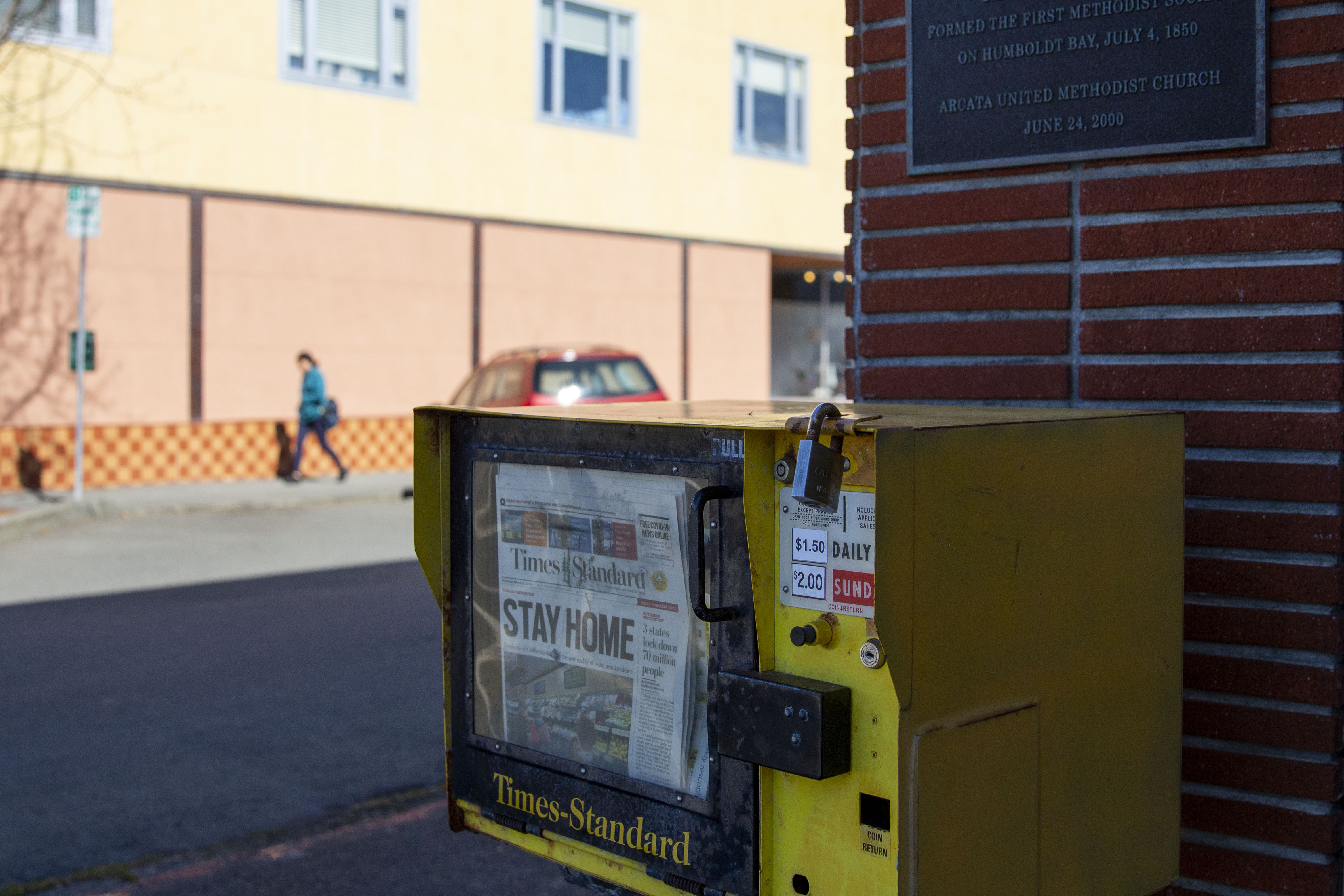
    Photographer and Sports Editor Thomas Lal captured these scenes from around Arcata on March 21 at the end of spring break at the beginning of Humboldt County’s shelter in place order.

    The storefronts on the Arcata Plaza look out on mostly empty streets.
    An employee sits at a computer while a sign advertises that the business is still open during the first week of a shelter in place order.
    The shelves in the Arcata Safeway.
    The Humboldt State Library.
    A lone person walks through the mostly empty parking lots at Humboldt State University.
    The Humboldt State Library.
    The Humboldt State Library.
    A single person works at the Humboldt State Library.
    A carton of eggs sits on the shelves at the Arcata Safeway.
    A lone person stands just off of the Arcata Plaza.
    An employee puts up a sign in the door of the Jitter Bean on the Arcata Plaza.

  • Ask Evergreen: Concerned Citizen

    Ask Evergreen: Concerned Citizen

    How to live through a pandemic

    Ask Evergreen is an advice column by the students of The Lumberjack


    Dear Evergreen,

    How do I live in this pandemic?

    Dear Concerned Citizen,

    We’re living through history right now amidst the COVID-19 pandemic. There are many ways you can prevent potential exposure while still leading a balanced life.

    Educate yourself. Learn about the causes, symptoms and preventative measures of this respiratory virus. The California Department of Public Health has pertinent information you should read up on. While Humboldt County is not on the list for community transmissions, it is offering lab testing for suspected cases of the illness. The CDPH news updates page offers consistent updates.

    Isolate yourself. Don’t go out unless it’s necessary. While you may want to see your friends during spring break, don’t expose yourself to others who may not be practicing precautionary measures.

    If you’ve traveled home for break, be mindful of where you go out. It’s OK to not do normal spring break activities. Avoid going to clubs, restaurants, bars and breweries. It’s unlikely someone diagnosed with COVID-19 will be out in these places, but for the benefit of the doubt, you never know if they’ve been in contact with someone who has.

    Protect others. You may not realize how vulnerable certain age groups are to infectious diseases. Young children, the elderly and those with weakened immune systems are more susceptible to become ill. These groups are also less likely to be able to fend off illnesses, so limit interactions with the outside world for the sake of those near you in these populations.

    Prepare yourself. It’s going to get worse before it gets better. Practicing all of the former will help you better understand this illness and prevent further spreading. Just like after any natural disaster, awareness is heightened and preparedness begins for the next event. We shouldn’t wait for something to happen to be prepared for it the next time.

    Instead, we should always be ready for anything—cautious, but not panicked. Take this time to assess your emergency plans and supplies. Don’t stock up on unnecessary items like toilet paper. Do gather important survival gear to assemble a go-bag if you haven’t already. Ensure you have enough non-perishable food to last a potential quarantine or even a self-isolation period. Make sure you have your prescriptions filled, disinfectant stocked and all other daily necessities.

    Advocate for yourself. Perhaps your work has shuttered its doors and you’re worried about your next paycheck. Speak to your boss about what this pandemic means for your employment. Conserve your finances. With the stock market as unstable as it is right now, it’s wise to curb your spending. Don’t waste money on another bottle of hand sanitizer—instead, invest in the necessities.

    Relieve yourself. Don’t forget to take your mental health into account during this chaotic time. Reach out to loved ones and check on their well-being while updating them about yours. Find some stress relieving activities for you to do as you practice social distancing. Paint something, start meditating, study a new language or even do your taxes. There are plenty of things to occupy yourself with that are both peaceful and productive.

    We’re in this together.

    Sincerely,

    Evergreen


    If you have any questions you’d like to send in, email us at contactthejack@gmail.com. We won’t publish any names and you don’t need to use one.