The Lumberjack


Students Serving The Cal Poly Humboldt Campus and Community Since 1929

Tag: Sophia Escudero

  • Four years of handling headlines

    Unless you spent the past five years in a coma, blissfully unaware of the world around you, you know the news has been deeply weird and distressing.

    I genuinely believe that the past four years have left a profound impact on my mental health, and that of many people across the nation. I have friends who have stopped reading the news entirely so they can go about their day without feeling hopeless. I’ve read articles about the Biden administration by journalists that seem positively shocked at how boring the policy details are. These past four years have left this country traumatized, a trauma we only now can begin to reckon with.

    I was still in high school when Trump was elected. I vividly recall my blind confidence the weeks before the 2016 election, when my young, dumb, optimistic self bet my best friend ten dollars Trump would never be president. Fast forward to that infamous night. I was crying as I stared at the television screen, watching the electoral votes tick upwards as I envisioned the worst. That night I contemplated walking into traffic to spare myself the agony that awaited a mixed-race queer in the new America.

    Time passed. I handed over the money. I went to the Women’s March. I learned that democracy was a sham. For the next four years, I checked the news, I opened social media, I watched television and every single day it was something new.

    The president said white supremacists were good people. The president threatened nuclear war with North Korea. The president suggested that people inject bleach. It was never enough to simply enforce policy banning transgender people from the military or pulling out of the Paris Agreement. He always had to say things, truly hateful and outrageous things, that became the news because of his position.

    I genuinely feel that some level of emotional abuse occurred. Gaslighting, threats, and wild accusations were common enough, and the hypervigilance that victims of abuse develop was certainly there. I was constantly looking to see what new damage to democracy has happened now.

    Even when it wasn’t exactly bad, it would be strange, and the absence of news and its terrifying unknown would leave me more worried than ever. Bad news was addictive. I had to know what horrible things were happening so I could stay informed, and once I was informed it was my responsibility to stress about them.

    For four years we lived under the constant anxiety that maybe today we would glance at the news and hear martial law declared. Maybe today we’d see World War III. Maybe today we’d lose the Civil Rights Act. It’s only now, when I look up the name of the current president of the United States and don’t see tweets accusing political rivals of treason, I realize that the news cycle wasn’t normal. We aren’t supposed to have panic attacks whenever we glance at NBC. That’s what CNN is for.

    I know bad things happened under the Obama administration. I know bad things continue to happen under the Biden administration. I know it’s an incredibly privileged take to say that if Hillary had been elected, we’d all be at a coronavirus-free brunch reading about how world peace was declared. We will still have climate change, inequality, poverty, unemployment, corruption, and, oh yeah, a GLOBAL PANDEMIC. But the truth is, it isn’t healthy to see a constant stream of bad news all day every day for four years. It’s even less healthy to read the rantings of a man who believes in his word over facts and his ego over human lives. While this section is probably near the back and it’s a bit late to hear it, please put down this paper. Remember that you don’t have to steel yourself like a lab rat for the next shock. What happened here wasn’t okay, and we need to heal.
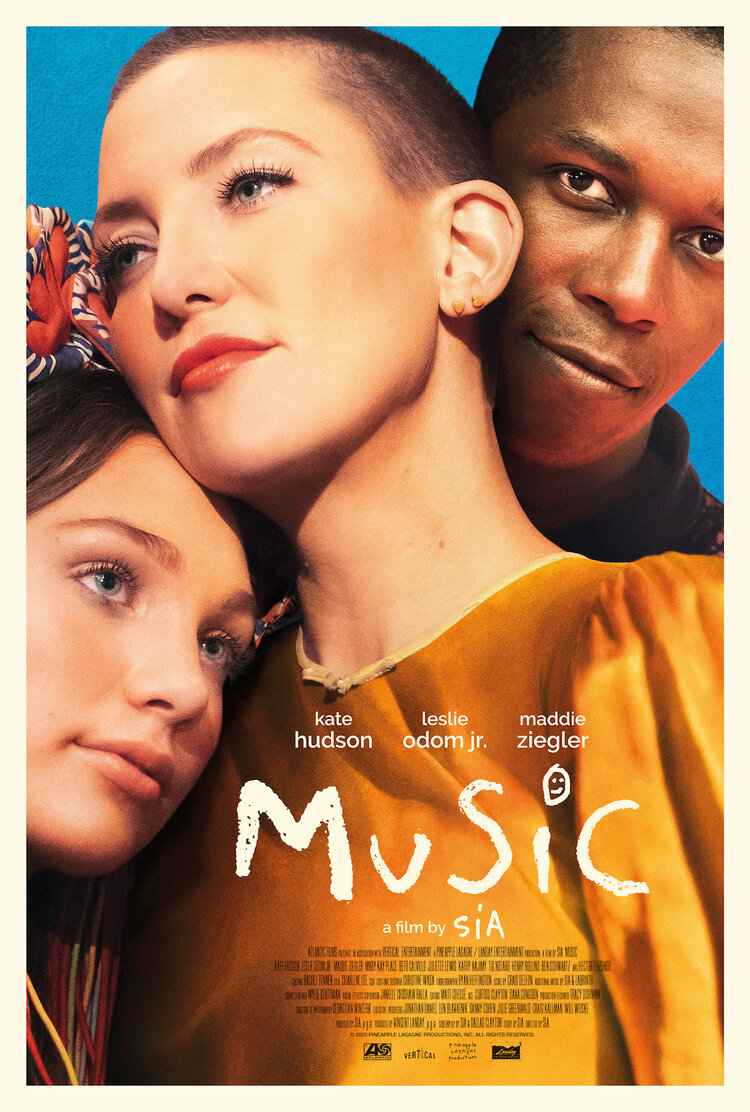
  • Music is tone-deaf in all senses of the word

    Music is tone-deaf in all senses of the word

    There are some movies that are so bad they’re good. There are some movies that are so in-your-face offensive it’s funny. Regrettably, Sia’s directorial debut “Music” was neither.

    For those who haven’t been keeping up on the drama relating to this film, Sia became a subject of controversy after she cast a non-autistic actress as an autistic character, worked with known anti-autistic group Autism Speaks, then doubled down on insulting those who suggested she listen to the concerns of actual autistic people. She went so far as to compare autistic people to inanimate objects before telling would-be critics to watch her film before passing judgment. As an autistic critic, I did so, and judge I shall.

    “Music” is ostensibly a film about the titular Music, a nonverbal autistic girl played by the non-autistic Maddie Ziegler in a painful caricature of disability. However, for all the time dedicated to pretentious musical sequences, she could easily be replaced with an animal or an expensive lamp for all the film cares. Music, true to Sia’s belief, is little more than a plot device or piece of set dressing. Instead, “Music” focuses on her older sister, the callously selfish drug dealer Zu (Kate Hudson, inexplicably nominated for a Golden Globe), and her struggles dealing with Music’s needs.

    I cannot stress enough what a disaster this film was from start to finish. “Music” manages to be profoundly insensitive to the point of being nauseating to watch. Music herself is essentially a non-character whose needs and level of ability vary depending on what the film demands. She exists exclusively to inspire neurotypical people with her “inner strength” and act as a conduit for Sia’s self-indulgent and hideously oversaturated song and dance sequences. I shouldn’t have to tell you how disgusting and patronizing this is. Her acting is little more than choreography, her stims and tics set to the beat as she moves in a grotesque pantomime of what I and people like me experience every day. Yet, she seems to live a charmed life, unaffected by grief following the death of her grandmother and offered free fruit and smiles by strangers on the street. Frankly, the most realistic depiction of the autistic experience in this film is Zu’s total disregard for her autistic relative and ignorance of the condition.

    The privilege continues to show in the depiction of Leslie Odom Jr’s Ebo, a black man and magical autism whisperer who evidently lives to serve this white family and dispense down-to-earth wisdom. In a strangely cheerful tone, he explains that his own brother was autistic and died. What was his name? How did he die? It does not matter, as Ebo goes on to directly endorse a dangerous method of physical restraint that has led to the deaths of dozens of autistic people. He’s the most blatant example I’ve seen in years of the Magical Negro, the enlightened yet folksy black man who helps the white hero on their journey while lacking any personhood of his own.

    Even if one can ignore the blatant racism and ableism, “Music” fails to deliver a coherent narrative, developed characters, or even pleasing aesthetics. I found myself checking the time constantly, as this proved to be the longest hour and a half of my life. At one point in the film, a minor character is murdered on screen and it doesn’t affect the plot whatsoever. It’s never mentioned and we never see anyone react. At another point Sia makes a guest appearance as herself. I’ll let you take a wild stab in the dark at how much influence this has on the events of the film. The closest thing to a character arc we see in the entire run time is (spoiler alert if one cares about this paper-thin narrative) Zu changing her mind about giving Music away to a facility that probably is better equipped to care for her than an alcoholic drug dealer.

    Music is bad art marred by bad representation and bad intent behind the scenes. If this review leaves you morbidly curious, all I can tell you is that it’s not even worth a hate watch. Frankly, I’m less offended as an autistic person than I am as a film aficionado. Watching this movie was one of the most draining experiences of my life. Sia’s directorial debut should stay her directorial finale, and I feel worse off for having witnessed it.

  • Is my cat mad at me?

    Cats are weird animals. This is an established fact among anyone who has ever seen one. Fortunately, this behavior does have several explanations! Rest assured, your cat doesn’t hate you for cleaning up after him. He hates you for reasons he refuses to divulge to the press.

    One of the most likely explanations is simple curiosity. Cats are inquisitive creatures, and they may not be sure what you’re doing. The act of burying their waste is an instinctual behavior to hide their scent from predators, and seeing you dig up what they so carefully hid might confuse them. Somewhere in the world, a cat is writing to a cat advice column to ask why his human is carelessly revealing their presence to wolves.

    Cats also like to watch what their humans are doing, and even try to participate. We’ve all been at our computers and had a cat sprawl across the keyboard to see what the hype is about. This behavior is called mirroring. It’s a sign that your cat wants to be included in whatever strange thing you’re doing, and it’s the cat’s way of spending quality time with you. If your cat is sitting by you or even putting a paw in the litter, he’s simply doing his best to help. It’s not his fault he has no thumbs.

    On the other hand, cats are territorial animals. They see your home as their home and everything in it as theirs. The litter box is the only place inside where they can relieve themselves. Seeing you clean it out, the cat wants to supervise you, essentially to ensure you clean it properly and that there will still be a litter box when you’re done. However, territorial behavior can go a bit far. If your cat hisses at you or even attacks you when you clean up after them, this could mean that they feel insecure and unsafe. It’s a good idea to get your cat a second box to use while you clean the first one outside, to give the cat a bit of security that there will always be a usable litter box.

    So long as the cat has an adequately sized box and a sense of consistency, he shouldn’t be angry at you for keeping it tidy. Odds are he appreciates it, as cats like to keep their space clean. Plus, he can only bury his waste so deep and appreciates you hiding his location from large predatory birds. Yes, human. Put the dirty litter in a bag to be taken far from this place. Our enemies shall not find us here.

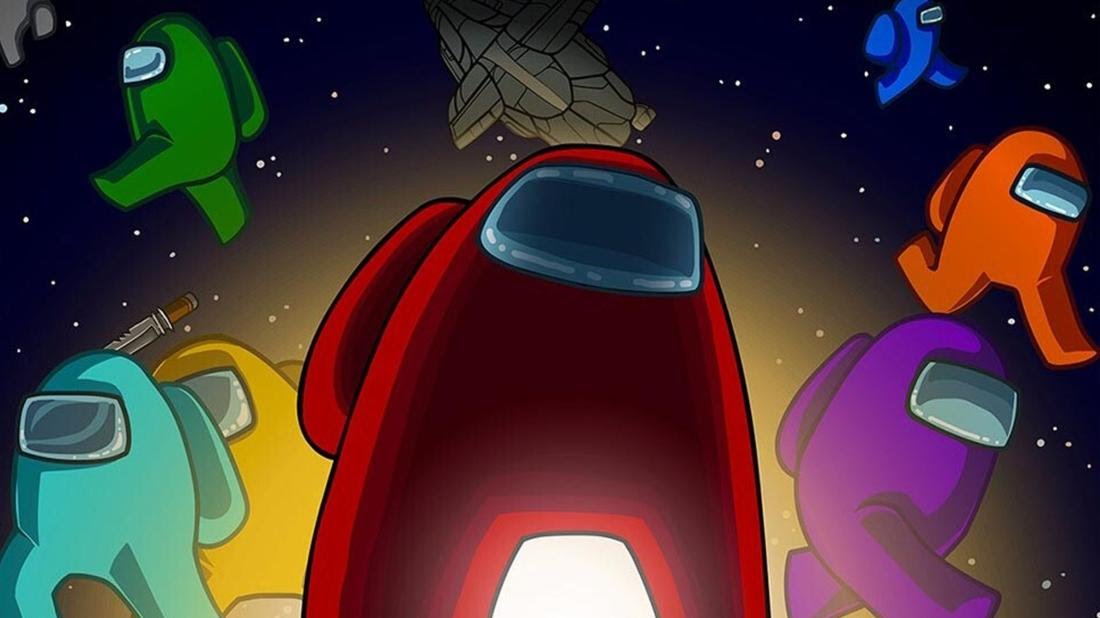
  • How to survive Among Us without being sus

    How to survive Among Us without being sus

    The best game about gaslighting your friends on a spaceship

    Among Us was released by InnerSloth in 2018, but remained in obscurity, averaging only about 30 players at any given time. This all changed in July, when it was picked up and thrust into the spotlight by Twitch streamers such as Sodapoppin.

    Today, Among Us boasts over 100 million downloads and 60 million daily players. Owing to its easy learning curve, low cost and social nature, the game took off. It’s deceptively simple but downright addictive.

    Among Us is a charmingly animated game with a distinctive visual style. Playing as colorful astronauts, players are divided into two teams: crewmates and imposters.

    Crewmates are charged with completing their tasks and investigating the imposter among them, while imposters must sabotage the ship and murder all of the crewmates before being discovered.

    The real action of the game occurs in the chat feature, where players bring out their best detective work to uncover the liars.

    As one of the 60 million Among Us players, the hype is real. I play as a lime green astronaut who wears a plastic flamingo on their head and it’s as delightful as it sounds. For crewmates and imposters alike, may I present: tips on not getting launched into the void of space.

    1. Always know where you are. Having an alibi is the best way to prove your innocence (or fake it). Be prepared to explain what you were doing and who you might have seen there.

    2. Know how to argue. Whether you’re accusing someone or defending yourself, have evidence. Did a crewmate see you do a visual task? Did you vote out the last imposter? Why were you following Red around the map? You have to be able to find reasons why people are or are not the imposter and persuade people that you know what you’re talking about. Which brings us to tip two and a half: Lying.

    3. Learn to lie convincingly. If you can convince just one or two crewmates that you’re trustworthy, that you couldn’t have been the killer, that you were in medbay the entire time, then you’ve just earned yourself another chance to strike. As in life, lying is a great way to eliminate your enemies with no repercussions.

    4. Find a buddy. If you’re a crewmate, you’ll have a friend who will witness and report your murderer, or simply stand by and protect you while you complete your tasks. If you’re an imposter, you either have an unsuspecting victim or a second imposter to team up with and lend an alibi to.

    5. Don’t be a cheater. If you’ve been murdered, don’t be that guy who calls their buddy and tells them who the imposter was. It’s a jerk move all around and ruins the fun of investigation.

    Good luck everyone, and don’t get murdered!

  • Welcome to the Twilight Zone

    Comparisons between episodes of the classic TV show The Twilight Zone and our own dismal reality

    In what may be the greatest understatement of the century, 2020 has been a rather eventful year. Wildfires, a global pandemic, isolation, protests throughout the world, political turmoil, deaths of public figures – you could write a new version of “We Didn’t Start the Fire” for each month of the year. So, why not look to retro television for comfort? Why not explore a simpler time, when the greatest fears we had were looming nuclear war, human short-sightedness, crippling loneliness and the catastrophic realities of climate change?

    Oh wait.

    1. Nightmare at 20,000 Feet (Season 5, Episode 3)

    A man recovering from a nervous breakdown is the only person on his plane who can see the monster just outside the window. He attempts to warn his fellow passengers, only for people to assume he’s lost his mind. The fear of flying is certainly one many people these days are familiar with, as travel becomes a major factor in the spread of COVID-19. With the US government claiming it’s safe to reopen and many people ignoring mask and distancing guidelines, it can be easy to doubt one’s own concerns. Like the man on the plane, we find ourselves questioning if the invisible force of death is actually there. Are we overreacting, or do we really see an imminent threat?

    2. Where is Everybody? (Season 1, Episode 1)

    A man finds himself alone in an abandoned town, with no memory of who he is or how he got there. He finds himself searching empty streets and abandoned shops for any sign of human life, only to be left alone with just his own thoughts for company. This certainly brings back memories of the beginning of shelter in place, when nothing was open and we all thought it would blow over within a week or two. Remember when it was pessimistic to say we wouldn’t be back to normal until fall? Good times.

    3. It’s a Good Life (Season 3, Episode 8)

    The citizens of a small town are cut off from the world at large and kept at the mercy of a six-year-old boy with reality-warping powers. They live in a state of constant anxiety about what fresh horror awaits while pretending everything is fine to avoid angering someone who doesn’t seem to understand that actions have consequences. What a classic American mood? The townspeople, in their defeated acceptance of the new normal, are certainly relatable to the average person in 2020 watching things fall apart while baking bread, submitting assignments, and occasionally looking at the red sky to say, ‘Sure, this might as well happen. What’s next?’

    4. The Midnight Sun (Season 3, Episode 10)

    Two women are in their apartment building, slowly being consumed by unbearable heat as they await the end of the world. They cope with the loneliness by supporting each other as the world outside erodes. While the twist in this episode is certainly not one of the series’ best, the despair of the two women as the radio presenter snaps on air and paint boils on the canvas feels painfully relevant as wildfire season is upon us. Staying inside and distracting ourselves with hobbies is really all we can do, as we smell the smoke and watch the destruction on the news.

    5. Time Enough at Last (Season 1, Episode 8)

    An absentminded, bookish man is left alone in a ruined city after a bomb destroys everything and everyone he once knew. This episode is one of the classics, and it’s easy to see why. The sense of loneliness permeates the entire episode, even before the bomb drops. Our protagonist can only find solace from his abusive wife and belittling employer in the pages of his books, but once he’s lost the interactions he’d taken for granted he finds himself sinking into depression. Unfortunately, like many of us who’d had grand quarantine plans of learning a language or writing a book have discovered, having all the time in the world doesn’t necessarily mean we can finally indulge in our dreams.

    6. The Monsters Are Due on Maple Street (Season 1, Episode 22)

    A small community is torn apart and devolves into a violent blame-game after the electricity goes out. In a time of abundant anti-Asian hate crimes in response to the “Chinese virus” pandemic, this episode is an excellent example of what not to do. Yes, things are bad – there is no denying that. However, we need to remember that we have to look out for each other. We can’t go around blaming others for everything that’s gone wrong – we have to work with them to solve our problems. Wear a mask. Donate to fire relief funds. Call your representatives. Order takeout from local restaurants. Check in on your friends and family. Do whatever you can to support those around you.

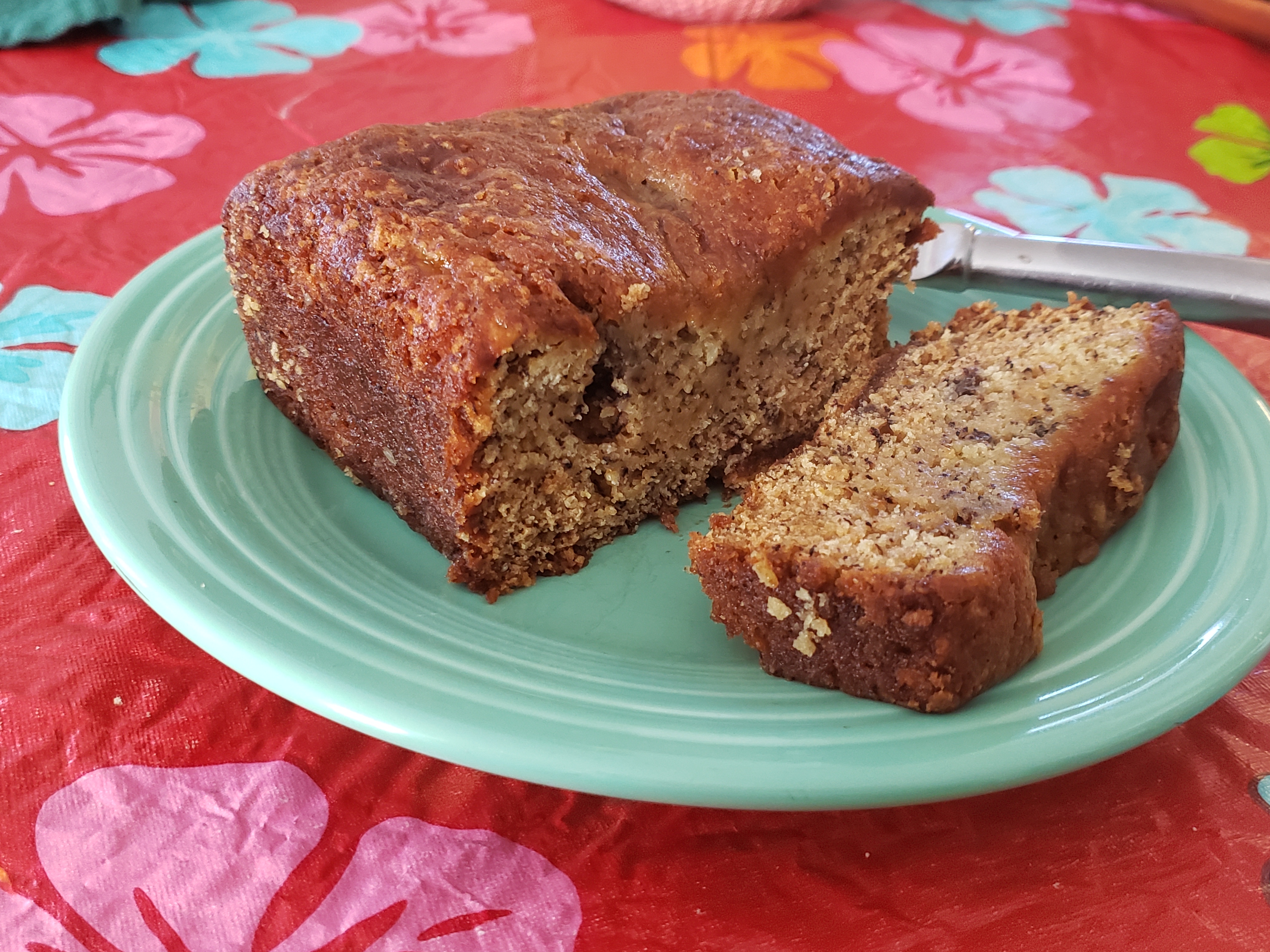
  • Staff Recipe: Oh No, I Bought Too Many Bananas—Banana Bread

    Staff Recipe: Oh No, I Bought Too Many Bananas—Banana Bread

    A recipe for when you have too many bananas and don’t know what to do with them

    I’ve read enough recipe blogs to know you open a recipe with an autobiography.

    It all began when the plague hit. I panicked and bought too many bananas. This was immediately followed by remembering I don’t even like bananas that much. However, I do love bread, and banana bread works best with bananas just on the brink of going bad. Assuming you were able to gather the energy to wear socks in isolation, here’s a recipe that will knock your socks right off.

    With no further ado, here’s the “Oh No, I Bought Too Many Bananas—Banana Bread” recipe (this yields 2 loaves):

    Ingredients:

    4-6 very ripe bananas, mashed
    2 cups sugar
    2 eggs
    1/2 cup vegetable oil
    3 cups flour
    2 tablespoons baking soda
    2 tablespoons salt

    walnuts or chocolate chips, to personal preference (optional)

    Directions:

    1. Preheat the oven to 350 degrees and grease two loaf pans.
    2. In a large bowl, combine bananas, sugar, eggs and oil. It will look lumpy, and that’s OK. There’s bananas in there—there’s only so much you can do.
    3. In a separate bowl, combine flour and baking soda. Fold into the banana mixture and combine until no dry ingredients remain.
    4. Add salt and any additional, optional mix-ins, and combine thoroughly.

    5. Bake for an hour or until a toothpick inserted into the bread comes out mostly clean.

    And you’re done!

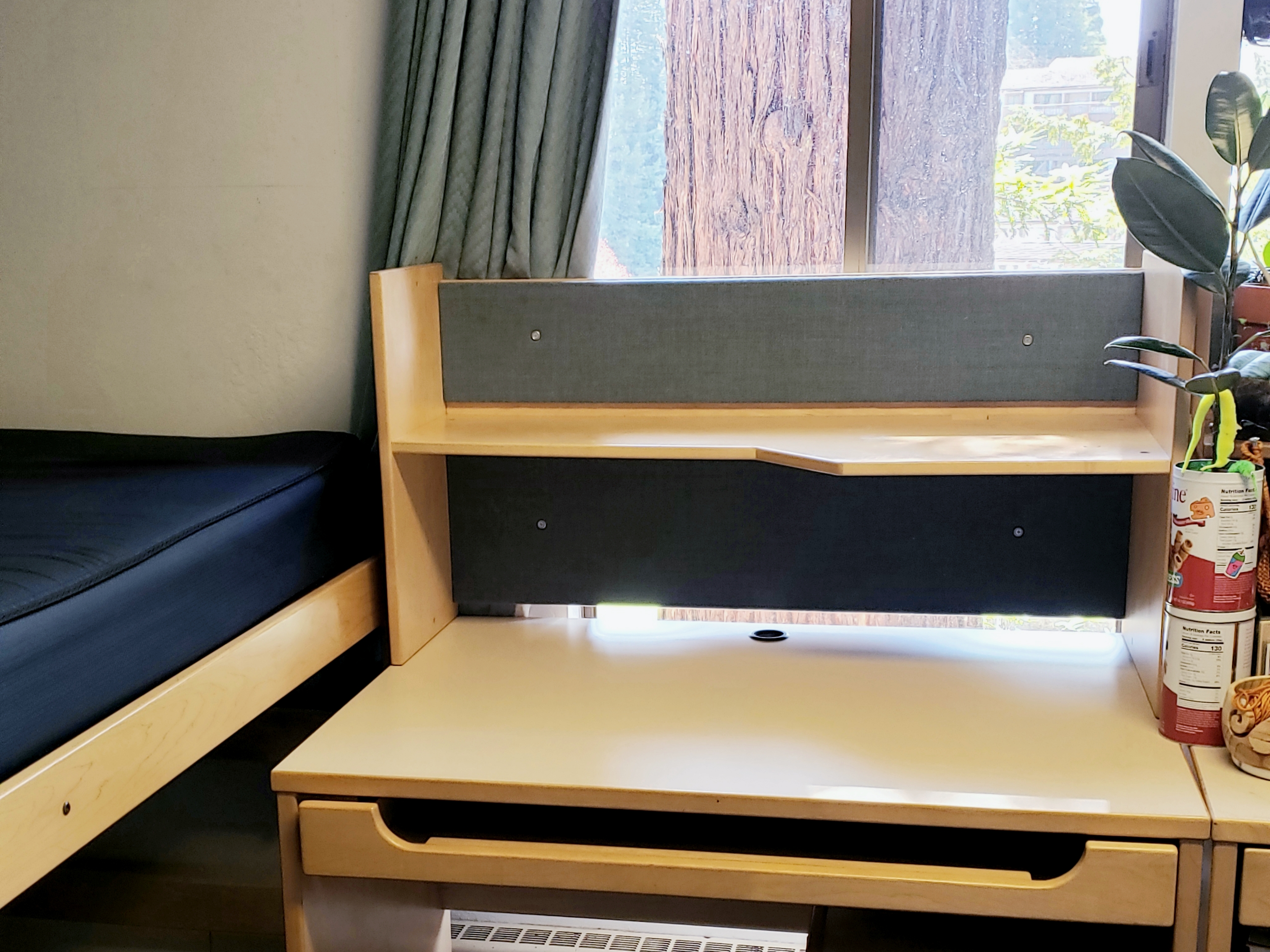
  • What It’s Like Living On Campus After the Exodus

    What It’s Like Living On Campus After the Exodus

    Despite Humboldt State University going digital, campus housing remains open

    Humboldt State University President Tom Jackson announced via email March 18 that the school would be going entirely online, and he encouraged students to vacate campus housing if possible.

    “It is important we reduce the number of people on campus,” the email read. “We encourage students who can return to a home off-campus to do so. We will not displace students who are facing housing insecurities or homelessness.”

    “They should have just made the choice before people left for spring break to keep it as safe as possible.”

    Calista Tutkowski

    Freshman Calista Tutkowski was among those who decided to move back home after learning that classes would transition online. Tutkowski considered her choice the right one for her own physical and mental wellbeing.

    “It felt like things were just going to get worse and worse on campus and around the world, so if I was going to be doing online classes, I wanted to be home with my family,” Tutkowski said.

    Tutkowski was frustrated with the sudden notice from the school. By the time the school sent out the notice that they were going online and encouraging students to leave the dorms, she had already gone home for spring break and was out of state. Like many other students, she had to return to campus to pick up her things, potentially putting herself and others at risk by traveling.

    “They should have just made the choice before people left for spring break to keep it as safe as possible,” Tutkowski said.

    Some students are still on campus. Emma Bradley-Solis is one of those who elected to remain in campus housing despite virus concerns.

    “I live in Washington and it is a lot worse there,” Bradley-Solis said. “I thought it would be smarter for me to self-quarantine here.”

    According to an April 7 Enrollment Management report, about 300 students remain on campus. Most of the campus facilities are closed, including the library, computer labs and University Center.

    With the severely reduced numbers of students left behind, pickings are slim. There isn’t much variety left in the food selection, and many staples such as rice, pasta and fresh fruit are out when Bradley-Solis goes to the marketplace. For students who rely on J-points to eat, this is both a serious problem and a waste of the money spent on their meal plans.

    “I feel like they could take care of the students still here better—like better food,” Bradley-Solis said. “We paid a lot of money for J-points.”

  • Mike Bloomberg is Democratic Trump

    Mike Bloomberg is Democratic Trump

    Mike Bloomberg is just another billionaire with outdated views looking for attention

    We’ve all seen the campaign ads. “Mike will get it done,” they profess. What exactly has he done? He’s had 64 sexual harassment cases brought against him. He’s expanded the infamously racist stop-and-frisk policy in New York. He’s spied on the Muslim community. And he has bought his way into the primary.

    Not to bring everything back to another bigoted New York billionaire who got bored with having too much money and went into politics, but Mike Bloomberg certainly does remind me of someone.

    Were it not for the mark on the ballot calling him a Democrat, people would assume based on his fiscal policy and social track record that he was at least a centrist-Independent, if not a conservative-Republican.

    Despite being a registered Republican from the beginning of his political career up until 2007, and an Independent until 2018, he chose to run as a Democrat. Presumably, to gain the support of both Republicans and party-line Democrats.

    He’s an authoritarian, plain and simple. Party isn’t the real issue here. He cares about power.

    Bloomberg has a long history of bigotry. While his predecessor, Rudy Giuliani, first implemented stop-and-frisk, it was under his watch that the program grew to the widespread excuse for police brutality and racial profiling.

    When it was brought up by critics that New York police officers were disproportionately targeting black and brown communities, he gave the rationale that, “That’s where all the crime was.” In addition, he justified having undercover officers stalk Muslim New Yorkers as preventative measures against another 9/11.

    “We had just lost 3,000 people at 9/11,” Bloomberg said in an interview with PBS Feb. 27. “Of course we’re supposed to do that.”

    If anything, Bloomberg is a more dangerous version of Trump. He’s smart. He knows that putting up a polished front and playing up the establishment card will make him look like the opposite of the current president.

    Aside from his dubious past, Bloomberg’s current policy proposals are anything but progressive. While his website claims that Bloomberg will defend equal rights for LGBTQ+ Americans, he has stated as recently as 2019 that he considers transgender individuals as just “some guy in a dress,” or “he, she, or it.”

    On his website, aside from a reference to overturning the military ban, he has nothing to say on transgender rights. By considering equal rights for the transgender community to be reaching too far, he betrays the entire LGBTQ+ community.

    Being progressive is about supporting the oppressed and the marginalized. No ally insults the people they claim to stand with behind their backs and considers the value of their identities negotiable.

    According to his website, his plan for climate change is to “restore America’s leadership in fighting the global climate crisis, propel the United States toward a 100% clean energy future, make environmental justice a national priority.” These promises are all incredibly vague, and his campaign has been silent on the specifics of how they’d achieve any those goals.

    General promises of somehow solving climate change aren’t going to help us. If we want this planet to be livable for ourselves, our children and our grandchildren, we need to take serious and quantifiable steps to ensure it. The science says we need ambitious action. All he offers are glossy advertisements.

    If anything, Bloomberg is a more dangerous version of Trump. He’s smart. He knows that putting up a polished front and playing up the establishment card will make him look like the opposite of the current president.

    I’m not afraid that he couldn’t defeat Trump in an election. If Bloomberg wins the Democratic primary, the general election won’t matter. It’s a self-serving billionaire in office either way.

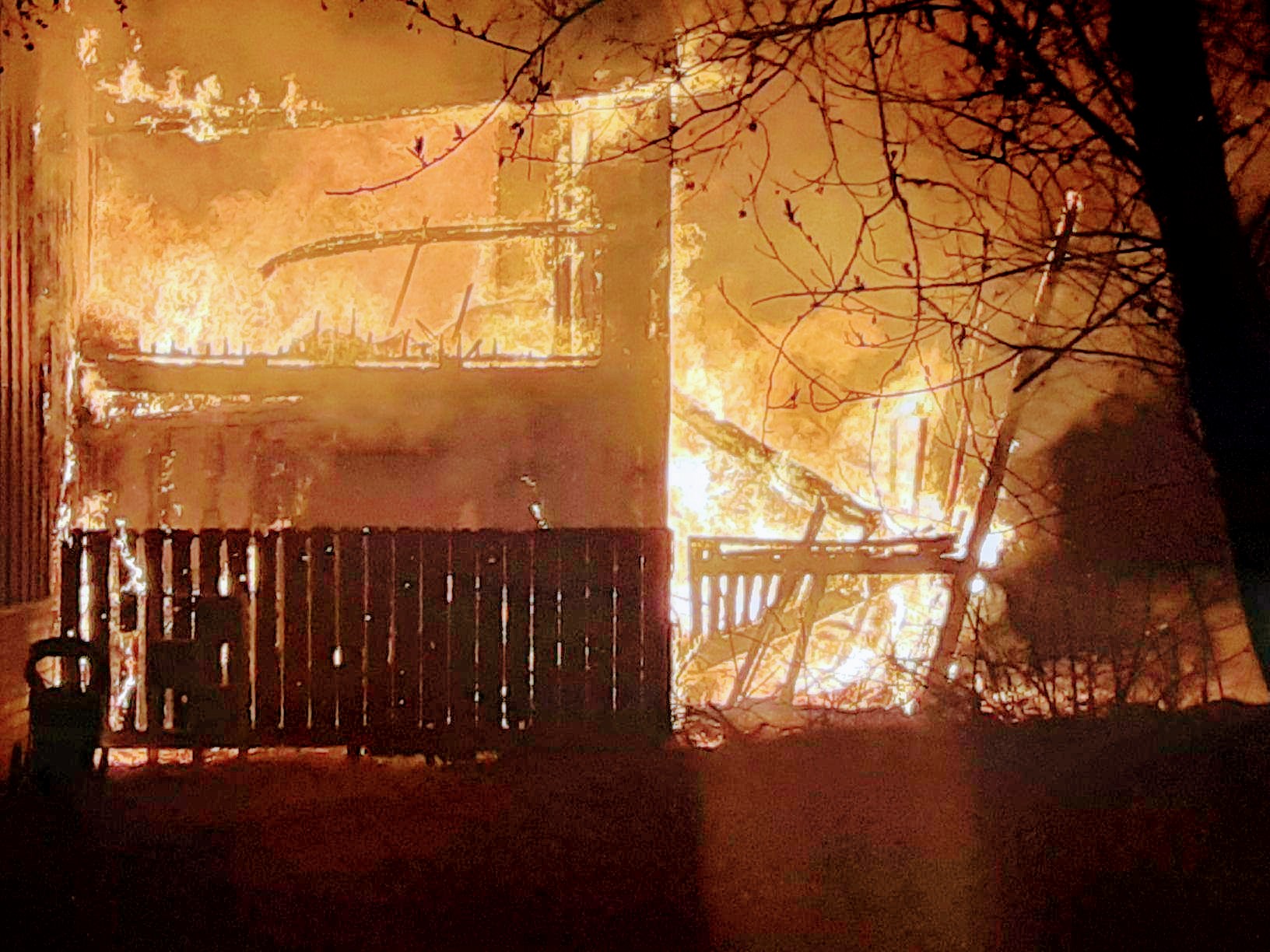
  • Deadly Fire at Arcata Apartments

    Deadly Fire at Arcata Apartments

    Fire leaves one dead and one hospitalized

    A fire at an Arcata apartment complex on Sunday, Feb. 2, left one resident hospitalized and another dead.

    Eyewitness Jalen Zerkel-Loomis was woken up by the fire and recounted what he saw.

    “You could see, like, directly into the inside of the building,” Zerkel-Loomis said. “It was like in The Sims where you can just remove one of the walls and perfectly see everything going on inside. The second story didn’t so much collapse into the first—it was like the floor inside the frame fell out under it.”

    “It was a pretty crazy sight.”

    Jalen Zerkel-Loomis

    The Arcata Fire District responded to calls reporting a heavy structure fire and at least one resident that had jumped from a second-story window around 5:30 a.m. Four units of the Meadowbrook Apartment Complex and a nearby car were engulfed in the flames.

    Zerkel-Loomis also noted several nearby gas tanks, which did not catch fire. He also said he heard several loud bangs.

    “It was a pretty crazy sight,” Zerkel-Loomis said.

    AFD said police provided aid to the injured resident until paramedics arrived. Firefighters contained the fire and searched the apartments for trapped residents. After the fire was extinguished, the remains of one resident were found on the first floor. The identity of the victim has not been released.

    The cause of the fire remains under investigation. Arcata Police Chief Brian Ahearn has not yet named any suspicions.