The Lumberjack


Students Serving The Cal Poly Humboldt Campus and Community Since 1929

Tag: Stimulus

  • $11 Million of Uncertainty: HSU receives an additional federal stimulus package

    $11 Million of Uncertainty: HSU receives an additional federal stimulus package

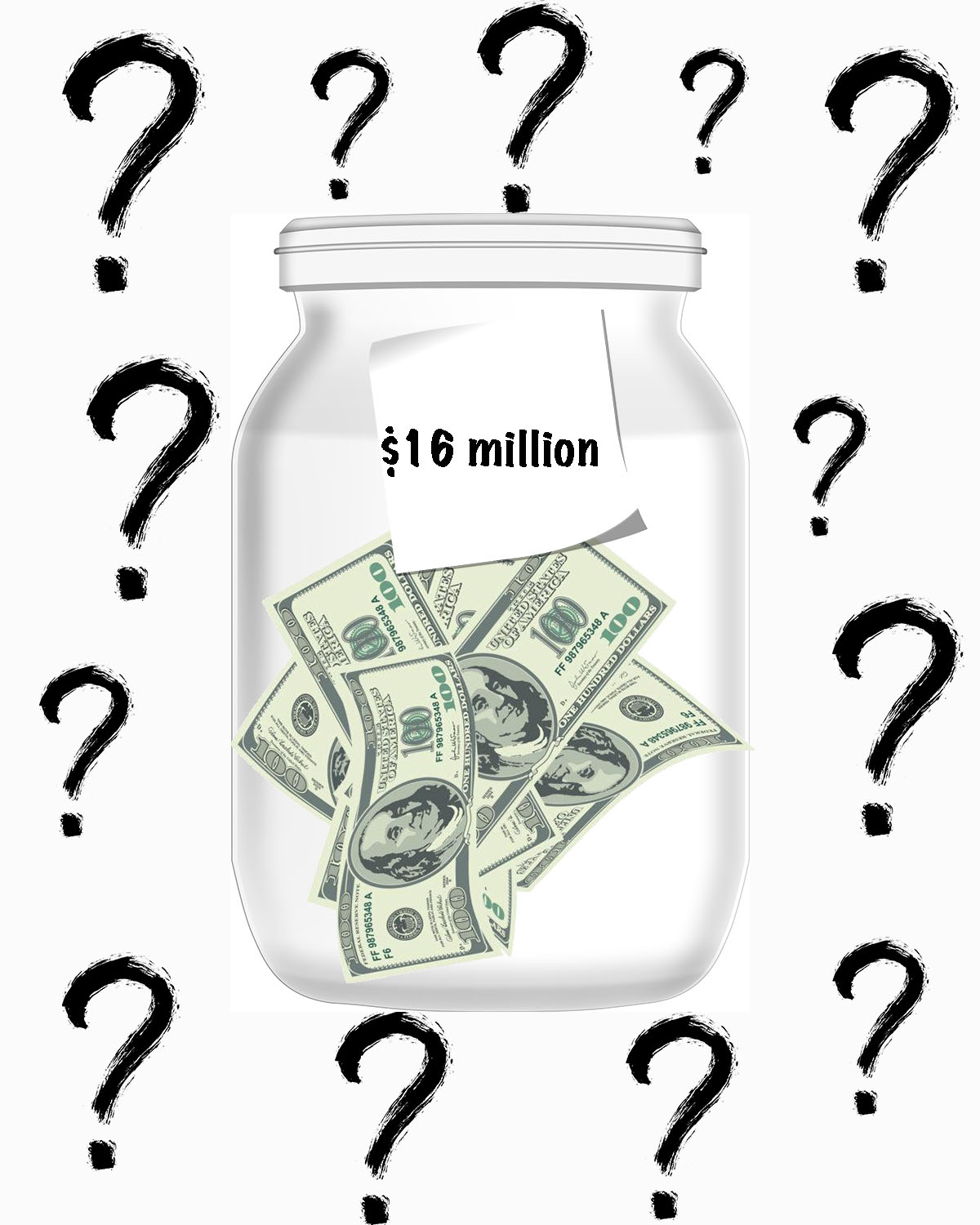
    On Feb. 4, Humboldt State University released a press release saying that the institution has been granted another $16 million in federal stimulus funds. At least $5 million is specifically designated for emergency financial aid grants for students. How the remaining $11 million is going to be used has yet to be determined.

    According to Enrollment Management Director Jason Meriwether, the money designated for students can be requested now by students who are in need of financial relief. Students who do want to request the fund immediately can contact Peggy Metzger, Humboldt State’s financial aid director. An email will also be sent out to students notifying them that they can ask for emergency funding.

    “The funds are an incredible resource for our campus to enhance safety protocols, evolve instructional space and technology, expand student support, and improve operational efficiencies,” Interim Vice President for Administration & Finance Sherie C. Gordon said in a press release.

    The university is seeking the help of key staff, faculty, and student groups across campus to ensure a unanimous decision on where the funds are going to be allocated.

    The request for the campus community’s help comes as groups across campus feel indifferent about the allocation of these funds.

    On Dec. 9, 2020 Humboldt County’s Faculty Association launched a campaign to push pause on cutting classes or faculty positions in the midst of the COVID-19 pandemic.

    The campaign also addressed that planning for budget cuts two years from now is premature because the Biden administration may approve a stimulus package before the end of the school year that could have the potential to make a financial difference for HSU.

    Grant Scott-Goforth, HSU’s communications specialist, responded to questions regarding how these one time resources could be used to potentially tackle HSU’s budget deficit and allow them to make adjustments to the $20 million reduction plan.

    “The $20 million budget shortfall makes ongoing spending reductions necessary,” Scott-Goforth said in an emailed statement. “The CARES funding is intended to support students and to offset losses and pandemic related costs.”

    Each university in the CSU has felt similar losses to HSU. CFA members within each institution are challenging their administration to take advantage of allocated funds in equitable ways with faculty and staff in mind.

    On Feb 4, the United Students Against Sweatshops student organization held a CSU statewide call to stand in solidarity with CFA members. The importance of students and faculty coming together was emphasized throughout.

    The group discussed the need for Chancellor Joseph I. Castro to put an end to layoffs across the CSU as they highlight the CSU’s $1.7 billion in surplus funds.

    “The spin they try to do with this money is that they will never say it is a surplus, they will always say that it is a designated balances and reserves,” Alex Vermie, one of the panelists on the call who was representing as a research analyst for Teamsters Local 2010 said.

    The pandemic has caused universities across the CSU to suffer unpredictable losses. HSU is currently in a position to use the additional $11 million to help support students, as well as tackle a multitude of pandemic related issues.

    The University is taking input through Feb 28 and will announce the final decisions in the first week of March.
  • The Biden Administration’s Long Road to Student Loan Relief

    The Biden Administration’s Long Road to Student Loan Relief

    President Joe Biden leaves his first day of office with continued pressure to follow through with his proposal to relieve $10,000 off all borrowers’ debt following his extension of the nearly year long federal student loan freeze through September 2021.

    At the beginning of the COVID-19 pandemic in March, Biden took to Twitter to share his thoughts on the first stimulus bill, where he also urged that some sort of student loan relief should be included within it.

    It's simple: The White House and @senatemajldr have tried to put corporate bailouts ahead of families.

    No bill should pass without conditions on corporations to ensure the help they get goes to their workers, not their CEOs. No blank checks.

    No bill should pass without immediate, generous relief for workers who are losing jobs and hours, small businesses losing revenue, and communities facing emergency needs.

    Additionally, we should forgive a minimum of $10,000/person of federal student loans, as proposed by Senator Warren and colleagues. Young people and other student debt holders bore the brunt of the last crisis. It shouldn't happen again.

    We should also increase monthly Social Security checks by $200/month, as proposed by Senator Wyden and colleagues. Seniors and people with disabilities are uniquely at risk right now.

    In this moment of crisis, we should be sending federal resources to those who need it most. It's not just good economics — it's the right thing to do. We have to get this right.

    Originally tweeted by Joe Biden (@JoeBiden) on Sunday, March 22, 2020.

    Within his first day of office, Biden made progress with his proposition to tackle the student debt crisis through addressing the issue within one of the 17 executive orders made. This consisted of extending the pause on interest and principal payments for student loans through Sept. 30.

    Following this busy first day, many members of Congress are pushing Biden to do more. The likes of Senator Elizabeth Warren and Senate Minority Leader Chuck Schumer are leading a group of other influential Democrats in pursuit of asking for $50,000 of forgiveness per each federal student loan borrower. A few of the more progressive members of Congress, such as Congresswoman Alexandria Ocasio-Cortez and Sen. Bernie Sanders, are calling for complete cancellation of student debt. As COVID-19 cases are on the surge, they collectively believe that tackling the burden of student debt is essential to combat the financial hardship that citizens are going through.

    Lily McIntire received both her Bachelors and Masters degrees studying Biology at HSU. She is currently in the process of obtaining her PhD in Ecology at San Diego State University.

    In regards to what she hoped for student debt forgiveness with this new administration, McIntire was apprehensive. She explained that the accumulation of the student debt crisis has always been a looming issue, but the pandemic has made it more of an upfront issue.

    “I’ve been in school continuously, so I’ve been in deference,” said McIntire when asked how the burden of student loans has affected her personally. “However, they have stopped interest fees until September too, which is a huge relief for me because a lot of my debt from grad school was unsubsidized.”

    According to data that was crunched by the Department of Education, the average debt for an HSU graduate student is around $20,000. However, only around 26% of these students are making some progress toward repayment.

    Peggy Metzger is the Director of Financial Aid Services at Humboldt State and feels enthusiastic about the change that the Biden Administration has the potential to make for recent graduates.

    “There are a lot of students at the University that are out there with a debt of $10,000 or less,” said Metzger. “The amount of students that would be able to wipe out their debt completely is quite large.”

    Metzger also said that the relief of student loan debt could potentially help graduates focus on obtaining their first job or buying that first house. It would allow them to get a better start in life.

    Karolyn Fagundes is currently a graduate student at HSU who is in the process of obtaining a masters in forestry and has thought little about her student debt situation post-graduation.

    “I’m pretty deep in student loan debt, but I don’t know how it’ll affect me after graduation,” said Fagundes.

    Fagundes explains how the idea of being in debt is not entirely concrete since she has yet to make any payments. However, she feels skeptical about the current administration’s capabilities to make a real difference when it comes to student loan debt. Like many, Fagundes is questioning whether this first executive action made by the Biden administration is setting the tone for further progress with student loan forgiveness.

    “In the coming days and weeks we will be announcing additional executive actions that confront these challenges and deliver on the President-elect’s promises to the American people,” White House Press Secretary Jen Psaki said in a statement on a press call the on Jan. 19 before inauguration day.

    In the coming months, the Biden administration is going to be watched closely as they are expected to make longer strides toward combatting many pressing issues during such a vulnerable time. The student debt crisis is currently on the hot seat and Biden’s exact plan of action is still unclear for many.

  • The Stimulus isn’t Over Yet

    The Stimulus isn’t Over Yet

    FAFSA just released its first wave of emergency CARES grants earlier this month to over 5,200 students enrolled at HSU.

    With classes being switched completely online, unemployment at an all-time high, and major debt underway, college students have been hit hard during these times.

    Colleges across the country are losing money as time continues and with no definite sign of an end to this crisis, the stimulus package that was issued in late March, sent out emergency grants to all colleges/universities.

    The stimulus package conjured up about $14 billion for higher education. Around $12.5 billion will be distributed to every college, while the remaining funds will be given to minority and smaller institutions. Many students will receive extra money to help with whatever they need.

    Each college has been sent a set allocation, some higher than others. Humboldt State has been granted an allocation of $10 million, with $5 million to be divided and distributed to enrolled students.

    The financial aid services confirmed that each student should expect to see $500-$1000 directly deposited into their banking accounts. Those who do not have direct deposit should expect a check to come in the mail during the months of May and June.

    For students who haven’t filed for a 2019-2020 FAFSA and are worried about not receiving the grant, you are still eligible for it. Students can still apply for the CARES emergency grant, the deadline for the application is June 15.