Learning to forage for sustenance is a convenient and exciting way to spend a day. In Humboldt County you can find your next snack or meal on the coast or in the forest—if you know what to look for.
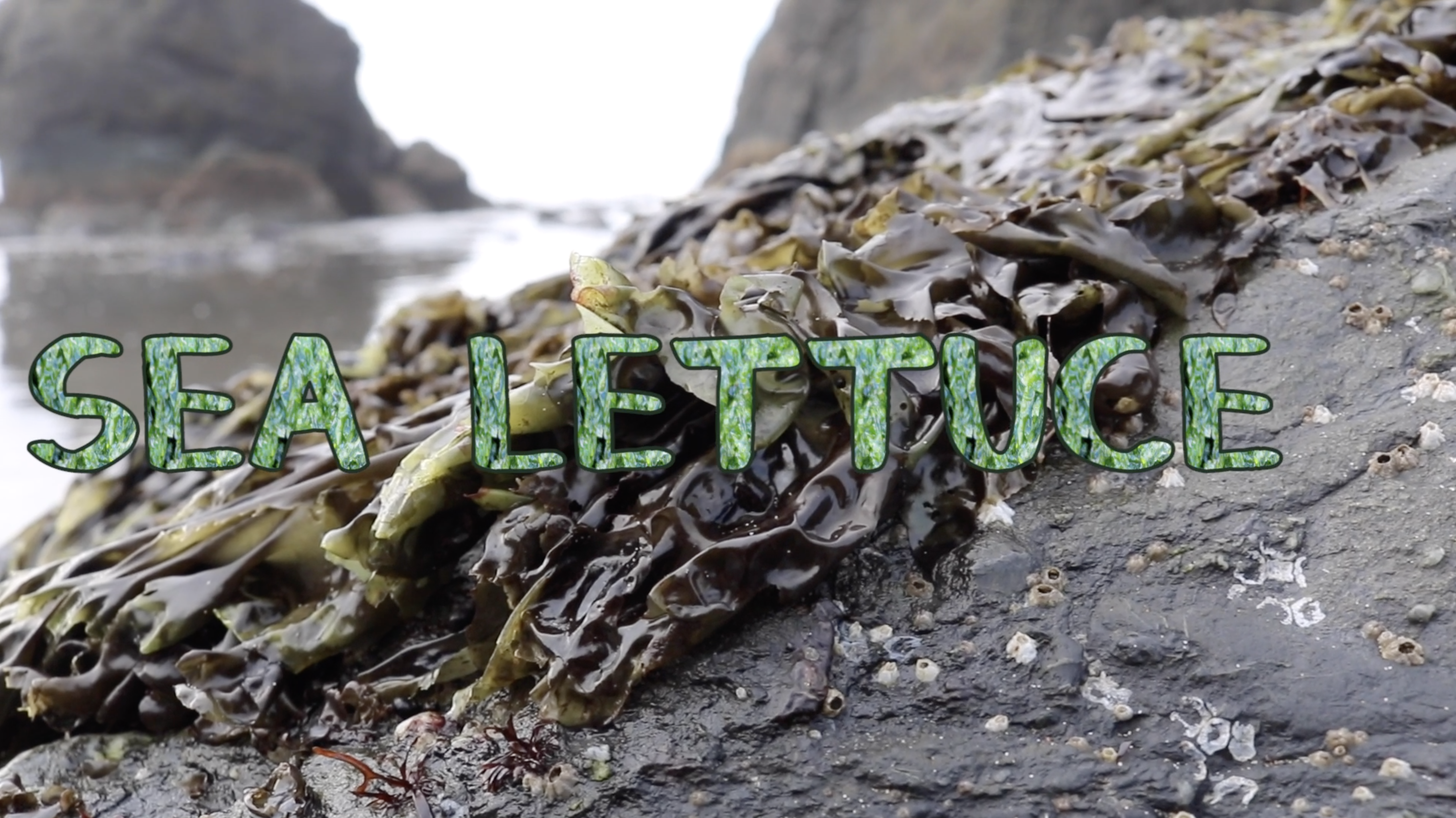
One easy item you can forage for is sea lettuce, an edible green algae scientifically known as Ulva lactuca. Sea lettuce looks similar to garden-grown lettuce, as it has ruffly, thin leaves that bunch together, forming a head.
This vibrant green algae is found along coastlines worldwide, typically in tidal zones on rocks and docks. Ollie Relfe, a British blogger and self-professed nutrition expert, says sea lettuce offers antioxidant qualities and is a great source of vitamins A, C and E, to name a few.
Sea lettuce thrives in areas with high levels of nutrients or pollutants, which makes harvesting for consumption depend on water quality. A bushel of sea lettuce from a remote beach is surely more pristine than a bushel harvested from the mouth of a boat harbor.
According to Capital Regional District, a Canadian governmental sustainability organization, sea lettuce is a valuable food source to numerous creatures. Grazing sea animals, including snails, amphipods and sea urchins, all rely on seaweeds like Ulva lactuca to provide nutrients. Too much sea lettuce can inhibit the growth of other seaweeds, especially when large, floating blooms block sunlight from reaching other oceanic plants below the surface.
As sea lettuce decomposes, it releases hydrogen sulfide, a chemical compound which smells like rotten eggs. The United States Occupational Safety and Health Administration says this toxic gas can be harmful to humans and animals alike, and can even be deadly in high amounts.
When foraging for anything, it’s important to take only as much as you need. Harvesting sea lettuce is no different. However, foraging for sea lettuce can help reduce its decomposition and subsequent toxic contamination.
It’s important to verify the safety of any body of water you plan on foraging in. You can do so by checking local biotoxin warnings. During hotter months, steer clear of consuming coastal collections due to potential red tide contamination.
You don’t need a fishing license to recreationally collect seaweed in California. The daily limit is 10 pounds of wet seaweed, and you must carry a scale with you to ensure you’re within regulation standards.
To collect sea lettuce, one needs a sharp knife and a bucket. Only harvest bushels that are large enough to leave some behind after collecting. Be sure to leave a good amount to ensure you don’t affect the holdfast of a sea lettuce head so the algae can grow back next time.
Before heading out to the coast to collect sea lettuce, check local regulations and make sure you aren’t harvesting on protected land.
How planting trees can serve as one branch of a climate action plan
In the face of climate change, all scales of society, from government to corporations to individuals, are looking for ways to emit less and sink more carbon. The internet latched onto the tree-planting solution, but it’s important the right trees are planted in the right place at the right time.
The climate crisis is the dominant issue of this decade. According to Robert H. Socolow and Stephen W. Pacala, who wrote the article “A Plan to Keep Carbon in Check” in 2006, the world must avoid emitting about 200 billion tons of carbon over the next 50 years.
To make the problem manageable, Socolow and Pacala turned the required reduction into one-billion-ton “wedges.” The paper contained strategies that could be scaled up by 2050 to reduce carbon emissions by one million tons per year. For example, a wedge would be achieved if the number of miles traveled by the world’s cars was cut in half or if global deforestation was halted within 50 years.
Tree planting has become one of the most popular solutions in popular culture. Ecosia and Team Trees are two internet campaigns working to plant millions of trees.
A consistent goal in climate science is net zero emissions. In other words, the volume of greenhouse gasses going into the atmosphere needs to equal the volume coming out. With a record 37 billion tons of carbon dioxide emitted in 2018, that’s a daunting task. To achieve this goal, society needs to emit less carbon and increase nature’s carbon sinking, or the natural process of turning carbon dioxide gas into solid matter.
Top minds of the world are putting their heads together to come up with solutions, ranging from modernized public transportation to alternative energy technology to lifestyle changes toward less consumption. Beyond that, policy makers and scientists are working closely with everyday people to educate, inspire and solve the crisis.
Locally, Humboldt State University, the City of Arcata and Humboldt County have prepared climate action plans. In the spring of 2019, five public workshops were hosted by the county to get ideas from community members on an action plan. The primary goal of these plans is to reduce emissions to pre-1990 levels by 2030.
2030 is the nearest milestone in climate policy. According to the Intergovernmental Panel on Climate Change Special Report on Global Warming, global emissions will need to fall 45% from 2010 levels by then to be on track for the net zero emissions goal for 2050. This ideal timeline would limit global warming to the best-case 1.5 degree Celsius increase in average temperature, a goal which still brings with it real climate change.
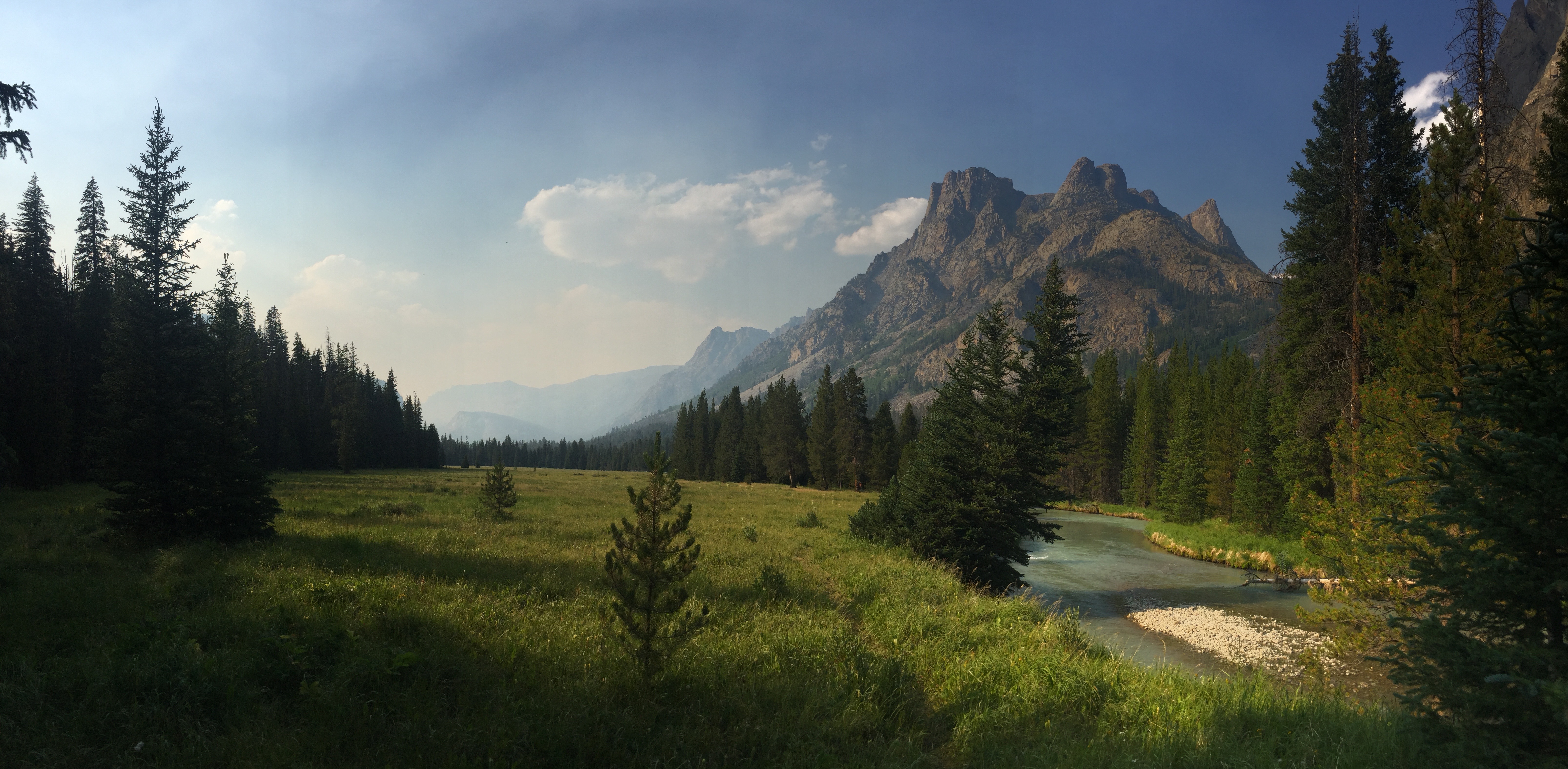
Trees in Patrick’s Point State Park in Trinidad, CA on March 16, 2017. | Photo by Collin Slavey
Tree planting has become one of the most popular solutions in popular culture. Ecosia and Team Trees are two internet campaigns working to plant millions of trees. A number of science-based YouTubers have published videos explaining the project, including SmarterEveryDay, Mr.Beast and Aspect Science.
Trees are a valuable ally in the battle against climate change because they sequester carbon. A tree’s bark is made out of carbon. During photosynthesis, plants turn sunlight, water and carbon dioxide into glucose. The glucose molecule, along with other essential nutrients, turns into plant matter like leaves, branches and roots, effectively storing carbon in a solid state.
For this ordeal to be successful, it’s essential the people planting trees understand the silvics of those trees. Silvics is the study of the life history and characteristics of forest trees, and without understanding it, the newly-planted trees are more likely to die.
With the Earth at a critical time in its life history, the top minds of the world are opting for some deep breaths, planning and deliberate, well-informed environmental action.
Humboldt State needs more clean water fill stations
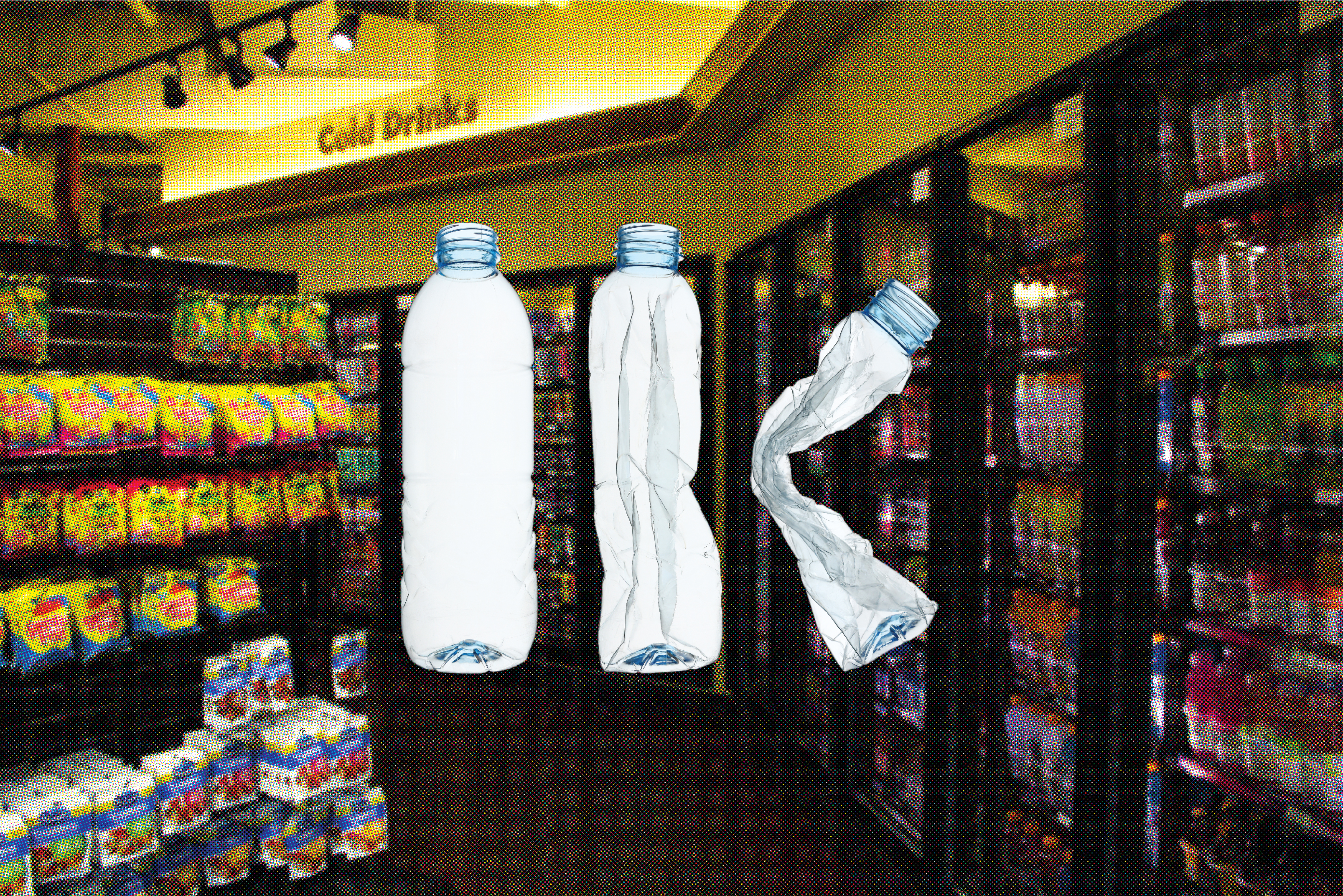
Humboldt State banned single-use plastic water bottles in Fall 2011. In the eight years since, it seems HSU has hardly increased the amount of water fill stations on campus.
Campus banning single-use plastic was the right thing to do. It’s progressive and environmentally friendly, two things Humboldt State prides itself on. But the least administrators could do is give us more than two ‘Hydration Stations’ to fill our own bottles.
Nearly every building is home to a drinking fountain, but these fountains are outdated and many of them produce warm, ill-tasting water.
The Lumberjack has highlighted the issue of on-campus stores selling single-use plastic sodas and sugary drinks in the past, but we’re here to hammer it home again.
Disposable water bottles alone once contributed to a large portion of on-campus waste. Banning single-use plastic water bottles decreased that waste and even reduced HSU’s carbon footprint significantly. But campus makes waste with different products, ones filled with sugar and chemicals.
You may be thinking that we should just bring our own bottle filled with water to school, and most of us do. But there are times where we forget, and others where we run out. When we run out of water, we run out of healthy options. If we refuse to gargle the room temperature wash that comes out of our out-dated fountains, what options are we left with? Pepsi, Gatorade, Fanta and Vitamin Water.
It’s an insult to the student body and prospective students that HSU markets itself as pushing the bounds of sustainability when it continues to sell massive amounts of single-use plastic.
Profit is held far above sustainability and student health. Are we surprised? Not in the least. HSU often prioritizes profits over student health (the windowless rooms in Creekview are a great example).
If the school refuses to take action, then responsibility falls to us students. One of our only options for retaliation and action as a student body involves our purchasing power. Where students spend their money and what we say we will spend it on does create change. Attending Associated Students meetings and voicing concerns is another helpful tactic.
We are grateful for HSU’s aim of a more sustainable campus and future through the reduction of plastic consumption. But HSU needs to give students more drinkable water sources. The university needs to prioritize student health and cut ties with brands that continue to use plastic, even if it hurts the bottom line.
For a school that so desperately needs to increase enrollment and recruitment of students, HSU needs to remember to put effort into the students that are already here. Reputation can be everything, and this issue, just like our water, leaves a bad taste in my mouth.
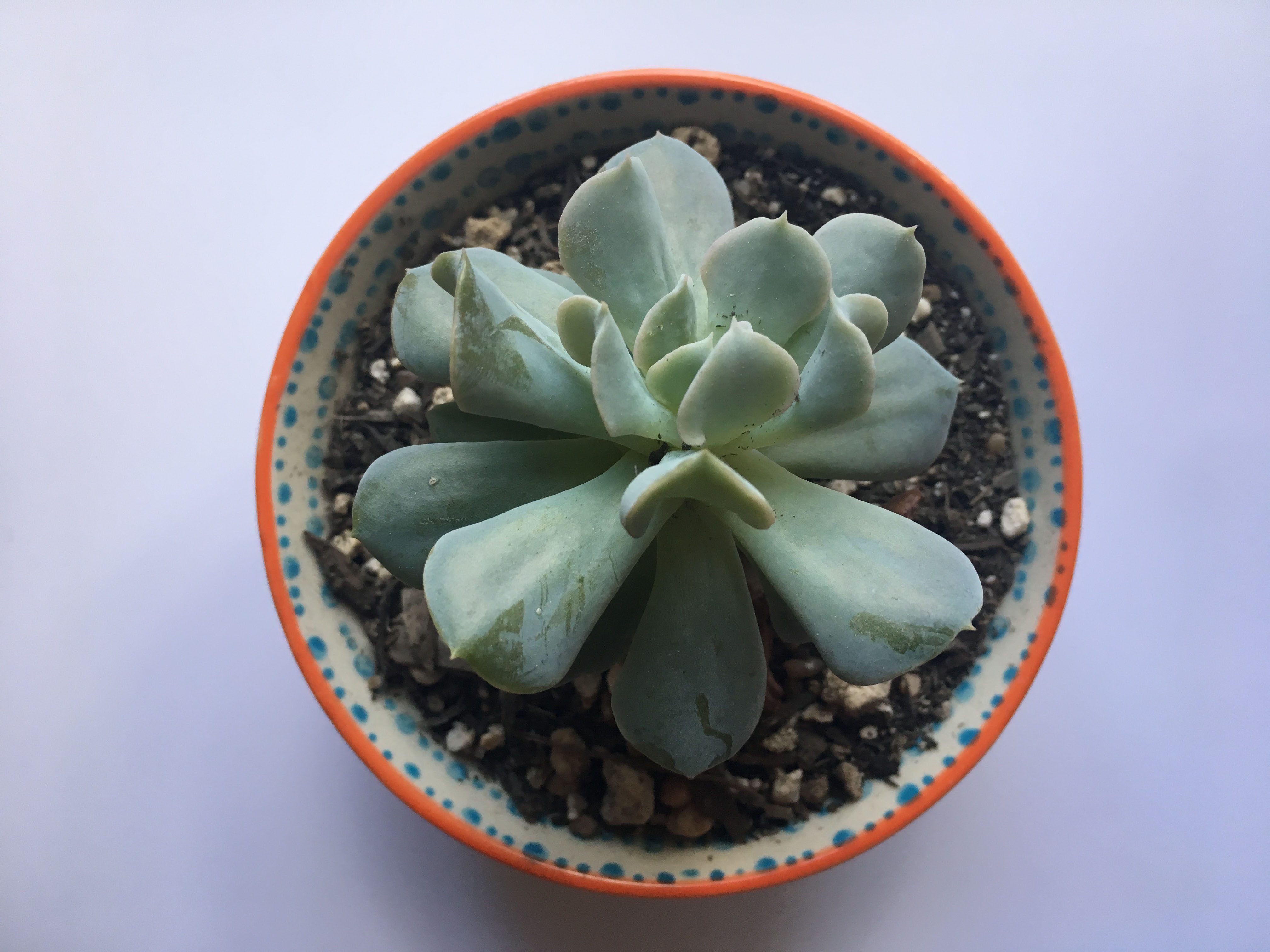
Succulents are an awesome, low maintenance plant that are uniquely adapted to dry climates by storing water in the leaves, roots and stems. This makes them excellent plants for both indoor and outdoor spaces. That said, you still need to get the basics right. Here are the necessary light, water and soil requirements for succulents.
A succulent living in a Sunset Hall window. Photo | Terra Hyke
How Much Light Do Succulents Need? Indoor Light for Succulents Your succulent requires at least four hours of direct sunlight daily through a sunny or bright window. If you don’t provide adequate light, the succulents will search for the light and end up growing long and thin features. This fast growth gives the plant a light green color with leaves sparsely placed, and without intervention, it will gradually die. Normal succulent growth is slow with dark green leaves placed compactly. If you notice abnormal growth, gradually introduce the plant to the sun. Outdoor Light for Succulents Even though most succulents loves sunlight, they do appreciate some afternoon shade during the hotter months to avoid burning. In their natural habitat, succulents are protected by taller trees and shrubs from direct sunlight. You should slowly introduce your new plant into sunny conditions since you may not know what conditions it grew in. In spring, protect them with a shade cloth.
How much water do succulents need? While some succulents can hold water for a long time, they have a cycle of filling up and draining to simulate a dry climate. It’s a good idea to develop a watering schedule that will allow the plants to dry before watering again. Keeping them moist constantly will result in rotting. You can use the pot’s weight, a chopstick, or your finger to check if the soil is dry before another round of watering. You can also keep an eye on the leaves; dry leaves will look shriveled, while saturated leaves will look plump and soggy. Just keep in mind that not all succulents are the same, and there are succulents that are extremely water-sensitive, while others are more tolerant. During their bloom and active growing season, most succulents need more water. Water before the soil is completely dried out to keep the cycle unbroken. In winter, water every twenty or so days.
What kind of soil do succulents need?
As long as your container can drain water, succulents are healthy in the container of your choosing. Photo | Terra Hyke
The soil used for your succulent should be mixed well so that it drains well, which will help to avoid rotting the plant. Consider a soil mix of 2/3 potting soil with 1/3 slate chips or any small stones for indoors plants. For those plants that stay outside, use 50/50 soil and slate chips since it has higher chances of receiving more water regularly from rain. The safest bet is usually to use a soil specifically formulated for succulents (succulents are a common houseplant, so your local gardening supply store should have some). Avoid using glass containers or any container that does not drain. Since succulents don’t like sitting on soggy soil for long, this kind of pot will eventually kill the plants. A well-drained soil is required for aeration and to keep the soil dry most of the time especially in winter when humidity is high, and there is no sunshine to dry up the soil.
The tap tilts forward. Fresh alcoholic refreshment begins to flow out. Twelve ounces later, you have yourself a glass of Humboldt Regeneration’s Red Jay craft beer.
Pressey is the owner and brewmaster of Humboldt Regeneration Brewery and Farm, a sustainable farmhouse brewery.
Humboldt Regeneration Brewery off Central Avenue in McKinleyville, California. Follow the “Beer to Go” sign | Carlos Olloqui
“The concept built overtime,” Pressey said. “We are one of the first breweries in the country, and the first in California, to grow and malt our own grains since prohibition.”
The wheat and barley they grow is floor-malted on site at their brew house located at the north end of McKinleyville, California. Humboldt Regeneration Brewery and Farm also grows their own grains and hops. They produce everything from seed to sip.
“This was something that was pretty normal in the old days,” Pressey said. “But nowadays, the reason it’s not as normal is because a lot of the agriculture industries got scaled up after the Green Revolution. Everything became really mechanized.”
Pressey grew up in Napa one of the biggest wine counties in California.
“I worked in the wine industry during high school,” Pressey said. “During the summer time I’d bottle. My friends family owned the winery so, after I graduated, they ask me to stay on for crush. That’s when you actually make the wine.”
He then moved to Humboldt County to attend College of the Redwoods before he transferred to Humboldt State University.
“I was always interested in plants and sustainable agriculture,” Pressey said. “When I got to college I knew I needed a job to pay rent, so I basically just started applying at all the breweries here.”
Humboldt Regeneration’s Red Jay craft beer | Carlos Olloqui
In 2001, Pressey was hired on at Eel River Brewery as an assistant brewer.
“I pretty much just got lucky with the timing, they needed someone,” Pressey said. “I started off just doing cellar work and night brewing, but I got trained up pretty fast.”
Pressey graduated HSU in 2010 with a degree in environmental science, focusing on soils and alternative agriculture.
He worked at Eel River Brewery for over seven years before trying to brew his own.
“I just wondered why aren’t there truly local breweries anymore,” Pressey said. “Why aren’t people using local ingredients?”
That was when he realized that it was because of the malting process. In comparison to some of these other beverages such as wine or cider, beer requires an intermediate step.
“For wines and ciders you are just growing the raw ingredient, such as the grapes or the pear and apples,” Pressey said. “With beer, your growing barley and other grapes – but you can’t just make beer out of that.”
Pressey began to put his degree to work and Humboldt Regeneration Brewery and Farm was born.
Upon arrival at his brew house, after you take a left at the “Beer to Go” sign off Central Avenue, you’ll notice the some of the “sustainable” aspect of the operation. A barbecue grill turned into a roaster, solar panels on the side of the building, and a malting table which he built himself.
Jacob Pressey speaking to a customer about his newest brew | Carlos Olloqui
“We dry farm all our grains,” Pressey said. “This means you plant in the Spring and use the Spring rains. There’s no irrigation.”
Humboldt Regeneration Brewery has been up and running since 2012. The operation is currently a two man team that consists of Pressey and his partner Matt Kruskamp.
“I was a customer here, I used to come around here regularly when he first opened,” Kruskamp said. “I asked him if he needed an intern, I told him he wouldn’t have to pay anything since it was through HSU.”
Kruskamp was hired on full time after he graduated in 2014.
“It’s great to be such a big part of this and to be able to say I contributed so much of the ideas and effort towards it,” Kruskamp said.
You can find over 100 different house recipes being filtered through the brewery Wednesday through Sunday from 11 a.m. to 7 p.m.. A new flavor comes out every week.
Pressey transforms his labor into alcoholic beverages and serves it to a growing clientele. Sean von Devlin is one of the many fans of Humboldt Regeneration Brewery. He is amazed by Pressey’s passion for the product.
“The beer is great, I used to live just across the street. It truly epitomizes the local handmade blue collar mindset,” von Devlin said. “I have spoken with Jacob only a few times and he always is excited to share his story. It amazes me to see how everything operates.”
Humboldt Regeneration’s weekly beers on tap | Carlos Olloqui
Humboldt Regeneration is not only Humboldt’s first locally grown beer, they also offer a community supported brewery program. This program gives community members the opportunity to purchase shares that will allow them to a free weekly growler fill-up.
“I have a new beer come out every week, you can miss weeks and not lose your credit,” Pressey said. “We fill our growlers on a bottling machine. They are fully carbonated, just like a store-bought beer.”
The principle is simple, sustainability.
“Right now we are just on tap at a handful of spots in Northern Humboldt,” Pressey said. “But no distribution and no bottling, the whole concept is to reduce waste.”
With a brewery, your main waste products are water and spent grains.
“After you’ve extracted all your sugars and proteins from the grain you got all the wet solid grains left over,” Pressey said. “Most breweries will give that to a rancher as feed in exchange for them taking it off site.”
Unlike other breweries, Pressey grows a mixture of bacteria and mixes his spent grain in with it. This ferments into a soil amendment.
“There’s a similar process called Bokashi, I call it Beerkashi,” Pressey said. “We spray that [soil amendment] pretty heavy twice a year in the fields, this basically makes the soil extra healthy.”
From seed in the field, to the malt floor, to the brewing process, and then back out to the fields, an entire lifecycle of a foamy pint of beer is what you can expect at Humboldt Regeneration Brewery and Farm.
“In the future I hope to establish a larger brewery and have the farm all in the same location,” Pressey said. “We could give tours and have a full beer garden.”
This website uses cookies to improve your experience. We'll assume you're ok with this, but you can opt-out if you wish. Cookie settingsACCEPT
Privacy & Cookies Policy
Privacy Overview
This website uses cookies to improve your experience while you navigate through the website. Out of these cookies, the cookies that are categorized as necessary are stored on your browser as they are essential for the working of basic functionalities of the website. We also use third-party cookies that help us analyze and understand how you use this website. These cookies will be stored in your browser only with your consent. You also have the option to opt-out of these cookies. But opting out of some of these cookies may have an effect on your browsing experience.
Necessary cookies are absolutely essential for the website to function properly. This category only includes cookies that ensures basic functionalities and security features of the website. These cookies do not store any personal information.
Any cookies that may not be particularly necessary for the website to function and is used specifically to collect user personal data via analytics, ads, other embedded contents are termed as non-necessary cookies. It is mandatory to procure user consent prior to running these cookies on your website.