The Lumberjack


Students Serving The Cal Poly Humboldt Campus and Community Since 1929

Tag: Bread

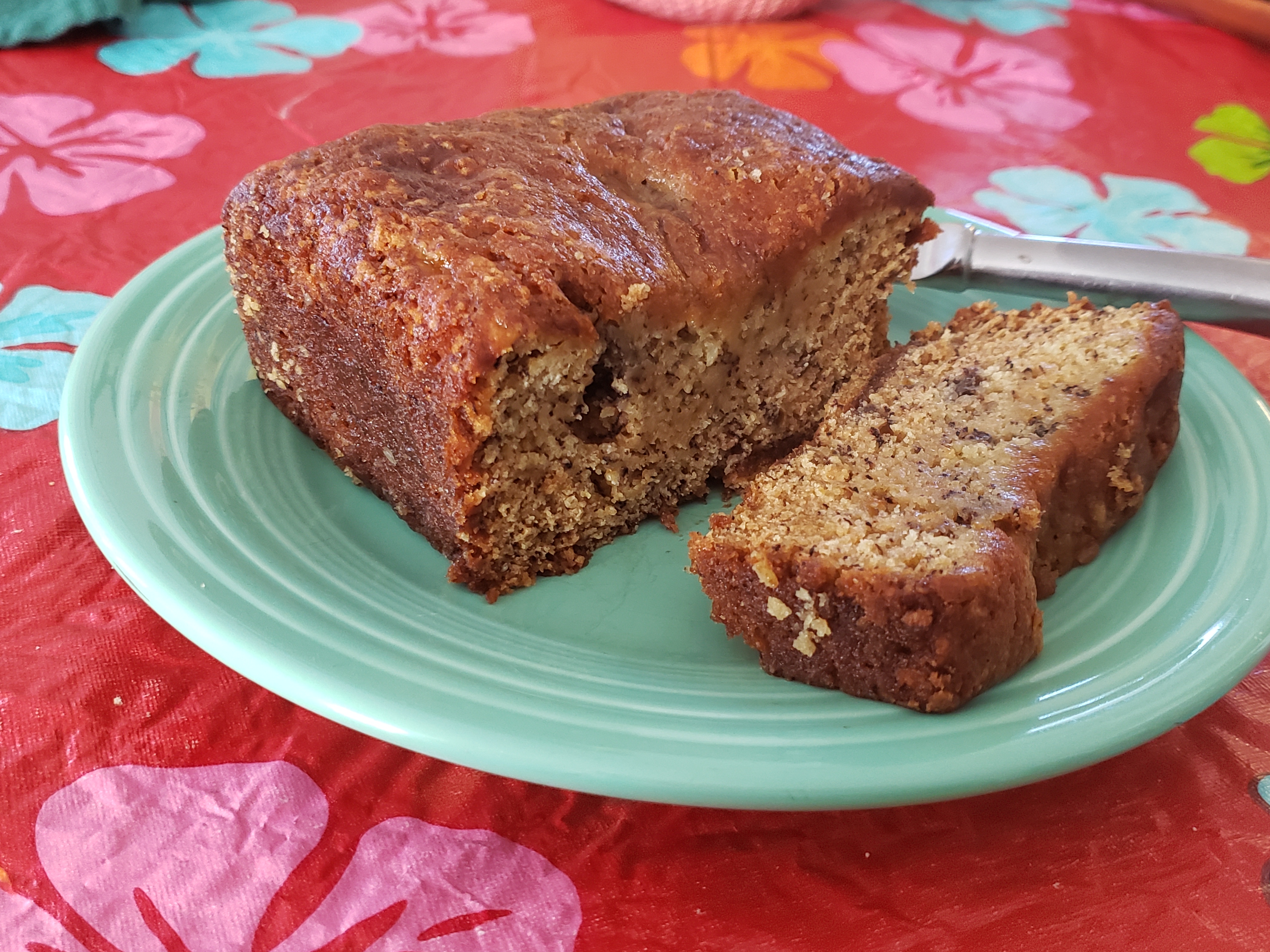
  • Staff Recipe: Oh No, I Bought Too Many Bananas—Banana Bread

    Staff Recipe: Oh No, I Bought Too Many Bananas—Banana Bread

    A recipe for when you have too many bananas and don’t know what to do with them

    I’ve read enough recipe blogs to know you open a recipe with an autobiography.

    It all began when the plague hit. I panicked and bought too many bananas. This was immediately followed by remembering I don’t even like bananas that much. However, I do love bread, and banana bread works best with bananas just on the brink of going bad. Assuming you were able to gather the energy to wear socks in isolation, here’s a recipe that will knock your socks right off.

    With no further ado, here’s the “Oh No, I Bought Too Many Bananas—Banana Bread” recipe (this yields 2 loaves):

    Ingredients:

    4-6 very ripe bananas, mashed
    2 cups sugar
    2 eggs
    1/2 cup vegetable oil
    3 cups flour
    2 tablespoons baking soda
    2 tablespoons salt

    walnuts or chocolate chips, to personal preference (optional)

    Directions:

    1. Preheat the oven to 350 degrees and grease two loaf pans.
    2. In a large bowl, combine bananas, sugar, eggs and oil. It will look lumpy, and that’s OK. There’s bananas in there—there’s only so much you can do.
    3. In a separate bowl, combine flour and baking soda. Fold into the banana mixture and combine until no dry ingredients remain.
    4. Add salt and any additional, optional mix-ins, and combine thoroughly.

    5. Bake for an hour or until a toothpick inserted into the bread comes out mostly clean.

    And you’re done!
  • Staff Recipe: True Sourdough Starter

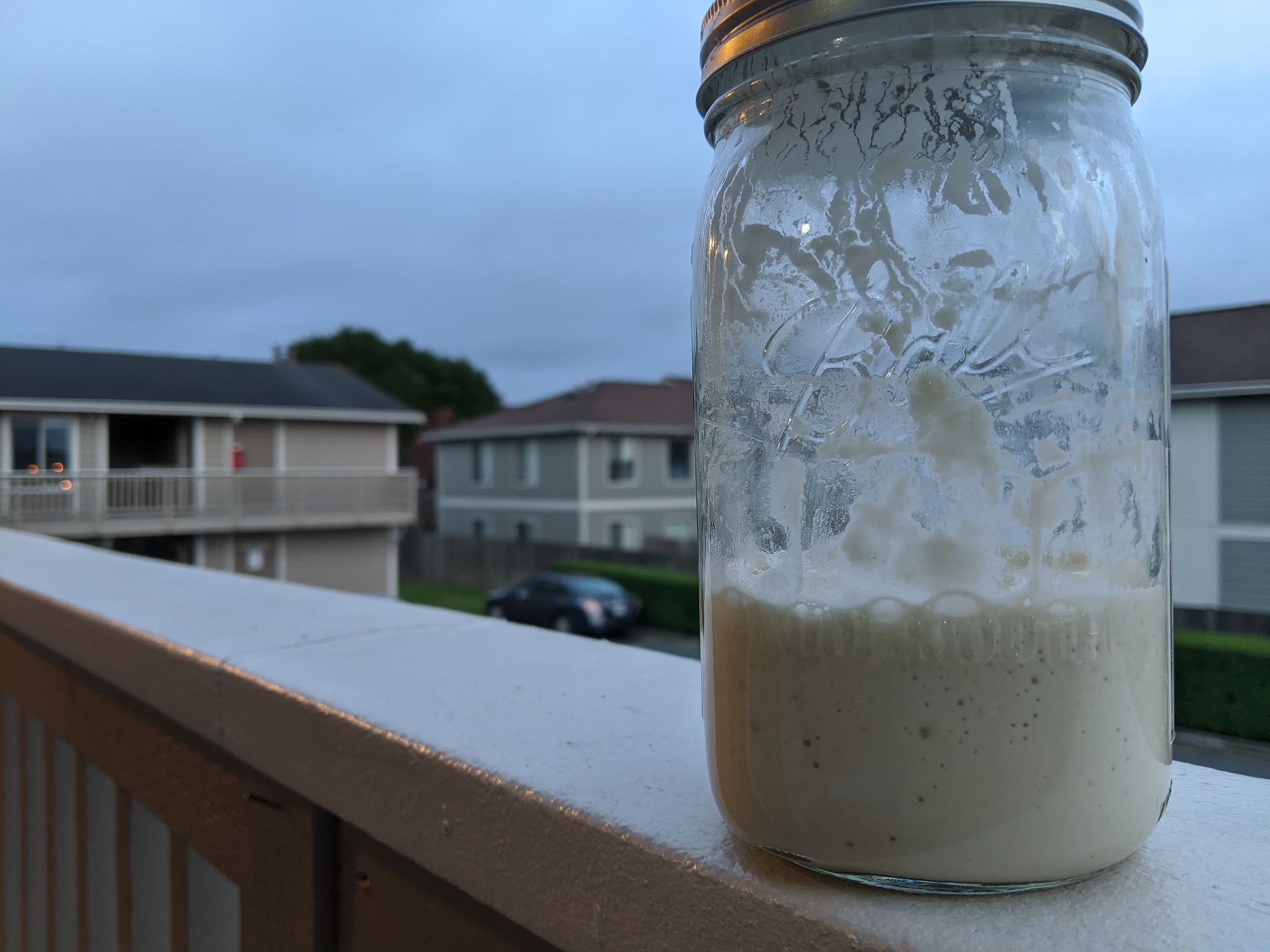
    Staff Recipe: True Sourdough Starter

    There’s no time like the pandemic to get a start on a starter

    Sourdough starters are a great project for the apocalypse, as yeast and other baking materials are becoming hard to come by. Hopefully you’ve still got that bag of flour sitting in the back corner of your cupboard, because with just a couple minutes of work a day, you’ve got yourself a sour new addition to the family. After day seven, your starter will be ready for use in bread, pancakes, muffins or any other baked good that includes flour and water.

    Ingredients and supplies:

    • Flour
    • Lukewarm water (around 85 degrees Fahrenheit)
    • A scale
    • A mason jar with a lid
    • Patience

    Directions:

    Day 1 – Beginning the starter

    • Weigh your jar empty, without the lid, and write the weight down
    • Add 100 grams of flour to your jar
    • Add 150 grams of lukewarm water to your jar. Mix thoroughly until combined, making sure you don’t leave any clumps
    • Attach lid loosely to the jar (not too tight, or you will make a bread bomb)
    • Wait 24 hours

    Day 2: Feeding the starter

    • Remove starter from your jar until there is 70 grams of the starter remaining (that’s 70 grams added to the original weight of your jar)
    • Add 100 grams of flour
    • Add 100 grams of water
    • Mix thoroughly until combined without clumps
    • Attach loosely fitting lid to jar

    Day Three: Onwards

    • Repeat instructions from day two until you forget for a couple days and accidentally kill it.

    Tips

    • Your starter can range in smell from yeasty “footy-ness” to a nail polish remover or a boozy smell which changes from day-to-day.
    • Adding a little more water or a little more flour will affect the scent and taste of your dough drastically.
    • Excess starter removed during feeding is perfectly safe to eat after being fried in a bit of oil. It makes wonderful fry bread with a bit of a funnel cake consistency.
    • Keep your starter in a warm place. Warm temperatures encourage fermentation, and cold temperatures can kill your starter.