The Lumberjack


Students Serving The Cal Poly Humboldt Campus and Community Since 1929

Tag: check it

  • Bystanders begone

    Bystanders begone

    The Check It program is hosting Bystander Intervention workshops, which provide students the knowledge and skills to intervene when they witness an act of violence in the community.

    Have you ever seen a situation that you knew wasn’t right, and wanted to say something, but maybe didn’t know how or what to do?

    The Check It program at Humboldt State is hosting bystander intervention workshops to give students the tools to step up and say something in “check it” situations. The workshops are on March 29 and April 4.

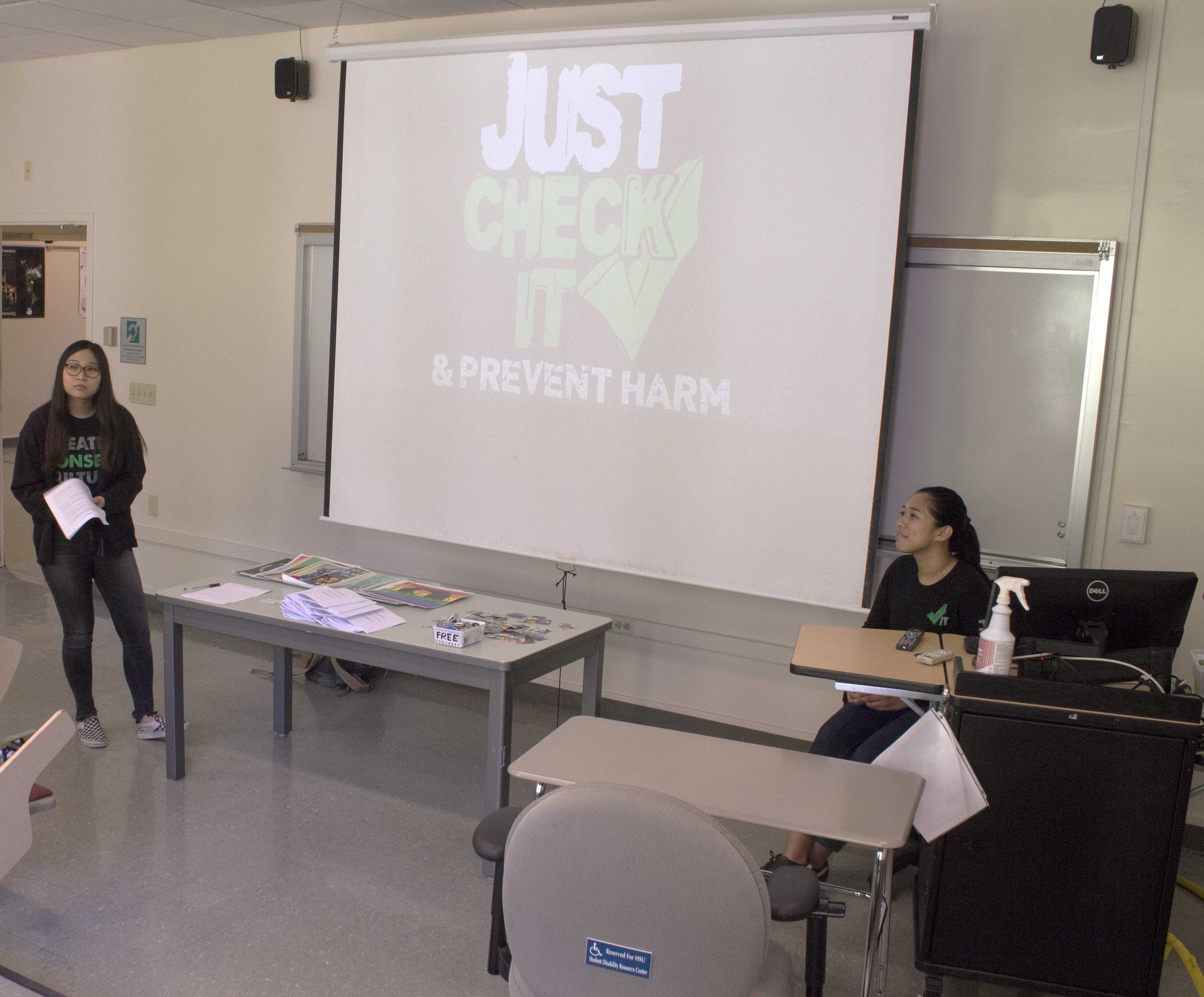
    The workshop on March 29 was hosted by two students, Adrienne Banh, 19, a psychology major, and Skye Peredeo, 21, majoring in social work. Both students are a part of the Check It launch team as a student-led movement to intervene when we see moments of harm.

    “We want to give the tools so if something does happen, we can intervene,” Peredeo said.

    The workshop had multiple portions and activities to help attendees better understand and give a language to situations with a lack of consent.

    The workshop defined consent as yes, a definite yes, which is active, collaborative and retractable.

    “A Check It moment is a situation with an absence of consent,” Peredeo said.

    The skills taught in the workshop focused on three D’s of a check it moment: direct, delegate and distract.

    Each of these terms correlate with a coping strategy to intervene in a Check It moment. The workshop also emphasized the personal barriers individuals experience, particularly the fear for personal safety and the safety of the survivor.

    Another huge focus was intimate partner and dating violence, and how individuals can best handle those situations.

    Ariel Fishkin, 26, an applied anthropology graduate student who attended the workshop, said she thought the intimate partner violence was the most important takeaway from the workshop.

    “I think that checking it and intervening in intimate partners is really important,” Fishkin said.

    The workshop also focused on support for survivors and how individuals can best be there for a person who has been a victim of sexual violence.

    Some of the main strategies for helping survivors is to get informed on the professional resources available for survivors, such as the North Coast Rape Crisis Team. The Team offers 24-hour hotlines to talk in Del Norte and Humboldt counties. Another strategy for providing support is just listening to the survivor.

    “Sharing one’s story can be incredibly difficult,” Banh said.

    The workshop addressed how this is a hard subject and many people have experiences that we need to be mindful of when tackling this issue. It also addressed how marginalized communities are more likely to be victims of sexual violence, particularly the LGBTQ community, and initiated a conversation on how they are specifically targeted.

    Overall, the workshop used a variety of multimedia tools including videos, games and discussions to help students to better come to an understanding of when and how to intervene in situations involving sexualized violence, which can show itself in a wide range of manifestations.

    The Department of Justice released a study in 2016 which showed that one out of every five women in college will experience sexual assault.

    “We want to make sure it doesn’t happen for future generations,” Peredeo said.

    If you or someone you know has been a victim of sexualized violence and would like to contact a safe source, the North Coast Rape Crisis Team has 24-hour hotlines available in Del Norte and Humboldt counties.

    Del Norte: (707) 465-2031
    Humboldt: (707) 443-2738
    Humboldt Domestic Violence Services: (707) 443-6042
    HSU Counseling and Psychological Services (CAPS):
    * 24-hour crisis hotline: (707) 826-3236
  • Consent is the word

    Consent is the word

    By | Lauren Shea

    Brave students walked up to the podium to share their story in front of supporters of a culture of consent.

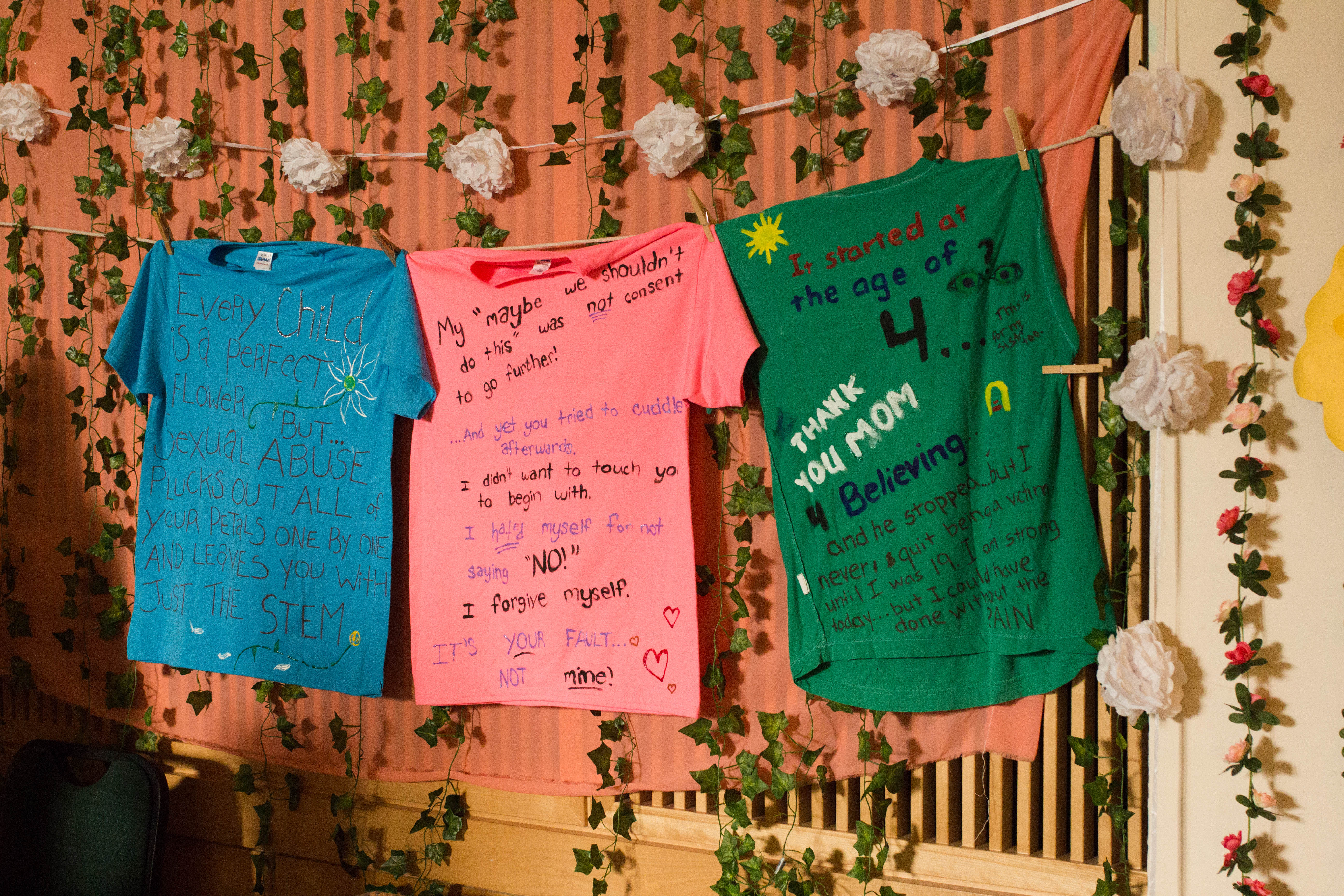
    HSU students attended The Consent Project 2017 in the Kate Buchanan Room on Oct. 10 to talk about consent and listen to survivors of sexual violence.

    The Consent Project is an event held through the Check It program to talk about what it means to consent, what consent looks like, and how to communicate consent though choices and actions. The project aims to create a culture of consent and reduce the harm caused by sexual violence. The event provided a place to educate students and the community about consent and provide community resources. It also provided a place where survivors of all genders of sexual violence could speak out about their story.

    018.jpg
    Photo credit: Lauren Shea

    This year’s theme is the Seasons of Change. One of the event coordinators, Skye Peredo, talked about the meaning behind the name by describing how seasons change just as people do.

    The event provided many resources such as the North Coast Rape Crisis Team, Check It, the Women’s Resource Center and the Multicultural Queer Resource Center. The event provided food and drinks as students engaged in conversations about consent and the importance of self-care. Arts and crafts were supplied for students to create crafts and build a comfortable and creative environment.

    052.jpg

    The second part of the night shared a space where survivors talked about their story on consent. Survivors shared their gratitude for programs such as Check It and The Consent Project that encourages a consent culture where people can talk about sexual violence. It also encourages people to support each other and educate people in hopes to reduce to harm caused by sexual violence and the lack of clear consent communication.

    Students talked about consent culture during the event and the importance of caring for yourself. Elissa Rodriguez, a junior at HSU studying English, gave her thoughts about the importance of self-care and mental stress breaks.

    “I advocate a lot to my friends about self-care,” Rodriguez said. “I think we go through so much stress and taking the time even if it’s just a little bit of time to recuperate before getting back to what you need to do is really important.”

    She also talked about her experience with the consent culture being built at HSU.026.jpg

    “I feel like there is always more room for improvement,” Rodrigues said. I feel like people are still afraid to talk about sexual violence because if they weren’t, we wouldn’t need events like this. Not everyone is involved as they should be.”

    Alex Heart, a sophomore at HSU studying Geology, talked about the influence that Check it and the Consent Project has on new students.

    “I think the school does really well on educating freshman that come from all walks of life about consent,” Heart said.

    035.jpgJonathan Salinas, a senior at HSU studying Spanish, talked about his experience with consent culture at HSU.

    “I definitely think there is a lot of work to be done about creating a consent culture here,” Salinas said. “But I think events like this gives students on campus the vocabulary to have the conversations. I think there is that fear to talk about these topics, but at the same time empowers people to have these discussions.”

  • Check It volunteering

    Check It volunteering

    By | Lauren Shea

    It’s about creating a safe community where students can look out for each other.

    The Check it program was created at HSU to prevention acts of sexual assault in the community. It’s a student led movement to encourage us with acting against sexual assault and to create a presence of power that sexual violence is unacceptable and not welcomed here. Check it helps teach students of the community to recognize sexual violence and how you can prevent and stop it.

    LSCheckit04
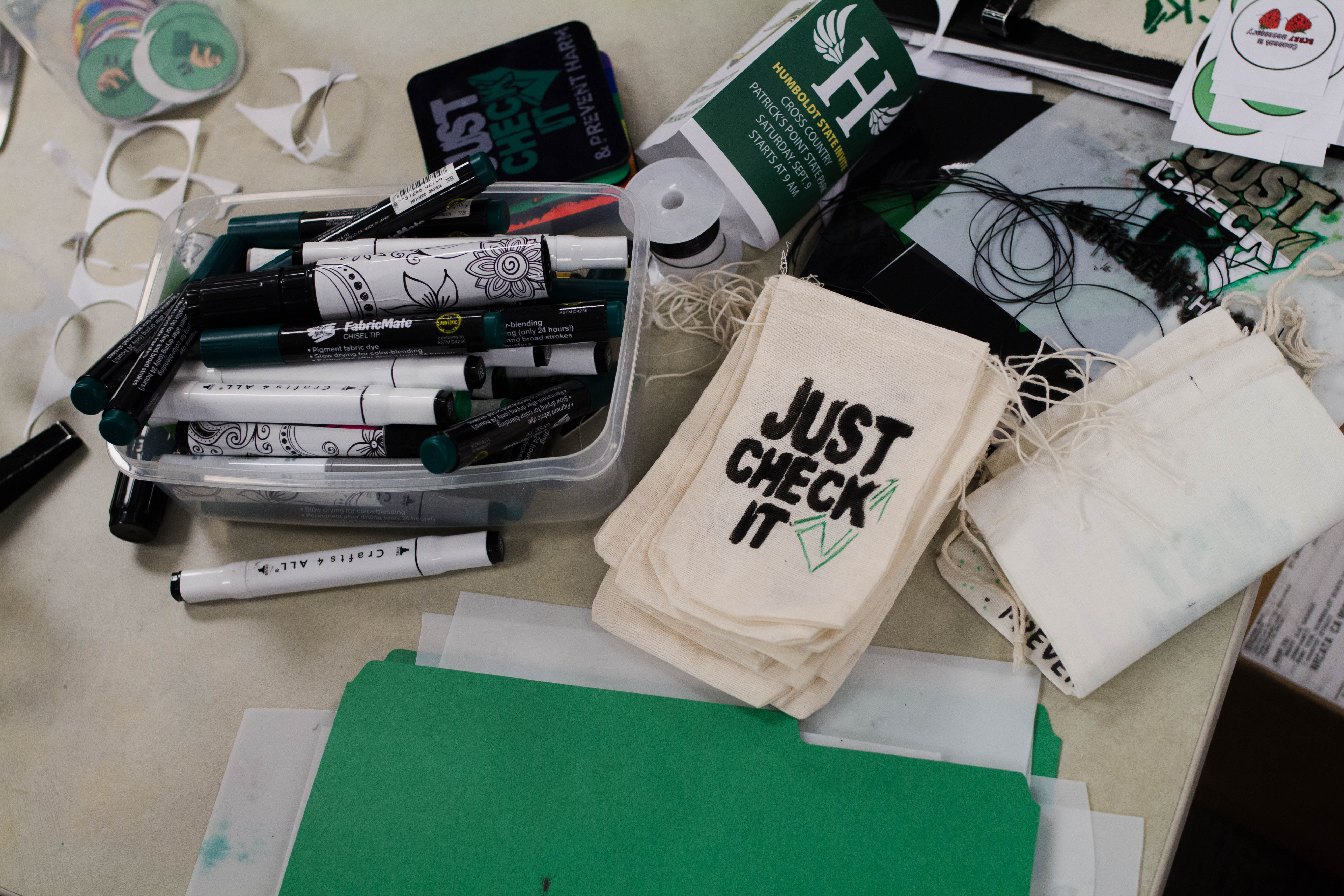
    Student volunteers making Check it supplies in the Rec and Wellness Center. Photo credit: Lauren Shea

    Marco Gonzalez, senior at HSU, the Volunteer Coordinator for Check it.

    “My experience with Check it has been throughout my whole time spent at HSU,” Gonzalez said. “Being able to see the change from when I was a freshman to now is just incredible.”

    Skye Peredo, a student at HSU, the Media Development Coordinator for Check it.

    “It’s been great volunteering with Check it,” Peredo said. “This movement was created by the students and for the students. Check it has helped spread confidence to people and to notice harm making the campus feel safer.

    Anyone can volunteer with Check it. The volunteer drop in hours are 4pm-6pm on Fridays in the Rec and Wellness Center drop in lounge. Through this program and volunteer opportunities, students can learn more about ways to check it.

    Jayda Kosar, senior at HSU, the Event and Presentation Coordinator for Check it.

    “It’s been great working on the program and expanding it for more people to learn about it,” Kosar said. “Incoming freshman already know about Check it before they’re even on campus.”

    LSCheckItVolunteer_Web-3.jpg

    Student volunteers also attend the Check It Volunteer team retreat on Saturday, Sept. 23, 10 a.m. – 3:30 p.m. in the Goodwin Forum. There will be opportunities to participate in campus campaigns and build a better community as well as become part of the movement that Check it has created.

    Check it is also looking for volunteers for the Consent Project. The Consent Project works to create a culture and community where students can talk about how we express consent and how that plays a role in our choices and actions. The project works to create a safe environment on our campus where we can listen to and support other survivors of sexualized violence. The Consent Project meets every Thursday at 5 p.m. until Oct. 5, in the Rec. and Wellness Center room No. 124.

    To register for the volunteer retreat, contact Mary Sue Savage, Prevention Coordinator at: mss62@humboldt.edu

    For more information on Check it, visit: http://www.checkithsu.com/

  • Consent Culture

    Consent Culture

    By Andre Hascall

    Consent culture has been a vital part of Humboldt State University since Check It, as student led movement to prevent sexual assault, arrived in 2014. That culture is growing further with the new themed dorms in Creekview. The dorms will be called the Consent Culture Living Community.

    The living community will provide a space of comfort for survivors and other supportive students. There are a few themed dorms on campus, with dorms themed for gaming, outdoor adventure and sciences among others. The themed dorms that HSU already has on campus grow together through events geared towards their themes. The events can be as small as ice-breakers or, as we’ve seen in recent years, something as big a creating a community garden.

    The Consent Culture Living Community will have events catering towards consent related activities.

    Morgan Fahey-Reye is a former community advocate while Check It was in its beginning stages at HSU.

    “Check it puts on a lot of events which are safer alternatives to going out on the weekends,” Fahey-Reyes said. “I also like how they do trainings with student leaders to educate them about addressing unsafe situations.”

    Activities that the Consent Culture Living Community will have are centered toward teaching the community about the situations in which they should “check it”, which means ask for consent, and intervene if you think someone could be in danger of sexual assault. However, some believe that this themed housing isn’t necessary such as Adrian Zavala, a freshman at HSU.

    “Campus should already be aware that consent is required,” Zavala said. “There shouldn’t have to be a separate dorm for that.”

    Humboldt State University is taking the steps to make it known on campus that consent is required. The Consent Culture Living Community will be one of HSU’s tools to combat sexual harassment and assault.

  • Check it! Anniversary party

    Check it! Anniversary party

    By | Ali Osgood

    The highly successful student created program about preventing and responding to sexual assault at Humboldt State University celebrates it’s third year.