The Lumberjack


Students Serving The Cal Poly Humboldt Campus and Community Since 1929

Tag: sexual harrasment

  • HSU Wraps Up Faculty Sex Solicitation Investigation

    HSU Wraps Up Faculty Sex Solicitation Investigation

    Faculty member no longer employed by HSU

    Humboldt State issued a press release today notifying the campus community that it had finished its investigation into a faculty member soliciting students for sex. According to the release, HSU no longer employs the faculty member, but since no formal criminal charges have been filed, the University Police Department is not able to bring charges.

    Read the full release below:

    HSU Concludes Faculty Misconduct Investigation

    Humboldt State University has concluded an administrative investigation into anonymous allegations of faculty misconduct, in which a faculty member was accused of soliciting students for paid sex.

    Upon discovery of the allegation, the University took immediate steps to protect students from harm, and the employee subject to the investigation is no longer employed at Humboldt State. Because this is a personnel matter, the University is not able to provide details of the investigation or the outcome. However, the University is confident that it responded strongly and appropriately, and that it reached a resolution that ensures the safety and well-being of our students, faculty, and staff.

    The University Police Department has also been investigating the incident for any potential criminal violations and charges. Because no formal criminal complaints have been filed, University Police is not able to bring criminal charges at this time. However, the University Police Department’s investigation remains open. 

    The University encourages anyone who may have been harmed to seek assistance through the following campus support services.

    • Counseling & Psychological Services (CAPS) provides a variety of support services. You may make an appointment by calling (707) 826-3236. If you are having a crisis, you may reach a CAPS therapist 24 hours a day at the same number (707) 826-3236.
    • The Campus Advocate Team (CAT) is an on-campus resource for students, staff, and faculty at HSU. CAT is a program of the North Coast Rape Crisis Team, a private nonprofit organization that has been contracted by HSU to provide specialized services to the HSU community. CAT provides 24-hour, confidential support to any HSU student, staff, or faculty who wants to talk about harm they’ve survived (sexual harassment, sexual assault, dating/domestic violence, stalking), or explore their options for support and/or holding accountable the person who harmed them. CAT can be reached at (707) 445-2881, 24 hours a day. On-campus appointments are available.
    • The Dean of Students Office can help students navigate the steps of any reporting process and provide support and advocacy while navigating a formal complaint, as well as helping students find resources on- and off-campus to best meet their needs. You can reach the office at (707) 826-3504.
    • Human Resources handles staff employment as well as Title IX matters and can be reached at (707) 826-3626. Academic Personnel Services handles employment and related responsibilities for faculty, and can be reached at (707) 826-5086.

    The University also requests that anyone with information report it to one of the offices listed below. The Title IX Office helps students navigate accountability and accommodation for incidents of harm. The University Police Department, which operates from a trauma-informed perspective, assists with accountability and responds to reports of criminal activity.

    • Title IX Office, David Hickcox at office (707) 826-5177, cell (707) 296-4032, or david.hickcox@humboldt.edu.
    • University Police Department at (707) 826-5555.
  • Catcalling Can’t Continue

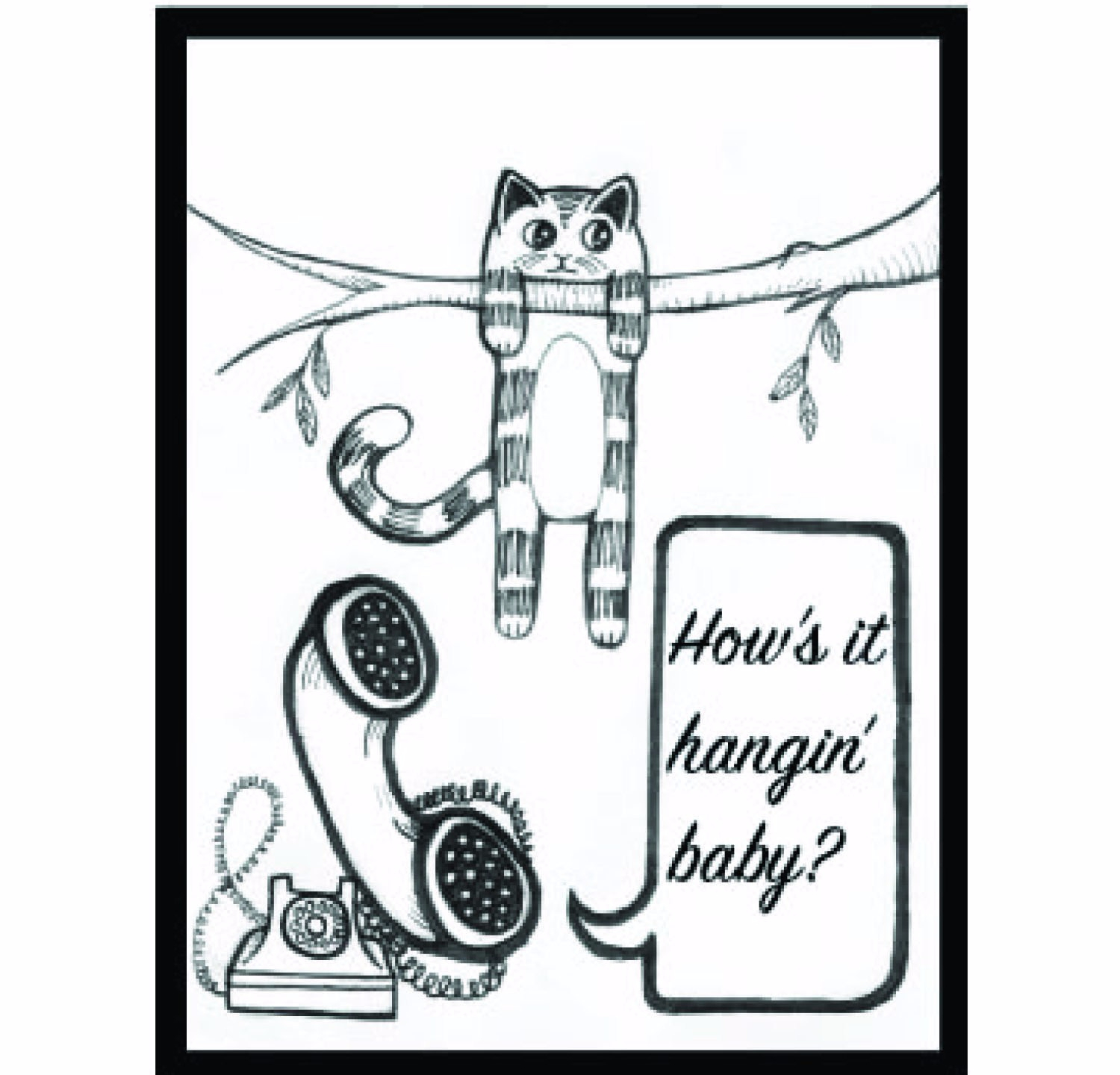
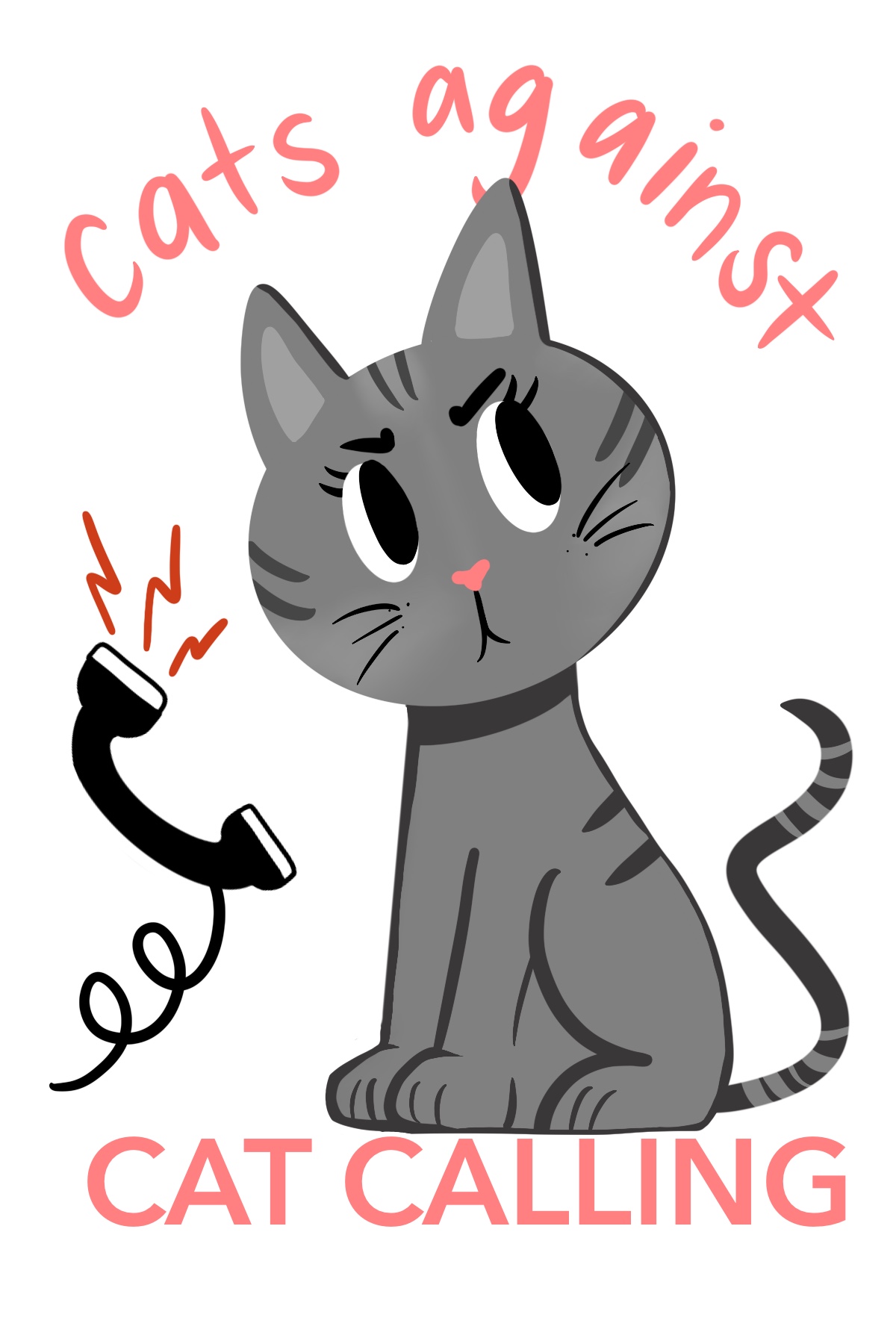
    Catcalling Can’t Continue

    Verbal harassment toward women is about control and the assertion of gender discrimination

    Overall, 81% of women have experienced sexual harassment or assault in their life, according to Stop Street Harassment. This comes in the form of unwanted touching, being followed, being hollered or whistled at or vulgar gestures.

    People often minimize the effect catcalling has, usually through now-tired and almost memetic clichés.

    “What were you wearing?” some might ask. Or, “How late was it?”

    Some may attempt to advise the recipients of such advances to simply ignore them. Such advice ignores cases of women being killed for doing just that.

    As explained by HS Insider of the Los Angeles Times, the downplay of the effects of catcalling reinforces rape culture.

    “Although catcalling is street harassment, it can be really difficult to report the perpetrator, which also creates the mindset of getting away with something and trying to see what else one can get away with, which can be more violent forms of sexual harassment,” author Karen Rodriguez wrote.

    Even if catcallers claim they’re simply having fun or messing around, they demonstrate disregard for the safety and rights of women.

    Men who catcall use the institutional power they hold that protects them from behaviors that should be seen as inappropriate. They reinforce the idea that men should hold a level of control over women and that women should be subservient. They see resistance to such unsolicited advances as a negative reaction to their exercise of that power.

    “The issue of catcalling and street harassment isn’t an issue on security and protection,” Rebecca Meluch wrote for The DePaulia, the student newspaper at DePaul University. “It should be an issue on the way society shapes people to view groups of bodies as accessible and degradable.”

    “Having to double-check the people walking behind me shouldn’t be routine for me.”

    Paula Ortiz Cazaubon

    HuffPost published a video in which men attempt to explain why they catcall. Most of their responses can be simplified to a man finding a woman attractive and the man instinctively calling out to her. The same men who defended their behavior instantly said they wouldn’t like if women they personally knew were victims of harassment.

    The attitude that men are simply having fun as long as they’re personally and emotionally removed from the victim, reinforces stereotypes of gender inequality and power dynamics. The asserting of one’s power is the real intention behind catcalling, regardless of what perpetrators claim.

    These actions are far from harmless, and they are damaging to women in the long run.

    “Having to double-check the people walking behind me shouldn’t be routine for me,” Paula Ortiz Cazaubon wrote for The Beacon, the student newspaper at the University of Portland.

    This is why education on street harassment is necessary. It starts with holding men accountable for their behavior. Rape culture is not something to be fetishized or taken lightly.

  • Check-It celebrates fourth anniversary

    Check-It celebrates fourth anniversary

    Students and staff get to share why they check it.

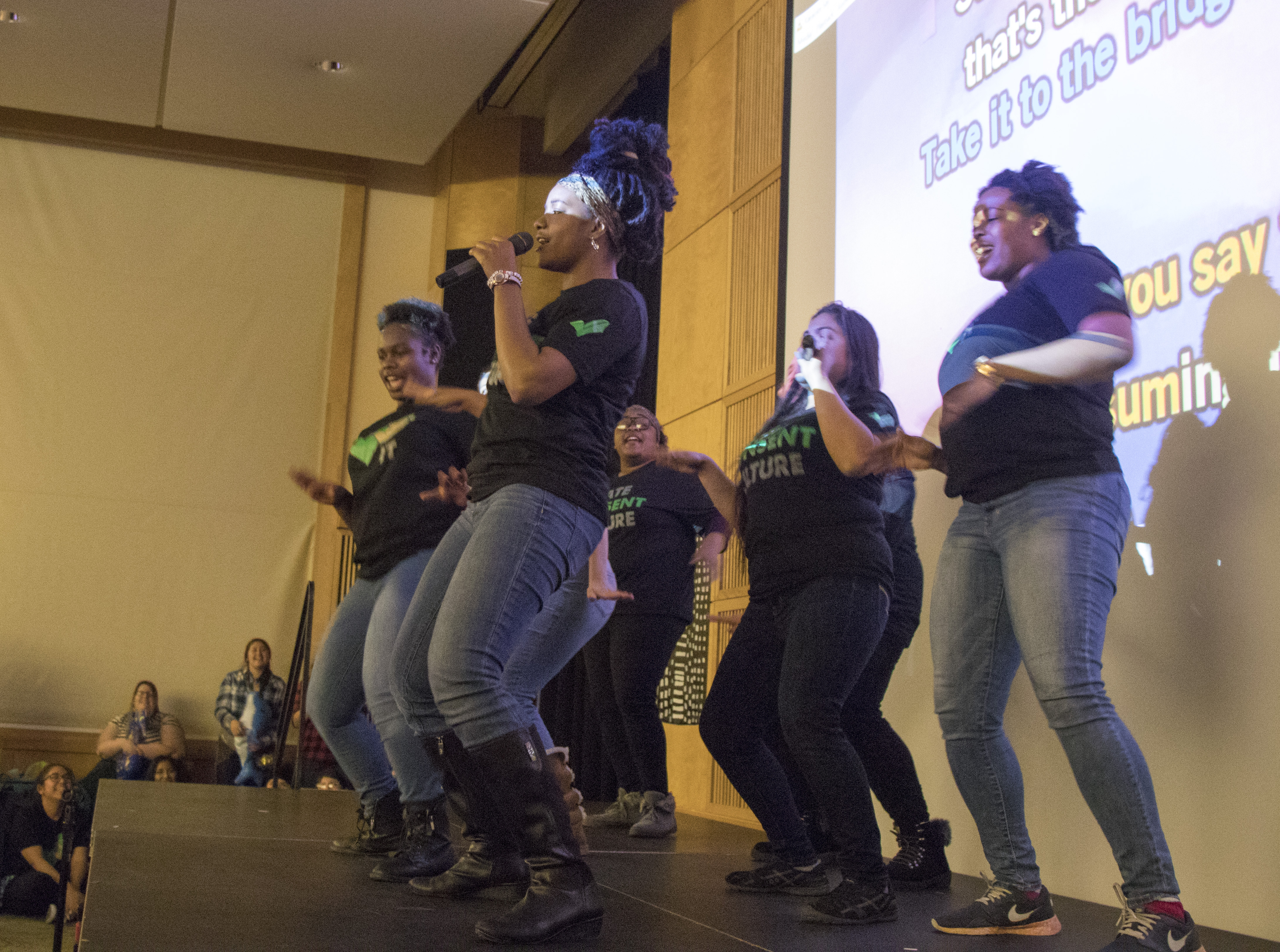
    Check-It had their fourth anniversary party in the Kate Buchanan room on Feb. 23. There was free food, karaoke and a variety of clubs that performed from 7-8 p.m. The lights-out dance party was from 8:30-10 p.m.

    Mary Sue Savage is the prevention coordinator at Humboldt State. Savage has been here all four years and says this anniversary party has become a tradition.

    “To ‘check it’ means to intervene, to take action when we witness a potential moment of harm, specifically addressing sexual assault, dating violence and stalking,” Savage said.

    Savage checks it for many reasons. She checks it for her family, her community and for her future children.

    “I check it, because I want to live in a world where harm is not the norm. I want to live in a world where we have a consent-centered culture,” Savage said. “It’s really exciting knowing we can use Check-It as a tool to create the culture and the world we all wanna live in.”

    Esmeralda Hurtado is the student coordinator for consent culture. Hurtado checks it, because she wants to continue to spread the knowledge of respecting consent and people’s boundaries.

    A time where Hurtado personally checked it was when she first moved into the HSU dorms.

    “I had just came home from class and I heard a lot of commotion outside. I stopped and I heard screaming and things being thrown,” Hurtado said. “I ran out of the dorm and I knocked and that stopped it. I still felt that something was not okay so I ran and grabbed a [community advocate], and they were able to asses the situation and handle it properly.”

    Bridget Ocampo is a peer health educator with Oh SNAP!

    “I feel like back in high school, we didn’t have much education within that. When I came up here, I became aware that it’s really important,” Ocampo said. “When I personally checked it, [it] was at work. One of [my] coworkers tapped my friend on their rear end, so I confronted them. At the time, my friend was too afraid to tell them anything.”

    Lemia Wells was an attendee at the Check-It anniversary party. Wells came to the event to support the program and those who have been sexually harassed.

    “I check it, because consent is important. If it’s not a for sure consent, then it is an assault,” Wells said. “Last week, I checked a guy who was yelling at a girl. The girl was telling the guy to leave her alone, but he wouldn’t so I told him that it wasn’t necessary. He got frightened and stopped yelling at her.”

    HSU acapella club member Christian Placet was one of the karaoke performers. The acapella club checks it, because it’s important that everyone should feel respected in any situation.

    “There were moments where i’ve been a bystander, where I wished I checked it.” Placet said. “Back in high school, there were a lot of nerds that were picked on and I really should’ve done something.”

  • Screaming into deaf ears

    Screaming into deaf ears

    Take victims seriously.

    The phrase “breaking the silence” is often heard when discussing the waves of victims using the #MeToo movement to finally be heard. To victims, the phrase “breaking the silence” feels like an unwelcome pat on the back. As if someone is saying, “Wow, good job for finally learning how to communicate. If only you had used a hashtag before, none of this would have happened.”

    Breaking the silence implies there was silence all along. It also implies that it was the victim’s job to communicate better or people unaware of the violence all around them simply did not know of it, because no one told them.

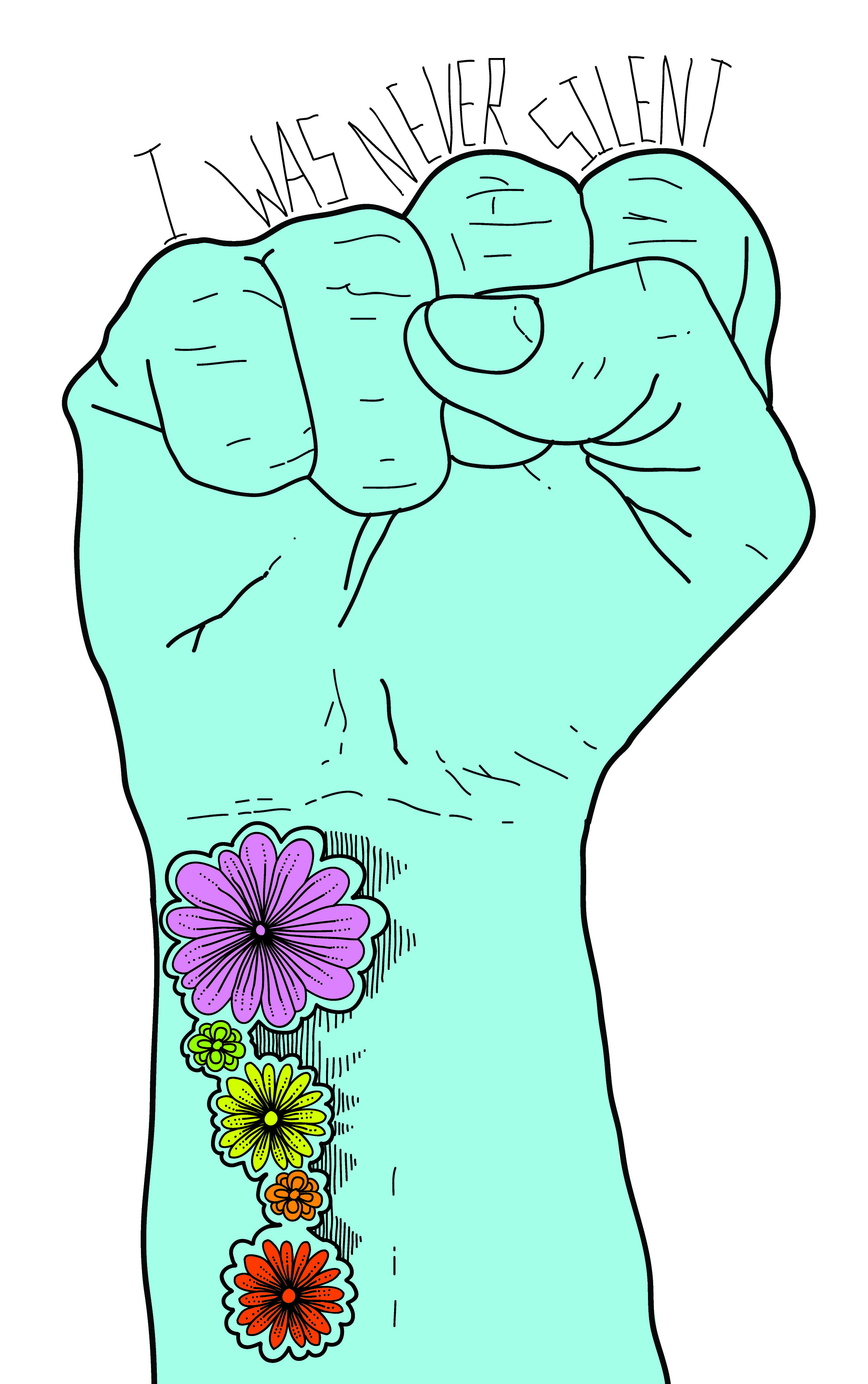
    There was never silence. Victims have been expressing themselves throughout history. #MeToo is not a triumphant announcement that some bad things have been going on and they need to stop. The step forward is not in breaking the silence, but in finally screaming loud enough that the rest of the world cannot pretend the screaming does not exist.

    The most painful part of this has been to watch men come forward and say, “Wow, this is great. Now that us men know this has been going on, we can all stop. It’s now time for healing between the sexes,” as if victims just pointed a flashlight upon a great injustice lurking in the shadows that will scurry away upon noticing it has been discovered.

    Violence begins with the concerns of a group not being taken seriously, but it will not end because we can now talk about it on Twitter.


  • Trump and the Weinstein effect

    Trump and the Weinstein effect

    Now is an appropriate time to have a serious discussion about sexual harassment. Dozens of celebrities have come forward to reveal their stories of sexual harassment, assault and rape. Louis C.K. and Kevin Spacey are just a sample of the latest household names who have been accused. Further, the viral Me Too hashtag has given confidence to millions of victims to follow suit on social media.

    Here’s the thing. Celebrities like C.K. and Spacey quickly lost their jobs and credibility. The same goes for Harvey Weinstein, Terry Richardson and so on. Outside of the Hollywood bubble, Alabama state judge Roy Moore was recently accused of sexual misconduct with multiple minors.

    If the allegations are true, President Donald Trump said Moore “will do the right thing and step aside.”

    That’s a funny thing to say if you happen to recall the numerous accusations of sexual harassment against Trump. Remember the “grab ‘em by the pussy” comment? What a class act. Why hasn’t he lost his job? Why was his “locker room talk” swept under the rug? Why isn’t he doing the right thing and stepping aside?

    To put it another way, Trump said during an interview on The Howard Stern Show that he could “get away with things like that.”

    That’s the thing about privilege. While other high profile figures continue to face the consequences of their action, people like Trump continue to get away with it.

    The truth is, there will be less media coverage of sexual harassment as time goes by. That’s the nature of the new media, it’s fickle. Despite that, it’s important for us to continue this discussion rather turn a blind eye. By doing so, we can create a more welcoming environment for those who feel inclined to share their stories.

  • #metoo

    #metoo

    By | Iridian Casarez

    Victims of sexual assault and sexual harassment need to continue to tell their story. It cannot stop here. It wasn’t until the #metoo movement that people began to acknowledge how sexual assault and sexual harassment was prevalent and happening everywhere. Everyone felt supported enough to tell their stories, including men. Men who, according to society, can’t get raped. Men who are victims of sexual assault don’t report it. The National Sexual Violence Resource center says that about nine percent of men are victims of sexual assault.

    53 thousand people and counting participated in the “#MeToo” movement. The hashtag “me too” was used by victims of sexual assault or harassment. All people did was post the hashtag and that was it. It was known to everyone that they had become a victim. It shed light to the fact that anyone could be a victim of sexual assault.

    We have seen sex scandals happening way before the Harvey Weinstein allegations. This past February, Uber was under scrutiny after a former engineering employer, Susan Fowler, claimed that she was sexually harassed, as previously reported by Bloomberg Technologies.Kesha, the singer/songwriter, sued her music producer, Dr. Luke because of how he sexually, verbally, and physically abused her. We saw a big rape case a year ago at Stanford University in which an unconscious woman was raped behind a dumpster by Brock Turner. She read a letter outloud to her rapist in open court that was reported by Buzzfeed. But it wasn’t until after more than 2 million posts that we started to listen.

    We cannot let this movement die. Rape, Abuse, and Incest Network Statistics (R.A.I.N.N.) says that every 98 seconds, an American is sexually assaulted. R.A.I.N.N says that women who are college-aged are at higher risk for sexual assault.

    I have someone close to me that is a victim of sexual assault. I have listened to their stories and I can see the effects of sexual assault. It’s devastating.

    #metoo is making it clear that sexual assault, abuse, harassment is always happening. #metoo lets us see the reality of sexual abuse and it must come to an end. We need to continue to tell our stories and we need to seek justice for those who have been sexually abused. We must teach everyone that you need to have consent. Yes, means yes.

    If you have been sexually assaulted there is the Campus Advocate Team provided by North Coast Rape CrisisTeam.Support is available for all survivors, no matter when the assault occurred, no matter what age or gender. They can be reached at (707) 445-2881.

  • Don’t be a creep

    Don’t be a creep

    Grabbing or groping a person without their consent are desperate acts of perversion. The same goes for ogling at someone’s body for too long or texting unsolicited photos. While they may not seem like a big deal, you’re ruining someone’s day to say the least. There is no excuse for sexual harassment.

    Contrary to the sexual harassment case that was reported to the University Police Department this month, many survivors choose not to speak up, especially survivors of rape.

    Allie Jones, 20, is majoring in geography and journalism at HSU. She was harassed and assaulted twice last semester by two different men, both on and off campus. The worst incident involved stalking and attempted rape.

    It took Jones almost a month before calling UPD, yet she disguised her report with hypothetical questions about how to deal with sexual assault. Jones did not get help that day. In fact, she didn’t want help.

    “I realized that I didn’t want to talk about it,” said Jones. “I didn’t want to rehash it… you just want some normalcy, because you just want to move on.”

    Before long, Jones opened up to her friends and accepted their emotional support. She also signed up for Counseling & Psychological Services (CAPS) and credits them for partial recovery.

    Sergeant Janelle Jackson of UPD handles cases of sexual misconduct. She says that sexual harassment is “a burden to hold in.”

    Survivors who don’t speak up are suppressing trauma that may lead to long-term consequences of phobias and chronic stress. If many stories go untold, sexual harassment wins. Speak up in numbers and let your voices be heard.

    If you feel inclined to speak up, there are resources available to you, including North Coast Rape Crisis Team (NCRCT), Sexual Assault Prevention Committee (SAPC) and Campus Assistance Response and Education (CARE).

    Print
    Graphic by Michelle Meyers