By Emma Wilson
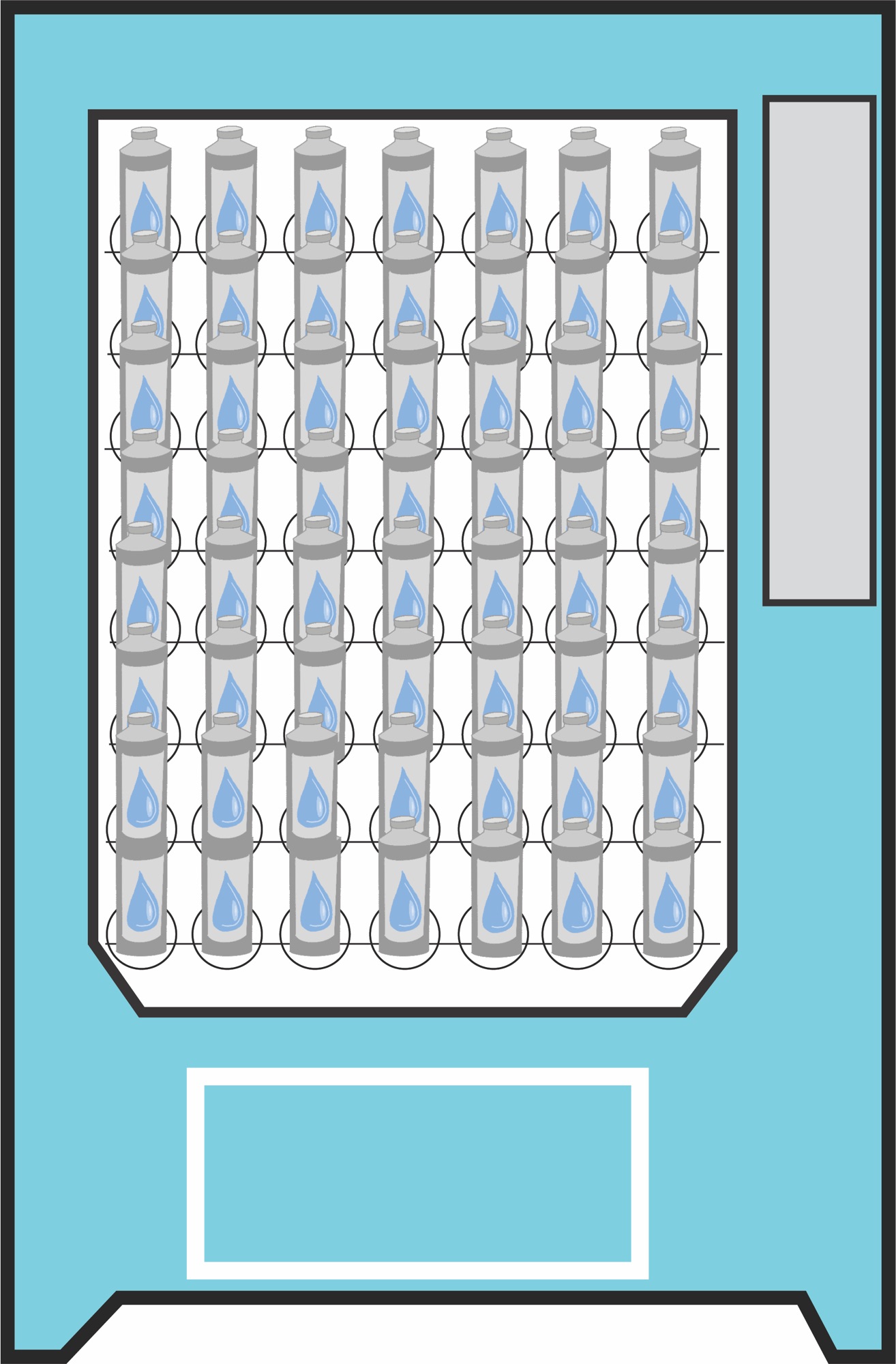
Imagine walking into an office, classroom, a park, feeling very parched, knowing well that sugary drink won’t suffice your thirst and will make you more dehydrated. In a society striving for healthier lifestyles and greater sustainability, it is time we rethink our vending machine offerings. Making water readily available in these machines isn’t just a convenience, it’s a necessity that can drive positive change for our health, our environment and our communities.
Water is an essential part of our survival as humans on earth. One simple yet impactful change we can make is to ensure that water is available in vending machines. It’s a straightforward solution with far-reaching benefits for both individuals and the community.
Vending machines continue to be stocked primarily with sugary, artificial sugar, and energy drinks. While I understand the importance of these drinks within moderation, they do not replace the fundamental need for hydration. Providing water in vending machines acknowledges that clean, accessible drinking water is a basic human necessity.
Incorporating water options into vending machines promotes healthier lifestyle choices. With rising rates of health issues, encouraging water consumption can play a crucial role in combating these trends.
I’ve seen studies show that when water is easily available, people are more likely to choose it over sugary beverages. By making water accessible, we empower individuals to make healthier decisions.
I also emphasize the importance of aluminum bottled water instead of plastic water bottles, because they are easier to reuse. The environmental benefits of providing water in vending machines cannot be overstated.
I’ve noticed the marketplace and the depot both sell aluminum bottled water instead of plastic bottles, yet there are sugary plastic sodas readily available at every location with vending machines.
In the United States alone, approximately 50 billion plastic water bottles are used each year. By offering water in vending machines, we can reduce the reliance of single-use plastic bottles. Moreover, this initiative can encourage the use of refillable water bottles, significantly reducing waste.
From an economic perspective, adding water options to vending machines is a no-brainer. Bottled water can be a profitable item, often selling for more than sugary drinks. Schools and businesses that embrace this change could see a boost in revenue while also supporting public health. Though I love the idea of free water in vending machines, this doesn’t seem economically sustainable in the long run.
It is time for decision-makers on campus, in schools, workplaces, and public venues to prioritize water in vending machines. This change is not just about convenience, it’s about prioritizing public health, promoting environmental sustainability, and supporting economic growth.
As a community, we must advocate for these changes and push for policies that reflect our collective commitment to health and sustainability. Let’s quench our thirst for change by making clean, accessible water a priority in every vending machine. After all, in a world where we are increasingly aware of the importance of what we consume, water should be at the forefront.
Emma Wilson is a public relations journalism student at Cal Poly Humboldt minoring in environmental ethics. Wilson is an environmental reporter and science editor for the lumberjack. She is also the president of the Journalism Club of Cal Poly Humboldt. Wilson likes swimming, playing music on the radio, and making abstract collages.

Leave a Reply