The Lumberjack


Students Serving The Cal Poly Humboldt Campus and Community Since 1929

Tag: Science

  • How wildfire can cause flooding

    How wildfire can cause flooding

    by August Linton

    After the consuming heat and flame of a wildfire, flooding seems an unlikely problem to have to worry about. But catastrophic floods after a section of land is burned often threaten both human settlements and ecosystems. 

    Post-wildfire flooding can be caused by several processes. According to Cal Poly Humboldt professor of forestry, fire and rangeland management Dr. Jeff Kane, the forest floor normally acts as a sponge, soaking up and slowly releasing rainfall. When a wildfire burns that layer, there’s nothing left behind to stop rainfall from rushing directly downstream.

    Wildfire also can release and vaporize waxy compounds from conifer needles, which then accumulate on the burned ground and form an even more water-resistant layer. 

    “Instead of percolating, [water] may flow overland,” Kane said. “If you don’t have the vegetation to absorb the precipitation, then it’s going to be more impactful.”

    Hydrology and watershed management professor Dr. Andrew Stubblefield says that the impacts of this flooding extend to the whole ecosystem. When the forest floor loses its ability to absorb water, the topsoil can become saturated and eventually sloughs downstream, taking with it the nutrients it stores.

    “Now you have a forest that’s less able to hold water to grow trees and provide nutrients to grow trees,” said Stubblefield. “It’s impoverished, or it’s depleted; and it can take a while to hundreds of years even to rebuild the nutrients.”

    This can impact what plants regrow while the land recovers from the fire and flood. Weedy, often-invasive plants may have an easier time reestablishing themselves in this less-nurturing environment than native species, according to Kane. 

    Soil and nutrients washed into rivers and streams also negatively affect their ecosystems. Sediment and debris carried by flooding associated with the McKinney fire caused fish kill in the Klamath River earlier this August, as clays in the soil interrupted oxygen flow and nutrients nourished a deadly algal bloom. 

    Post-wildfire flooding can also be dangerous to human settlements and to the ecosystem around it because it picks up debris and soil and carries it downstream. Debris flows caused by heavy rain after the Thomas fire in Montecito, California killed 23, injured at least 167, and damaged 408 homes, according to a 2019 research article by J.W. Kean et al. 

    It’s the charge of the National Forest Service’s BAER (Burned Area Emergency Response) teams to analyze the risks for flooding after each fire and implement measures to mitigate damage and environmental impacts. According to the McKinney Post-Fire BAER incident overview, these multidisciplinary teams of scientists decide what, if anything, needs to be done to protect natural resources or human settlements in the area. 

    Examples of possible interventions include seeding the hillside from the air, setting up log breaks along hills or in creek beds, or stabilizing at-risk areas with hydro-mulch (a material similar to paper mâché which also contains seeds,) said Stubblefield. Sometimes the best treatment is to warn people away from at-risk areas with weather alerts when a big storm is coming in.

    But with modern fires often burning millions of acres at once, what scientists can do to mitigate flooding becomes a problem of scale. 

    “The August Complex [fire] last summer was a million acres, what would it cost to try and stabilize that landscape, you know, it’s too big,” said Stubblefield. “It would be the gross domestic product of a small country.”

    Flooding is not an inevitable follow-up to wildfire. It takes both intense fire and intense rain to create the right conditions. If ground cover vegetation like grasses have time to return before the next intense rain, it stabilizes the soil and can even begin to break down the waxy hydrophobic layer.

    However, due to the effects of anthropogenic climate change and poor forest management, the perfect storm happens more often. 

    When this land was stewarded by Native Americans, regular fires were part of that management. In the post-colonial absence of that management, white settlers saw wildfires as something that needed to be suppressed immediately, rather than allowed to run their course as a physiological process of the forest. When the dense, thick, choked forests that this policy produces catch fire, they burn hotter, longer, and over a wider area. The environmental legacy of clear-cut logging and fire-prevention has left the forests in a vulnerable and volatile state.

    “We are moving into an era of active fire management,” said Stubblefield.

    This means more prescribed burns, and an attitude towards fire that acknowledges its essential role in forest health. Post-fire flooding, too, is a physiological component of the ecosystem. According to Stubblefield, if sediments weren’t carried into the river, salmon might not have gravel to spawn on at all.
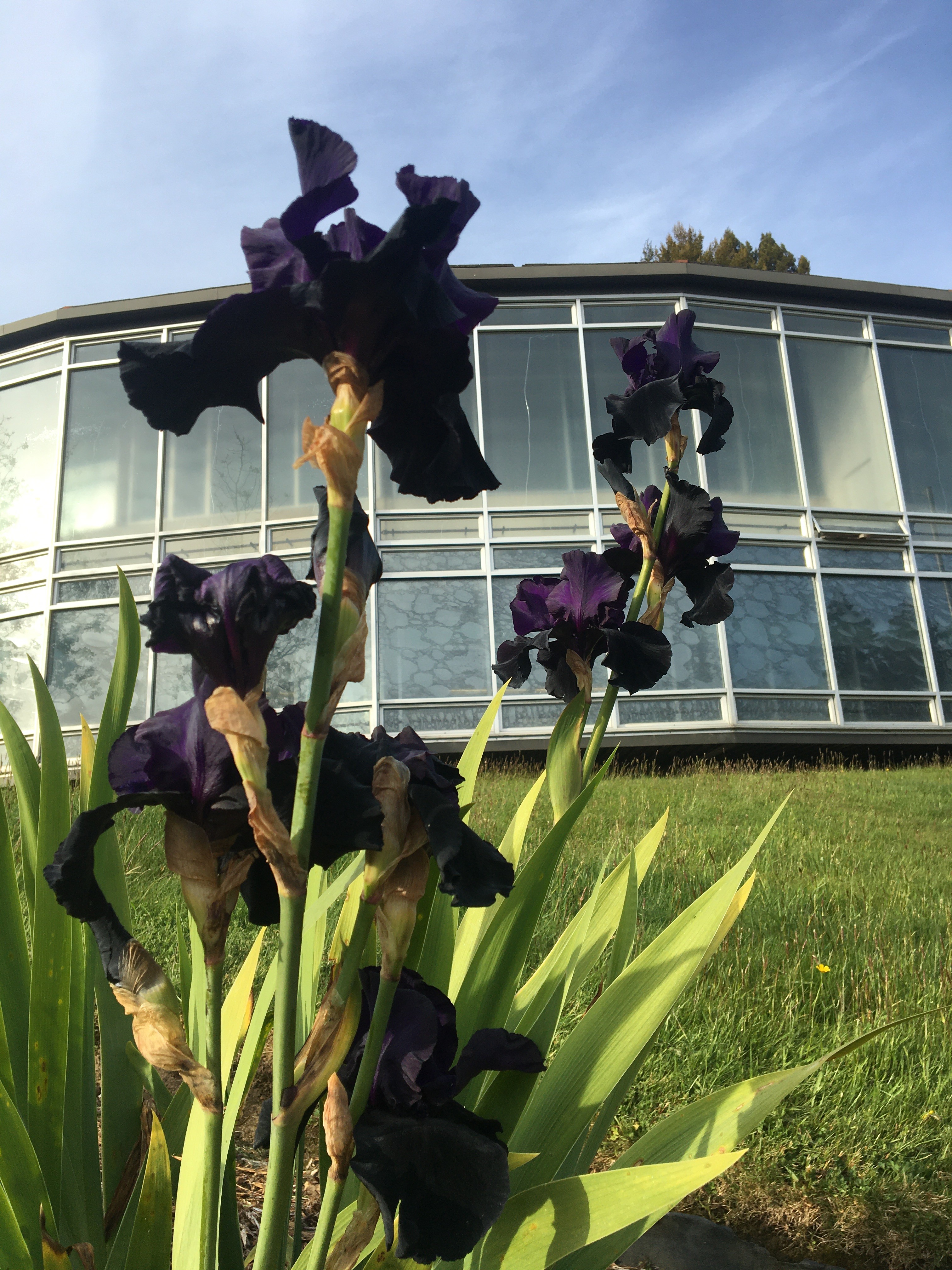
  • Beautiful bearded irises

    Beautiful bearded irises

    by Nina Hufman

    These deep purple petals belong to the bearded iris. In Greek, “iris” means rainbow. The flowers were named after the messenger goddess who traveled using rainbows. Indeed, irises come in a variety of color variants including yellow, orange, peach, pink, black, white, blue, and purple. The deep purple variant pictured here is called Raven’s Girl. The scientific name of the bearded iris is Iris germanica.

    Irises have two types of petals. Three petals curve downwards from the center of the flower and are called falls. Three petals stand upright from the flower’s center and are called standards. The two types of petals can be different colors or the same color on an individual flower. Irises have wide, flat, blade-shaped leaves and tall, bare stems.

    Irises can be identified based on whether they grow from bulbs or rhizomes. PlantInstructions.com says that rhizomes are horizontal stems that grow underground, branching out from the parent plant, just below the surface of the soil. Rhizomes can be dug up and used to propagate new plants. A bulb is also a modified stem, but it does not grow directly from the parent plant. Most irises grow from rhizomes.

    According to GardenFundamentals.com, Irises that grow from rhizomes can be further categorized based on whether they are bearded, crested, or beardless. A beard is a fuzzy patch of hairlike extensions on each fall near the center of the petal, and a crest is a raised section of tissue located in the same place as the beard. If a flower has neither a beard nor a crest, then it is considered beardless.

    Most of the larger iris species, including the bearded iris, are native to the Mediterranean, North Africa, and Asia. According to the U.S. Forest Service, there are 28 species of iris that are native to the United States. It is illegal to pick or disturb irises on national forest land.

    Irises bloom multiple times a year. Their beautiful flowers can be seen on our campus throughout the summer.

  • Humboldt’s frogs are thriving

    Humboldt’s frogs are thriving

    by Sophia Escudero

    Humboldt County, with its streams and rivers, undeveloped wild spaces, and above-average amount of rain, is an ideal habitat for amphibians.

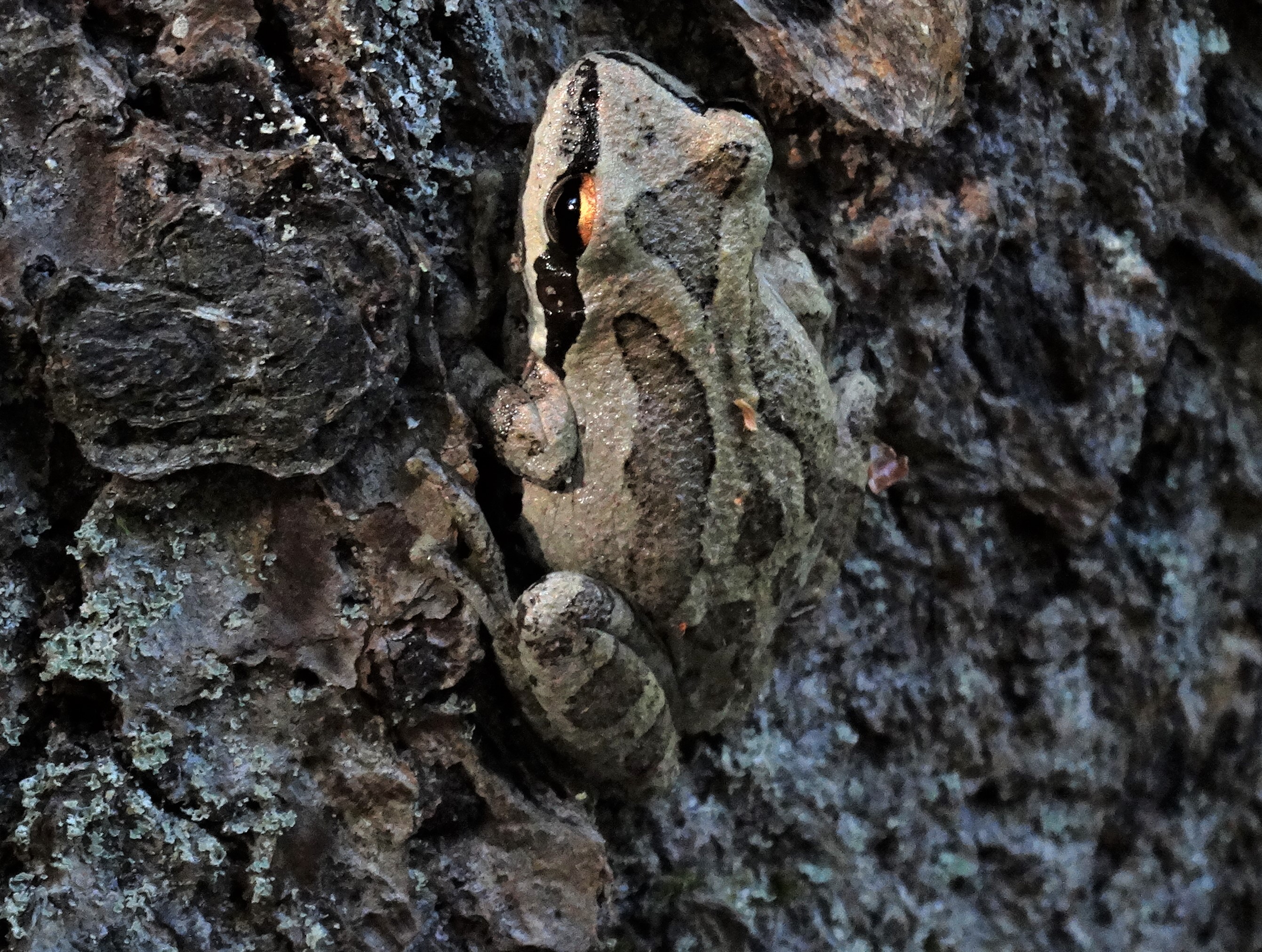
    The Pacific tree frog, also known as the Pacific chorus frog, is the most common local frog. Its habitat spans from Northern California to Alaska, and it makes its home in ponds, rivers, forests, grasslands, and even urban settings. The distinctive “ribbit, ribbit” song of the Pacific tree frog can be heard clearly in spring as the male of the species attempts to attract a mate. However, they can be harder to spot than to hear.

    “They seem to blend with their background,” said adjunct professor Brian Hudgens of the Cal Poly Humboldt wildlife department. “It’s not as fast as a chameleon, but they do. If you put a green one against a brown background for a couple days and then come back, it will turn brown.”

    Less audible is the California red-legged frog, which gives its call underwater and can be found in slow-moving water and ponds. The California red-legged frog has a celebrity history, having been named the California state amphibian and starring in a Mark Twain short story, “The Celebrated Jumping Frog of Calaveras County.” This frog is a threatened species due to habitat loss, despite efforts being made by the state of California and the federal government.

    Photo courtesy of Brian Hudgens. A foothill yellow-legged frog pokes its head out of Honeydew Creek.

    Another protected frog is the foothill yellow-legged frog, which is a species of concern. The yellow-legged frog lives in streams and, although they vary in coloration, can be identified by their rough skin and habit of jumping into moving water. Their historic range extends from Oregon to Baja California.

    “The foothill yellow-legged frogs are breeding now, and you might be able to see egg masses attached to rocks and cobble near the shallow edges of our local rivers,” Hudgens said. “I actually would appreciate hearing if any of your readers see an egg mass and want to pass along the location and any photos.”

    While both the California red-legged frog and the foothill yellow-legged frog are listed as threatened or endangered species in the state of California, the Humboldt populations are thriving.

    “Most of the places where it lives, or where its historic range covers, are the foothills on the edge of the Central Valley,” Hudgens said of the yellow-legged frog. “And those are areas that are under a lot of developmental pressure, a lot of agricultural pressure, and the rivers and streams around here don’t have the same kind of pressure.”

    To help out local frogs, the most important thing you can do is speak out against the development of their natural habitats. Humboldt is a haven for native frog species, and protecting their habitats protects them. When you are in a frog breeding ground, such as a river or pond, it’s important to keep an eye out for eggs and tadpoles underfoot. Washing shoes and swim equipment before and after going to the river can help stop the spread of disease to different populations.

    You can create a habitat for frogs in your own backyard. Providing any size pond or standing water can encourage frogs to lay eggs, especially if you live near an existing frog habitat. Hudgens recommends allowing the pond to dry out fully once a year in order to discourage invasive bullfrogs, which prey on native species and compete with them for resources. Bullfrogs take two years to fully mature, while native frogs reach adulthood in a matter of months.

    “If you’ve got a stream running through your backyard, maintaining a nice cobble area will really help out the yellow-legged frogs,” Hudgens said. “If you’re in an area with bullfrogs, trying to keep them out is probably the biggest thing we can do for all of our amphibians.”

  • Magnificent Magnolias

    Magnificent Magnolias

    by Nina Hufman

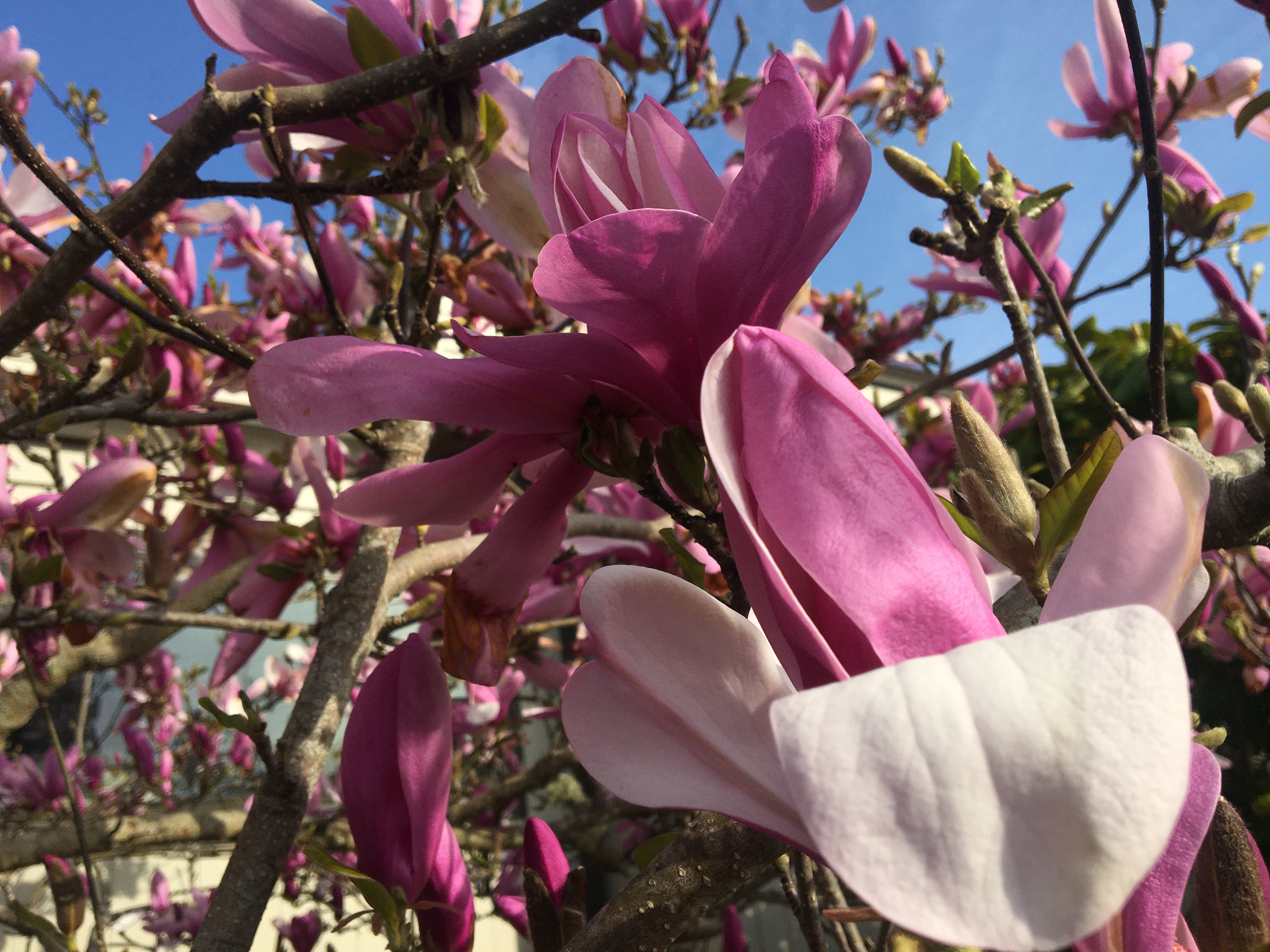
    Chinese magnolia trees all over campus have been shedding their flowers, covering walkways in a blanket of magenta and white petals. Their cup-shaped petals range in color from pink to lavender-purple, with white interiors.

    Like other species of magnolia, the Chinese magnolia (Magnolia soulangeana) has large, fragrant blooms that grow singularly at the ends of each branch. Because it generally blooms in early spring, the flowers are vulnerable to late freezes.

    According to the Missouri Botanical Gardens, the tree blooms from late March to mid-April before the foliage comes in. It can then bloom sporadically throughout the rest of the growing season. The leaves turn from green to yellow in the fall before the tree sheds them for the winter.

    Magnolias are considered small trees. According to the North Carolina Extension Gardener, the trees can grow to be 33 feet tall but usually are between 20 and 25 feet tall. They have a sporadic, multi-trunk, shrubby growth pattern. Their bark is dark or light gray in color and has a smooth texture.

    The Chinese magnolia has a simple leaf type, with alternating veins. The leaves are oblong shaped and have a margin that extends up the entire length of the leaf. Hairlike structures, or indumentum, are present on the leaves. These hairs help the plant to absorb water and deter predators.

    This tree is a hybrid cross between two other magnolia species, M. denudata and M. liliflora. According to Lake Forest College, the hybrid was created by Etienne Soulange-Bodin, an officer in Napoleon’s army who later became a horticulturist. The tree was created in France in 1814.

    Though the trees may bloom the rest of the spring and summer, they are currently giving their most beautiful display. Go out and see the magnificent Chinese magnolia today.

  • Fragile trillium flowers on the forest floor

    Fragile trillium flowers on the forest floor

    by Abraham Navarro

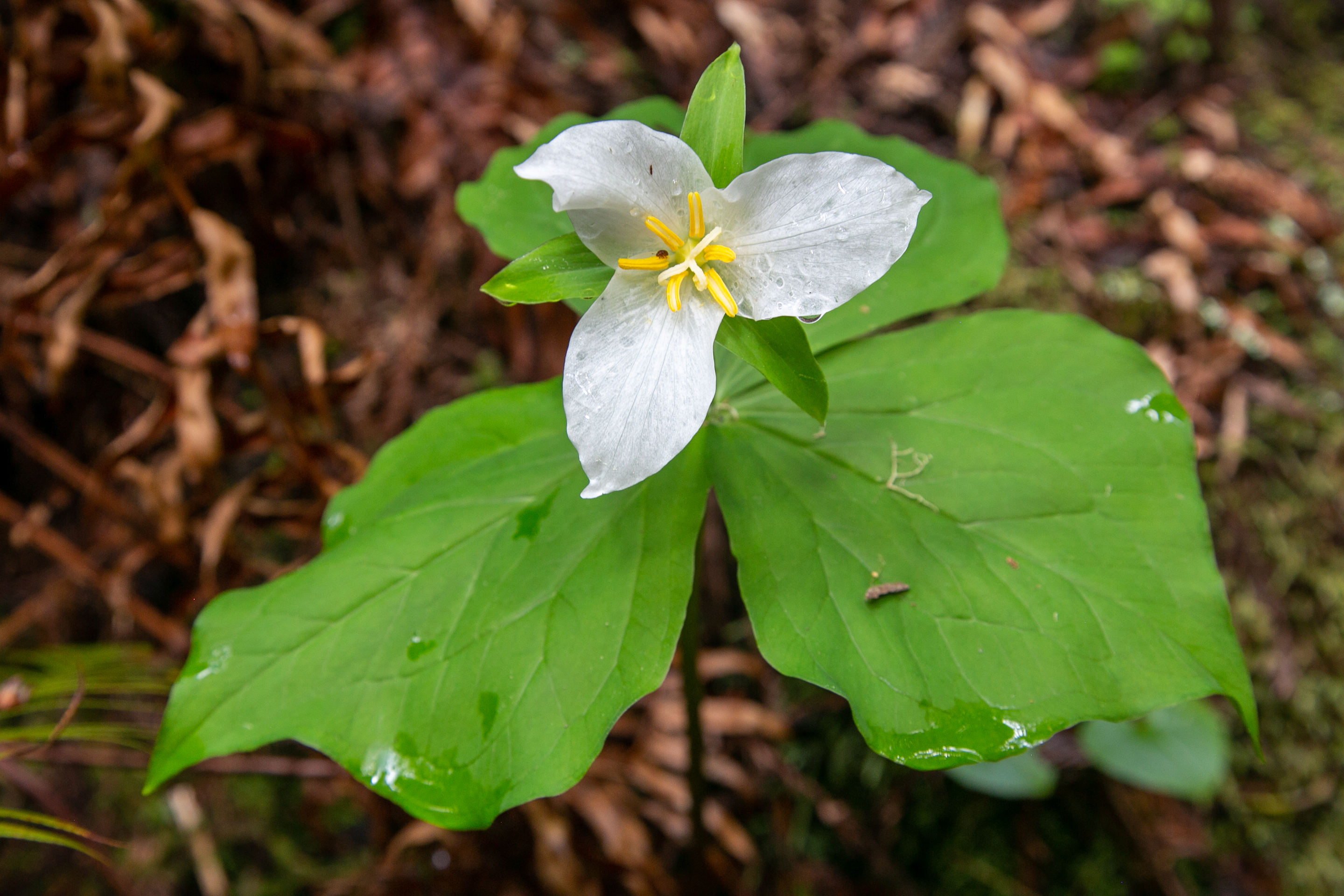
    Wandering through the underbrush in the Arcata Community Forest as the daylight slips away, some of the last plants you can make out against the blur of darkening foliage are the pale white faces of Pacific trillium (Trillium Ovatum) looking back at you.

    A hallmark of spring in the redwoods, these small white flowers dot the alien ferns in the community forest along trails and sometimes even right in the middle of them.

    Trilliums are easy to identify. Their name comes from the latin word tres meaning three, referring to the symmetrical three sets of leaves, petals and sepals that can be found on all 43 species of trillium, 38 of which can be found in North America.

    According to the U.S. Forest Service, several species of trillium contain chemical compounds called sapogenins that have been used medicinally through the ages as astringents, coagulants, expectorants, and uterine stimulants. This is evidenced in common names given to some trilliums such as birthwort or birthroot.

    The Pacific trillium is widespread across the Pacific Northwest and the northern Rocky Mountains. Although it might be tempting to pick the pretty white blooms along the path, experts advise against damaging the delicate flowers.

    Dr. Erik S. Jules, professor of botany and ecology at Cal Poly Humboldt who specializes in plant ecology, said that the Pacific trillium is not endangered, and that it’s doing quite well in the Arcata Community Forest. It is, however, sensitive to disturbances.

    “Like the trampling associated with the frisbee golf course in the forest,” Jules said. “So they tend to be less abundant right in those immediate areas.”

    Trillium are ephemeral bloomers, which means they flower for a short period of time and go dormant until the next year. Trilliums live for up to 70 years, and damaging them can compromise their ability to bloom again.

    “Picking them generally doesn’t kill them, but will definitely reduce their ability to grow and flower the following year, so people should never pick the plant or flower,” Jules said.

  • Featured researcher studies pupfish in geologic history

    Featured researcher studies pupfish in geologic history

    by Mekiah Glynn

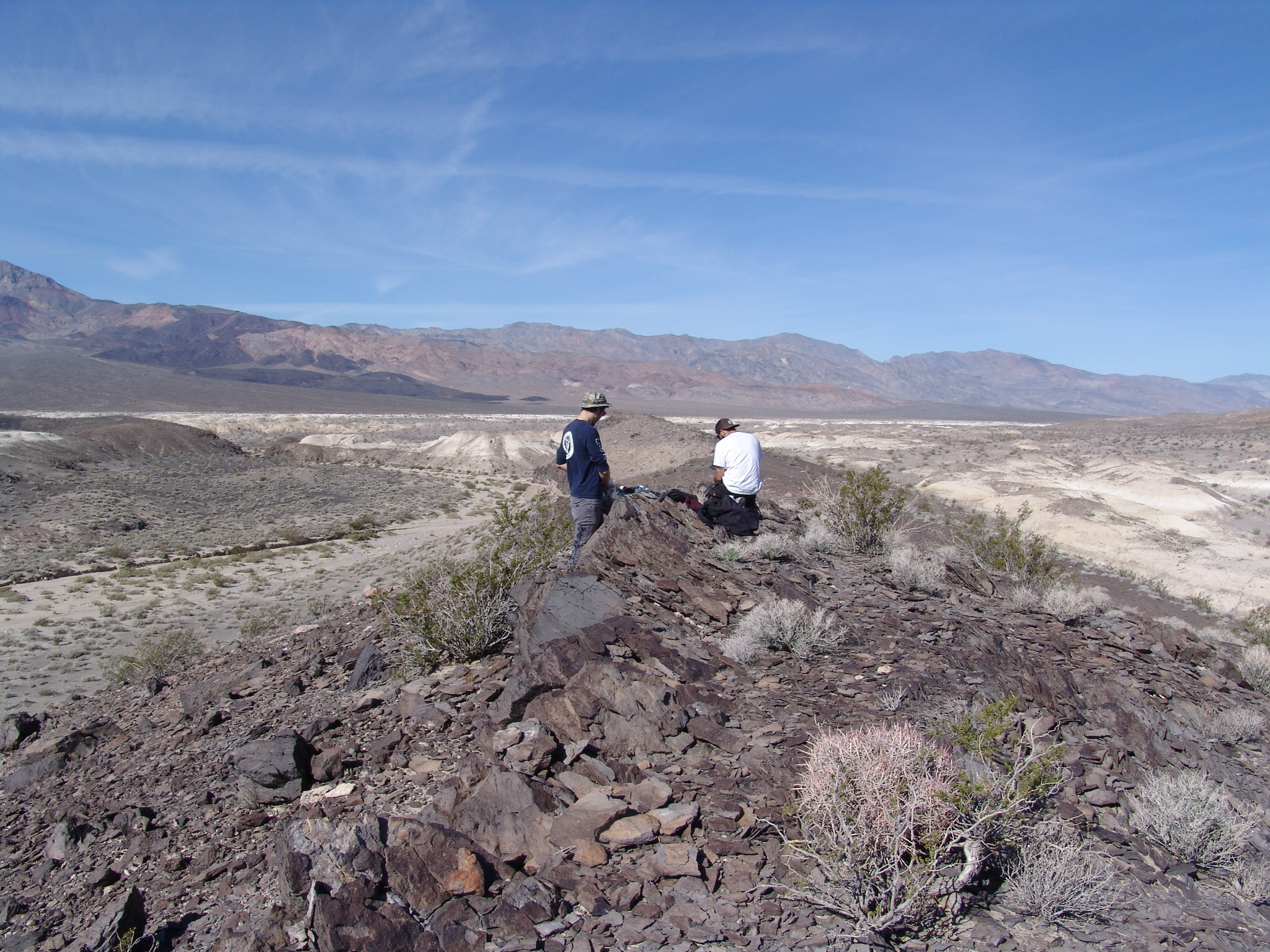
    The geology colloquium on Monday, March 28began with the introduction of Dr. Jeffery Knott. Knott is an emeritus professor at California State Fullerton and an experienced researcher in paleogeography and paleoclimatology. Paleography is the study of historical geography and paleoclimatology is the study of ancient climates. Combining these studies and biology, Knott shared the research he’s done. He explained how pupfish are so widely spread around the globe using paleogeographic understanding of past lakes and rivers where the pupfish were.

    Pupfish are about 2 inches in length and are often a blueish color. This group of species is found in a variety of locations throughout the world. The Death Valley pupfish (Cyprinodon salinus,) which lives exclusively in a small body of water known as Salt Creek, is the focus of Knott’s research.

    “[Salt Creek] is mostly a series of pools and sometimes very little ponds to the side, and it’s not very fast-moving as well,” Knott said. “It’s a relatively slow and low gradient stream but this is where one species of pupfish happens to live at the bottom of Death Valley”.

    The pupfish at Salt Creek are disconnected from other bodies of water. This makes it impossible for them to be related to pupfish in other parts of the world unless there was a connection to other bodies at some point in the past. This is why comparing the pupfish species proves that sea levels were higher and lakes in the past were big enough to connect these water sources.

    To figure out where and when these lakes existed, Knott had to use regional stratigraphy, which studies the layers of rock to determine time frames. Using geological evidence, Knott found that Death Valley had a deepwater lake from around 3.2 to 3.6 million years ago. Along with the timeline of the lakes, the rocks can be used to tell when the area was dried up or whether the lakes were warm.

    From there, Knott then compared the timeline set by different sediments to discover when and how the lakes may have overflowed into each other, and where there isn’t overflow there is usually a realistic explanation. Through the study of historical writings, we know that Native Americans moved pupfish into the Devil’s Hole in Death Valley because they used it for a bathing hole.

    There have been similar studies done to try and explain the evolutionary relationship between the Deep Springs black toad and the toads at Darwin Canyon. These toads are entirely aquatic, so the distance between these species also has to be explained by the history of lakes in the area.

    The next species that Knott and other researchers will focus on are the spring snails. These are a unique case: they move a lot slower than the pupfish and the toads so the distribution of the species is hypothesized to take a lot longer. Finishing the seminar, Knott acknowledged the team that helped him.

    “We’ve done a pretty good job of establishing a stratigraphy here in Death Valley in the western Great Basin,” Knott said. “Through the efforts of many, many people, we can correlate this with global climate records, and then we can start to look at the timing of these… lakes.”

  • Trespassing cannabis grows threaten natural spaces

    Trespassing cannabis grows threaten natural spaces

    By Krisanne Keiser

    The environmental impacts of legal and illegal growing operations are not well understood by many of the residents of Humboldt County, however, it is important that we are aware of how extractive industries impact the environment and all its relatives.

    “The rush mentality is what founded Humboldt County…people act like that was a long time ago and we have definitely moved on, [that] we’re this very green friendly place, we’re liberals, we’re leftists,” said Department Chair of Native American Studies, Cutcha Risling Baldy (Yurok/Hupa/Karuk). “This is how people think of Humboldt County, but what founded us is this Gold Rush and we have been rushing ever since…so after the Gold Rush ‘well, gold didn’t make us enough money, lets rush any kind of minerals that we can get’ and then after that ‘well that didn’t make us enough, let’s rush timber’…and I think we’ve been rushing since 1849.”

    Assistant professor of Native American Studies Kaitlin Reed (Yurok/Hupa/Oneida) is the author of “From Gold Rush to Green Rush.” In the book, she illustrates the correlation between the destructiveness of the Gold Rush period and the marijuana industry in Humboldt County (Green Rush).

    Reed’s presentation “Cannabis & Environmental Justice in Humboldt County,” explains that environmental injustice comes into play when settler-colonial infrastructures further dispossess and exploit Indigenous lands for capital gain.

    The marijuana industry perpetuates settler-colonial harm by damaging sensitive ecosystems and cultural areas that Indigenous peoples rely on for survival and health. Just like the Gold Rush, marijuana cultivation poses many threats to Native peoples who rely on the land and rivers for their livelihoods.

    According to Reed, trespass cultivation, in which growers illegally occupy public or tribal land to cultivate their grow sites, is the most harmful type of growing operation.

    “These types of grows are most frequently associated with the most severe environmental impacts,” Reed said.

    Trespass growers hike into the mountains and hills to clear-cut a crop site, which has a devastating impact on the sensitive biodiversity of that natural place. These growing sites are chosen for cover and secrecy, so it’s more likely that a grow sites will disturb highly sensitive bio-diverse ecosystems.

    In addition to clear-cutting, growers use and bring certain supplies that are horrible for the environment. These include soil that contains noxious chemicals, herbicides, and insecticides that are released into the earth as well as garbage, plastics, batteries, homemade invasive structures, vehicles, petroleum products, etc.

    Additionally, chemicals and other contaminants left by growers poison wildlife species like the West Coast Fisher. Reed explained that rodenticide is an over-the-counter rat poison which causes animals to bleed out internally after consumption.

    Research wildlife ecologist Mourad Gabriel led a study in 2015 that examined rodenticide poisoning in the West Coast Fisher population. It was concluded that between 2012 and 2015 the federally threatened species faced an increased number of deaths due to exposure to rodenticide poisoning from illegal pot farms.

    Reed explained that rodenticide is usually a slow death, and causes animals to be easy prey for predators. This creates a vicious cycle where the poison gets passed from animal to animal. It’s easier for predators to catch an animal that is slow and weak, and so the contamination process continues through the predator who consumed the poisoned prey.

    Indigenous communities are also heavily impacted by trespass grows. During our interview, Reed relayed a story that she heard from the Yurok tribe in which they located several abandoned trespass cultivation sites on their land.

    One site had a shocking one hundred five-gallon buckets,overflowing with human feces. Growers will often defecate in rivers, streams, and tributaries. Because marijuana cultivation requires a significant amount of water, the water levels become extremely low, magnifying the effect of those contaminates. Tribal members who consumed the contaminated water were struck with E.coli, including a Yurok Tribal Chairman.

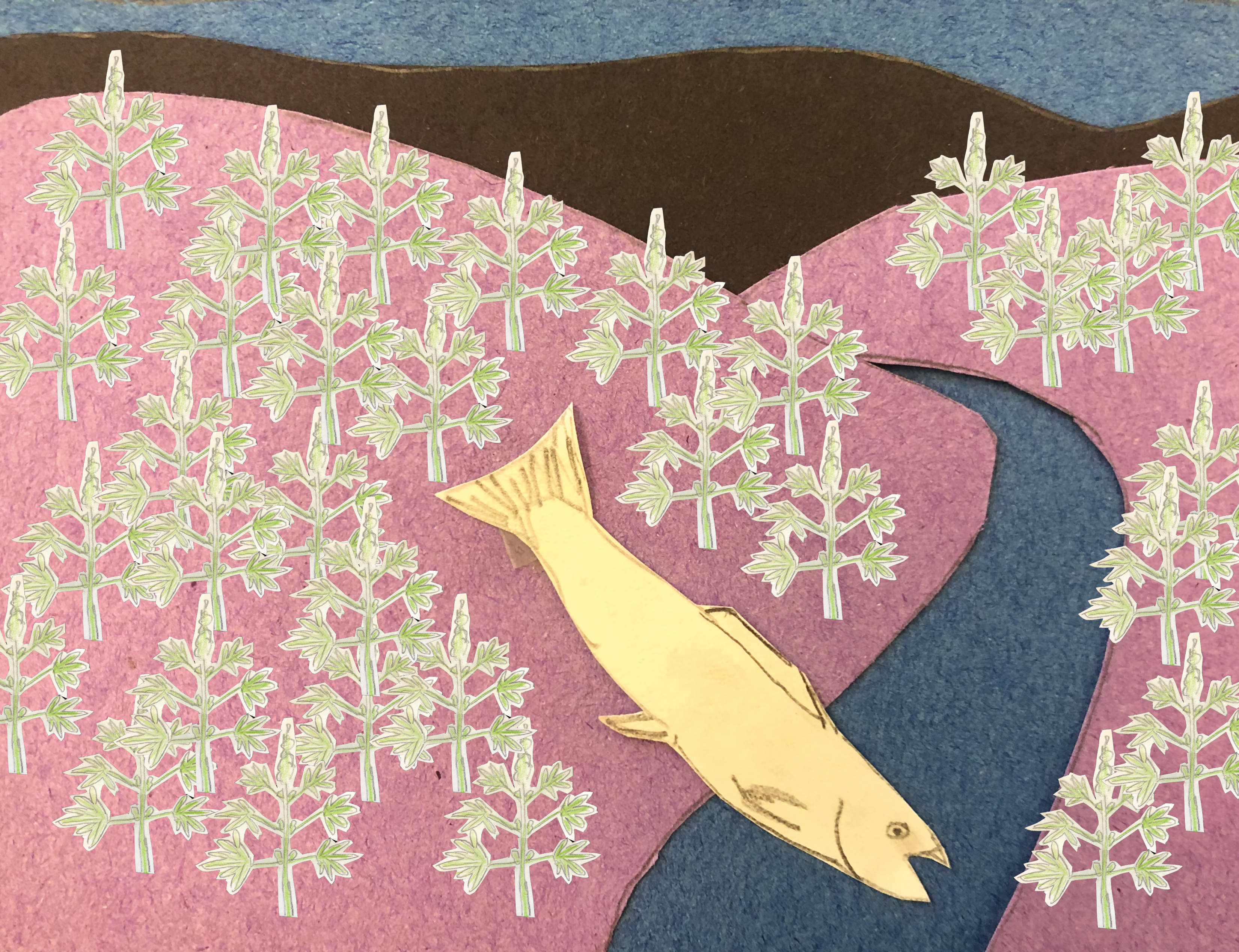
    “We ingest the water from our rivers. We’re salmon people, we depend on the fish in those rivers,” said Reed. “In a western framework, there’s a distinction between human beings and nature … settler colonial resource extraction perpetuates violence not only against the landscape but it also perpetuates violence against Indigenous bodies because we depend on that landscape.”

    Yurok tribal members are afraid to go out on the land to gather food and other cultural resources in fear of accidentally walking into a grow site, according to Reed. Typically, grow operations are dangerous and harbor some threatening people who will do what they must to protect their crops, including acting violently.

    “From a trespass cultivator’s perspective, your goal is to remain undetected. You don’t want anyone to find out what you’re doing or where you are,” Reed said. “It makes little difference if there’s an FBI agent approaching your grow or if it’s an eighty-year-old woman looking for hazelnut sticks.”

    She expounded that Indigenous peoples have many reasons to access their ancestral territory: to gather, practice ceremonies, pray and manage landscapes. However, doing so has led to tribal members being subjected to violence from trespass growers.

    “There have been stories of tribal members being held at gunpoint because they’ve accidentally stumbled upon a grow,” she continued, “I’ve had people tell me they are scared to go down certain roads in broad daylight because of trespass cultivation.”

    Today, around 60% of the marijuana grown in California is grown on public or tribal lands, and the responsibility of cleaning up environmental degradation left by growers falls to Indigenous communities.

  • Gander at these Geraniums

    Gander at these Geraniums

    by Nina Hufman

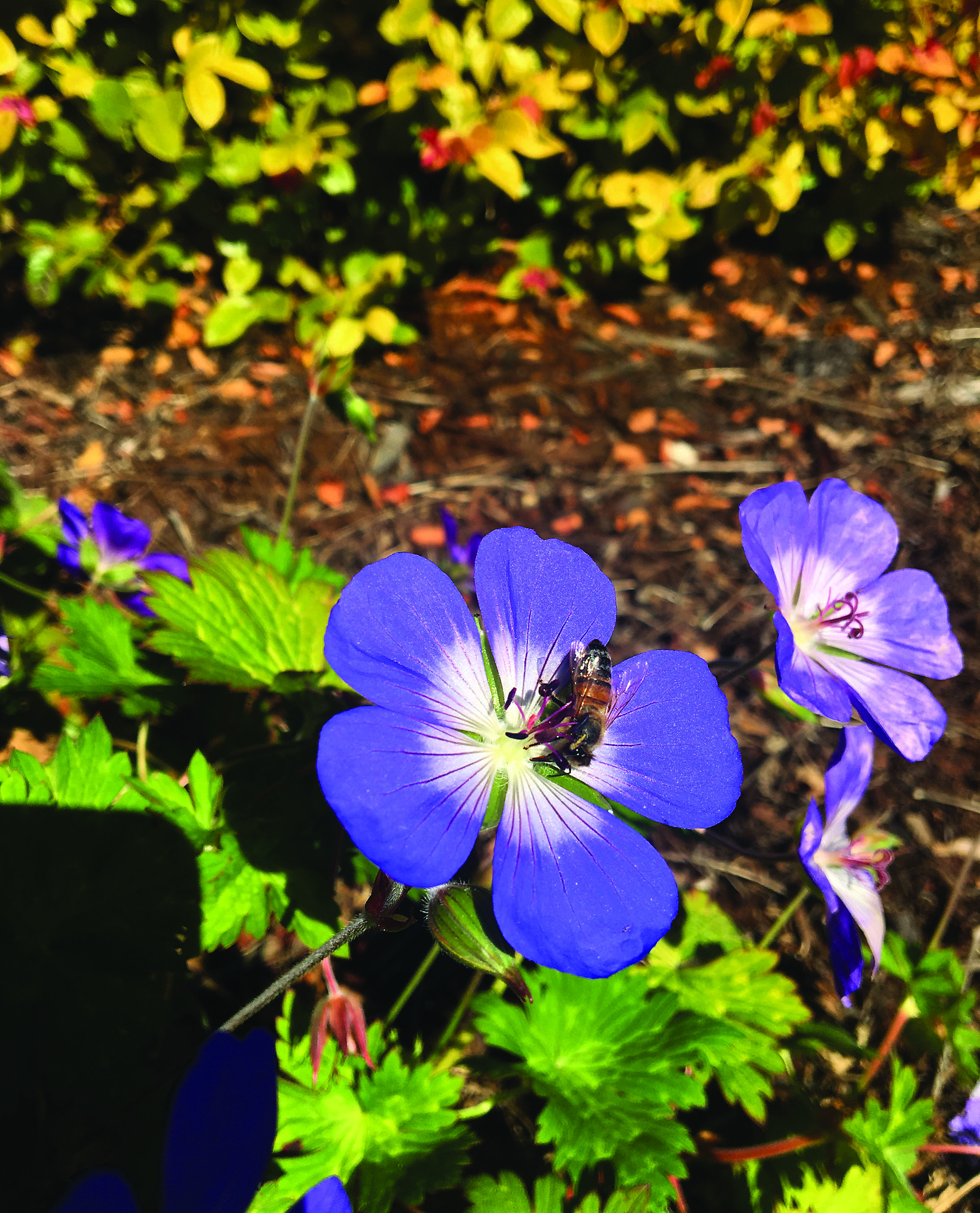
    These lavender-blue blooms belong to the Wallich geranium, also known as the Wallich cranesbill. The full scientific name of this species is Geranium wallichianum. The flowers pictured here are of the Buxton’s Blue variety, distinguishable by their purplish-blue petals with pale centers and purple veins.

    Like other species of geranium, Wallich geranium flowers have five petals and five sepals, the green leaf-like structures surrounding the petals. The plants grow low to the ground and have wide leaves with three to five lobes. Another noticeable feature of these flowers is their dark purple stamens, or pollen organs, that project from the flowers’ centers. Stamens are usually present in multiples of five. The National Gardening Association says that Wallich geraniums are pollinated by various insects including honeybees, bumblebees and butterflies.

    According to the Missouri Botanical Garden Association, Wallich geraniums are native to highland regions in the Himalayas from Afghanistan to Kashmir. These hardy plants can grow at elevations up to 3500 meters. The Buxton’s Blue variety is a result of a naturally occurring, whole plant mutation and was discovered by Sylvia Morrow in 1999. This particular variant received a U.S. Plant Patent in 2010.

    Wallich geraniums belong to the herbaceous family Geraniaceae. This group of flowering plants is characterized by low-growing foliage, lobed leaves, and floral features such as petals, sepals and stamens in multiples of five.

    According to nativeplants.org, members of Geraniaceae either actively eject their seeds or use hook-like structures to grip onto the fur of animals in order to disperse their seeds. In addition to geranium, the Geraniaceae family includes the genuses Erodium and Pelargonium.

    Wallich geraniums can be seen in several places in the Cal Poly Humboldt campus, including in the flower bed in front of the theater building. These plants bloom throughout the spring and summer, so we can look forward to seeing these lavender-blue blossoms in the months to come.

  • Red Rhododendrons rustle in Spring breeze

    Red Rhododendrons rustle in Spring breeze

    by Nina Hufman

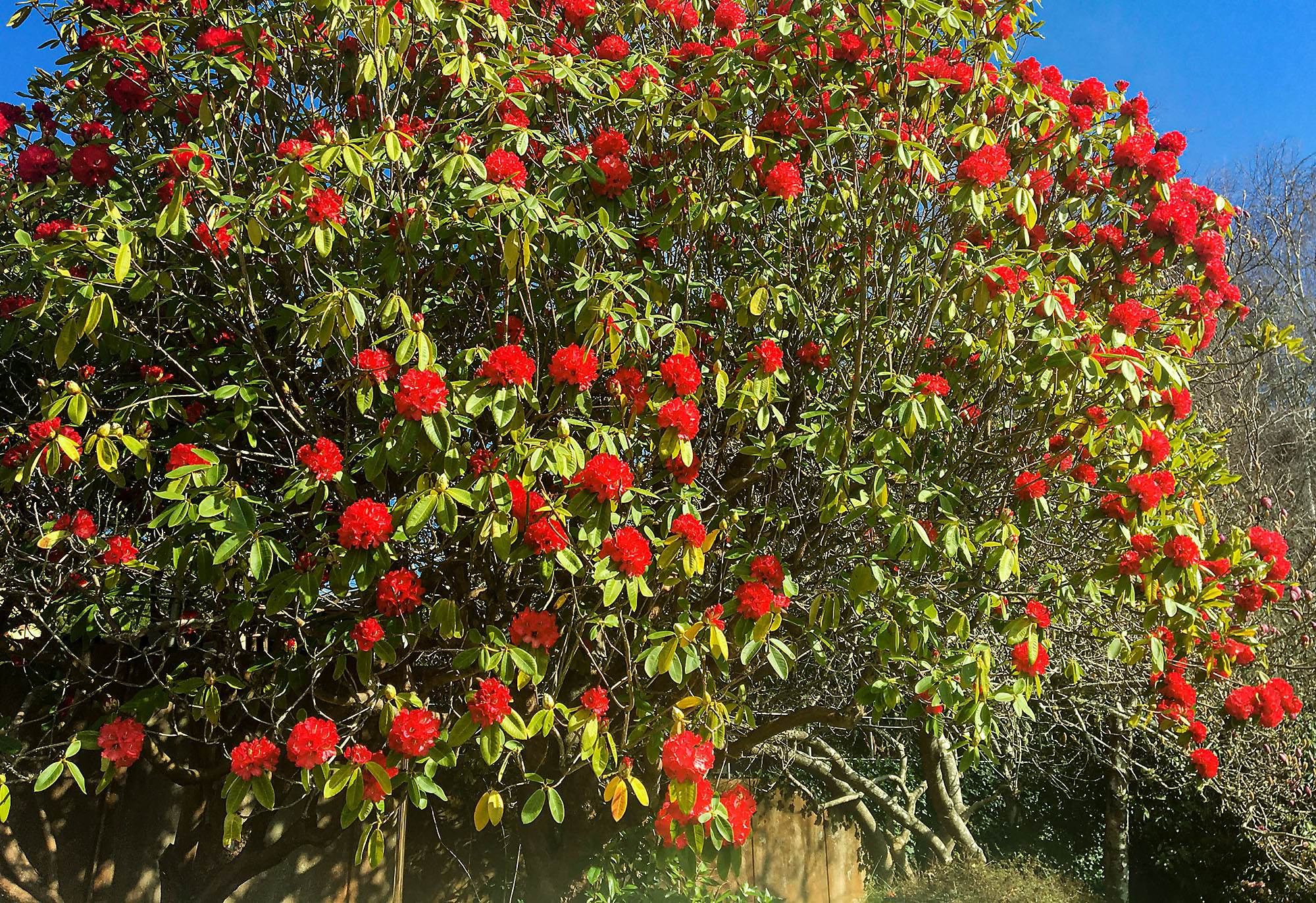
    One of the most noticeable flowers on the beautiful CPH campus is the Rhododendron. The scientific name of this particular species is Rhododendron delavayi. According to the American Rhododendron society, the plants are native to India, Burma, China, Thailand, and other regions of Eastern Asia. This species of tree is identifiable by its bright red blossoms and elliptical-shaped leaves.

    Dense indumentum, or hairlike structures, cover the underside of the plant’s leaves. These help the plant to absorb water and discourage predation by insects.

    Photo by Nina Hufman. Bright red Rhododendron blossoms on the tree between the theatre and art buildings on Feb. 15, 2022.

    Rhododendrons are members of the Ericaceae, an expansive family which also encompasses cranberries, blueberries, and huckleberries.

    Despite the inclusion of these common edible fruits, many other members of this family are known to contain toxic compounds. According to the study ‘Phytochemicals and Biological Activities of Poisonous Genera of Ericaceae in China,’ “the toxic ingredients in the poisonous genera are mainly tetracyclic diterpenes, which exhibit toxic effects on the digestive, cardiovascular and nervous systems.”

    The study also states that these poisonous plants’ traditional use in Chinese medicine makes them a good candidate for further scientific study.

    According to the National Capital Poison Center, honey produced by bees from rhododendron nectar can concentrate the various toxic chemicals. The effects of poisoning by this method include disorientation, mouth irritation, nausea, and vomiting, leading to it’s colloquial name, “Mad Honey.”

    Rhododendron trees can be seen in multiple places on the Cal Poly Humboldt campus including the area between the theater and art buildings, where the above photos were taken. They are considered early bloomers, usually producing flowers from late February to May. Go out while they’re still blooming and enjoy the beautiful, bright red rhododendron.

  • Food forests flourish at Cal Poly Humboldt

    by Ollie Hancock

    CCAT courses are back this spring. One of the classes on the roster this semester is Organic Gardening. In this one-unit course, students will learn the basics of gardening. Students grow their plots in the campus community garden using sustainable techniques.

    Since the pandemic disrupted CCAT operations, the course has not been offered. Now, the course has returned, and students have a lot of work ahead of them. Ben Cross is a political science major who’s more than excited to be back in the Buckhouse.

    “I’ve got lots of passion for this, and it’s an amazing area to learn it,” Cross said. “If there is a place I’d want to take this class, it’s at Humboldt. I want to have my garden and tend to it with confidence.”

    Julia Simmons is the student instructor of ENST 123.

    “We’re teaching the basics of what goes into gardening,” Simmons said. “I want to focus on how plants affect each other. Some plants have nitrogen-fixing properties and support other plants in the soil. I want to teach students to cultivate ecology and grow food forests.”

    Food forests are a farming technique that mimics the natural patterns found in ecosystems. Growing plants interact with each other in a network of reciprocal relationships. The result is healthy biodiversity, nutrient-rich soils, and a sustainable food source.

    Agroecologic farming methods have the potential to localize food systems and make them more efficient. A 2018 study titled “Permaculture—Scientific Evidence of Principles for the Agroecological Design of Farming Systems” by the EU Institute for Environmental Science establishes environmental damages caused by industrial agriculture. Monoculture causes biodiversity loss, soil degradation, and alteration of biogeochemical cycles and greenhouse gas emissions. The study cited food forests to remedy the damage done by monoculture.

    Monoculture is the standard agricultural practice in the United States. Crops are planted in rows, where they can be most efficiently harvested by machine. Though it is convenient for machinery, this practice does not benefit plants or local ecologies. Without ecological support and context, isolated crops require fertilizers and pesticides to grow.

    Plants can fend off pests and fertilize each other in food forests. One example Simmons describes is the three sisters. This pairing of beans, squash and corn, comes from traditional ecologic knowledge.

    “They grow really well together, and they use each other to grow well,” Simmons said. “The beans provide nitrogen for the other plants to grow. Ground cover [from the squash leaves] keeps weeds from growing.” The tallest sister, corn, acts as a trellis for the beans to climb up. Growing together, they protect each other and help one another flourish.

    “We’re going to be working in the community garden. We’ll design food forests with their own ecologic networks,” Simmons said. “I want anybody to be able to garden, and everyone should garden.”

  • Students dive into oceanic research

    Students dive into oceanic research

    by Nina Hufman

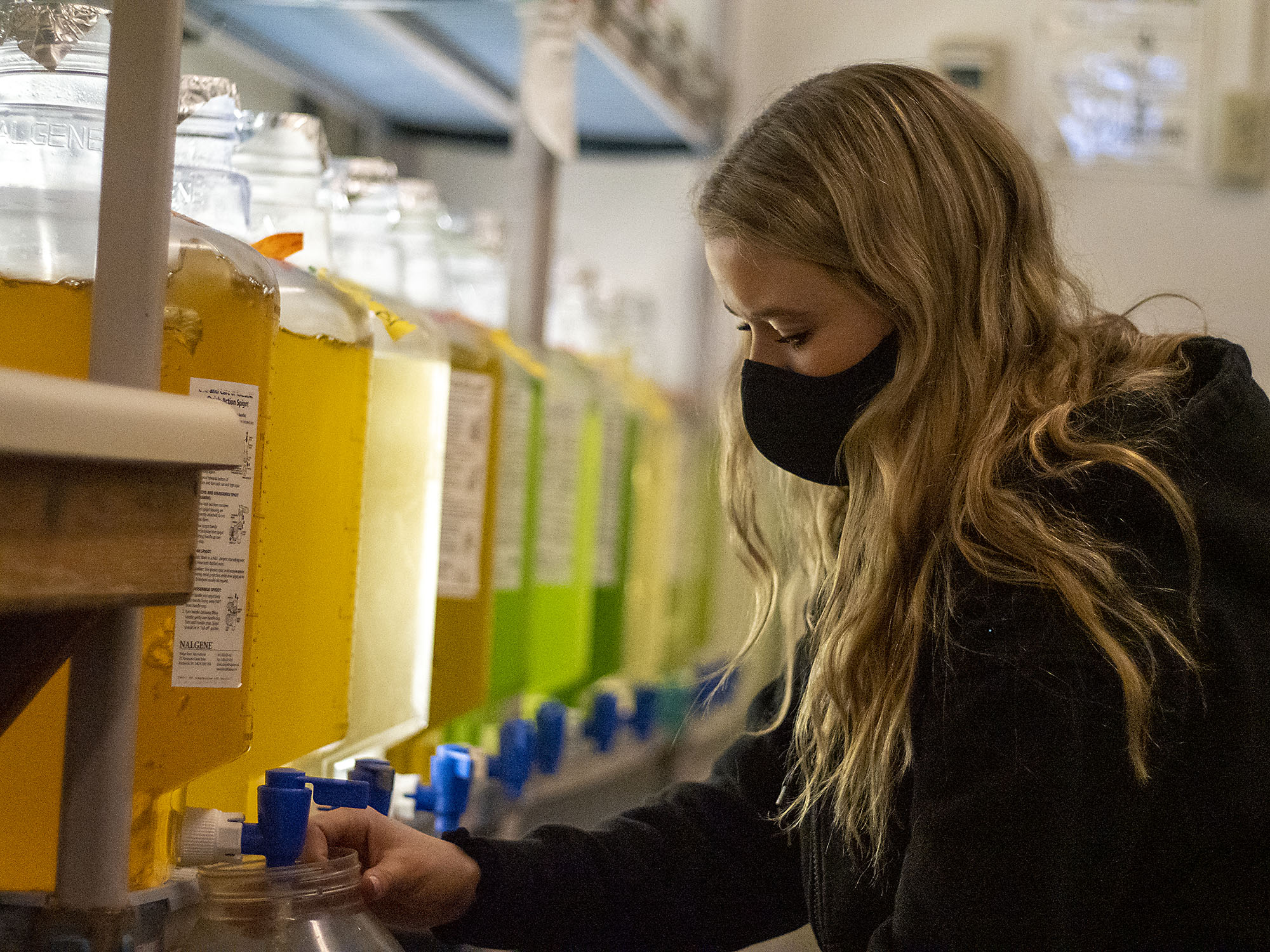
    At Cal Poly Humboldt’s marine lab, graduate students run between the workspaces and laboratories, students stir beakers of brine shrimp instead of cups of coffee, and Percy the giant pacific octopus (Enteroctopus dofleini) tugs on the fingers of the lab tech feeding him.

    Photo by Morgan Hancock | Percy the giant Pacific octopus (Enteroctopus dofleini)

    Percy’s isn’t the only interesting face one can see at the lab. Other notable critters include Gaia the red octopus (Octopus rubescens), Eleanor the Wolf Eel (​​Anarrhichthys ocellatus), and Butters the Albino Dungeness Crab (Cancer magister). Sea stars, baby jellyfish, sea urchins, clingfish, nudibranch, sea cucumbers, and anemones are among the lab’s other aquatic residents. There are also rockfish older than most of the people working at the lab.

    “There’s so much potential at this place for doing even more than we are now,” said Lab Director Rick Zechman.

    Although it’s currently closed to the public due to COVID-19, the students and staff of the Telonicher Marine Lab are offering guided virtual tours and virtual educational programs. Cal Poly Humboldt students also have the option to visit and explore the lab in person.

    If they want more experience than a visit will offer, students can sign up for courses in oceanography, fisheries biology, and marine biology, which all include instruction at the marine lab.

    Marine naturalist Jordyn Neal is in charge of tours.

    “Most of my job is public outreach,” Neal said. “I try to inform the public on the fish here, and conservation.”

    Neal gives guided tours of the lab and is in charge of the summer school program. She says that one of her main goals is to bridge the gap of scientific literacy.

    Neal is a fifth year marine biology major who is currently doing shark research outside of her degree. She takes CT scans of shark species living at different depths in the water column and looks at the morphology of their ears. Neal’s focus is on how the depth of the water in which a species lives impacts the structure of its ears.

    Photo by Morgan Hancock | Eleanor the Wolf Eel (​​Anarrhichthys ocellatus)

    The marine lab also hosts a number of grad students doing research projects, including Rose Harman. Harman is currently working on her master’s thesis and grant applications to fund her research. This summer, Harman will be studying habitat usage and predation of leopard sharks in Humboldt Bay.

    “Our new plan is to do field work combined with lab experiments,” Harman said. “One of my goals is to publish my research.”

    Graduate students Marzia Fattori and Kalani Ortiz are doing their research on growing bull kelp in Humboldt Bay. Ortiz’s project is focused on kelp as an agricultural product. She is currently growing the seaweed on string, and will be outplanting it to kelp farms in the bay until it reaches a harvestable size.

    Fattori’s project is focused on conservation. She is growing bull kelp on gravel and on ceramic tiles to see which substrate is more effective. In the second stage of her research, Fattori will grow the bull kelp in warmer water to examine the impact that rising ocean temperatures will have on kelp populations.

    The marine lab has two classrooms, a running seawater system, and access to the Coral Sea, a 90ft research vessel. Lab director Zechman says the lab is situated on an important part of the Pacific coastline, where students can expect a learning experience that is unique to Cal Poly Humboldt.

    “Our intention is to be a different kind of polytechnic,” Zechman said. “How many CSUs have a marine lab and a research vessel?”

  • The moving pieces under Humboldt

    by Carlos Pedraza

    Cal Poly Humboldt sits on top of a very seismically active part of the world known as a the Cascadia subduction zone. This area is composed of three tectonic plates under the ocean off of the Pacific coast.

    The Juan de Fuca, Explorer, and Gorda plates are subducting beneath the continental North American Plate, where the Cal Poly Humboldt campus is located.

    As the oceanic plates push against the continental plate, the friction created leads to deformation and faulting.

    “We live on that boundary where this is taking place, which leads to frequent earthquake activity,” said Cal Poly Humboldt geology professor Amanda Admire.

    In addition to the deformation from the Cascadia subduction zone, the Humboldt region is also influenced by the movement along the San Andreas Fault to the south. Humboldt stands on top of an intersection of three different plates pushing against each other.

    The plates themselves move very slowly, only a few centimeters every year. However, they still generate friction as they move against each other. This is the energy released during an earthquake and tsunami.

    Graphic by Carlos Pedraza and August Linton

    In the Pacific Northwest, both earthquakes and tsunamis are important to prepare for. The Redwood Coast Tsunami Work Group, an organization made up of local government officials, tribes, and relief groups, gives information and warnings in their “Living on Shaking Ground”magazine.

    The magazine states that “more than two-thirds of our large historic earthquakes have been located offshore within the Gorda plate.”

    A tsunami is created when an earthquake along a fault ruptures the seafloor, moving the entire water column and releasing that built-up energy, which moves out in all directions.

    The primary local tsunami hazard, the Cascadia subduction zone, is very close to Humboldt’s coastline compared to other regions in the Pacific Northwest.

    According to Admire, a tsunami produced along the fault between the Gorda and North American plates would only take approximately ten minutes to reach the Humboldt shoreline. In Oregon and Washington the fault is further from shore, allowing for more warning time should there be a tsunami.

    This much seismic activity can be exciting to study for geologists and scientists, but for people living in Humboldt it may be nerve racking. Admire said there is no need for panic, but that residents should prepare.

    The last mega earthquake along the Cascadia subduction zone was in 1700. However, there are still smaller instances of seismic activity as the plates move and push against each other.

    So when an earthquake happens: drop, cover and hold on. If you’re near the coastline, head for higher ground in case of a tsunami.

    To find more preparedness tools and tsunami evacuation maps for the region, check out the Redwood Coast Tsunami Work Group.

  • Gone Foraging

    by Morgan Hancock

    Edible and medicinal plants grow in every corner of campus. Students can learn to forage for them in Campus Center for Appropriate Technology’s new Foraging class. Josefina Barrantes and Sandra Zepeda are the student instructors of ENST 123. The course expands on their research of ethnobotany on the Cal Poly Humboldt campus.

    Ethnobotany is the study of plants and how people use them. Zepeda and Barrantes spent the last year mapping and researching edible plants on campus. Their map shares a location, name, and photos of plants with ethnobotanical purposes. Students will use the map along with information taught in the class to forage on campus sustainably. The map includes native plants that grow in the area and non-native plants used in landscaping.

    “It’s comparable to urban foraging because we’re not actually nature, we’re on a university campus,” Zepeda said. “A lot of the edible plants on campus are not native, they’re just for decorative purposes.”

    The course will highlight how plants like mountain pepper (Tasmannia lanceolata) can serve as a seasoning alternative and also have medicinal uses.

    “This plant was significant to aboriginal people, they used it to make medicines and tinctures,” Zepeda said, between nibbles of a leaf. Indigenous groups used the mountain pepper to treat stomach aches, colic skin disorders, and toothaches.

    As its name suggests, the mountain pepper is spicy, but it is not quite a pepper. Instead, it is a shrub that uses a tricky chemical reaction to taste spicy, rather than capsaicin like many spicy plants. The pepper taste comes from the compound polygodial, a C15 sesquiterpene.

    According to a study published by The Australian Institute of Food Science and Technology titled “Native Australian fruits — a novel source of antioxidants for food,” the mountain pepper had more than three times the antioxidant levels of blueberries.

    The instructors shared some of their favorite foragable plants on campus. The Dog Rose (Rosa canina) provides bright red hips packed with vitamins and has many common health benefits.

    Some campus plants have simple uses, like in-between-class snacks. Bolivian fuchsia (Fuchsia boliviana) offers bright flowers and juicy berries. The strawberry tree (Arbutus unedo) also has round edible fruits.

    The ENST 123 course is the result of several attempts to bring sustainable foraging on campus. Barrantes and Zepeda are enabling students to rethink food sustainability.

    “We started this project so that we could add more edible landscape,” Barrantes said. “To show this is what we have and we could do more, and also supports the desire for more sustainable food projects, like the food sovereignty lab or starting an off-campus farm.”

  • Not all masks are made equal

    Not all masks are made equal

    According to Cal Poly Humboldt regulations, face masks are required everywhere on the campus, and at all school functions. Amid the predicted peak of the Omicron surge, mandated masking is a key part of the university’s strategy to prevent widespread transmission of COVID-19.

    Humboldt County Health Officer Ian Hoffman has confirmed that the Public Health Department has been in contact with Cal Poly Humboldt with regards to the university’s COVID-19 regulations.

    “We, as Public Health, have continued to offer, you know, clear guidance on how to make public spaces safe, which includes things like masking, distancing, testing, vaccinations – they are doing all of those things at HSU [Cal Poly Humboldt], and we have been in communication with them,” Hoffman said. “So, I think the ultimate decision is up to them.”

    Graphic by August Linton

    Not all masks offer the same amount of protection, to the wearer or to those around them.

    According to the CDC, NIOSH-approved N95 masks are the best, followed by KN95s and surgical masks. Cloth masks rank the lowest, although it is noted that layered, finer fabrics are more effective than loosely woven or single-layered varieties.

    Whatever type, it is important that masks be well-fitted, with no gaps around the nose or edges. A surgical mask underneath a cloth mask may resolve fit problems.

    County Health Officer Hoffman suggested double-masking for all types except N95s. He also cautioned against masks with one-way vents.

    “Those vents … protect the person wearing it, but they’re not protecting anyone around them,” Hoffman said.

    Despite their efficacy, Cal Poly Humboldt does not currently require that students wear N95s.

    “The reason N95 Masks cannot be mandated on campus is that there are some situations where N95 masks can exacerbate medical conditions for the wearer,” the university stated in a Campus Ready email update. “The campus community is encouraged to wear N95 masks if they are able.”

    Free N95s and surgical masks are available at College Creek Mailroom, JGC mailroom, UPD, Welcome Center, the Library, and the SAC.

  • The HSU student’s guide to COVID-19 in spring 2022

    The HSU student’s guide to COVID-19 in spring 2022

    There is currently a surge in COVID-19 infections worldwide and in Humboldt County due to the rise of the Omicron variant. In an article titled “Potential Rapid Increase of Omicron Variant Infections in the United States,” the CDC has cautioned that this iteration of the virus is more transmissible than previous forms.

    “Increases in infections are most likely due to a combination of two factors: increased transmissibility and the ability of the variant to evade immunity conferred by past infection or vaccination,” the article states.

    Most spring semester classes at HSU are planned to take place in person, even as county infection rates soar beyond any previous peaks. According to county data, Humboldt County saw a peak of 256 new COVID-19 cases on Jan 3. This dwarfed the Delta variant peak of 101 new cases on Aug 9, 2021.

    However, hospitalizations remain well below the rates recorded during the Delta peak of August 2021, according to the NYT’s data sets.

    It is inevitable that some students will be exposed to and catch COVID-19. The responsibility of each is to limit their personal risk while also protecting others from infection.

    Following the HSU masking guidelines and getting your vaccine booster as required by the University will make you less likely to contract the virus. Vaccine boosters also greatly reduce the chance of a severe or even symptomatic infection.

    A study released by the UK Health and Security Agency found that, “Among those who had received 2 doses of Pfizer or Moderna, effectiveness [against symptomatic disease] dropped from around 65 to 70% down to around 10% by 20 weeks after the second dose.”

    Boosted individuals enjoy a re-up of their protection: “65 to 75% [at 2-4 weeks,] dropping to … 40 to 50% from 10+ weeks after the booster,” according to the study’s findings.

    “Deadline for full vaccination, including a booster shot, is Jan. 23,” according to the CSU Chancellor’s vaccine mandate. Exemptions are available, on the condition that recipients commit to a weekly test.

    After a positive COVID-19 test, you are required to contact Student Health & Wellbeing Services at (707) 826-3146 and report your infection. You may also be advised to get a PCR test if you tested positive with a home test.

    Testing positive for COVID-19 means you should also keep a close eye on your personal health. Mad River Hospital’s guidelines for at-home assessment of COVID-19 symptoms state that a persistent fever of 103-104°F, bloody material produced when coughing, and/or difficulty breathing are signs that you should go to the ER.

    In the absence of more severe symptoms, the hospital’s website advises that infected persons “keep warm and rest as much as possible … take plenty of fluids … and for fever, take Tylenol in normal doses.”

    Once you’ve taken care of your health, you should also take steps to limit the exposure of people around you to the virus.

    According to Humboldt County isolation and quarantine guidelines, those who test positive for COVID-19 must isolate for at least 5 days.

    “Isolation can end if a test collected on or after day 5 is negative and the individual is not experiencing symptoms or symptoms are resolving,” states the county website. The guidelines also advised to “wear a well-fitting mask around others for a total of 10 days.”

    Graphic by Morgan Hancock
  • How a Local Clean Energy Microgrid Could Transform California

    How a Local Clean Energy Microgrid Could Transform California

    A new project in Humboldt County is paving the way for clean energy operations throughout the rest of California. After two years of planning, construction of the Redwood Coast Airport Renewable Energy Microgrid is set to begin in April of this year.

    A microgrid is decentralized from the larger energy grid. It is able to become its own “island.” It ensures that power can be restored to a specific area during emergency situations even when the larger energy grid is down, such as during a public safety power outage. A notable component of the RCAM is that it is entirely run by renewable energy, operating off of solar power, making it even more appealing to the area.

    The prime contractor and lead technology integrator for this project is Humboldt State University’s very own Schatz Energy Research Center. The RCAM will be the first-ever multi-customer microgrid in Northern California.

    Environmental Science Professor Jack Murphy said that in his opinion, the clean energy microgrid is a great idea for two reasons.

    “The first is just that it contributes to the decarbonization of our electrical generation, and that’s good,” Murphy said. “Less carbon dioxide going into the atmosphere is good and humanity needs big clean energy projects ASAP. The second reason it’s a great idea is that the airport could be critically important during regional disasters such as tsunami or earthquake, and having a microgrid operable when the grid is down would be hugely important.”

    Another important goal of the RCAM project is to create a template for the construction of other clean energy microgrids across the state. By partnering with PG&E and the Redwood Coast Energy Authority, the microgrid will be an example for the rest of California of the policies, tariff structures, and operating procedures that are involved with a project like this.

    “The RCAM project has led to the development of PG&E’s recently proposed Community Microgrid Enablement Program,” David Carter, principal engineer for the Schatz Energy Research Center said. “CMEP creates a process and a path for other eligible communities to deploy front-of-the-meter, multi-customer microgrids that will provide resilience to critical facilities.”

    With the details of the successful project documented, other communities can use it as a technical guide for the construction of new microgrids. Reducing the use of fossil fuels in a state that has the second highest amount of annual carbon dioxide emissions in the entire country is an exciting step forward toward combating climate change. The RCAM project demonstrates that it is possible for a community microgrid to be powered by 100% renewable, solar energy.

    When asked about the work of the Schatz Energy Research Center, HSU alumnus Kyle Powell said that he is continuously inspired by the various sustainability efforts that come out of the university’s programs.

    “Humboldt State as a whole does a great job of promoting sustainability and clean energy throughout all of its programs,” Powell said. “It’s one of the main factors that brought me to the university, and it continues to influence my life on a daily basis.”

  • HSU students work towards improving the future

    Students with science and nature-based majors are motivated to make change

    First-year students at Humboldt State University made it a goal to continue learning in an online environment. Each of the following students are pursuing a science-based major with determination to impact the future.

    Sabiha Bentanzos is majoring in forestry with an emphasis on wildland fire management.

    “I actually want to become a wildland firefighter,” Bentanzos wrote in an email. “I want to persevere in the forest as much as I can and save lives while I’m at it.”

    While becoming a wildland firefighter doesn’t require a degree, Bentanzos wanted to attend HSU to prove female capability in a male dominated field.

    “I also want to prove to myself and others that a female can get a degree in a male-dominated field like forestry,” Bentanzos said.

    In science class, Bentanzo was assigned a poster group project. The project restored her passion for forestry and has been her favorite assignment of the semester.

    “I have a passion for fire awareness and safety and doing the project reignited my passion,” said Bentanzos.

    Tori Bernal was a wildlife major when she first attended HSU. She’s completed multiple projects both interactive and hands-on, despite being 100 percent online. Despite her love for veterinary work and rehabilitation, she switched to be a forestry major after taking a botany course and spending time in the forest here in Arcata.

    “I grew and tested cyanobacteria in water from the Klamath River from the safety of my dorm,” Bernal said over email. “I realized majoring in forestry would be a better fit for my long term interests… I actually fell in love with it.”

    In the midst of a pandemic, Bernal discovered her true interest and what she truly wanted to get her degree in.

    “I am not 100 percent sure what I am looking to get out of my degree. I am not even sure what I want to do career-wise,” said Bernal. “But I know that the forestry program will help me to explore my interests and options in the coming years.”

    After originally being a wildlife major, Lake McLeod made the switch to a political science major. Lake McLeod is majoring in political science to create change. He wants to become a civil rights attorney and go to Berkley for law school after HSU.

    “The science would kind of be the psychology of people, kind of learning how people identify with their own political views and how people act and react to certain things,” McLeod said. “Especially with everything going on right now, I decided to switch to political science because I want to kind of be more in that realm and help people with civil rights and equal rights especially.”

    Regardless of the instruction state utilized at HSU, 2020 has motivated students to hone their skills and interests in hopes of making an impact in the future.

  • Climate change puts the heat on clean up of dioxin hotspot

    Climate change puts the heat on clean up of dioxin hotspot

    Vice Mayor alerts City Council to Arcata Bay Shoreline dioxin threat

    City Council Vice Mayor Paul Patino said he intends to pull the approval of the Wastewater Treatment Facility Plan and Plant Improvement Project from the items scheduled to be rubber stamped by the city council.

    The $60 million investment is a response to the threat of sea level rise which involves enlarging levees around the Arcata Wastewater Treatment Facility. Patino is calling on the council to further discuss the project after he learned the mud around the bay shoreline of the wastewater facility has the highest levels of dioxin ever discovered in Humboldt Bay sediments.

    “I don’t see how you could mess with that area without it affecting that dioxin,” Patino said. “I think we need to get clear here.”

    Dioxin can cause birth defects, cancer and organ failure. It is known to undergo bioaccumulation, meaning it increases in toxicity as it moves up the food chain from plants to predators. It was widely used from the 1940s to the 1980s before the EPA started regulating its use.

    Patino raised particular concern with the staff report in the council packet where it states, “This project would involve enlarging the levee surrounding the majority of the outer perimeter of the Arcata Wastewater Treatment Facility (AWTF) by increasing the levee’s height and volume.”

    The Arcata City Council is faced with the choice to approve the final application for the project, or first investigate the dangers of the dioxin believed to be largely the result of pentachlorophenol used during historic lumber mill operations up Jolly Giant Creek several blocks south of the town square.

    The city is only now beginning to grapple with the impact the very high levels of dioxin have on plans to increase the height and volume of dikes around the marsh wastewater treatment facility and prepare for rising sea level already beginning as a result of climate change, and sea-level rise could complicate cleaning the dioxin.

    “Disturbingly, the site near the Arcata Marsh was found to have the highest levels of dioxin ever documented in Humboldt Bay sediments to date (38 parts per trillion),” wrote Jennifer Kalt, director of Humboldt Baykeeper in the report New Dioxin Data: Good News, Bad News.

    Kalt said she learned of the high dioxin levels from the report 2015 Feasibility Study: Beneficial Reuse of Dredged Materials for Tidal Marsh Restoration and Sea Level Rise Adaptation in Humboldt Bay, California.

    The dioxin hotspot extends from the end of Butcher’s Slough, where Jolly Giant Creek hits the bay several blocks south of the plaza, to over 2,000 feet on either side along the bay shoreline: around the wastewater treatment facility on one side, and around the main Arcata Marsh parking lot and boat launch on the other side.

    While Kalt acknowledged that many mills have existed along Jolly Giant Creek, she said, “We do know that Little Lake Industries was one source [of the contamination] because the city got a Brownfield grant…and found it around where the mill used to be.”

    The council signed off on a grant application in October for $300,000 to clean up the Little Lake Industries property 17 years after pentachlorophenol was first discovered in levels exceeding federal benchmarks. The Environmental Protection Agency identified high levels of pentachlorophenol onsite in their 2003 report South I Street Mill Reuse Project, Arcata, California, Targeted Brownfields Site Assessment Phase II Investigation, Final Report.

    Aldaron Laird is an environmental planner that specializes in sea level rise vulnerability assessments for Humboldt Bay.

    “With rising water elevations [the dikes] could be overtopped maybe as early as 2050…on a monthly basis…We really only have 20 to 40 years to relocate all of that utility and transportation infrastructure to higher ground before it is inundated,” Laird said.

  • Indigenous Food Sovereignty

    Indigenous Food Sovereignty

    Local food management practices of the Tolowa Dee-ni, Yurok and other indigenous peoples.

    *Editor’s note: A source in this story, Cynthia Ford, is the aunt of the Lumberjack writer of this story, Walker B. True*

    When colonizers landed on the North American continent, they were greeted with a land of plenty where deer roamed huge open pastures and wild fruits and vegetables grew in plenty. Colonizers viewed this landscape as a wild, untamed, underutilized and untouched landscape of economic opportunity.

    In fact, ecosystems across North America were meticulously managed by Indigenous peoples across the continent. Their traditional resource management practices have come to be known as a stewardship model.

    As defined by the Oglala Sioux Tribe of South Dakota, the Lakota Ecology Stewardship model states that “All beings, both living and nonliving, were related in that all shared and depended on Mother Earth for survival. The Lakota believe that humans were the newest nation on Earth, and as such were instructed to learn from the older nations: the rocks, animals, and plants. Thus, natural laws and relationships were carefully observed and emulated.”

    Locally, the Tolowa Dee-ni nation as well as the Yurok tribe made use of practices like prescribed burning to treat pests and to create better habitats for deer and elk to graze on.

    This form of management was used throughout the continent and began to die out as the land upon which they were practiced was colonized. These colonized lands were stripped of their resources and left in the hands of private landowners or The US government who had little to no understanding or care over the complexity of the ecological systems at play.

    The stewardship model and the food practices of Indigenous people have been limited by land acquisition programs and environmental devastation since the colonizers first set foot in America. Through the fight for their food sovereignty, Indigenous people are also fighting for tribal sovereignty.

    Cynthia Boshell is a program specialist working with the Rights of Mother Earth initiative through the Northern California Tribal Court Coalition. Since 2015, she is continuing to do work advocating for tribal food sovereignty.

    “When we are talking about food sovereignty what we are really doing is saying we are reclaiming our relationship to the foods,” Boshell said. “Not just the foods but if you are going to reclaim your relationship to the food you also have to reclaim your relationship to the land.”

    In the past the The Rights of Mother Earth initiative has helped enact ordinances and other regulations in order to protect the natural resources of the tribes a part of the NCTCC (Yurok Tribe, Hoopa Valley Tribe, Karuk Tribe, Tolowa Dee-ni’ Nation, Trinidad Rancheria and the Bear River Band of the Rohnerville Rancheria).

    Recently, the NCTCC received a grant from the Native American Agricultural Fund to do an assessment of tribal food systems under the stress of COVID-19 and fires. The project will be performed by the Rights of Mother Earth initiative spending the next year surveying tribal communities and their food system in order to understand how tribal food producers can be better supported.

    Boshell sees food sovereignty as a vehicle and process of bringing Indigenous communities where they want to be in regards to their food systems. Whether that be entirely reliant on local Indigenous food systems, or only partially, each tribe should have the agency to choose that for themselves.

    “Food sovereignty is not really a native concept,” Boshell said. “It’s more of a description of how we are reacting to a colonial system.”

    Cynthia Ford is a Habitat and Wildlife Manager for the Tolowa Dee-ni’ Nation in Del Norte County. Ford is responsible for educating community members and advocating for tribal food sovereignty.

    “We work with agencies and partners locally, like the forest service and the parks and local landowners to help come up with strategies to protect and perpetuate our resources.” Ford said.

    Alongside her vocational responsibilities to the tribe, she is also the wife of a Tolowa tribe member and the mother of three Tolowa children. She supports traditional, locally harvested foods like acorns in the fall, berries in the spring, a variety of seafoods like smelt, seaweed and salmon, as well as deer and elk.

    “The Tolowa people were rich, very food rich,” Ford said. “There was a large variety and great diversity of foods year round to eat from.”

    For Ford, food sovereignty means having the ability to access her own healthy, and sustainable foods.

    “That food security is really important for the tribe because that’s the basis for making us a healthy community,” Ford said.

    Without the ability to access these local food sources that, historically speaking, have always been available to them, tribe members are left without access to any healthy foods.

    “Our ancestral territory goes well into Oregon and covers a vast coastal area and into the Applegate watershed,” Ford said. “But here right now in Smith River where our modern day reservation lies, we have the Dollar General and a Fuel Mart, we don’t even have a grocery store.”

    Alongside poor access to healthy foods from local stores, traditional food practices like fishing have been impacted by commercial farming practices that threaten the Smith river’s estuaries with pollution from pesticides.

    According to the California Water Board, “the Regional Water Board’s water quality monitoring documented the presence of several pesticides used in lily bulb cultivation in some of the coastal tributaries of the Smith river during storm events.”

    Ford ends by speaking to the interconnected nature of land and how dependent people have to be one another in order to live in harmonious comfort and success.

    “’You got your 10 acres and your mule and you’re gonna harvest your land right?’” Ford said. “But it doesn’t work that way because what you do on your land affects what I do on my land”

  • The mental toll of COVID-19 isolation

    The mental toll of COVID-19 isolation

    Increased periods of isolation can lead to depression, and how to combat it

    March signaled the beginning of quarantine in the United States, with various states asking residents to refrain from unnecessary social contact with shelter-in-place orders.

    For those staying with family and friends, the burden of staying at home for the last nine months was reduced by the ability to talk to and interact with others.

    According to Paula Nedelcoff, a psychotherapist and community outreach coordinator for Humboldt State University’s Counseling and Psychological Services department, the task is significantly more taxing. Changes in living organization, such as online instruction, brings unwanted physical and mental changes.

    “Long term social isolation for most people is very difficult,” Nedelcoff said in an email interview.

    COVID-19 restricts face-to-face interaction, prohibiting the ability for people to physically and socially interact with each other. This prolonged isolation intensifies with time.

    “Humans are social animals and we count on interactions with others. When we do not have someone to bounce off ideas and feelings with we can move within and isolate even more,” Nedelcoff said. “While during this virus we have a virtual world, we humans need contact with each other, we need and thrive with touch.”

    A 2016 study published in the European Journal of Clinical Microbiology & Infectious Diseases suggested that isolation precautions may lead to anxiety. A group of doctors and professors looked at the ways social isolation affected patients who were recovering from various bacterial infections. These infections (like scabies, measles or tuberculosis) often required patients to reside in single rooms to minimize the exposure to other patients.

    A separate 2016 twin study the journal of Social Psychiatry and Psychiatric Epidemiology suggested that social isolation could trigger an increase in mental stress. The data found that depression was significantly correlated with both social isolation and loneliness.

    For those living alone, combined with a lack of available social interactions, the association with depression is even greater.

    A 2011 research article in the International of Geriatric Psychiatry found that social connections were factors in determining depression.

    “Living alone and living with at least one child (no spouse), and weak social networks were associated with higher depressive symptom scores in both genders,” the study stated. “Men living alone with weak social networks outside the household had higher depressive symptom scores than those with strong networks.”

    In order to combat these feeling, Nedelcoff recommended finding ways to reach out to others within your social circle, in addition to seeking professional help.

    “I encourage all folks to stay engaged with life via on line groups and virtual happenings,” Nedelcoff said. “This can be a great time to try therapy or a therapy group. Going to counseling does not mean there is something wrong with you. Think of it like having a copilot while looking more deeply into your life and the meaning of it.”

    She suggested finding ways to properly vent emotions and feelings so that individuals may not feel like they are cooped up physically and mentally.

    “Learn and become aware of what works for you,” Nedelcoff said. “What might work for me may not work for my friend. Some people meditate, some people use music to calm them or ease their soul, while others may journal or get into a book. Often times we are not sure or don’t know what works for us.”

    Most of all, Nedelcoff encouraged students to continue trying to find ways of expression in any positive way.

    “COVID-19 and sheltering in place has taught us how little control we have over so many things,” Nedelcoff said. “This can be scary but we do have control of how we respond.”

  • HSU students support science with Spanish

    HSU students support science with Spanish

    A bilingual HSU program encourages students to pursue the STEM field

    Ciencia Para Todos, known as “Science for All,” is a Humboldt State University program that hopes to bridge the gap between younger, grade-school students and Science, Technology, Engineering and Mathematics careers through teaching English and Spanish in conjunction with local elementary schools like Fuente Nueva Charter School.

    Christian Trujillo, a senior environmental science and management major, is the founder of Ciencia Para Todos. He strives to elevate youth whose first language is Spanish.

    “We’re trying to destigmatize that idea,” Trujillo said. “Be like, ‘We are people who are bilingual, we’re in STEM, we want you to do that when you grow older, and hopefully you could become a scientist and also use your abilities and cultural lens to really help the science community.’”

    Ciencia Para Todos came from a desire to create an environment for budding Latinx STEM students. Feeling ostracized from many of the spaces on campus, Trujillo and his fellow Latinx classmates communicate in Spanish as a means of escape.

    An already-established refuge named Indian Natural Resource Science and Engineering Program for marginalized science students on campus, inspired them to create a refuge of their own.

    “We need to make our own space on campus since no one else is really going to do it for us, so we have to do it for ourselves,” Trujillo said. “And we’re like, ‘Oh, now that we’re doing this for ourselves, why don’t we do it for our communities.’”

    Different cultural centers at HSU have gotten their budgets slashed, Trujillo worked to combat the problem with student retention.

    “The stuff we do I think is very important to keeping student retention,” Trujillo said. “Because I’m one of those students that stayed here because of the centers and if it wasn’t because of centers, I would have been gone.”

    Odalis Avalos is an environmental science and management major and senior. She works as the liaison for Ciencia Para Todos and conducts outreach. Avalos is glad to have a space where she can flourish alongside Latinx STEM students, an opportunity she didn’t have growing up.

    “I’m really grateful that there is a program out there that’s able to provide this resource specifically for sciences,” Avalos said. “It’s a very lax subject within the Latinx community, so it’s not really normalized to pursue these types of careers.”

    Building off that, Avalos is glad to be able to feel a sense of community not only with the students she teaches, but also with her colleagues like Trujillo.

    “It means a lot that they’ve created the sense of community for me,” Avalos said. “So we sit together and we come together and we collaborate and we have a common mission and even with that, we also have common experiences together.”

    Diana Martinez recently graduated from HSU but continues to work for Ciencia Para Todos. Responsible for translating entire lessons between English and Spanish and managing the Instagram account for the program, Martinez has become more confident and optimistic in her future endeavors.

    “And I used to do English and Spanish, but then when I go up in Humboldt, it was just English,” Martinez said. “So I almost feel like my Spanish was just blocked, and having met this group of people, it was just like ‘Oh, I could just talk in Spanglish or I could talk in English and in Spanish fifty-fifty.’”

    Martinez is inspired by the children she’s worked with for Ciencia Para Todos and feels accomplished with what she has done for them.

    “Once you see the kids, especially the native kids that only speak Spanish, when you speak in the same language, there’s a huge happy face in their face and it’s hard to describe,” Martinez said. “But knowing that they’re able to communicate just fine and the fact that you know that you’re helping them and supporting them and empowering them, that makes me feel great as an educator, too.”

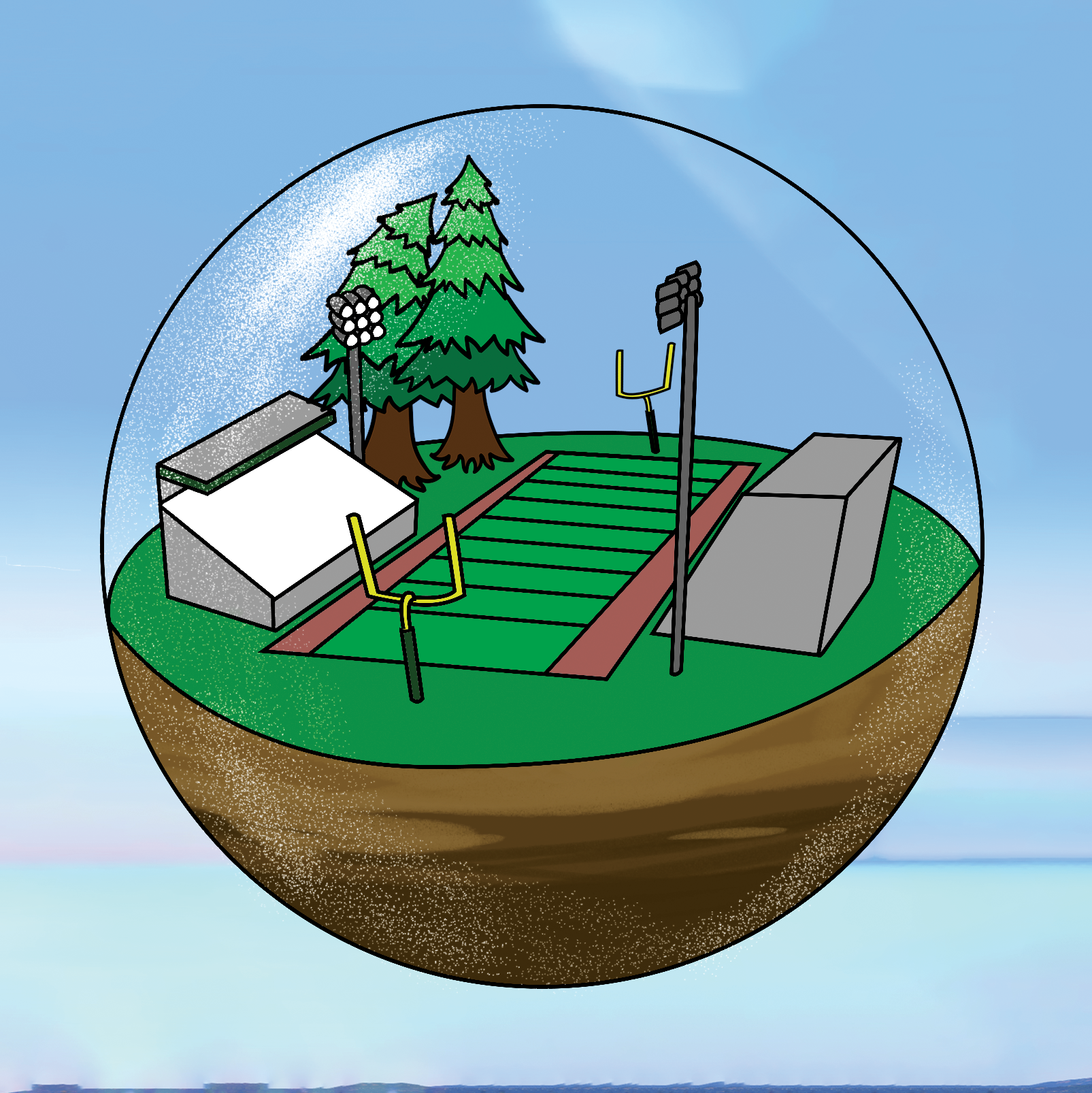
  • Sports Bubbling for controlling Coronavirus

    Sports Bubbling for controlling Coronavirus

    Science behind social bubbling casts doubt on the security behind implemented safety practices

    How many Superbowl parties have you been to? Drunk bodies stacked on top of each other. Frantic embraces. Hollering and crying. Sports, both play and spectation, is all about physical expression. And each one of those mass expression events carries the potential for an outbreak of COVID-19.

    According to the CDC, the virus is more likely to spread through close contact than through airborne transmission. Packing tightly into bars, gathering in stadiums, cheering and hugging are all likely to spread COVID-19. Early in the year, scientists linked a soccer game in Italy to a massive outbreak, with the true toll difficult to track.

    The danger doesn’t just come from the stadium, but also all the orbiting viewing locations. Simply social bubbling by quarantining the team, coaches, staff and media doesn’t cut it when major transmission events may happen as a result of independent viewings of sports broadcasts in addition to attendance of official events.

    Transmission through close contact may be more likely than airborne transmission. Contact sports may be more dangerous than sports with significant distance between players. Baseball has faced bumps in the road, with an outbreak in the Miami Marlins, but football requires more contact, and therefore more risk. The NFL recently suffered its first major outbreak in the Tennessee Titans, signaling a failure of their non-bubble model

    Realistically, models of disease spread must consider a wide range of variables. Changing numbers of susceptible individuals, changing likelihood that a susceptible person will encounter a sick person, increasing numbers of recovered individuals, the implementation of safety measures, and frequency of social gatherings like sporting events are all variables that matter when mapping disease transmission. But simple exponential growth is the basic reason why uncontrolled disease can overwhelm local healthcare at the beginning of an outbreak.

    One person has it, they give it to two people in a day. Those people give it to two more people each then next day. That’s four new people who can give it to two more people each. That’s eight new people and in a few weeks many more have it. It doesn’t realistically work that way on a large scale due to a wide range of important factors, but it’s a useful model for how outbreaks can begin in previously uninfected communities.

    Now say one person on a football the team contracts COVID-19. Then that one person gives it to 14 people through close physical contact. So, 15 people have it. They go out into the community and give it to 2 people each in a day. Our starting number is higher, so the growth is faster. Those 15 give it to 30 people, those 30 give it to 60, those 60 give it to 120, and so on.

    This clear danger is just one reason that hundreds of college teams have been cut due to the pandemic. These cuts impact athletes, athletic programs, schools and local economies. Specifically, Football often funds the rest of a school’s athletic program. If it goes, so might every other sport. Sports matter on a local level, not just as a national industry.

    That’s where the bubble solution comes in. The team and everyone who supports them cuts themselves off from the rest of a community. No one leaves, everyone gets tested constantly. It’s a bubble.

    In practice, it’s difficult. That’s hundreds of people quarantining together, with further levels of quarantine within the bubble. The people with the most contact, such as the players and coaches, must stay away from the other staff as much as possible, effectively forming bubbles within bubbles. Then the staff with the most contact to the players stays away from the staff undergoing the least risk.

    All of those bubbles on the edge of popping, delicate planning, and vigilant testing for only a chance to keep the team safe. There are severe consequences if all those measures fail. And none of those intense measures accounts for what happens outside. It can’t account for people huddling around their TV, packing into bars, or embracing when victory is declared.

  • Students shocked at Arcata Community Forest logging

    Students shocked at Arcata Community Forest logging

    COVID-19 hampered the communication of logging plans between the city of Arcata and new members of the community

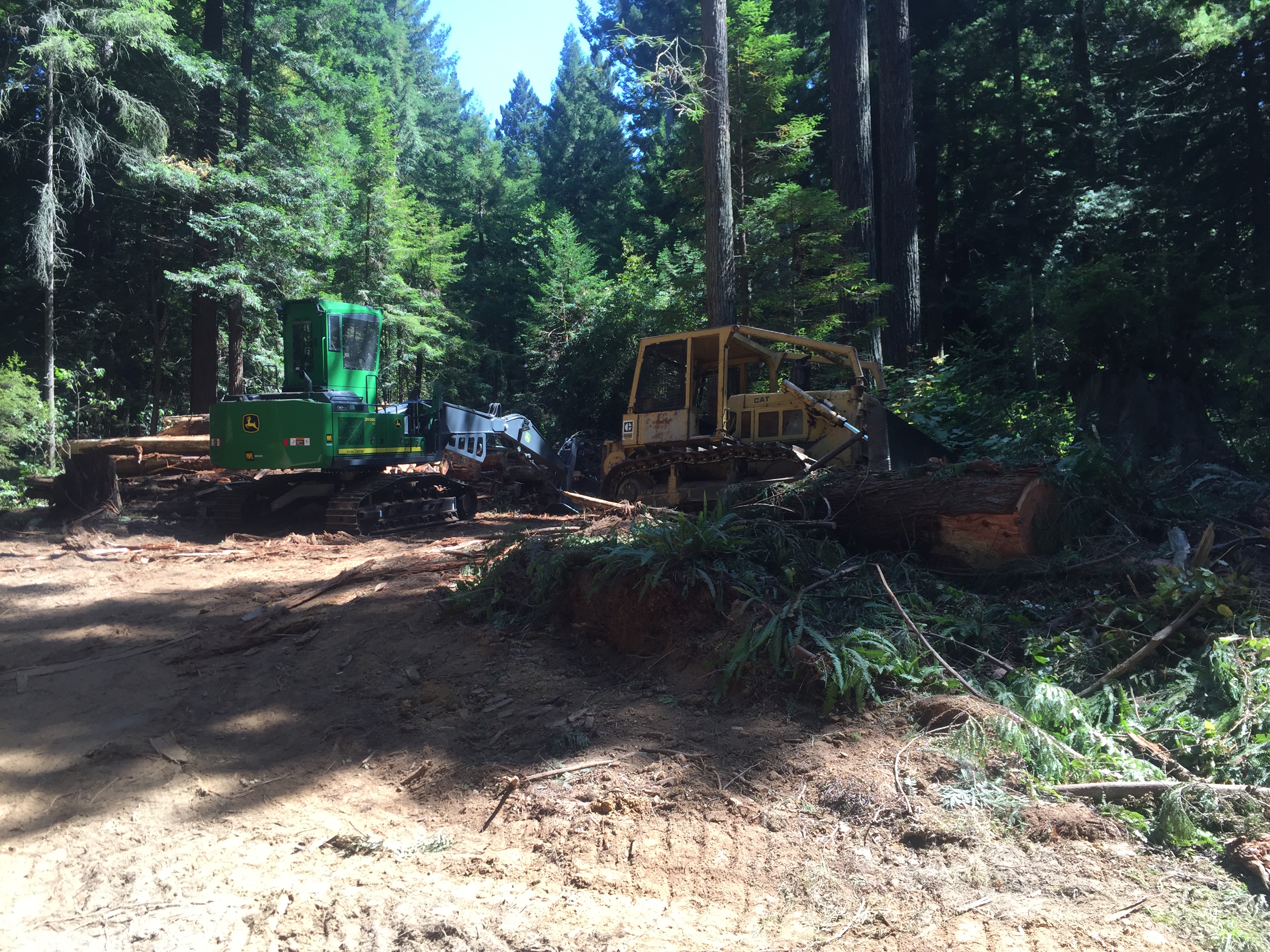
    Lumberjacks with heavy equipment felled redwood trees in the Arcata Community Forest during the last two months, shocking some Humboldt State University students who regularly use the park. The City of Arcata uses timber harvest money to fund the management of the park and purchase additional park land in the area.

    HSU senior Isaac West downhill bicycles the trails most days. He was disappointed when he came across the heavy equipment in the park near Fickle Hill Road, and a friend told him a section of the bicycle “jump trail” had been ruined.

    “We have trees burning down everywhere,” West said. “It just seems like a really bad time to be cutting them down.”

    Karlee Jackson, an HSU transfer student majoring in environmental studies, said many students she talked to hadn’t heard the tree cutting was happening, and were shocked by it.

    “I am so mad they are cutting down these trees when so many trees have already been cut down,” Jackson said. “Why wasn’t it discussed with the community?”

    Jackson acknowledged that COVID-19 may have made it more difficult to consult with the community, but said she would have liked the city to have found another way to engage the community before cutting.

    Mark Andre, Arcata City director of environmental services and former HSU watershed management graduate student, said community engagement in the forest’s management was greatly impacted this year due to COVID-19.

    “The biggest challenge to us is to explain to new people who are moving here,” Andre said. “During this COVID-19 year [community consultation] has not been as perfect as it could have been.”

    Andre prepared the current Non-Industrial Timber Management Plan which allows some logging in local community forests. It was approved in 1999 and therefore public comment is not required each time the city wishes to cut, but the city is required to submit a Notice of Timber Operations (NTO). The city did issue a press release and convened the city Forest Management Committee, made up of appointed experts, although some regular meetings were canceled this year due to COVID-19.

    The NTO includes an impact analysis on spotted owl populations, and the steepness of the grade to ensure the cuts do meet environmental regulations.

    Greg King, executive director of the Siskiyou Land Conservancy and one of the first-ever Redwood tree-sitters, said he supports the efforts of Andre and the city.

    “I’m pretty skeptical when it comes to most logging,” King said. “It almost surprises me to say I support this.”

    King said he was far more concerned about the practices of logging companies owned by the billionaire family, Fisher, and Green Diamond Resource Company. Together these companies own roughly half of all redwoods in existence and regularly get “incidental take permits” which are essentially licenses to kill endangered species found while cutting.

    “What you see is a lot of faux [or fake] sustainable logging, but that’s not what you see here,” King said.

    He hasn’t read the forest management plan, but King encouraged students and community members to keep a close eye on the city. He is impressed at the “light touch” of the operations, and how the city has been able to purchase additional land in the area for conservation with the money from the park’s timber harvest. But King does believe public notice could be improved.

    Andre said he has been working for the city since 1984 and since then the size of the forest has doubled. In the past decade about 30% less is cut annually compared to the 1980s. The city originally purchased the park and instituted the arrangement to use timber harvest money to purchase additional land for conservation after a city bond measure passed in 1979. Andre said since then the city has set standards in sustainable forestry and community based forestry even winning an award from the Forest Stewards Guild.

    Regarding the recent destruction of a section of the downhill bike trail Andre said, “If we damaged the jump trails it’s going to be rebuilt this fall anyway.”