The Lumberjack


Students Serving The Cal Poly Humboldt Campus and Community Since 1929

Category: Science

  • This week in science (Feb. 1 – Feb. 8)

    This week in science (Feb. 1 – Feb. 8)


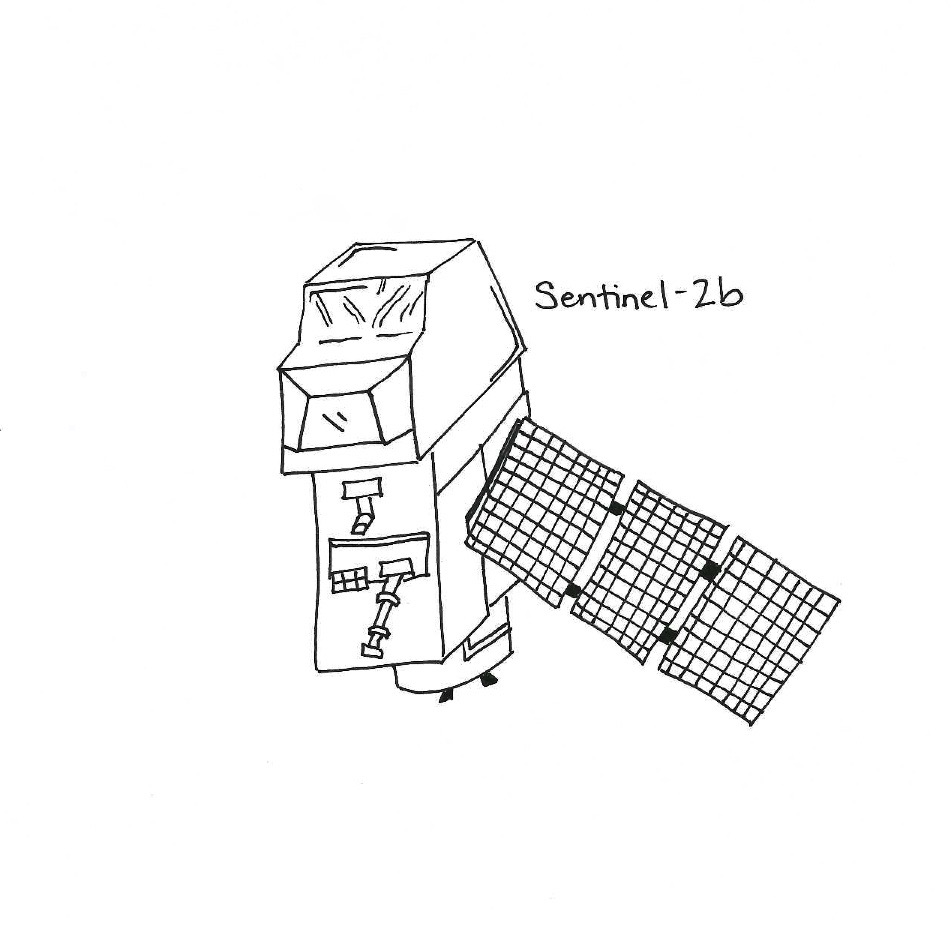
    Illustration by Claire Roth.

    Wildlife – A batty welcome

    At the San Diego Zoo, a critically endangered species of bat known as the Rodrigues fruit bat was the first of his species to be brought into the world via cesarean section. The emergency procedure was deemed necessary after the bat pup’s mother experienced complications during her attempt to deliver him naturally. Though the mother did not sustain the cesarean section procedure, Lucas, as the bat pup was named by zoo personnel, is thriving in the careful hands of the San Diego bat keepers and will join the zoo’s resident bat colony when he is old enough. Rodrigues fruit bats are endemic to (only found on) Rodrigues Island, an island near the coast of the country Madagascar.

    Sources: BBC, The San Diego Union Tribune


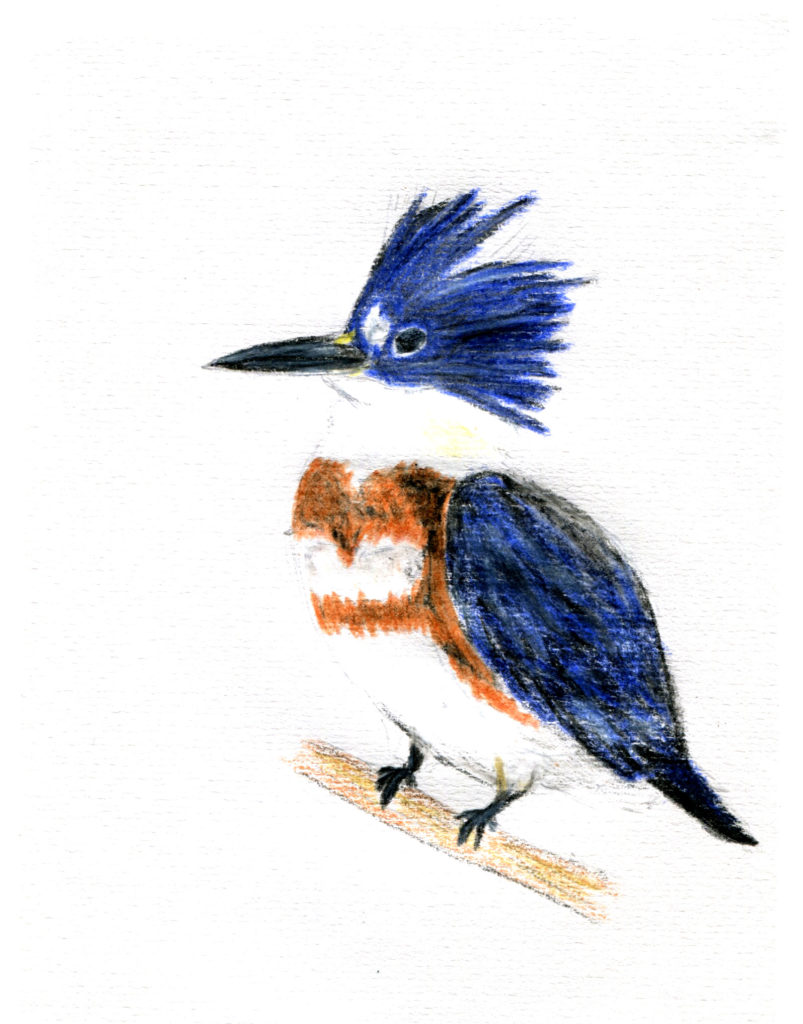
    Illustration by Claire Roth.

    Genetics – A, T, C, G… X and Y

    If you’ve seen the first “Jurassic Park” movie you may remember the cartoon DNA sequence telling park visitors that it makes up all life on earth. Even if you haven’t seen the dino flick, it’s worth knowing that all life on earth contains DNA that is made up of a combination of letters, forming a double helix, and that those letters are A, T, C and G. However, scientists from France, China and the United States recently found a way to add two new letters to that sequence, synthetic letters known as X and Y. The scientists were experimenting with finding new ways to treat nasty diseases such as Escherichia coli and discovered that they were able to add the X and Y letters to the DNA sequences of those diseases. With more research, this could lead to possible treatments or cures for life-threatening diseases.

    Sources: BBC, National Academy of Sciences


    Illustration by Claire Roth.

    Astronomy – Hide and black hole

    Scientists from the National Astronomical Observatory of Japan discovered the existence of a black hole that had not been spotted before due to its position behind a cosmic cloud in our very own Milky Way galaxy. The cloud was said to have been moving through space rapidly before coming into contact with the black hole; this is the reason the black hole became visible at all. Black holes, as their name suggests, are difficult to spot in the inky expanse of space. However, if they come into proximity with something they can affect or alter, their existence is revealed.

    Source: Science Daily


    Biology – Carnivorous beginnings

    Illustration by Claire Roth.

    Scientists from the State University of New York at Buffalo questioned just how carnivorous plants obtained their taste for animals and seem to have gotten closer to an answer. The study focused on three geographically separate types of carnivorous plants: an Australian pitcher plant, an American pitcher plant and an Asian pitcher plant. The researchers found that the genomes of all three carnivorous plants contained traces of the same kind of protein that would later develop into the enzyme responsible for breaking down prey. This protein is thought to have originally been meant to fight off predators and protect the plant. Through many years of evolution and due to the fact that many species of carnivorous plants live in nutrient-poor environments, the protein developed into the enzyme that makes these carnivorous plants what they are today.

    Source: Science Daily

  • What you need to know about a Trump presidency and the environment

    What you need to know about a Trump presidency and the environment

    By | Emily Owen

    Donald Trump has been president for almost three weeks, and he has begun making his mark on environmental legislation. Here’s what he has already done and what he has promised to do.

    1. Trump appointed Oklahoma Attorney General, Edward Scott Pruitt, as head of the Environmental Protection Agency on Jan. 18. As a vocal and outspoken climate change denier, Pruitt is currently suing the Environmental Protection Agency and has been involved in 14 lawsuits against the organization to lessen environmental regulations.
    2. Rex Tillerson, the former chairman and chief executive of Exxon Mobil, was chosen by Trump to hold the position of Secretary of State on Feb. 1. During his time with Exxon Mobil, Tillerson was known for rejecting the use of renewable energy sources. As Secretary of State, he will serve as the ambassador between the United States and other nations. He is expected to advance drilling throughout the world.
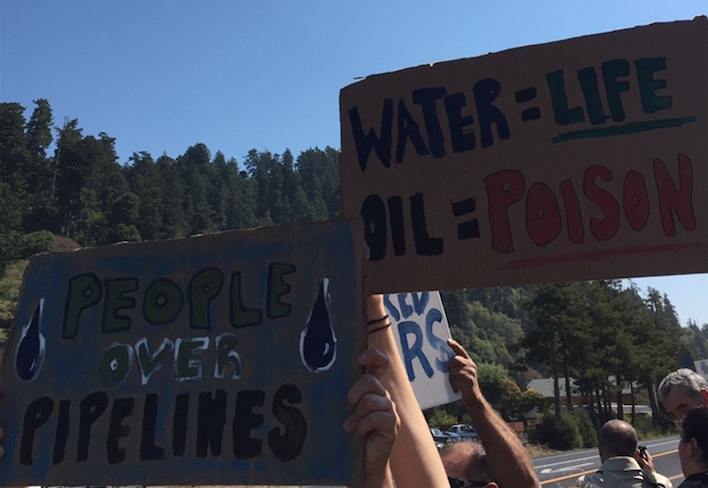
    3. Despite months of protest from water protectors consisting of a combination of tribal members and environmentalists, Trump officially endorsed the Dakota Access Pipeline on Jan. 24. Trump assured the owners of the Keystone XL Pipeline that their proposal will be approved and encouraged them to re-submit their application after it was repeatedly denied during the Obama administration.
    4. An executive order was carried out by Trump on Jan. 20 that ordered the streamlining of environmental reviews for future high-priority infrastructure projects. The action instructs the Chairman of the White House Council on Environmental Quality to fast track approval of these projects.
    5. On Jan. 24, a document written and published by Trump instructed the Secretary of Commerce to promote the use of U.S. made pipelines throughout the country.
    6. Trump has made promises to build a wall on the U.S. / Mexico border. Many environmentalists say it will cut off the flow of water and be detrimental to wildlife in the area. The construction of the proposed wall will also have a huge impact on greenhouse gas emissions and will only serve to further the issue of climate change.
    7. Trump has discussed the possibility of putting an end to the Endangered Species Act on the grounds of hindered economic development. He said that the act has been unsuccessful in preserving wildlife, despite the National Wildlife Federation reporting that it successfully protects almost than 1,400 plants and animals.
    8. Proposals have been submitted by Trump to cut the EPA’s funding by up to one-third. Trump has already confirmed that he has full support of the Republican Party to back his proposals.
    9. Motions have been made by Trump to censor climate scientists and order government employees to cease all communication with the public unless approved by Trump’s political appointees.
    10. Trump plans to end former President Obama’s Climate Action Plan and replace it with the America First Energy Policy Plan. The America First Energy Policy Plan will push for elimination of climate regulations in order to refocus efforts on coal, oil and gas production.
    11. Trump mentioned the withdrawal of the United States from the Paris Climate Agreement, a global pact to cut emissions which was signed by almost 200 nations.
  • Voices of student science

    Voices of student science

    By | Kelly Bessem

    Voices of student science aims to highlight individual Humboldt State students majoring within the widespread realm of the sciences.

    ____________________________________________________________

    Isabella Knori, HSU Geography major with a minor in Geospatial Analysis. Photo by Kelly Bessem

    Isabella Knori is a senior geography major with a minor in geospatial analysis. Knori is originally from San Diego, Calif.

    “Geography allows you to learn about all different things that apply to a wide variety of disciplines,” Knori said. “When I came to HSU I was really indecisive and wanted to major in everything.”

    For her geography capstone project, Knori conducted a geospatial landscape analysis based on the historic habitats of California condors. This conservation mapping project found possible areas for California condor reintroduction in Northern California.

    ____________________________________________________________

    Kolbe Cathcart, HSU Biology major with an Ecology and Biodiversity focus, standing next to his redwood sapling “Toobee”. Photo by Kelly Bessem

    Kolbe Cathcart is a senior biology major with a focus in ecology and biodiversity. Cathcart grew up in Niles, Calif. 

    Cathcart chose his major because of a book he read growing up called “Dune” by Frank Herbert.

    “It’s about a lot of things but what interested me the most was the ecology aspect and the interaction between ecology and humans,” Cathcart said of the book. “I’m interested in looking at this interaction over thousands of years.”

    Cathcart is bringing a new perspective to the Humboldt State student-run aquaponics lab this semester by focusing on plants rather than fish.

    “Aquaponics is raising fish and using the fish waste to grow plants in that water,” Cathcart said. “It filters the water and then reduces waste production.” Cathcart is currently looking at the economic viability of aquaponics in Northern California.

    ____________________________________________________________

    Amber Hendershot, HSU Cellular and Molecular Biology major. Photo by Kelly Bessem

    Amber Hendershot is a sophomore in the cellular and molecular biology program. Hendershot is originally from Bangor, Penn.

    Hendershot is training to become an emergency medical technician and plans to apply to medical school.

    “I’m fascinated by the use of medicine for healing,” Hendershot said. “I would like to look into alternative medicine and see how it could become more validated through the scientific process.” Hendershot’s ultimate goal is to become a psychiatric or osteopathic doctor.

  • WRRAP up some school supplies

    WRRAP up some school supplies

    By | Kelly Bessum

    A map showing where compost bins, water refill stations, electronics recycling and the WRRAP office are located on campus. Data from Humboldt State University and WRRAP, Map by Kelly Bessem.

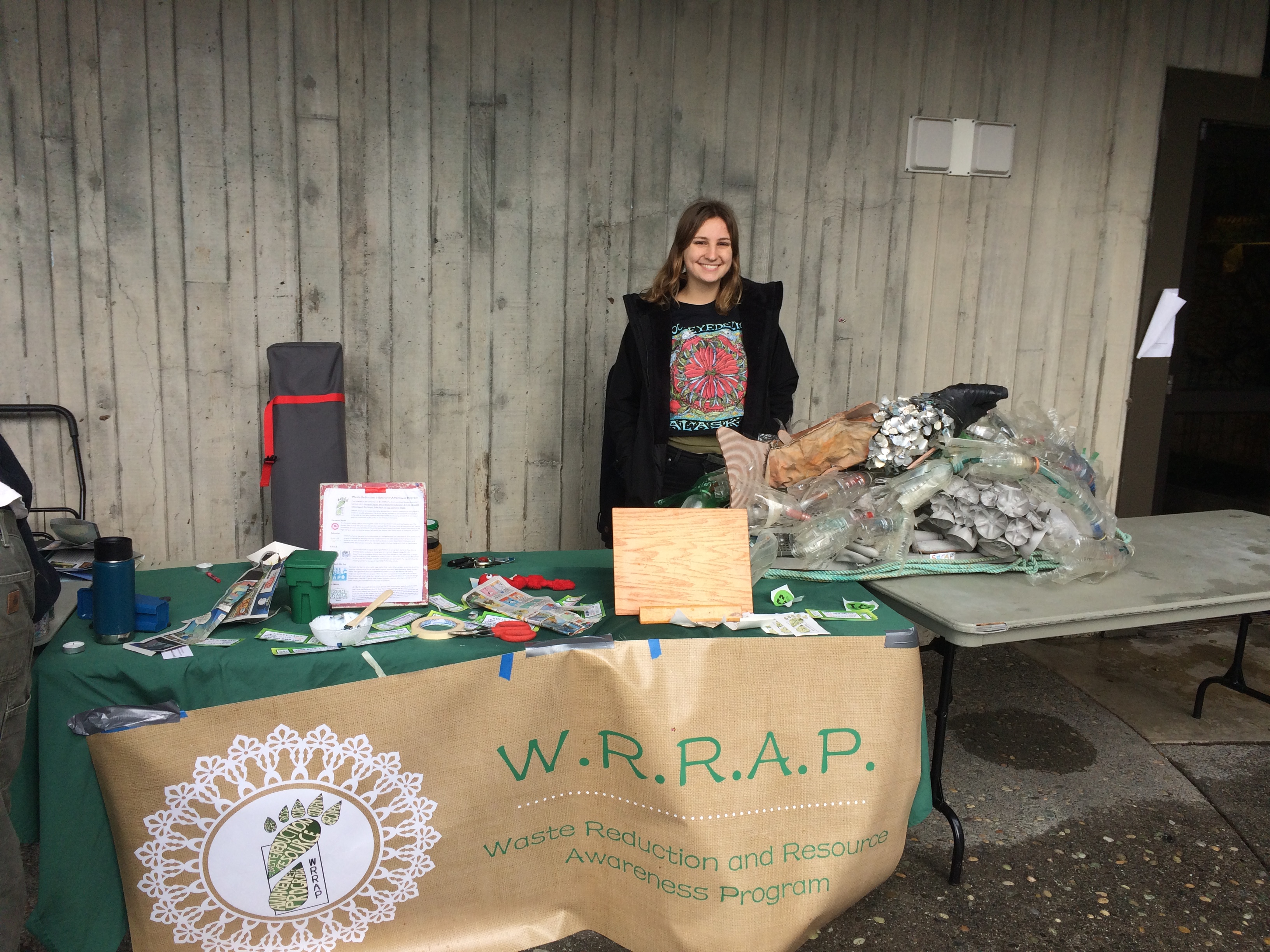
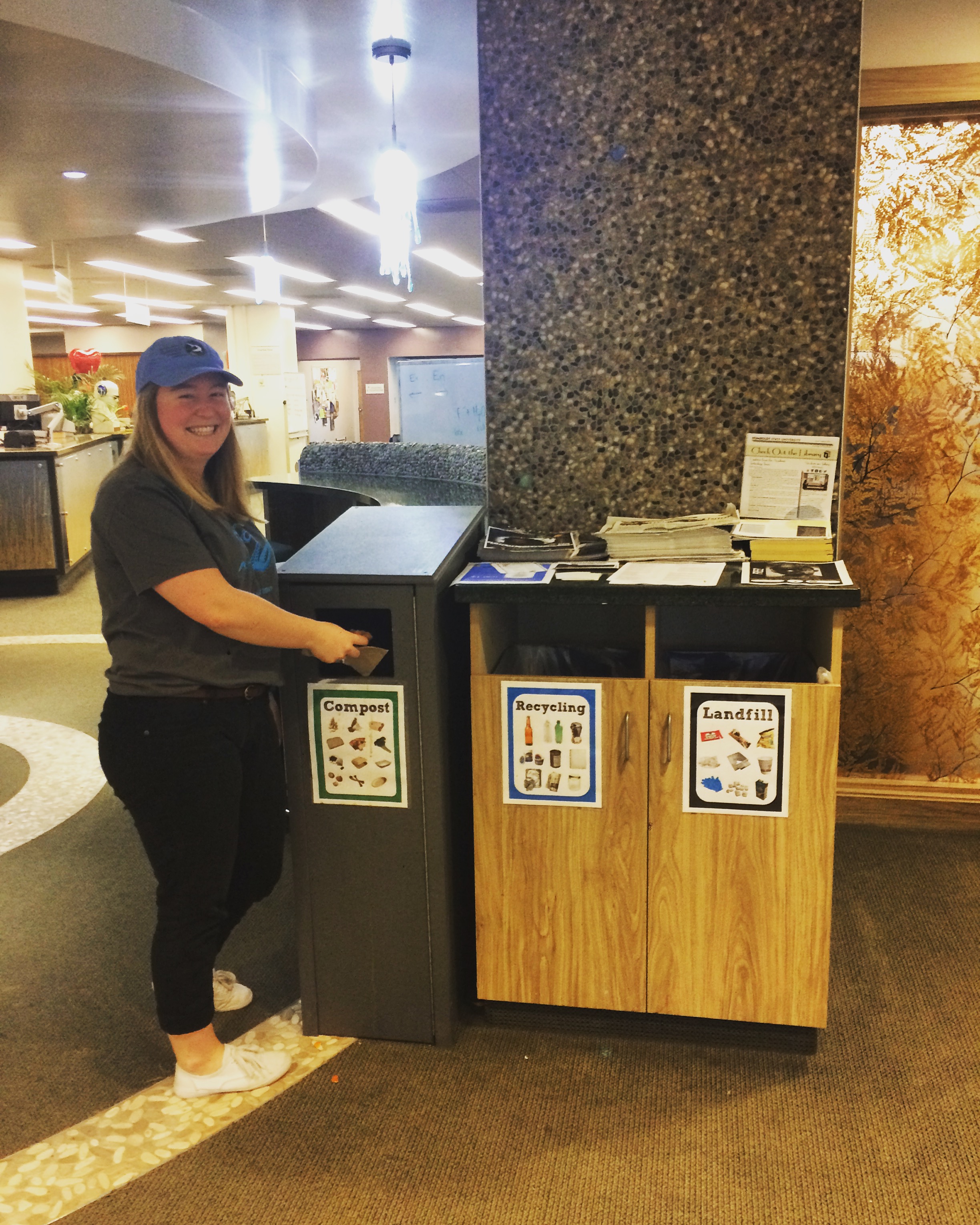
    School can be a mental and monetary struggle, but doing your part to reduce waste on campus doesn’t have to be. If you haven’t yet happened upon it, WRRAP is Humboldt State’s student-run Waste Reduction and Resource Awareness Program that’s been in operation for almost 30 years.

    The campus services they maintain are free to all students. These services include campus compost bins, water refill stations, zero waste supplies, events such as the clothing swap and the ROSE [Reuseable Office Supply Exchange] House, where students can find 100 percent free school supplies such as notebooks and writing utensils.

    Environmental science major Crystal Singletari was glad to find out that the ROSE House was there to provide an option other than paying expensive prices for new school supplies. 

    “The first two weeks of school I didn’t have enough binders to reuse and was super unorganized so I went to the bookstore, but they’re so expensive,” Singletari said.

    Rangeland resources major Ishmael Guerrero believes helping to reduce waste is good but it is often difficult to keep track of waste reduction programs on campus.

    “I’m usually focused on school, work or sports,” Guerrero said.

    WRRAP is set up to direct students toward reducing waste on campus, and in the rest of their lives, in simple ways rather than having to figure it out alone. Isabel Sanchez, a business major and natural resources minor who has been working for WRRAP for more than two years, explained how WRRAP can make waste reduction easier for students to understand.

    “It’s a network that allows for exchanges of waste reduction methods,” Sanchez said.

    Need some encouragement to live a less-wasteful campus lifestyle? According to a 2015 estimation, Humboldt State University students collectively dispose of 266,314 pounds of waste on campus each year. That’s about the mass of four humpback whales. Though HSU students always seem to strive for improvement, there is still a whale of a problem.

    Humboldt State University student waste disposal totals. Data from CalRecycle, Graph by Kelly Bessem.

    Check out WRRAP’s website at http://www.humboldt.edu/wrrap or email their student staff at wrrap@humboldt.edu. The program is there so that reducing waste doesn’t become another daunting school task on your checklist.

  • Pruitt to head US Environmental Protection Agency

    Pruitt to head US Environmental Protection Agency

    By | Bryan Donoghue

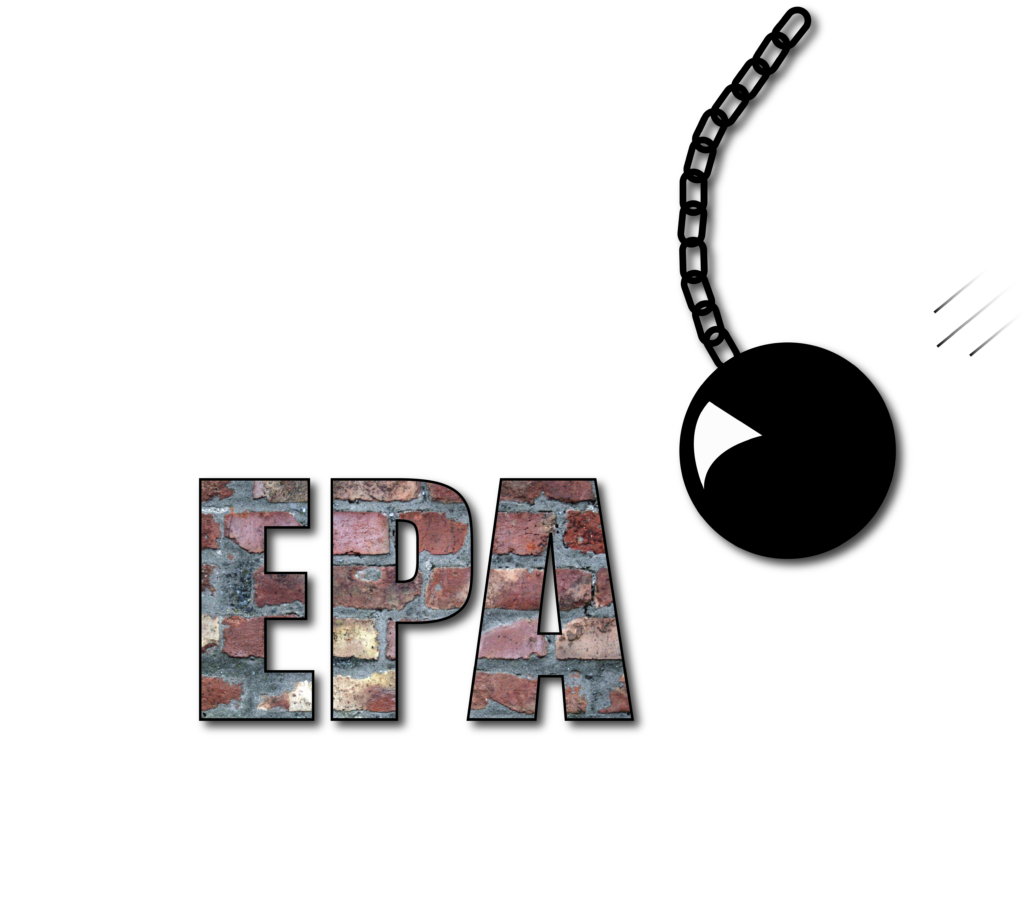
    President Donald J. Trump and his administration have selected the Oklahoma Attorney General Edward Scott Pruitt to head the Environmental Protection Agency (EPA). This action could disrupt former President Barack Obama’s efforts to combat climate change and could also limit the power held by the EPA.   

    According to The Washington Post, Pruitt has long been a critic of the EPA and has led legal challenges against some of the agency’s actions. These actions include efforts to lessen greenhouse gas emissions from power plants and determining which wetlands and streams are subject to federal regulation.

    William Fisher, HSU economics professor, said of Pruitt, “He’s openly hostile to things like climate change and he’s representative of the fossil fuel industry.”

    Under Pruitt’s leadership of the EPA, incommensurate views on various environmental topics may result in inhospitable outcomes.

    The most crucial concern of Pruitt’s appointed position among the local Humboldt community seems to be budget cuts.

    “He has the power to defund research,” said biochemistry major Marcella Atencio. “So if something doesn’t support his political view or agenda, he does have the ability to defund that. If he does, there’s not much the research can do about that unless they get a private investor. The odds are that he has to agree with that and that makes things much more difficult.”  

    The sentiment around budget cuts in the EPA seem to be universal among students and faculty. Fisher doesn’t know for certain whether the EPA will receive budget cuts. He believes that it is likely under this specific administration, though not necessary, for overall budget concerns nationally.

    “Really, you see in many different administrations, they don’t have to eliminate certain programs, or even the budgets for those,” said Fisher.

    According to The New York Times, Pruitt plays a hero to conservative activists. He is one part of a group of Republican attorney generals who allied with some of the nation’s leading energy producers to push back against the Obama administration’s plans. This conflict of interest surrounding fossil fuel has been received with controversy, but played a large part with President Trump’s selection of Pruitt.

    Journalism major Alex Gonzalez pictures the change in EPA leadership as backtracking all progress the nation has made over the past few years to lessen our effects on the environment. 

    “It’s saddening to think how little our country will care about the environment because the U.S. sets an example for all the other nations to follow,” Gonzalez said. “Under new conservative views, other countries will follow leading to an overall decline to the health of the earth.”

    An unavoidable hurdle in the EPA that will most likely happen under Pruitt’s leadership is dormancy of the agency.

    “He could attempt to gut a lot of the regulations of the EPA, some of that would take time,” Fisher said. “So probably the biggest impact that he’d be able to have immediately would be not utilizing the powers of the EPA.”

    Though Pruitt will likely still utilize the EPA’s power, a change in policy takes time.

    “Dismantling things like the Clean Water Act and Clean Air Act can take a lot of time and effort, and underfunding the EPA will probably happen,” Fisher said. “It’s almost guaranteed that they won’t police what they’re supposed to be policing.”

    The Washington Post states that dismantling regulation, if it survives the courts, would not be simple because the EPA has already finalized it. This means that to undo and replace regulations would require a public notice and comment process. Environmental groups would likely sue the agency over such a move. 

    Pruitt has yet to take his seat as the head of the EPA, as he still needs to be approved. According to a recent article in The Huffington Post, Pruitt is now being backed by the Koch Brothers, a name synonymous with success in the crude oil industry. For now, we can only wait to see which actions Pruitt will take.

  • A stormy start to the year

    A stormy start to the year

    January rainfall on track to double the average

    By | Alexander Badger

    After one of the rainiest fall seasons in Humboldt County history, students returned to the new semester to yet another storm. The storm was strong enough to knock out the power in a significant portion of the county over the weekend of Jan 21. The Eureka National Weather Service recorded winds above 50 mph along the coast that toppled trees and power lines.

    Graphic | Alexander Badger

    The winds were joined by a record rainfall that pushed the amount of rain in the county to practically double the monthly average. As of Jan. 26, the county received about 10.51 inches of rain; the mean for this time of the month is about 5.35 inches. The last time the county had more than 10 inches of rain was in October. This is consistent with a trend observed by the California-Nevada River Forecast Center over the past water year, a period within which precipitation levels are observed and recorded. The water year begins Oct. 1 and is updated at the end of every month.

    Reginald Kennedy, a hydrologist at the Eureka National Weather Service, said that while the worst is over for the foreseeable future, people should still be prepared for stormy weather coming their way.

    “More, smaller storm systems will be coming every few days going into February and strong winds in February and possibly March,” Kennedy said.

    Keeping in mind the recent turbulent weather record measurements, students should think twice before putting away those heavy coats; Winter still has long ways to go.

  • This week in science Jan. 16

    This week in science Jan. 16

    Graphic Illustrations and Written By: Claire Roth

    Politics – A glimmer of hope

    Perhaps one of the most hopeful developments so far in the world of 2017 science is President-elect Donald Trump and his affiliates’ acknowledgement of climate science. Though the terms ‘Trump,’ ‘science,’ and ‘hopeful’ rarely fit within the same sentence, this recognition stands in stark contrast with much of what President-elect Trump said in the past concerning climate science oftentimes publicly denying its necessity and the existence of climate change in general. BBC News reports that Trump’s “about-face” on these issues came gradually after his election and that he now is softening his opposition to key environmental steps such as the 2016 Paris Agreement.

    Source: BBC News

    Wildlife – Merging territories

    Shifting treelines and warming temperatures as a result of climate change, have created a possibly troublesome overlap of territories between common leopards and snow leopards on the Tibetan plateau. The phenomenon had never beforehand been observed due to the big cats’ differing habitat needs, but wildlife scientists point to a warming climate as the culprit. Common leopards, usually residing in lower elevations than snow leopards, seem to have begun their ascent into snow leopard territory as temperatures continue to rise and treelines recede. This poses an issue to the already endangered snow leopard population.

    Source: BBC News

    Wildlife – Cooling caribou

    Many of us have a friend who’s dead-set on reducing their footprint on the global  climate, but what about a friend who’s reducing their hoofprint? As caribou roam their tundra home and munch on darkly colored shrubs, space is opened up for grasses that are oftentimes more lightly colored and therefore absorb less heat energy than their darkly colored shrub counterparts. Research suggests that the widespread amount of caribou grazing and the resulting decrease in retained heat energy on the earth’s surface has cooling effects on the ecosystem.

    Source: Anthropocene Magazine

    Food – Staying spicy, staying alive

    Researchers at the University of Vermont recently found a correlation between spicy pepper lovers and staying alive longer. A component present in peppers known as capsaicin is thought to be helpful in helping your body maintain a healthy vascular system and overall weight. According to a study by the University of Vermont there is a 13 percent increase in lifespan of those who enjoyed peppers during their lifetime.

    Source: Science Daily

    Language – Swearing by science

    If someone has ever told you that you need a swear jar, they’re probably right. However, science has given those of us who are “swear-happy” a new excuse to say f*** yeah. A team of psychologists at the University of Cambridge found that the more you cuss, the more likely you are to be telling the truth. The study found that the inclusion of swear words in one’s everyday jargon shows that honest beliefs are not being censored. Additionally, the language patterns of frequent swearers were studied and resembled the language patterns having to do with telling the truth.

    Source: Science Daily

    Wildlife – Moody worms

    “Ah, yes, I remember my moody teenage years fondly,” said no one ever. It turns out that humans are not the only animals that experience those ups and downs associated with adolescence. The Salk Institute for Biological Studies found that the brain chemistry of teenage roundworms causes them to act more irrationally than adult roundworms, exhibiting behavior such as taking their sweet time when seeking out food sources or choosing a direction to travel in.