The Lumberjack


Students Serving The Cal Poly Humboldt Campus and Community Since 1929

Category: Science

  • Sayornis saya: the bird who likes to speak

    Sayornis saya: the bird who likes to speak

    by Sadie Shields

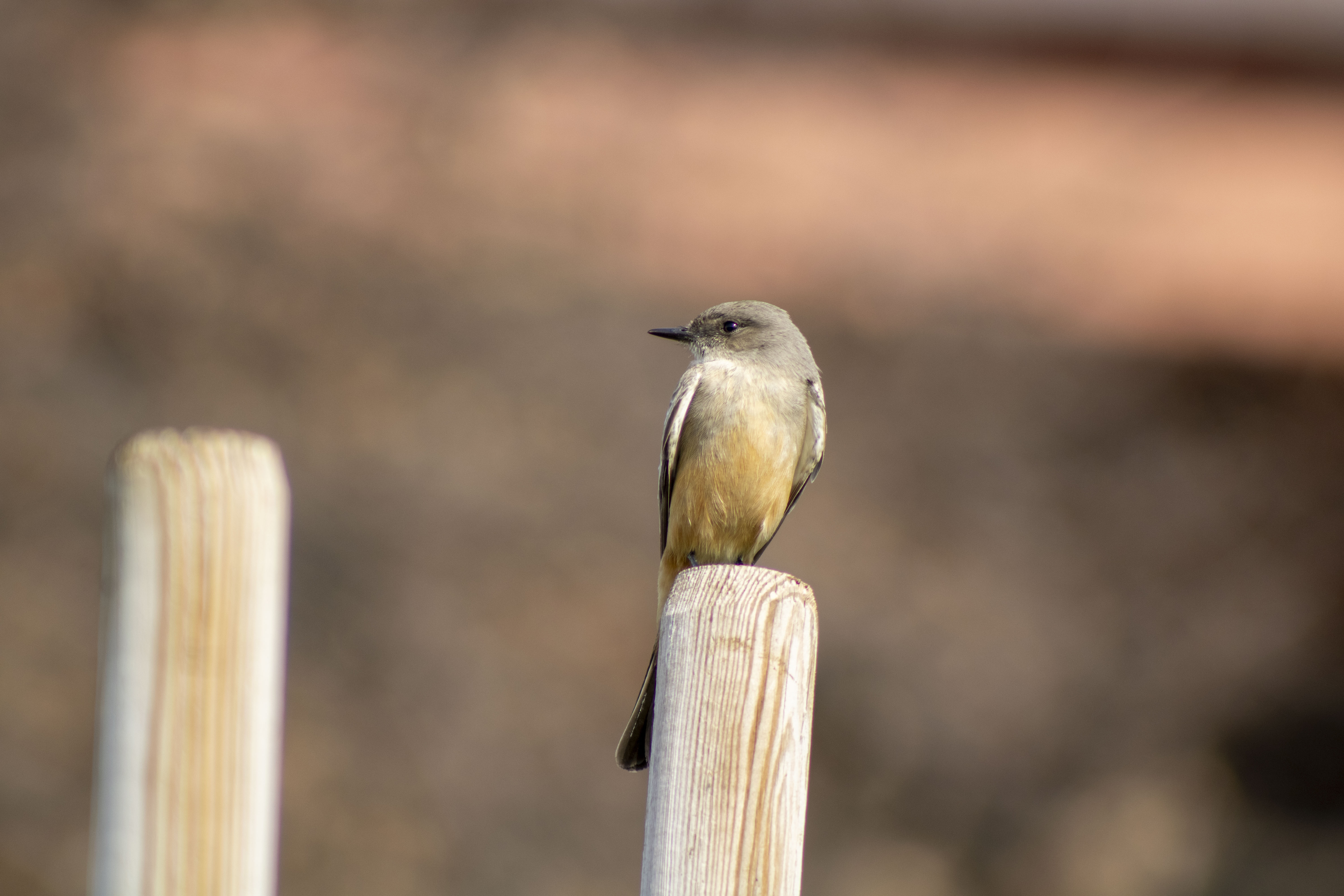
    The Say’s Phoebe (Sayornis saya) is popular among the North American bird habitats. It belongs to the tyrant flycatcher family, the largest family of birds in the Americas which includes more than 400 species. This bird can be observed at the Arcata marsh, where it favors dry, open and sparsely vegetated habitats. 

    Despite its preference for desolate landscapes, the Say’s Phoebe is considered one of the more prevalent bird species in the area. It is named in honor of Thomas Say, often recognized as the father of entomology in the United States. Entomology is the scientific study of insects, a fitting connection given that insects make up the primary diet of this bird. The Say’s Phoebe is rather small in size, measuring roughly six to seven and a half inches in length with a wingspan of about 13 inches. Its plumage is characterized by brownish-gray coloring on the upper body, and soft, pale cinnamon tones underneath, giving it a subtle but distinctive appearance. The species is migratory, moving from northern regions of the United States to southern areas and parts of Mexico during the winter months in search of milder climates and reliable food sources. It can be found in the flower fields of the marsh, where its one-second call of whistles and prickly hiccups will inform you of its location. 

    Sadie is a junior communications major, journalism minor at Cal Poly Humboldt, who has an interest in covering and taking photos for sports and wildlife journalism, and a slight interest in breaking news. She can be reached at sls331@humboldt.edu.

  • Fish of the Week: Cow Sharks

    Fish of the Week: Cow Sharks

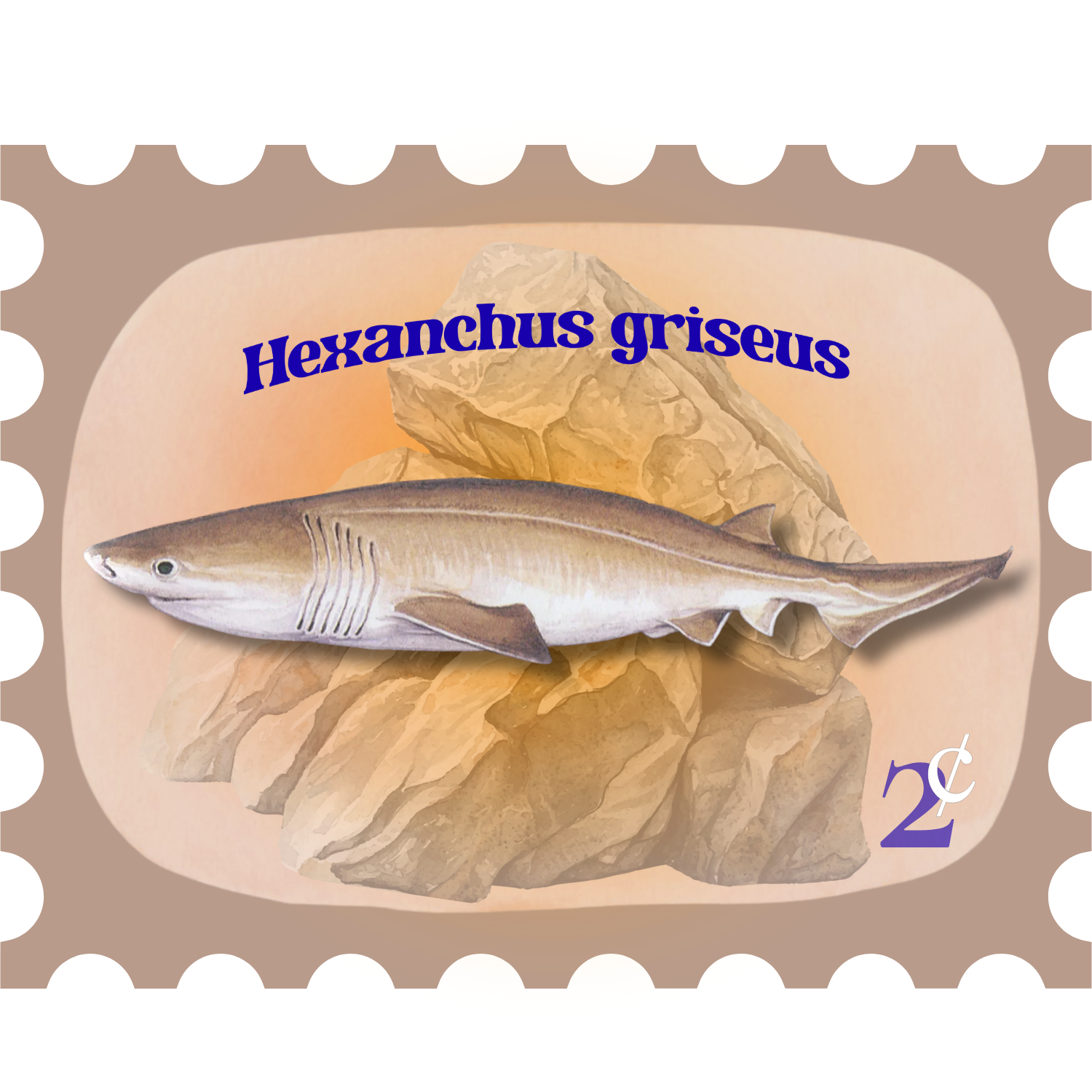
    Hexanchus Griseus

    by Ariana Wilson

    The ‘Cow shark’ consists of two species: the bluntnose sixgill and broadnose sevengill shark. The sixgill shark is a deep-water dweller with the widest distribution of all shark species, ranging from the northern and temperate regions, where water temperatures are about 40-60 degrees Fahrenheit. Adults are found along the continental shelf at depths of at least 8,000 feet, while juveniles have been known to come as far inshore as Humboldt Bay and the San Francisco Bay Area. Male sixgill sharks reach maturity at about 10 feet, while females fully develop at about 14 feet. The size at birth is between 24 and 29 inches. Their prey typically consists of other sharks, rays, chimaeras, bony fish and marine mammals. 

     The sevengill shark is a common coastal species worldwide in most temperate seas with water temperatures of about 54-64 degrees Fahrenheit, but on rare occasions has been found at depths of 330 to 660 feet. Males mature between five and six feet and females mature between seven and eight feet. These powerful creatures can reach impressive lengths of up to 16 feet and live up to 80 years.

    In Washington State, the sixgill shark is making a name for itself as the potential state shark. Washington’s Puget Sound is said to be the breeding ground of the sixgill shark, connecting an inland estuary to the Pacific Ocean, alongside the state’s northwest coast. Washington State recently introduced legislation to protect these beautiful creatures: the Sixgill Shark Bill (HB 2447). This bill highlights the need and responsibility for humans to protect our environment, starting with the animals that are right under our noses. Sixgill sharks are designated as a Species of Greatest Conservation Need (SGCN) under the State Wildlife Action Plan. 

    “SGCN-classified species include both those with and without legal protection status under the Federal or State Endangered Species programs,” according to the Washington Department of Fish & Wildlife.

    Ari is a senior journalism major and the science editor this semester with an adoration for the environment and conservation. She is currently pursuing her scientific diving certification and plans to meld her journalistic passions with scientific research in the future. For any science inquiries please contact ajw167@humboldt.edu.

  • Record breaking king tides at the start of the year

    by Ursula Newman and Barley Lewis-McCabe

    Low lying communities of Humboldt Bay faced floods as king tides hit record highs on Jan. 2 and 3, which caused significant damages to the King Salmon and Fields Landing areas. The term king tide is used to describe exceptionally large tides that are influenced by the gravitational pull of the moon and sun. 

    On Saturday, Jan. 3, the National Oceanic and Atmospheric Administration (NOAA) tide gauge, housed in Humboldt Bay at the north spit measured a high of 10.37 feet, the highest ever recorded since its establishment in 1977. In the days following the record high tide, The Humboldt County Office of Emergency Services asked residents to avoid the King Salmon area due to the extreme flooding, and encouraged those in need of shelter to contact the American Red Cross. 

    Amanda Admire, lecturer in the geology and oceanography departments, discussed how king tides aren’t always breaking news.

    “When there’s damage and economic impact, that’s really when people start to take notice,” Admire said. “It’s different if we saw a really high storm surge and the water rushed up and put some debris on the roadway. That’s one thing. But that’s not as [notable as], ‘oh my gosh, there’s someone who has damage in their home.’” 

    Our area has mixed semi diurnal tides, meaning there are two high tides and two low tides a day. NOAA is able to track and predict tides with high accuracy, and is used to know when to expect impressively high tides. A king tide is the highest of the especially high tides and, as always, tides are controlled by the rotation of the earth and moon. 

    A king tide happens when the sun and the moon are in alignment.

    “Their gravitational pulls are working together to pull more on the hydrosphere,” Admire said. “Versus if the moon were perpendicular in location to the sun, the moon is going to pull and make it more spherical, because they’re not lined up with each other.”

    When living in or near a coastal zone there are a lot of factors that come into play. Admire emphasized the importance of education around different ocean conditions and noted that the water itself has incredible power. 

    “Becoming more aware of our surroundings and the potential hazards in those zones is really valuable to residents,” Admire said. “As well as the visiting populations to those areas, to help know what to do and to be more prepared.”

    As of now, there has been no emergency declaration for the King Salmon and Fields Landing areas. 

    “Unfortunately, we sometimes are in the path of that water,” Admire said. “And I was really sad to see that there was so much damage that happened to the people of King Salmon, and I hope that they are able to get some resources to help come out of that.”

    Ursula Newman is a journalism major, Lumberjack science editor and Humboldt local. You can find her all over the county doing all kinds of things, and talking to all sorts of people. Contact her at uon1@humboldt.edu.

    Barley is an untraditional reporter, photographer and opinion editor who focuses on stories about social changes that have a real human impact. If you’d like to reach him for whatever reason email bl258@humboldt.edu.

  • What are rare earth elements?

    What are rare earth elements?

    by  Ursula Newman

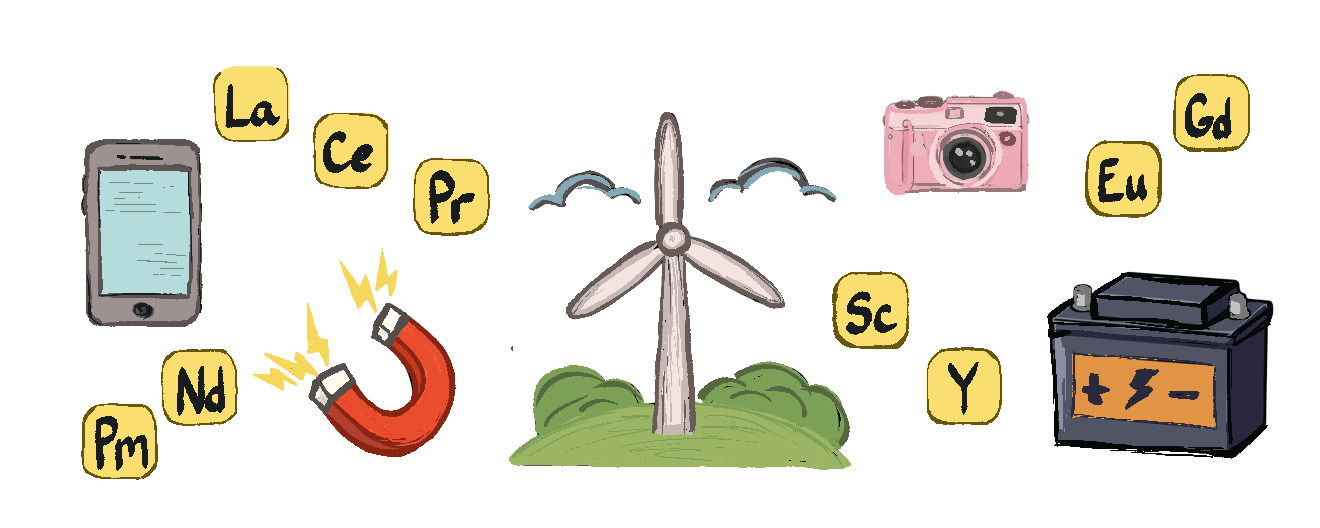
    Rare earth elements (REEs) are a group of elements, including the 15 elements in the lanthanide series, plus scandium and yttrium. This group of elements is considered critical, and has applications in the medical field, electronic displays, magnets and more.

    Cal Poly Humboldt Chemistry and Biochemistry Professor Jorge Monteiro’s research focuses on REEs and he explained some of the common applications of these elements.Neodymium, an REE, makes for the strongest magnets on earth. Batteries, wind turbines and hard drives are some of the most critical examples of items that need neodymium to function. Other REEs, such as europium, terbium and cerium, are luminescent — often used in electronics, lighting and other industrial applications. 

    “That’s basically 75% of our modern life, right? Screens and magnets, production of energy, medical diagnosis and all of that,” Monteiro said. 

    Rare earth elements

    The types of rocks that contain rare earth elements only account for about 1% of all igneous rocks. Cal Poly Humboldt Geology Professor Brandon Browne explained that REE igneous rocks, in terms of the minerals they have, the colors they show and the elements they’re made of, are very distinct from other igneous rocks. 

    REEs are considered “incompatible,” and to appear in these igneous rocks, they require specific minerals to bond onto. REEs are abundant within earth’s crust, but to make an economically viable mining area — an area with a high enough concentration of REEs — these specific, uncommon igneous rocks are required. 

    “You need really old rock. Most of the rocks of this kind are, like, a billion years old,” Browne said. “The earth recycles itself, and it’s not always easy to find a billion year old rock.”

    Open pit mining is the main method used to access the deposits of rock containing REEs. Large amounts of soil and rock are removed leaving massive pits and waste piles behind. This method of mining is associated with loss of habitat, landscape disruption, water contamination, social displacement, as well as air and noise pollution.

    “The story that tech and energy companies tell is one that’s going to help us with better battery life, but they’re not telling them that this will require some really big holes in the ground,” Browne said. 

    After the raw material is obtained, the refinement process begins — and that’s where things get complicated. 

    Refinement of elements

    “The name, ‘Rare Earths,’ is a little misleading, because they are not rare like gold or things like that,” Monteiro said. “The name comes from the difficulty to separate them, it’s rare to have the pure thing.” 

    Some of the elements are harder to refine than others, and prices reflect that, but it’s not actually that hard to mine for them. 

    REEs are the elements located between barium and hafnium on the periodic table. They sit below the main body of the table in their own two rows, with the lanthanides forming the top row and the actinides below them. Scandium and yttrium are also REEs, but are located in group 3 of the periodic table. Monteiro explained that the reason why they are grouped together between barium and hafnium on the periodic table, is because the REEs are very similar to each other. 

    “They are very similar chemically,” Monteiro said. “When you want to separate elements, they have to be distinguishable. Because they are all very similar, you do a reaction [where different elements would typically react differently] and all of [the elements] will react.”

    When mining, usually you’ll find anywhere from two or three, to all of the elements in one mineral or area. You have to repeat the separation process over and over to find small differences. When you track them, eventually you’ll be able to tell the elements apart. This process is called purification and is the hardest part of getting REEs. Different elements are useful for different things, and the desired result is a pure element. Monteiro explained that bio-luminescent REEs are used in medical imaging and cancer cell targeting, and the elements need to be very pure for safety and effectiveness. 

    “Let’s say we’re going to use gadolinium for an MRI; you want the compound to be as pure as possible,” Monteiro said. “If there are impurities, it might end up killing you.” 

    Current market control

    China has established mines that are rich in all of the REEs. They have an advantage over other countries whose mines might primarily produce only one or two elements.

    “There are lots of reserves in China, so that means they control the market. The purification process is not very environmentally friendly, and China doesn’t care. That’s why they can get a high output, because there are no regulations,” Monteiro said.

    They essentially control the market, but that doesn’t mean it’s the only place you can find REEs. The elements are actually spread across the world and are quite common in the grand scheme of things. California has a lot of REEs, specifically in an unincorporated community in San Bernardino County called Mountain Pass. 

    The main issue is that the deposits are small and spread out, so the cost for many countries to mine and refine them is not competitive with what China can offer. 

    “The ability to find and extract these elements is currently more of a political and engineering race, than a concern of depletion,” Browne said. 

  • Politicians and community members protest Humboldt offshore drilling

    Politicians and community members protest Humboldt offshore drilling

    by Nick Escalada

    In view of swaying sailboats moored in the Eureka Harbor, climate activists, tribal members and local fishermen overflowed the seats of a banquet hall on Jan. 18 as U.S. Congressman Jared Huffman discussed the future of their ocean.

    “Every time there’s some idiot in the White House that thinks, ‘maybe this time they can do it;’ we need to put this to bed once and for all,” Huffman said. “And that means we need to legislate permanent protection for the West Coast.”

    Humboldt Waterkeeper, EPIC and the Surfrider Foundation held the Offshore Oil Community Forum in the Wharfinger building this past Sunday, offering elected officials and members of the public a chance to speak their piece about their opposition to offshore drilling. In response to the Trump administration’s proposed five-year plan to lease the West Coast to private oil rigs, the environmental groups invited locals to share comments both on the building’s podium and on postcards to be sent to the Bureau of Ocean Energy Management.

    EPIC Climate Attorney Matt Simmons helped organize the forum and spoke on its importance to the decision-making process in a democratic government.

    “The Trump administration decided not to take any public comment, not to hold any sort of public hearings like this, and so we knew that we as local environmental activists had to step up and put on that work,” Simmons said. “You know, do it for the federal government, because people deserve an opportunity to speak and have their voice heard and have their opposition heard.”

    Jennifer Savage, the California policy associate director at Surfrider, highlighted the disastrous environmental presence of offshore drilling, particularly with its susceptibility to oil spills during extraction and transportation.

    “There’s a huge impact. Hundreds, if not thousands, of birds and mammals are killed or injured from [spills],” Savage said. “The tourism economy collapses because nobody can come out to the beach. Visitorship drops. It’s this total nightmare, and it goes on and on and on. It’s not just like, ‘oh, there’s an oil spill last week, and now it’s all better.’ The impacts last for a long, long time. And so the best way to prevent oil spills is to prevent new offshore oil drilling.” 

    Local and state representatives took to the podium to encourage citizen action and assert their own positions against offshore drilling. Humboldt County District 3 Supervisor Mark Wilson stressed the historical effectiveness of climate activism and the need to maintain political pressure.

    “This isn’t the first time that this community, along with communities up and down the coast, have had to fight offshore oil leasing,” Wilson said. “This happened in the 80s, it happened in the 90s and it’s happening again. And so it’s just crucial that everyone gets involved where they can.”

    California Assemblymember Damon Connelly showed his support at the forum and laid out the further action needed to block the administration’s plan.

    “There’s a public process going on right now in relation to these Trump proposals. People have the opportunity to provide public comment, so we’re encouraging everyone to do that,” Connelly said. “There’s going to be additional rallies. People need to speak out, and ultimately, we also need to go to the courts. We need to take back Congress. We need to be doing everything we know we need to be doing to continue to resist these real ill-advised proposals that are coming out of the Trump administration right now and stand up for the environment.”

    You can have the Surfrider Foundation send your letter against offshore drilling by clicking the “take action” button at the top of their website and filling out the form. The Department of the Interior is inviting public comments until Friday, Jan. 23.

    Nick Escalada is the normal-haired News Editor of The Lumberjack. He studies wildlife and aspires to be a nature journalist. Find him bouncing between Gist Hall and the science buildings and reach him at ne53@humboldt.edu!

  • Record breaking king tides at the start of the year

    Record breaking king tides at the start of the year

    by Barley Lewis-McCabe and Ursula Newman

    Low lying communities of Humboldt Bay faced floods as king tides hit record highs on Jan. 2 and 3, which caused significant damages to the King Salmon and Fields Landing areas. The term king tide is used to describe exceptionally large tides that are influenced by the gravitational pull of the moon and sun. 

    On Saturday, Jan. 3, the National Oceanic and Atmospheric Administration (NOAA) tide gauge, housed in Humboldt Bay at the north spit measured a high of 10.37 feet, the highest ever recorded since its establishment in 1977. In the days following the record high tide, The Humboldt County Office of Emergency Services asked residents to avoid the King Salmon area due to the extreme flooding, and encouraged those in need of shelter to contact the American Red Cross. 

    Amanda Admire, lecturer in the geology and oceanography departments, discussed how king tides aren’t always breaking news.

    “When there’s damage and economic impact, that’s really when people start to take notice,” Admire said. “It’s different if we saw a really high storm surge and the water rushed up and put some debris on the roadway. That’s one thing. But that’s not as [notable as], ‘oh my gosh, there’s someone who has damage in their home.’” 

    Our area has mixed semi diurnal tides, meaning there are two high tides and two low tides a day. NOAA is able to track and predict tides with high accuracy, and is used to know when to expect impressively high tides. A king tide is the highest of the especially high tides and, as always, tides are controlled by the rotation of the earth and moon. 

    A king tide happens when the sun and the moon are in alignment.

    “Their gravitational pulls are working together to pull more on the hydrosphere,” Admire said. “Versus if the moon were perpendicular in location to the sun, the moon is going to pull and make it more spherical, because they’re not lined up with each other.”

    When living in or near a coastal zone there are a lot of factors that come into play. Admire emphasized the importance of education around different ocean conditions and noted that the water itself has incredible power. 

    “Becoming more aware of our surroundings and the potential hazards in those zones is really valuable to residents,” Admire said. “As well as the visiting populations to those areas, to help know what to do and to be more prepared.”

    As of now, there has been no emergency declaration for the King Salmon and Fields Landing areas. 

    “Unfortunately, we sometimes are in the path of that water,” Admire said. “And I was really sad to see that there was so much damage that happened to the people of King Salmon, and I hope that they are able to get some resources to help come out of that.”

    Ursula Newman is a journalism major, Lumberjack science editor and Humboldt local. You can find her all over the county doing all kinds of things, and talking to all sorts of people. Contact her at uon1@humboldt.edu.

    Barley is an untraditional reporter, photographer and opinion editor who focuses on stories about social changes that have a real human impact. If you’d like to reach him for whatever reason email bl258@humboldt.edu.

  • Campus needs more native plants

    Campus needs more native plants

    by Nick Escalada

    Following the demolition of the mold-riddled Campus Apartments, Cal Poly Humboldt’s administration has released broad plans for the future of the now vacant slope by the College Creek parking lot. Aside from a new Student Health building planned to start construction in spring 2027, the university intends to introduce a community of hardy native plants to populate the tract of grass, with a large patch of California poppies already creeping in. This development has opened the way for discussion about plant life across the entire campus, with an enduring point of concern being a large presence of non-native flora.

    Prior to the establishment of the Humboldt State Normal School in 1913, the campus was a clear-cut logging site devoid of most vegetation. The area has since been filled with decorative plants and trees from different regions of California and the wider world, and visibly differ from the second-growth conifer forest that still borders them. 

    The lack of canopied trees on campus allow for the introduction of angiosperms and shrubs that require more sunlight. Many of the flowering plants present are generalist varieties that can survive practically anywhere in the world. However, the Humboldt coast receives substantially fewer sunlight periods annually than southern and inland regions, so these species are unable to fully flourish outside the summer months. 

    Other introduced plants have a directly negative effect on their native neighbors, earning themselves the title of invasive species. The eucalyptus trees between the Cypress dorms and Founders Hall sport aggressive root systems that can suffocate the rhizome systems of nearby trees, along with having highly flammable bark and toxic leaves that threaten wildlife. The english ivy and cottoneaster dotting campus are resilient and quick to propagate, while native lookalikes like himalayan blackberry can interbreed with their indigenous counterparts and permanently alter genetic diversity.

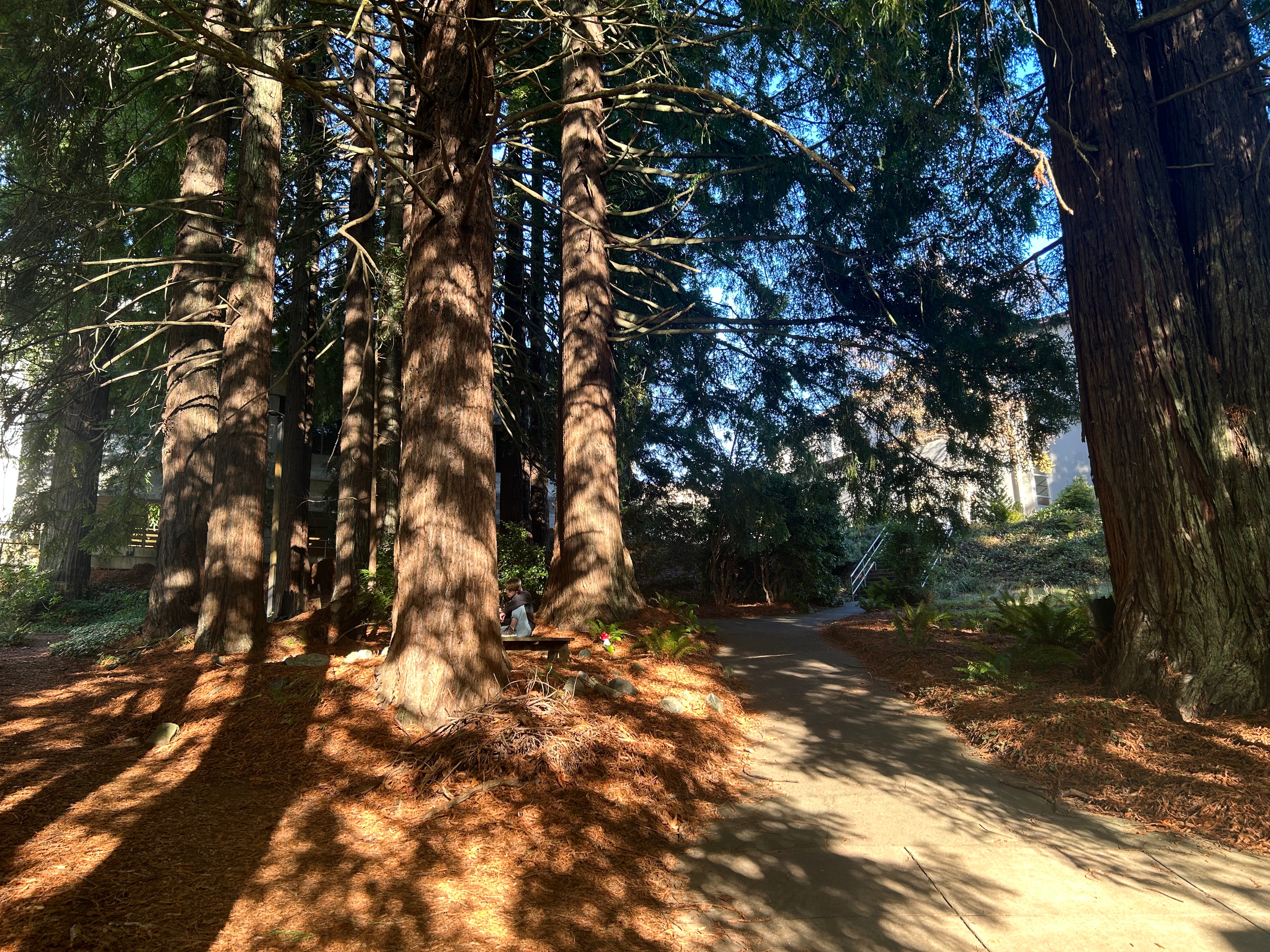
    In line with the landscaping plan for the empty hill, the university could benefit by allowing the surrounding forest ecosystem to return to its property. Coast redwoods, grand and douglass firs and sitka spruce conifers found in the Arcata Community Forest could provide cover for the array of underbrush genera that grow below. The shade would also preserve the low ambient temperature and moisture brought by the bay’s marine layer, enshrouding the school in the unique north coast climate it prides itself on. An environment fit for fruits and herbs like elderberry, black huckleberry, sorrel and skunk cabbage could supplement the popular foraging culture among students.

    Cal Poly Humboldt’s current natural landscape could be characterized by a generic hodgepodge of common garden plants. But walking a few minutes toward the hills gives a glimpse of what once was and what still could be.

    Nick is the news editor at The Lumberjack, and studies wildlife and journalism with the goal of spreading his love of nature through media. A famous recluse, he is rarely seen at social functions, but you might dig him up in a SAC lounge beanbag chair. Chat with him at ne53@humboldt.edu!

  • Going once, going twice, rock out!

    by Barley Lewis-McCabe

    Geologists, rock enthusiasts, big spenders – or a beautiful combination of the three —  saw the 51st annual Cal Poly Humboldt Geology Club Rock Auction on Friday, Dec. 5.

    Brooke Stafford, senior geology major and geology club president calls it a pretty big deal. 

    “The Geology Club mainly revolves around the rock auction,” Stafford said. “It’s an annual event that happens every year and many people look forward to it.” 

    Entering the green and gold room felt like a new world made with every rocker in mind. Every table was lined with a series of flat rocks to hold down the black tablecloth while white-hot, yellow lights beamed down, illuminating the crevices, nooks, crannies and beauty marks of every rock in the room. The walls were mostly glass and the room gave the feeling of being a geological specimen in a display case.

    Jay Putton, Humboldt State University (HSU) geology class of 1999 and 20 time rock auction participant, spoke on why he’s such a big rock bidder.

    “Well, I owe the geology department a lot for everything that I learned, and I want to give back to the geology department and all the students,” Putton said.

    The energy was unlike any other auction. Gone was the sentiment of victory at any cost, replaced by a friendly — albeit, competitive — race to see who could give the most money to the students and who wanted the coolest rock.

    Charlie Narwold, 2001 HSU geology masters program graduate, emphasized the importance of keeping the event friendly. 

    “Sometimes you have to pick and choose when you want to outbid somebody,” Narwold said. “You don’t want to just come in and outbid all the students that are trying to get on with something special. People that pursue geology can be very passionate about their work. I think that’s reflected in the attitude you see in the geology department [and] the geology club. I presume they still have a thriving geology club — looking at this attendance just attests to the fact that people are stoked.”

    Master of Ceremony, Bryce Hunt, announced the final item: a genuine ammonite shell.

     “This shell used to dominate the sea, and now, it’s encased in amber for your enjoyment,” Hunt said. 

    It didn’t take long for the bidding war to begin. 

    “115,” Hunt said, pointing to the crowd. 

    “120,” Someone shouted. 

    “130,” Hunt asked. “130! 145… 160, 165? 165.” There was the rare moment of silence. “Going once, Going twice.” 

    “170,” someone shouted. 

    The game was back on. Eventually they got up to $225, which broke the rock auction record. Local rock enthusiast Bob Angus was one of those outbid on the shell.  

    “It was such a great event,” Angus said. “These people really believe in this rock stuff.”

    Barley is the opinionated opinion editor, photographer and an untraditional reporter who focuses on social change and stories with a real human impact. If you’d like to reach the grooviest dude in the newsroom email bl258@humboldt.edu.

  • Fish of the Week: Heterodontus francisci

    Fish of the Week: Heterodontus francisci

    The Horn Shark, a misunderstood fish

    by Ariana Wilson

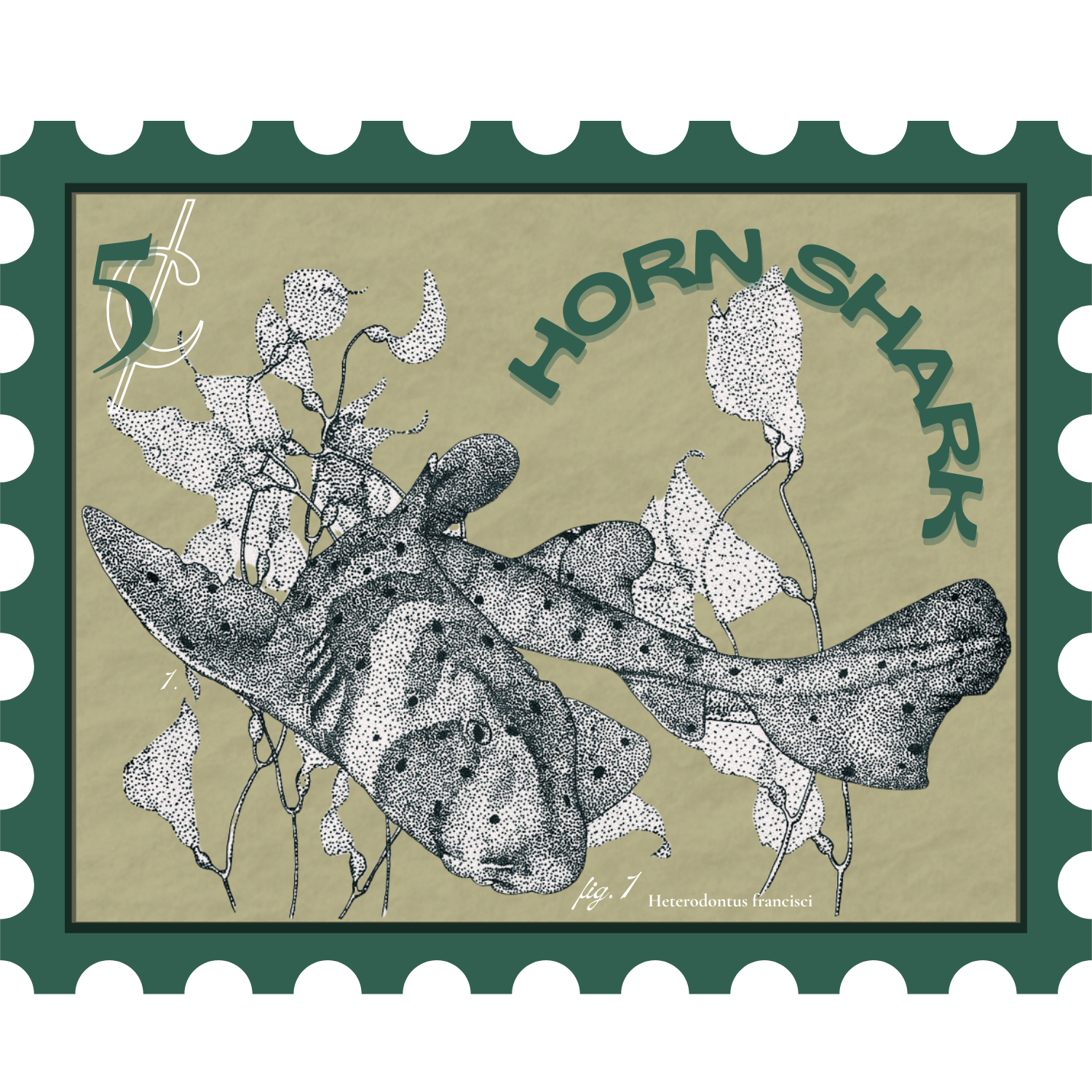
    Horn Sharks are solitary, slow-moving predators native to the temperate rocky reefs, algal beds and kelp forests of the Pacific Ocean from California all the way down to western Mexico. They are considered one of the smaller shark species and can grow to four feet long.

    The majority of their diet consists of clams, mollusks, small crustaceans and sea urchins — which are becoming increasingly abundant on California’s coast. Their mouths are on the underside of their body, positioned to sweep the seabed and crush the hard shells of crustaceans that they eat. Kelp forests provide critical ecosystems for many species and are facing decline due to sea urchins devouring kelp at unsustainable rates.

    Horn sharks are oviparous, laying between two spiral shaped eggs outside of their wombs, every 11-14 days typically between February and April, depositing up to 24 eggs in a single breeding season. Horn sharks can live up to 25 years in the wild and a little over a decade in captivity. Though, in the wild, these sharks roam a territory of approximately 10,000 square feet for their entire lives.

    They are not targeted by commercial or recreational fisheries, but they are sometimes caught as bycatch. According to the International Union for Conservation of Nature (IUCN) horn sharks are “data deficient,” meaning there is not enough information to determine their conservation status, but they are not currently a protected species or endangered. 

    Ari is a senior journalism major and the science editor this semester with an adoration for the environment and conservation. She plans to meld her journalistic passions with scientific research in the future through environmental communication. For any science inquiries, please contact ajw167@humboldt.edu.

  • Fish of the week: One in a hundred: a Blue Rockfish story

    Fish of the week: One in a hundred: a Blue Rockfish story

    Sebastes mystinus

    by Ariana Wilson

    As a west coast diver for over two years, the rockfish is one of the most prolific fish I’ve observed, from Washington State to Southern California. Blue rockfish can be seen as far North as the Bering Sea, West of Alaska and as far south as Punta Baja, Baja California, Mexico.

    The blue rockfish, or blue seaperch, is a species of marine ray-finned fish that live in shallow rocky habitats and reefs, feeding and, for some species, enjoying a lifelong game of hide-and-seek. Their life expectancy can reach up to a quarter of a century. Rockfish are primitively viviparous, meaning fertilization occurs internally, followed by a live birth of larval fish. 

    Blue rockfish spawn from late fall to early spring. As common and abundant as these species are, they are the prey to many other fish, seabirds, marine mammals and humans for recreational and commercial fishing. Fishing for blue rockfish is permitted statewide in California, not including Marine Protected Areas (MPAs); closures may also be applicable by depth and time of year.

    The California Department of Fish and Wildlife works with the National Oceanic and Atmospheric Administration Fisheries, Oregon, Washington State and the Pacific Fishery Management Council (PFMC) to oversee the sustainability of groundfish fisheries. Over 90 species of seafloor-dwelling finfish are included in a management plan implemented by the PFMC in 1982. 

    Blue rockfish are also managed under a state-specific plan called the California Nearshore Fishery Management Plan (NFMP), mandated by the Marine Life Management Act in 1998. 19 finfish species are included in the NFMP and 16 overlap in the GFMP.

    The California Nearshore Fishery Management Plan provides science-based strategies for long-term sustainability through implementing specific fishing efforts, allotting harvest between commercial and recreational harvest and protecting habitats through MPAs.

    Ari is a senior journalism major and the science editor this semester with an adoration for the environment and conservation. She is currently pursuing her scientific diving certification and plans to meld her journalistic passions with scientific research in the future. For any science inquiries, please contact ajw167@humboldt.edu.

  • A call to end wasteful pumpkin dumping

    A call to end wasteful pumpkin dumping

    by Nick Escalada

    In the olden days, the pumpkins sitting in your yard in October would usually be the same ones on your dinner table weeks later. In our era of store-bought pies and soups, many households face an awkward confrontation with their expiring porch decorations post-Halloween and rotting gourds end up lining neighborhood gutters without fail. There are several ways to repurpose or dispose of your pumpkins sustainably according to the folks at Green Spiral Farm located in the Arcata Bottoms. They run a vibrant pumpkin patch that’s just seen a few mushy outliers after a long season and some heavy rain.

    “The pumpkins themselves seem to last a month and a half, somewhere in that range — a little over a month, if they’re not carved,” said co-owner and operator of the Green Spiral Farm Chelsey Gagne. “I think it’s just good to wait the closer you can to Halloween, because you only have a couple weeks from that point.”

    If your pumpkin’s too old for eating, it’s still eligible for a second life. Proper composting and feeding to livestock are both good practices to keep those crops off the streets. 

    “You’ve got some great seeds in there. You can brine and roast those seeds, they’re an awesome snack; and with plenty of these varieties, you can certainly make a pie or a soup,” said co-owner Graham Gagne. “[Rotting pumpkins are] also great feed for pigs as well as chickens. A good compost pile does need to be contained to [prevent] rodents and pests from making a home there. But I recommend, if you’re interested in composting, to look into that. Look up some plans, maybe invest in a composting bin.”

    As wholesale farmers, the Gagnes make sure none of their leftover produce from the patch is wasted, supplying ranchers and buyers beyond their everyday visitors.

    “We like to connect with different community events that are happening close to Halloween that we can donate some of those pumpkins to, and make that last connection for people to use them in those last few days,” Chelsey said. “Beyond that, we’ve built a great relationship with an awesome family of pig farmers. They come out with their kids and their whole family load all these pumpkins up and feed them to all their pigs.”

    The saggy orange face festering on your doorstep each November might not look like much more than hot garbage, but Mother Nature sees it as a cache of potential. She urges you to treat it as such. 

    Nick is the news editor at The Lumberjack, and studies wildlife and journalism with the goal of spreading his love of nature through media. A famous recluse, he is rarely seen at social functions, but you might dig him up in a SAC lounge beanbag chair. Chat with him at ne53@humboldt.edu!

  •  Fish of the week: moray eels are fish too

     Fish of the week: moray eels are fish too

    The Muraenidae and November’s Coral Bleaching Awareness Month

    by Ariana Wilson

    November marks the beginning of Coral Bleaching Awareness Month. Organizations, conservationists and lovers of oceans and coral amplify the voice of the vast oceans to raise awareness about coral bleaching. Coral bleaching occurs when the organisms that give reefs life and color die due to rising ocean temperatures. Their white color is a ‘sign of surrender’ from the sea that humans need to take seriously. 

    “As ocean temperatures rise, corals face increasing stress that can lead to bleaching and loss of biodiversity,” Chair for Coral Reef and Ocean Health at the Harte Research Institute at Texas A&M Keisha Bahr said. “By raising awareness, we can inspire action to reduce human impacts and protect these vital ecosystems that support marine life and coastal resilience.” 

    A frequent visitor to some of these affected coral reefs is the Moray Eel. These elusive creatures call the shadows and crevices their home. There are over 200 different species of moray eel from shallow shores to deep seabeds, in both tropical and temperate marine environments. These apex predators are oviparous, meaning they lay eggs that hatch outside the womb, only mating when there is enough food and a stable habitat. Contrary to popular belief, not all eels are electric, but a bite from one of these fish is likely to cause infection due to the bacteria in their teeth. That being said, morays are not generally aggressive towards humans.

    Though most moray species are not endangered, with green and giant moray are listed as species of “least concern,” the coral reefs they depend on are under threat from climate change, pollution and overfishing. To take action and help combat your own footprint against coral bleaching, consider adopting a coral, practicing safe and responsible diving and snorkeling, using reef-safe sunscreen, recycling and properly disposing of waste. 

    Ari is a senior journalism major and the science editor this semester, with an adoration for the environment and conservation. She is currently pursuing her scientific diving certification and plans to meld her journalistic passions with scientific research in the future. For any science inquiries, please contact ajw167@humboldt.edu.

  • Official Botany club makes a comeback

    Official Botany club makes a comeback

    by Ryndi Greenwell

    For the past couple of years, there has been no official botany club on campus. STEM students like botany majors are often so overwhelmed with classwork that mingling with their peers can fall on the back burner. The new campus botany club has the goal to remedy that issue.

    While the president of the club is technically Holly Popplewell, a senior botany major, she emphasizes that the club structure is more like a council. She thinks that rather than a group with specific leaders, it would be better to ensure all club members feel they can contribute ideas equally. 

    “We go through all our classes hardly knowing any botany students. It can be hard to connect,” Popplewell said. 

    One of the first club meetings revolved around cutting and planting small succulent plants provided by club members, and the most recent meeting included a plant geography game. The club also wants to emphasize that non-botany majors are more than welcome to join. Club member Bianka Rodriguez, a third-year botany major, encourages plant lovers from all backgrounds to join. 

    “We just want to talk to people who have similar interests, plants are very fun!” Rodriguez said. 

    Not only do they chat and play games in this club, but they also plan to organize volunteer efforts and maybe have a section in the community garden. They also expressed interest in club outings, such as conference trips or even camping. 

    “We are hoping to do volunteer work, and get outdoors more,” Rodriguez said. 

    If someone has a green thumb, or wants it to be greener, the botany club welcomes them with open arms — no matter what one’s major or expertise level is.The club meets every other Friday from 4 p.m. to 5:30 p.m. in the Natural Resources building, room 201. Check out the QR code below for more information. 

    Ryndi is a reporter for LJ that also loves singing, cooking, and painting. Contact her rg315@humboldt.edu

  • Fish of the week: northern pike minnow

    Fish of the week: northern pike minnow

    Ptychocheilus oregonensis: the largest carp in North America

    by Ariana Wilson

    There is one fish that has been stressing scientists along the Pacific Northwest and Northern California — the unassuming pike minnow. Due to its approachable-sounding name, one may infer that it is a small fish no bigger than your hand. The largest reported northern pikeminnow according to the International Game Fish Association world record was seven pounds and 14 ounces. Its counterpart, the Colorado pikeminnow, is the largest North American minnow and is an endangered native of the Colorado River.

    It has not always been known by its current name. In 1999, the American Fisheries Society made a significant change. They renamed the four species from their original derogatory term to the more respectful ‘northern pikeminnow.’ This change was made to respect the cultural sensitivity of the Native American community, as the term was originally an ethnic slur for Native American women. 

    At around six years, female northern pikeminnow can reach sexual maturity and lay tens of thousands of eggs annually. Meanwhile, their male counterparts need only about half that time to mature. Northern pikeminnows are skilled predators, spending most of their time scouring the rivers along the west for salmon, which make up a large part of their diet. 

    Pikeminnows are native to California but not local waterways like the Eel River. In Pacific Northwest rivers like the Columbia River, the northern pikeminnow population has seen a significant increase with the development of the hydropower system. This system, while beneficial for energy production, has inadvertently provided an advantage for the pikeminnows over the already struggling salmon and steelhead populations, disrupting the ecological balance.

    Northern pikeminnows are of least concern according to the International Union for Conservation of Nature’s Red List of Threatened Species and are considered invasive in some areas.

    Ari is a senior journalism major and the science editor this semester, with an adoration for the environment and conservation. She is currently pursuing her scientific diving certification and plans to meld her journalistic passions with scientific research in the future. For any science inquiries, please contact ajw167@humboldt.edu.

  • Blue whales abound on their way south

    Blue whales abound on their way south

    by Nick Escalada

    Humboldt is a refuge for old-growth redwoods and progressive culture, as well as a seasonal pit stop for the largest animal on the planet. Blue whales are migratory marine mammals that occur in all the world’s oceans — except the Arctic — throughout the year. They convene with their grey and humpback cousins on the Northern California coast from late summer to early fall to feed, using their comb-like baleen plates to sieve krill and plankton from the water.

    “All baleen whales have two parts of their lives: one part where they’re feeding extensively, and then the other part where they hardly feed and give birth and breed and then come back and feed,” said researcher Dawn Goley, Director of the HSU Marine Mammal Education and Research Program. “The animals up here are feeding where the cooler water is, which is going to be the most nutrient-rich, and it’s going to be the most productive with krill.”

    The visiting whale community is en route to the warm lagoons of Baja California and Costa Rica to breed, fueling up for the journey in aggregations of 20 to 100 hunters. Goley and the Cascadia Research Collective are monitoring the pods with combinations of photo identification, suction-cupped satellite tags and aerial drone footage.

    “We take photos of their dorsal surface, of their little tiny dorsal fin, and that’s individually identifiable,” Goley said. “So, we’re trying to track the blue whales that we see here and see if they’re coming back every year. And we do have some that come back every year, that are that we’re familiar with, and then others that we aren’t that familiar with, but we keep track of them in a collaborative catalog that’s shared between groups.”

    Like many marine animals, behavioral data on blue whales is relatively sparse and scientists are still discovering new strange tendencies today. A major focus of Goley’s research is the methods the animals use to hunt the four tons of krill needed to sustain their up to 200-ton bodies. Her teams use special equipment to determine things like the structure of krill formations, how deep the whales dive and how quickly they turn.

    “They can look to see how whales are actually foraging in this sort of three-dimensional prey cloud under the surface,” Goley said. “And then you can have a drone overhead that is looking at sort of the dimensions of the school of prey. Sometimes you can see the krill at the surface. Sometimes you can’t, but you can see how the whale is moving and feeding on the prey down there.”

    Blue whales are currently listed as endangered by the International Union for the Conservation of Nature. The species has been on a steady rebound since the commercial whaling industry dissolved in 1966, but they continue to be threatened by warming ocean temperatures, which both diminish natal habitat and decimate krill populations.

    “They were really heavily hit by the whaling industry because they’re big and they’re kind of slow, and they were easily targeted by whaling,” Goley said. “But I think that they’ve been recovering really well.”

    A telescope at Sue Meg or another good vantage point might catch a breach from a humpback whale. Blue whales are more illusive, and require setting out on the water in a vessel for a good view. Krill feeding grounds can exist anywhere along the coast, but sightings often occur off of human-accessible harbors like Humboldt Bay, Trinidad and Crescent City.

    While most distinguishable by their enormous size, blue whales have comparatively slender bodies and tiny dorsal fins. They have mottled bluish-grey skin that can be hard to make out from the water from a distance, but a blubbery mass the length of two school buses is unmistakable otherwise.  Encountering a being of this stature might be intimidating, but it’s an increasingly rare honor in the scientific world.

    Nick is the news editor at The Lumberjack and studies wildlife and journalism with the goal of spreading his love of nature through media. Chat with him at ne53@humboldt.edu!

  • Fish of the Week

    Fish of the Week

    Oncorhynchus clarkii: the trout with many homes

    by Ariana Wilson

    The cutthroat trout is the state fish for several western states, including Idaho, Montana and Wyoming. There are 14 recognized subspecies of cutthroat trout, with distinct subspecies designated as the state fish for Colorado, Nevada, New Mexico and Utah.

    Cutthroat trout are typically found in well-oxygenated, shallow rivers and they reproduce in cold, deep lakes. They are native to alluvial or freestone streams, which in fly-fishing terminology refers to areas with loose gravel or sand. Some coastal cutthroat trout exhibit semi-anadromous behavior, living in both freshwater and saltwater environments.

    Fish hatcheries in Yellowstone National Park were established in the early 20th century to breed this game fish in waters that could support population growth. Approximately 818 million cutthroat trout eggs were distributed from Yellowstone to various hatcheries across the United States. 

    This fish, in all its variations, is a favored target for anglers — particularly fly fishermen. However, some subspecies are currently listed as threatened in their native habitats due to habitat loss and the introduction of non-native species — two of which  are now extinct. To aid in the native species restoration, cutthroat trout are raised in hatcheries and stocked in non-native lake environments to support recreational fishing.

    Ari is a senior journalism major and the science editor this semester, with an adoration for the environment and conservation. She is currently pursuing her scientific diving certification and plans to meld her journalistic passions with scientific research in the future. For any science inquiries, please contact ajw167@humboldt.edu.

  • Bringing plants to life: library’s interactive 3D herbarium

    Bringing plants to life: library’s interactive 3D herbarium

    by Carmen Ruiz Fernandez

    Among flight simulators and earthquake tables in the library’s Hall of Simulation, students can now explore an interactive 3D herbarium. There, they can bring plants to life like never before.

    Throughout September, interactive workshops were held every Monday on the library’s second floor to introduce students to the herbarium. Diego Rodrigez, organizer of the 3D workshop, said the events were important to remind students that the herbarium is available as a resource for classes or personal exploration, as well as to showcase its features. Currently, the herbarium contains approximately 86 plants, but the number continues to grow daily, and Rodriguez can already see the impact of integrating it into science classes.

    “I already see science changing the way it is taught,” Rodriguez said. “Most of the participants who come to this workshop are part of wildlife classes. I can expect it to be integrated with some of the teaching methods from professors here about how to get students to interact with new technologies that might be beneficial for them in learning specifically about plants.”

    The idea for the herbarium originated as a final project idea for a software engineering class three years ago. Cyril Oberlander, the library dean, and Dr. Shereen Bogles, professor of software engineering, proposed that the class of 2022 software engineering students create an interactive kiosk similar to the library’s other kiosks, but this time focusing on plants. AJ Bealium, now head of the 3D herbarium team and the project’s only programmer, was one of the students assigned to that project. 

    After completing the project and graduating, he realized the herbarium’s potential and decided to continue with it. He hired and trained a student assistant to make the 3D models, which have undergone many modifications since they first started. However, Bealium is determined to continue improving the project, as he takes pride in it being one of the first of its kind in the world.

    “We’ve evolved the process quite a bit,” Bealium said. “Over the course of the project, we’ve developed our own protocol and our own workflow to make the 3D models that exist nowhere else in the world, because nobody else does what we do yet.”

    Hunter T. Philips, one of Bealium’s student employees, started working on the 3D herbarium last summer and handled the entire process of photographing and uploading plant models to the database. The process involves several steps: first, he and his co-worker go into the forest in search of a collection of specimens. Then they bring them to a room to photograph them on a rotating table, taking roughly 300 photos from multiple angles. After that, they upload all the photos through a program that converts images into a 3D model in about two hours. For the final step, Phillips goes into another app called Blender and refines the models to ensure they are accurate and visually clear.

    Phillips sees the 3D herbarium as a forward-thinking way to preserve plants digitally and its innovative approach has already made it a popular resource for students online.

    “It’s cool to say that I’m the only one in the world that has my job,” Phillips said, “I know our sites are really big in other foreign places, as our website receives a lot of views from countries like China and India, where I guess these plants aren’t accessible. It’s nice to have a unique form of storing knowledge, just as it’s cool to go around and look at the models.”

    Carmen is a freshman journalism major whose passion is to write stories for newspapers. She is a writer and photographer, and likes to read and take walks through the forest in her free time. She can be reached at cr433@humboldt.edu 

  • Sporegasm blends mushrooms with music

    Sporegasm blends mushrooms with music

    by Nick Escalada

    Environmentalism isn’t quite the first word in independent rock, but a group of Cal Poly Humboldt STEM undergrads seem to disagree. Meet Sporegasm, a band of natural sciences students who have shaken up the Humboldt scene for years by infusing a passion for the outdoors into unique blends of music.

    Ecological restoration seniors Brandt Porteous and Jack McCann and senior forestry major Mark Ortiz have all known one another since 2022, as roommates and former bandmates. McCann was president of the Mycology Club back then, and an idea to form a mushroom-themed band sprouted from their shared nature-oriented vocations.

    “There’s a mycologist, his name is William Padilla Brown and he’s known for breaking ground on cultivating the Cordyceps mushroom,” said McCann, the band’s guitarist and vocalist. “He talked about a ‘sporegasm,’ you know, just kind of like in a fun context. And that word stuck with me — I just thought it would be a good band name.”

    The band played their first gig in December of 2022 for a fundraiser by the Department of Environmental Science & Management at the Redwood Curtain Brewing Company, which invited them back after a successful debut. Since then, the musicians have experimented heavily with compositions and fine-tuned them to adopt an identity they call, “mushroom rock.”

    “Well, I would say [it’s] just bluesy rock,” said Ortiz, a bassist. “There’s a lot of jam involved, I think, in certain sections of our shows, but mostly bluesy rock, maybe psychedelic rock.”

    “I think it’s just kind of a whimsical vibe,” McCann added. “Learning about mushrooms, you can start to get a little bit out of the mainstream, and start to see things from a different perspective.”

    The artists shared their gratitude for the platform they’ve gained on campus and in the broader community from their few years in action, and how they’ve prioritized using it to shed light on issues they care about. In the spring of 2024, they appeared at midnight on the protest-occupied quad to lift the spirits of demonstrators.

    “[We wanted to] inspire people and make people stand up and keep going throughout the night. Bring up the morale, get rid of the paranoia,” said Porteous, keyboardist and vocalist. “It’s like everyone just has this threat over their head of people coming from wherever to beat on them, and everyone was there just because they love people. So, it was cool. It felt special.”

    Porteous is particularly invested in the way nature is integrated into Humboldt’s campus. The keyboardist is an advocate for the university to better embrace the temperate rainforest biome that surrounds its concrete halls.

    “I know on Humboldt’s campus there is an attempt to integrate it, but I think we could do it 10 times better,” Porteous said. “ I think, in the world in general, if we integrated native plants and native ecosystems into the infrastructure that we use on a day-to-day basis, that we would preserve and protect and restore a future that is much more livable for us and for all the other creatures on the planet.”

    The band has been on an indefinite hiatus since the middle of this year, with their drummer Kai Derego Frankel working in Paraguay for the Peace Corps. The members have recently begun exploring their group identity, hoping to emphasize a, ‘who is Sporegasm?’ message in their next public appearance.

    “It’s not like we don’t keep in touch. These are some of my closest friends,” Ortiz said. “We always hang out. We’ve gotten naked together, platonically. We’re just really close buds, and if there’s an opportunity, I’m sure we’ll all be interested.”

    Nick is the news editor at The Lumberjack, and studies wildlife and journalism with the goal of spreading his love of nature through media. A famous recluse, he is rarely seen at social functions, but you might dig him up in a SAC lounge beanbag chair. Chat with him at ne53@humboldt.edu!

  • Fish of the Week: the chinook salmon

    Fish of the Week: the chinook salmon

    Oncorhynchus tshawytscha: the fish king of the “Beaver State”

    by  Ariana Wilson
    This week, we welcome an out-of-state finned friend from the North — Oregon’s state fish, the chinook salmon. The most significant and valuable species of Pacific salmon, with its common name originating from the Chinookan peoples. Known by many other names, including king salmon, quinnat salmon, spring salmon, blackmouth, and tyee salmon.

    These salt and freshwater dwellers are native to the North Pacific Ocean and the river systems of western North America, from California to Alaska, as well as rivers in Asia, from northern Japan to northeast Siberia. After hatching, these salmon typically spend one to eight years in the ocean before returning to their home rivers to spawn. Chinook salmon spawn in larger and deeper waters compared to other salmon species and can be found on their spawning nests from September to December.

    Last year’s historic dam removal project on the Klamath River has resulted in a flourishing population of chinook salmon in Oregon’s river basin. The last time chinook salmon were seen in the Klamath was in 1912, over 100 years ago.

    According to the National Oceanic and Atmospheric Administration, the chinook salmon population along the California coast is experiencing a decline due to overfishing, habitat loss in freshwater and estuarine areas, hydropower developments, unfavorable ocean conditions, and various hatchery practices.

    For sport anglers, a large chinook salmon is a prized catch.These fish are known for their nutritional value, although some populations of chinook salmon are endangered, many others remain secure. The species has not yet been assessed for the International Union for Conservation of Nature Red List. 

    Ari is a senior journalism major and the science editor this semester, with an adoration for the environment and conservation. She is currently pursuing her scientific diving certification and plans to meld her journalistic passions with scientific research in the future. For any science inquiries, please contact ajw167@humboldt.edu.

  • How to stay safe on a skunky campus

    How to stay safe on a skunky campus

    by Nick Escalada

    Ask any campus-dwelling Cal Poly Humboldt student what kind of wildlife they spot at night, and nine answers out of ten will be none other than the humble striped skunk. Mephitis mephitis is a common sight across North America, easily identified by their bushy tails and distinct white V-shaped stripe along their backs. These nocturnal omnivores primarily feed on insects, but have been known to diversify toward eating vegetable plants and small reptiles, amphibians, mammals, and aquatic invertebrates.

    Of course, the biggest cause for human concern within these animals is their ability to spray foul-smelling musk from their posterior scent glands when threatened. This tactic is a last-resort defense mechanism a skunk will likely only employ if you’re going out of your way to push its buttons. However, the forest-adjacent spaces across campus and greater Arcata see a lot of overlap with the home ranges of local skunks, so Humboldt students are at slightly greater risk of coming face-to-face with a skunk’s caboose.

    The best way to avoid a skunk spray dowsing is to avoid an encounter altogether. Keep your night hikes in the Community Forest to a minimum, and stick to well-lit, paved pathways after dark. While technically carnivorous, skunks aren’t known to pick fights with animals larger or equal in size, so you shouldn’t worry about getting chased down.

    The worst thing to do in a run-in is making the skunk feel like it’s backed into a corner. In cases where this somehow happens by accident, it might hiss or stomp before turning its back to you and raising its tail. Treat this less as a panic signal and more as a generous warning. The skunk will not spray a drop unless you give it reason to, so remove yourself calmly and slowly to avoid escalation.

    You’ve read this far, so you’re probably still afraid of getting stinky. The only safety-related point to remember when getting sprayed is to close your eyes, as the oily musk can cause a burning sensation with direct contact. In regards to treating that putrid odor, perhaps you’ve heard of the tomato paste bath method. While this isn’t mere myth, it’s far from the neatest and most cost-effective way to remove the stench.

    Skunk smell is characterized mostly by the sulfur-based thiols in the musk, which can be neutralized through oxidation. You should attempt this first by showering with deodorizing soap and oil-dissolving shampoo. If this doesn’t work — it probably won’t for a direct hit — soak for half an hour in a baking soda bath, and treat your stained clothes with a baking soda and hydrogen peroxide solution.

    Skunks have developed a stigma among people for their one unflattering ability, but the extent of fear attached to the family seems unwarranted. Like most misunderstood nocturnal hunters, skunks are more afraid of people than we are of them, and peaceful coexistence with our woodland neighbors is possible if we see them for who they are.

    Nick is the news editor at The Lumberjack, and studies wildlife and journalism with the goal of spreading his love of nature through media. A famous recluse, he is rarely seen at social functions, but you might dig him up in a SAC lounge beanbag chair. Chat with him at ne53@humboldt.edu!

  • COVID strikes again! What to do?

    COVID strikes again! What to do?

    By Nick Escalada
    Ever since a deadly coronavirus strain swept the globe in 2020, mankind has grown more health-conscious in wildly different ways, from vaccine abstinence to varying degrees of germophobia.

    In recent years following the original outbreak and the development of vaccines, COVID-19 has diminished conceptually from a world-threatening plague to a passing nuisance for most healthy people. Like all viruses, though, it is extremely volatile, and lingering variants still mutate, spread and sicken entire communities seemingly out of the blue.

    So far in the post-pandemic era, Cal Poly Humboldt appears to be a breeding ground for a new variant each fall. With much of the student body returning from travels abroad, those laying ill as classes start will likely not be scratching their heads at the cause.

    Missing out on course overviews and forming study groups does not often spell success, so taking caution around late August and early September has become a yearly ritual. 

    The best way to maintain good health amid a COVID-19 outbreak is to prevent contracting the virus altogether. Wearing an N-95 face mask in crowded lecture halls gives protection from airborne particulate and droplet pathogens. Taking vitamin C packets and other immune support supplements adds extra security, and avoiding unnecessary social gatherings removes a lot of risk.

    According to the CDC, the symptoms of COVID-19 include fatigue, headache, sore throat, occasional fever, cough and congestion. Testing is always advisable upon experiencing any of these, and test kits are available for 20 dollars in the health & wellness vending machines on campus and occasionally for free at Oh Snap. 

    If a test comes back positive, the California Department of Public Health recommends an isolation period of around 5 days. A fever wearing off and symptoms improving isn’t bold confirmation of the virus’s absence, and it may have just entered a mild but still contagious state. Testing again just in case is never the wrong move.

    Whether life-threatening or not, COVID-19 sucks, and taking measures to alleviate symptoms eases the mental toll while riding the sickness out. Ibuprofen or acetaminophen of any brand will reduce those fevers and splitting headaches, and over-the-counter mucus relief should free up congested airways.

    At a time where navigating campus can feel like a disease-riddled game of survival, consulting an expert is in one’s best interest. The clinic in the Student Health Center provides information, resources and basic medical services at no cost to students.

    Nick is the news editor at The Lumberjack, and studies wildlife and journalism with the goal of spreading his love of nature through media. A famous recluse, he is rarely seen at social functions, but you might dig him up in a SAC lounge beanbag chair. Chat with him at ne53@humboldt.edu!

  • Cal Poly Humboldt’s Rangeland Resource Science becomes first accredited program in California

    Cal Poly Humboldt’s Rangeland Resource Science becomes first accredited program in California

    By Mia Costales

    Cal Poly Humboldt has made history as it becomes the first university in the state of California to earn an accreditation from the Society for Range Management (SRM) for the rangeland resource science (RRS) program. The program is now one of only 15 schools globally to earn this accreditation.  

    The rangeland resource science program at Cal Poly Humboldt is a science-based major with an emphasis on botany, soil science and rangeland management of natural resources. The program offers a hands-on approach to local land management and grants students the opportunity to work with ranchers, conservationists, tribes, government agencies and Arcata’s local community at large. 

    Justin Luong, an assistant professor in rangeland science and management at Cal Poly Humboldt, provided insight into some of the activities the program provides.

    “Every year, the RRS program students have the opportunity to travel to the Society for Range Management where we compete in competitions related to plant identification and rangeland management,” Luong said. “The Range and Soils Club is a great student community that also further showcases career opportunities, resume workshops and relevant guest speakers. We are a great major for anyone who loves to be outdoors and work with plants, soils or animals.”

    Earning the SRM accreditation elevates Cal Poly Humboldt’s status and credibility. It also gives the program graduates an advantage when entering the job market. 

    According to the SRM website, “Granting of the status of ‘Certified Professionals in Rangeland Management’ by the Society for Range Management signifies that the individual so designated has met the basic qualifications to do professional work in this field and has not been found to engage in unprofessional conduct.” 

    If a university desires this accreditation, they must first contact the SRM Executive Vice President for evaluation. The evaluation consists of meeting specific criteria, as well as an on-site visit by the SRM Program Accreditation Committee. There are seven accreditation standards that a university must meet in order to earn this title. Some of these standards include having a required curriculum, assigned academic advisors, faculty adept at teaching rangeland courses and suitable field instruction facilities. 

    “During our accreditation specifically, I organized a community dinner which included our local ranchers, land managers, university officials and Range and Soils Club Officers,” Luong said. 

    Luong noted that many local community businesses such as Jersey Scoops, Cattlewomen’s Association, Sigma Xi, Moonstone Crossing Winery, Septentrio, Eel River Brewery and Humboldt Distillery offered donations to the program. 

    The accreditation took effect with the beginning of this fall semester. As for the future of the RRS program, faculty and students anticipate further support from the university.

    “The accreditation bestows greater credence to our rangeland degree,” Luong said. “Often employers may prioritize people with degrees from accredited programs compared to the same degree from another university without accreditation. In addition, this helps further connect Cal Poly Humboldt with 14 other accredited programs across North America to provide additional opportunities and connections for students.”

    Many RRS students also recognize the benefits of an accreditation and the competitive edge it will give their degree. Sage Brislen, a senior RRS major, stressed the importance of rangeland sciences and how RRS can be applied to many different types of environmentalism. 

    “I think a range and soils B.S. is really practical,” Brislen said. “It can be applied to almost all environmental work, but having a niche makes you a more desirable or interesting candidate. Rangelands are some of the broadest yet most degraded environments in the world; we need more people studying them.”

    Mia is a journalism major and the Editor in Chief of The Lumberjack. She hopes to give a platform to underrepresented communities through her writing and provide the public with thoughtful and informed stories. In her free time she enjoys cooking, reading and playing her violin. Contact Mia at mdc140@humboldt.edu

  • Fish of the Week: green sturgeon

    Fish of the Week: green sturgeon

    The species that made a girl start swimming with the fishies.

    By Ariana Wilson

    We stopped at a rest stop in Washington for the first time in what felt like a million years. Little did I know, that last stop of our cross-country roadtrip would alter my brain chemistry so much that it’d inspire a story in the Lumberjack. 

    The green sturgeon. 

    I was convinced that this fish could have swallowed me whole, and you would have been hard-pressed to change my mind that this magnificent fish was not, in fact, a shark. Looking back on my youth, this could also be the origin for my love for the ocean and scuba diving. Green sturgeon are anadromous fish meaning, like me, they can live or dive in both fresh and saltwater.

    Twenty-seven species of sturgeon can be found in the Northern Hemisphere, with two that migrate along the west coast: the green sturgeon and the white sturgeon. The green sturgeon was first discovered in the San Francisco Bay in 1857. The white sturgeon was first scientifically observed in California in 1967.

    These fish are gentle giants, taking time to reach sexual maturity around age 15 and living up to 60 to 70 years old. If you’re lucky, you may see an occasional green sturgeon in Humboldt County. Students in the fisheries and wildlife department are currently conducting research on their presence and activity in our local waters. 

    These fish are often compared to sharks. While the two do share similar features, alas, sturgeon have some key differences — their lack of teeth, the ability to use their flexible “lips” to suck up food, and their skeleton which is composed of cartilage and a series of external plates called scutes, to name a few. Throughout their complex lives, green sturgeon will spawn multiple times and return to their home rivers every three to five years. 

    Green sturgeon’s numbers have been rapidly declining due to anthropogenic harvest and destruction of spawning habitat. This prevents the reproduction of their offspring from leaving the rivers they are spawned in to explore the wide expanse of the ocean. With researchers and grants, Humboldt students can be active participants in sturgeon’s increasing population in Northern California.

    Ariana Wilson is an incoming senior staring down her last year of undergrad. As a journalist and budding scientist borrowing words from Einstein, “The important thing is to never stop questioning.” With that, I am oFISHally done with this semester.