The Lumberjack


Students Serving The Cal Poly Humboldt Campus and Community Since 1929

Tag: Benjamin zawilski

  • The “Chinese Virus” and the Social Disease

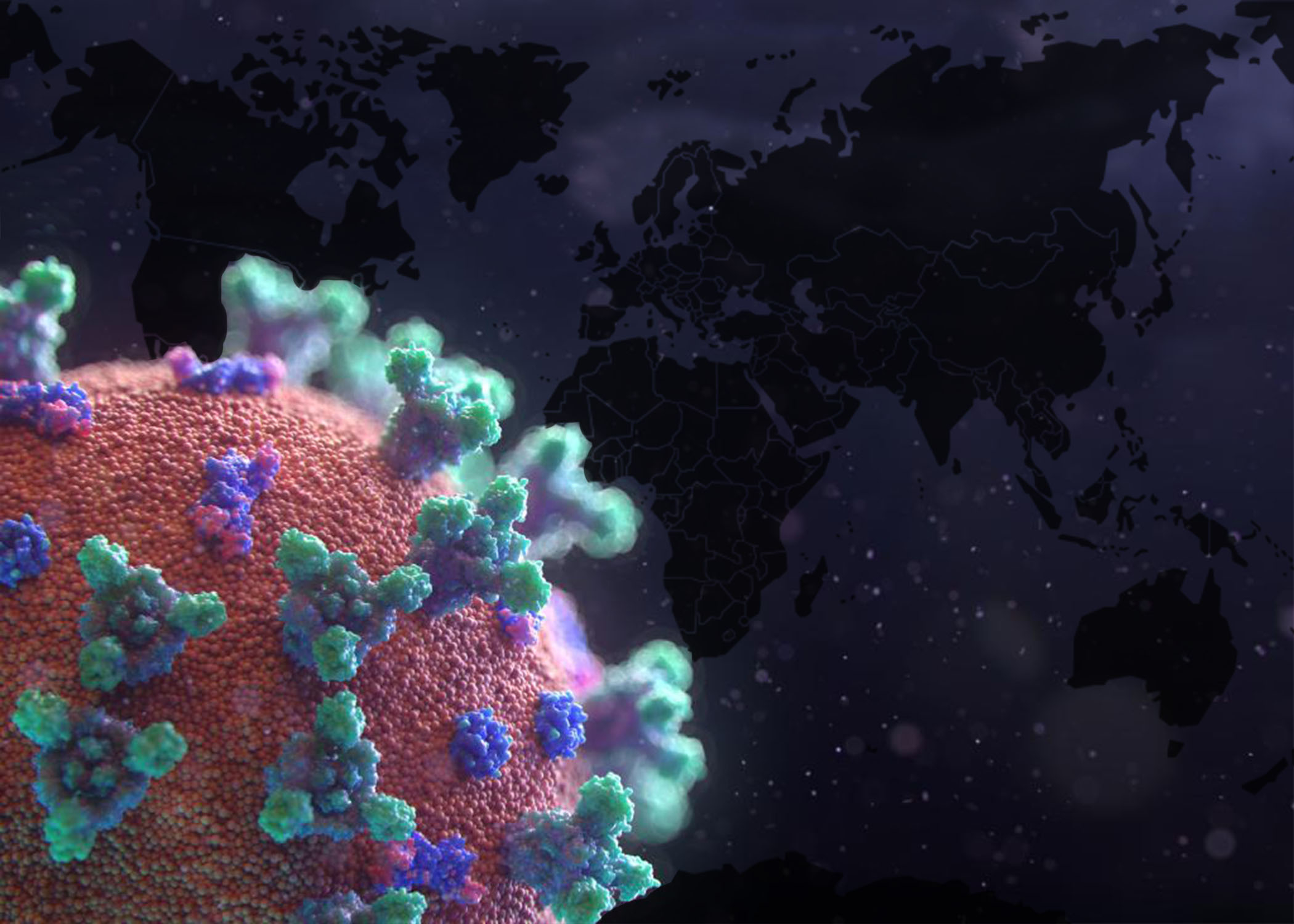
    The “Chinese Virus” and the Social Disease

    No one person is to blame when millions of people are at risk

    A cultural perception of coronavirus has been under scrutiny for people’s repeated insistence on referring to it as “Chinese virus.” This became known when a photographer shared a photo they took of Donald Trump’s script at a press conference March 19, which showed the word “corona” crossed out and replaced with “Chinese” above it.

    The World Health Organization has guidelines that diseases should not be named after geographical locations, partially in response to the consequences of disease names such as Spanish flu, Rift Valley fever or Singapore virus.

    These guidelines were first announced in 2015, with the reasoning that there are numerous other ways to refer to the name of a disease easily without identifying a specific place. One example is the SARS virus, which “avoided stigmatizing any place or any person. And then because of the acronym SARS, it also gave the media and everybody an easy way to refer to the disease.”

    Unfortunately, even outbreaks in recent years are given names such as Ebola, which is the name of a river in Congo, or swine flu, which indirectly blames an entire species of animal.

    When we call illnesses Singapore virus, Chinese virus or swine flu, it shifts the focus away from combating the outbreak and toward the myth that some place or group of people must be at fault for a problem that affects millions of people.

    Those arguing in favor of naming diseases in this manner will cite its supposed “accuracy,” and push back against the suggestion that it might be racist. Senator John Cornyn defended referring to it as the Chinese virus.

    “China has been the source of a lot of these viruses like SARS, like MERS and swine flu,” he said.

    “We’re talking about China, where these viruses emanate from,” he later said.

    Despite what Cornyn and others might claim, citing other examples of names that refer to people or places does not excuse continuing to use the same practice. Naming diseases like this serves as a means of ostracizing people.

    Numerous reports of violent attacks, both verbal and physical, against Asian-Americans occurred in the past few weeks, perpetrated by those who buy into the idea that China has to serve as the scapegoat for this outbreak. Identifying one group of people to blame for a pandemic only serves as a form of fearmongering and reinforces racist ideas among Americans.

    When we call illnesses Singapore virus, Chinese virus or swine flu, it shifts the focus away from combating the outbreak and toward the myth that some place or group of people must be at fault for a problem that affects millions of people.

    Even if a specific source for this pandemic does exist, dwelling on that serves little purpose when the problem is this widespread. It absolves the U.S. government of much of their responsibility to protect their citizens, which they need to be held accountable for.

    Violating World Health Organization policy and reinforcing outdated racist practices that should never have been practiced to begin with will not end this pandemic any sooner, nor make dealing with it any better. The only people that benefit from such ideas are those who do not understand that we are all at risk and need to be taking action, the same as everyone around us.

  • Here’s What The Lumberjack is Watching, Reading, Playing and Doing

    Here’s What The Lumberjack is Watching, Reading, Playing and Doing

    Some unedited recommendations and brief reviews from some of our staff


    Life and Arts Editor Grace Caswell

    What I’m watching:

    Just finished “Tiger King.” It’s the most ridiculous and unbelievable show I’ve seen yet with a surprising amount of depth.

    What I’m reading:

    “Noam Chomsky” by John Lyons.

    What I’m playing:

    None :/

    What I’m listening to:

    Lots of new music is being released but right now Toro y Moi and Jhene Aiko.

    What else I’m doing:

    Yoga and meditation has been a go to as well as cooking healthy foods. Anything to keep my mind at ease and health immunity high.


    Managing Editor Chelsea Wood

    What I’m watching:

    I’ve been watching the final season of “Schitt’s Creek” which has been a bittersweet reflection of the last five seasons.

    What I’m reading:

    I’ve been reading more of a book I started last summer. It’s called “The Spaceship Next Door” and it about a teenager who grew up in a small town where a spacecraft crashed years ago but never left.

    What I’m playing:

    Minecraft. I trash talked this game as a teen, but it’s amazing and I love creating things on it. It’s extremely entertaining and relaxing.

    What I’m listening to:

    I’m listening to lots of downbeat songs—music that soothes the soul with catchy beats. Just stuff to satisfy this melancholy phase I’m swimming through.

    What else I’m doing:

    I picked up an old hobby, basket weaving. It’s a relaxing and simple task that yields a useful item. And no that’s not a BS excuse, basket weaving is the shit.


    Editor-in-Chief James Wilde

    What I’m watching:

    I just finished season three of “Ozark.” It’s a crime drama with superb characters and writing that had an unexpected depiction of mental illness that probably hit a little too close to home and (full disclosure) made me tear up.

    What I’m reading:

    I just finished “Why Time Flies,” by Alan Burdick, a fun little foray into the way we think about time. Next up: “The Glass Hotel,” by Emily St. John Mandel.

    What I’m playing:

    Call of Duty: Warzone with my brother and some friends. I hate the premise of Call of Duty and, you know, shooting people, but as long as I ignore that it’s lots of fun.

    What I’m listening to:

    Kind of all over the place, which isn’t out of the ordinary. Indie stuff to hip hop to alt rock to electronic stuff to jazz to whatever else. Oh, and random Tiny Desk Concerts.

    What else I’m doing:

    Walking or going on runs to get out of the house. Drowning in schoolwork. Lying on the floor.


    Opinion Editor Alexis Parra

    What I’m watching:

    “Gentrified”- A show that hits home for people of color. “Tiger King”- A cult war in the world of big cats.

    What I’m reading:

    “Z: The Beginning of Everything”- the untold story of Zelda Fitzgerald and beautifying her life.

    What I’m playing:

    None.

    What I’m listening to:

    My playlist on LJ- All of my favorites songs and energy that I carry into one playlist. “La Platica”- A bilingual podcast where the host is funny and talks about dumb shit and real shit.

    What else I’m doing:

    Painting. Make-up. Face masks. Talking to my family. Getting creative while also taking care of my skin and keeping in touch with my loved ones.


    Sports Editor Thomas Lal

    What I’m watching:

    “Drive To Survive,” a super fun look into the 2019 F1 season with the dramatic thrills and spills to match!

    What I’m reading:

    “Permanent Record” by Edward Snowden. An intriguing and somewhat terrifying read.

    What I’m playing:

    The Witcher 3. This game has consumed my life. Loving the story and exploring the world.

    What I’m listening to:

    So much music, mostly ska, punk and jazz along with the “Every Little Thing” podcast.

    What else I’m doing:

    Being sad without any sports to watch.


    Web Editor Seth Finnegan

    What I’m watching:

    “Community.” The always funny comedy about students at a community college.

    What I’m reading:

    None.

    What I’m playing:

    Dead Rising and MLB The Show 19. Filling the sports void with hitting baseballs and zombies with baseball bats.

    What I’m listening to:

    The “Adventure Zone” podcast. Three brothers and their dad play D&D together.

    What else I’m doing:

    Learning to play darts. It’s very frustrating but very fun!


    Video Editor Benjamin Zawilski

    What I’m watching:

    The filmography of David Fincher and Hayao Miyazaki, and “The Good Place” on Netflix.

    What I’m reading:

    Rereading “Peter and the Starcatchers” by Dave Barry and Ridley Pearson, which was one of my favorite book series as a child

    What I’m playing:

    Overhearing my sister play Animal Crossing.

    What I’m listening to:

    The film scores of Mark Mancina, Alexandre Desplat, and James Newton Howard.

    What else I’m doing:

    Hiking at least five miles a day, sometimes up to seven, and have done a considerable amount of housecleaning.


    Reporter Deion Alston

    What I’m watching:

    “Coffee & Kareem.” Cop dates kid’s mother and him and kid (Kareem) uncover a conspiracy of dirty cops.

    What I’m reading:

    Haven’t been reading books tbh, but a lot of news article pertinent to sports, COVID-19, crimes etc.

    What I’m playing:

    Fortnite and NBA 2K 20. Fortnite is a shooting game and 2K is professional basketball at your finger tips.

    What I’m listening to:

    For podcasts, I listen to “Up in Smoke” hosted by two former NBA players, Matt Barnes and Stephen Jackson. It’s very interesting—great interviews and guests as well. For music I’m listening to a lot of Lil Uzi, G Herbo, Tory Lanez. So basically rap, hip-hop and R&B.

    What else I’m doing:

    I’m cooking a lot more—takes time up in the day. Do my 250 push-ups everyday and step-ups for some cardio. And occasionally throw the football in the drive way.


    Reporter Dakota Cox

    What I’m watching:

    “Seinfeld” & “Empire.” “Seinfeld” is a wonderful waste of time. “Empire” is a must-binge, cutthroat musical.

    What I’m reading:

    “Hurricanes” by Rick Ross is a fairly generic success story in terms of rapper autobiographies. “The Alchemist” is an extraordinary journey of the body, mind and soul.

    What I’m playing:

    Animal Crossing; don’t ask questions, go pick up the game!

    What I’m listening to:

    Going back and forth between oldies and hip-hop, gotta keep the serotonin up. Michael Jackson, Bob Marley and The Beatles are timeless, go listen! Gambino got the best album of 2020, @ me!

    What else I’m doing:

    Slipping out of sanity; would not recommend. Get a mask-on walk in when the sun shows it’s face; I like to play a little game called guess the gang members.


    Reporter Sarah Blunt

    What I’m watching:

    I just finished “I am not okay with this.” It was a really good show with short episodes that have a lot going on in them. 10/10. I also just recently watched “Freedom Writers.” That one was really good and empowering, also took place in Long Beach (where I’m from) so that was relatable (kind of).

    What I’m reading:

    “Looking for Alaska.” I’ve already seen the show on Hulu but I realized I had the book. So far it’s really good and John Green (the author) writes really descriptively so I never feel bored when I’m reading it.

    What I’m playing:

    None.

    What I’m listening to:

    Tons of music. Nothing in particular just going through my music apps and looking for things I haven’t heard before, or even music from shows i’ve watched that I liked the soundtrack. That’s most of what I spend my free time doing.

    What else I’m doing:

    Lately I’ve been taking bike rides alone just to get fresh air and not be stuck in the same surroundings. I never ride bikes but lately it’s just been a really nice way to get out the house but also keep my social distance from others. 10/10


    Reporter Ivan Ramirez

    What I’m watching:

    “Castlevania,” the show. “Mewtwo Strikes Back: EVOLUTION,” the movie.

    What I’m reading:

    Marcy Burstiner’s Investigative Reporting Book.

    What I’m playing:

    None.

    What I’m listening to:

    Psytrance, Electronic Dance Music, Drum & Bass, Electronic Rock.

    What else I’m doing:

    Meditating, talking to people on Discord, Instagram.


    Reporter Alberto Muro

    What I’m watching:

    I have started watching the Amazon Prime series “The Boys.” It has an interesting take on superheroes proving that not all of them are super. It’s a world where super heroes exist, now imagine their lack of empathy for saving people.

    What I’m reading:

    Currently reading through my textbooks so that I don’t fall behind on homework.

    What I’m playing:

    I am currently playing the remake of Resident Evil 3 which has updated graphics and character development.

    What I’m listening to:

    I am listening to the “Tinfoil Hat” podcasts since conspiracies take my mind on a wild ride

    What else I’m doing:

    I have transitioned from a student using critical thinking to an essential asset during a global pandemic thus turning me into a critical drinker.
  • 5 Dystopian Films to Watch Now That You Now Live in One

    5 Dystopian Films to Watch Now That You Now Live in One

    Lock yourself indoors and pretend these films are strictly fiction

    With a deplorable excuse of a federal administration lying through their teeth about having the situation under control, it’s starting to feel like the world is descending into the plot of an apocalyptic or dystopian film. Fortunately, there are quite a few films to compare with the current state of the world.

    1. Equilibrium (2002)

    “Equilibrium” is a brilliant 2002 futuristic thriller starring Christian Bale in a fascist police state mandates daily medication that eliminates all feelings. “Sense offenders” that refuse their medication are rounded up and disposed of in ovens, and books and other forms of media that might inspire emotion are burned. Subtlety is not this film’s forte, but that’s to be expected when it also boasts brilliantly-staged action sequences where Christian Bale uses his guns as all-purpose weapons. It’s “The Giver” meets “1984” meets “The Matrix.” The fighting style is referred to as “gun-kata,” and its efficiency and balance reflects the tightness of the film’s storytelling.

    2. Snowpiercer (2013)

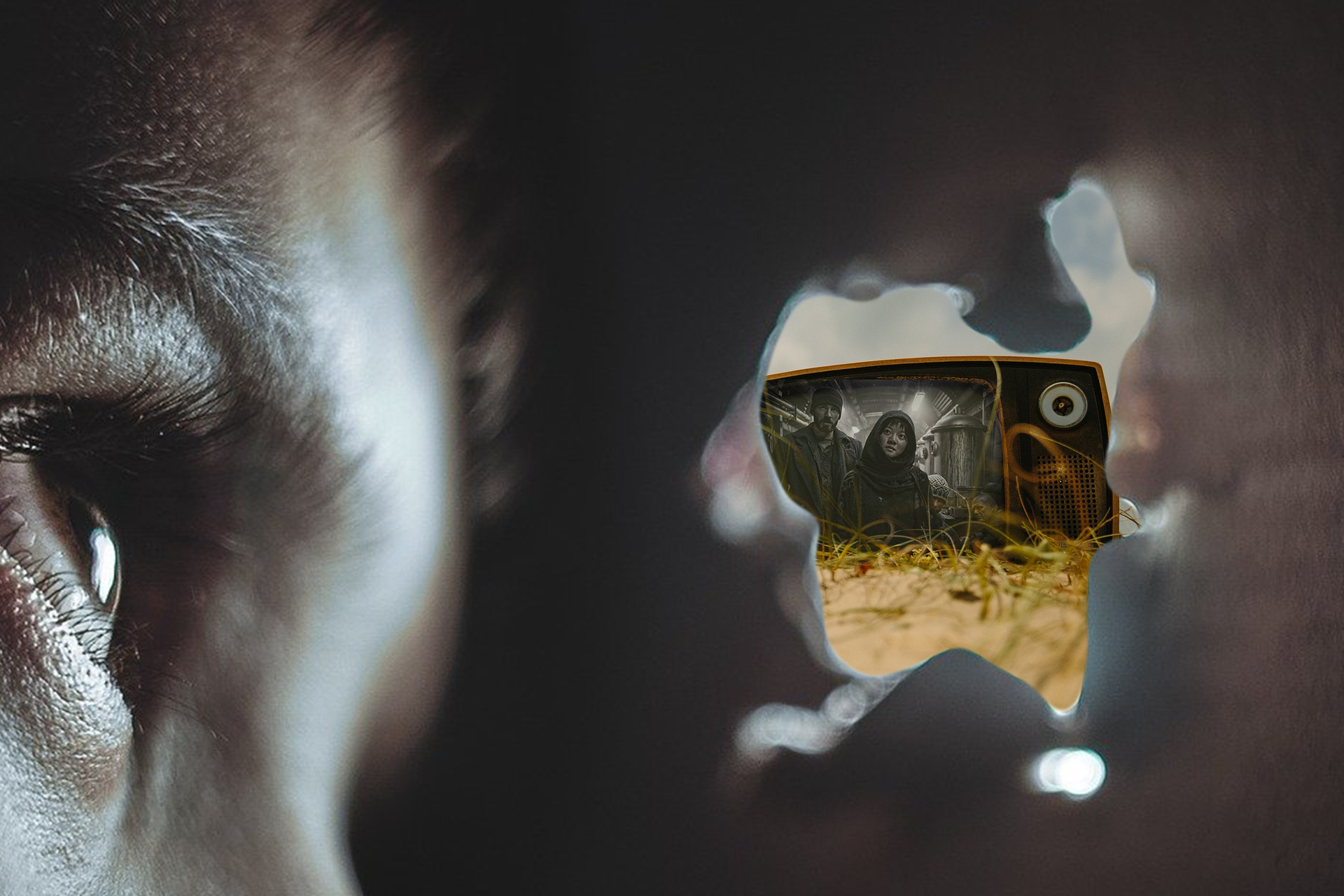
    Did you like Bong Joon-ho’s Oscar-winning “Parasite” from 2019? If so, you might enjoy one of his previous masterpieces. In “Snowpiercer,” Earth is in the midst of a new ice age, leaving humanity to survive within the confines of a train that runs on a perpetual track. The train spins its wheels around the icy remains of the former metropolitan homes of the billionaires responsible for the crisis in the first place. An extreme contrast in quality of life lingers on the train, which continues to spin its wheels until a rebellion begins. “Snowpiercer” is another brilliant deconstruction of the class divide and inequity that reminds us that we all live in a capitalist country.

    3. Looper (2012)

    From Rian Johnson, director of the best Star Wars film, comes an exciting thriller in which time travel is possible, but outlawed. Gangsters send victims back in time to be killed by a hit man until he becomes the target. Unlike most time travel films, this one accepts and plays around with many of the potential paradoxes of time travel and stages scenes only possible in films with time travel. It takes great advantage of the strengths of its cast, as all Rian Johnson films do, and is a whole lot of fun, as all Rian Johnson films are. All of them.

    4. Kingsman: The Golden Circle (2017)

    OK, this one takes place at the time that it was made, and isn’t particularly dystopian, but to be fair, it’s about a group of rich vigilantes, who already killed the entire Obama administration in the previous “Kingsman” film, “The Secret Service.” Thus, they are indirectly responsible for the Trump presidency, which is a major part of the plot of this film. Now investigating a foreign cartel with a monopoly on drug trade, they discover the cartel’s plan to poison cannabis users and hold the planet hostage so that drugs will be legalized. In the real world, this would just mean that Big Pharma takes a huge share of the market and kills their business. But in the Kingsman world, it means a healthy helping of flashy action helped out by an Elton John appearance.

    5. Planet of the Apes (1968)

    Before the Andy Serkis trilogy and the underwhelming Tim Burton effort was the original 1968 classic, “Planet of the Apes.” It watches more as an extended “Twilight Zone” episode than a futuristic adventure film, and it is superbly well-crafted, with intricate and detailed sets. The chemistry between the humans and the apes is a wonderful tone balancing act that offers plenty of ideas on race relations. And its brilliant twist ending goes down as an all-time classic.

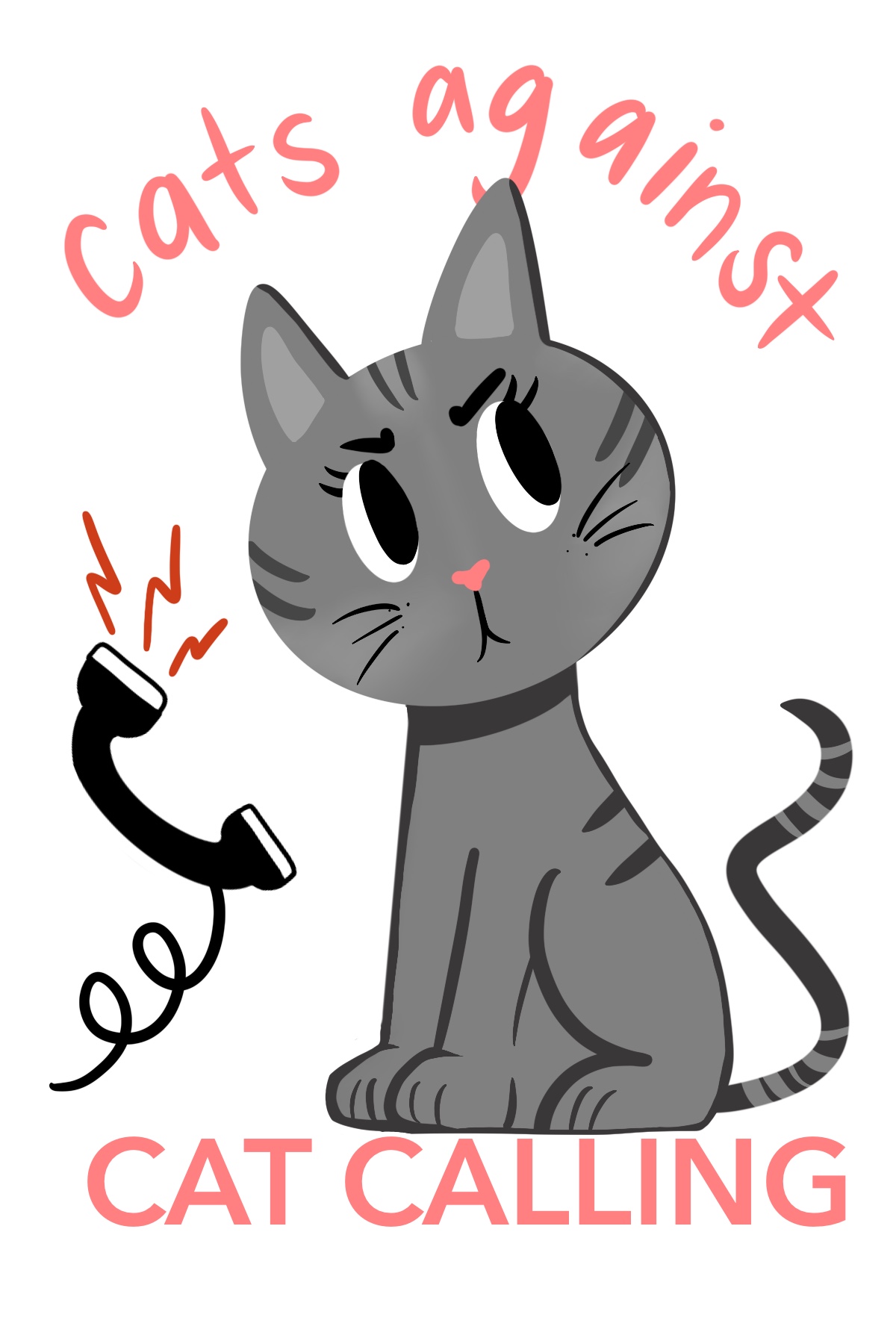
  • Catcalling Can’t Continue

    Catcalling Can’t Continue

    Verbal harassment toward women is about control and the assertion of gender discrimination

    Overall, 81% of women have experienced sexual harassment or assault in their life, according to Stop Street Harassment. This comes in the form of unwanted touching, being followed, being hollered or whistled at or vulgar gestures.

    People often minimize the effect catcalling has, usually through now-tired and almost memetic clichés.

    “What were you wearing?” some might ask. Or, “How late was it?”

    Some may attempt to advise the recipients of such advances to simply ignore them. Such advice ignores cases of women being killed for doing just that.

    As explained by HS Insider of the Los Angeles Times, the downplay of the effects of catcalling reinforces rape culture.

    “Although catcalling is street harassment, it can be really difficult to report the perpetrator, which also creates the mindset of getting away with something and trying to see what else one can get away with, which can be more violent forms of sexual harassment,” author Karen Rodriguez wrote.

    Even if catcallers claim they’re simply having fun or messing around, they demonstrate disregard for the safety and rights of women.

    Men who catcall use the institutional power they hold that protects them from behaviors that should be seen as inappropriate. They reinforce the idea that men should hold a level of control over women and that women should be subservient. They see resistance to such unsolicited advances as a negative reaction to their exercise of that power.

    “The issue of catcalling and street harassment isn’t an issue on security and protection,” Rebecca Meluch wrote for The DePaulia, the student newspaper at DePaul University. “It should be an issue on the way society shapes people to view groups of bodies as accessible and degradable.”

    “Having to double-check the people walking behind me shouldn’t be routine for me.”

    Paula Ortiz Cazaubon

    HuffPost published a video in which men attempt to explain why they catcall. Most of their responses can be simplified to a man finding a woman attractive and the man instinctively calling out to her. The same men who defended their behavior instantly said they wouldn’t like if women they personally knew were victims of harassment.

    The attitude that men are simply having fun as long as they’re personally and emotionally removed from the victim, reinforces stereotypes of gender inequality and power dynamics. The asserting of one’s power is the real intention behind catcalling, regardless of what perpetrators claim.

    These actions are far from harmless, and they are damaging to women in the long run.

    “Having to double-check the people walking behind me shouldn’t be routine for me,” Paula Ortiz Cazaubon wrote for The Beacon, the student newspaper at the University of Portland.

    This is why education on street harassment is necessary. It starts with holding men accountable for their behavior. Rape culture is not something to be fetishized or taken lightly.

  • New In-N-Out in Eureka

    New In-N-Out in Eureka

    “Quality You Can Taste” in Humboldt County

    In 2018, In-N-Out Burger announced the start of construction for a new location in Eureka. Now at the beginning of March, the new restaurant located at 2616 Broadway Street nears completion.

    The upcoming restaurant currently seeks job applicants for entry-level positions, suggesting the location will be opening soon, but an exact date is currently unavailable. They plan to interview applicants on March 2 and 3.

    The first customer at the new store will receive a free meal and a T-shirt as well.

    Eureka continues to expand its collection of restaurants as new locations for Chipotle and Mod Pizza are also under development nearby.

  • Ross Discusses Evolution of Racism in College

    Ross Discusses Evolution of Racism in College

    Bestselling author Lawrence Ross calls for more than just black best friends

    The two-hour lecture started with Lawrence Ross giving his own rendition of a song centered on the N-word, originally sung by two University of Oklahoma students on a bus in 2015. The song served as an example for the hundreds of activities at universities that continue to perpetuate racism.

    Ross has visited several college campuses to give his lecture on campus racism and how it takes different forms. His book, “Blackballed: The Black and White Politics of Race on America’s Campuses,” is meant to address the history of racism at colleges in the United States and to educate its readers on how to best combat it.

    Ross’s book was published in 2015, when incidents of hate crimes, vandalism and enforcement of outdated values in educational institutions began rising in alarming numbers. The most infamous instance in recent years was when nooses were found in trees on the American University campus in Washington D.C. and racial slurs were found written on a dormitory door at Cabrini University.

    Ross centered his discussion on stories of blackface, nooses placed in trees and songs prominently featuring the derogatory N-word, which helped convey how widespread a problem it’s become.

    In research for his book, Ross identified the lack of proactivity on the part of college administrations as one of the ways campuses are complicit in racism.

    “Campus racism incidents are happening on a regular base. For colleges and universities before you can be healthy, the first step is to recognize that you’re sick.”

    Lawrence Ross

    “A lot of the time, it’s the institution not knowing what to do,” Ross said in an exclusive interview with The Lumberjack. “So the easiest thing to do is to deal with the PR slam, wait for the four-year cohort of students to leave and then it’ll be alright. And then you’ll have another four years, do the same thing and something else will erupt.”

    One of the major points in Ross’s lecture is how racism on college campuses isn’t limited to any specific areas of the country or to any parts of a school year. It happens everywhere.

    “Campus racism incidents are happening on a regular base,” Ross said. “For colleges and universities before you can be healthy, the first step is to recognize that you’re sick.”

    Ross explained how schools are more likely to try to minimize racist incidents and avoid bad press than they are to directly acknowledge its existence. As Ross pointed out, this procedure leads students to believe that their concerns aren’t heard and aren’t recognized. This manifests into praying for change without acting and trying to individualize systemic problems.

    Ross placed responsibility on college administration to think critically about race relations and to communicate with students to achieve progress in cultivating an environment of discussion.

    “Come onto campus and recognize everyone,” Ross said. “Then be able to think beyond your own sense of who you are. Pray on it, but at the same time, work on it.”

    In the last five years since the book was published, Ross said over 300 campus protests against racism have occurred in the U.S. Ross believes this goes beyond exercising free speech and serves as proof that students expressing racist views do not face repercussions.

  • Sudden Oak Death Plagues Humboldt’s Forests

    Sudden Oak Death Plagues Humboldt’s Forests

    Humboldt County is known for its beautiful forests, but sudden oak death threatens its trees

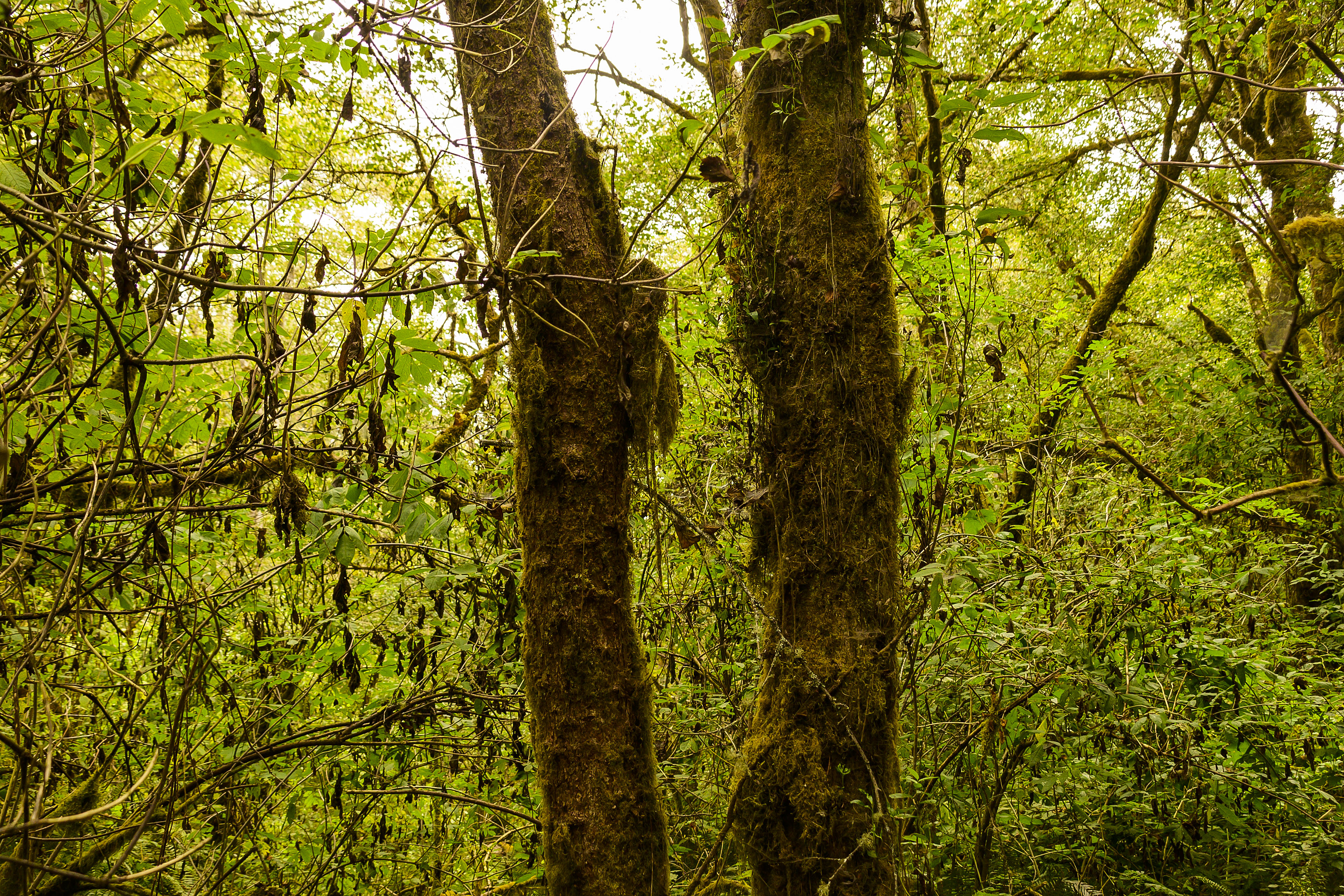
    Sudden oak death is the common name for a disease that started infecting trees 20 years ago and has since killed over a million trees—including trees in Humboldt County.

    The University of California Cooperative Extension explained that the disease is caused by a pathogen called Phytophthora ramorum.

    “It is caused by a microscopic fungus-like organism, Phytophthora ramorum, a lethal, canker-causing pathogen of certain oaks and tan oak trees,” UCCE wrote.

    Susan Marshall, a wildland soils professor at Humboldt State University, is involved in two grant programs that deal with pathogens like sudden oak death. Marshall is connected to Christopher Lee, an HSU alumni with a Ph.D in forestry from the University of Missouri, who now works as a forest pathologist at the California Department of Forestry and Fire Protection.

    “It gets into the vascular tissue that is just underneath the bark, and it kills that tissue,” Lee said. “If it does that in several different places around the circumference of the tree, then it will eventually kill a band of tissue all the way around.”

    If the Phytophthora ramorum does kill the tissue all around the tree, the tree is effectively girdled. Generally, live tissue transports water and nutrients up the tree, but if those pathways are blocked lower down, everywhere above the infection dies. The organism infects the tree’s circulatory system and can spread to the nutrient tissue and water-conducting tissue, xylem and phloem, essentially starving the tree and clogging it up. A full ring is a sure death sentence.

    “As far as these diseases go, it would probably be worse under a warmer and wetter sort of scenario.”

    Christopher Lee

    Marshall and Lee described Phytophthora ramorum as being like a fungi or brown algae, with characteristics similar to closely related plant pathogens. Specifically, they are in the class Oomycota, which are a distinct line of fungus-like eukaryotic microorganisms. They are fungus-like because they have a long, branching net-like structure like the hyphae of fungi. They are algae-like because they descend from the same phylum, Heterokontophyta, as many algae.

    Phytophthora ramorum is not the only pathogen that affects trees, but it is the most visible and the most deadly, devastating thousands of acres of forest. In California, sudden oak death has been most prominent in and around Sonoma County, according to reporting by the Times Standard.

    Humboldt County’s dense forests of tan oak, the main host for the disease, is at especially high risk of tree death. Humboldt’s weather and climate are an unfortunately-inviting environment for sudden oak death. The dense oak forests in the area means both greater humidity and a shorter distance for a pathogen to travel.

    “As far as these diseases go, it would probably be worse under a warmer and wetter sort of scenario,” Lee said.

    The recent fires around California also have an indirect connection to Phytophthoras. The loss of vegetation limits the way pathogens spread due to a wildly new arrangement. It is good to note heat from fire can sometimes help slow a pathogen’s spread by eradicating an area where the pathogen had a large presence. Lee noted that if the root system of a tree isn’t fully dead, however, Phytophthoras may have a chance of surviving in its host.

    The main goals of the programs Marshall is involved with are to identify the disease more rapidly and figure out how to slow its spread.

    There isn’t a specific way to control a disease like this, but Marshall said rapid testing of plants in nursery stock may catch Phytophthora ramorum before it can infect new hosts.

    “Every year that [we] can buy that [sudden oak death] doesn’t leapfrog into some other county and cause quarantines and regulations on those counties is a little bit of economic damage that they’ve staved off,” Lee said.

    Sudden oak death has only affected one percent of Humboldt’s trees, but its impacts in California and Oregon demand researchers like the ones Marshall and Lee are involved in will be continuing to study it and find newer and faster ways to help manage the remaining forests along the coast.

  • Dr. Cornel West Talks Truth

    Dr. Cornel West Talks Truth

    Selling out in less than a week, Dr. Cornel West commanded the stage with emotion and power

    Around 800 people formed a line wrapping around campus, anxiously awaiting Dr. Cornel West’s lecture. In high demand, tickets sold out in less than a week. Community members desperate for tickets resorted to bribery.

    Brothers United took the John Van Duzer Theatre stage first with the introduction of Humboldt State University Vice President of Enrollment Management Jason Meriwether. After a quick selfie snap and a booming introduction, Meriwether invited West to the stage where a standing ovation followed.

    West was the powerhouse speaker of Black Liberation Month and began his lecture with the recognition of the meaning of the month of February to reflect on the history of our ancestors and to recognize and pay respect to their sacrifices.

    “When you’re talking black history, you’re talking the best of history,” West said. “February is for the brown, red, yellow and black peoples to dig deep into their r-o-o-t-s so their r-o-u-t-e-s can become international.”

    The lecture surrounded West’s book, “Race Matters.” Originally published in 1993 during a time of tense racial turmoil following the trial of Rodney King—a survivor-turned-activist of Los Angeles Police Department police brutality—and the Los Angeles riots—which broke out in response to the trial and heightened racial tensions—the book brings morality into question when analyzing racial disputes. Resurfacing in the modern day, West believes the same issues that arose 27 years ago remain today.

    “We live in a highly polarized society,” West said. “It’s polarized by race, it’s polarized by class, it’s polarized by preaching, it’s polarized by politics and I think I was trying to get at some of the ways in which we can understand the polarization and try to create a higher moral, spiritual ground to keep alight the best of our democracy. That’s what I was doing then and it becomes relevant now, all over again.”

    Highlighting the best of our democracy and of any situation was a recurring message from West. When asked about polarized education systems, West attacked it with the same approach.

    “All institutions are ambiguous and ambivalent in having the best and the worst,” West said. “It depends on the particular features being highlighted. Must be very candid about the ups and the downs, the bests and the worsts.”

    “Disabilities aren’t necessarily sad or scary, but just another way to live life.”

    Crystal Pasztor

    A Q&A session followed his lecture where members of the audience had the opportunity to grab the mic and connect with West. As hands shot up, West emphasized the importance of selecting participants of diversity within the crowd and hearing those voices.

    Crystal Pasztor is a sociology major at HSU. She asked West for a favor of recognition, rather than a question.

    “My favor was to talk about disability and people as a group because you can’t ignore that every group has a disability,” Pasztor said. “Disabilities aren’t necessarily sad or scary, but just another way to live life.”

    Pasztor brought HSU’s own lack of disability recognition into question, describing feeling abandoned by the school and its services.

    “When you’re fighting for something as precious, you never give up because the love too deeply and the commitment too real.”

    Dr. Cornel west

    West ordered the entire theatre to applaud Pasztor in recognition of her feeling of campus abandonment.

    “I felt so much better,” Pasztor said. “I was very nervous to say anything because the president is here.”

    After a standing ovation for West, the audience flooded to the stage for an opportunity to interact and shake West’s hand. One student handed West their cell phone with Charmaine Lawson on the line. An emotional conversation led to West commending Lawson’s love and fight for her son, Josiah Lawson.

    “When you’re fighting for something as precious, you never give up because the love too deeply and the commitment too real,” West said. “So when I was talking to sister Lawson I could just see in her eyes and feel in her heart oh so much love for her precious son and she’ll never give up. That’s what love is—it’s never giving up.”

    Justice remains lacking for the Josiah Lawson case. For community healing, West emphasized morality and spirituality as a light in the search for truth and justice.

    “You got to re-energize people in a moral and spiritual way,” West said. “So that you can create the kind of awakening that brings people together. That want to fight for truth and justice. But, every generation is re-energized in some way.”

    West placed extreme importance on the new generation and their ability to model, lead and revitalize the ongoing dispute over conflicting dialogues and conversations that divide our country. In an exclusive interview with The Lumberjack following West’s lecture, he commended HSU and its administration for their role in developing the new generation by leading by example.

    “By example,” West said. “That’s why I salute what president here doing and dear brother Jason Meriwether. Leadership makes a difference in an institution of higher learning.”

    West remained humble and credited much of his character and success to the leaders, activists and icons of the past. He spoke highly of notable black leaders like Martin Luther King Jr. and Malcolm X, but more importantly, he credited an intangible spirit of truth and justice.

    “I tell them don’t look up to me, look up to truth and justice,” West said. “Truth and justice bigger than all of us, bigger than all of us. We all want to try and be exemplars of living truly and fighting for justice in a moral and spiritual way.”

  • HSU Students’ Home Remedies

    HSU Students’ Home Remedies

    We asked HSU students for their home remedies to get over colds and flus

    It’s about that time of year when empty seats and sniffles become a daily thing in class. Hopefully everybody is taking care of themselves during the winter, because the common cold or even the flu can creep up on you. I asked students and staff what home remedies and tips they use when they feel a cold coming.

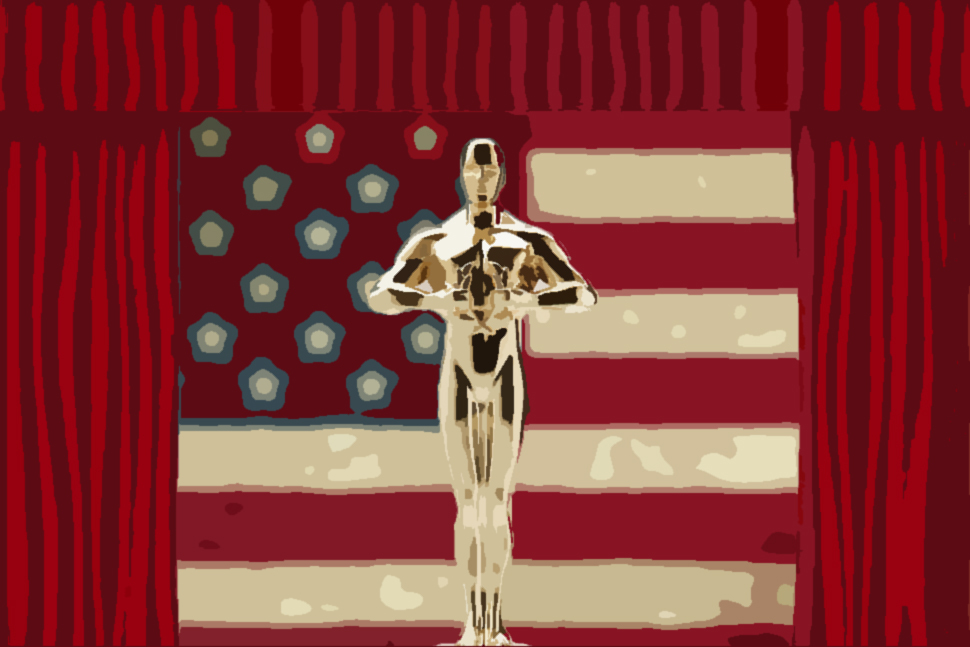
  • Why the Oscars Lack 2020 Vision

    Why the Oscars Lack 2020 Vision

    The Academy Awards are broken—here are some ways to fix them

    The nominees for the 92nd Academy Awards were recently announced in the lead-up to the ceremony, which will take place Feb. 9. The nominees are, for the most part, very easily predictable to anyone who is familiar with the kind of films that tend to win Oscars or other similar awards. That isn’t in itself a bad thing, but it does raise the question of how relevant the Oscars really are, and if they really live up to their supposed purpose of granting the “highest honors in filmmaking” to the “best films of 2019.”

    In recent years, the Academy of Motion Picture Arts and Sciences has been under its fair share of criticism for its notably conservative and traditional values. Indeed, the Academy does seem much more inclined to nominate and award reassuring, easily accessible films and blockbusters than they are to consider better, but less successful films.

    A film has to play for at least one week in a theater in Los Angeles County, and its theatrical release has to be the first time that it’s shown.

    Of course, as with all aspects of art, the quality of any film is subjective. But the choices made by the Academy, which is comprised of around 6,000 industry professionals, invite the questioning of their practices.

    The criteria for a film to be considered by the Academy is extremely limiting. For starters, a film has to play for at least one week in a theater in Los Angeles County, and its theatrical release has to be the first time that it’s shown. It can’t be shown on television, released to DVD or Blu-ray or streamed before that.

    Nominees like “Marriage Story” or “The Irishman” would have instantly been disqualified if they hadn’t been shown in theaters before being made available to stream on Netflix.

    This might not sound like a major obstacle at first, but that’s mostly only true for American films with a wide release. Having a decent budget and big names attached doesn’t hurt a film’s chances either. Any independent or foreign film that can’t secure a release in one area of one country is instantly not considered, regardless of how good the reviews are.

    This is just one of several of the Academy’s rules for eligibility, but it’s the most easily-understood example of how limiting the criteria is for one of the most prestigious awards a film can receive.

    Even getting past the extensive list of rules, the Academy is known for usually nominating specific types of films. On this year’s list, only two of the nine Best Picture nominees, “Little Women” and “Parasite,” are not predominantly made by and starring white men, who have been the center of the majority of films that the Academy tends to nominate and award. This is a circumstance that has been the case due to both the criteria for Academy consideration and because the Academy’s board is comprised of, in large majority, white men—a point that is often made into memes with the hashtag #OscarsSoWhite.

    “Little Women”, while receiving nominations for Best Picture, Best Lead Actress, Best Supporting Actress and Costume Design, did not receive any nominations for Best Director or Best Cinematography despite being an incredibly strong film in those categories. An article by Vulture explained how these rare films being nominated cause them to be, possibly unfairly, depended on to please all their demographics.

    “I will say that Greta Gerwig and the film are put in the impossible position of having to represent all things to all women when she became the ‘presumptive representation of all-female directors,’” Angelica Jade Bastien said. “No film can shoulder such a burden.”

    Defenders of the Academy—those who are perfectly content with the nominations—will claim that it’s simply a meritocracy—that the nominations truly represent the best films of each year with no barriers.

    However, the numerous barriers, biased board and skewed representation severely limit which films are considered for one of the most widely recognized honors a film can receive. However, unintentionally, this influences how the film-going public decides what they want to watch and how they interpret what they watch.

    Until the Academy gets some new blood into their board, stops immediately disqualifying films and more frequently overcomes the 1-inch-tall barrier of subtitles, their choices will never fulfill their ostensible purpose.

  • Connecting Cannabis and Cancer

    Connecting Cannabis and Cancer

    New study links smoking cannabis with testicular cancer

    Those attending Humboldt State University who smoke marijuana regularly may want to rethink their habit.

    Marijuana is the most widely used drug in the United States, and a large part of its popularity as a recreational narcotic comes from the perception that it has very few, if any, long-term health effects. There are, in fact, several positives that are associated with the drug, such as help with depression or anxiety, easing of muscle soreness and a reducing of the number of seizures experienced by people with epilepsy.

    “When you combust any plant, you’re creating significantly more carcinogens.”

    Dr. Jeffrey Chen

    However, despite its positive effects, a recent study conducted by the Journal of the American Medical Association has identified a link between marijuana use in people with male reproductive organs and an increased risk of testicular cancer. The study explained that burning marijuana (which is necessary to smoke it), like burning any plant, triggers the release of carcinogens, which, in this case, may lead to testicular germ cell tumor.

    “When you combust any plant, you’re creating significantly more carcinogens,” Dr. Jeffrey Chen explained to Science Alert.

    The study also analyzed potential connections between recreational marijuana use and lung cancer, oral cancer and head and neck cancer. However, JAMA did not find any connections to any of those cancers.

    The meta-analysis in the data collected by JAMA is specific to white men, leaving out a large part of the global population. Many of their findings also date back as far as 1973.

    There also isn’t a direct causality from marijuana to cancer over a wide range of the population. The American Association for Cancer Research has identified many of the victims of cancer as having used marijuana heavily. However, there is still no evidence of other variables, who else might be at risk or other drugs that might increase or minimize said risk.

    These studies so far are limited in the information they provide, and should not be taken as the final word on any and all links between cannabis and cancer. However, it does contribute to the ongoing discussion of the health effects of the drug, and those who do use it may want to sit up a little straighter and take some notice.

  • Give Me More Than Vague Emails on Campus Crime

    Give Me More Than Vague Emails on Campus Crime

    HSU notifications lack conviction or specific plans of action

    If you’ve checked your email at all within the past couple of months, you’ve most likely read one of the several notices Humboldt State University sent to the campus in regards to incidents of vandalism, racist messages or off-campus crimes.

    Just this semester, HSU notified students via email of numerous instances including racist graffiti on Dec. 7, racist vandalism in a residence hall restroom on Nov. 13, anti-Semitic flyers put up around the campus on Oct. 25 as well as on Sept. 17 with an email notification of a stabbing that happened off campus.

    The emails for the first three incidents listed came a day or less after the occurrence and after the police department had found and cleaned up the perpetrators’ messes. However, the notice about the off-campus crime was sent out a month after the crime itself, which was the stabbing of a student on Aug. 26. HSU seemingly weighed in to clarify because, “recent media accounts and headlines about the incident were filled with many different narratives.”

    Each message HSU sends follows a general formula.

    One paragraph is what the University allots for all of these incidents of crime on or near campus. They follow it up with multiple paragraphs about how the University has no place for racism or violence, and provide the usual list of resources students can take advantage of if they need support.

    But aside from erasing the evidence of the crimes and repeating where students can go ad nauseam, they have never taken any direct action to combat the trend that is clearly going on.

    The messages claim that the University Police Department is investigating these issues, but they have not given any further information as to what they actually plan to do to prevent any further instances of hate speech or vandalism in the future.

    Students have a right to get their education at a school that strives for active protection, not just passive written defense.

    Benjamin Zawilski

    El Leñador reported that “the NAACP penned a letter in April of 2018 condemning HSU’s administration for failing to take an active role in addressing racism and safety concerns in the City of Arcata and Humboldt County, thus endangering the lives to whom it extends acceptance letters.”

    HSU students ought to be able to trust the administration of their school to communicate with them in these situations. But the administration’s lack of vigilance and initiative extends even to direct threats to the safety of students. Last April, they took almost a full 24 hours to send a message that a student had committed assault on campus.

    The administration will not show any sign of actually protecting the safety of the students like they claim to until they take real steps to improve their transparency.

    Students have a right to get their education at a school that strives for active protection, not just passive written defense. The first step might be for administration to disclose crimes that have happened before they have absolutely no choice but to do so.

  • Diwali Festival of Light

    Diwali Festival of Light

    Festival of Light enlightens HSU students’ spirits and lives

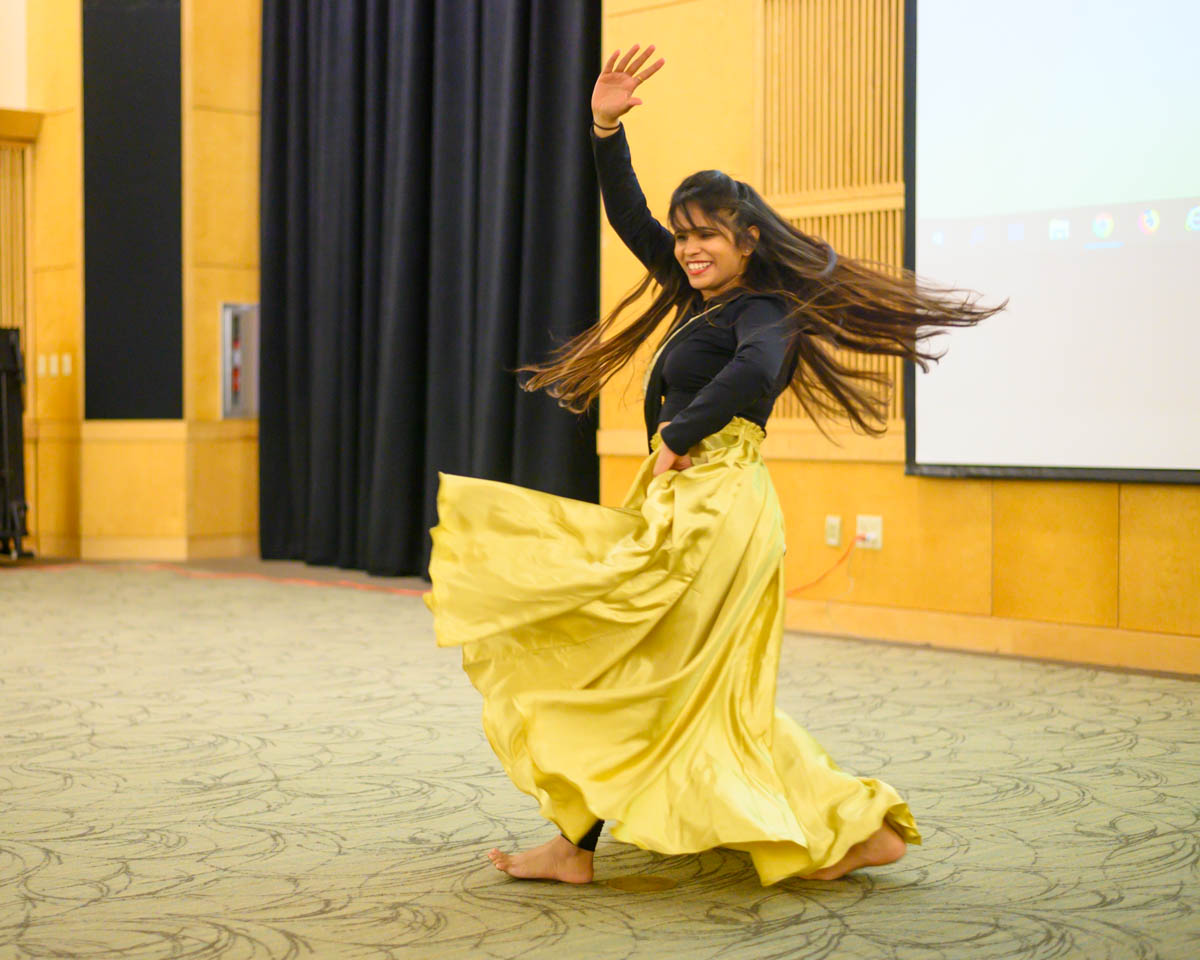
    The Diwali, or Deepavali, Festival of Light brought together friends and family to enjoy delicious Indian food and cultural dances.

    HSU Fisheries and Biology major Arjun Chand celebrated the festival’s message.

    “It is a festival for freedom,” Chand says. “You can see a common theme that is goodness over evil, light over darkness and freedom. Those are all celebrated at the same time in India.”

    Though the celebration holds origins from Hinduism, it’s celebrated throughout India, Nepal, Singapore, Pakistan and several other regions of the Eastern Hemisphere.

    Activities available for students at the festival included making a candle holder called a diya, and traditional tabletop games including carom and a spice tasting. After dinner, a series of dances were performed by scheduled dancers and then the dance floor opened up for guests.

    In presentations, Chand and Meenal Rana shared their experiences and memories of Diwali celebrations and explained what the festival personally means to them.

    “I try to take what works for me and integrate those things in my day to day life,” Rana said. “And how it shapes my world view.”

    Through different stories and traditions, Dawali is known as the biggest festival of light. To families and relatives, it honors values like sharing, gratitude, interdependence and commitment to joy and hope.