The Lumberjack


Students Serving The Cal Poly Humboldt Campus and Community Since 1929

Tag: consent

  • We Still Need to Talk About Consent

    We Still Need to Talk About Consent

    Consent is crucial, but some just don’t get it

    Sexuality, sex awareness and sex etiquette are constantly in the spotlight, and yet, we still need to talk about consent.

    Humboldt State University recently experienced a disruption in its supposed safe space when allegations arose against a faculty member by a student. The investigation into that case is ongoing. Unfortunately, violations against consent aren’t limited to our own campus.

    Convicted rapist Harvey Weinstein’s case reveals consent still isn’t understood in the modern world. Weinstein was convicted of taking advantage of and sexually assaulting multiple women.

    Regardless of the circumstance, consent is crucial.

    Consent isn’t complex, but its idea continues to perplex those who fail to understand its simplicity. Yes means yes, and nothing else qualifies as a confirmation unless a yes is explicitly given.

    Affirmative consent needs to be practiced, not just by sexually active people, but by all people, whether or not it pertains to sexual activity. The ability to revoke consent also needs to be understood.

    Consent is far from a one-and-done response. It can be withdrawn at any moment.

    Even in professions where one uses their body for monetary gain, the right to revoke consent at any time remains. The refusal to take further action is linked to the right to control one’s body without interference from another.

    Everyone is born with this right. This universal entitlement to ownership of one’s body transcends all differences between individuals. All communities are entitled to their own bodies and to define consent in their own ways.

    In cases where verbal consent isn’t an option, written consent can suffice. Those in deaf and nonverbal communities can look to signing or reading a partner’s physical signals to help prevent confusion and facilitate mutual, nonverbal consent.

    It’s important to remember proper sex etiquette at all times. The following examples illustrate the ways in which consent is given and revoked:

    • Always ask your sexual partner if they’re ready and willing to engage in a sex act, without coercion.
    • You should cease sexual activities when someone says “Stop” or any other iteration of “No.” Expressing discomfort with an act is also a sign of hesitation, and should be considered before proceeding.
    • Anyone can withdraw consent at any time, even when a sex act is underway.
    • You should only engage in sex when all parties involved are in a coherent headspace, without the involvement of drugs and alcohol.
    • Body language doesn’t indicate consent to an act. Sexual arousal isn’t confirmation.
    • Do not use your position of power to persuade someone into any type of sex act. Professors, bosses, managers and even counselors have a responsibility to conduct themselves professionally, without sexual desires or encounters.

    Regardless of the circumstance, consent is crucial. You can never be too presumptive when asking about someone’s comfort, and you can never be too cautious when verifying consent.
  • Check-It celebrates fourth anniversary

    Check-It celebrates fourth anniversary

    Students and staff get to share why they check it.

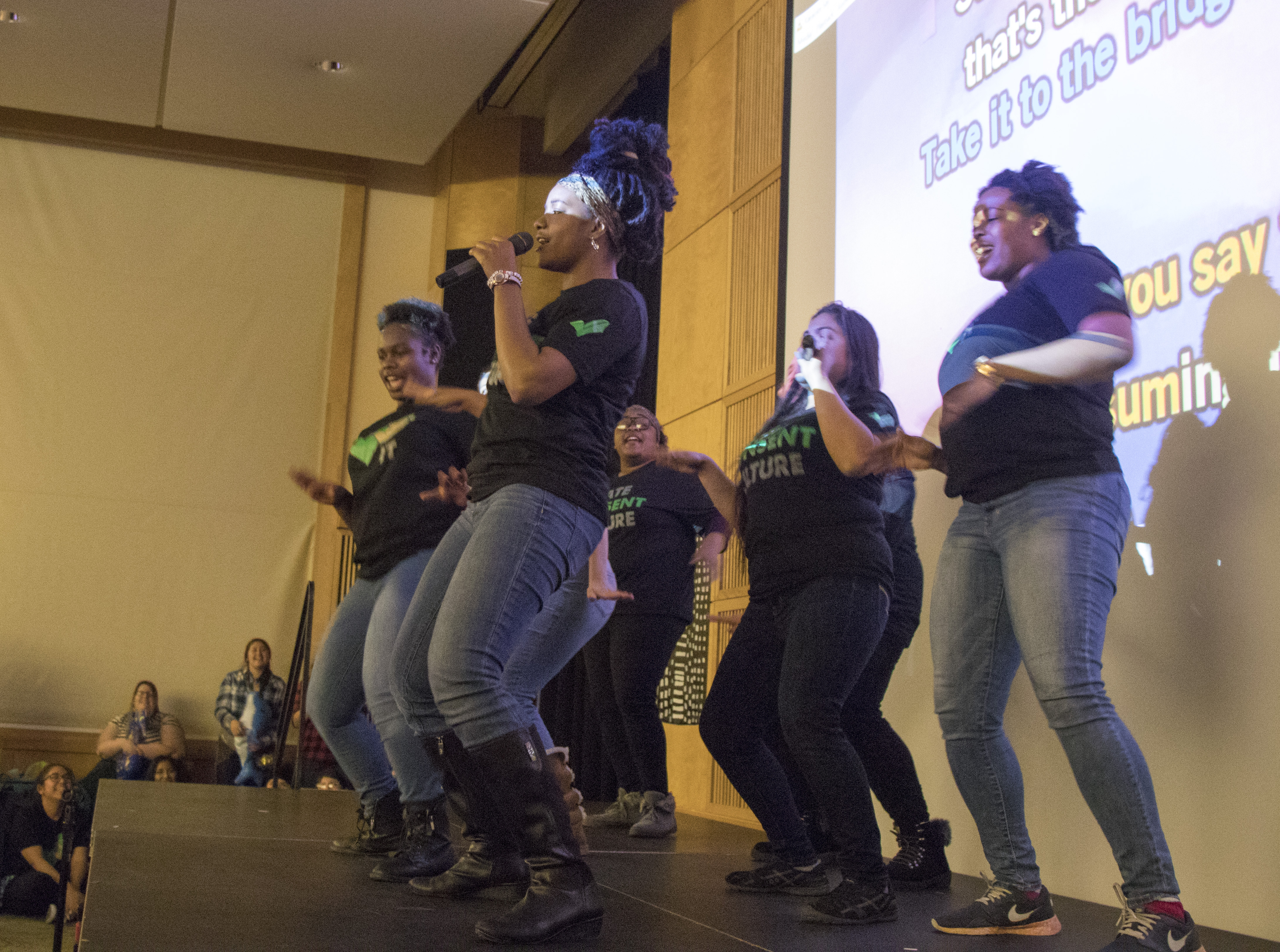
    Check-It had their fourth anniversary party in the Kate Buchanan room on Feb. 23. There was free food, karaoke and a variety of clubs that performed from 7-8 p.m. The lights-out dance party was from 8:30-10 p.m.

    Mary Sue Savage is the prevention coordinator at Humboldt State. Savage has been here all four years and says this anniversary party has become a tradition.

    “To ‘check it’ means to intervene, to take action when we witness a potential moment of harm, specifically addressing sexual assault, dating violence and stalking,” Savage said.

    Savage checks it for many reasons. She checks it for her family, her community and for her future children.

    “I check it, because I want to live in a world where harm is not the norm. I want to live in a world where we have a consent-centered culture,” Savage said. “It’s really exciting knowing we can use Check-It as a tool to create the culture and the world we all wanna live in.”

    Esmeralda Hurtado is the student coordinator for consent culture. Hurtado checks it, because she wants to continue to spread the knowledge of respecting consent and people’s boundaries.

    A time where Hurtado personally checked it was when she first moved into the HSU dorms.

    “I had just came home from class and I heard a lot of commotion outside. I stopped and I heard screaming and things being thrown,” Hurtado said. “I ran out of the dorm and I knocked and that stopped it. I still felt that something was not okay so I ran and grabbed a [community advocate], and they were able to asses the situation and handle it properly.”

    Bridget Ocampo is a peer health educator with Oh SNAP!

    “I feel like back in high school, we didn’t have much education within that. When I came up here, I became aware that it’s really important,” Ocampo said. “When I personally checked it, [it] was at work. One of [my] coworkers tapped my friend on their rear end, so I confronted them. At the time, my friend was too afraid to tell them anything.”

    Lemia Wells was an attendee at the Check-It anniversary party. Wells came to the event to support the program and those who have been sexually harassed.

    “I check it, because consent is important. If it’s not a for sure consent, then it is an assault,” Wells said. “Last week, I checked a guy who was yelling at a girl. The girl was telling the guy to leave her alone, but he wouldn’t so I told him that it wasn’t necessary. He got frightened and stopped yelling at her.”

    HSU acapella club member Christian Placet was one of the karaoke performers. The acapella club checks it, because it’s important that everyone should feel respected in any situation.

    “There were moments where i’ve been a bystander, where I wished I checked it.” Placet said. “Back in high school, there were a lot of nerds that were picked on and I really should’ve done something.”

  • Opinion: A man’s perspective on healing between the sexes

    Opinion: A man’s perspective on healing between the sexes

    I believe love is on the horizon.

    The voice of the #MeToo movement exposes sexual predation in the workplace. This dark force of man has been preying upon and shattering the lives of innocent women for a long time.

    The testimonies of rape and sexual misconduct will hopefully encourage others who are wronged to come forward and right the wrongs inflicted upon them.

    No one has the right to disrespect anyone else.

    The act of sharing oneself intimately is sacred. The emotions and sensations that arise are spontaneous. There could be infinite uncertainties and misgivings for both mates. At no other time in our culture have we begun to consider, address and follow the requests of a mate in a sexual interaction.

    The consent movement has given us the ability to acknowledge ourselves and vocalize intimate needs.

    The intrigue and mystique of women is a form of enlightenment for some of us men. The chemical signals and euphoric feelings elicited by women linger on long after the actual encounter. Even if the encounter was brief and lacking physical contact, the wonderings and fanciful dreams playfully await a reunion with such a figure of passion.

    The time has come to look beyond the dreams and realities hinging upon the opposite sex. Now there is an opportunity of healing between the sexes. Strong support for women advancement and control of society is needed. Women’s hard work and struggle is how we all got here.

    If women are happy, then men will be happy, too. Give women the honor they deserve, always be a gentleman and respectful of others. When we move toward the greater good together, our world is a better place.

  • EDITORIAL: Understanding consent first

    EDITORIAL: Understanding consent first

    Sexual harassment can be difficult to understand and process on any level: as a victim, as an offender and even as a bystander. Treating sexual harassment allegations with discretion and well-researched judgment is vital. However, they must begin with an understanding that there is no clear interpretation for what defines consent.

    Movements such as #MeToo and #TimesUp that highlight sexual assault, misconduct and harassment in the entertainment industry are proving that awful behavior does not just happen to private citizens, but to public figures as well.

    What these movements should do is make conversations about sexual harassment and assault easier, as well as give victims the confidence and empowerment to speak up.

    What these movements should not do is create an opportunity for the media or the general public to interpret the definition of the word consent. Full consent is one big, sober y-e-s. The second any hesitation, discomfort or change of mind occurs, consent is lost. This should be the only way consent is observed in the face of any story, no matter how large or small. The most important thing to consider when assessing these situations at any level is that affirmative consent is not up for debate.

    After grasping this point, we can attempt to break down a situation and understand what happened. In the instance of comedian Aziz Ansari and his encounter with a woman anonymized as Grace, this is extremely important to understand. The feminist site Babe.net reported on Grace’s date with Ansari in a way that lumped him in with repeat offenders such as Harvey Weinstein and Roy Moore. Though his behavior was wrong, it is still worth noting that this man, unlike that of Weinstein or Moore, was allegedly unaware of his aggressive behavior. Ansari was not fully aware of his alleged wrongdoings after she had expressed it via text the next day. Readers can hate him, believe him, not believe him or react how they please. What they should not do is attack Grace for her decision to speak up. Her decision to speak up was warranted, because she felt that the date was terrible and therefore changed her mind. Nothing can change her firsthand experience that night.

    What can be done after understanding consent is to process Ansari’s decisions and pay attention to what he decides to do next as a self-proclaimed male feminist. What can also be done as a bystander is to know the difference between assault and harassment without believing that one is more okay than the other. Instead, try to find ways to minimize the opportunities of both offenses.

    Understanding the problem with Ansari’s behavior towards Grace involves his disregard for his celebrity status and the kind of influence he may have on others. The problem was that he needed a better understanding of affirmative consent. This is where there are clear differences between Ansari and Weinstein.

    Most of us are bystanders to these movements and celebrity allegations. As such, we have an obligation to seek out and recognize affirmative consent. Further, we need to intervene when others fail to acknowledge it. Practice good judgment when examining these situations only after understanding consent.

  • Consent is the word

    Consent is the word

    By | Lauren Shea

    Brave students walked up to the podium to share their story in front of supporters of a culture of consent.

    HSU students attended The Consent Project 2017 in the Kate Buchanan Room on Oct. 10 to talk about consent and listen to survivors of sexual violence.

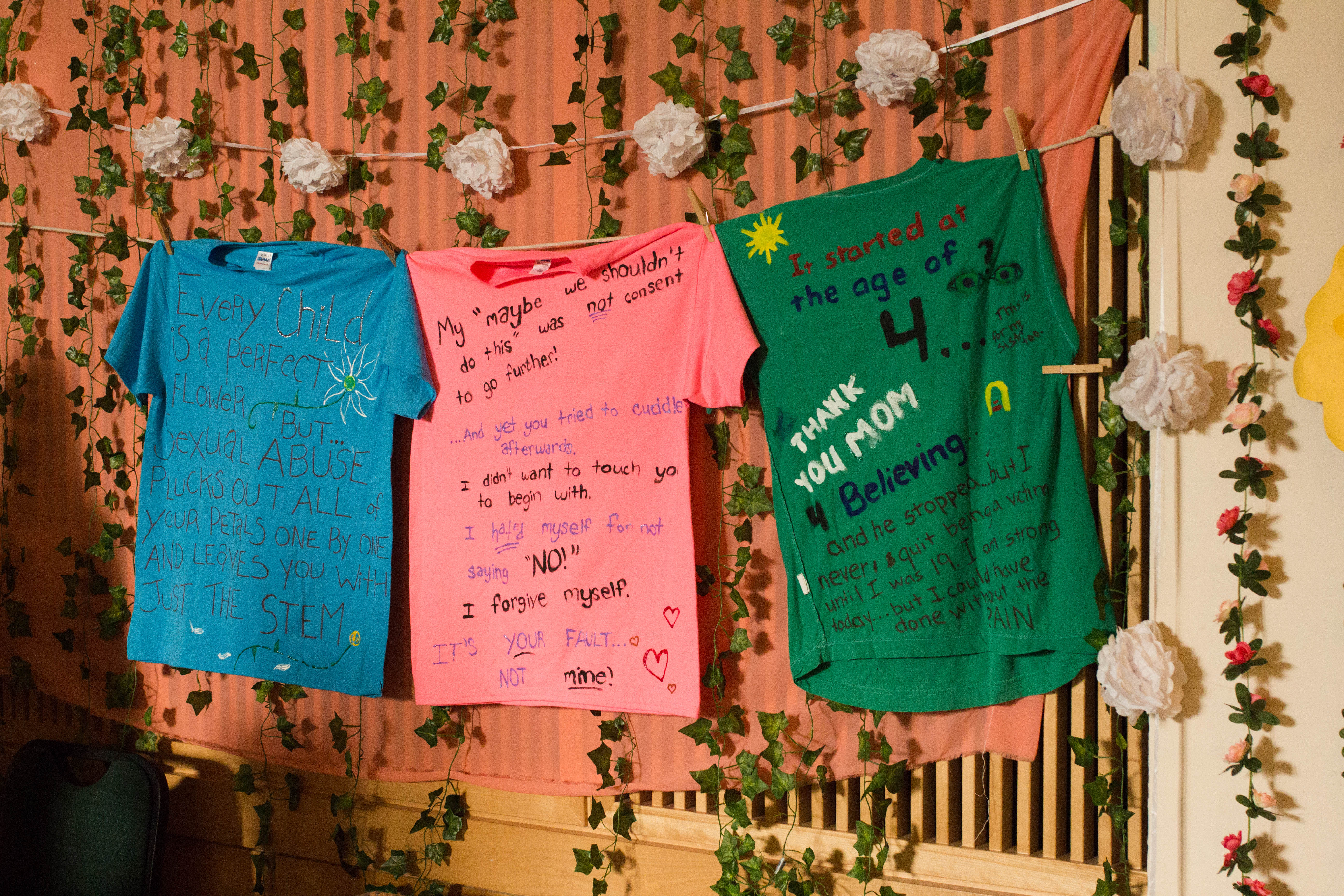
    The Consent Project is an event held through the Check It program to talk about what it means to consent, what consent looks like, and how to communicate consent though choices and actions. The project aims to create a culture of consent and reduce the harm caused by sexual violence. The event provided a place to educate students and the community about consent and provide community resources. It also provided a place where survivors of all genders of sexual violence could speak out about their story.

    018.jpg
    Photo credit: Lauren Shea

    This year’s theme is the Seasons of Change. One of the event coordinators, Skye Peredo, talked about the meaning behind the name by describing how seasons change just as people do.

    The event provided many resources such as the North Coast Rape Crisis Team, Check It, the Women’s Resource Center and the Multicultural Queer Resource Center. The event provided food and drinks as students engaged in conversations about consent and the importance of self-care. Arts and crafts were supplied for students to create crafts and build a comfortable and creative environment.

    052.jpg

    The second part of the night shared a space where survivors talked about their story on consent. Survivors shared their gratitude for programs such as Check It and The Consent Project that encourages a consent culture where people can talk about sexual violence. It also encourages people to support each other and educate people in hopes to reduce to harm caused by sexual violence and the lack of clear consent communication.

    Students talked about consent culture during the event and the importance of caring for yourself. Elissa Rodriguez, a junior at HSU studying English, gave her thoughts about the importance of self-care and mental stress breaks.

    “I advocate a lot to my friends about self-care,” Rodriguez said. “I think we go through so much stress and taking the time even if it’s just a little bit of time to recuperate before getting back to what you need to do is really important.”

    She also talked about her experience with the consent culture being built at HSU.026.jpg

    “I feel like there is always more room for improvement,” Rodrigues said. I feel like people are still afraid to talk about sexual violence because if they weren’t, we wouldn’t need events like this. Not everyone is involved as they should be.”

    Alex Heart, a sophomore at HSU studying Geology, talked about the influence that Check it and the Consent Project has on new students.

    “I think the school does really well on educating freshman that come from all walks of life about consent,” Heart said.

    035.jpgJonathan Salinas, a senior at HSU studying Spanish, talked about his experience with consent culture at HSU.

    “I definitely think there is a lot of work to be done about creating a consent culture here,” Salinas said. “But I think events like this gives students on campus the vocabulary to have the conversations. I think there is that fear to talk about these topics, but at the same time empowers people to have these discussions.”

  • Tools for student wellbeing

    Tools for student wellbeing

    By | Charlotte Rutigliano

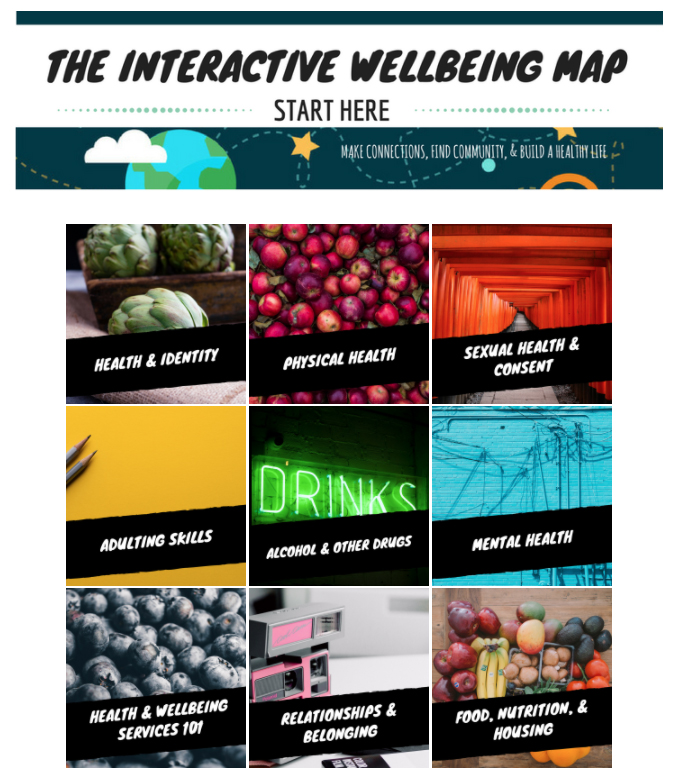
    After being in development for over a year, Executive Director of Student Health & Wellbeing Services Dr. Brian Mistler, Health Educator Ravin Craig, and a team of peer health educators have created an interactive online tool to guide students toward a healthier lifestyle and habits as well as campus support services.

    Mistler said that the interactive wellbeing map is to help students make connections, find a community and start building a healthier lifestyle at Humboldt State.

    “Health is not a linear process, there is no start or end on our journey to build positive relationships with our body and community,” Mistler said.

    According to Mistler, the team intentionally designed the introductory quiz to target the primary health and wellbeing-related obstacles in a way that was approachable and helpful to students from top to bottom.

    “The BuzzFeed-style quiz is an easy entry point that most students are comfortable with,” Mistler said.

    The wellbeing map is broken down into nine different topic areas; health and identity, physical health, sexual health and consent, adulting skills, alcohol and other drugs, mental health, health and wellbeing services 101, relationships and belonging, and food, nutrition, and housing.

    According to Mistler, the modules focus on frequently identified health concerns, such as a sense of belonging, sexual health, friendships and romantic relationships, nutrition and food, trouble relaxing, financial wellness and much more.

    “Each topic area is a map to get students connected to the resources they need to be successful at HSU, though it isn’t designed to list all of the student support services on campus,” Mistler said.

    Students can access the online tool by visiting wellbeing.humboldt.edu

  • Sexland: Garden of Hedon

    Sexland: Garden of Hedon

    By Sarahi Apaez

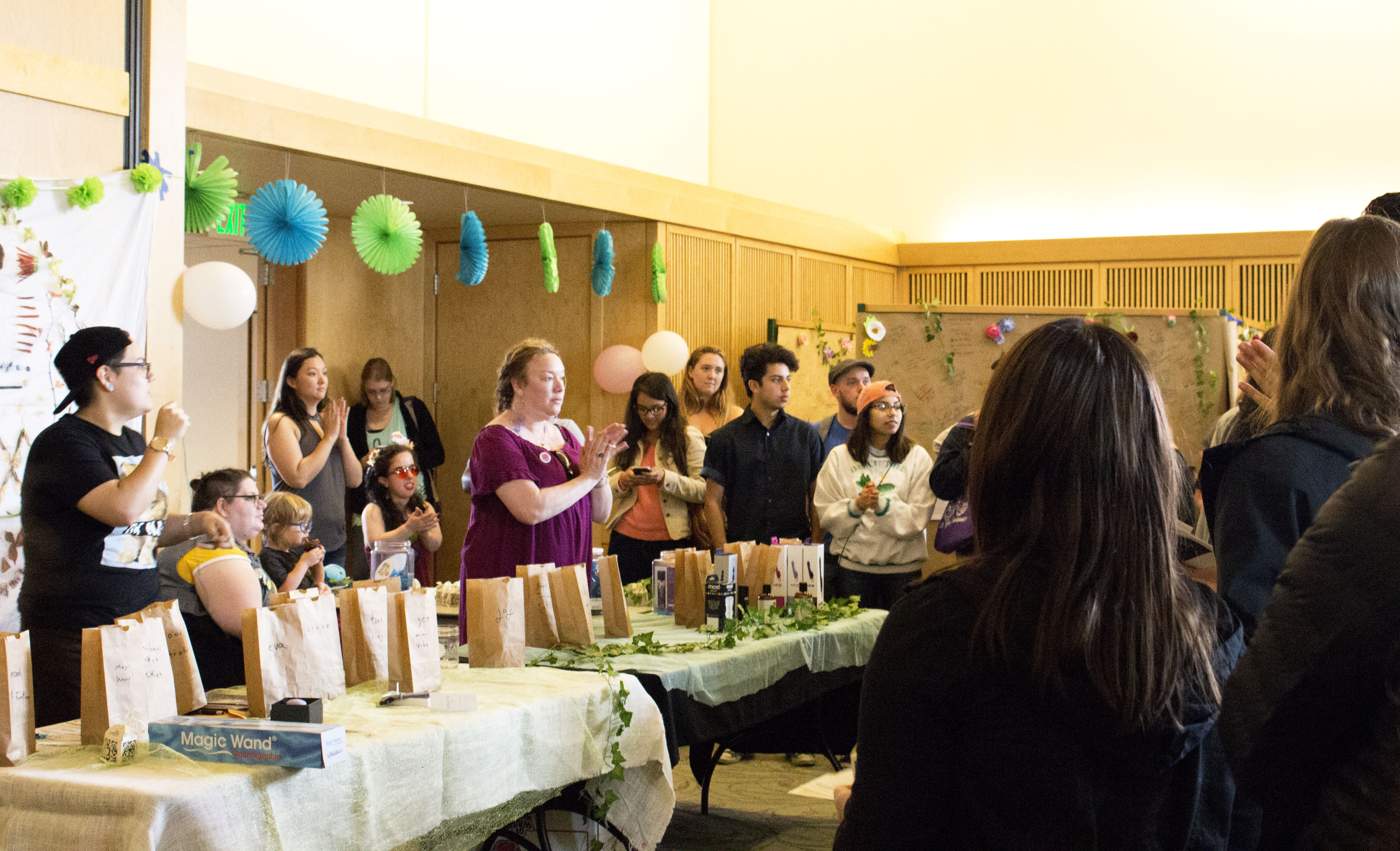
    Sexland is a yearly event at HSU hosted by the Peer Health Education Program. On April 22 at the Kate Buchanan Room, the HSU community gathered at the sexual health event. This years theme was Garden of Hedon which centered around self definition and identity. Tables of HSU clubs and community resources filled the edges of the KBR such as HSU’s Check It, the North Coast Rape Crisis Team, Planned Parenthood representatives, and even HSU’s Botany Club.

    Peer Health Educators planned a sex toy raffle giveaway, games and free food.

  • Consent Culture

    Consent Culture

    By Andre Hascall

    Consent culture has been a vital part of Humboldt State University since Check It, as student led movement to prevent sexual assault, arrived in 2014. That culture is growing further with the new themed dorms in Creekview. The dorms will be called the Consent Culture Living Community.

    The living community will provide a space of comfort for survivors and other supportive students. There are a few themed dorms on campus, with dorms themed for gaming, outdoor adventure and sciences among others. The themed dorms that HSU already has on campus grow together through events geared towards their themes. The events can be as small as ice-breakers or, as we’ve seen in recent years, something as big a creating a community garden.

    The Consent Culture Living Community will have events catering towards consent related activities.

    Morgan Fahey-Reye is a former community advocate while Check It was in its beginning stages at HSU.

    “Check it puts on a lot of events which are safer alternatives to going out on the weekends,” Fahey-Reyes said. “I also like how they do trainings with student leaders to educate them about addressing unsafe situations.”

    Activities that the Consent Culture Living Community will have are centered toward teaching the community about the situations in which they should “check it”, which means ask for consent, and intervene if you think someone could be in danger of sexual assault. However, some believe that this themed housing isn’t necessary such as Adrian Zavala, a freshman at HSU.

    “Campus should already be aware that consent is required,” Zavala said. “There shouldn’t have to be a separate dorm for that.”

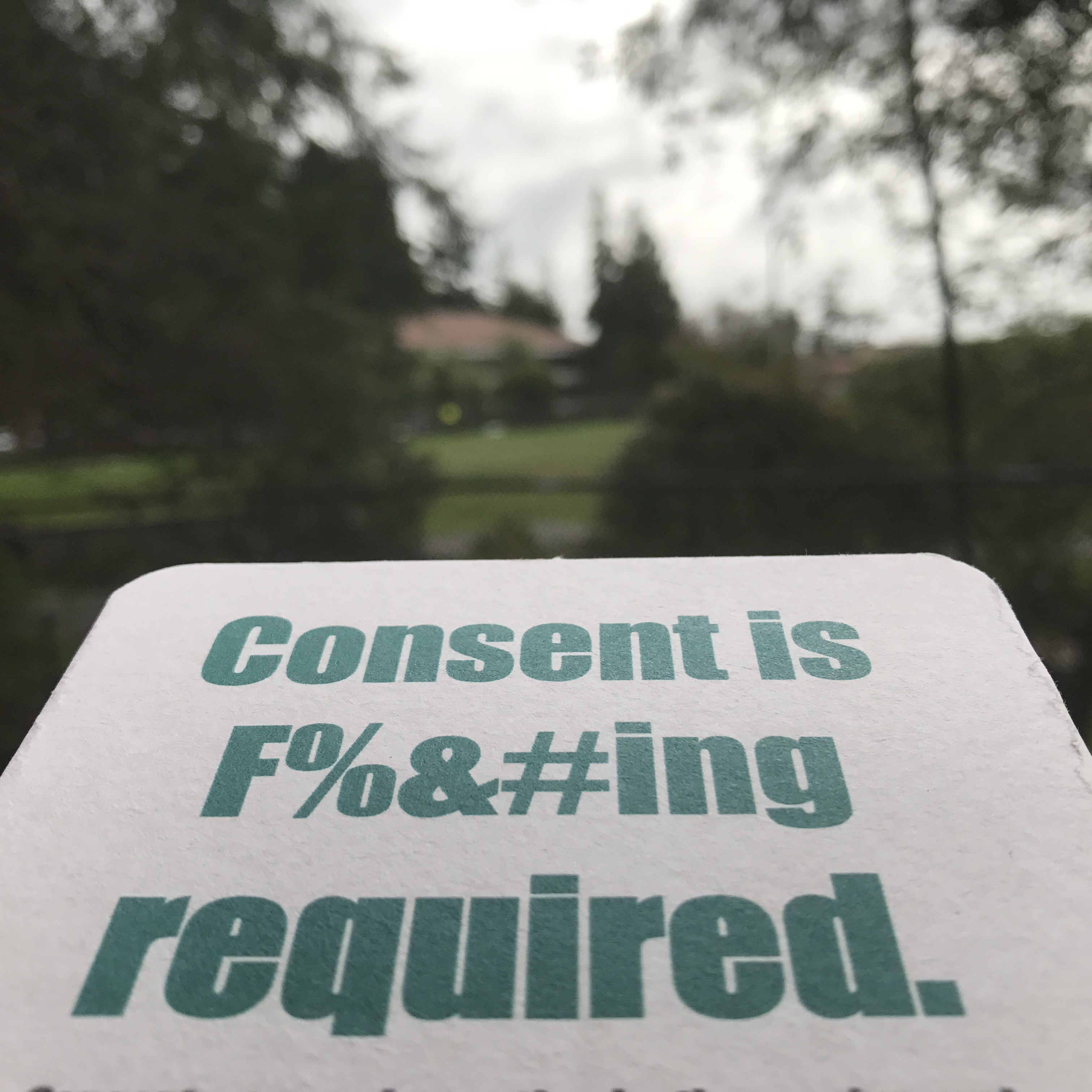
    Humboldt State University is taking the steps to make it known on campus that consent is required. The Consent Culture Living Community will be one of HSU’s tools to combat sexual harassment and assault.