The Lumberjack


Students Serving The Cal Poly Humboldt Campus and Community Since 1929

Tag: life and arts

  • How to survive Among Us without being sus

    How to survive Among Us without being sus

    The best game about gaslighting your friends on a spaceship

    Among Us was released by InnerSloth in 2018, but remained in obscurity, averaging only about 30 players at any given time. This all changed in July, when it was picked up and thrust into the spotlight by Twitch streamers such as Sodapoppin.

    Today, Among Us boasts over 100 million downloads and 60 million daily players. Owing to its easy learning curve, low cost and social nature, the game took off. It’s deceptively simple but downright addictive.

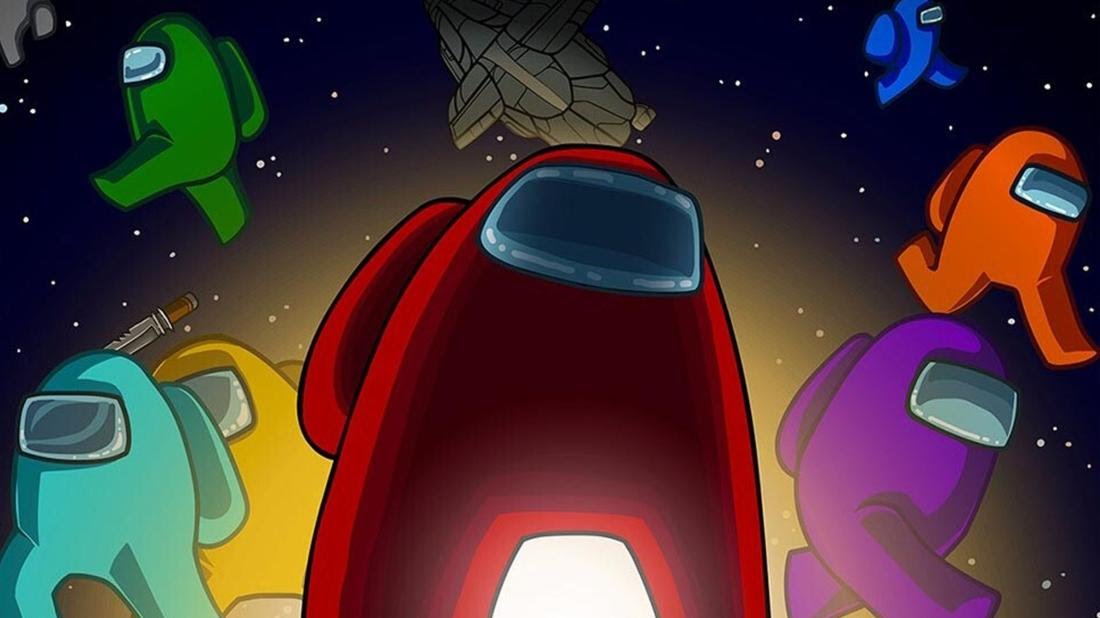
    Among Us is a charmingly animated game with a distinctive visual style. Playing as colorful astronauts, players are divided into two teams: crewmates and imposters.

    Crewmates are charged with completing their tasks and investigating the imposter among them, while imposters must sabotage the ship and murder all of the crewmates before being discovered.

    The real action of the game occurs in the chat feature, where players bring out their best detective work to uncover the liars.

    As one of the 60 million Among Us players, the hype is real. I play as a lime green astronaut who wears a plastic flamingo on their head and it’s as delightful as it sounds. For crewmates and imposters alike, may I present: tips on not getting launched into the void of space.

    1. Always know where you are. Having an alibi is the best way to prove your innocence (or fake it). Be prepared to explain what you were doing and who you might have seen there.

    2. Know how to argue. Whether you’re accusing someone or defending yourself, have evidence. Did a crewmate see you do a visual task? Did you vote out the last imposter? Why were you following Red around the map? You have to be able to find reasons why people are or are not the imposter and persuade people that you know what you’re talking about. Which brings us to tip two and a half: Lying.

    3. Learn to lie convincingly. If you can convince just one or two crewmates that you’re trustworthy, that you couldn’t have been the killer, that you were in medbay the entire time, then you’ve just earned yourself another chance to strike. As in life, lying is a great way to eliminate your enemies with no repercussions.

    4. Find a buddy. If you’re a crewmate, you’ll have a friend who will witness and report your murderer, or simply stand by and protect you while you complete your tasks. If you’re an imposter, you either have an unsuspecting victim or a second imposter to team up with and lend an alibi to.

    5. Don’t be a cheater. If you’ve been murdered, don’t be that guy who calls their buddy and tells them who the imposter was. It’s a jerk move all around and ruins the fun of investigation.

    Good luck everyone, and don’t get murdered!

  • Music of the Moment 6

    Music of the Moment 6

    21 Savage and Metro Boomin drop a classic with “Savage Mode II”

    April 23 came and went last semester without a 21 Savage concert at Humboldt State University. Thanks to the pandemic, students like myself felt cheated.

    The sequel to Savage and Metro Boomin’s 2016 EP “Savage Mode,” delivers and, is worth the six month delay from its initial release date.

    Fresh off of receiving the 2020 Grammy for best rap song with “A Lot,” featuring J. Cole, Savage is back with Boomin and unlikely narrator Morgan Freeman, whose alone is enough for anyone to give “Savage Mode II” a listen.

    Similar to Savage’s solo albums “Issa Album” and “i am > i was,” “Savage Mode II” was dropped without any promotional singles leading up the release. Instead, they promoted the album with a trailer. Narrated by Freeman, the trailer ends with only a brief snippet of “Many Men.” Referencing the classic 50 Cent track and sampling his original chorus near the end of the song. One of the strongest moments on the album.

    One of several narrations from Freeman, starts with speaking to a greatness that can only be accomplished when brilliant minds collide. Track two, “Runnin,” opens with Savage delivering a villainous laugh.

    From the first song, Savage has your attention with his signature Slaughter Gang style and the first of many creative, simple and especially catchy hooks. Sticking to a pattern of two verses and a chorus on each song, with occasional intros and outros, Savage never overstays his welcome on a track.

    The variety of vibes Savage is able to create on the new project is all made possible by the range Boomin displays on the production end. He boasts his artistic vision on tracks like “Slidin” where Boomin recreates the beat to the original project’s standout record “No Heart.” He does this again on “Said N Done,” recreating the beginning of “10 Freaky Girls” from his own album for the background of the chorus.

    Savage provides listeners with a collection of hits catering to a much larger chunk of the mainstream audience than with past projects. Savage does this without compromising the content his fans have come to expect from him.

    Don’t get it twisted, “Savage Mode II” is very much a sequel to the project that launched Savage and Boomin into the mainstream. Aside from a few tracks near the end of the album, including “My Dawg” and “No Opp Left Behind,” Savage reflects on his past, the overwhelming majority of Savage’s lyrics revolve around the topics of murder, money and meddling with monogomy.

    Regardless of your feelings towards the message of his music, Savage delivered the most enjoyable overall performance of his career. Supported by the most varied and arguably strongest release we’ve received from Boomin, “Savage Mode II” will no doubt go down as a classic.

  • Students experience extra stress without access to a classroom

    Students experience extra stress without access to a classroom

    Online learning amplifies student stress

    Spring semester that consisted of conference calls with teachers while relaxing at home crazed returning students overwhelmed by large lesson plans and a full workload.

    Nicole Matonak, a zoology major at Humboldt State University, manages a part-time job at the Marine Lab and five classes worth of homework.

    “There are times where I wish I wasn’t working so I could focus on school stuff,” Matonak said. “It feels like there is not enough hours in the day for everything I need to do.”

    Matonak’s methods of getting homework done on time revolve around scheduling out the week in advance. She’s made a habit of setting time aside to relax. Matonak is taking a yoga class this semester and has been trying to do other exercises to reduce stress.

    “Lately when I feel like I am zoning out,” Matonak said. “I try to stretch and practice headstands and I feel like it gets my blood flowing.”

    Matonak lives in Humboldt County and relies on surrounding outside nature to exercise or study without distractions.

    “Charging my iPad, my notebook and my computer and taking it to the beach and studying in my car,” Matonak said. “I think that’s been the best way for me to work and not have distractions.”

    Mikayla Nicholas is an art education major at HSU and is taking upper-level art courses.

    “I knew that some of the art classes would be high-end, project-wise,” Nicholas said. “But I didn’t really expect the level to still be this high online.”

    Being overwhelmed by the work in her classes and miscommunication with professors, Nicholas finds relaxation by baking bread.

    “I enjoy baking and cooking as something to do that’s easy and stress-free,” Nicholas said.

    For students overwhelmed by stress, Liza Auerbach Ph.D. has your back. Auerbach is a clinical psychologist with the HSU Counseling and Psychological Services program.

    Auerbach suggests students learn their rhythms of productivity and dedicate that time to accomplishing tasks.

    “I am a big believer in psychological inertia and momentum,” Auerbach said. “The longer that we are not doing something the harder it is to get started.”

    Auerbach also recommends students falling behind in classes contact professors and be forward with concerns, instead of struggling alone or giving up altogether.

    “If the stress of what’s going on in the world and in our own minds is interfering with our ability to perform,” Auerbach said. “Reach out and let them know.”

    Students struggling can also call CAPS during business hours to schedule a one on one therapy session, included in the cost of your student fees.

    CAPS is open by phone from 8:30 a.m – noon and 1:00 p.m-4:30 p.m.

    707-826-3236 or hsucaps@humboldt.edu

  • Music of the Moment 5

    Music of the Moment 5

    After shooting Megan Thee Stallion, Tory Lanez cancels himself

    Back in June, rapper and R&B singer Tory Lanez was freshly released from his label and experiencing unprecedented success with the Quarantine Radio show he performed on Instagram Live, his career at an all time high. As quickly as he rose, he sunk exponentially, when what started as an unclear altercation evolved into an unthinkable assault.

    For over a month, the July 12 incident was left to mere speculation. Megan Thee Stallion, the other party involved, finally took to Instagram Live on Aug. 21, to explain her side of the story.

    “Tory shot me,” Stallion said.

    In the weeks leading up to her statement, Stallion was receiving a mix of sympathy and accusations, despite releasing the X-rays showing proof of the bullet wounds.

    Lanez remained silent on the matter until releasing the album “DAYSTAR,” Sept. 25, only two days after Breonna Taylor’s killers were let off without justice. On the project, he persistently denies any wrongdoing regarding the incident and outright accuses of lying.

    Lanez’s unabashed decision to capitalize from the situation, only providing his side of the story through a product, and his incessant claims of innocence ultimately detract from his credibility and have led many of his supporters to abandon him.

    Heavily feeding into the backlash of supposed friends, Lanez fires shots at several rappers, singers and most viciously, Los Angeles Lakers’ small forward J.R. Smith. While entertaining, the “Me Against the World” approach leaves a bad aftertaste. Given the opportunity, Lanez consistently takes the low road, rather than owning up to any of his mistakes or at least acknowledging the severity of the situation.

    Concerning the quality of “DAYSTAR,” the beat selection, various flows and word play are just as good as any other Tory Lanez album. The sonic range he displays between the two genres he occupies would normally be enough to satisfy the average listener, however, his fixation on the incident and the two-dimensional account he provides make it both agitating and boring to listen to entirely in one session.

    Lanez fails to deliver any form of apology or explanation on the album for whatever occurred on the night of July 12. Instead, he calls Stallion’s account into question and implies he’s the one due an apology, using good production to punctuate his empty argument.

    When it comes down to it, the album sounds quite good, so long as you’re not actually listening to the lyrics. Even then, the sting of the initial reaction wears with each play for those willing or perhaps careless enough to silently condone the behavior. Lanez challenges his haters, however, providing what would normally be received as a hit with “Just Got It Done” as well as an otherwise undeniable classic with “Care For You.”

    The question is, can a hit record or even a potential classic save Lanez from sinking out of the spotlight? Or is the wound simply too raw for him to survive a tasteless response like this?

  • HSU art students create their way through quarantine

    HSU art students create their way through quarantine

    Artists at HSU are experiencing somewhat smooth sailing this semester

    Factoring in all the tools, materials and space art students require to create, they more or less have access to everything they need at HSU.

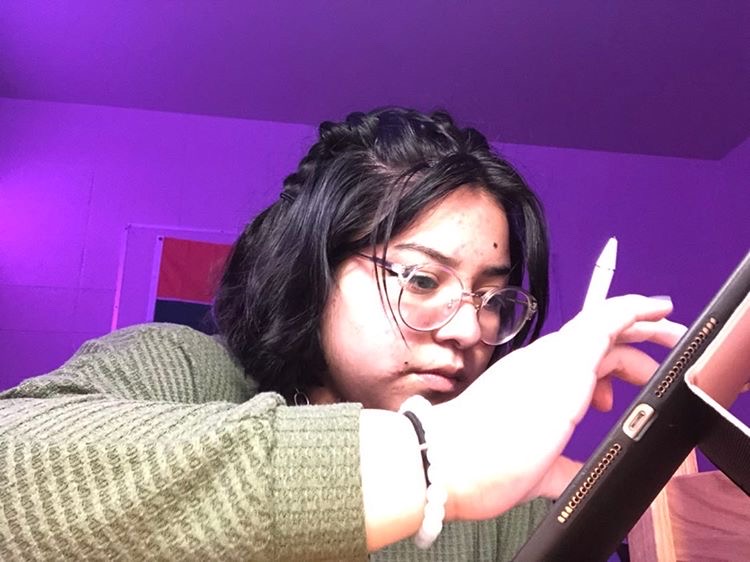
    Studio art major at HSU, Nicole Velazquez, already does online sketching on her own time. With her recent courses, however, she’s been focusing a lot more on class related artwork.

    “I mostly do digital art right now, because of my classes,” Velazquez said. “It keeps me a little more occupied.”

    So far, Velazquez has experienced somewhat rudimentary quarantine classes, leaving her with more time to improve her artistic abilities and explore new art forms. Lately, this hasn’t involved traditional art.

    “I don’t really have time,” Velazquez said. “I’ll sketch like here and there.”

    Velazquez hasn’t had many issues with online art courses but she misses in-person instruction. When it comes to art, she often draws her creative inspiration from others.

    “I like getting criticism,” Velazquez said. “I just feel like, if I don’t have someone telling me something, I will personally bring my art piece down.”

    Brittany Sheldon is an instructor in the Art department whose main course revolves around art history. Sheldon is still adapting to the new normal of teaching.

    “It is all based on equity,” Sheldon said. “Just trying to be as equitable as possible and accessible as possible for my students, while also trying to recreate whatever I do in the classroom normally.”

    Sheldon’s classes this semester are mostly asynchronous. By allowing students to have more flexibility, Sheldon hopes this will make her classes more accessible for students.

    “I have Zoom office hours and I was doing weekly Zoom sessions that were optional,” said Sheldon. “Students didn’t get a grade for that – it was an opportunity for them to come and ask questions or talk to each other.”

    At this point, students enrolled in Sheldon’s courses this semester seem to be passing. Sheldon has relaxed deadlines for assignments and is doing her best to be helpful and understanding but it is hard to tell how her students are doing from a screen.

    “I field their emails and just respond with empathy,” said Sheldon. “I am just trying to be there for my students.”

    Alex Pickrell majors in child development at HSU and minors in studio art. They’re using their excess quarantine time to explore more art forms and experiment with current projects.

    “I’ve also started doing collages with my old pieces,” Pickrell said. “Which I’ve never done before.”

    Living off campus, Pickrell has more room to explore their creativity as well as different art forms. They have their own space to create and express themselves without distractions.

    “I’ve been living off campus for about three years, so I kind of turned my apartment into my own little art studio,” Pickrell said. “It makes it a really nice space to work.”

    Pickrell typically creates abstract artwork. They’re currently taking two art classes where they’re exploring entirely new styles.

    “I decided to do left hand vs. right-hand painting,” Pickrell said. “Just because I usually only paint with my right hand and I’ve only ever done a set of paintings once.”

    The struggles of quarantine are plentiful, but Pickrell figures, we can either wallow in our misfortune or we can rise to the occasion and make the best of a bad situation.

    “I’ve just been trying to get out of my comfort zone,” Pickrell said.

  • The HSU ceramics department fires back up

    The HSU ceramics department fires back up

    Experienced ceramics students are back in the lab this semester

    Following a graceless transition to online learning in the spring, ceramics students are receiving a drastically improved experience this semester.

    When the COVID-19 pandemic first went into effect, forcing students to finish the spring semester from home, ceramics students were among those who drew the shortest stick.

    According to Ryan Hurst, who has been teaching ceramics at HSU for nine years, when classes were moved online, the hands-on experience that students signed up for was no longer possible. They were instead tasked with drawing up sketches, studying research and development and critiquing other artists’ works.

    “It wasn’t ideal,” Hurst said.

    This semester has been a continuous adjustment according to Hurst. Gaining access to the building as well as the proper equipment to record demonstrations over the summer was an uphill battle.

    “I didn’t get either of those things until two weeks before it started up, so the plan kind of went out the window,” Hurst said. “I’d reformulated plans leading up to the end of the summer and some are working and some aren’t, but it’s a crazy adjustment.”

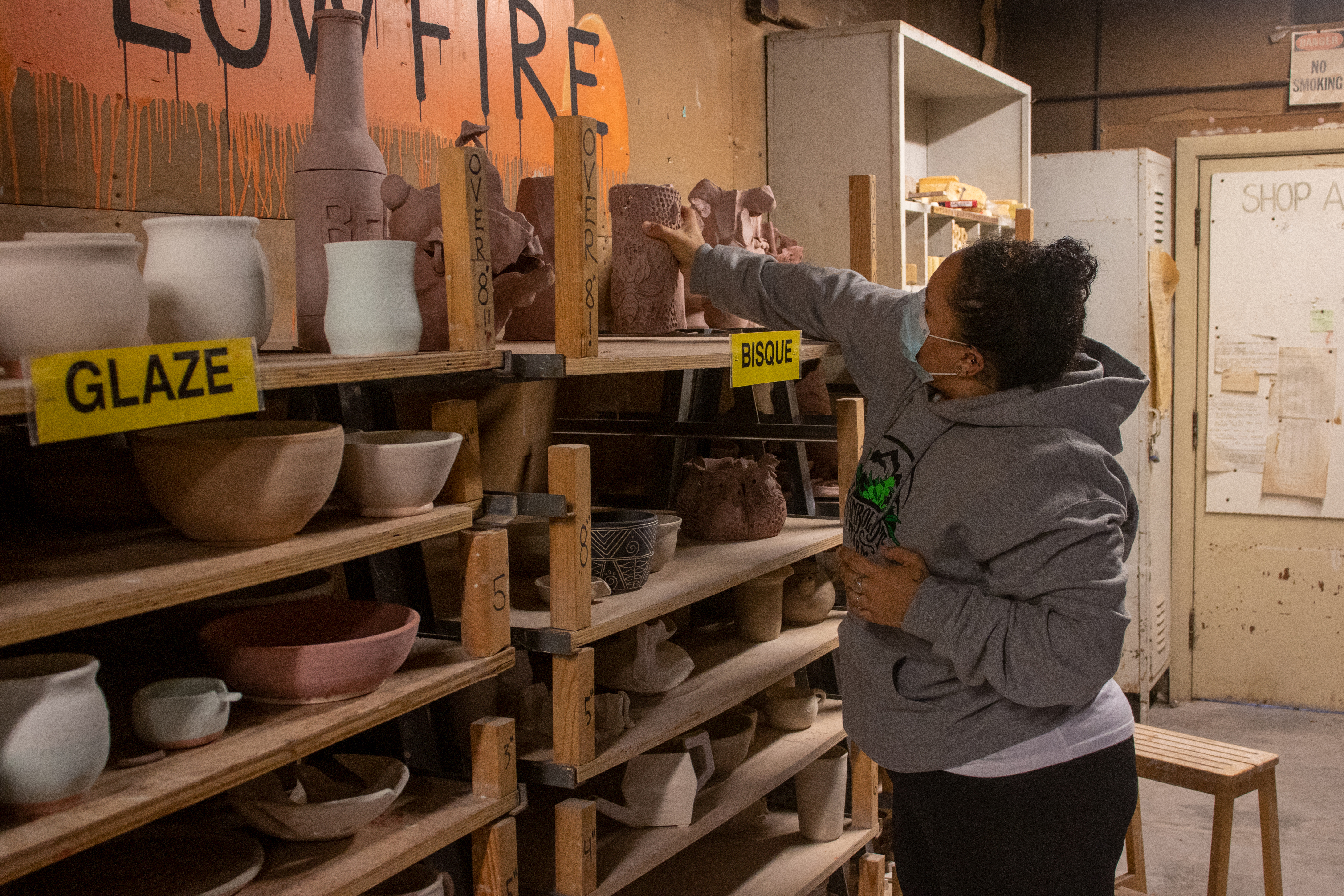
    At the start of the fall semester, each student was given a kit to take home, including basic ceramics tools and the clay they would receive in a normal semester. Beginning ceramics students will be creating almost entirely from home this semester, because of the new lab capacity put in place by COVID-19 protocols. Meanwhile, intermediate and advanced level students are granted some access to the building, with portfolio development students receiving first priority.

    “They have paid their dues and deserve the last moments of their academic career to do as much as time allotted them,” Hurst said.

    Jenna Santangelo is a former student and now lab technician for the ceramics department. After six years of classes, this is Santangelo’s first year as a staff-member. According to her, the beginning students are able to accomplish almost all that’s required of them in a normal semester from the comfort of their homes, assuming they possess the space.

    “Working at home is possible,” Santangelo said. “But it’s pretty messy and a lot of people don’t really have the space necessary for it.”

    Melissa Martin is a graduate psychology major with an emphasis in academic research. She takes ceramics as a therapeutic ritual each time she’s nearing the end of a chapter in her education. This semester, she’s preparing to close the final chapter as she puts the polishing touches on her thesis. Taking the beginning ceramics course this semester and not having access to a lab has changed the way Martin approaches her projects.

    “I think that you’re a little bit more restricted of how much work you can actually do,” Martin said. “I also was a very avid wheel thrower, so that’s also been a real big challenge. Now I’m doing a lot of hand building stuff so I really have to hone in on different skills.”

    One thing not included in the kits the university handed out to ceramics students this semester was a proper kick wheel for throwing pottery.

    “The kick wheels are, I think, like 400 pounds,” Santangelo said. “Which isn’t really feasible for most students to move.”

    Despite the disappointments and also experiencing challenges with creating a comfortable workspace at home, Martin is remaining optimistic.

    “We’re just learning how to be resilient in this world. We’re still trying to accommodate the best that we can,” Martin said. “But it is still a challenge and we’re still learning little bit by little bit, each time.”

    Maximus Landon is brand new to the ceramics program this semester. Landon took the class in hopes it would help them enjoy school again. Unfortunately, the barriers introduced by the online format have taken away from some of the enjoyment.

    “Because I’m really new to all of this, I’m not entirely sure what exactly I’m doing,” Landon said. “I’m not sure if I’m scoring things wrong and I’m not sure if I make this dent too large if it’s just going to have the entire side fall off, so it’s a lot of trial and error by myself and it’s not very fun for my anxiety.”

    Likewise, Hurst has been very anxious this semester about the safety of his students and the quality of their education.

    “It’s definitely not an ideal thing,” Hurst said. “But a lot of students have just been really happy to still be able to work with clay, even if it is at home.”

  • HSU student celebrates life post quarantine

    HSU student celebrates life post quarantine

    Elise Fero recounts her experiences after 10 days of isolating in her dorm

    Isolation felt like home, not the home you want to be in, the home you’re stuck with until life gives you an opportunity for change. I spent days journaling and staring out the screen door at a single pinecone stuck between the boards of the porch I wasn’t allowed to step foot on.

    After ten days, I finally received the call informing me it could be my last day in isolation. My first thought, ‘well shucks I just ordered groceries.’

    As excited as I was, something inside me was terrified to leave. Most of my anxiety surrounding COVID-19 had disappeared. I was recovering fast and my parents, friends and boyfriend all tested negative, but I was experiencing a new kind of anxiety. Life after COVID-19.

    My life had suddenly become full of consequences I had no control of. I watched friends lose opportunities because they were required to quarantine after spending time with me. I feared the current science could be wrong, that my release could be lethal. I was consumed by an overwhelming fear that someone could’ve died because of me. Yet selfishly, all I wanted was to be set free.

    When I was cleared for release, I let out a sigh of relief and broke out into tears and uncontrollable laughter. The second the call was over, I opened the door and felt the cool air rush past me without the filter of a screen standing between us for the first time in over a week. The simple act of stepping outside was an indescribable joy I’ve never felt before. I was finally able to pick up the pinecone that had stared at me for so long.

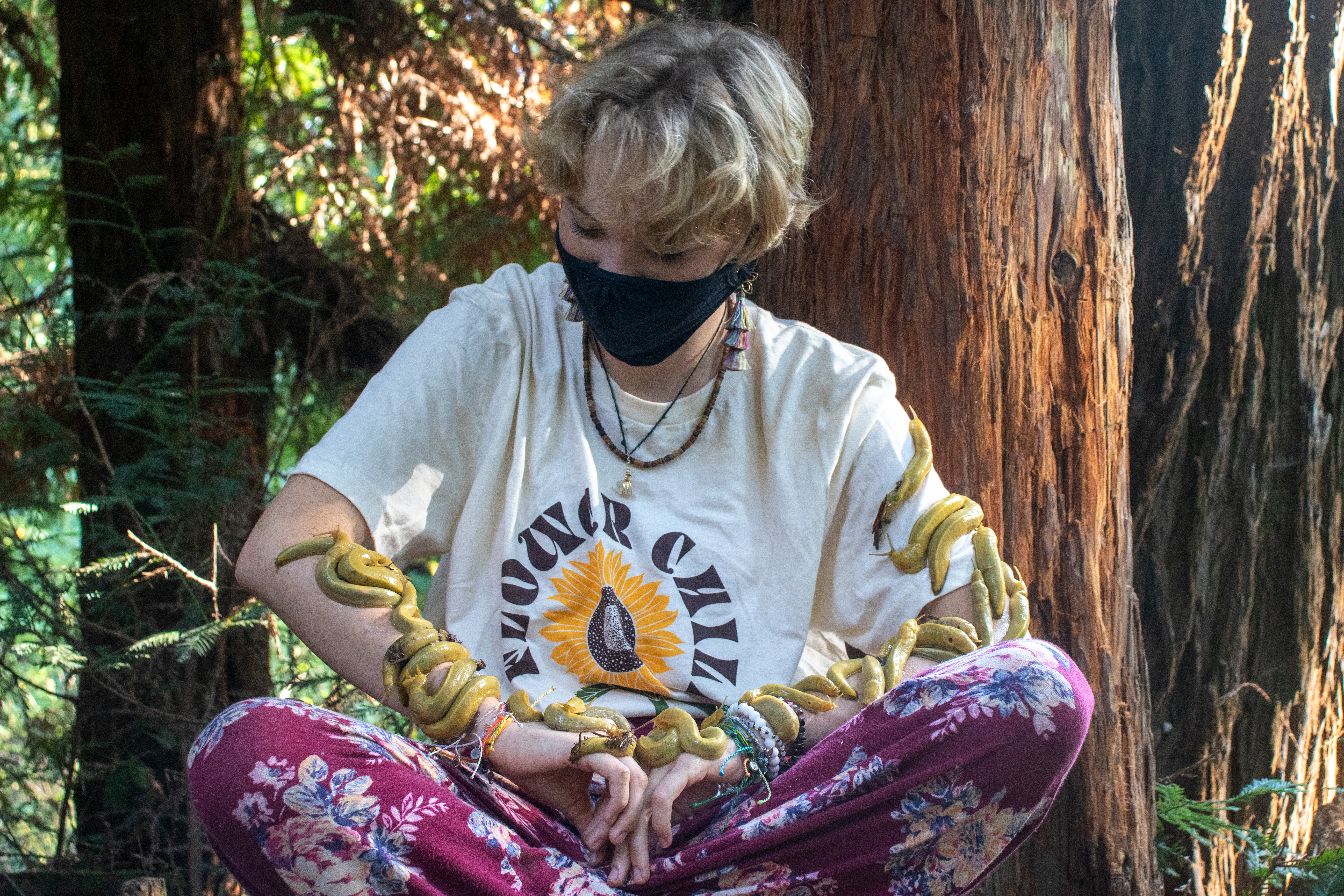
    During those ten days in isolation, I’d planned exactly what I’d do when I was released. My list consisted of finding a dog to pet, reuniting with an army of banana slugs and going to the beach.

    I was determined to return to the coffee shop where I had received the bad news that I tested positive for COVID-19. That first sip of coffee tasted like the conclusion to my horror.

    I’ve never felt closer to nature than that day, on the beach and in the forest. The same day, I was reunited with my best friends the banana slugs.

    For the next week, I spent as much time as possible outside. I abandoned my introverted tendencies and greeted everyone I saw. It was an awakening. For the first time, I experienced the world without taking it for granted.

    Coronavirus was not just unpleasant, it was living out the nightmare the world warned us to fear and facing the possibility of dying alone. The experience robbed me of all my comforts and left me deserted. Watching others claim that my illness was a lie and that they would never catch it. To be honest, I never thought I would either.

    This virus is not prejudiced. It will try to kill anyone given the chance. Doctors pour their lives into patients who may not live to see tomorrow. Family members are forced to say goodbye, praying it’s not for the last time. Survivors are absorbed in guilt after watching others die from the virus they passed on. It never leaves your mind, the fact that you could’ve been a statistic on the list of those who passed.

    For those who experience this virus, I share my story to provide you comfort. I was lucky to have survived. Not everyone is. I always had it in the back of my mind that others in isolation spend their final days alone.

    I thank the universe this wasn’t my fate and for giving me more time to share my story and grow from it.

  • Students are dining in during the COVID-19

    Students are dining in during the COVID-19

    Students survive COVID-19 by cooking for themselves and avoiding college cafeteria

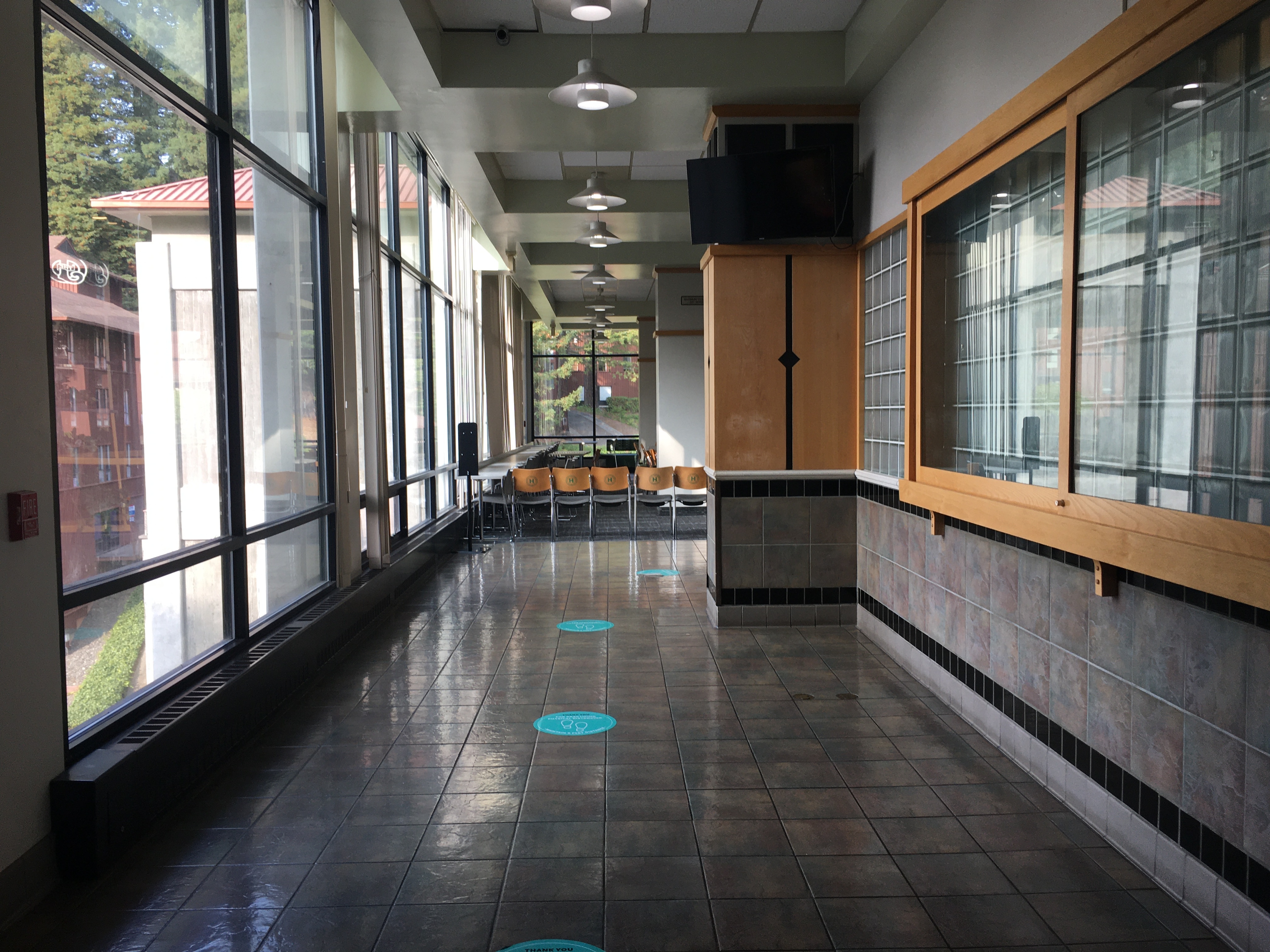
    Whether they live on or off-campus this semester, students are facing new challenges in just about everything they do and dining is no exception. Meal plans are offered to students living on the campus at a steep price, but this semester students have resorted to cooking for themselves.

    Humboldt State University botany major, Zeen Vincent, purchased a mini-meal plan but finds cooking in his dorm more affordable and enjoyable.

    “It’s just easier to cook at home and just buy groceries once a week than it is to go out and eat all the time.” Vincent said.

    Although the pandemic has turned trips to the grocery store into an uncomfortable mission, Vincent hasn’t allowed it to affect him much. When he does prepare food, it’s often raw ingredient based meals or snacks.

    “I’ve been making a lot of sandwiches,” Vincent said. “I am making burgers tonight so that’s kind of special. I usually don’t eat that on a daily basis.”

    HSU freshman, Jesse Barragan, lives on campus and has the green meal plan which is recommended for students who plan to cook on the weekends. Barragan eats at the J cafeteria weekly but is forced to occasionally cook when the J lacks in vegan options.

    “Sometimes for dinner they may not have a lot of options,” Barragan said. “Maybe like a few sautéed squash and rice but usually it is good.”

    With more vegan and vegetarian options than most places, Barragan is able to eat well on a budget. Barragan’s meals involve easy-cooking in his dorm kitchen, using mostly veggies and produce.

    “Lately I’ve been eating a lot of potatoes, squash, tomatoes and salads,” Barragan said.

    Although most students who came back to campus moved in at the end of Aug., HSU junior Vanessa Odom, stayed to pursue a work opportunity on campus.

    “There were no dining services,” Odom said. “The J and everything closed back in March after spring break.”

    Odom discovered they could acquire free food from the Oh SNAP! program. Receiving mostly raw foods, Odom took the opportunity to sharpen their cooking skills.

    “I really enjoy cooking for myself,” Odom said. “Obviously it’s a life skill to have and I’ve learned a lot about different kinds of cooking.”

    Richard Shilts is a sophomore at HSU and has a job at Domino’s Pizza in Eureka. He applied shortly after moving back to Humboldt and has been working as a delivery driver since July.

    “I work just about every day of the week,” Shilts said. “I work about 30 hours. I was working like 40 before school started.”

    Shilts’ main concern is work interfering with his education but the job pays too well to quit. Unfortunately, Shilts puts up with customers that are unwilling to abide by COVID-19 protocol, putting himself at a powerless, higher risk of getting sick.

    “I can’t do anything about it,” Shilts said. “I just have to deliver to them.”

  • Students advocate for award-winning food sovereignty lab.

    Students advocate for award-winning food sovereignty lab.

    Awaiting approval from President Jackson, the food sovereignty lab is the first of its kind

    After facing rejection multiple times from administration, the request to use the former Hilltop Marketplace as the location for an entirely student-lead food sovereignty lab is finally getting attention from the higher-ups.

    Last semester, on the first day of class, professor of Indigenous Natural Resource Management Practices Cutcha Risling Baldy, posed students with two questions they would have the entire term to answer: first, what do you think HSU needs? Second, what do you think we can accomplish as a class in the semester?

    The idea students came up with is a food sovereignty lab that could be used for academics, events and gatherings and it would be connected directly to food security. The food-lab would be the first of its kind available in all California Universities, possibly all colleges in the country.

    Amanda McDonald is a leader of the Waste Reduction Resource Awareness Program at HSU and one of the student participants in the food-lab project. According to McDonald, food security is the number one student need across all CSU campuses. She feels our current food security program, OhSNAP! is a huge help, but students need more.

    “The OhSNAP! student food pantry has done an outstanding job at helping meet basic student needs in the past two years, however, it is simply not enough,” McDonald said. “The Food Sovereignty Lab will work in tandem with organizations like OhSNAP! to address innovative solutions to food security, food sovereignty and sustainability. Through conducting research, writing grants and collaborating with community gardens in our region, the potential of this Lab has yet to even scratch the surface.”

    The student-led project is backed by award-winning research. Carrie Tully is a graduate student in the environmental and community program at HSU and also one of the students that participated in the food sovereignty project.

    “My classmate presented this research to the CSU research competition and our classes’ research was selected by the University to participate in the competition,” Tully said. “They won second place in the graduate level behavioral and social sciences field.”

    The University’s initial decision to deny the space was especially frustrating after their achievement, considering they were selected by the University to participate in the competition.

    “Our request was denied by the committee in a very casual email,” McDonald said.”

    The University’s Space and Advisory committee’s response stated they believe the former Hilltop Marketplace would better serve as a general student space, accessible to all.

    “The Coronavirus pandemic has highlighted the need for local sustainability, food security and food sovereignty.”

    Ted Hernandez

    McDonald couldn’t make sense of the committee’s decision. The last use of the location was a marketplace, designed specifically for the purpose of putting food in the hands of students. McDonald and the others also envisioned the food-lab as a place that would be available to everyone – the diverse student-population, surrounding communities, tribal nations and national and international scholars. It would be a kitchen space that could be used for academics, events and gatherings.

    “If they’re thinking it is better suited as a lounge, there is a lounge on every floor of the BSS,” McDonald said. “Or they can build a lounge on any part on campus.”

    In response to the committee’s decision to deny the space request, there was a significant outcry of community support for the food sovereignty project, including over 80 letters received from students, staff, faculty, local organizations and members of tribal nations in a single week.

    Wiyot Tribe Chairman, Ted Hernandez, is one of the many to have sent a letter supporting the project. In his letter, Hernandez explains how the food-lab would be especially beneficial to us now, given the pandemic.

    “The Coronavirus pandemic has highlighted the need for local sustainability, food security and food sovereignty,” Hernandez said.

    Hernandez supports the food lab because it will benefit HSU, the local community and local tribes.

    “The end result would be an interdisciplinary learning lab worthy of HSU that would both attract Indigenous people and students from out of the area,” Hernandez said. “While also serving the local Indigenous peoples by helping to preserve their food sovereignty and native food security.”

    Students from NAS 331 presented their proposal to the Associated Students board of directors and the University Senate this summer. The former Hilltop Marketplace was approved to be used for the food sovereignty lab, May 28, by the University Space and Facilities Advisory Committee. Then again on July 19, by AS President Jeremiah Finley – suggesting it be adopted into the next HSU academic master plan.

    The project is still currently awaiting approval from the President’s office, the Academic Master Plan group and Facilities Management. For now, it seems the COVID-19 pandemic has caused another roadblock in the project and the grand-opening of the food-lab is yet to be determined.

  • Music of the Moment 3

    Music of the Moment 3

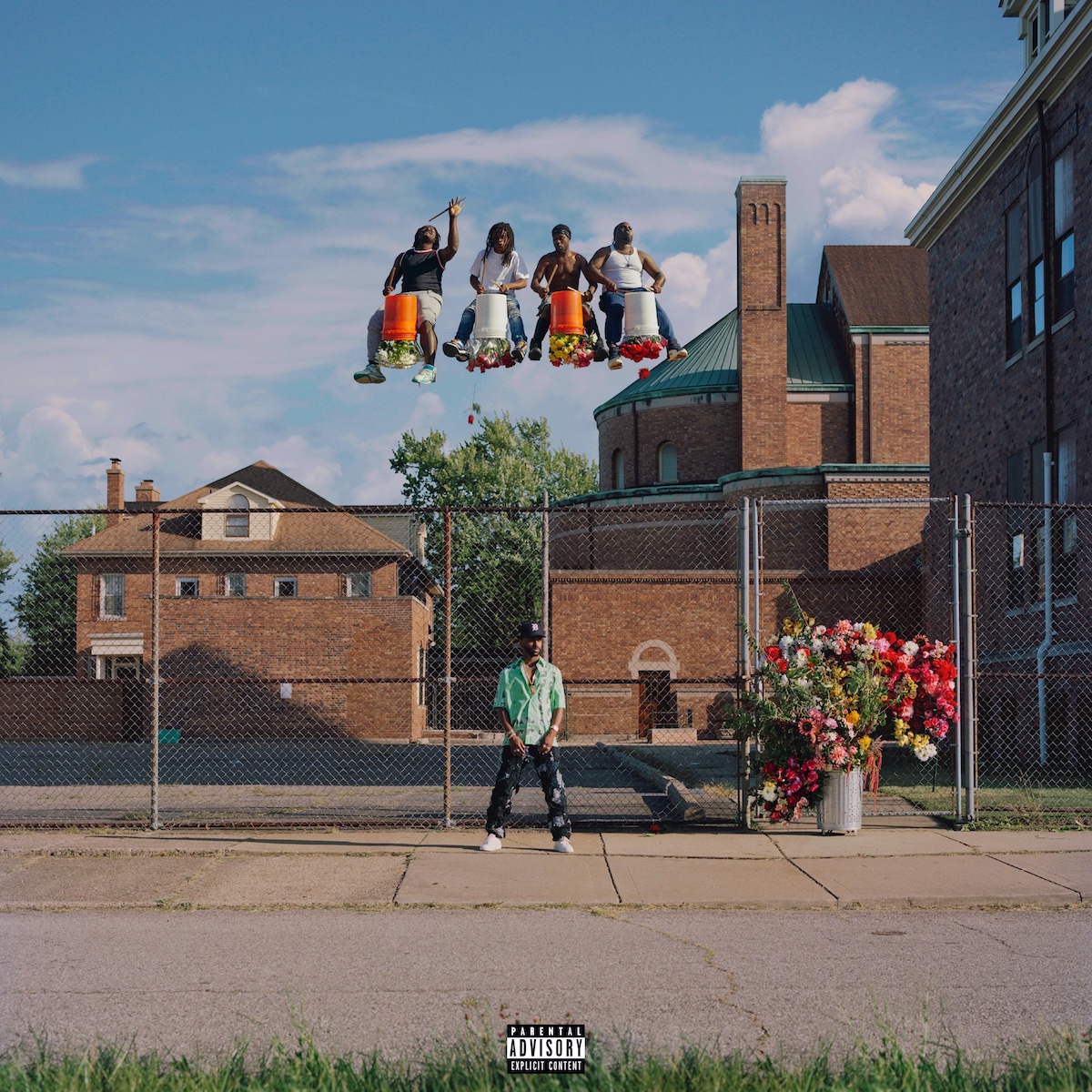
    For better or worse, Big Sean is likely gone for good.

    After taking a three year hiatus, following luke-warm reception to his 2017 album “I Decided,” and an overwhelmingly negative response to the collaborative album he released later that year with Metro Boomin – ironically titled “Double or Nothing” – Big Sean’s new album “Detroit 2” marks a permanent step away from superstardom.

    Sequel to the 2012 mixtape “Detroit,” part two – the album version – delivers a much different experience in almost every regard. Each project boasts features from some of the biggest artists in the game at the time and each project features interludes from three highly respected entertainers, however, the similarities end there.

    Previously rapping about fame, fortune and the fast-life, with 2017’s “I Decided.” Sean took his music in a new direction of peace, positivity and personal growth. Doubling down on these new themes in “Detroit 2,” Sean delivers his second solo-album in a row without an undeniable hit-record like “I Don’t Fuck With You” or “Clique.”

    Leading up to the release of “Detroit 2,” Sean set the tone releasing “Deep Reverence,” featuring the late Crenshaw king, Nipsey Hussle. On the track, Sean opens up about his overblown beef with Kendrick Lamar, the baby he lost and thoughts of suicide. Sean, only displays this level of vulnerability once more on the song “Lucky Me,” where he speaks to his public break-up with R&B singer and current girlfriend Jhené Aiko and having been diagnosed with heart disease at 19-years-old. These topics are all left at the surface level and unfortunately, we never get to hear directly how Sean feels about any of it – only that he’s gone through it.

    After focusing an entire album around the theme of reflection with “I Decided,” Sean captures his life path and what it’s cost him with an effortless delivery, resembling conversation, on the track “Everything That’s Missing.” Along with “Guard Your Heart,” “Full Circle” and “Feed,” in which he focuses on the conflictions within fame. These are the songs where Sean is in his element.

    On the flip side of things, time and time again on this project, Sean falls short of a hit-record – lacking the undeniable catchiness factor on the song “Harder Than My Demons,” not giving Post Malone the entire chorus of “Wolves” or letting Travis Scott give up half-way through the hook on “Lithuania.” For someone with as much experience as Sean, it’s as if he’s actively trying to avoid a hit.

    Fortunately, Sean saves the best for last, ending the album on an extremely high note, beginning with the song “Don Life,” featuring a strong verse from Lil Wayne and sampling the legendary Michael Jackson’s classic song “Human Nature.”

    For the next track, “Friday Night Cypher,” Sean recruits 10 fellow Detroit MCs to rap over eight different beats that mostly cater to each artist. Sean delivers two of his best performances of the album on these songs and the latter is a moment not soon to be forgotten by fans of hip-hop.

    With “Detroit 2,” Sean delivers a project more honest and open than anything he’s released before but at the cost of the quality of his music. After three years off, Sean’s musical abilities remain unchanged and his concept of quality has suffered. Most songs are ruined by a bad flow here, a lazy hook, poor arrangements or overproduction that make them hard to listen to outside of the context of the album.

  • Students Find Creative Ways to Pass Time in Quarantine.

    Students Find Creative Ways to Pass Time in Quarantine.

    An inside look at how Humboldt State students’ are staying busy with pandemic hobbies.

    Just because life has begun to resemble a sci-fi movie, doesn’t mean students aren’t having fun. Abiding by COVID-19 protocol, students are cooped-up indoors more than usual. While video games, Netflix and sleeping becoming more common in the household, others have chosen instead to spend their time creatively.

    Rebekka N. Lopez, a music education major at Humboldt State University, was the drum major for the Marching Lumberjacks in the spring. When classes were brought online and health-guidelines were put in place, the Marching Jacks’ season was cut short and they remain on the bench this semester. Undeterred, Lopez continues to practice through quarantine.

    “That’s what I did almost every day this quarantine,” Lopez.

    Lopez enjoys practicing as a hobby and intends to pursue a professional career in music. Recenty, she’s been learning to play new instruments.

    “I play a couple, I play the flute and the saxophone mostly and, I’m still learning other instruments like ukulele, guitar, clarinet and piano,” Lopez said. “It’s my job to know even more than that so I’ve got a long way to go,” Lopez said.

    Hobbies are not only great outlets for self-expression, they can also make it easier to co-exist with the anxious attitude of the difficult times we live in. HSU psychology major Madelynne J. Avila uses some of the extra time she has during quarantine to practice singing.

    “For me personally, singing has always been an outlet for you know relieving stress and just kinda getting my mind off of whatever may be going on right now,” Avila said.

    Along with singing, Avila also enjoys volunteering. In the spring, before quarantine, she volunteered at her local animal shelter and at a local wildlife rehabilitation hospital. Once quarantine started, volunteer opportunities were no longer available. She was able to transfer into the education department at Lindsay Wildlife Experience and continues helping those in need.

    “Volunteering has been something that I’ve really wanted to do for a while, and really kinda just go all into it,” said Avila.

    Jared Schroter, a sophomore at HSU, is an Eagle Scout with the Boy Scouts of America, the highest rank earned by completing various tasks and demonstrating expert survival skills. Schroter is also a leader in the Venture Scouts program, composed of male and female scouts between the ages of 14 and 21.

    “I started to make a crew when I was 18 because I aged out of Boy Scouts,” Schroter said.

    As the president of crew 200, Schroter continues to plan and hold meetings over Zoom, keeping him more or less occupied most days. Schroter also enjoys outside activities like golf to fill in gaps during the day.

    “I’m horrible at golfing but I’ve become somewhat decent at it now,” Schroter said.

    Being stuck inside for long periods of time is not healthy, so for students willing to follow social-distancing guidelines, like anthropology student Scarlet Chapman, they can still experience the joy of nature.

    “I’ve been getting out a lot, spending a lot of time in nature,” Chapman said. “Been trying to put my phone down more.”

    One of Chapman’s new quarantine hobbies is drying flowers. She got inspired to spend her time more creatively when she saw friends posting their hobbies on social media.

    “I saw a lot of gardening on Instagram,” said Chapman. “And I was like ‘oh that looks fun’, so I’ve been adding to my garden outside,” Chapman said.

    Quarantine can be an opportunity for personal growth for those willing to work for it. Finding the silver lining and keeping yourself on track will help repel negativity and boost morale.

    “Just to know that even during quarantine you’ve improved on something or you’ve like gotten better at a certain skill, I think that’s really great for personal morale and you can only get so much from watching a show,” Lopez said.

  • Graduating Into Uncharted Waters

    Graduating Into Uncharted Waters

    HSU graduates attempt to navigate a world turned upside-down by COVID-19

    In May, Humboldt State University graduated hundreds of students, as it does every year. Unlike past years, graduates didn’t get to shake hands with their respective dean and receive a diploma on-stage in front of their friends and family. Instead, the class of 2020 was graduated over a mass-Zoom call.

    Claire Matulis graduated last May with a degree in psychology. She recalls the graduation experience as passable but regrets not witnessing it firsthand.

    “It was interesting to have the Zoom graduation,” Matulis said. “I still had my family on, we had a Zoom going on watching the slideshow and there was a part of me that kind of wished I had the in-person graduation.”

    For former HSU film major, Will Schorn, this was only the beginning of a long and winding road to finding a job. Schorn had an internship with the HSU football team as a videographer but got axed when the program was cut. He’s since gotten back on the market, looking for similar positions.

    “With COVID impacting so many sports, especially if you’re not playing at the top level – if it’s not professional sports – it’s been really difficult to find a job filming sports right now,” Schorn said.

    “It’s difficult for people to feel like they’re building community now because, like, I’m sitting here in my room by myself talking to a screen and even though I know I’m communicating to a person, there’s a different feeling to communicating this way than it would be sitting face-to-face.”

    Madison Hazen

    Other students have had less trouble finding work, even if it is remote work. Madison Hazen is one recent graduate who fits that bill. An anthropology and religious studies double-major, Hazen was able to land a job in English-language learning support and reading intervention support for elementary school students, through the AmeriCorps company. While Hazen feels very fortunate to have found a job at all, she’s not too fond of working in a virtual setting.

    “At the school I’m at, I’m going to have like forty-plus coworkers, who are people I’m not going to see face-to-face at all,” Hazen said. “I think it’s difficult to feel kind of like you’re fully becoming integrated into that work environment.”

    Although Hazen remains optimistic for the future of former students but admits that she misses interacting with other people in a physical space.

    “I definitely took it for granted as a student and having the physical community taken away or being removed from the physical community really helped me appreciate it,” Hazen said. “It’s difficult for people to feel like they’re building community now because, like, I’m sitting here in my room by myself talking to a screen and even though I know I’m communicating to a person, there’s a different feeling to communicating this way than it would be sitting face-to-face.”

    Like Hazen, Matulis was able to find a job in her field. Working as a child and family specialist for a non-profit called Evolve Youth Services, Matulis acts both as a mentor and a therapist for adopted kids. Unlike the others, Matulis is remaining in Humboldt for the time being.

    “I love Humboldt and I’m actually really grateful that I’m here in the time of the pandemic,” Matulis said. “My family is in much more populated areas in L.A. and Riverside and Ventura. Here out on the trail, I don’t have to worry about there being as many people and I feel like everybody is very conscious of wearing their masks and keeping their distance, so I feel grateful to be here.”

  • Living on Campus during a Pandemic

    Living on Campus during a Pandemic

    Humboldt State University reopens campus and student housing for new incoming students.

    Universities across the nation are experiencing a drop in enrollment this year due to COVID-19 and Humboldt State University is no exception. With around a thousand new students moved into single-occupancy rooms on Aug. 17, HSU remains determined on reopening campus and providing student housing for the fall semester.

    Among those returning is second year HSU student, Bryce Hunt. Hunt lived on campus prior to in-person instruction ending and he knew he would be returning to campus.

    “I had already made my decision internally,” Hunt said. “I knew a majority of my friends were coming back up and I needed to get out of my home and my hometown.”

    For Hunt, the adjustment to life on campus during the pandemic has been fairly easy. While he admits the absence of resources such as in-person advising has been a hindrance, he feels the school is taking strong protective measures.

    “I like that they’re offering free coronavirus testing,” Hunt said. “They’ve been open about the fact that they have had cases.”

    Hunt feels that campus is safe as long as everyone takes proper precautions and follows the advised county health guidelines.

    “Even with everything going on, I want to be here, because I’m happy here.”

    Adrian Black

    “I feel fairly comfortable,” Hunt said. “I know I’m taking the protective measures so I can to be safe. I don’t think it’s bothering me as much as it did after spring break.”

    Adrian Black, a second year student at HSU, is staying off-campus but remaining in Humboldt. Without any in-person classes, Black made their decision partially out of want, and partially out of need.

    “I don’t really have any other place to live,” Black said. “My parents don’t have room for me. Besides, I really like living here. Even with everything going on, I want to be here, because I’m happy here.”

    While they had previously considered not returning to HSU after last semester’s disorganized attempt at online classes, Black decided to give this semester a try. Driven by both a passion for learning and a fundamental hunger for something to do, Black returned. However, they’re disappointed in the lack of resources and social-outlets available to students.

    “A lot of the charm of being a student is being on campus, interacting with students and faculty,” Black said. “I feel like clubs and such are going to be lacking since we can’t do in-person meetings. It limits what types of clubs are allowed and accessible and puts a damper on social lives.”

    With students and faculty better prepared for online classes, new precautions in place and the world adjusting to a new reality, they believe that it can be a good semester.

    “I have high hopes, and I hope that by next year, things will have gotten better,” Black said.

  • Students Stay Home Scared to Learn in Pandemic Times

    Students Stay Home Scared to Learn in Pandemic Times

    Students stay home this semester with concerns of health and quality of education.

    In the midst of the global pandemic, Humboldt State University students have chosen to stay home and attend classes virtually or not at all this semester, citing living expenses, health concerns and quality of education as factors in their decisions. Given most classes will only be offered virtually this semester, there’s much less incentive to be present on campus.

    Ahead of their return, the HSU health department informed students of the risk in coming back to campus and the new safety protocol including wearing masks, practicing social distancing and a mandatory COVID-19 test followed by two weeks of self-quarantine upon arrival.

    Calista Tutkowski, an environmental science major, is one of the students staying home and continuing her education online. Tutkowski’s family lives in Colorado and she decided coming back to campus wasn’t worth the risk. In her time on campus, Tutkowski made lots of friends that were also from out of state/from all over the country

    “All of them coming back to one place felt like a recipe for disaster,” Tutkowski said.

    While Tutkowski’s lab-classes were deemed deserving of in-person instruction this semester, her concern outweighed her desire to return.

    “It just wouldn’t feel like a safe environment,” Tutkowski said.

    In Colorado, she’s employed as an essential worker and frequently has to interact with customers that don’t abide by social-distancing protocols. Tutkowski also has the financial advantage of staying in her parents home and avoiding the cost of out-of-state tuition with the cost of housing in California, it wasn’t worth her return.

    “It’s like pulling teeth with some people,” Tutkowski said. “I could just be making money here if I stayed home.”

    Oliver McVay, a psychology student, online learning was never an option. The shift to online-instruction last semester in response to the initial outbreaks of COVID-19 cases, students like McVay, who suffers from a learning disability, were left to fend for themselves.

    “There wasn’t a lot of face-to-face stuff,” McVay said. “It was more just, here’s the assignment, turn it on canvas by this day at this time.”

    McVay experiences difficulty teaching himself the material and felt he wasn’t receiving the education he paid for, so he decided to take the year off.

    “Last semester, I didn’t really learn anything from my online classes,” McVay said. “I just felt like it wasn’t benefiting me.”

    Former HSU student, Chase Ervin, also found learning online too challenging in the spring and decided not to return for the fall.

    “I knew that online schooling was going to be difficult,” said Ervin. “I went from like all A’s to all B’s and C’s.”

    Students like Ervin and McVay require a proper learning environment to tap into their potential.

    “I was lacking a lot of focus,” Ervin said. “There were a lot of distractions at home that I wouldn’t necessarily have at school.”

    Whether students patiently await their return to the classroom or carry on pursuing an online education, it’s clear the virtual teaching methods do not benefit or cater to all students.

  • Staff Recipe: Awesome Avocado Pasta

    Staff Recipe: Awesome Avocado Pasta

    Pasta, the go-to, easy-to-do meal, but with avocado

    Pasta is the go-to meal when nothing else sounds good. I’m sure many of you have eaten pasta during quarantine—it’s just so convenient. However, it’s nice to finally switch it up a bit after having the same ol’ spaghetti for days on end. A sauce I discovered a while back is an avocado-based sauce. At first I was a bit skeptical, but then I thought “I love avocados and I love pasta, it shouldn’t be that bad.” After looking through and trying out a few recipes online, I got the hang of it and decided to just do it on my own. With a few modifications, I have a great recipe for you to try. It’s simple, fast and delicious.

    Awesome Avocado Pasta recipe:

    Ingredients:

    2 ripe avocados

    1 whole yellow onion

    3 cloves garlic

    2 teaspoons of lemon juice

    1/4 cup of olive oil

    1/2 a box of penne rigate or regular spaghetti (more or less depending on how hungry you are)

    Seasonings:

    Salt

    Pepper

    Oregano

    Basil leaves

    Cayenne pepper (for a little spice)

    Directions:

    1. Dice the onion along with three cloves of garlic.

    2. Grab a medium sized pan, coat it with a tiny amount of olive oil and turn on the burner. Once the pan is hot, add in the diced onion and garlic. Cook until the onion is caramelized. Once caramelized, turn the heat off.

    3. Grab a blender. Slice and open the 2 avocados. Scoop the avocados in the blender, then transfer the cooked onions and garlic from the pan to the blender. Add 1/4 cup of olive oil and 2 teaspoons of lemon juice and blend until the sauce looks smooth and creamy.

    4. Once the sauce is ready, start the pasta. Grab a pot and bring the water to a boil. Add in your pasta and follow the directions on the box.

    5. After the pasta is cooked to your liking, drain and put back in the pot. Take the avocado sauce from the blender and spoon in to the pot of pasta.

    6. Add in spices to taste and stir (remember to taste as you go).

    7. Once it’s seasoned to your liking, get a bowl and enjoy!

  • Revamped Resident Evil 3 Radiates Nostalgia

    Revamped Resident Evil 3 Radiates Nostalgia

    20 years later and Resident Evil 3 still feels just as good

    The Resident Evil franchise began as a survival horror video game that rose to fame in the 90s and has continued with a series of sequels and film adaptations. This is a brief, spoiler-free review about the recently released Resident Evil 3.

    Twenty years ago, I embarked on one of my many video game binges. This included playing Resident Evil 3: Nemesis. It was the first time I learned about the anxiety of being chased by the video game’s antagonist, Nemesis. On April 3, I relived that experience, thanks to Capcom delivering on the Resident Evil 3 remake.

    The plot of the video game features protagonist Jill Valentine, a returning character from the first game’s story line, which saw the Special Tactics and Rescue Service members trapped in a mansion fighting for survival against nightmarish creatures. In Resident Evil 3, the fight for survival takes place in the streets in the fictional Raccoon City.

    In the remake, the game’s mechanics have changed slightly, giving you the ability to dodge more efficiently, as opposed to the original, in which you had to rely on frantic button-pressing and leaving it to chance. Another returning feature is the ability to craft ammunition, giving the player a fighting chance as increasing difficulty makes items more scarce.

    With Valentine and Nemesis as the main features of the game, it did radiate the nostalgic feeling I had when I first played 20 years ago.

    Although the game was a perfectly rendered remake, I do have some complaints that affected my nostalgia. Let me start off with the main concept, which is encountering Nemesis. In the original game, you had to fight your way through the city, and upon arriving at the police station, you had to fight for your life.

    In the remake, that suspense is taken away when you encounter Nemesis at the start of the game. Adding on to that complaint is the use of cut scenes in which Jill Valentine runs away from Nemesis. In the original it was solely up to you, the player, to control Valentine in hopes that you can fend off the creature.

    Another grievance focuses on the locations in the game. The remake felt shorter than the original and that’s because the creators decided to cut down the time it took for the player to explore certain parts of the game. Originally it took hours of exploration to acquire items for progression through areas, but by taking that out, it felt more like a rushed experience.

    Other than those issues, the game is worth trying out. With Valentine and Nemesis as the main features of the game, it did radiate the nostalgic feeling I had when I first played 20 years ago. Capcom really went above and beyond to deliver another quality product similar to their Resident Evil 2 remake which launched last January.

    Whether you are a lifelong fan or new to the Resident Evil series, I assure you the recent remakes are worth the purchase, especially for the revamped story line.

  • Students Struggle to Stay Motivated

    Students Struggle to Stay Motivated

    COVID-19 rages through US as students struggle with online schoolwork

    Humboldt State University transitioned to online instruction for the rest of the semester on March 26. Since then, some students have had a hard time staying focused and motivated in online classes.

    Deana Lopez, a third-year zoology major at HSU, admitted that this hasn’t been an easy transition.

    “I feel overwhelmed with the amount of emails professors and instructors are sending, and everything seems all over the place,” Lopez said. “I have been neglecting my school work so much that I forget that I still have classes. I’ve missed quizzes and assignments already because it’s so easy to forget that I have to do them without a professor reminding me.”

    Third-year psychology major Madeline Baker said she was having a tough time staying motivated without face-to-face instruction.

    “Not being able to have classes in person further discourages me,” Baker said. “Holding classes through Zoom has been easier for me in contrast to pre-recorded lectures, but they still aren’t the same. Not having that in-person connection alters the learning environment in a way that makes me feel disconnected from my overall learning experience.”

    Not only are students dealing with the move from face-to-face instruction to online classes, but they also have to manage the stress of living in a pandemic. With many students moving back home, there’s added family stress as well.

    Not only do I feel like my beginning of therapy has been interrupted, but the full college experience for this semester.”

    Madeline Baker

    Lopez was feeling pressure from school alongside tension from life in general.

    “I know I can find the motivation, but everything is hectic at the moment,” Lopez said. “My grandma recently passed away so there was that on top of the COVID-19 situation, and a lot of family problems have occurred as well. I’m trying to get myself and my surroundings organized before I can actually put all of my focus into school.”

    No matter how good a job professors are doing, online education doesn’t appear to be the same. For the students, it’s not just the classes they feel they’re missing out on, but the whole college experience.

    Meanwhile, the state of the world may be taking a toll on student mental health.

    “The resource I would like to use most right now is CAPS,” Baker said. “Before all of this happened, I finally decided to go in and begin appointments, something I feel like I’ve needed to do for a while now. I feel like that has now been interrupted for me. I had a private safe space provided to speak with someone and learn to cope with things. Given my current housing situation, I do not have a private enough space in which I would feel comfortable confiding in someone and work through my personal feelings and issues over the phone or video. Not only do I feel like my beginning of therapy has been interrupted, but the full college experience for this semester.”

    Many students are also dissatisfied about paying full-price tuition for resources they won’t be able to access for the rest of the semester.

    Kayla Rodenburg, a third-year English major, thinks the tuition price doesn’t add up with all classes now online.

    “I do feel like the tuition price is too high for online classes,” Rodenburg said. “Online university is dirt cheap and we are paying CSU prices for that which is kinda ridiculous in my opinion. I’m pretty sure many parts of our tuition fund things on campus that we now don’t have access to, so I hope some type of refund happens, even though it’s kind of a stretch.”

  • What It’s Like Living On Campus After the Exodus

    What It’s Like Living On Campus After the Exodus

    Despite Humboldt State University going digital, campus housing remains open

    Humboldt State University President Tom Jackson announced via email March 18 that the school would be going entirely online, and he encouraged students to vacate campus housing if possible.

    “It is important we reduce the number of people on campus,” the email read. “We encourage students who can return to a home off-campus to do so. We will not displace students who are facing housing insecurities or homelessness.”

    “They should have just made the choice before people left for spring break to keep it as safe as possible.”

    Calista Tutkowski

    Freshman Calista Tutkowski was among those who decided to move back home after learning that classes would transition online. Tutkowski considered her choice the right one for her own physical and mental wellbeing.

    “It felt like things were just going to get worse and worse on campus and around the world, so if I was going to be doing online classes, I wanted to be home with my family,” Tutkowski said.

    Tutkowski was frustrated with the sudden notice from the school. By the time the school sent out the notice that they were going online and encouraging students to leave the dorms, she had already gone home for spring break and was out of state. Like many other students, she had to return to campus to pick up her things, potentially putting herself and others at risk by traveling.

    “They should have just made the choice before people left for spring break to keep it as safe as possible,” Tutkowski said.

    Some students are still on campus. Emma Bradley-Solis is one of those who elected to remain in campus housing despite virus concerns.

    “I live in Washington and it is a lot worse there,” Bradley-Solis said. “I thought it would be smarter for me to self-quarantine here.”

    According to an April 7 Enrollment Management report, about 300 students remain on campus. Most of the campus facilities are closed, including the library, computer labs and University Center.

    With the severely reduced numbers of students left behind, pickings are slim. There isn’t much variety left in the food selection, and many staples such as rice, pasta and fresh fruit are out when Bradley-Solis goes to the marketplace. For students who rely on J-points to eat, this is both a serious problem and a waste of the money spent on their meal plans.

    “I feel like they could take care of the students still here better—like better food,” Bradley-Solis said. “We paid a lot of money for J-points.”

  • A Surfer’s Tale: From Heaven to Quarantine

    A Surfer’s Tale: From Heaven to Quarantine

    An account of one HSU surfer’s last breath of clean, fresh air

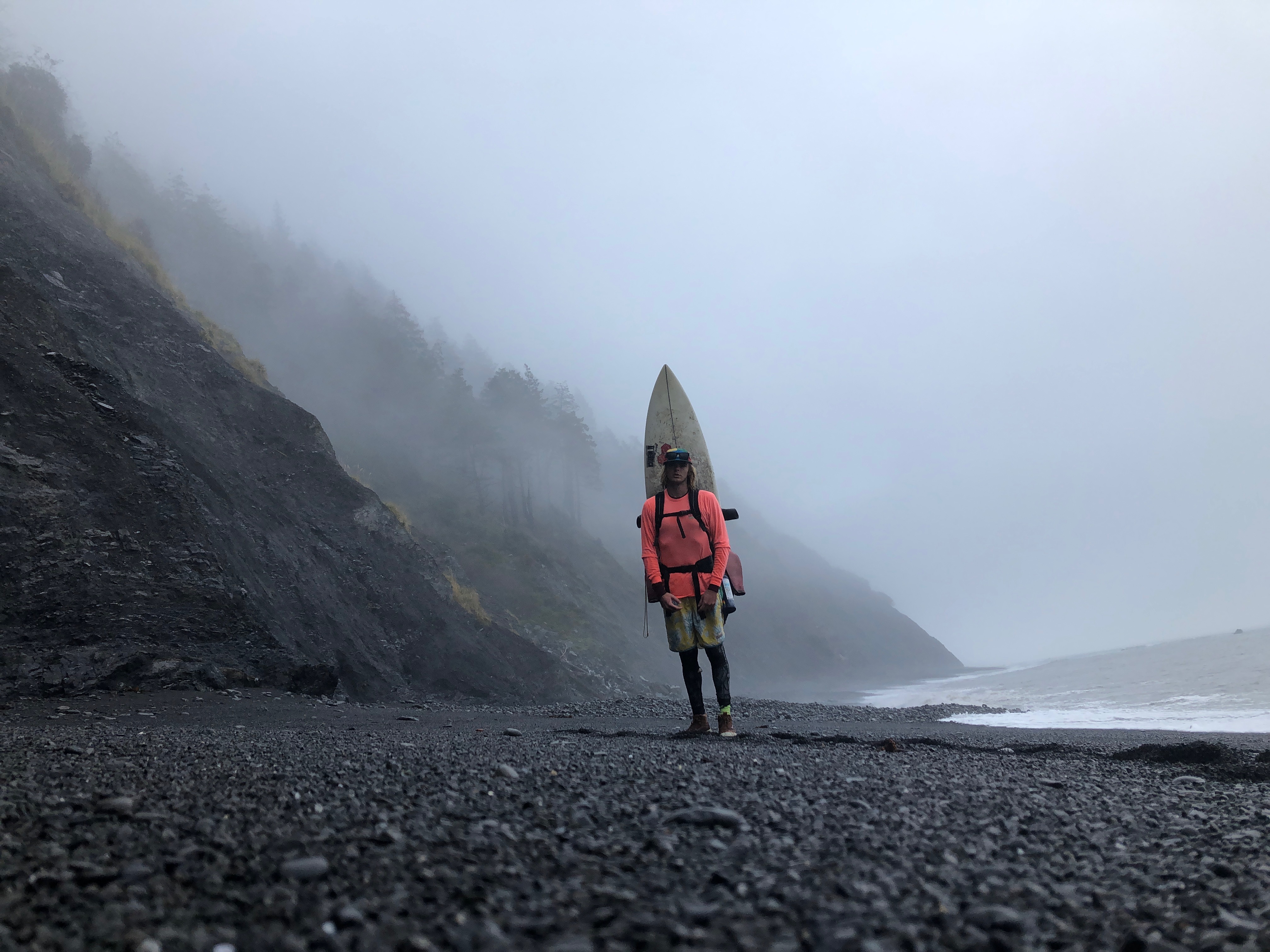
    When Humboldt State University forestry major Gavin Schreiner set out on a 10-day surf trip over spring break, he had no clue what he would return to.

    Planned months in advance, Schreiner wasn’t going to let a virus stand in the way of his vacation. Packing over 50 pounds of food and supplies, he and a friend hiked nine miles up the coast of California. Schreiner stopped along the way to admire otters, countless shells and of course, to surf.

    “Surfing is obviously my favorite part and that’s the drive to go, but I love camping anyway,” Schreiner said. “I’m an avid backpacker. I’ve been through the Trinity Alps and definitely backpacked into SoCal a bunch.”

    A territorial surfer, Schreiner requested the location not be named, especially after this trip. Between spring break and COVID-19, the waves were packed.

    “It’s definitely my life path to surf until I die.”

    Gavin Schreiner

    “It was the most crowded anyone has ever seen that spot,” Schreiner said.

    Fortunately for those adventurous enough, there are nine miles of coast to surf on the way.

    “There’s the main surf spot out there, but there’s countless other waves along there,” Schreiner said. “It’s like a wave park. There’s so many different types of waves and different spots you can surf, and all offer different excitements.”

    Time between surf sessions consists of eating, sleeping and battling the elements to stay comfortable.

    “On the coast the weather changes super quick, so you have to be shedding layers, putting layers back on and also watching the waves 24/7 to make sure you get the best seshes [sessions] in,” Schreiner said.

    This is the longest trip Schreiner has taken so far, but he wants to break the record.

    “If we could spend a month, I would be in for that,” Schreiner said.

    At 20 years old, Schreiner has been surfing over half his life.

    “Surfing and the ocean is my number one priority,” Schreiner said. “It’s definitely my life path to surf until I die.”

    When he returned from his 10-day trip, Schreiner was greeted by strangers wearing masks and businesses with closed doors. The virus was not a factor in the trip. Surfers treated each other with the same brotherly love and competition. Schreiner would’ve stayed longer if it weren’t for school.

    “We kinda knew a little bit going into it that shit was going crazy,” Schreiner said. “The only thing we reconsidered was whether or not we could stay indefinitely and figure out a way to complete homework assignments out there.”

    Now that he’s back home, he tries to surf every day to take advantage of the opportunity.

    “I know a lot of my friends down south can’t surf because they’re closing the beaches, so I definitely feel super blessed to be up here right now,” Schreiner said. “I can follow social distancing and still go out every day.”

  • First-Year Students Frustrated with Their Education

    First-Year Students Frustrated with Their Education

    HSU freshmen got the short end of the stick after facing blackouts and the COVID-19 pandemic

    Humboldt State students have experienced a crazy school year. From blackouts in October and COVID-19 ending face-to-face classes, it’s been quite the ride for everyone. For freshmen, this was their first experience with college.

    Freshmen learn to live on their own, make new experiences and acclimate to their new surroundings. For the freshmen that entered in fall 2019, it’s been a different story.

    Mikayla Diaz, an environmental science management major from Torrance, California, struggled with scheduling her first semester during the blackouts.

    “It was just really unexpected,” Diaz said. “Starting college, people will tell you how to stay organized and to keep a weekly planner and stuff like that, so everything I heard just kind of went out the window. Like, I wanted to keep a weekly planner but how do I if I don’t even know if I’m having class? It was difficult to make my way and get the bare minimum done.”

    “Keeping in contact with my teachers has been helpful, but it is difficult to do the Zoom thing with my teachers. It’s kind of awkward.

    Mikayla Diaz

    HSU has a prominent science program, and with that comes a lot of lab classes. Megan Bach, a wildlife management major from Boulder, Colorado, admitted that the blackouts affected her lab class.

    “Because of both blackouts I missed two labs,” Bach said, “which I was super bummed about because we didn’t get to do certain activities. Same with the coronavirus too though.”

    COVID-19 has affected students throughout the world by pushing classes that are normally face-to-face online. Classes are conducted from home and teachers have been forced to cut assignments that can’t be done from home or without certain equipment.

    Bach is concerned about the lack of hands-on learning, specifically for her chemistry lab.

    “The teachers are doing a great job. I’m still getting all the information,” Bach said. “It’s just rough because it’s hard, especially from home. I hate online classes. It makes everything harder. I’m a very hands-on learner and I can’t even imagine how they’re gonna do my chemistry lab.”

    Although classes are changing to accommodate online learning, students are missing out most on science classes.

    “Teachers are cutting out a lot of work,” Diaz said. “Keeping in contact with my teachers has been helpful, but it is difficult to do the Zoom thing with my teachers. It’s kind of awkward. For classes—especially lab classes—I need to go to the Arcata Marsh or something and I can’t go and do that because I’m in SoCal. It’s just kind of disappointing.”

    Science students feel they aren’t getting the education they paid for. Science and freshman botany professor, Mihai Tomescu, admits some of his students are struggling with the online format.

    “There’s just a lot of stuff I’m missing out on.”

    Mikayla Diaz

    “Just recently I had a student emailing me and she was a really good student until COVID hit,” Tomescu said. “She was really involved in class, really liked the material, was there in lectures all the time, worked in the lab really hard, she really enjoyed it. She missed an assignment and I checked in with her to see how things were going and she told me that she has really big problems with the internet.”

    Tomescu admits that he can’t directly do anything about the situation or to help in any way with the problems his students are facing, such as internet access.

    “It’s either slow or not available or spotty. Parts of lectures will stop and she’ll have to wait for the internet to come back on and stuff like that,” Tomescu said. “That’s very worrisome, especially when you see that in a student that was doing really well in class and she was excited. I don’t want it to be a missed opportunity.”

    Doing school from home can be frustrating, difficult and demotivating. At times, it’s inaccessible for people that don’t have the resources they need to complete the work. Not only are students missing opportunities on campus or in classes, but they’re also missing out on social opportunities they’ll never get back.

    “It’s really frustrating because I’m not getting the material for my classes,” Diaz said. “There’s just a lot of stuff I’m missing out on.”

  • Joyner Drops Disappointing Debut

    Joyner Drops Disappointing Debut

    Grammy-nominated rapper Joyner Lucas shares his debut album, “ADHD,” with the world

    Joyner Lucas, the 31-year-old rapper, first caught traction with his 2015 music video, “Ross Capicchioni.” In the video, Lucas reimagined the true story of a gang initiation gone wrong that nearly claimed the life of a high school student.

    The video’s success can be attributed to the unique strategy Lucas chose, taking on both the perspective of the victim and the criminal. Lucas has managed to keep his name relevant over the years with a string of viral music videos, including the critically praised “I’m Not Racist” and the polarizing “Devil’s Work.”

    Humboldt State University alumnus De’Aundray Gooden has been a fan of Lucas since “Ross Capicchioni.”

    “I think he brings a lot of awareness to certain subjects people don’t feel comfortable talking about,” Gooden said.

    Gooden’s favorite Joyner Lucas songs are “I’m Sorry” and “Devil’s Work.” The first track follows a suicide note as it’s being written into the hands of the victim’s brother or cousin. In the latter song, Lucas calls out to God, questioning his choices in the young men and women he’s chosen to take.

    “We don’t pay attention to people until they die,” Gooden said. “We need to pay attention to the people who are alive, and appreciate them for what they’re doing now.”

    Lucas also racked up hundreds of millions of views on YouTube over a short series of remixes, between 2016 and 2018, and eventually caught the attention of rap god Eminem. Lucas secured a spot on the highest performing song from 2018’s “Kamikaze,” “Lucky You.” The high-tier rapping ability that earned Lucas the legendary co-sign has also contributed to beef with platinum-selling rapper Logic and R&B singer Tory Lanez. The beefs have since been squashed, both resulting in gained exposure and new content, including the third single from “ADHD,” “ISIS,” featuring Logic.

    HSU’s soccer goalkeeper, Tab Heinz, is a fan of old school hip-hop, and appreciated Lucas’ meaningful lyrics and authentic sound.

    “I appreciate the older stuff a little bit more than the newer stuff,” Heinz said. “I like the older style of making music. He has a super cool flow and rhyme scheme. I like the way he doesn’t sound too mainstream. He kinda has more of the underground style.”

    Lucas followed up “ISIS” with the rags to riches track, “Broke and Stupid.” The song paints a picture of all the hard work that has paid off for Lucas. With no chorus, it still competes for best song on the album. Apparently unready to release the project, Lucas proceeded to drop five more singles over the next nine months, at least three of which would’ve been better off left for the album.

    Just two days before the release of “ADHD,” Lucas dropped his ninth single, “Will,” along with another viral music video paying homage to Will Smith. With four skits on the album, including voicemails from Chris Tucker and Kevin Hart, Lucas left fans with a total of five new songs out of 18 on the album.

    Fans were given hope, with features from R&B legend, Chris Brown, industry favorite, Young Thug, and veteran-rapper, Fabolous, that “ADHD” would deliver. Unfortunately, out of the five new songs, only the “I Lied” intro track lives up to the hype. Brown and Thug’s features on “Finally” and “The War” are the most memorable moments of the remaining new tracks.

    After two years of waiting, as Tucker points out in his skit, and with how much of the project we had already been teased leading up to the official release, the anticipation for “ADHD” worked to its detriment. Despite Lucas arguably not producing a bad single, anything less than greatness from all of his new efforts on the album would’ve been a letdown. With most of the new content generating nothing to write home about, fans will be disappointed. Those just now discovering Lucas are much more likely to enjoy what “ADHD” has to offer.

  • Indigenous Environmentalists Connect Environment and People

    Indigenous Environmentalists Connect Environment and People

    Campus discussion touches on importance of traditional knowledge

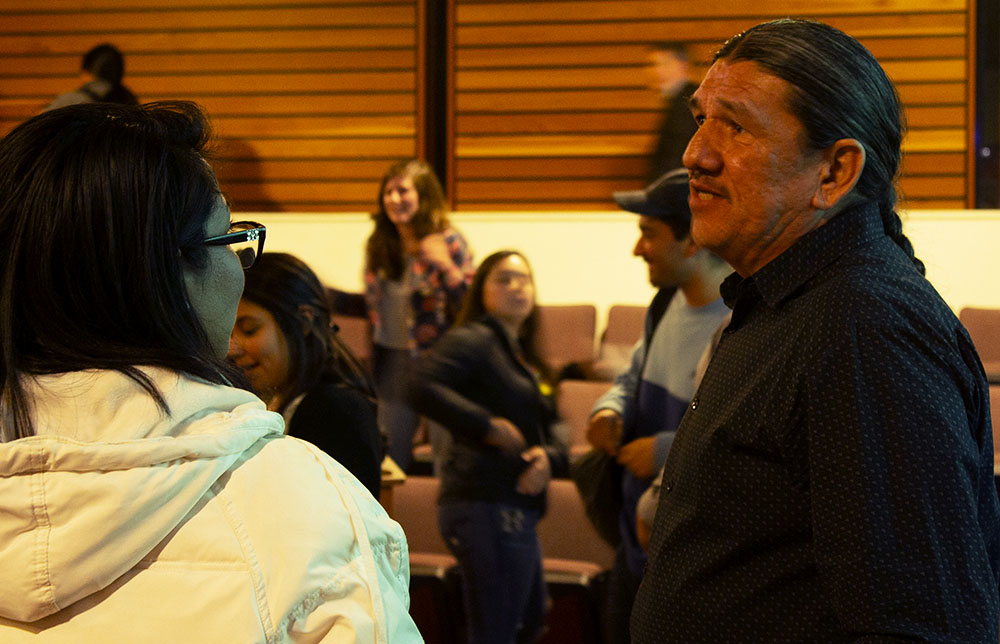
    Students, faculty, friends and family packed the Native American Forum March 5 to listen to author Kari Norgaard and Karuk environmentalist Ron Reed discuss Norgaard’s most recent book, “Salmon and Acorns Feed our People: Colonialism, Nature, and Social Action.”

    Before the speakers began, Cutcha Risling Baldy, assistant professor of Native American studies, announced the NAS department’s 25th anniversary at Humboldt State University.

    An introduction followed, led by Reed’s son, Charlie. Charlie Reed, a recent alumni from HSU’s NAS program, has continued as an environmentalist to help battle climate change. Before the talk began, Reed said it was important to give proper acknowledgement to the lands of Indigenous peoples. HSU sits on ancestral Wiyot land, and recognizing the land’s history is of utmost importance.

    “There is a symbiotic relationship between our environment and our people.”

    Charlie Reed

    “Whether you are a faculty member or student or just a community member, it starts with a conversation,” Charlie Reed said. “You never know who is in the room who has something to offer or give back the things that have been taken from Indigenous people.”

    Growing up with his father, Reed learned about his culture and the traditional ceremonies that tied in not just physically, but spiritually with the environment.

    “There is a symbiotic relationship between our environment and our people,” Charlie Reed said.

    With a warm thank you to the Reed family and the community, the floor was given to author Norgaard and Ron Reed. Reed introduced himself and what he learned as a child. Reed said learning the traditional ways of his people at a young age taught him how to sustain the environment.

    “That’s where it all begins, ladies and gentlemen, when you have the ability to be taught things that you don’t even know you’re being taught,” Ron Reed said. “That will stay with you the rest of your life.”

    In one of Norgaard’s chapters, she mentions an Indigenous tradition of using fire to cleanse or manage the land. Western science has given us the narrative that fire is dangerous and destructive. Thanks to “Smokey the Bear” and other forms of wildfire prevention advertisements, fire is seen as something to fear.

    Even though fire can be seen as scary, Norgaard argued it’s also a way to help manage landscapes by getting rid of invasive species and even enhancing plant growth. Indigenous peoples used fire to help the environments they lived on, not to destroy or cause damage. Reed stressed the importance of bringing that narrative to our attention.

    “We’re trying to get back to an intact world. Climate change can be a vehicle for that because of the awareness it brings to so many.”

    Kari Norgaard

    “We Native Americans—we the family—cannot let that narrative go,” Ron Reed said. “I don’t need some lone ranger to tell me the way. I know the way.”

    With Indigenous knowledge and science being pushed to the side when it comes to environmental issues, Norgaard said settler colonialism is still causing misinformation about the knowledge base of Indigenous peoples. Norgaard said this is changing.

    “Indigenous concepts and ideas have been making their way into academic spaces,” Norgaard said.

    Climate change is perhaps the most pressing modern issue, but Norgaard and Ron Reed agreed it would help bring more awareness in our communities.

    “We’re trying to get back to an intact world,” Norgaard said. “Climate change can be a vehicle for that because of the awareness it brings to so many.”

    The consensus of the talk was that combining Indigenous knowledge with western science can change the way we view the world as well as how we take care of it. Coming together and working with each other on both sides of science can also help combat climate change. From the ways of the rivers to the fires of the forests, Indigenous knowledge can teach us more about our world.

    “We need all the community on the river, but don’t forget us,” Ron Reed said. “Don’t forget the first people on this nation, on this ground that has created the environment that we’re trying to reestablish in this world today.”

  • Mia Mingus Advocates for Accountability

    Mia Mingus Advocates for Accountability

    Personal accountability paves way for future of transformative justice

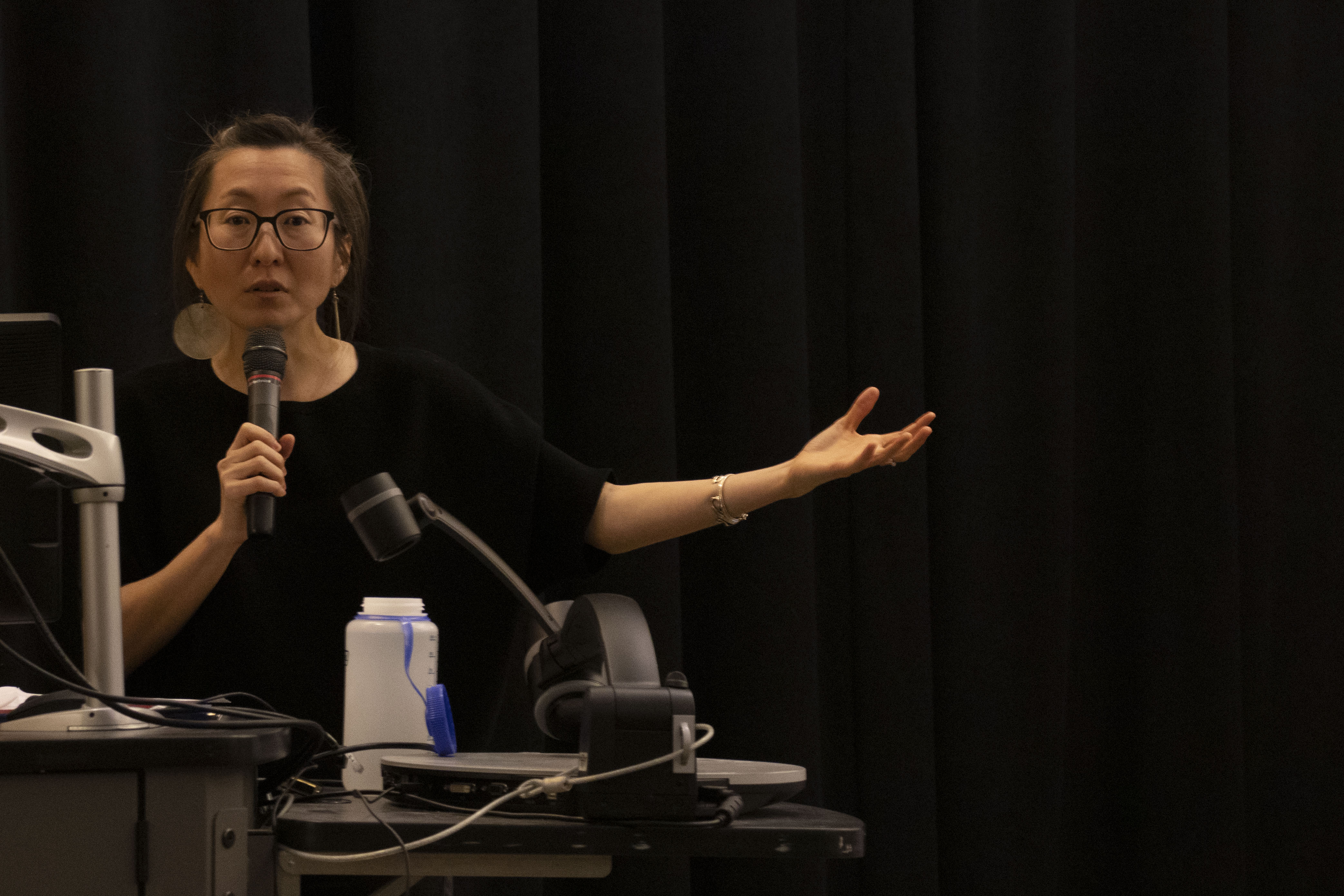
    Writer, educator and community organizer for disability and transformative justice Mia Mingus attended Humboldt State University March 6 as the keynote speaker for the Social Justice Summit. As a queer, physically disabled, Korean, transracial, transnational adoptee, Mingus faces adversity in all major facets of life and advocates for dignity and the end of violence, harm and abuse.

    Mingus took the stage for an hour, discussing everyday transformative justice and how to achieve transformative justice on a societal level. Transformative justice is about finding alternative solutions to violence, harm and abuse outside of our punitive system.

    “The system that we have is so based in, ‘You’re a bad person, so bad things deserve to happen to you,’” Mingus said. “Rather than, ‘We are all human, and human beings make mistakes, and we are all flawed, and we are all living in incredibly violent conditions.’”

    “If you’re not proactively building accountable relationships in your life, you’re proactively building an unaccountable life.”

    Mia Mingus

    Instead of focusing on big picture questions, like what will replace our current system and how to end violence, Mingus insisted to focus on the ways that transformative justice can improve our own lives, and in return, impact the world.

    “We can start small, because it’s just like building a muscle,” Mingus said. “You don’t go into the gym and start bench pressing 400 pounds immediately, or if you do, you’re gonna get really hurt.”

    Mingus walked the audience through her four steps of accountability.

    “If you’re not proactively building accountable relationships in your life, you’re proactively building an unaccountable life,” Mingus said.

    “It doesn’t matter how good of an apology you gave or how well you repaired the relationship. If you keep doing the harm, what does it matter?”

    Mia Mingus

    For the first step of accountability, Mingus said we must possess self-reflection, without which you can’t achieve any transformative justice.

    Second, we must be capable of genuine apology, demonstrating our remorse and understanding of our improper actions.

    Third, we must be willing to repair and mend broken relationships and earn back trust.

    Finally, we must change our behavior.

    “It doesn’t matter how good of an apology you gave or how well you repaired the relationship,” Mingus said. “If you keep doing the harm, what does it matter?”

    Transformative justice operates under the belief that acts of violence are deeply connected to the conditions that helped create and perpetuate those incidences of violence.

    “That violence doesn’t happen in a vacuum,” Mingus said. “They are connected to the conditions that we live in, and we all participate in creating those conditions, and we all have a collective responsibility for ending violence, harm and abuse.”

    “It’s not enough just to change the systems that we’re up against. We also have to change ourselves, and I really appreciate that.”

    Mia Mingus

    As a society, Mingus said we need to practice preventative actions, rather than respond with punishment.

    “When we publicly shame people, or when we shame and blame people in general, it doesn’t actually get the violence to stop,” Mingus said. “It usually just teaches people how to hide the violence or harm better. It doesn’t actually make the kind of deep fundamental change that we actually want.”

    After her lecture, Mingus elaborated on fundamental change in an exclusive interview with The Lumberjack.

    “It’s not enough just to change the systems that we’re up against. We also have to change ourselves, and I really appreciate that,” Mingus said. “And vice versa, you know, it’s not enough just to change yourself. You have to also help change the world too because I think that’s where the magic lives.”

    Mingus said transformative justice focuses on the fundamental improvements that must be made along the way.

    “We’re working on a micro level but we’re doing it with a macro perspective because we’re actually trying to interrupt generational cycles of violence and harm,” Mingus said. “That’s the goal.”

    Mingus gave a final piece of advice for helping with world progression.

    “Learn as much as you can, give as much as you can,” Mingus said. “But like, generally, just start from where you are, with what you have, and don’t get overwhelmed by trying to change the whole world.”