The Lumberjack


Students Serving The Cal Poly Humboldt Campus and Community Since 1929

Category: Opinion

  • EDITORIAL: A chance to highlight pivotal African Americans

    EDITORIAL: A chance to highlight pivotal African Americans

    Don’t let Jussie Smollet’s actions ruin what Black History Month can accomplish

    Jussie Smollett is an American actor on the popular tv show “Empire” who staged a racially and homophobic attack on himself to boost his career. Smollett alleged attack has mountains of evidence that it was staged.

    The case has left Smollett’s fans and colleagues stunned. This scandal comes out on the tail end of Black History Month, which hurts more. We should not leave Black History Month on a bad note, so we want to highlight some black individuals who left their mark in history.

    Claudette Colvin was a teen in 1955 living in Montgomery, Alabama as an African American. While inside a bus, she refused to move from her seat for a white passenger, saying that it was a violation of her constitutional rights. She was arrested for the action and labeled a troublemaker by her community, leading her to drop out of school. Despite Colvin’s actions preceding Rosa Parks by nine months, little is known about what she did. She went on to be part of one of the four plaintiffs in Browder v. Gayle, where Montgomery’s segregation laws were found to be unconstitutional.

    Henrietta Lacks was an African American woman who passed away due to cervical cancer. Her cells were collected, and in a rare case they doubled every 24 hours. The aptly named HeLa cells are now used to study the effects of radiation and poisons without using human subjects, and were used for the development of the polio virus. Although there is controversy in the use of the HeLa cells, as Lacks’ family never received any recognition or compensation for the discovery. Despite this, the HeLa cells were pivotal in their medical uses.

    Bessie Coleman was the first African American woman to stage a public flight in America. Coleman lived in Atlanta, Texas in 1892 until moving to Chicago at age 23. She wanted to explore aviation, but due to being black and a woman she faced racial and gender discrimination. Despite challenges, she broke through those barriers and received her pilot’s license after moving to France. She had a dream of starting an African American flight school in the US, but tragically died during an aerial flight rehearsal at the age of 34. Coleman was a pioneer for other African Americans who aspired to become a pilot, and was inducted in the National Aviation Hall of Fame in 2006.

    The Harlem Hellfighters were the 369th Infantry Regiment and mainly consisted of African Americans. The Harlem Hellfighters fought in the trenches of Germany during World War I for six months, the longest any American infantry regiment fought during World War I. Two of their bravest soldiers were privates Henry Johnson and Needham Roberts, who fought off 24 German soldiers killing four during a surprise attack. Both Johnson and Roberts were awarded the French Croix de Guerre and were the first Americans ever to receive the award. This is one of many awards that the Harlem Hellfighters received.

    We wanted to move away from the negativity that came from this year’s Black History Month. Instead we want to highlight these African American individuals that had a pivotal role in shaping history and inspiring others.

  • Blotter bytes

    Blotter bytes

    This past week had some serious crime. Someone was caught with a “weapon” while selling weed and a “casing” was found on the soccer field Sunday morning. Someone tried to fight somebody in the library and there may or may not be meth in the water. This week saw some contraband confiscations in the Jolly Giant Commons and a suspicious baby. Check it out!

    The Rolling Count:

    Possession charges = 5

    Contraband/paraphernalia seizures = 4

    Blotter bytes

    Monday Feb. 18

    · BIKERS, YA GOTTA STOP —Five bicyclists were stopped and warned for blowing through stop signs.

    · Good guy alert x5—UPD helped five people with jumpstarts. They are here to serve and protect, that’s for sure.

    · Suspicious baby—There was a report of a man “[wandering] aimlessly, perhaps lost” with a small child. Must have been a sketchy looking baby.

    · A problem worth addressing—UPD warned a “male non-student” for camping on campus. The housing problem here is ridiculous and needs to be addressed. City council meetings are every first and third Wednesday at 6 p.m. Show up and demand change.

    Tuesday Feb. 19

    · DRUG ACTIVITY—Someone in the Jolly Giant mailroom got their piece seized. Bummer bruh, keep that shish on the D.L. next time.

    · GUNS AND DRUGS—Someone was arrested for “possession of a weapon on campus,” and for selling weed around the Rossow and Harpst Street area. That’s some real crime.

    · Smokin’ ciggies—Someone was busted smoking in the art quad. Smoking on campus anywhere is against the university tobacco policy. Head off campus or just start chewin’ ‘tabacka’. Dip spit is sexy in some parts of America.

    · Good guy alert x4—UPD helped with two jumpstarts, locked car doors and a late-night escort. Thanks fellas!

    Wednesday Feb. 20

    · I hope you’re alright—“The welfare of a student was checked at the request of faculty.” It is that time of the year when the sun leaves and the clouds drop their emotions upon us in the form of rain. If you’re experiencing tough times and need someone to talk to, check out the mental health services at the Student Health Center.

    · That’s gonna hurt—Someone twisted their ankle near the Campus Apartments and requested medical aid. Best wishes for a speedy recovery pal.

    · Good guy alert x5—Man UPD has been crushing it this week with helping people out. Two jumpstarts and three late-night escorts!

    Thursday Feb. 21

    · Fight club—“Second hand information of a fight on the third floor” of the library. This weather is really getting to people. The library is for studying, not fighting.

    · That is NOT your spot—Someone parked in a handicap spot without a placard near Redwood Hall. The driver was warned and let go without a ticket. I know parking is tight on campus but you should not park in a handicap spot!!

    · “Any type of contraband”—This just sounds cool. Talk about a cool band name, right?!?! Actually, what happened was some RA requested a pick up of “confiscated marijuana” and UPD collected it “for destruction.” I wonder if the cops smoke weed? Hmm, maybe I should follow this up for a story…

    Friday Feb. 22

    · Grand theft bicycle—There was a report of a stolen bike near B Street. It is a bummer that it was stolen, but at least it is one less person blowing through stop signs, right?

    · “Vehicle investigation”—“Subjects parked and walked down to the duck pond.” That’s literally word for word what the report says. WTF happened? Did they kill a duck? Smoke some weed? Partake in some deviant acts? You’re leaving us hanging here UPD!!

    · There’s meth in the water!!—Someone called 911 and reported that they were having a heart attack because “someone put meth in his water.” I’ve never done meth before, but I don’t think that is how it works. I could be wrong. The guy survived the night and doctors told him that there was no meth in his water.

    Saturday Feb. 23

    · It’s two in the morning… go home—At 2:38 a.m., two people went into a room in Nelson Hall East, “closed the doors and shut off the lights.” “They lit candles and started summoning demons,” officer Joe Schmoe said. “It was dope as hell.”

    Sunday Feb. 24

    · Suspicious circumstances—A casing was found on the soccer field by a coach around 11 in the morning. What the eff?

    · They can track you—Someone called 911 and when the operators called back they just hung up, multiple times. So, they used the cell towers to locate the phone. Creepyyyy.

  • EDITORIAL: Self-love is self-care

    EDITORIAL: Self-love is self-care

    Remember to take time for yourself and stay mindful of stress factors

    Here at Humboldt State University, we’re in week five of the semester. We understand that for some this semester will be stressful and we want to encourage you to love yourself by promoting a healthy body and mind.

    The most important thing you can do is sleep for eight hours or more, don’t fret on getting assignments done and absolutely do not cram assignments. According to the National Center for Biotechnology Information, the number of students who are lacking sleep or are sleep deprived are at an all time high. Not only can this lead to poorer work quality, but it can also lead to mood swings and higher potentials for motor accidents.

    Here are some things that can help you get a good night’s sleep. Drink Chamomile tea before bed; chamomile is known to have properties that induce sleep and it’s a mild effect so it won’t completely knock you out. Another thing that can help you sleep is to exercise often, go on walks or do a full cardio workout. What matters is exerting enough energy to make yourself tired so you knock out when you hit the bed.

    Speaking of exercising, it’s very important keep your body active when in college. The NCBI has said that students in university are lacking in physical activity; that is not surprising since we are juggling classes each semester that we don’t have time to even take care of our bodies.

    If you are one of those people who don’t have time then walking to class is a good enough exercise, doing stretches is also a good way to exercise. If you do have time and energy to exercise, HSU students are able to use the HSU Student Recreation Center, you just need to bring your student ID to sign up for a membership. It beats having to spend hundreds for a gym membership.

    It’s also important to budget your money wisely. Instead of eating out, cook something instead. It’s not only cheaper, it’s also healthy. Another plus side is that it’s also very rewarding to make something delicious. HSU also has the Oh SNAP! pantry that offers HSU students with food, spices and recipes, it’s a good alternative for those who are on a tight budget.

    Last but certainly not least, step away from assignments for a little bit and do something that’s fun for yourself. Play a video game, read a book, watch a movie, talk with friends…whatever keeps your mind away from all your stresses.

    Stress is a dangerous baggage to carry, which is why you should keep a level head. Some students come from far away locations, HSU has its own Counseling and Psychological Services Resource if you are dealing with stressful events.

  • OPINION: Housing woes and worries

    OPINION: Housing woes and worries

    The vulnerability of renting as a college student

    Anyone who has to deal with high-headed college students is going to have the occasional ill-mannered day. But is taking advantage of a college student’s vulnerability in renting a home justifiable because one is having that ill-mannered day? Or is it just your way of demeaning my lack of knowledge about a topic you excel at? Just because I’m 20 and I’m attempting to learn how the real world works, doesn’t give you the right to belittle my understanding on a matter I’m trying to grasp.

    If you’re a college student living in Arcata, you know exactly what I am talking about. Property management around Humboldt State University is extremely poor, from the landlords “helping” to rent the space to the space itself.

    Young adults are leaving on-campus housing in hopes of finding a comfortable home in town and a safe place to reside for the remainder of their time in college. Several students have not only had problems with finding housing, but have found substances like mold in their homes, including myself.

    I recently moved from a studio apartment to a two-bedroom because my boyfriend and I needed more space to live comfortably. Aside from the property managers being extremely rude throughout the moving process, I found black mold in my shower the very first time I used it. I should not find mold in my home after moving into a space that the property management stated on paper, had been thoroughly cleaned.

    It is only fair that properties are kept up in terms of maintenance, and do not have substances like black mold at all! It’s as if these housing management companies around here just don’t care. They are in the office at eight in the morning, and out by five in the afternoon with no other concern.

    I mean, maybe I have this imaginary standard of how professional property managers should be and how clean new homes should look, or maybe I am simply addressing an issue that many don’t have the time to.

    If the property managements are not going to enhance their customer service or even their properties, I feel that Humboldt State should take the initiative in helping students find adequate housing as they move off-campus.

    Chant’e Catt has recently become HSU’s Off-Campus Housing Coordinator, in hopes of helping homeless students find a home as well as teaching students the do’s and don’ts of dealing with property managements with a new program called the Educated Landlord-Tenant Program. I think this project start-up is a great solution to college students figuring out their off-campus housing, but not enough of us know about it. The housing project has already held several discussions that have been open to all students and community members.

    One way or another, college students should not have to choose between living homeless or living in a dirty home with substances like mold. If a property manager is going to take money from a college student’s very tight budget, the least they can do is ensure that the home they provide is safe and clean.

    Unfortunately, this is an issue in more college towns than just Arcata. It’s a national problem and it’s something I feel should be addressed sooner than later.

  • OPINION: Humboldt, we have a problem

    OPINION: Humboldt, we have a problem

    Humboldt County needs more transportation options

    Humboldt is a beautiful place for someone who is used to an urban area like myself. Being from Los Angeles, seeing the huge redwood forest for the first time was inspiring. I do think it’s a great school to go to for people like me who lived in the city all their life. I just wish it was easier to get here and to get out.

    For starters, the only airport that students can utilize is California Redwood Coast-Humboldt County Airport. It is not considered a major airport like San Francisco International Airport or the Oakland International Airport. ACV is pretty small and limits you to United being the only airline options for getting here by plane. More options for airlines would be great for travelers. SFO and OIA may be an option but those airports are five or more hours to get to from Humboldt.

    While there are shuttles like the Homeward Bound bus service offered by HSU, good luck getting a spot on time. The fall break bus shuttle sold out in a little over an hour of being sold in November 2018.

    A lack of train shuttles is disheartening especially after hearing of the bullet train going from Los Angeles to San Francisco.

    Greyhound and Amtrak shuttles are also here but people who have used those types of shuttles to get to Humboldt (or get out), know that sitting on a bus for hours with “interesting” people can be an unpleasant experience. I’ve personally had a very negative experience taking the Greyhound.

    While I do think that HSU has issues with traveling options, some options do exist for students who want to travel.

    As mentioned, the Homeward Bound bus service is a step in the right direction in combating this issue but I do think there should be more buses available instead of the two buses for students to take to San Francisco or Los Angeles. If there were more buses, there could be a potential to drop off students at other locations like Sacramento, Riverside or San Diego. It would open more options for students.

    HSU also has a service called Zimride, where students can offer a carpool for students who need to get around or they can post that they need a driver to get somewhere. Nelson Hall also has a board on the second floor hallway for students to post carpool services or post that they need to get somewhere.

    There are some solutions to the issue of getting to and from Humboldt but there is still a ton of work that needs to be done to better transportation for homesick students.

  • OPINION: Surfing isn’t an Olympic sport for a reason

    OPINION: Surfing isn’t an Olympic sport for a reason

    Let’s get ready for the inevitable disaster that will be Olympic surfing

    Surfing is set to make it’s debut as an Olympic sport in the 2020 Tokyo summer games. Many are excited, but what I’m anticipating is a failure that compares to past Olympic blunders like Tug Of War (1900-1920) and Hot Air Ballooning (1900). Why, you ask? Because surfing is a hobby. Not a sport, and certainly not an Olympic sport.

    In Sep. 2015 the IOC (International Olympic Committee) received a proposal to add a number of events, including surfing to the 2020 Tokyo Olympics. A year later during the 129th session of the IOC a unanimous decision was reached to include surfing. With four years to spare the IOC was confident. Now, with a year remaining and the format still not finalized, it shows only surfers should hold surfing competitions.

    I present one question to the 90 IOC members. Have you ever watched a surfing competition? Because if one of the IOC members had, they’d know that surfing is one of, if not the most boring sport to watch live. Twenty minute videos of epic, mesmerizing surfing is filmed over months and doesn’t show the thousands of other waves surfed. That surfing can’t, and won’t be produced in Tokyo because the geniuses at the IOC are expecting video worthy, once in a lifetime waves to be produced twice in a matter of 25 minutes. Absurd.

    The event will include just 20 men, and 20 women competing respectively. Begging the question, who from the 32 men and 22 women on World Surf League (WSL) will be selected? Well, the all-respected IOC has decided to cherry pick the top 10 men, and top eight women at the end of the 2019 season and gift them a spot in Tokyo. Guess what IOC, all you’re doing is helping out America, Australia and Brazil. If 2019 is like 2018, those will be the only countries represented.

    HSU junior and surfer Aaron Friedley plans on watching the 2020 Olympics.

    “[I’m] excited to watch surfing in the Olympics, but if some countries aren’t represented that’s not fair,” Friedley said.

    Here’s a solution, just hold a competition between those three countries and call it a day. The final 20 Olympians will be decided in sub-par surf at the Pan-Am Surfing games, and at two ISA Surfing events this year to decide who will compete against the top ten men, top eight women and two Japanese representatives.

    The two day Olympic competition has been given a 16-day window to wait for the best surf, but what if good surf never comes?

    HSU senior and Surfrider Club president, Jeff Knapp also confirmed that surfing competitions are almost always held at crappy beach breaks.

    “You can’t rely on the ocean for good conditions,” Knapp said.

    This forces surfers to paddle for every wave, and surf like they’re stomping out a fire. The competition format has never represented true surfing, showing that it’s a hobby. To enforce this, the Olympic competition will be held at Shidashita Beach because of its “consistent summer trend.” Keyword trend, because it’s impossible to predict surf four years in the future. Shidashita, located 40 miles outside of Tokyo, is a shifty sand bottom beach break. Shifty because sand moves into unpredictable bars. These bars, when organized, produce great surf, but when unorganized are board-breaking machines. Go Shidashita!!!

    The IOC began disaster preparation in 2016 when partnering with the WSL and Kelly Slater to create a wave pool in Japan. This precautionary pool has remained a secret, will be done by 2020, and is supposedly not seeing any Olympic surfing. Side note, the cost of constructing a wave pool is upward of $30 million dollars, a pricey precaution for an event based off an ocean that’s free.

    HSU graduate student Taylor Team addressed wave pools, said that surfing isn’t for controlled environments.

    “You need to be at the mercy of the elements, not a pool,” Team said.

    But I’ll spare you the wave pool rant, because it requires elaboration and critical focus to see past the roller coaster bullshit. Bottom line is the IOC has no idea what they are doing when it comes to surfing.

    For consideration: I surf, and I believe that surfing is a hobby. There are numerous types of surfboards that all pertain to different wave shapes and speeds. To say you can only be judged if you ride one type of surfboard, on one type of wave, in one style, doesn’t make any sense. The IOC is putting surfing in a box by promoting an inaccurate representation of surfing that only a handful of people can do, and don’t realize that surfing can’t be judged over 25 minutes.

  • Blotter bytes

    Blotter bytes

    The Rolling Count:

    This week in drug-related activity was pretty chill. Nobody was charged with possession and nobody was caught in the act of smoking weed. However, we do have to salute a fallen soldier. On Wednesday Feb. 6 in the Alder residence hall, “marijuana related contraband located during a fire drill was seized for destruction,” according to a police report. It is unfortunate that the individual lost their bong, bowl, pipe, vape or whatever; but let’s look on the brightside—nobody caught a charge! And that my friend is dope a.f.

    Possession charges = 4

    Contraband/Paraphernalia= 1 (no one was charged but someone did lose a piece, so I’m counting it)

    Hootie Hoo!—what the cops are up to:

    Monday Feb. 4

    • STOP! (in the name of love)—A cyclist ran a stop sign at 17th and Wildlife Lane. They were just warned, but everyone should know that bikes must obey the same traffic laws as vehicles.
    • Petty Theft—Someone stole a purse from the Student Health Center and that is lameeeee.

    Tuesday Feb. 5

    • LOUD NOISES! —Multiple burglary alarms went off on Tuesday. One of them was due to a broken window at Room 142 of the Wildlife building.
    • I swear this isn’t cocaine—Someone spilled a whole bunch of flour near the Pedestrian Underpass near LK Wood Blvd. The subject helped clean up the white powder and then went along with his day.
    • Serving the community—UPD helped with a flat tire, a locked car door and two dead batteries, all in one day. If the cops help you, make sure to give them a hug, handshake, or a “thank you.”
    • Vandalism—Someone drew something on something somewhere (Gist Hall). Freakin’ yawnnn. Who cares about vandalism anymore, I got student loan debt to worry about.
    • An issue worth addressing—A “male non-student was warned for…camping/sleeping on campus property…” Arcata’s new mayor Brett Watson said he wants to focus on helping our fellow citizens-in-need during his first term as mayor. Let’s hope he can succeed in helping those who call our streets home.
    • Whoa bro!—Somebody got warned for skateboarding on campus where they shouldn’t be. Next!
    • Help I’m stuck!—Around 1 p.m. someone got stuck in the elevator in Founder’s Hall. Talk about a nightmare.

    Wednesday Feb. 6

    • Someone literally lost their car—Someone thought they parked their car at the Children’s Center when they actually parked it in the Jolly Giant lot. That is literally on the other side of campus ya silly goose!
    • Annoying neighbor—Someone called the cops because a car was parked on B Street “for the last two days and has not moved.” Come on! You live in a college town. This person probably opposes new housing projects too. Lame!
    • Good Guys—The cops jumpstarted someone’s car. That’s pretty cool, right?
    • Drug Activity! (it’s weed again)—It’s the same thing I told you about in the Rolling Count. Next!
    • Those dang skateboarders are at it again—Skateboarding is not a crime, until they cite you for doing it on campus. This person was skating near B Street in someplace they shouldn’t be. I once heard that heaven is a halfpipe, so you got that to look forward to.
    • Grand Theft Laptop—Someone stole a laptop, which can be devastating. I mean if someone stole mine, I would probably cry and freak out and have a panic attack, because all of my school work is on here. Don’t steal laptops, or in general. Stealing’s bad, mkay?

    Thursday Feb. 7

    • Burglary—The Pacific Southwest Research Lab on Bayview Street was broken into around 11 p.m. A 37-year-old man was arrested. No details were listed about what he tried to take.
    • Smokin’ ciggies—An “anonymous crime tip email of two females smoking cigarettes” near the Student Health Center was reported around 2:30 p.m.
    • Paranormal activity—There were five calls to UPD from the Library elevator. The report says it was due to an “equipment malfunction,” but I think it is ghosts so that’s what’s going into the public record.
    • Good guy alert—Someone got an escort to their car from UPD at 1:39 a.m.

    Friday Feb. 8

    • Petty Theft—Someone stole a bike chain… but not the bike… hmm
    • 9:08 a.m.—“Officer contacted a subject who appeared to have a bulge in their waistband under a coat. It was not a weapon.” This occurred at the intersection of Union and 10th.

    Saturday Feb. 9

    • IT SNOWED!!!!
    • Paranormal activity 2 (ghosts are real)—There was a report of a tarp and other items left in front of the Natural History Museum on G Street. But when the cops showed up…it was gone! Ghosts came and cleaned up the mess, definitely not a person, but ghosts.

    Sunday Feb. 10

    • Paranormal activity 3—Four times throughout the day 911 was dialed and “voices were heard.” Ghosts, guys, freakin’ ghosts.
    • Heroes!—A “male non-student was transport to Mad River Community Hospital due to possible hypothermia.” Our counterparts that call our streets and wooded areas home are always in need of warm clothes and food donations. Donations can be dropped off at the Arcata House at 501 9th Street. Bedding, socks and raincoats are always in need.
    • There is stuff everywhere—Downed tree limbs, power lines and other stuff in the street were reported on Sunday. Probs due to that dang snow! Send me to L.A. I’m over this rain/snow stuff! (JK there’s too many people there).
    • HELP WE’RE STUCK!—Eight people were stuck in elevators on Sunday due to power outages (or ghosts). Eight! I’m taking the stairs from now on.
  • EDITORIAL: Support black-owned businesses

    EDITORIAL: Support black-owned businesses

    It’s time for the Humboldt community to start supporting black-owned businesses

    Humboldt County is a predominantly white community. According to Data USA 75.4 percent of the population is made up of white residents. When it comes to the business ownership aspect the numbers are even lower. While they exist, there is a lack of black-owned businesses. According to the United States Census Bureau, as of 2012 only 1,853 minority owned businesses around Humboldt County, meanwhile non-minority businesses make up 10,333 in Humboldt County.

    It’s important for us as students to highlight a lack of diverse groups around the Arcata community, as we strive to be a university that prides itself in having a diverse group of students.

    There are some black-owned businesses that are around Humboldt County. Over at Eureka there is Dewy’s Beauty Boutique that stocks ethnic hair care products. However, their products are on the expensive side for students who are already on a tight budget. If there were more business that provided this need, it’d be a different reality for many students.

    Last month, the Eureka NAACP chapter spoke about how important it is to support black businesses around Humboldt County, as it shows love and support to the black Humboldt communities. There are black-owned businesses like A Taste of Bim, Sistah’s Vegan and Shine Aesthetic just to name a few.

    In the first episode of Michael Santiago Render’s Netflix series “Killer Mike’s Trigger Warning,” Render lives three days supporting only black businesses in Atlanta, Georgia. However this proves to be difficult for Render, as there are no black-owned hotels or even foods in some cases, leaving him hungry and sleeping on public benches. The take-away from this episode is to highlight how sparse black businesses are in the USA.

    Luckily, there are some clubs, organizations and events to help with diversifying our community. The Multicultural Center at HSU is a student-led organization that helps the diverse student population, while also being open to everyone who is interested. They work closely with the D street community center to hold their events, such as the Home Away From Home Potluck. Also, there’s the African American Center, the Latinx center and the Native American center (ITEPP). All these organizations offer services and plan events for students and the community.

    The next locally black-owned businesses coming to campus is Shine Aesthetic and Dewy’s Pop Up. They’ll be on campus Wednesday Feb.13 from 2-5 p.m. at the African American Center for Academic Excellence in Nelson Hall 206. It’s up to us as a community to support them and other black-owned businesses as they come to Humboldt.

  • Blotter bytes

    Blotter bytes

    The Rolling Count

    As mentioned in a previous article, it is still illegal to possess weed on campus. Since the new year, four people have been charged with marijuana possession on campus, two of them being for individuals between the ages of 18-20. Although it happened last year, it is worth noting that there were 22 cases of either paraphernalia or “contraband” being seized in 2018. “Contraband” can be considered bongs, bowls, pipes, grinders, you know all the things needed to “blow ‘dro”, “puff cheeba”, “blaze up” or whatever else you call it.

    As part of this series, The Lumberjack will be keeping track of all marijuana possession charges, as well as paraphernalia and “contraband” charges. So far the “Rolling Count” for possession charges is at four and the the “Rolling Count” for paraphernalia and contraband is at zero.

    “Hollerin’ ‘hootie hoo!’ when we see the cops”

    Monday Jan. 28

    • Ew what is that?!?!—Bloody tissues were found along side a blanket near the Rohner Admission Center around 9:00 a.m., however the owner of the bloody tissues and blanket were nowhere to be found.
    • Someone stole something—A petty theft of an item valued over $50 was taken from the Music B building at around 1:30 p.m. hopefully the item will be returned in the near future.

    Tuesday Jan. 29

    • Someone buttdialed the cops—This happens way too often as you will see in future Blotter Bytes.
    • You can’t smoke here bro!—UPD was called to respond to multiple reports of someone smoking on campus. Listen up folx, HSU is a no tobacco campus, puff that stuff elsewhere.
    • A case of mistaken identity (aka fraud)—A camera was previously checked out from the Library using someone else’s ID and was not returned and was reported at 8:19 a.m. as fraud.
    • A trespassing charge was issued to a man “asking the housing department desk for info regarding a homeless shelter.” It is shameful to think that when a person was asking for help, he was detained and arrested instead. Shame on the powers that be.

    Wednesday Jan. 30

    • The skatepark is that-a-way homie!—Someone called the cops to report “skateboarders creating a hazard to pedestrians.” Skateboarding is not a crime…unless UPD catches you.

    Thursday Jan. 31

    • An issue worth addressing—Some of our more marginalized and needing counterparts call our streets, parking lots, forested areas and underpasses home for the night. UPD was called because of a camping violation under the underpass that leads from campus to G Street. The individual was let go without a ticket.
    • Another unneeded call to 911—Arcata Police (UPD and APD work together sometimes) responded and the caller said it was an accident.
    • No Fly Zone—A man was flying a drone around campus at 11:46 p.m. UPD responded and told the individual to land his aircraft, because people thought that aliens were coming. JK JK aliens aren’t coming here, he just didn’t have the proper paperwork.

    Friday Feb. 1

    • Nothing too substantial happened. Just another unneeded 911 call (I told you this happens a lot), someone drew something on a “Telecom box” outside of Maple Residence hall and some people were pulled over for not stopping at a stop sign. I thought Fridays were supposed to wild.

    Saturday Feb. 2

    • Umm excuse me, but you don’t live here—“Two suspicious subjects” were asked to leave the Sunset Residence hall at around 10:00 p.m.
    • Drug Activity! (calm down it’s just weed)—Someone was cited for 11357 (a)(2) at around 10:15 p.m. 11357 (a)(2) is written out for marijuana possession for adults ages 18-20.
    • What the eff is that smell?—A burning smell was reported in Fern Residence hall at 3:14 p.m. Turns out nothing was on fire but a fan in one of the bathrooms stopped working.

    Sunday Feb 3.

    • Super Bowl Sunday! Things are going to get lit AF for sure, right?!?! Turns out not really. Just a couple of people got pulled over and someone accidentally went into the wrong room.
  • Yellow vests in the quad

    Yellow vests in the quad

    Clubs and activities fair disrupted by Party for Socialism and Liberation

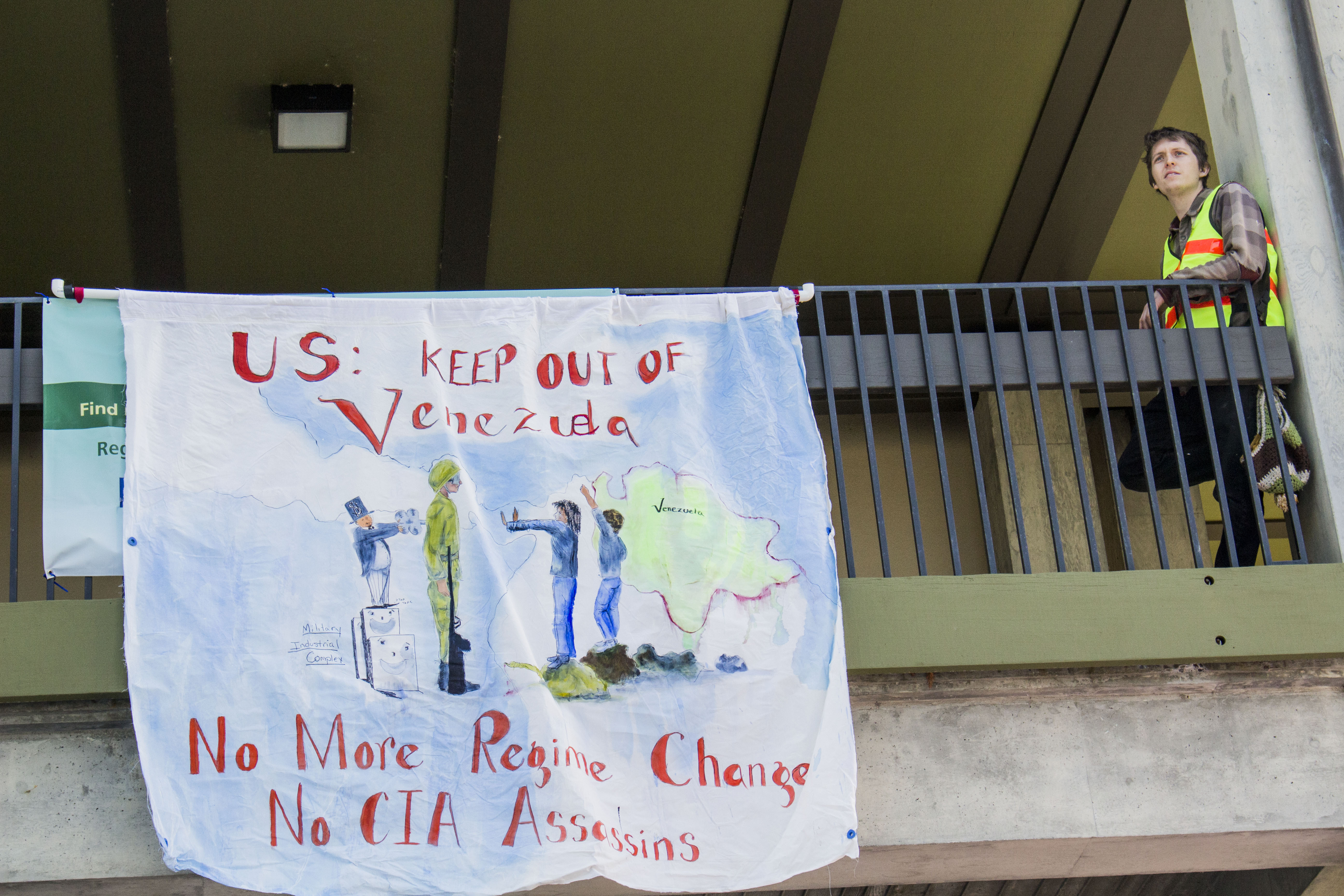
    Beneath scattered clouds and a radiant blue sky, HSU’s clubs and activities fair kicked off with students posing in yoga postures, walking along slacklines, juggling pins…and dropping an eight foot handmade banner protesting US involvement in Venezuela. The sun glared off yellow vested activists as they went around passing out fliers titled “Oppose the US-backed coup in Venezuela.”

    IMG_9900.jpg Nathaniel McGuigan, member of the Party For Socialism and Liberation, handed out fliers calling for oppostion of American involvement in Venezuela during clubs and activtites fair at HSU on February 6th 2019. By T.William Wallin

    “We’re here to disrupt this event and pass out information,” Nathaniel McGuigan, member of the party for socialism and liberation, said. “This is basically to tell people why to back Venezuela, to defend the Bolivarian revolution, the Venezuelan people, and president Maduro.”

    It’s of no surprise that the American government has had its hands in Latin America for decades, trying to influence its agenda by any means. They did it before with Guatemalan president, Jacobo Arbenz, in 1954, as well as Chilean president, Salvador Allende, in 1973, not to mention Ronald Reagan and the Contras in Nicaragua.

    Recently the democratically-elected government of Nicolas Maduro broke relations with the US government and ordered the removal of their embassy. The Trump administration is backing a member of the Popular Will party who gained no votes, Juan Guaido, and declaring him president even though Maduro was re-elected last year with 67 percent of the vote.

    “Students should support the revolution and as working class people it’s our duty to stand up to other countries sovereignty,” McGuigan said. “We oppose countries in power that overthrow regimes that benefit their people.”

    IMG_9907.jpg Simone Rani McGowan, member of Earth Guardians, and Nathaniel McGuigan, member of the Party For Socialism and Liberation, handed out fliers calling for oppostion of American involvement in Venezuela during clubs and activtites fair at HSU on Feb. 6. Photo by T.William Wallin

    Standing next to McGuigan, yellow vest included, was Simone Rani McGowan, an environmental studies major and member of the Earth Guardians. McGowan said her club and the PSL team up quite often, usually raising awareness on tuition struggles and campus climate, but with heavier topics as well such as marching in solidarity with the Honduran caravan.

    “This whole idea is to support community and to remind people of the compassion needed in these issues,” McGowan said. “Every day we have to reconnect with our humanity. It’s important to educate our youth in resistance.”

    Chad Friefeld, member of Climate Change Club, agrees with McGowan and said that one of the main things for students to know is American history is full of examples of US corrupted involvement in latin america.

    “We are trying to break through the western capital media which is not portraying the truth in Venezuela,” Friefeld said. “We want to talk to people about this coup and that the Trump administration and Venezuelan opposition is not democratic. We are standing in solidarity to help spread the word.”

    IMG_9895.jpg A handmade sign opposing American invovlement in Venezuela was hung above the clubs and activities fair at HSU on February 6th 2019. By T.William Wallin

    Among the handful of yellow vests and crowd of students tabling was UPD officer Chance Carpenter. Carpenter was at the event talking with all the clubs and opening up for any questions or comments to be addressed. Because it was Wednesday, it was Carpenter’s shift but he said he was the face of UPD for the day and acting as the safety advocate. When asked about the PSL banner, Carpenter said it was above his pay raise for a comment but he does like free speech.

    “I certainly do like people exercising their free speech,” Carpenter said. “I’ve had to actually protect people in the past on campus who had conflicting difference with other groups.”

  • OPINION: Modern day slavery

    OPINION: Modern day slavery

    Why we need to abolish prisons and stop talking about reform

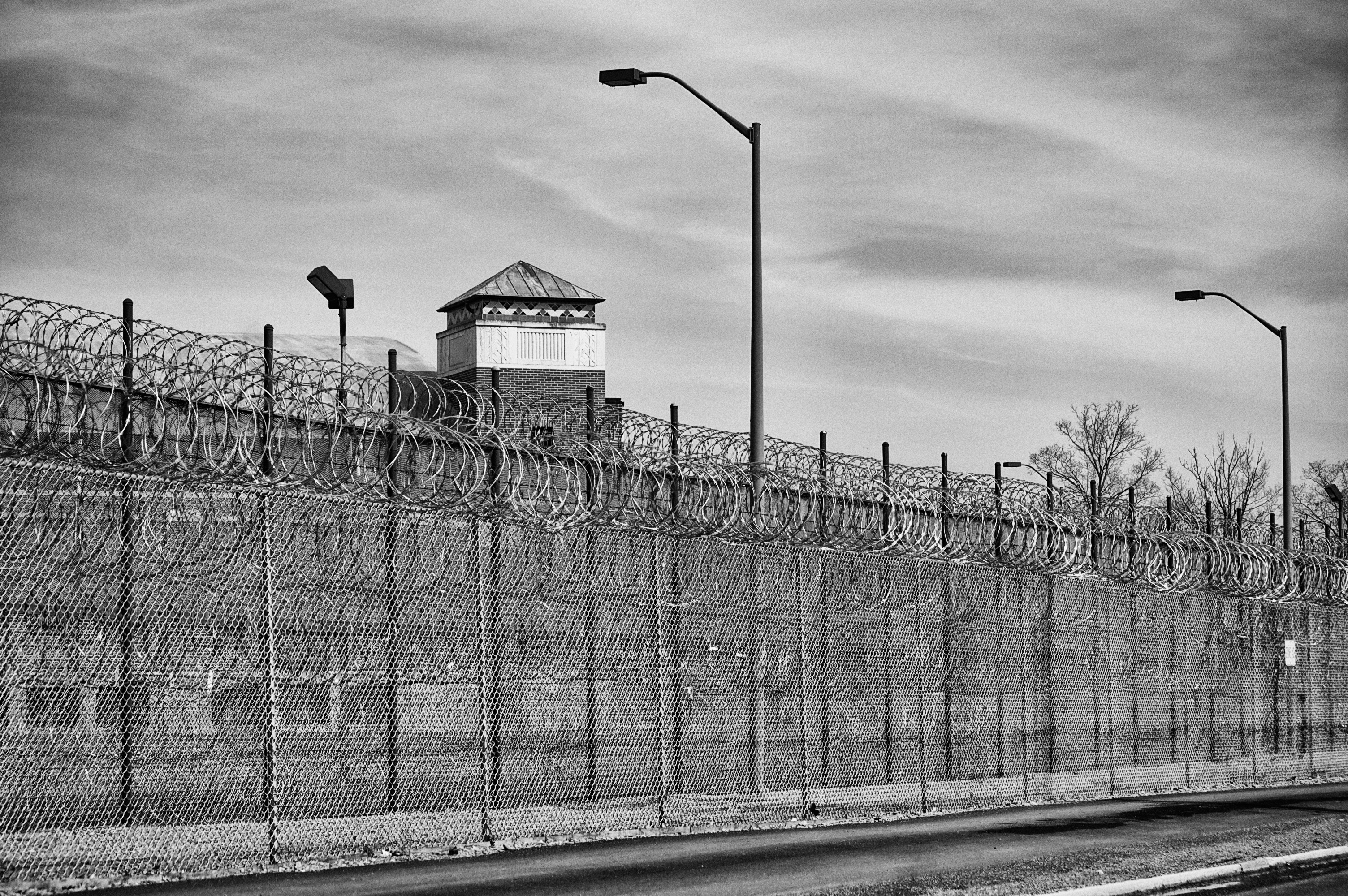
    In America we have an inhumane amount of people rotting away between cold concrete walls and steel beam doors. I was one of them, walking through the rotating door between jailed and released over five years. The last time was a year’s conviction in a correctional facility. A short stint compared to the 2.2 million people who are currently housed in US prisons, a number that exceeds that of the strictest totalitarian countries. Ironically, we claim to have a system based on morals and principles that promote freedom and democracy.

    The Sentencing Project, which is a non-profit organization that works for a fair and effective U.S criminal justice system, has found a 500 percent increase in incarceration in the last 40 years, yet our crime rates have not changed. Why then, have we gone from less than 300,000 people housed in prisons in the 70s to where we are now?

    There are many sufficient answers; a modern-day slavery system that flies under the radar because treating criminals like slaves is legal. I could go on about how we got here, but that wouldn’t matter because we’re already here. What we should consider now is who’s in our prison system, what’re their barriers to reentry into society and what other avenues are there besides ruining the lives of those who enter the criminal justice system?

    Of the US population, 37 percent are people of color. Of the population of US prisons, 67 percent are people of color. This comparison is a red flag. There is a ridiculous over-representation of people of color in the prison system. The NAACP has found that both African-Americans and Caucasians have the same rates of drug use, yet African-Americans are six times more likely to be imprisoned for drug charges. Overall, the incarceration rate for African-Americans is five times the rate of Caucasians.

    Our prison system is a racist institution whose modus operandi is profit over people and discrimination. There are prisons that’ve banned Michelle Alexander’s “The New Jim Crow” but allow Adolf Hitler’s “Mein Kampf” along with other white nationalist claptrap. Are you kidding me? There is no “prison reform” in America. Laws and policies have changed through the decades, and the crisis only grows in the numbers of lives lost to the system.

    Ruby C. Tapia, who co-edited “Interrupted Lives: Experiences of Incarcerated Women in the United States” said, “Reforming the prison entails changing its existing practices to make the system a better one. Abolishing the prison entails dismantling it wholesale. Reformers object to how the prison is administered. Abolitionists object to the prison’s very existence.”

    The system itself doesn’t work in a way where reform is even achievable. We must abolish the very existence of the prison model. In the 60s and 70s Attorneys General and Republican congressmen were many of those arguing of the immorality of prisons, and we need to remind those in government of that.

    The Bureau of Justice Statistics found that within three years of release, 67.6 percent of people get rearrested, within five years 76.6 percent are rearrested and of all those rearrested, half of them are rearrested within their first year. Of those rearrested, 77.6 percent are drug offenders. If our prisons were built to reform and restructure those who enter their hellish gates, then our recidivism rates would be far lower or, should I dare sound optimistic, non-existent.

    The function of a prison is to take a “criminal” out of society, which is called incapacitation, for however long and then release them back better than when they came in, which is called rehabilitation. The Bureau of Justice Statistics found that 95 percent of those in prison will be released. If that is the case then the prison model is failing in rehabilitation if over 60 percent of those released return.

    One of the reasons for this recidivism is that once released, there is a laundry list of barriers that prevent one from integrating back into society. With this comes the revoking of many of the rights and privileges of those who have served their time. This is clearly a system setting up individuals for failure. Voting, government assistance, financial aid for school, employment, housing. Every single one of these is in jeopardy or stripped from someone trying to fit back into society. One never leaves prison without carrying a sign that reads “I’ve been to prison” for the world to see. The US has set up everyone being released for defeat.

    Instead of prison we need to find a rehabilitation system that creates pathways to success. We need to put money meant for education actually into education, on all levels. We need to start programs that direct more services to poor urban areas that suffer the most and all but guarantee a future prison sentence for the inhabitants.

    We need to separate those suffering from mental illness, in any form, from the criminal justice system and place them back into mental health care services. We need to work on destroying the class line and creating a lessened gap between lower, middle and upper. By destroying the existing prison system that we have, we can build institutions built on compassion, empathy and equality. Systems in which people get cared for instead of forgotten.

    We should all think of what the creator of Surrealism Andre Breton said of imprisoning people: “Unless you’ve been inside a sanitarium you do not know the madman are made their, just as criminals are made in our reformatories.”

  • OPINION: Fake service dogs a real problem

    OPINION: Fake service dogs a real problem

    Disguising your pet as a service dog is not only illegal, but a danger to those who actually need them

    Service dogs, defined by the Americans with Disabilities Act, is a “dog that has been individually trained to do work or perform tasks for an individual with a disability. The task(s) performed by the dog must be directly related to the person’s disability.”

    While you may miss your pup during school, bringing an untrained service dog on campus is dangerous to a trained service dog and their handler, sometimes referred to as a team. Not only are service dogs trained to alert and task to certain triggers, when untrained dogs are in the area acting up, it can distract a service dog from alerting their handler and can potentially be life threatening.

    Not all disabilities are visible, so you should not automatically assume that because you can’t see something “wrong” with a person, the service dog is fake.

    If you are unsure if the dog is a service dog, you can ask them two questions defined by the ADA, “ (1) is the dog a service animal required because of a disability? and (2) what work or task has the dog been trained to perform? Staff are not allowed to request any documentation for the dog, require that the dog demonstrate its task, or inquire about the nature of the person’s disability.”

    IMG_0030.JPG
    Christina Samoy waits for Kai, the service dog in training, to touch her hand with her nose on Sunday, February 3. | Photo by Bowie Cargile

    For those who are in need of a service dog, paying an organization to fully train a dog can be thousands of dollars. “Organization-trained service dogs can cost up to $25,000,” according to the American Kennel Club.

    Self training is an option. The only risk with self training is that not all dogs are suitable for working and it may take years for a dog to be fully trained. The AKC estimates “the dropout rate for organization-trained service dogs can be as high as 50 to 70 percent.”

    If you see someone training their dog in public or working with their service dog, ask to pet their dog before assuming you can. Although the team is in public, it does not mean you have the right to pet their working dog.

    Petting a dog when uninvited can be triggering for some when strangers get too close. It is extremely distracting to a team that is training in public when every few minutes someone asks to pet the dog or makes sounds to get the dog’s attention, so be mindful and wait until given permission.

    IMG_0023.JPG
    Kai looks back while practicing her wait command during training on Sunday, Feb. 3. | Photo by Bowie Cargile

    While Humboldt State University’s policy “strongly encourage[s] handlers to use an identifying vest, tag, leash, or other visible method to indicate to the general public that the animal is a service dog,” they are not required by the ADA.

    At the end of the day, a service dog and their handler is a team that would like the same respect as everyone else. If you get to know the dog’s name, make an effort to know their handler’s name.

    There’s no need to feel like you can’t make eye contact with the team, but just remember that when the team is working, it’s best not to distract them.

    If you’ve been given the option to have an emotional support animal, know the ADA does not give your animal the same access that service animals have.

    Many landlords have had potential renters lie about their animal being a service animal, so when people with actual service dogs apply for the space, they are sometimes rejected or are expected to pay additional rent for their animal, which is illegal under the Fair Housing Act. However, landlords can ask for a pet deposit to cover any damages that may be done by the service animal.

    The next time you think about bringing your pet to class or other areas where pets aren’t allowed, consider leaving your pet at home for the safety of others. If you aren’t in need a service animal, don’t buy a vest and put it on your pet so you can take them into public spaces.

    IMG_6439.JPG
    Christina Samoy and Kai, a service dog in training, take a break from their training session on Sunday, Feb. 3. | Photo by Bowie Cargile

  • EDITORIAL: Entrapment of undocumented students is not okay

    EDITORIAL: Entrapment of undocumented students is not okay

    The University of Farmington was created by the Immigrations and Customs Enforcement agency in order to capture undocumented students

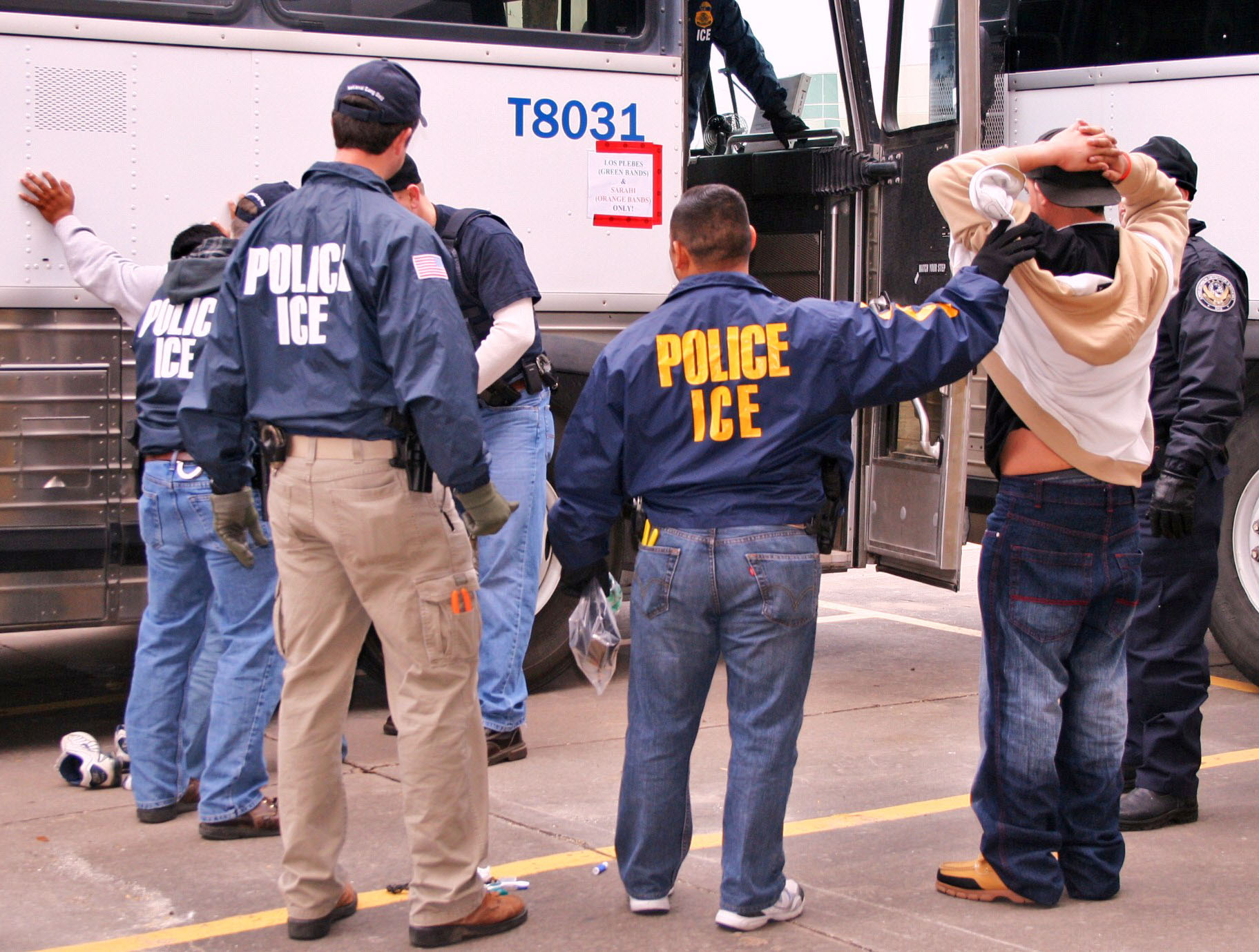
    Recently, the Immigration and Customs Enforcement agency was discovered to have made a fake University in order to capture students who were illegal immigrants. Immigrants who signed up were promised asylum to the United States through their student visa, even if their visa was expired. However, instead of being given an education and a stay at the United States, they were detained by ICE and deported back to their country. The discovery of the fake college was found by The Detroit News.

    This operation has been going on since 2015, and ICE did not specify how many students they have detained. A professor from San Francisco University School of Law, Bill Ong Hing, called this tactic a form of entrapment. Of those who were involved in the sting operation, eight individuals were arrested by authorities for committing visa fraud.

    When it comes to entrapment cases, some law enforcement agencies have practiced this tactic for years. In 2014, a high school student was arrested for buying weed from an undercover cop, which also lead to his permanent expulsion from the high school. Jesse Snodgrass, the high school teen, said that the undercover cop befriended him for months, and then pressured him to buy weed.

    The use of entrapment is an unfair tactic to use on people who are unaware and even taken advantage of. There’s no guarantee on whether the people who were detained will be sent back to the United States, while Many of the students that were attending the school legally came to the United States with an F-1 visa. The fact that the people who were detained by ICE were students seeking an education, is where their actions were deplorable.

  • OPINION: Parking pains

    OPINION: Parking pains

    What are students doing to avoid parking on campus?

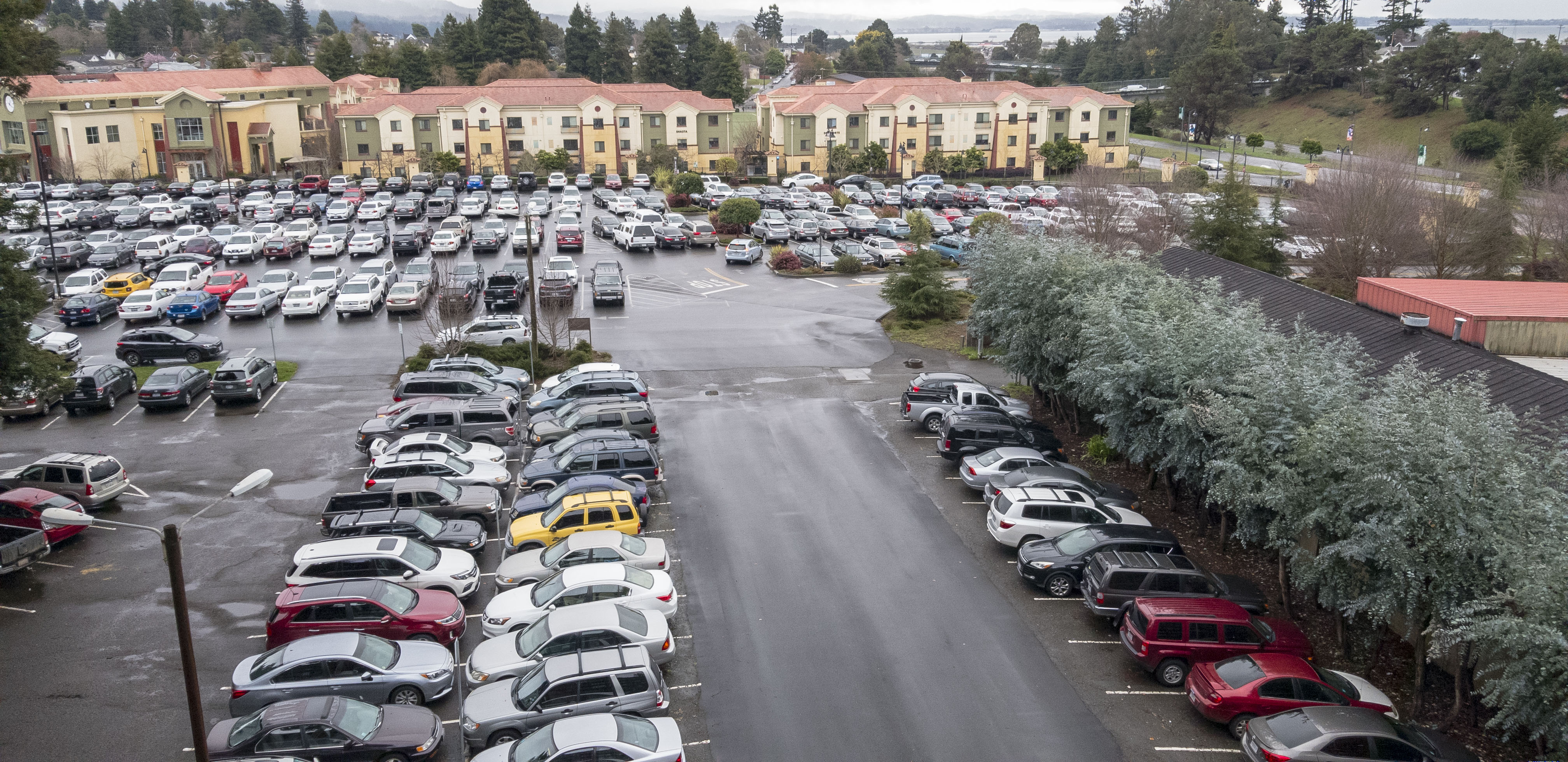
    One thing that I was most shocked about after moving off campus was the impossibility of parking. I had heard rumors here and there but it never settled on me, the idea of living off campus sounds great, right? Little did I know that part of adulting here at Humboldt State was that you had to suffer through a shortage of parking.

    I live in McKinleyville, and I had to learn to plan my whole morning around parking. I wake up early and I leave at least an hour before my class so that I have enough time to find a spot. Some mornings are smoother and it will take me about fifteen minutes, but more often than not there are mornings where I’d rather walk on bare feet from McKinleyville to campus. The more people I met at HSU, the more I’d learn their strategies to avoid the dreaded daily task.

    I spoke with some students about this issue and here are their thoughts. As I asked these students about parking and driving to school, their first initial reaction would be a sigh or a sound of frustration.

    Justin Eicher, is one of many students who chooses to bike to school.

    “I park far away [from school] and bike from there to avoid this crap,”Eicher said. “That’s honestly the way to do it.”

    I was surprised to hear that a fair amount of the students that I talked to had a pretty similar trick. Based off of the people I briefly interviewed, a good number of students live within range of HSU and will walk or bike, on the other hand, many students drive to a certain location and bike or take public transit to school from there. I have found myself considering the same thing on the worst of days, it sounds so much easier to go and park at a friend’s house who lives near a bus stop and go from there.

    “On the days that I have to be at school all day, I will drive from my house to the bus stop in Eureka where I live, and take the bus to school,” Evan Goetz, a forestry major at HSU, said. “It saves me the effort and money to make the trip.”

    The issue of parking has become a game of how to avoid it or how to get there early enough to grab a spot. The students that have class at 8 a.m. tend to get the better end of the stick, but the rest of the students that don’t have a class that early need to plan accordingly.

    “I have to go to a friend’s house who lives closer to school than I do, park at their house, and take the bus with them so I don’t have to deal with parking at HSU,” Lauren Gaul, another student who lives in McKinleyville, said.

    Respectfully, limited parking should encourage more carpooling to and from campus, and many of the students that I talked to said they rode their bike for environmental reasons. The strategies that some of these students have are logical, but some have to go out of their way to avoid parking. Students find what works best for them whether they like it or not.

  • Superdome swindle

    Superdome swindle

    Referees shaping the NFL is ruining its future

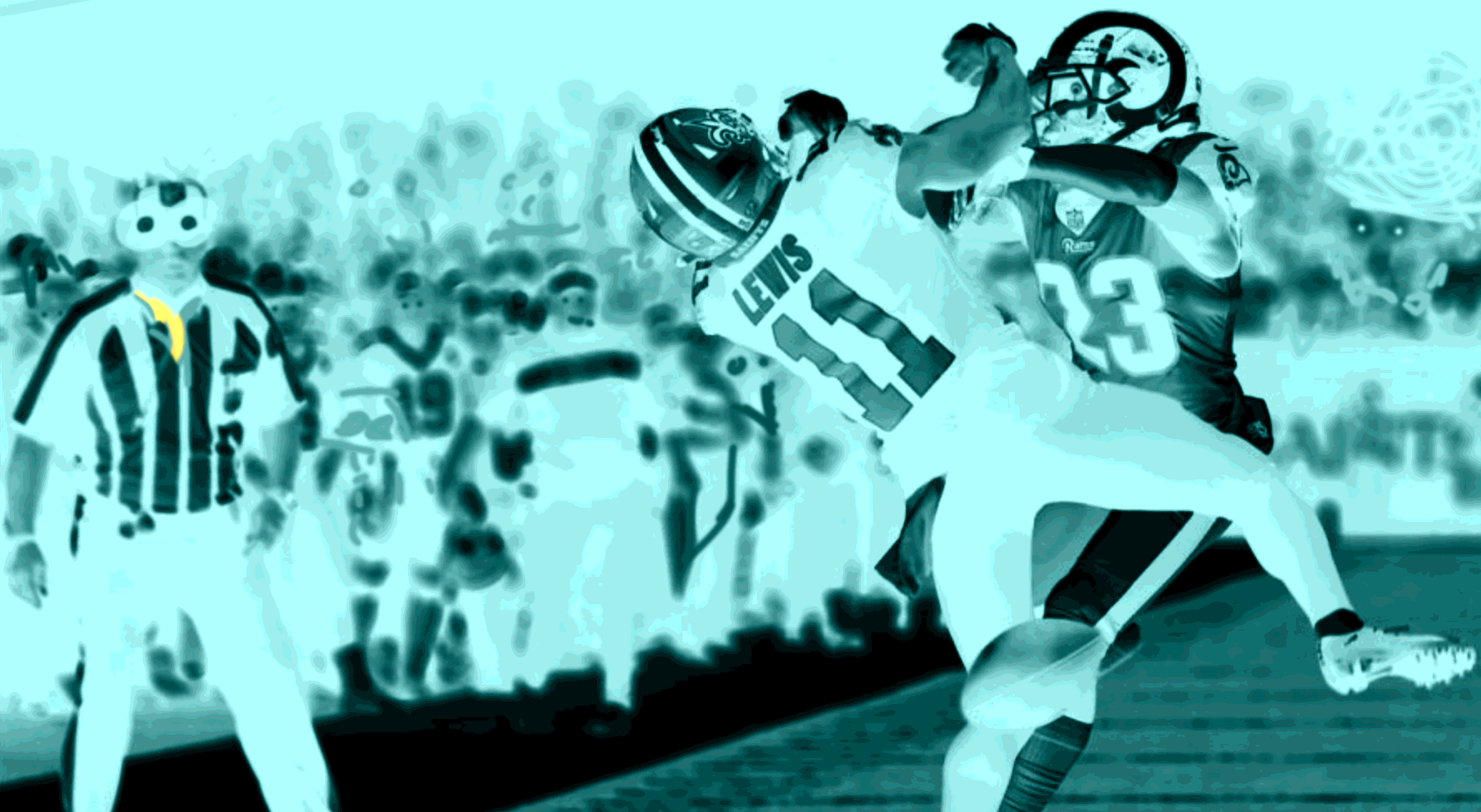
    The most blatant missed penalty in NFL Playoff history occurred in the NFC Championship game (the game before the Super Bowl) with one minute and 46 seconds left. It occurred on third and ten at the five-yard line, when as Drew Brees threw a pass down the sideline to Tommy-Lee Lewis, Nickell Robey-Coleman hit Lewis straight in the face before the ball got to him.

    In the NFL officiating rulebook this play was a penalty for helmet to helmet and also a penalty for pass interference. This penalty would have given the ball to New Orleans inside the five-yard line while the Rams had one timeout remaining, the Saints would have run out the clock and kicked the game-winning field goal with little time remaining.

    Neither penalty was called as 75,000 people in the Superdome in New Orleans all saw the same thing, while four referees who live in Southern California did not. This penalty was so obvious, but a hit to the face of Tom Brady in the AFC Championship in Kansas City, which did not seem like it was even the call to make was called, which led to the Patriots making the Super Bowl. Senior Vice President of Officiating Al Riveron talked to the head coach of the Saints minutes after the game ended and explained to Payton that his crew missed the call and potentially cost the Saints the opportunity to go to the Super Bowl.

    “The reason they didn’t call that penalty was because they wanted to build the fan base in Los Angeles, and make more money,” John Park said. “Flying from Los Angeles instead of from New Orleans would make them more money.”

    Even the player Nickell Robey-Coleman that committed the act admitted and said, “Yes, I got there too early. I was beat, and I was trying to save the touchdown.”

    There were a lot of penalties throughout the game but only one ended the game and decided it. The worst missed call on the Saints was the missed face mask on Goff that would have given the Rams the ball at the 1-yard line and the Rams a lead of 24-20.

    The penalty on the next drive was the missed one that Robey-Coleman committed that wasn’t called. This could have set up the Saints for the game-winning touchdown to take a 27-24 lead with under 30 seconds remaining and no timeouts for the Rams.

    If the integrity of the game can’t be upheld then do us fans still want to watch a game that is not executed to the best ability, with implications from outside forces (refs) deciding the outcome of the game? Not just Saints fans, but all football fans should be upset with a call (or no call) that decides who’s going to the Super Bowl.

  • OPINION: The Super Bowl was disappointing

    OPINION: The Super Bowl was disappointing

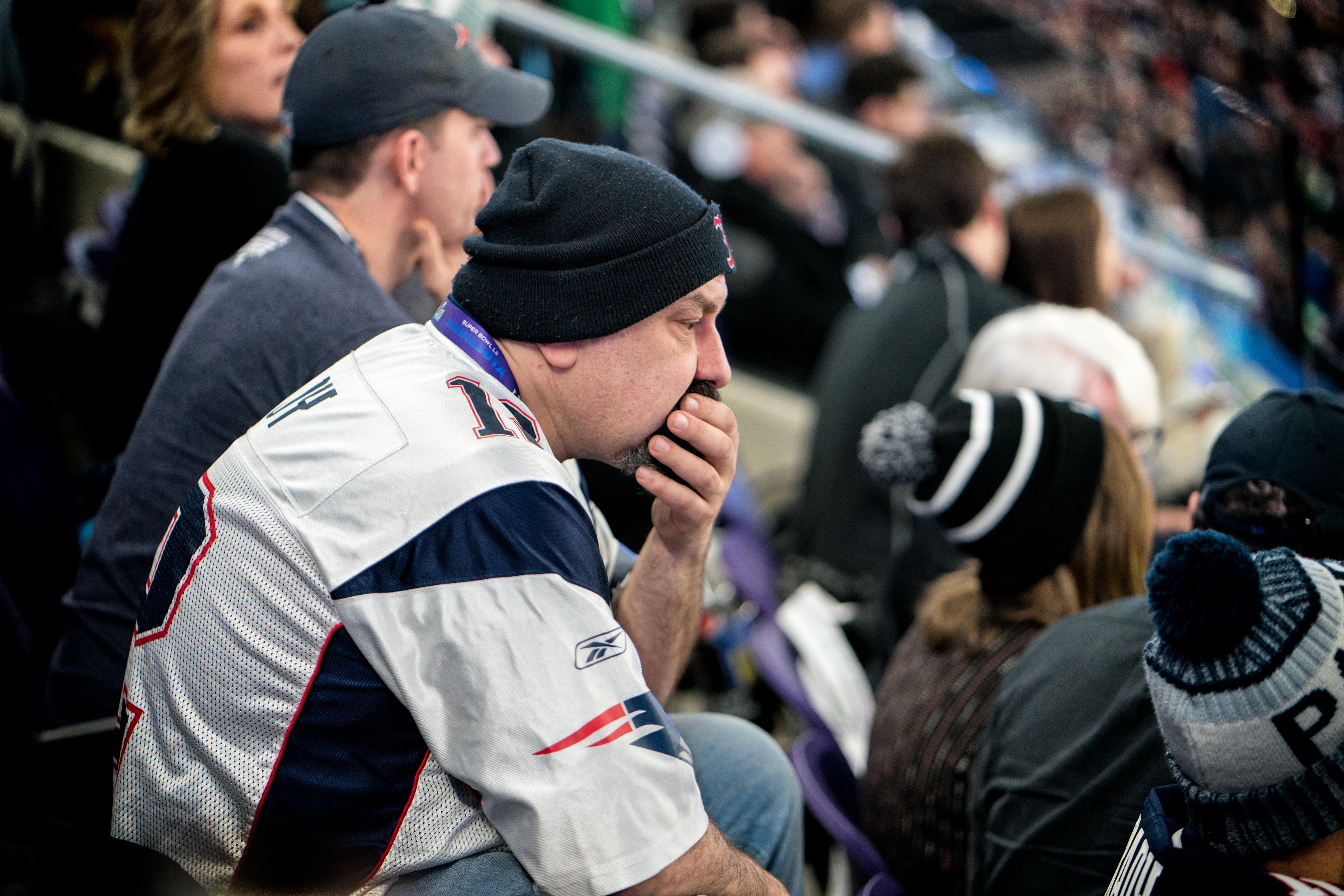
    Patriots and Brady earn 6th Super Bowl in low scoring game but did they play the right opponent?

    The New England Patriots tied the Pittsburgh Steelers with the most championships in NFL history with six, beating the Los Angeles Rams 13-3 in Super Bowl 53. Patriots were led by five-time Super Bowl winner Tom Brady, age 41, while the Rams were led by the 24 year old Jared Goff. It was the largest age gap between starting quarterbacks in Super Bowl history.

    John Park, a business major at LA Harbor Community College, said that,“The game was a good defensive battle. The Patriots got more pressure on Goff and made him make crucial mistakes. Not the most exciting game but still good.”

    The Rams had a potent offense coming into the game that was steered by running backs Todd Gurley, who was held to just 35 yards rushing, and C.J. Anderson, who had just 22 yards. Wide receiver Brandin Cooks had 120 yards but had two crucial dropped passes that in the end would be massive. Fellow WR Robert Woods was held to just 70 yards on five catches. Their defense, led by Defensive Player of the Year Aaron Donald who had 20.5 sacks on the year, and Ndamukong Suh, was for the most part good at containing Brady. Although they couldn’t come up with the stop down the stretch when they needed it.

    Screen Shot 2019-02-04 at 4.57.37 PM.png
    Quarterback Jared Goff of the Los Angeles Rams.
    (Associated Press)

    Olivia Gainer, a Philosophy major at HSU, said that, “I personally don’t like the NFL based on the statistics of bodily & mental harm to the players as the foundation to the game. But, it was a really uneventful Super Bowl, not worth what the players put their body through for the incentive of profit.”

    Patriots’ offense was star studded with running back Sony Michel who had 94 yards rushing and the only touchdown in the whole Super Bowl. Along with tight end Rob Gronkowski who made the biggest catches of the game down the stretch as he had 87 yards receiving. The MVP of the Super Bowl was receiver Julien Edelman who posted 141 yards on 10 catches, he was unstoppable from the slot position making big catch after big catch for Brady.

    Patriots’ defense was a great group that contained Goff and the Rams, led by linebacker Donta Hightower, who posted two huge sacks, along with corner-back Stephon Gilmore, who made the biggest defensive play of the day with the interception on Goff with four minutes left. The whole night the Patriots’ defense shut down Goff and the offense, making stop after stop on third down, giving Brady and the Patriots their sixth Super Bowl.

  • OPINION: Why Bob Dylan is still relevant today

    OPINION: Why Bob Dylan is still relevant today

    Recently I attended a Bob Dylan concert at the Beacon Theater in New York, his adopted hometown. It was my third and by far the best. Five shows in a row and every one of them sold out. No Frank Sinatra covers during these shows only a raw energetic performance that ranged from old favorite anthems to gritty forlorn melodies of his later years. I will be the first to tell you the mysterious troubadour did not disappoint.

    Dylan, who has been on a never ending tour since July 7 1988, is believe it or not 77 years old and doesn’t look like he’s letting up anytime soon.

    More than ever with where our fascist leaning country is at politically, economically and socially we need Dylan. We need a figure that can speak of marginalized voices, that can articulate death and life in the same sentence, someone that can tell the government “you ain’t worth the blood that runs in your veins” and “I’ll stand over your grave ‘til I’m sure that you’re dead”. Most importantly we need something that Dylan symbolizes but appears to have faded away completely: The American Dream.

    Dylan, a middle class Jewish kid from the middle of nowhere Minnesota, became the world’s most popular figure in not only music and popular culture but beyond any category that can be conceptualized. He is the first singer-songwriter to win the Nobel Prize for Literature, (he defines himself as a song and dance man), and first American to win the prize in over two decades. If you have any doubts of the Nobel Prize Committee’s decision to choose Dylan just listen to his speech (bob-dylan-nobel-lecture).

    Dylan continues to break the barriers of what it means to write a song that digs deep in the listeners psyche and examine the state of the world around them. Instead of his contemporaries at the time, Dylan was singing about racial tension and divide in America with songs like The Death Of Emmett Till, When The Ship Comes In, Oxford Town, and Hurricane, a song about the famous boxer Rubin “Hurricane” Carter who was falsely accused and imprisoned for murder and eventually set free. Together with Joan Baez he sang during the opening act of Martin Luther King Jr’s “I Have a Dream Speech” during 1963’s March on Washington. Need I even say more?

    We have Dylan to thank for bridging a gap between young white suburban college kids and the civil rights movement. We have him to thank for spreading along messages of hope above despair, of listening for answers that blow in areas where we don’t normally pay attention to, to defy the establishment and question all those with authority.

    I am well aware that there was a whole generation before Dylan that influenced him and those around him, but Dylan took what Kerouac wrote and Pollock painted and Guthrie experienced and reached an audience well beyond what anyone thought possible in the decades before him and influenced the generation of his time to fight alongside justice, compassion and empathy.

    As a writer he puts himself in other people’s shoes widening his perspective on the world. Jeremy Sherman, writer for Psychology Today and professor of rhetoric and language at the university of San Francisco said a first rate capacity for empathy is the ability to hold two opposed positions in mind at the same time and still retain the ability to think for yourself. He calls this “shoe-shifting”, a fundamental skill of extraordinary power caused by the ability to put yourself in someone else’s shoes.

    Dylan explores the idea of timelessness and changing viewpoints to get feelings across that allow the listener to transport their own consciousness. By doing this it opens up their world and allows for a fluid movement of looking at people in a more similar fashion, in short “I” am “you” and “you” are “me”.

    With his rhetoric devices and stream of poetic magniloquence he fought against conforming what is arguably as relevant today than when Dylan began; the military industrial complex. America’s war in Afghanistan is now at its 16th year and the longest foreign war in American History. Dylan’s Master of War still echoes through the movements of today, whether it be Occupy or Black Lives Matter, and everything in between. Dylan said of the song ‘a sort of striking out…a feeling of what can you do?”

    It’s time we all ask ourselves the same question.

  • OPINION: How I learned to embrace the reusable water bottle

    OPINION: How I learned to embrace the reusable water bottle

    Humboldt State hasn’t sold water for years now, is it the right call?

    HSU banned water bottles from campus almost nine years ago. This was done to combat plastic waste and instead have students bring their reusable bottles by using the campuses water bottle station.

    It’s great that the University is making an effort in removing plastic waste. According to Humboldt State Now, HSU was the third public university in the nation to remove water bottles from campus. The issue however, is why is there still sugary drinks like soda, sports drinks, and juice still being stocked on campus?

    At first, I was annoyed with the fact that water bottles were banned for sale, but after an interview with Tall Chief Comet, HSU’s sustainability director, it made me consider that there are good intentions to the ban.

    “There was economic, social justice, and natural sustainability reasons why the ban was put in place,” Comet said. “Most of the people who wanted the ban were HSU students, not just faculty.”

    According to Comet, the production that goes into making water bottles for sale, is sold to consumers for nine times more than the price of getting water from the municipal taps.

    Just from 2009 alone, HSU’s Waste- Weduction & Resource Awareness Program Humboldt’s Take Back the Tap discovered that the total number of water bottles sold at HSU was 80,000.

    “The production, transportation, storage and disposal of bottled water to meet HSU’s annual bottled water demand requires approximately 43 barrels of oil per academic year and releases 35,300 pounds of carbon dioxide into the atmosphere,” the WRRAP website said.

    While the ban does have good intentions, there is a negative side-effect to the ban. Students who come to places like the J or the Campus Marketplace to eat only have unhealthy choices of drinks loaded with sugar. You must have a reusable water bottle in order to drink water.

    “The Oh SNAP! program from HSU is looking into the nutritional trade off of the ban,” Comet said

    Ron Rudebock, HSU’s dining service director, mentions how 15 years ago HSU was licence with Pepsi, only carrying Pepsi products in campus stores. However, a couple of years ago Pepsi failed to renew the license. HSU was then free to sell whatever products they wanted.

    “Since then, we’ve been able to expand our variety of choices for students to drink,” Rudebock. “We have Kombucha and tea’s for a healthier choice; what we have in stock is based on how it (beverage) does in sales.”

    There are many factors as to why the ban was put into place and they are valid reasons. The trade off was students’ health on what choices they have on campus, unless students are bringing reusable water bottles.

  • Make it free, make it through

    Make it free, make it through

    The need for a publicly funded higher education system is apparent

    Since I moved to the United States for my study abroad semester, one thing that I’ve noticed that puts a lot of pressure on students here in general is tuition fees.

    With growing stress and mental health issues for students in general, the United States as a country should actively be working towards introducing a publicly funded higher education system.

    Being from Sweden, where university is free for all citizens, the fact that students have to pay to get an education baffles me. The U.S. is a country with split views in general on heavy topics like this. However, the fact that some students have to say no to getting a higher education because they can’t pay for the tuition is just wrong.

    One argument for introducing a publicly funded higher education system is taking the pressure away from students. Over the short period that I’ve been here, I’ve had multiple discussions with different people about their fears of having to drop out because they can’t pay for tuition, or they can’t afford food because the fact that they’ve just paid for school that month.

    Many students worry about their parents spending money they don’t have to put them through school. While considering the fact that one of the major mental health issues facing students at this time in history is stress and anxiety, always walking around worrying about how to pay for tuition can’t be helping this in any way. If anything, it should be argued that the stress of having to pay to stay in school could lead students not performing as well as they could.

    Another argument for introducing a tuition free higher education system is that a majority of Americans want it. According to a poll conducted in November of 2017 by Peen Schoen Berland on behalf of the Campaign for Free College Tuition, there is a general support from America, from both red and blue states, for free tuition at public universities and colleges for students who are academically qualified. According to the poll the overall support is strong with 73 percent of the people asked in favor.

    Some people might argue that introducing a free tuition college system would lead to students not taking their education seriously because of the fact that there is less pressure on them with not having to pay. While understandable, while looking at numbers from countries such as Sweden, where the average student performance indicator in 2013/14 showed that 82% of all higher education students in Sweden were achieving all the HE credits they registered for, that argument becomes void.

    The best way for the United States to help students attending higher education would be to seriously consider how they as a country can deal with the issue of tuition.

    By introducing a free tuition college system for students that are academically qualified, they introduce a system with less pressure of payments where students can focus on what really matters, getting an education.

  • OPINION: The shutdown of the government helps no one

    OPINION: The shutdown of the government helps no one

    This government shutdown is out of control and it needs to end

    The Government Shutdown of 2018-2019 is the longest shutdown in US history, now being over a month since the shutdown has started. This is due to President Donald Trump’s decision to shut down the government for not funding the Mexican border wall that he’s promised since his campaign. President Trump has promised to prolong the shutdown, going so far as to suggest a year-long shutdown.

    There’s a lot of blame being cast between Democrats and Republicans. Yet at the end of the day, the most affected are the government workers who are going to work without pay and those who rely on government aid like military benefits and food stamps.

    For students, financial aid disbursement is not affected by the shutdown. However there have already been instances of schools being affected by the government shutdown. Signing up for financial aid requires documents from the IRS, however the department that oversees those documents is shutdown.

    U.S. citizens will also still need to pay their taxes this year despite the shutdown. As a result of the shutdown, the IRS is short on staff. This will lead to longer waits and people are expecting their tax refunds to be late. The IRS has issued an order to have employees work without pay during the tax filing season starting Jan. 28.

    Those who rely on the Supplemental Nutrition Assistance Program will be receiving their food stamps early, around February. The downside is recipients will have to budget what they receive, as there’s no clear indication when recipients will receive their next set of stamps.

    Many national parks have been closed due to shortage of staff, human waste flooding the area and even vandalism. The National Parks Service website does list all the closures and conditions of national parks, but even their website is not up to date because of the shutdown.

    For those who are expecting to take a flight, there is a possibility of waiting in longer lines to enter TSA security checkpoints. Many airports are short on staff because TSA staff are expected to work without pay. While some are promised to receive bonus pay during the government shutdown, many TSA staff are calling in sick.

    Many people from the government have been opposed to the shutdown. Even some Republican members have voiced their concerns. Lindsey Graham (R-South Carolina) and Lamar Alexander (R-Tennessee) have called for a temporary reopening of the government to open negotiations for the wall. It’s surprising, especially from Lindsey Graham, who has been loyal to Trump’s decisions.

    Trump has already signed a bill into law to ensure that government workers who worked on days during the government shutdown are paid for their work. While this is a good thing for those who are working without pay, they still won’t receive pay until after the shutdown ends.

    The only way for a solution to be reached is for negotiations between Donald Trump and the Democratic house, but from what happened on the Jan. 15 and Trump’s offer being rejected, it looks like there isn’t a sight for resolving citizen’s woes. It’s time for Trump to get off his high horse and open the government. He was put into office to help protect and lead the country, but with his actions he is holding the entire country hostage to get what he wants.

  • From the Editor: Dare to dream unapologetically

    From the Editor: Dare to dream unapologetically

    The Lumberjack has its first African American woman as editor-in-chief in 90 years

    In 1929 the Lumberjack as we know it today put out its first newspaper. Ninety years later I became the very first African American editor-in-chief in the history of the Lumberjack. To be true to myself, I identify first as an African American but I am also a woman who has made monumental history. Without first acknowledging that it took 90 years for someone who looks like me to hold this position disregards our history.

    If I’m being honest, it is disheartening that it took nine decades for an African American to be elected for this position. It shouldn’t have taken that long. However, I’m very pleased that the past 90 years of the LJ will soon be digitized. History will be made easily available for the public. They’ll be able to look back on our past and reflect or criticize how far we have came as a university and as a society.

    The way that the editor-in-chief is elected is through a democratic election process. Each candidate gives their statements to our classmates that explain who we are, our experience and our plans for the newspaper. Afterward, there is an election where each student votes who they think should be the next editor-in-chief.

    As a young black journalist coming from Oakland, I naively doubted my abilities to lead this paper, but my peers were confident in my leadership. After all, flowers never pick themselves.

    When I look around my peer group, I see young journalists who motivate me to become the best that I can be. They motivate me to challenge the current ideologies that surround us and they dare me to dream of accomplishing things much bigger than myself.

    My goals for this paper is to keep it cultured and to represent its student body. However, I plan to remain truthful to the realities that surround us and to do so unapologetically.

    I invite you to stand with me on this platform and walk this journey with me. As Dr. Martin Luther King, Jr. said, “Faith is taking the first step, even when you don’t see the whole staircase.”

    Sincerely,

    Dajonea Robinson

  • EDITORIAL: Overcoming this final stretch of stress

    EDITORIAL: Overcoming this final stretch of stress

    Breathe in. Breathe out.

    Stress and anxiety are an everyday part of student life. But with the final weeks of school upon us, there are more triggers than ever to make students feel stressed. The Lumberjack knows several tips to ensure that you perform your best in the last days of the semester.

    It’s easy to neglect the self and only focus on the tasks you’ve been assigned. Although your projects and homework are important, it’s critical to consider your physical and mental health as you finish up the semester.

    Many CSU students struggle with getting enough sleep. Exhaustion makes it harder to maintain a low level of stress, and higher levels of stress make it difficult to sleep, so the cycle continues.

    Make sure to get enough sleep during the final weeks, as insufficient amounts will affect your performance on final projects and exams. It’s counter-intuitive to sleep less while trying to get more done, as the quality and speed of work will be lower than if you had enough sleep.

    If you’re having trouble relaxing your mind and body to sleep, an effective, healthy method to calm yourself is drinking a mug of hot herbal tea. Not all teas will help you sleep, though. The best teas for relaxation and sleep are herbal teas like lavender, chamomile, peppermint and Valerian root.

    Caffeine is a popular choice for college students when it comes to finals week studying. While a cup or two of coffee can definitely enhance focus and drive to complete a tedious task, it can also have unpleasant side effects, especially when too much is taken quickly. It’s especially important to moderate your caffeine levels during these busy times.

    Think for a second, is that fourth cup of coffee or second yerba mate tea really worth it? Too much caffeine can cause extreme anxiety and restlessness, making it even harder to stay mentally healthy during these last weeks. Drinking caffeine too late in the night can also make it difficult to get quality sleep, making challenging finals even more intense.

    Just because finals are here doesn’t mean school is all you should focus on. It’s smart to take breaks and have time to yourself, where your studies aren’t the priority. It’s unrealistic to think we can devote all our time and energy into academia. Treat yourself to something nice and relaxing, especially if your anxiety levels are soaring through the roof.

    Remember folks, it’s not the end of the world and you can get through this. Moderate your caffeine consumption, do something nice for yourself and don’t forget to breathe. It will be over before you know it!

    For additional stress relief, in the coming week HSU will be hosting a few different events throughout campus including a game night, the annual pancake dinner and therapy dogs visiting the library.

  • OPINION: We deserve a W

    OPINION: We deserve a W

    Drop date deadlines too strict and for students to decide on keeping a class

    As I end my academic career, I reflect on the ways I could have been a better student, and how Humboldt State could have better assisted me in learning and navigating my student experience.

    My biggest concern is that academic deadlines need to change. Add/drop dates need to be extended, and reason for withdrawing from a class should not be as difficult as it is. Being a student is more than just being in the classroom — we must also manage learning outside the classroom.

    We must learn to navigate on our own for the first time in our lives and learn to provide for ourselves as adults. We need to learn how to balance school and work, and to prosper in both activities. For this reason, academic deadlines should be more flexible for students.

    We need more than two weeks to decide whether or not we can stay in a class. We cannot definitely know in two weeks if we can endure a semester’s worth of school and work. We need time to adapt. The add/drop date should be edited to a month rather than two weeks.

    If we are unable to stay in a class for whatever reason (personal, fiscal, family, mental or emotional health reasons), it should be our right as students to be able to receive a W in our transcripts. The policy for withdrawals are concrete. According to Humboldt State’s website, the following constitutes a withdrawal from a course:

    •Psychological issues

    •Inappropriate behavior of someone else in the class

    •Severe illness or injury

    •Called to military service

    •Death of a close family member

    •Loss of care of dependents

    •Serious reversal of your financial situation

    There are even restrictions for what are NOT considered “serious and compelling or catastrophic in nature:”

    •Deciding to change majors after the deadline to add/drop classes

    •Not being aware of a deadline

    •Anticipating you may earn a low or failing grade

    •Taking too many units

    •Being too busy with other classes to do the work

    •Work or extracurricular activities

    •Not liking the class

    •Not knowing how or when to drop

    Of course, this also poses the argument that students should not be working while attending school, but in some cases students do not have the luxury to not work. We need more assistance from our university.

    We deserve more from our institution. It is overwhelming enough to be a working student and if it happens that we slip up and cannot keep up with course work, we should be able to receive a W.