The Lumberjack


Students Serving The Cal Poly Humboldt Campus and Community Since 1929

Tag: chelsea wood

  • Before You Forage: Nasturtiums

    Before You Forage: Nasturtiums

    Pretty flowers offer a punch packed with nutrition

    Foraging for your own sustenance is both rewarding and enjoyable. With grocery store shelves low on most necessities like fruits and vegetables, you can still find satisfying snacks out in nature.

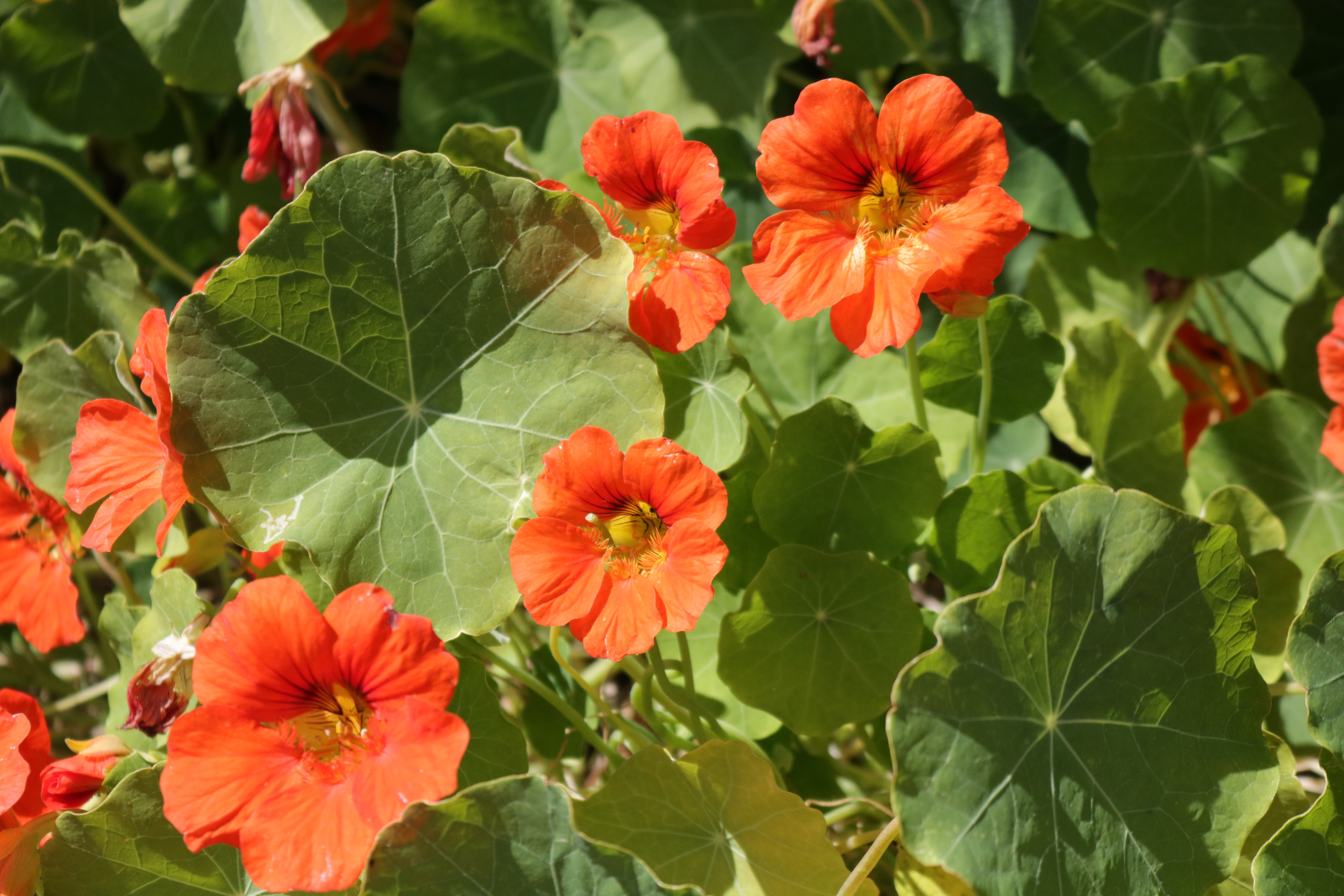
    According to Encyclopedia Britannica, nasturtiums are a type of flowering herbaceous plant in the tropaeolaceae family. These green, circular-leaved and orange, red or yellow-petaled plants are edible flowers and foliage.

    While nasturtiums may be hard to find in the wild as they’re native to Central and South America, they can easily grow in home gardens just about anywhere.

    Early spring is the perfect time to start cultivating your own nasturtiums, and you can simply order seeds online to get started. Nasturtium seeds, when dry, look like tiny, brown walnut shells with wrinkled surfaces. When fresh, they are pale green and have a slightly smoother texture. Fresh seeds are edible as well and often pickled and used as caper substitutes.

    A great way to prepare nasturtium for your first taste is in a salad with cucumbers, mandarin oranges and spinach with a light vinaigrette dressing.

    Once fully grown and blossomed, the sprawling, vine-like nasturtium plant offers a bounty of vitamin C if consumed. Not only are these plants aesthetically pleasing, the amount of nutritional value packed into the entire nasturtium is astounding, as they contain vitamins B1, B2, B3, and magnesium, iron and calcium.

    This plant has a peppery, mustard-like taste and can be used as an alternative to potent arugula leaves or mustard greens in salads. You can eat the whole plant, which is said to be similar to the taste of watercress.

    A great way to prepare nasturtium for your first taste is in a salad with cucumbers, mandarin oranges and spinach with a light vinaigrette dressing. Or if you’re bold enough, try the leaves and petals on their own after a thorough rinse.

    Beyond the beauty and nutrition of nasturtiums, this plant also offers antibiotic and antibacterial properties. These plants are by no means a way to cure colds, the flu or COVID-19, but can offer slight relief. Nevertheless, according to a study published in the Open Microbiology Journal, these plants were found to contain antimicrobial effects and can be safely used in the food industry as an antibacterial oil on foodborne bacteria.

    So get your hands on some nasturtium seeds and get to planting. Soon you’ll have a garden full of the edible and nutritional plant.

  • Here’s What The Lumberjack is Watching, Reading, Playing and Doing

    Here’s What The Lumberjack is Watching, Reading, Playing and Doing

    Some unedited recommendations and brief reviews from some of our staff


    Life and Arts Editor Grace Caswell

    What I’m watching:

    Just finished “Tiger King.” It’s the most ridiculous and unbelievable show I’ve seen yet with a surprising amount of depth.

    What I’m reading:

    “Noam Chomsky” by John Lyons.

    What I’m playing:

    None :/

    What I’m listening to:

    Lots of new music is being released but right now Toro y Moi and Jhene Aiko.

    What else I’m doing:

    Yoga and meditation has been a go to as well as cooking healthy foods. Anything to keep my mind at ease and health immunity high.


    Managing Editor Chelsea Wood

    What I’m watching:

    I’ve been watching the final season of “Schitt’s Creek” which has been a bittersweet reflection of the last five seasons.

    What I’m reading:

    I’ve been reading more of a book I started last summer. It’s called “The Spaceship Next Door” and it about a teenager who grew up in a small town where a spacecraft crashed years ago but never left.

    What I’m playing:

    Minecraft. I trash talked this game as a teen, but it’s amazing and I love creating things on it. It’s extremely entertaining and relaxing.

    What I’m listening to:

    I’m listening to lots of downbeat songs—music that soothes the soul with catchy beats. Just stuff to satisfy this melancholy phase I’m swimming through.

    What else I’m doing:

    I picked up an old hobby, basket weaving. It’s a relaxing and simple task that yields a useful item. And no that’s not a BS excuse, basket weaving is the shit.


    Editor-in-Chief James Wilde

    What I’m watching:

    I just finished season three of “Ozark.” It’s a crime drama with superb characters and writing that had an unexpected depiction of mental illness that probably hit a little too close to home and (full disclosure) made me tear up.

    What I’m reading:

    I just finished “Why Time Flies,” by Alan Burdick, a fun little foray into the way we think about time. Next up: “The Glass Hotel,” by Emily St. John Mandel.

    What I’m playing:

    Call of Duty: Warzone with my brother and some friends. I hate the premise of Call of Duty and, you know, shooting people, but as long as I ignore that it’s lots of fun.

    What I’m listening to:

    Kind of all over the place, which isn’t out of the ordinary. Indie stuff to hip hop to alt rock to electronic stuff to jazz to whatever else. Oh, and random Tiny Desk Concerts.

    What else I’m doing:

    Walking or going on runs to get out of the house. Drowning in schoolwork. Lying on the floor.


    Opinion Editor Alexis Parra

    What I’m watching:

    “Gentrified”- A show that hits home for people of color. “Tiger King”- A cult war in the world of big cats.

    What I’m reading:

    “Z: The Beginning of Everything”- the untold story of Zelda Fitzgerald and beautifying her life.

    What I’m playing:

    None.

    What I’m listening to:

    My playlist on LJ- All of my favorites songs and energy that I carry into one playlist. “La Platica”- A bilingual podcast where the host is funny and talks about dumb shit and real shit.

    What else I’m doing:

    Painting. Make-up. Face masks. Talking to my family. Getting creative while also taking care of my skin and keeping in touch with my loved ones.


    Sports Editor Thomas Lal

    What I’m watching:

    “Drive To Survive,” a super fun look into the 2019 F1 season with the dramatic thrills and spills to match!

    What I’m reading:

    “Permanent Record” by Edward Snowden. An intriguing and somewhat terrifying read.

    What I’m playing:

    The Witcher 3. This game has consumed my life. Loving the story and exploring the world.

    What I’m listening to:

    So much music, mostly ska, punk and jazz along with the “Every Little Thing” podcast.

    What else I’m doing:

    Being sad without any sports to watch.


    Web Editor Seth Finnegan

    What I’m watching:

    “Community.” The always funny comedy about students at a community college.

    What I’m reading:

    None.

    What I’m playing:

    Dead Rising and MLB The Show 19. Filling the sports void with hitting baseballs and zombies with baseball bats.

    What I’m listening to:

    The “Adventure Zone” podcast. Three brothers and their dad play D&D together.

    What else I’m doing:

    Learning to play darts. It’s very frustrating but very fun!


    Video Editor Benjamin Zawilski

    What I’m watching:

    The filmography of David Fincher and Hayao Miyazaki, and “The Good Place” on Netflix.

    What I’m reading:

    Rereading “Peter and the Starcatchers” by Dave Barry and Ridley Pearson, which was one of my favorite book series as a child

    What I’m playing:

    Overhearing my sister play Animal Crossing.

    What I’m listening to:

    The film scores of Mark Mancina, Alexandre Desplat, and James Newton Howard.

    What else I’m doing:

    Hiking at least five miles a day, sometimes up to seven, and have done a considerable amount of housecleaning.


    Reporter Deion Alston

    What I’m watching:

    “Coffee & Kareem.” Cop dates kid’s mother and him and kid (Kareem) uncover a conspiracy of dirty cops.

    What I’m reading:

    Haven’t been reading books tbh, but a lot of news article pertinent to sports, COVID-19, crimes etc.

    What I’m playing:

    Fortnite and NBA 2K 20. Fortnite is a shooting game and 2K is professional basketball at your finger tips.

    What I’m listening to:

    For podcasts, I listen to “Up in Smoke” hosted by two former NBA players, Matt Barnes and Stephen Jackson. It’s very interesting—great interviews and guests as well. For music I’m listening to a lot of Lil Uzi, G Herbo, Tory Lanez. So basically rap, hip-hop and R&B.

    What else I’m doing:

    I’m cooking a lot more—takes time up in the day. Do my 250 push-ups everyday and step-ups for some cardio. And occasionally throw the football in the drive way.


    Reporter Dakota Cox

    What I’m watching:

    “Seinfeld” & “Empire.” “Seinfeld” is a wonderful waste of time. “Empire” is a must-binge, cutthroat musical.

    What I’m reading:

    “Hurricanes” by Rick Ross is a fairly generic success story in terms of rapper autobiographies. “The Alchemist” is an extraordinary journey of the body, mind and soul.

    What I’m playing:

    Animal Crossing; don’t ask questions, go pick up the game!

    What I’m listening to:

    Going back and forth between oldies and hip-hop, gotta keep the serotonin up. Michael Jackson, Bob Marley and The Beatles are timeless, go listen! Gambino got the best album of 2020, @ me!

    What else I’m doing:

    Slipping out of sanity; would not recommend. Get a mask-on walk in when the sun shows it’s face; I like to play a little game called guess the gang members.


    Reporter Sarah Blunt

    What I’m watching:

    I just finished “I am not okay with this.” It was a really good show with short episodes that have a lot going on in them. 10/10. I also just recently watched “Freedom Writers.” That one was really good and empowering, also took place in Long Beach (where I’m from) so that was relatable (kind of).

    What I’m reading:

    “Looking for Alaska.” I’ve already seen the show on Hulu but I realized I had the book. So far it’s really good and John Green (the author) writes really descriptively so I never feel bored when I’m reading it.

    What I’m playing:

    None.

    What I’m listening to:

    Tons of music. Nothing in particular just going through my music apps and looking for things I haven’t heard before, or even music from shows i’ve watched that I liked the soundtrack. That’s most of what I spend my free time doing.

    What else I’m doing:

    Lately I’ve been taking bike rides alone just to get fresh air and not be stuck in the same surroundings. I never ride bikes but lately it’s just been a really nice way to get out the house but also keep my social distance from others. 10/10


    Reporter Ivan Ramirez

    What I’m watching:

    “Castlevania,” the show. “Mewtwo Strikes Back: EVOLUTION,” the movie.

    What I’m reading:

    Marcy Burstiner’s Investigative Reporting Book.

    What I’m playing:

    None.

    What I’m listening to:

    Psytrance, Electronic Dance Music, Drum & Bass, Electronic Rock.

    What else I’m doing:

    Meditating, talking to people on Discord, Instagram.


    Reporter Alberto Muro

    What I’m watching:

    I have started watching the Amazon Prime series “The Boys.” It has an interesting take on superheroes proving that not all of them are super. It’s a world where super heroes exist, now imagine their lack of empathy for saving people.

    What I’m reading:

    Currently reading through my textbooks so that I don’t fall behind on homework.

    What I’m playing:

    I am currently playing the remake of Resident Evil 3 which has updated graphics and character development.

    What I’m listening to:

    I am listening to the “Tinfoil Hat” podcasts since conspiracies take my mind on a wild ride

    What else I’m doing:

    I have transitioned from a student using critical thinking to an essential asset during a global pandemic thus turning me into a critical drinker.
  • Before You Forage: Mussels

    Before You Forage: Mussels

    Everything you need to know to forage for mussels

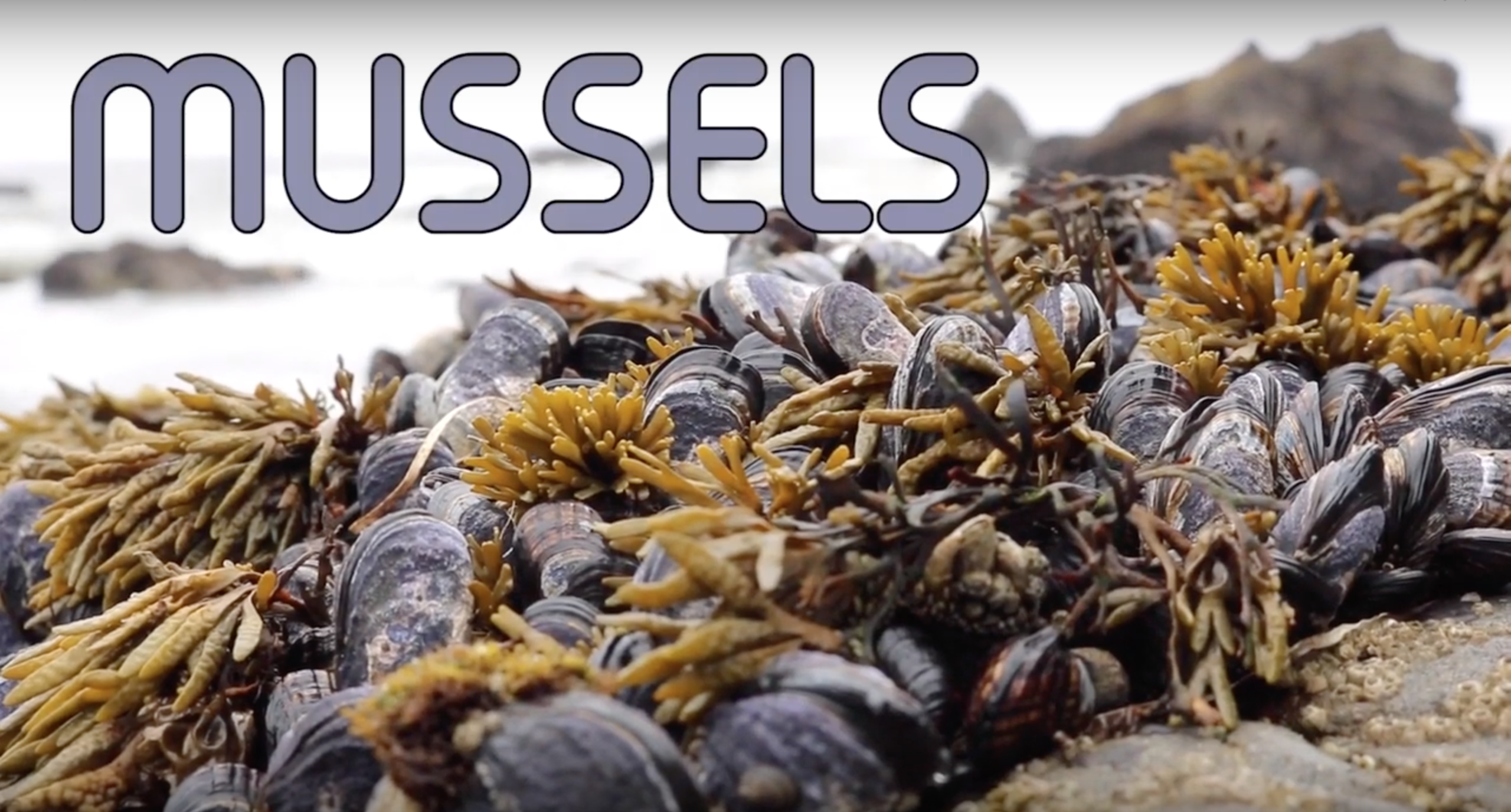
    Blue mussels are a type of edible bivalve found in cold coastal waters. These orange-fleshed, blue-shelled mollusks are high in vitamin B and iron. Mussels and other bivalves feed by filtering water throughout their body. Bivalves, including mussels, can be deadly if consumed during red tide conditions.

    You can forage for mussels along the California coast legally with a California fishing license. The legal daily limit for mussels is 10 pounds and you must carry a scale with you. Do not use tools to scrape mussels off rocks. This damages the mussel beds and is prohibited for mussel collecting. Instead, get a sturdy pair of gloves to twist and yank the mussel free from its byssal thread attachments (also known as beards) that secure it onto rocks.

    Mussel gathering is prohibited in Humboldt County every year from May 1 to October 31 due to the warmer climate during this time, which facilitates the proper conditions for toxic algae blooms. Mussel quarantine may vary year to year. Always call the shellfish bio-toxin hotline before you plan on foraging.

    Bio-toxin information line: (800) 553-4133 shellfish toxins/quarantine information

    Editors note: This article previously stated an incorrect limit on mussel harvesting and has been corrected. We have updated information about mussel quarantine. Updated January 21, 2021

  • The Lumberjack Takes Home 14 Media Awards

    The Lumberjack Takes Home 14 Media Awards

    Humboldt State student newspaper wins four first place California College Media Association awards

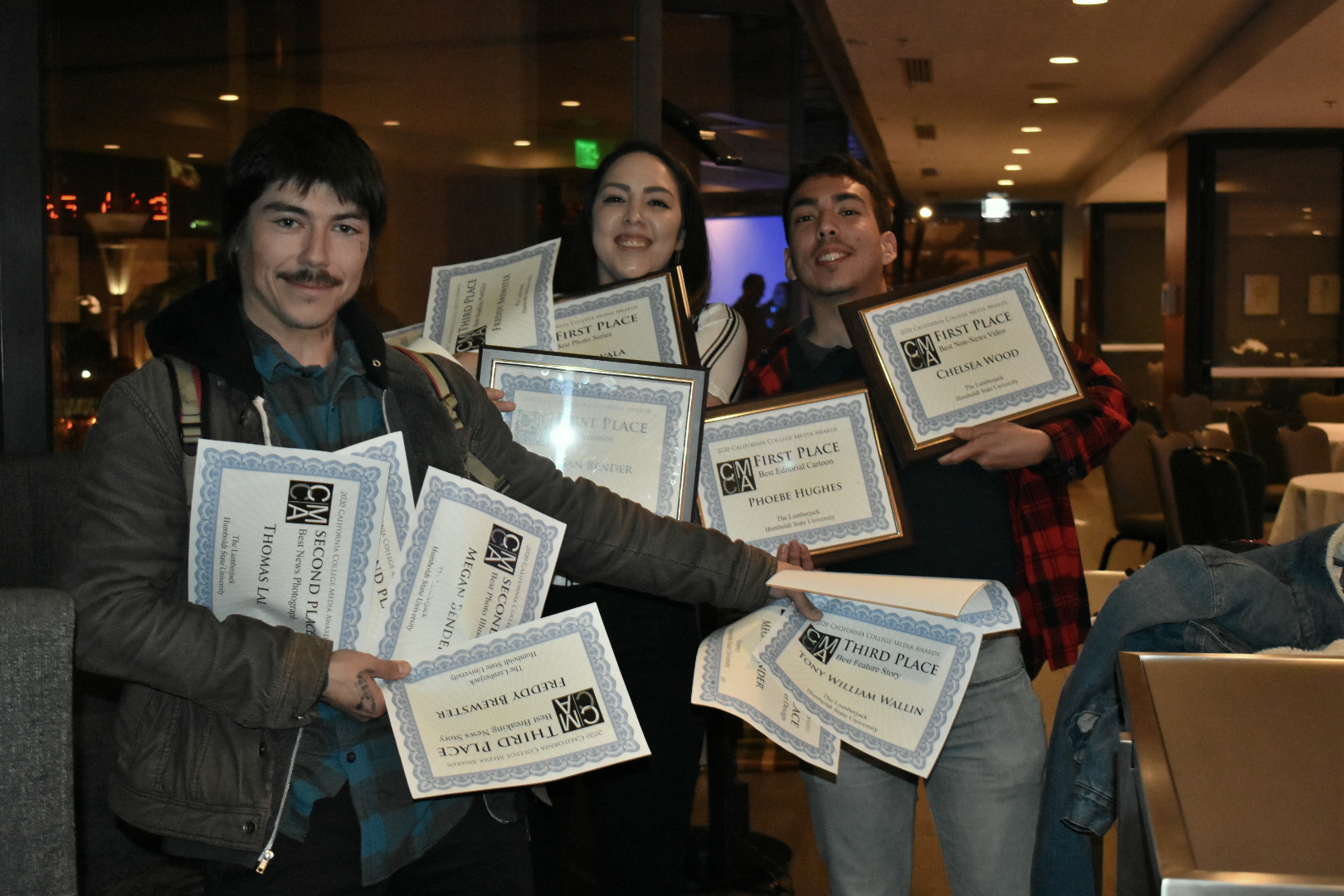
    The Lumberjack won 14 California College Media Association Excellence in Student Media awards for a variety of work in 2019. The Lumberjack took home four first place awards, seven second place awards and three third place awards at the CCMA awards banquet Feb. 29 in San Francisco.

    Deija Zavala won Best Photo Series, Phoebe Hughes won Best Cartoon Illustration, Megan Bender won Best Illustration and Chelsea Wood won Best Non-News Video.

    Megan Bender took second in Best Newspaper Front Page Design and Best Photo Illustration, Jose Herrera took second in Best Arts and Entertainment Story, Jett Williams took second in Best Newspaper Column, Liam Warner took second in Best Sports Story and Thomas Lal took second in Best News Photograph. James Wilde, Chelsea Wood and Collin Slavey took second in Best News Video.

    Freddy Brewster came third in Best Headline Portfolio for three different headlines and third in Best Breaking News Story, while Tony Wallin took third in Best Feature Story.

    HSU’s bilingual, monthly student-run newspaper, El Leñador, won 12 awards, including three first place awards. HSU’s student-run semesterly magazine, Osprey, won three awards, with a first place award to Megan Bender for Best Magazine Inside Page/Spread Design.

    The Lumberjack is the independent, student-run online media publication and newspaper established in 1929 at Humboldt State University.


    View the full list of HSU student award winners below:

    CCMA Winners 2020:
    FIRST PLACEPUBLICATIONSTUDENT(S)
    Best Photo SeriesThe LumberjackDeija Zavala
    Best Editorial CartoonThe LumberjackPhoebe Hughes
    Best IllustrationThe LumberjackMegan Bender
    Best Non-News VideoThe LumberjackChelsea Wood
    Best Newspaper Inside Page/Spread DesignEl Leñador Celeste Alvarez, Jose Herrera
    Best Newspaper Front Page DesignEl Leñador Kylee Conriquez, Jose Herrera
    Best Non-Breaking News StoryEl Leñador Jose Herrera
    Best Magazine Inside Page/Spread DesignOspreyMegan Bender
    SECOND PLACE
    Best Newspaper Front Page DesignThe LumberjackMegan Bender
    Best Arts and Entertainment StoryThe LumberjackJose Herrera
    Best Photo IllustrationThe LumberjackMegan Bender
    Best News VideoThe LumberjackJames Wilde, Chelsea Wood, Collin Slavey
    Best Newspaper ColumnThe LumberjackJett Williams
    Best Sports StoryThe LumberjackLiam Warner
    Best News PhotographThe LumberjackThomas Lal
    Best IllustrationEl LeñadorKylee Conriquez
    Best EditorialEl LeñadorBrenda Estrella
    Best Special Issue/SectionEl LeñadorJose Herrera, Vanessa Flores
    Best Overall Newspaper DesignEl LeñadorJose Herrera, Celeste Alvarez, Cara Peters, Ash Ramirez
    Best Social Media ReportingEl LeñadorVanessa Flores
    Best Magazine Cover DesignOspreyMegan Bender
    THIRD PLACE
    Best Headline PortfolioThe LumberjackFreddy Brewster
    Best Feature StoryThe LumberjackTony William Wallin
    Best Breaking News StoryThe LumberjackFreddy Brewster
    Best NewspaperEl LeñadorStaff
    Best Interactive GraphicEl LeñadorCeleste Alvarez
    Best InfographicEl LeñadorCara Peters
    Best Arts and Entertainment StoryEl LeñadorLora Neshovska
    Best Magazine Photo SeriesOspreyJett Williams, Megan Bender
  • Before You Forage: Sea Lettuce

    Before You Forage: Sea Lettuce

    Everything you ever wondered about sea lettuce

    Learning to forage for sustenance is a convenient and exciting way to spend a day. In Humboldt County you can find your next snack or meal on the coast or in the forest—if you know what to look for.

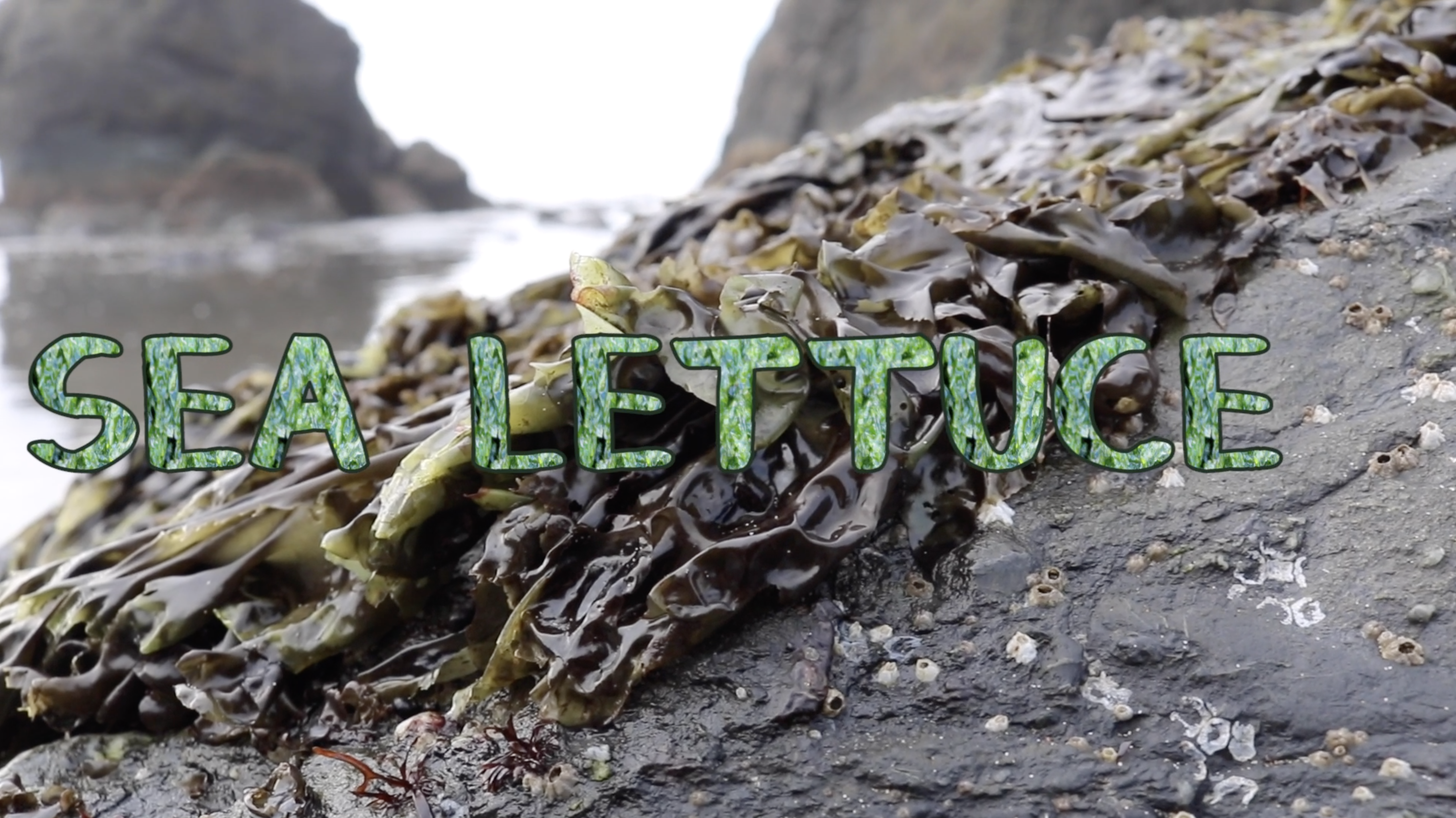
    One easy item you can forage for is sea lettuce, an edible green algae scientifically known as Ulva lactuca. Sea lettuce looks similar to garden-grown lettuce, as it has ruffly, thin leaves that bunch together, forming a head.

    This vibrant green algae is found along coastlines worldwide, typically in tidal zones on rocks and docks. Ollie Relfe, a British blogger and self-professed nutrition expert, says sea lettuce offers antioxidant qualities and is a great source of vitamins A, C and E, to name a few.

    Sea lettuce thrives in areas with high levels of nutrients or pollutants, which makes harvesting for consumption depend on water quality. A bushel of sea lettuce from a remote beach is surely more pristine than a bushel harvested from the mouth of a boat harbor.

    According to Capital Regional District, a Canadian governmental sustainability organization, sea lettuce is a valuable food source to numerous creatures. Grazing sea animals, including snails, amphipods and sea urchins, all rely on seaweeds like Ulva lactuca to provide nutrients. Too much sea lettuce can inhibit the growth of other seaweeds, especially when large, floating blooms block sunlight from reaching other oceanic plants below the surface.

    As sea lettuce decomposes, it releases hydrogen sulfide, a chemical compound which smells like rotten eggs. The United States Occupational Safety and Health Administration says this toxic gas can be harmful to humans and animals alike, and can even be deadly in high amounts.

    When foraging for anything, it’s important to take only as much as you need. Harvesting sea lettuce is no different. However, foraging for sea lettuce can help reduce its decomposition and subsequent toxic contamination.

    It’s important to verify the safety of any body of water you plan on foraging in. You can do so by checking local biotoxin warnings. During hotter months, steer clear of consuming coastal collections due to potential red tide contamination.

    You don’t need a fishing license to recreationally collect seaweed in California. The daily limit is 10 pounds of wet seaweed, and you must carry a scale with you to ensure you’re within regulation standards.

    To collect sea lettuce, one needs a sharp knife and a bucket. Only harvest bushels that are large enough to leave some behind after collecting. Be sure to leave a good amount to ensure you don’t affect the holdfast of a sea lettuce head so the algae can grow back next time.

    Before heading out to the coast to collect sea lettuce, check local regulations and make sure you aren’t harvesting on protected land.

  • Ask Evergreen: Lootless Lover

    Ask Evergreen: Lootless Lover

    Ask Evergreen is a weekly advice column by the students of The Lumberjack


    Dear Evergreen,

    What do I do for my significant other on Valentine’s Day when I’m broke?

    Dear Lootless Lover,

    Valentine’s Day is this Friday and with that comes the societal expectation to shower your lover in materialistic gifts. But for those with limited funds, making an extravagant gesture isn’t always possible. There are many creative ways to express your love this Valentine’s Day that don’t involve spending loads of cash.

    If you’re a wizard of words you can charm your valentine with a thoughtful card of appreciation. Words are free, so come up with a clever poem for your partner to make them feel special. Bust out your artistic talents and create some art from the heart. You can even doodle some cute cartoons inside a card for a more personal touch to a standard Valentine’s Day card.

    With spring inching closer and closer, flowers have already started blossoming. Take a walk and gather some wildflowers and foliage to make a bouquet. Be careful not to pick any poisonous plants. You wouldn’t want to infect your valentine with anything other than love.

    Baking a sweet treat for your sweetheart is sure to satisfy. Check your cupboards for basic baking ingredients and whip up something good. If you aren’t the best baker you can easily make chocolate-covered strawberries to set the mood.

    Chances are you already have some type of streaming service, so put on some Netflix and chill with your valentine. Pop some popcorn and cozy up with your favorite movie or show. Light candles or incense for an extra touch. Soon enough you’ll be having consensual fun while Netflix asks if you’re still watching.

    You can also try going out and sightseeing with your partner instead of a movie night. Go on a scenic walk or take a stroll with your lover somewhere beautiful. If you can swing it, try planning a picnic on the beach or in the redwoods to share some quality, heart-to-heart time together. There’s nothing more pure—and free—than talking with someone you care about.

    Think outside the box this year. Whether you can afford it or not, there are plenty of thoughtful and creative ways to express your love.

    xoxo

    Sincerely,

    Evergreen


    If you have any questions you’d like to send in, email us at contactthejack@gmail.com. We won’t publish any names and you don’t need to use one.

  • 5 Apps to Help You Survive the Semester

    5 Apps to Help You Survive the Semester

    Survive the spring semester with these essential school apps

    There are five apps you should download this semester to help with organizing your school life and keeping your mind at ease. While not all of these apps are accessible on all types of phones, they’re typically compatible with phones that host Google Play or the Apple App Store.

    1) Google Drive

    The Google Drive app is one of the best apps you can use as a student. It hosts all of the accompanying Google Drive features like Google Sheets, Slides and Docs. You can download each app individually for more convenience, but thankfully they’re still accessible through the Drive.

    2) Canvas

    The Canvas app is helpful for doing assignments on the fly or for getting in touch with classmates for projects. Don’t turn off the notifications for this app because you could miss important class reminders from your professors. This app allows you to submit assignments from wherever you have a WiFi or data connection. It’s also compatible with Google Drive, which makes submitting assignments simple. You can check the to-do list to stay on top of your work and review the app calendar to see upcoming deadlines.

    3) The Transit App

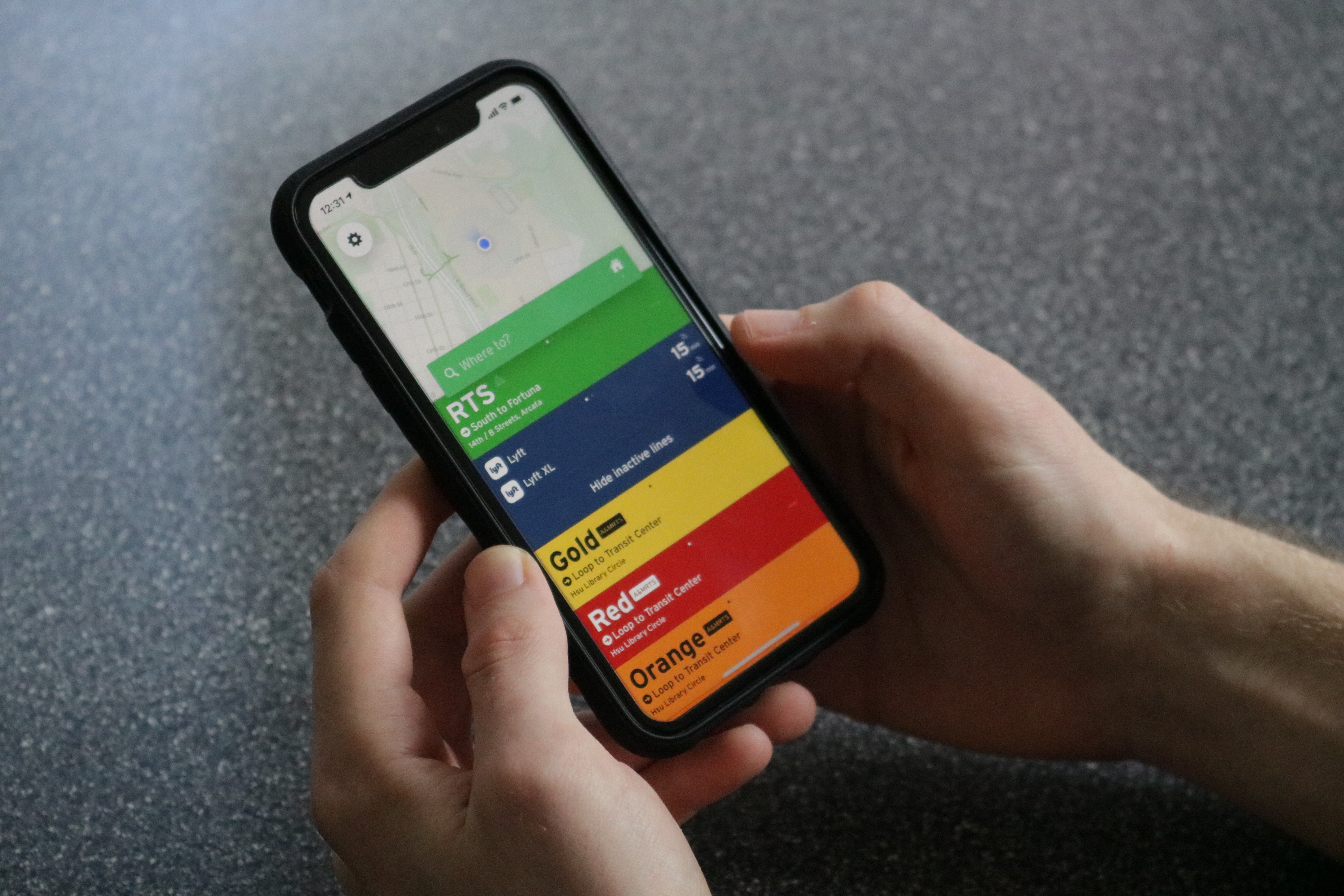
    The Transit app is essential for any student who commutes to campus. This free app will save you time and stress by showing you local transit routes, schedules and live updates. A helpful feature on this app is the ability to locate the closest route from wherever you are, as long as your GPS is on and active. Not only does the app display bus routes, but it also shows rideshares in the area like Lyft.

    4) Humboldt State Mobile:

    The Humboldt State Mobile app is a useful tool for checking the school directory, campus life events and other school-related information. You can register or drop classes, check your student center and browse semester class schedules. There’s even a campus map with marked locations for print kiosks and dining services. Although the app can be glitchy, it’s still a valuable and free resource that the school offers.

    5) Music streaming apps:

    According to a report on the neuroscience of music published by the United States National Library of Medicine, several studies found that listening to music can be therapeutic and may provide stress relief and improvements to cognitive function. Throwing on a study playlist might help you decompress while you review material. Check out Spotify, Pandora or SoundCloud for free music streaming services. Premium versions for music apps are also available if you wish to upgrade your music accessibility. The next time you sit down to study, turn on some tunes to help your cognitive functioning.

  • SCRAP Humboldt: Saving the Planet One Scrap at a Time

    SCRAP Humboldt: Saving the Planet One Scrap at a Time

    Affordable art supplies with environmental consciousness in mind

    Doohickeys, thingamabobs and whatchamacallits galore. One local craft store has it all and does so with purpose to provide a community with creative inspiration and affordable art supplies while reducing, reusing, recycling and repurposing.

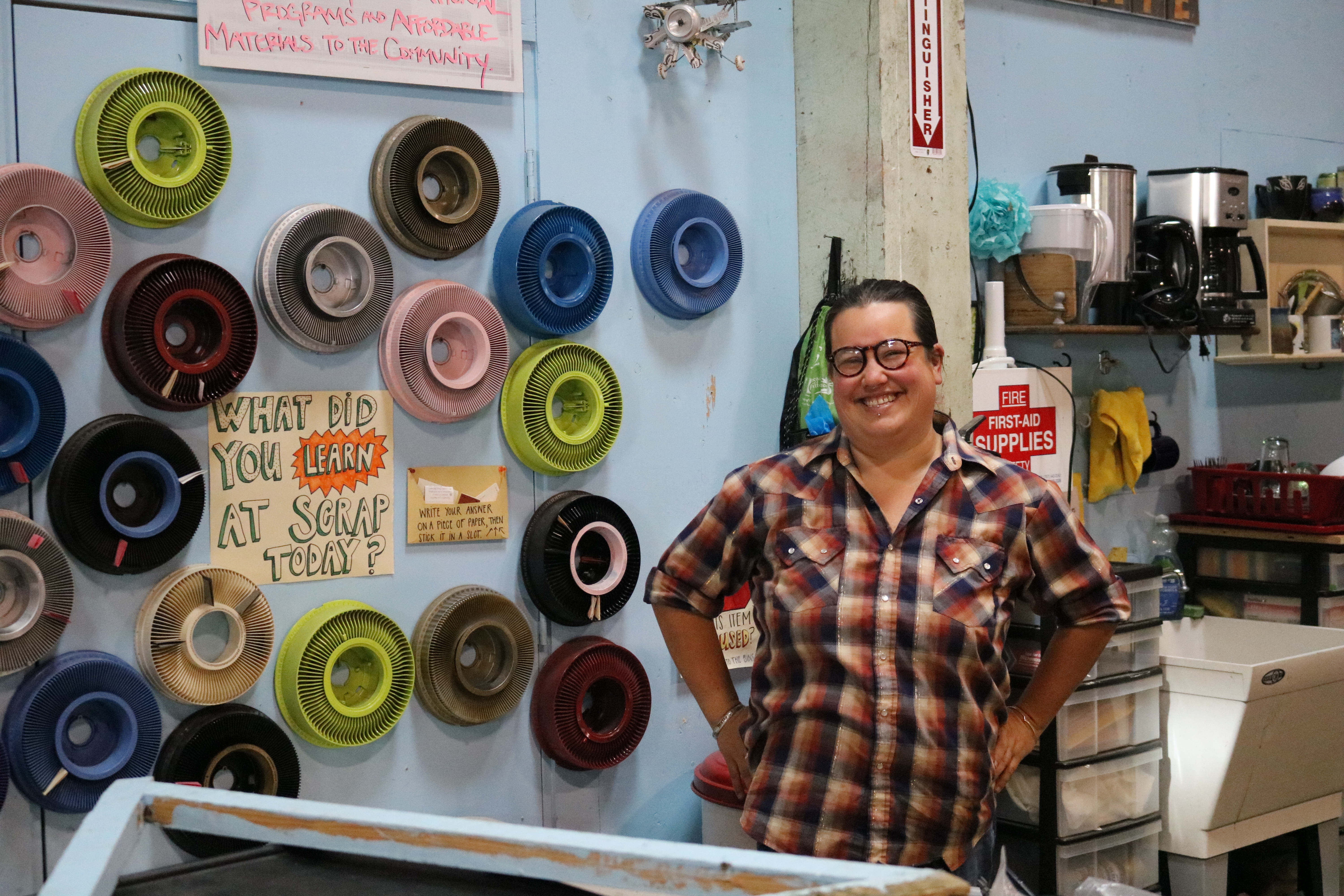
    SCRAP Humboldt is a craft supply store with hundreds of items available for creative reuse. The store started as a temporary holiday season shop in 2012 at the Jacoby Storehouse and later became an established organization aimed at repurposing items that society would typically deem as waste.

    Malia Matsumoto first began volunteering her time with SCRAP Humboldt and later became the director of the organization in 2017.

    “As an artist, I taught classes at Scrap and volunteered my time to come take care of the store,” Matsumoto said.

    As director, she coordinates events, reaches out to similar organizations for cross pollination and manages staff and volunteers at the center. SCRAP Humboldt also works with other local organizations for mentoring programs like the Humboldt Area Foundation.

    SCRAP Humboldt relies heavily on donations and receives items for reuse from community members, businesses and even Humboldt State University. Steady donations also come from partnerships with local businesses that aim to reduce their product waste. Local donors include Los Bagels, Kokatat and the Humboldt Bay Coffee Company.

    Donations are sorted into respective categories and then placed on the store’s floor. SCRAP Humboldt has supply sections for sewing, painting, scrapbooking, holidays, jewelry-making and crafting.

    “Because everything is donation-based, it’s a really low price point,” Matsumoto said. “As an artist or a maker you’re able to get more materials than you would if you went to a traditional brick and mortar store like Michael’s or JoAnn’s.”

    The variety of conventional and unconventional up-cycled items SCRAP Humboldt has to offer gives locals access to affordable art supplies. The organization also hosts weekly tutorial classes to teach the community how to complete projects with repurposed materials.

    Matsumoto and the crew at SCRAP Humboldt have a passion for diverting reusable waste from landfills by finding creative ways to repurpose items that typically wouldn’t be thought of as art supplies.

    Matsumoto said that once people start making things on their own, they begin to see the hard work it takes to create something. Matsumoto said people also learn to give more value to scraps while seeing the potential for an old thing to become new.

    The SCRAP Humboldt team spreads this message and their passion for waste reduction and art creation with the community by offering summer camps for kids, creative reuse classes and a space for an artist-in-residence program.

  • Predicting What the New Decade Will Bring

    Predicting What the New Decade Will Bring

    Three methods of thought going into the new year reveal a time of dedication and hard work

    Three different pseudoscientific approaches, including astrology, numerology and the Chinese calendar, investigate information both singularly and as a whole. Together, these pseudosciences may predict what the new year and decade may bring.

    Astrology is the study of celestial movement and positioning. This ancient method of predicting and explaining is most commonly associated with horoscopes.

    The astrological movements for 2020 are even more significant than in other years because it’s not just a new year, but a new decade. The birthing of the new decade will cause pain, discomfort and confrontation resulting in struggle and challenges. However, this endurance will allow for active change and role assertion coming into the new year. This is important, as the beginning of a new decade and astrological era comes with growing pains, challenge and a call to overcome.

    Celestial movements predicted to impact 2020 most intensely involve the interactions between three planets: Jupiter, Saturn and Pluto.

    Jupiter and Saturn are social planets that rule in opposition. They command two different branches of thought towards social interaction and understanding.

    Using the three pseudosciences above, 2020 supports a year of hard work and challenge.

    Jupiter is one of two social planets. Jupiter controls development and knowledge towards self-growth and understanding. Saturn, meanwhile, is in control of responsibility and judgement toward creating boundaries and restrictions as well as wisdom.

    Pluto, although found at the very end of the solar system, rules forcefully, bringing both rebirth.

    The interaction of these three planets will most heavily affect social structure and reform. The initiation for change and reform will become most dire towards the end of 2020. The defining celestial movement of 2020 will be Dec. 21, where the conjunction between Jupiter and Saturn will unite air signs until the year 2159. This conjunction will challenge society, affecting it in all ways: structurally, fundamentally and economically.

    Numerology, or the study of numbers, looks into the meanings and relationships with coinciding events. Numerology focuses on the divine number, which is the sum of information in numerical form. This number is then compared to a list of fixated numbers ranging from one through nine with attached meanings.

    Dates are easiest to calculate due to the numbers already being assigned. For example, last year 2019 was 2+0+1+9=12. However, because the list ranges from one to nine, 12 is broken down further to 1+2=3. 2019’s divine number was three. The divine number for 2020 is broken down by each digit in the year, 2+0+2+0= 4. Therefore, four is the divine number of 2020.

    Four symbolizes masculinity and strength with a focus towards responsibility, hard work and discipline. Four is a stagnant and comfortable number basking in dedication and consistency, rather than imagination and creativity. While Four sounds bland, the value is on hard work and finishing the job, making 2020 a year of drive and dedication.

    Lastly, the Chinese New Year zodiacs. There are 12 Chinese zodiac animals corresponding with specific years. The last year of the Rat was 2008 and has cycled around again to 2020.

    The Rat is the first zodiac sign in the zodiac chart and symbolizes fortune and personality. Rats are witty, quick thinkers who can accomplish great things and live contently and peacefully. However, the Rat is also considered too feeble and, at times, overly conservative.

    Along with a corresponding animal, a new year is also assigned an element. The five elements are Metal, Wood, Fire, Water and Earth. 2020 is a Metal year. Metal symbolizes determination, hard work and persistence.

    Collectively, 2020 is the year of the Metal Rat and will be a year of work and persistence. The drive to accomplish will come to those who remain patient, dedicated and loyal in the process of great reward for great work.

    Using the three pseudosciences above, 2020 supports a year of hard work and challenge. A time for reform will become evident in the year that demands patience and control. The beginning of 2020 may seem challenging and overbearing, with constant need to troubleshoot and refocus on finishing the job. Though difficulty so early in the year is distasteful, the hard work will reveal rewards. Dedication will reap benefits if one can endure the hardships.

  • Instagram Updates Are Wack

    Instagram Updates Are Wack

    With each new update comes new changes that seem to have no input from the user community

    With 1 billion active monthly users you’d expect app developers to listen to users’ comments and concerns about improvements. It doesn’t seem like this is the case for Instagram.

    With each new update comes new changes that seem to have no input from the user community. Although Instagram beta tests new features with random selections of users, it’s done to decipher the functionality of new algorithms and not to satisfy user needs.

    The billion-dollar corporation makes new features and updates for monetary gain rather than to appease consumers and users who beg for practical updates.

    Instagram tests loads of new updates that focus heavily on new features for advertising. Most of the recent and upcoming updates are focused around business profile improvements and shopping accessibility, like augmented reality updates that allow users to try on products before purchasing.

    These changes are made primarily to reel in more investors and advertisers. Other changes seem to be made for no apparent reason.

    Recently, Instagram removed the “following” tab, which was a feature that showed who and what your followers were liking, commenting on and following.

    The purpose of having this moderately unnecessary feature was to further the impact of similar content discovery through the content your followers enjoy. It was a somewhat invasive feature, but it did serve its purpose. Although, some may argue it also caused drama.

    Now that this feature is gone there’s plenty of room for continued drama over the fact that users can’t stalk their followers’ digital actions.

    As if there weren’t enough moving parts to consider in this social media machine and all its updates, users may now lose one of the main reasons why they became hooked to Instagram in the first place: likes.

    With the impending feature removal of like and view counts on posts, users have yet another unnecessary update to deal with.

    With the impending feature removal of like and view counts on posts, users have yet another unnecessary update to deal with.

    Although having like and view counts is trivial, this basic feature is standard across most social media platforms. Reddit has its upvotes, YouTube has its channel statistics, Twitter has its retweets and Facebook has its shares, but now Instagram doesn’t seem to care about this simple facet of what made the app likable. All these features are helpful for potential viewers to discern the relevance or importance of something.

    Last year Instagram released a different unnecessary and invasive feature, which allowed users to delete direct messages they previously sent, but in turn notifying the correspondent that a message was “unsent.”

    This component was ridiculous to have initially. When you send move something to junk mail or delete a text, these actions don’t notify the sender. So why does this feature even exist for Instagram, let alone give the ability to delete a direct message in the first place?

    A benefit from the plethora of recent Instagram updates is the notification one receives when someone screen captures a photo sent through DM. While this is yet another somewhat gratuitous update, the new features are invasive yet beneficial. While they enable users to be more mindful of their social activities, they also can inhibit basic privacy.

    The Instagram user community should have more sway of what features should come and go, not just advertising investors.

  • HSU Confessionals: Student Apologies

    HSU Confessionals: Student Apologies

    If you had to apologize to someone, who would it be and for what reasons?

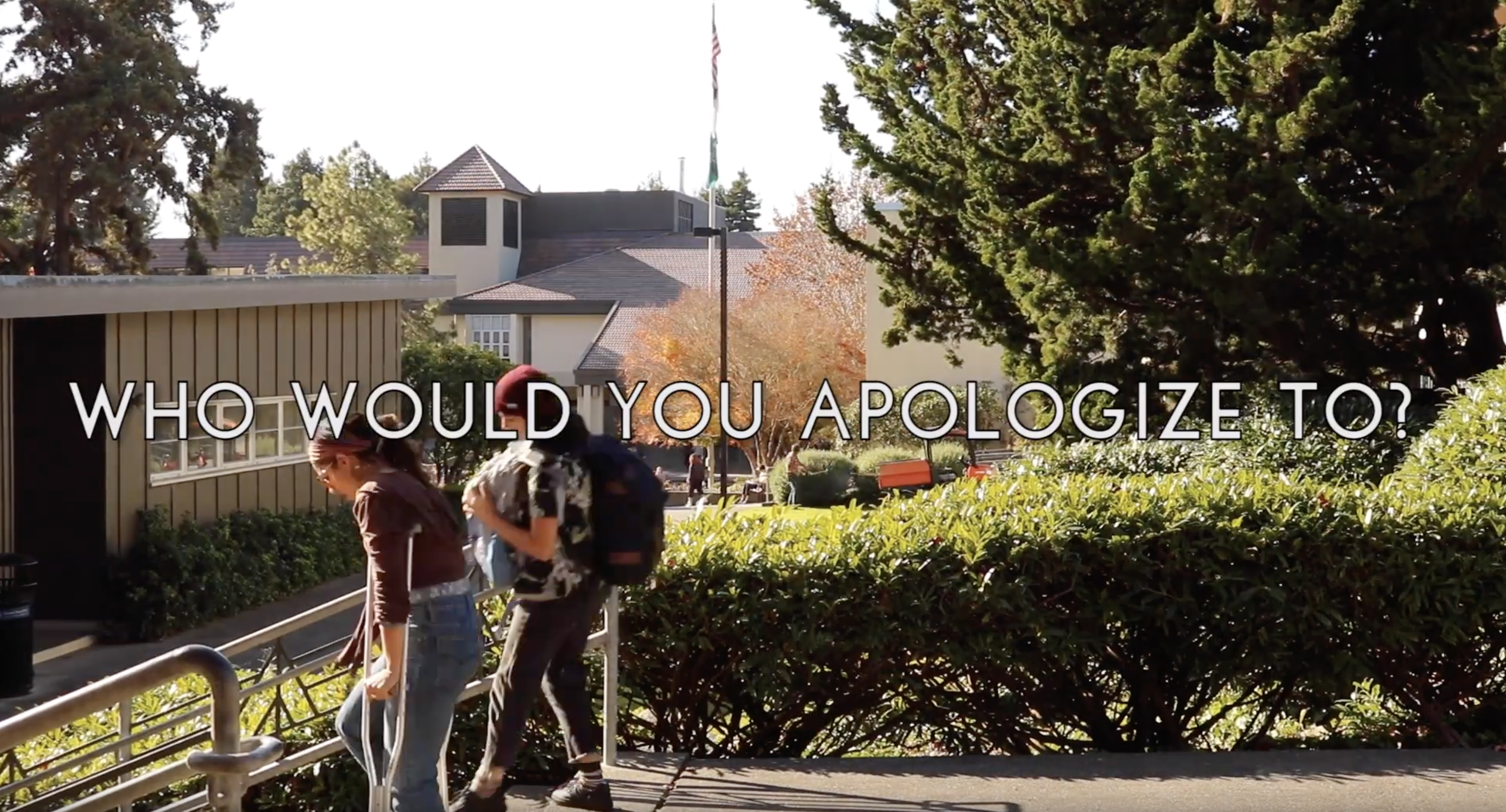
    The Lumberjack asked Humboldt State University students if they had the chance to apologize to someone who would it be and for what.

    Who would you apologize to?

  • Explore Nature Through Your Tastebuds

    Explore Nature Through Your Tastebuds

    Forage for free food locally while learning about your environment

    If you’ve ever dreamed of living off the grid and growing your own food, foraging is the next best thing to fulfill that desire.

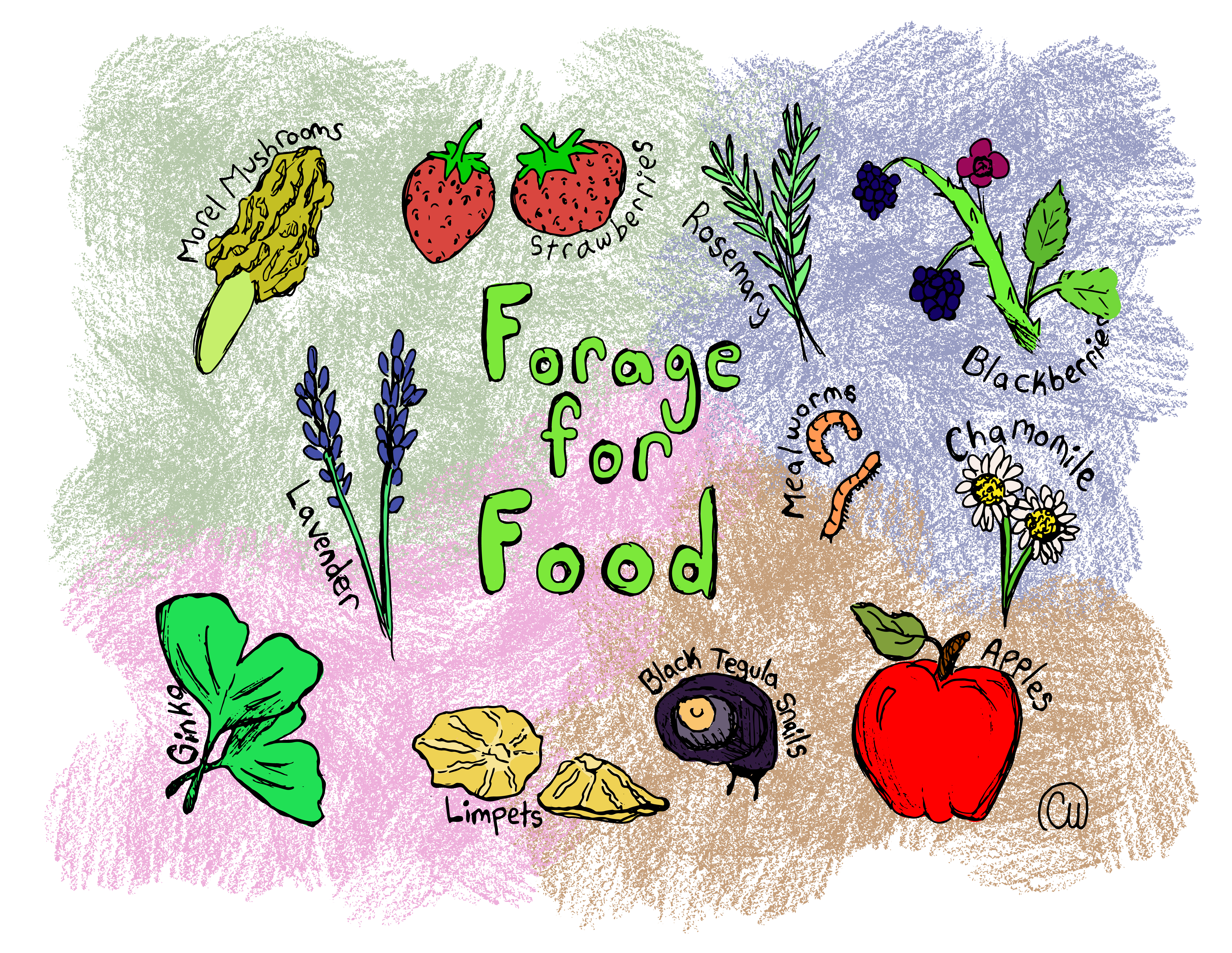
    Foraging is a fun and rewarding way to immerse yourself in your local environment. Here in Humboldt County, there are plenty of opportunities for outdoor food morsel scouring. You can find dozens of wild plants that are both useful and edible, from anise, dandelions and yarrow to cattails.

    If you know what you’re looking for, urban food foraging is quite simple. Some yards in Arcata have fruit trees that are tempting to take from, but be sure to ask for permission before picking.

    If you don’t know where to start looking, you can use the Falling Fruit website or app. This site features a global map with geotagged locations of edible and useful items within your area. When you identify something new, you can mark it on the map to help others locate your foraging find.

    If you want to look for wild herbs, fruits and vegetables beyond the cityscape, take a stroll to a park or the community forest and chances are you’ll find something forage-worthy, whether it’s morel mushrooms, blackberries or ginkgo.

    If you aren’t well-versed in fungi identification, there are options in the wild for food finding beyond the typical mushroom hunting. It’s best to steer clear of gathering mushrooms unless you are with an expert or have definitive knowledge of a particular type you are searching for.

    Foraging is a helpful way to inform yourself about natural food cycles. We often forget about the different produce seasons as grocery stores usually supply all types of seasonal produce year-round, but foraging for your own food helps you learn when produce is ready for harvesting.

    Explore beyond the city streets and forested land for scrumptious surprises from the sea.

    If you’re foraging for sea life, ensure you’re legally licensed to do so. You can forage for loads of coastal edibles like seaweed, snails and goose barnacles, but many items require a fishing license to take as well as prior knowledge of eligible sizes and harvesting limits.

    Make sure to have the proper equipment for specific foraging needs. When coastal foraging, it’s necessary to have have measuring equipment for the sea life you’re searching for to verify your finds are within size regulations. Bring a bucket for your finds and a knife or prying tools like a spudger to scrape off treats like limpets or sea snails. Gloves and knee pads are useful, but not necessary as long as you’re cautious on slippery terrain.

    Be aware of red tides and other contaminants that may affect coastal harvests. Humboldt and Mendocino County undergo an annual mussel quarantine form May 1 to Oct. 31 which prohibits mussel gathering to protect people from shellfish poisoning due to oceanic toxins. Avoid this concern by foraging for univalve organisms which don’t filter throughout their body and have singular shells, like periwinkles or black tegula snails.

    Foraging for insects can also be an exciting addition to your food gathering excursions. There are hundreds of species of edible insects including crickets, weaver ants and silkworms.

    Identifying edible insects can be tricky if you aren’t completely sure of what to search for. The most advisable way to consume insects would be through home cultivation of a species like mealworms or crickets.

    Don’t ever consume something that you aren’t 100% sure is safe to eat, whether it’s a fungus, plant or creature. Be sure to know how to properly identify items before your search.

    In addition, prepare foraged food properly. Make sure to wash findings thoroughly and cook it correctly so as to not have an upset stomach.

    Remember, do not forage on private land, or at state and national parks. It’s illegal to take items including rocks, wood, berries and nuts from these parks as they’re protected by state and federal conservation regulations.

  • Commercial Costumes Can Be Problematic

    Commercial Costumes Can Be Problematic

    Many costumes portray culture and lifestyle in an insensitive manner

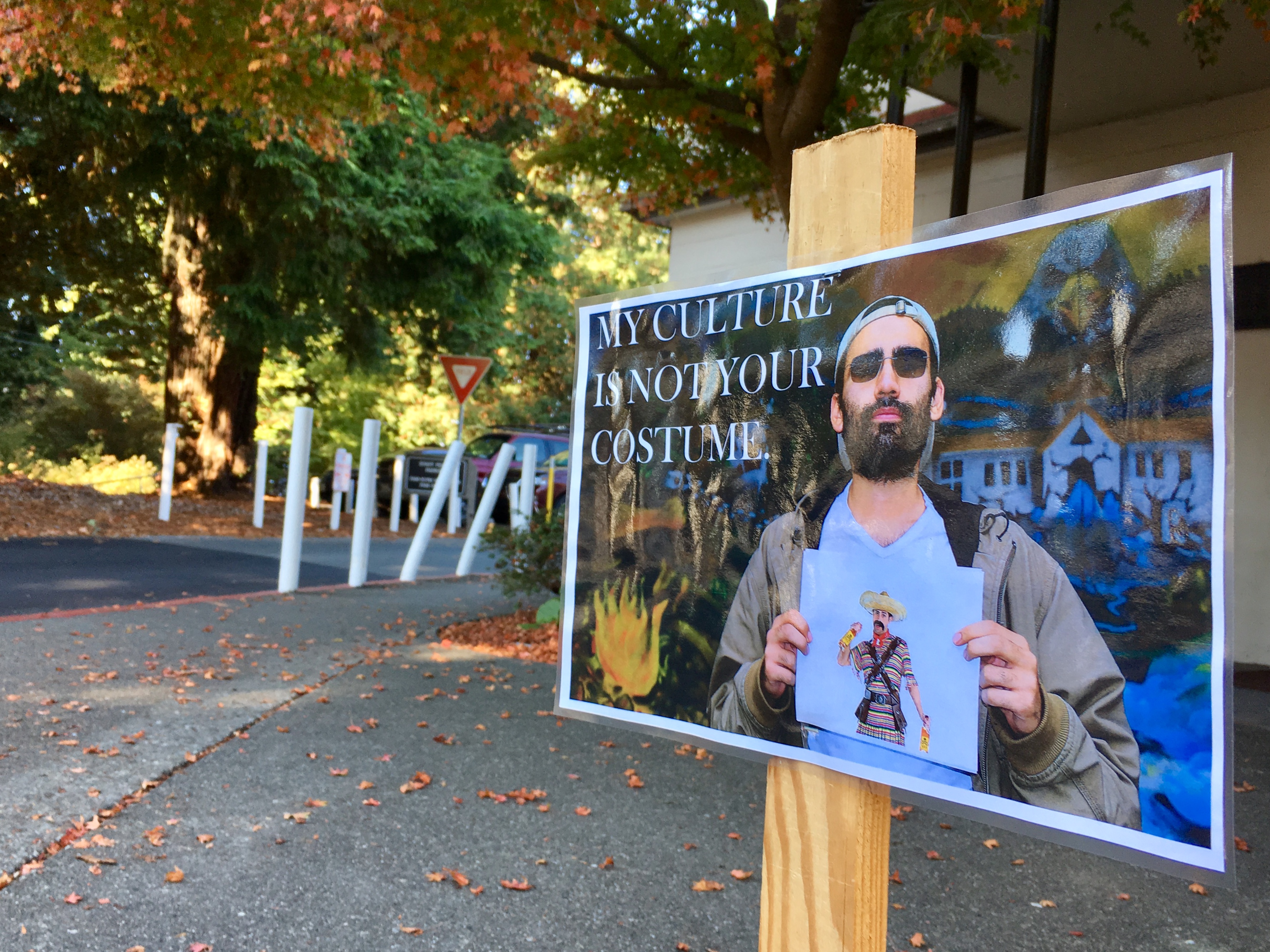
    Humboldt State students hurry last minute to piece their Halloween costumes together but find no comfort in commercial Halloween stores as the stores will often have sections full of costumes that are ignorant or insensitive.

    Sierra Cosper, a forestry major, expressed her discontent in the commercial Halloween store, Spirit Halloween.

    “I went through Spirit Halloween and they had a whole aisle of Pocahontas and it’s not cool,” Cosper said. “It’s 2019, can we move on from that now?”

    Students agreed that Pocahontas and Native American themed costumes were disrespectful and unacceptable to wear. Haley Fedalizo, a liberal studies elementary education major, found another commercial Halloween store, Party City, to be disrespectful toward culture and body weight.

    “Obviously the [costumes] that are in your face like the Native American one is not okay,” Fedalizo said. “I was literally at Party City yesterday and I saw a “fat costume” and that’s not cool.”

    Jose Moreno, a social work major, also found fault in the commercial chain Party City. Moreno practices an ironically ‘fun’ tradition at the store every year. Often losing count of the inappropriate costumes.

    “I went through Spirit Halloween and they had a whole aisle of Pocahontas and it’s not cool. It’s 2019, can we move on from that now?”

    Sierra Cosper

    “When I go to Party City or anything like that, I count how many cultural appropriation outfits there are,” Moreno said. “I’m like ‘there’s one right there, and right there! I lost track.”

    Beyond the recognizable commercial chains, the internet continues to advertise culturally insensitive and inappropriate Halloween costumes and accessories.

    HSU student Gabrielle Sturm, an environmental studies major, went online to browse for the Halloween season and couldn’t believe what was advertised.

    “I was looking up costumes online and I was a little surprised to see how many [inappropriate costumes] there still are,” Sturm says. “I think they’re bad but a lot of people still do it.”

    While cultural appropriation continues to popularize social media with cultural awareness movements, HSU promotes a safe and respectful Halloween season. Of course, the message on campus has no influence on commercial chains.

  • Reduce, Reuse, Repurpose Recyclables

    Reduce, Reuse, Repurpose Recyclables

    Earn money. Many recycling plants in California offer trade-in programs where you can redeem money from the cash refund value (CRV) of plastic, glass and aluminum cans. The CRV amount for aluminum cans under 24 ounces and for glass and plastic bottles is $0.05. Containers larger than 24 ounces are redeemable for $0.10. Here in Humboldt you can take your bottles and cans to Humboldt Sanitation & Recycling in McKinleyville or the Eureka Recycling Center.

    Make something new. There are so much things that can be reused and transformed into something new. Milk cartons can become bird feeders and trash can become artwork. Locally, Scrap Humboldt offers hundreds upon thousands of recycled, slightly used and new items for sale to let your creativity soar. They host creation tutorials to show people how to turn something discarded into something useful again. You can also donate your clean recyclables to their Arcata location to add to their collection of items for repurposing.

    Clean them. Clean your recyclables before you toss them. Be mindful of the journey your recycling has yet to take in this consumerist chain. Besides knowing what is appropriate to recycle, it’s also important to properly prepare items before you recycle them. Cans should be rinsed clean, plastic caps should be discarded and wrappers should be torn off of containers.

    Compost. Compost what you can. Paper materials like cardboard and newsprint are great materials for creating new flower and produce beds. These items don’t have to end up in the trash or even the recycling bin. Paper is great for reducing decomposition stench from compost bins and the carbon in paper can help facilitate the breakdown of waste. Just be sure the paper you use in your compost doesn’t have glossy inks like magazine paper.

    Throw away the rest. You might be recycling things that aren’t recyclable. Plastics numbered with 3, 4 or 7 are sometimes not accepted by curbside recycling programs. Check your local recycling plant’s policies on what materials they accept and what they reject. Things like pizza boxes, aerosol cans, batteries and styrofoam are not recyclable. Throw items like these away or find a proper disposal. Here on campus there are several recycling hubs which offer bins for proper disposal of batteries, computer products and cellphones.

  • 6 Alternative Heat Sources

    6 Alternative Heat Sources

    Ways to get ‘lit’ and keep warm with no power

    Humboldt County residents put their survival skills to the test as Pacific Gas & Electric, California’s primary utility, shut down power across Northern California last week. The outage served as a wake-up call for those ill-prepared for disasters and emergency situations.

    Heat is an essential element of our daily lives, something to prioritize. With the approaching winter season it’s important to know alternative options to keep warm. Below are seven ways you can warm up without electricity:

    1. Hand warmers. Iron hand warmers are a perfect source of heat for smaller body parts. Hand warmers are great for heating up numb fingers or toes, but even more useful for pets. Small packs of warmth are a good heat source for small critters and reptiles that normally need electric heating mats.

    2. Alternative heaters. Heaters are a modern day convenience but are limited due to using electricity. A more affordable, makeshift space heater can be made with a few cheap items that you probably have laying around your home. This heater requires tea light candles, two bricks and a terra-cotta pot. Construction is simple and consists of a few lit candles underneath an upside-down pot, that rests on top of the two bricks. The heat from the candles emanates through the top of the pot and warms up the spaces.

    3. Fires. If you have a fireplace or an outdoor fire pit, use it! Making fires during power outages can be entertaining and helpful. Fire is mesmerizing, but dangerous so always be sure chimneys are clean and chutes are functioning before starting a fire in your home. Clean out debris and sweep the surrounding areas of your outdoor fire pit if you plan on using it outside or for light.

    4. Hot water. If you’re unable to create fire but have a functioning gas stove, make heat with water. Boil water for a cup of tea or a can of food. Warming yourself up from the inside-out helps ease any muscle tension and stress. Boiling water to fill hot water pouches is another easy way to heat the body.

    5. Exercise. Getting your heart rate going works up a sweat and warms the body. A quick sprint or jumping jacks in place flexes the muscles and circulates blood, keeping you warm.

    6. Bundle up. Layering clothing or wrapping yourself in a blanket is the easiest way to warm up. Most of your body heat comes from your head, so adding a beanie or a scarf helps installation. Lastly, thick socks helps keep feet from freezing.

  • Artist Feature: Carolina Gonzalez

    Artist Feature: Carolina Gonzalez

    Life may seem black and white, but enter this creativity zone to be illuminated in fluorescent colors


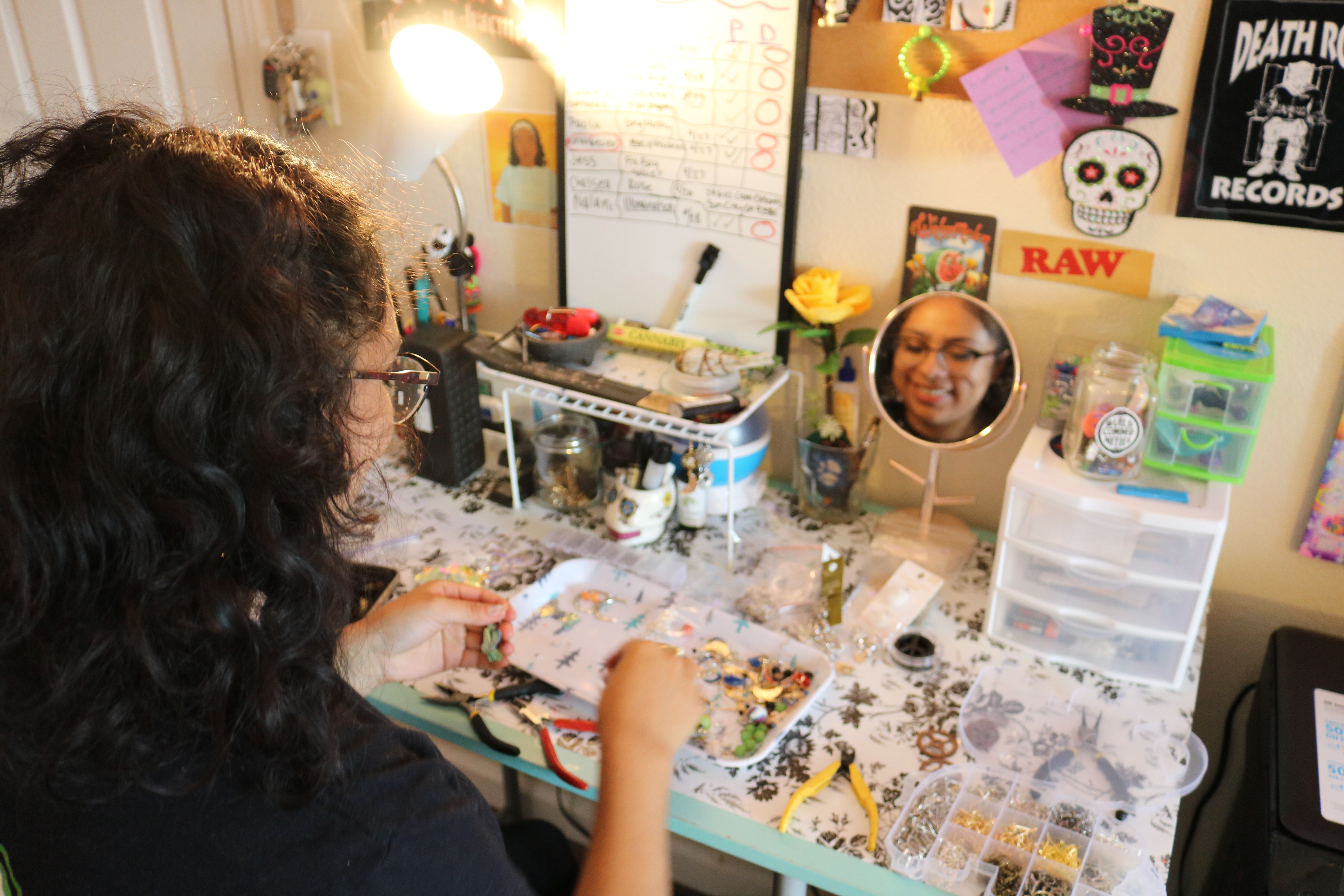
    Carolina Gonzalez, a marketing major at Humboldt State University, is a self-taught artist who dabbles in painting, drawing and jewelry making.

    Gonzalez enjoys painting with acrylics and oils, drawing with paint pens and ink, as well as crafting unique earrings with charms and beads.

    Some of Carolina Gonzalez’s work in her room/studio. | Photo by Chelsea Wood

    She describes her art style as “daydream dripping” because many of her designs are colorfully psychedelic.

    Her Latinx culture and Mexican background strongly influence her artwork. Natural elements influence her creativity and she credits moving to Northern California for sparking even more inspiration.

    She’s always dreaming up new designs for earrings and paintings and often works up ideas for new artwork through sketches and graphic design.

  • Artist Feature: Taylor Bruzza

    Artist Feature: Taylor Bruzza

    Art is more than just another form of expression, it’s a lifeline

    Taylor Bruzza is a studio art major at Humboldt State University whose love for creating art can be traced back to when she was first able to hold a pencil. Bruzza enjoys painting, making jewelry and drawing. She uses a wide range of mediums including ink, watercolors and colored pencils, but she predominately dabbles with acrylic paints. She takes inspiration from nature as she often creates art pieces involving biological and hyper-realistic forms.


  • Protesting Climate Change

    Protesting Climate Change

    AHS and HSU students strike to advocate for climate action

    Video by James Wilde & Collin Slavey | Editing by Chelsea Wood

    Anxious and irritated with the lack of governmental action against climate change, masses of young people and students from Arcata High School and Humboldt State University took to the streets surrounding the Arcata Plaza on Friday as part of the Global Climate Strike.

    Inspired by the International Youth for Climate Action, the Humboldt Sunrise Movement in association with the Extinction Rebellion and students of AHS organized and executed the local school strike protesting climate change.

    Students were excited to show how strong their voices could be when used in unison. Maddie Marriott, a member of Extinction Rebellion, said the organization was aimed at gathering people for peaceful protest and that is what they hoped to achieve.

    “We dance, yell, sing and chant to show our energy,” Marriott said. “This shows we are cheerful and hopeful and happy in the face of this threat. It is rejuvenating and these friends are empowering. Now we have to wait and see if our voice is being heard.”

    Marriott ended up agreeing to hold a sign that said “Protect Rainbow Ridge, our forests and our climate.” Ecological protection is one of the main goals of the movement, but Extinction Rebellion as a national organization demands governments tell the truth about climate change and act now to prevent species loss and lower greenhouse gas emissions.

    Vanessa Argonza, a Humboldt State student and member of the Extinction Rebellion, said speaking out and advocating for action is important. Change requires people to care and be passionate about an issue, while also realizing we can come together to create change.

    “In moments of injustice you must speak out because if you do not, you are part of the problem,” Argonza said. “The youth is well aware and willing to be part of the change because it affects them. We can come together and make change. You just have to be aware of your footprint and educate yourself before you speak out.”

    The protest did run into some technical issues as it spilled out into the Arcata Plaza. Unfortunately, the strike organizers failed to bring a speaker system that was loud enough for all of the attendees to hear, causing the message to fall flat. Joanne McGarry, a local supporter of the Environmental Advocacy and self-prescribed ‘gadfly’ suggested better planning in the future for a more impactful demonstration.

    Jene L. McCovey delivers a powerful, emotional speech about the threats to the Earth faces. | Photo by Collin Slavey

    “I am more than happy to let young people lead, they just have to lead well,” McGarry said. “Having music is important when you’re walking into the plaza, during the demonstration and as you exit the plaza. Having a speaker that is loud enough for the entire crowd to hear is unbelievably important.”

    The Sunrise movement was originally created as a youth advocacy group to show support for the Green New Deal, a stimulus package proposed by politician and activist Alexandria Ocasio-Cortez in February of this year. The Sunrise Movement intends to work within ‘the system’ while actively changing the system, in pursuit of environmental and social justice through nonviolent and direct action. They are building an army of young people to stop climate change and create millions of good jobs in the process.

    Tribal elder Jene L. McCovey began the rally in the plaza with a song called “Feeling Sorry for My Womenfolk,” a somber tune that spoke of hate and woe. She went on to tell stories and sing more songs to give purpose to the actions of the demonstrators.

    “The stumps are really big- that is all we have left of the old forest,” McCovey said. “Clear cutters, defilers, denude the land down to the earth and they burn it. Wherever you find your trials, be that healer. Be that person that walks with people in that good way. Be the water protectors.”

  • Humboldt State Mascot Change

    Humboldt State Mascot Change

    “It doesn’t have to be a human, and that way you don’t have to get into a big debate.”

    Humboldt State University is known for its tree-filled campus and our lovable Lucky the Lumberjack mascot. However, some take offense to the patriarchal figure, so we asked HSU students what they’d replace our mascot with if Lucky were to be changed.

    What would you change our mascot to?


  • What Are You Listening To?

    What Are You Listening To?

    “I’ve been all about the throwbacks right now, and it slaps.”


    If you’re interested, check out the Spotify playlist of students’ current favorites so you can see what the buzz is about:

  • Let’s Talk about Cannabinoid Hyperemesis Syndrome

    Let’s Talk about Cannabinoid Hyperemesis Syndrome

    The more I reveal my situation to other cannabis consumers, the more I realize most stoners have the same thing

    The heave of a sore stomach and the splat of foamy, green sludge is how I start most of my days.

    Throughout the last year, morning puking became an unwanted habit I couldn’t avoid. I dismissed nausea and vomiting as another anxiety symptom, but I soon discovered the near-daily episodes I had were caused by something unsuspecting.

    Chances are if you’re a consistent consumer of cannabis, you’ve developed an intolerance to the drug that so many claim heals all.

    Cannabinoid hyperemesis syndrome is a condition that entails constant vomiting brought on by long-term cannabis use. There are multiple phases of CHS in which symptoms may intensify, if preventative measures aren’t taken.

    The first phase is called the prodromal phase, which can last from months to years depending on the frequency of your cannabis use. In this first, neutral phase people with CHS experience nausea and occasional vomiting.

    Before discovering what CHS was I thought I could remedy my nausea by self-medicating with marijuana, but doing so undoubtedly increased my intolerance to the drug.

    “I stopped eating breakfast because I could never keep anything down and lunches disappeared as I was too busy with classes to have time to eat.”

    The second phase is called the hyperemetic phase. It’s reached when users continue to treat their symptoms with more marijuana use. Some people with CHS often find relief from their symptoms by taking hot showers.

    In my experience with this phase, my morning nausea trailed throughout the day which led me to alter my eating habits to avoid the chance of puking.

    Due to my new eating schedule, I noticed changes in my weight. I stopped eating breakfast because I could never keep anything down and lunches disappeared as I was too busy with classes to have time to eat. However, I felt ravenous by dinnertime. Which, understandably, is not the best way to maintain a healthy body.

    Within the second phase of CHS, symptoms do not dissipate if actions aren’t taken. This phase can last years if one doesn’t decrease cannabis use or completely drop the drug. According to a report on cannabinoid hyperemesis syndrome by Ceadars-Sinai, only after a CHS sufferer ends their use of cannabis will they experience relief from all symptoms.

    This isn’t a plea for those who smoke to stop, nor am I advocating for the use of marijuana. I want to warn you that a plant that seems beneficial to numerous health issues can still cause damage to your body, especially if used daily for years.

    CHS and its symptoms aside, you can definitely be allergic to cannabis, and you can get sick from it depending on its quality. No matter the quality of your cannabis or if you think you aren’t allergic, CHS can still be in your near future if you aren’t mindful of your habits.

    The more I reveal my situation to other cannabis consumers, the more I realize most self-labeled stoners are dealing with CHS too.

    While nausea and vomiting can be symptoms of several other conditions, CHS can be diagnosed through the process of elimination of other conditions and through testings suggested by your physician.

  • Students’ Semester Speculations

    Students’ Semester Speculations

    “Getting back in touch with my friends. I think that’s the most important.”

    The new semester has students feeling excited, nervous and distressed. We asked Humboldt State students what they were expecting from this semester.

    What are you looking forward to the most this semester?

  • CCAT Volunteer Fridays

    CCAT Volunteer Fridays

    By Chelsea Wood

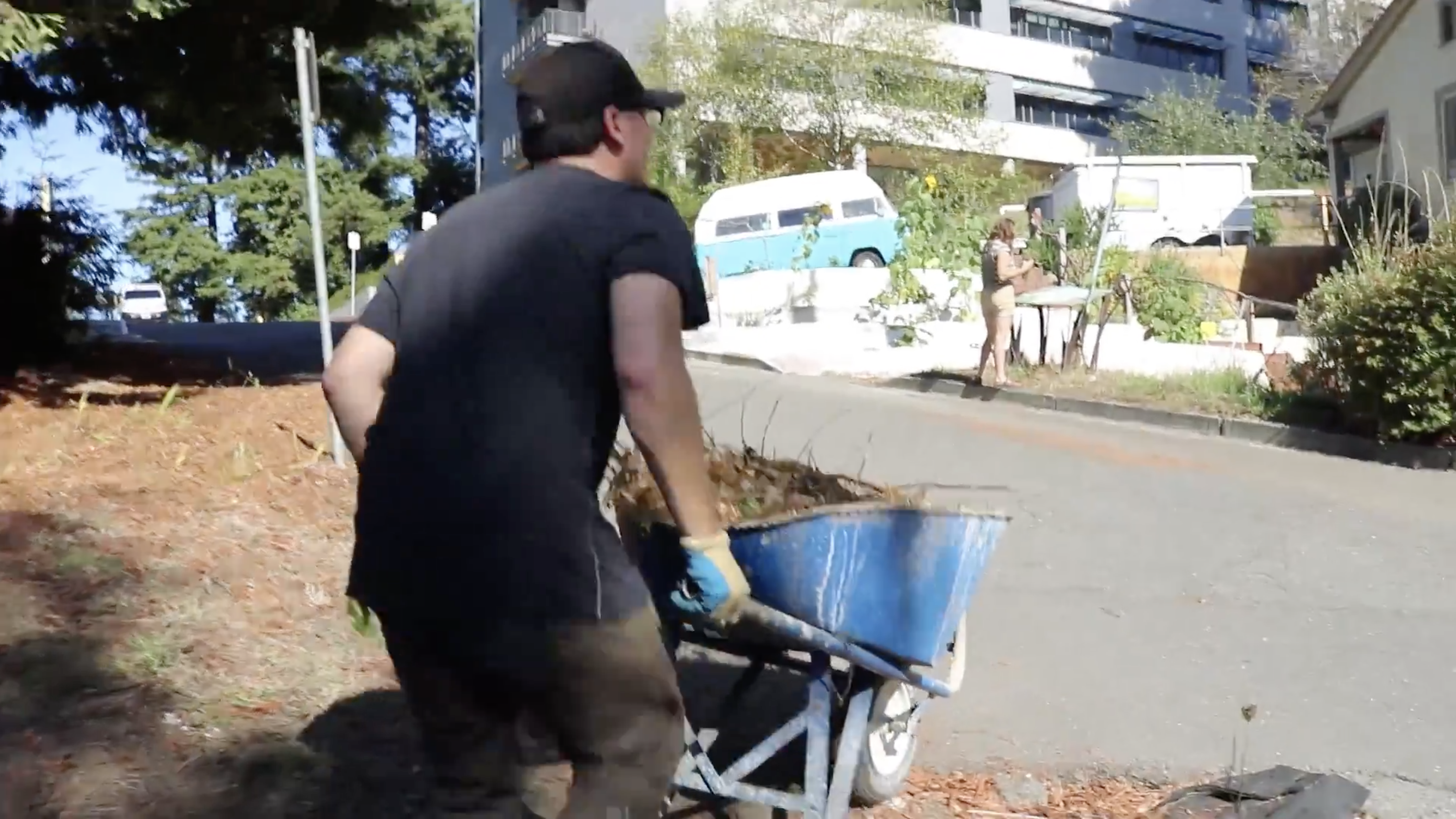
    Getting your hands dirty never felt so gratifying, but for volunteers at Humboldt State University’s Campus Center for Appropriate Technology, otherwise known as CCAT, the satisfaction of hand-to-earth action persists each Friday, Chelsea Wood reports.