The Lumberjack


Students Serving The Cal Poly Humboldt Campus and Community Since 1929

Category: Science

  • A Guide to Exploring Humboldt’s Tide Pools

    A Guide to Exploring Humboldt’s Tide Pools

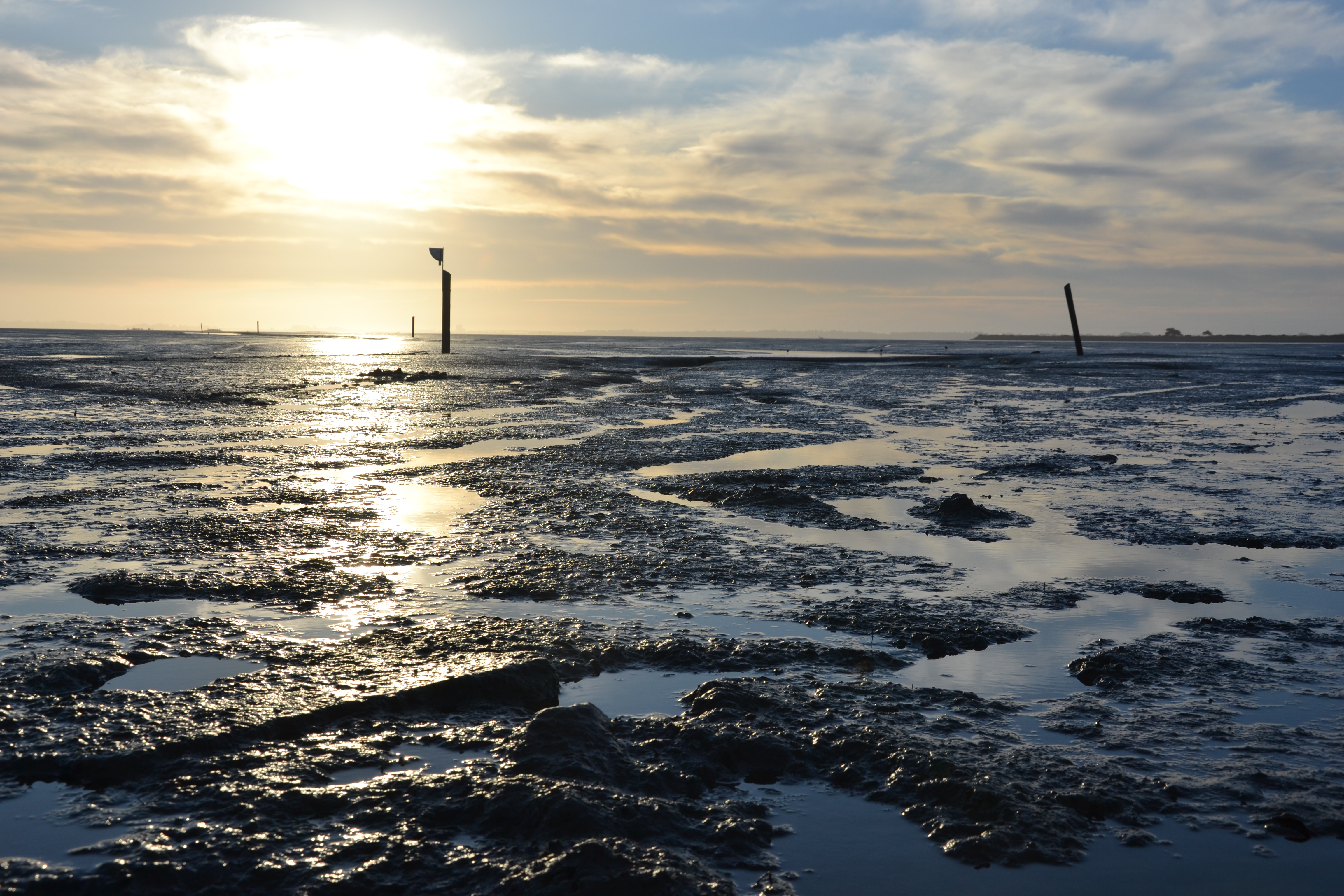
    As the tides of Humboldt County creep up and down our beaches, the ocean takes turns covering and uncovering a small area of coast. This region is called the intertidal zone. It spends some of its time underwater, but it’s exposed to us land-dwellers for exploration when the tides recede far enough. Pools trapped in between rocks stay put as the rest of the ocean leaves them behind. These pools offer a small look at what we’re usually missing beneath the waves.

    There’s some fascinating sea life to find if you know where to look. Classics of ocean exploration like anemones, barnacles, mussels, and sea stars cover the rocks. Sea slugs, scientifically termed ‘Nudibranches,’ are the graceful and colorful pop stars of the tide pools. They slowly dance through fronds of kelp. It can be difficult to suppress the urge to punt the odd football-like gumboot chiton across the tide pools. There are fish so well matched to the bottom of the pools that it often takes movement to spot one.

    The best part is that none of the wide variety of animals you’re likely to come across in the tide pools are capable of hurting you. A crab might give you a bit of a pinch if you pick it up. Sharp barnacles on rocks could scrape you up if you fall. The purple urchins that dot the lower intertidal are often blunt-spined and harmless to a shoed explorer. Watch your step, but more for their sake than for yours. Marine mammals like seals and otters sometimes hang out on rocks near tide pools. Approaching marine mammals or interacting with them is illegal, but more for their protection than yours. So long as you don’t eat any of the brightly colored nudibranchs, you’re safe from everything except poor decision making.

    Keeping three points of contact when climbing over slippery rocks will lessen the chance of dramatic falls into cold pools of water. Avoid rock climbing in favor of staying as low as possible to the ground. This prevents falls from being worse than they could be. Stepping on kelp is a one-way-ticket to slipping face-first onto a rock covered in sharp barnacles. Waterproof boots, warm clothing, and a camera that won’t be ruined if you drop it in a tide pool are all good equipment.

    So, with all that in mind, when and where can you go? Luffenholtz Beach and Palmer’s Point are two of the best locations near HSU. Both require climbing up and down stairs set into a cliff. Conditions should be just right for the ideal trip. Small waves, an early low tide, and a low chance of rain are your best bet.

    There are usually two low tides and two high tides in one day. You should go early enough for the tide pools to still be cold. The first low tide of the day is the best for seeing cool critters. The closer to dawn, the better. Low tides of 0.3 feet or lower are good bets. Any morning tides into the negatives are worth planning for. Plan your trip to center around the low tide. If you arrive 30 minutes before the low tide and leave 30 minutes after, you’ll get to appreciate all the lowest parts of the tide. You can download a local annual prediction tide table from the NOAA tides and currents website.

    But an early low tide with good weather does not necessarily guarantee a safe outing. Wave size and frequency are important too. The smaller the better, and waves above more than a few feet are enough of a reason to call the trip off. Exposed sites like Luffenholtz require greater caution with wave height. Ideal conditions being somewhere under three feet. Palmer’s point is a bit more sheltered, but waves over five feet are still dangerous. While you’re picking up the tide charts, NOAA also has marine weather forecasts so you can check conditions before you go.

    Now that you’re prepared for the tide pools, make sure the tide pools are ready for you. Each pool is like a little community of critters. Don’t be a Godzilla to the intertidal Tokyo. Never turn over rocks and try to keep your boots from treading too much into the ocean’s domain. Critters in the tide pools have evolved the best disguises to fool predators for eons. You never know what you’re stepping on.

    Instead of stepping in a tide pool, just sit down by one and stare at it. Keep an eye on the ocean and be mindful that the tides will move in eventually. What looks like an empty pool will soon reveal itself to be two nudibranchs, three juvenile rockfish, a kelp crab, and a gumboot chiton you’ll have to resist the urge to pick up and hail mary into the ocean.

    All photos taken at Palmer’s Point and courtesy of Julie and Mike Kelly.

  • The dangers behind marine debris

    The dangers behind marine debris

    Along the coast, you can free your feet in the sand and enjoy the beautiful sounds of the ocean. But enter the water and you, like many marine creatures, may find yourself entangled in fishing gear or waste plastic.

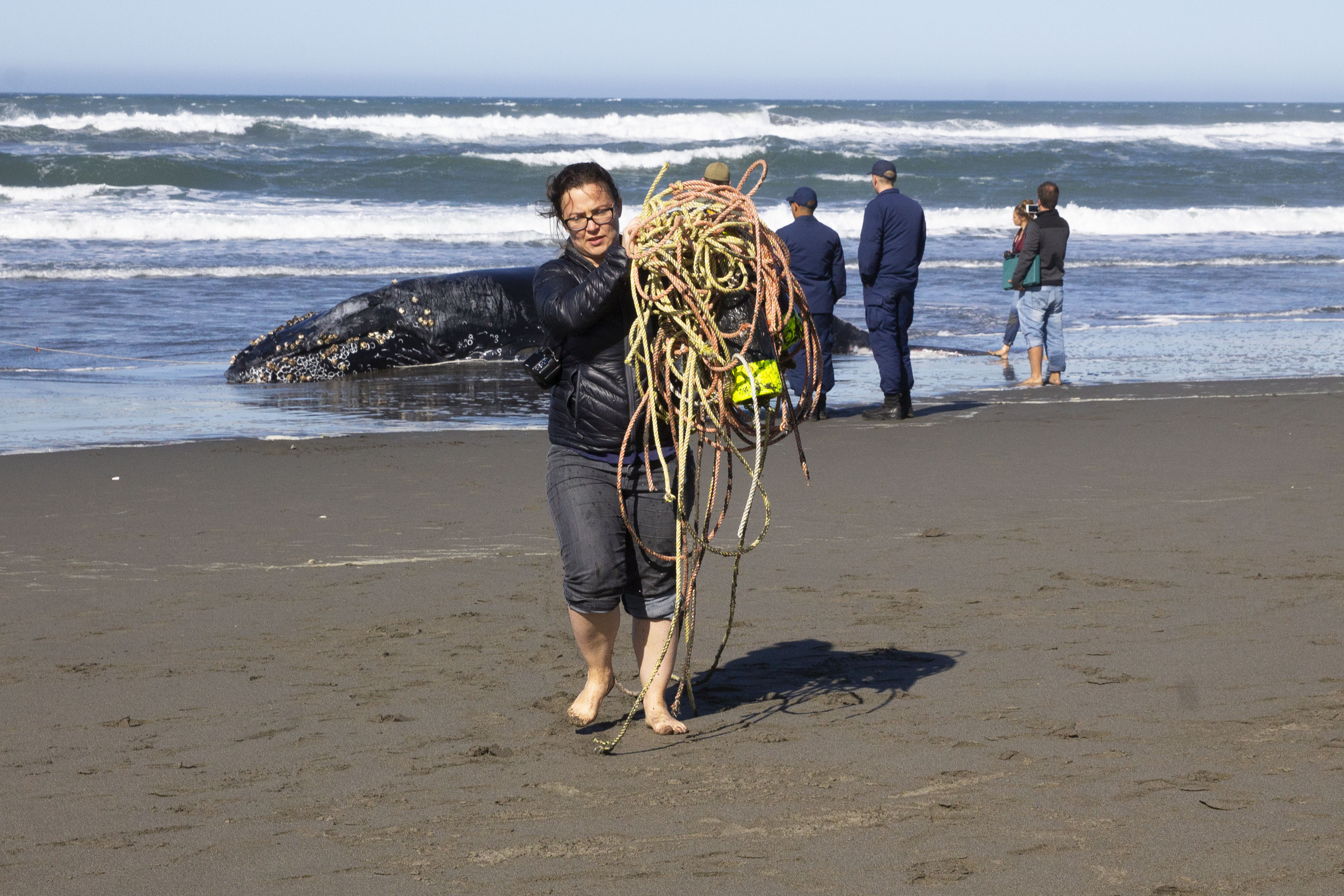
    As many may remember, a whale near Crescent City was found tangled in fishing equipment on shore. Two of HSU’s very own Marine Mammal Program went down to help. Despite efforts, the whale was unable to make it.

    This experience is like many others globally.

    According to NOAA Fisheries’ website, “Entangled animals may drown or starve because they are restricted by fishing gear, or they may suffer physical trauma and infections from the gear cutting into their flesh.”

    The reason this is such a killer? Fishing gear counts for the largest percentage of plastic in the oceans.

    Sea Shepherd Global wrote on their website, “Approximately 46% of the 79 thousand tons of ocean plastic in the Great Pacific Garbage Patch is made up of fishing nets, some as large as football fields, according to the study published in March 2018 in Scientific Reports, which shocked the researchers themselves who expected the percentage to be closer to 20%.”

    Ghost nets are nets that have stranded from their boats and continue catching marine life, tangling them and often creating mass bundles of nets.

    On Humboldt State’s Marine Debris webpage, a study they mention called “A Comparison of Plastic and Plankton in the North Pacific Central Gyre” by C.J Moorea, S.L Moorea, M.K Leecaster, and S.B Weisberg, explains that “in the North Pacific Gyre the mass of plastic out-weighted the mass of plankton (small marine organisms) by six times, despite the fact that the number of individual organisms was five times higher than the number of plastic pieces.”

    But it gets worse.

    “The same study found that 98% of plastics found were polypropylene/monofilament line (fishing lines), thin films and unidentified plastic fragments,” The HSU Marine Biology website says.

    “Lost/broken fishing gear such as netting and fishing string can entangle and kill large marine life such as sea turtles, dolphins, sharks, etc.,” Anna Caro, a third-year marine biology major at HSU, said in an email. “Most get trapped and struggle to escape, which usually makes the entanglement worse killing the marine life.”

    This means that while there is a demand for seafood, there is a risk of fishing gear becoming lost and potentially causing harm.

    “Scientists have still struggled to figure out the extent of the microplastics problem. Microplastics are being eaten by marine life and poisoning them, but not only is it terrible for the fish it is terrible for anything eating the fish including humans,” Caro said.

    Caro was able to learn more regarding marine debris through education at HSU in biology seminars and classes.

    Humboldt State also works closely with NOAA Fisheries to keep the oceans healthy and research them. Students can work with the Office of Response and Restoration’s Marine Debris Program to reduce waste and learn how to keep the oceans clean.

    Pacific Northwest Regional Coordinator Andrew Mason from NOAA expressed the issues of marine debris, especially fishing gear. Not only is this a marine loss, but an economic loss as well.

    350 species found entangled in marine debris, including all 7 species of sea turtle, 27.4% of seabird, and 39.8% of marine mammals, according to Mason.

    “It’s reaIly only these moments where we have our large sea life that are tangled up and it really brings awareness to the issue… it’s heartbreaking,” Mason said.

    Mason says that the problem itself stems from humans and extends beyond just lost fishing gear.

    “The scope of the issue is global, and for people to understand not just what they do on a boat, but it’s all of the waste we generate,” he said.

    But the issue can be worked on, and hopefully fixed. People can participate in cleaning events, as well as picking up debris if it is safe for them to do so.

    If debris is too large, like a ghost net, you can call the Department of Fish and Wildlife and inform them of the debris so it can be professionally handled. As well, if you find an entangled animal, call for help instead of handling it alone, as you or the animal may get hurt.

    But just picking up trash isn’t enough.

    “Stop use of single-use plastics and find ways to reuse our waste, recycling should not be the first choice since many plastics do not get recycled,” Caro said. It starts with striving for a zero-waste lifestyle and being aware of your waste and trying to find uses for it before trashing it.”

    NOAA also funds grants to clean up the marine debris.

    “Removal is treating a symptom, prevention is treating the root cause,” Mason said.

    For Mason, education is the key, providing people the sources to understand how to properly use fishing equipment as well as giving the general public information about how to discard their waste correctly.

    “The number one best way to address this problem and to help is to prevent these items from ending up in our marine environment,” Mason said.

    Education can teach people who may not live directly in contact with the ocean how they are affecting the ocean.

    “The ocean is key to our way of life and messing with the ecosystem can have unexpected impacts we are not yet fully aware of,” said Caro.

    “Everything is connected,” Mason said. “Everything we do has an impact.”

  • Update on HSU’s Climate Action Plan

    Update on HSU’s Climate Action Plan

    As Humboldt State students prepare to graduate, they take a pledge before they walk across the stage and receive their diplomas.

    “I pledge to explore and take into account the social and environmental consequences of any job I consider and will try to improve these aspects of any organizations for which I work.”

    The university makes it clear they want all students to take sustainability into account throughout their careers, but does the school itself practice what it preaches?

    The answer to this question by many standards is yes.

    In 2017, a Climate Action Plan (CAP) was put forth by HSU in order to integrate climate change and sustainability into the curriculum, conduct more research on climate change and resiliency, and reduce the direct and indirect greenhouse gas emissions of the school.

    The plan also includes strategies to curb emissions from energy and utilities, transportation, and waste. This is just a small fragment of what the 26 page plan aims to achieve.

    The most ambitious aspect of the CAP was to reduce the university’s emissions to complete carbon neutrality by 2030, and begin on a carbon negative path thereafter. This course of action comes with progress reports that include an update on the implementation of the CAP’s 55 strategies used to lower greenhouse gas emissions.

    The last report was released in November of 2019, and it states that out of the strategies, 45% were completed, 18% are in implementation, 22% are in development, and 15% are not yet started. While the school is making significant progress, the ambitious goal of reaching carbon neutrality was pushed back to 2045.

    The university budget cuts caused by the COVID-19 pandemic have not had a significant impact on the progress of the CAP.

    “Many of those initial strategies that were completed [in the CAP] were zero to moderate cost (e.g., policy or procedural changes or non-construction related),” Morgan King, climate action analyst for HSU, said. “But some projects requiring a large initial capital outlay (e.g., solar, electric vehicle charging) did not move beyond an initial exploratory phase in part because of funding, but that was an issue before the pandemic.”

    Some of the goals in the 2019 progress report include a reduction in facility and fleet greenhouse gas emissions to 1990 levels by the end of 2020, a further reduction in emissions to 80% below 1990 levels by 2040, and an achievement of carbon neutrality by 2045.

    King is drafting an update to the CAP which the university is calling the CAP 2.0. “We currently have leadership actively engaging with sustainability into all facets of the university,” King said. “So I am optimistic that we will be able to push forward some of the more capital intensive strategies in the CAP 2.0. For example, the campus is already pursuing a microgrid with solar and battery storage, which is a critical element to building resilience and drawing down emissions.”

    The university practices sustainability throughout its curriculum as well. Environmental Studies Associate Professor and Department Chair Dr. Sarah Ray emphasizes the importance of environmental awareness in a social justice based interdisciplinary curriculum.

    “The work of Katie [Koscielak] and Morgan [King] in sustainability is cross-cutting; they go beyond the facilities box and are doing what has to happen on all campuses of merging academics and facilities much more intensely,” Ray said. “The biggest thing we can do to achieve this even better is to continue to center the conversation around social and racial justice– how might those lenses shape what we do environmentally? What and whose traditions are we hoping to sustain, and how do we know what approaches are best for the environment?”

    Environmental studies student August Andrews says that he sees various ways in which environmental awareness is presented by the university outside of the classroom.

    “I definitely see HSU doing so outside of the courses they offer,” Andrews said. “HSU is not only known for its environmental curriculums but, simultaneously, it seems to be rapidly striving to be as ‘green’ of a university as possible, which is inspiring.”

  • HSU students work towards improving the future

    Students with science and nature-based majors are motivated to make change

    First-year students at Humboldt State University made it a goal to continue learning in an online environment. Each of the following students are pursuing a science-based major with determination to impact the future.

    Sabiha Bentanzos is majoring in forestry with an emphasis on wildland fire management.

    “I actually want to become a wildland firefighter,” Bentanzos wrote in an email. “I want to persevere in the forest as much as I can and save lives while I’m at it.”

    While becoming a wildland firefighter doesn’t require a degree, Bentanzos wanted to attend HSU to prove female capability in a male dominated field.

    “I also want to prove to myself and others that a female can get a degree in a male-dominated field like forestry,” Bentanzos said.

    In science class, Bentanzo was assigned a poster group project. The project restored her passion for forestry and has been her favorite assignment of the semester.

    “I have a passion for fire awareness and safety and doing the project reignited my passion,” said Bentanzos.

    Tori Bernal was a wildlife major when she first attended HSU. She’s completed multiple projects both interactive and hands-on, despite being 100 percent online. Despite her love for veterinary work and rehabilitation, she switched to be a forestry major after taking a botany course and spending time in the forest here in Arcata.

    “I grew and tested cyanobacteria in water from the Klamath River from the safety of my dorm,” Bernal said over email. “I realized majoring in forestry would be a better fit for my long term interests… I actually fell in love with it.”

    In the midst of a pandemic, Bernal discovered her true interest and what she truly wanted to get her degree in.

    “I am not 100 percent sure what I am looking to get out of my degree. I am not even sure what I want to do career-wise,” said Bernal. “But I know that the forestry program will help me to explore my interests and options in the coming years.”

    After originally being a wildlife major, Lake McLeod made the switch to a political science major. Lake McLeod is majoring in political science to create change. He wants to become a civil rights attorney and go to Berkley for law school after HSU.

    “The science would kind of be the psychology of people, kind of learning how people identify with their own political views and how people act and react to certain things,” McLeod said. “Especially with everything going on right now, I decided to switch to political science because I want to kind of be more in that realm and help people with civil rights and equal rights especially.”

    Regardless of the instruction state utilized at HSU, 2020 has motivated students to hone their skills and interests in hopes of making an impact in the future.

  • Climate change puts the heat on clean up of dioxin hotspot

    Climate change puts the heat on clean up of dioxin hotspot

    Vice Mayor alerts City Council to Arcata Bay Shoreline dioxin threat

    City Council Vice Mayor Paul Patino said he intends to pull the approval of the Wastewater Treatment Facility Plan and Plant Improvement Project from the items scheduled to be rubber stamped by the city council.

    The $60 million investment is a response to the threat of sea level rise which involves enlarging levees around the Arcata Wastewater Treatment Facility. Patino is calling on the council to further discuss the project after he learned the mud around the bay shoreline of the wastewater facility has the highest levels of dioxin ever discovered in Humboldt Bay sediments.

    “I don’t see how you could mess with that area without it affecting that dioxin,” Patino said. “I think we need to get clear here.”

    Dioxin can cause birth defects, cancer and organ failure. It is known to undergo bioaccumulation, meaning it increases in toxicity as it moves up the food chain from plants to predators. It was widely used from the 1940s to the 1980s before the EPA started regulating its use.

    Patino raised particular concern with the staff report in the council packet where it states, “This project would involve enlarging the levee surrounding the majority of the outer perimeter of the Arcata Wastewater Treatment Facility (AWTF) by increasing the levee’s height and volume.”

    The Arcata City Council is faced with the choice to approve the final application for the project, or first investigate the dangers of the dioxin believed to be largely the result of pentachlorophenol used during historic lumber mill operations up Jolly Giant Creek several blocks south of the town square.

    The city is only now beginning to grapple with the impact the very high levels of dioxin have on plans to increase the height and volume of dikes around the marsh wastewater treatment facility and prepare for rising sea level already beginning as a result of climate change, and sea-level rise could complicate cleaning the dioxin.

    “Disturbingly, the site near the Arcata Marsh was found to have the highest levels of dioxin ever documented in Humboldt Bay sediments to date (38 parts per trillion),” wrote Jennifer Kalt, director of Humboldt Baykeeper in the report New Dioxin Data: Good News, Bad News.

    Kalt said she learned of the high dioxin levels from the report 2015 Feasibility Study: Beneficial Reuse of Dredged Materials for Tidal Marsh Restoration and Sea Level Rise Adaptation in Humboldt Bay, California.

    The dioxin hotspot extends from the end of Butcher’s Slough, where Jolly Giant Creek hits the bay several blocks south of the plaza, to over 2,000 feet on either side along the bay shoreline: around the wastewater treatment facility on one side, and around the main Arcata Marsh parking lot and boat launch on the other side.

    While Kalt acknowledged that many mills have existed along Jolly Giant Creek, she said, “We do know that Little Lake Industries was one source [of the contamination] because the city got a Brownfield grant…and found it around where the mill used to be.”

    The council signed off on a grant application in October for $300,000 to clean up the Little Lake Industries property 17 years after pentachlorophenol was first discovered in levels exceeding federal benchmarks. The Environmental Protection Agency identified high levels of pentachlorophenol onsite in their 2003 report South I Street Mill Reuse Project, Arcata, California, Targeted Brownfields Site Assessment Phase II Investigation, Final Report.

    Aldaron Laird is an environmental planner that specializes in sea level rise vulnerability assessments for Humboldt Bay.

    “With rising water elevations [the dikes] could be overtopped maybe as early as 2050…on a monthly basis…We really only have 20 to 40 years to relocate all of that utility and transportation infrastructure to higher ground before it is inundated,” Laird said.

  • Indigenous Food Sovereignty

    Indigenous Food Sovereignty

    Local food management practices of the Tolowa Dee-ni, Yurok and other indigenous peoples.

    *Editor’s note: A source in this story, Cynthia Ford, is the aunt of the Lumberjack writer of this story, Walker B. True*

    When colonizers landed on the North American continent, they were greeted with a land of plenty where deer roamed huge open pastures and wild fruits and vegetables grew in plenty. Colonizers viewed this landscape as a wild, untamed, underutilized and untouched landscape of economic opportunity.

    In fact, ecosystems across North America were meticulously managed by Indigenous peoples across the continent. Their traditional resource management practices have come to be known as a stewardship model.

    As defined by the Oglala Sioux Tribe of South Dakota, the Lakota Ecology Stewardship model states that “All beings, both living and nonliving, were related in that all shared and depended on Mother Earth for survival. The Lakota believe that humans were the newest nation on Earth, and as such were instructed to learn from the older nations: the rocks, animals, and plants. Thus, natural laws and relationships were carefully observed and emulated.”

    Locally, the Tolowa Dee-ni nation as well as the Yurok tribe made use of practices like prescribed burning to treat pests and to create better habitats for deer and elk to graze on.

    This form of management was used throughout the continent and began to die out as the land upon which they were practiced was colonized. These colonized lands were stripped of their resources and left in the hands of private landowners or The US government who had little to no understanding or care over the complexity of the ecological systems at play.

    The stewardship model and the food practices of Indigenous people have been limited by land acquisition programs and environmental devastation since the colonizers first set foot in America. Through the fight for their food sovereignty, Indigenous people are also fighting for tribal sovereignty.

    Cynthia Boshell is a program specialist working with the Rights of Mother Earth initiative through the Northern California Tribal Court Coalition. Since 2015, she is continuing to do work advocating for tribal food sovereignty.

    “When we are talking about food sovereignty what we are really doing is saying we are reclaiming our relationship to the foods,” Boshell said. “Not just the foods but if you are going to reclaim your relationship to the food you also have to reclaim your relationship to the land.”

    In the past the The Rights of Mother Earth initiative has helped enact ordinances and other regulations in order to protect the natural resources of the tribes a part of the NCTCC (Yurok Tribe, Hoopa Valley Tribe, Karuk Tribe, Tolowa Dee-ni’ Nation, Trinidad Rancheria and the Bear River Band of the Rohnerville Rancheria).

    Recently, the NCTCC received a grant from the Native American Agricultural Fund to do an assessment of tribal food systems under the stress of COVID-19 and fires. The project will be performed by the Rights of Mother Earth initiative spending the next year surveying tribal communities and their food system in order to understand how tribal food producers can be better supported.

    Boshell sees food sovereignty as a vehicle and process of bringing Indigenous communities where they want to be in regards to their food systems. Whether that be entirely reliant on local Indigenous food systems, or only partially, each tribe should have the agency to choose that for themselves.

    “Food sovereignty is not really a native concept,” Boshell said. “It’s more of a description of how we are reacting to a colonial system.”

    Cynthia Ford is a Habitat and Wildlife Manager for the Tolowa Dee-ni’ Nation in Del Norte County. Ford is responsible for educating community members and advocating for tribal food sovereignty.

    “We work with agencies and partners locally, like the forest service and the parks and local landowners to help come up with strategies to protect and perpetuate our resources.” Ford said.

    Alongside her vocational responsibilities to the tribe, she is also the wife of a Tolowa tribe member and the mother of three Tolowa children. She supports traditional, locally harvested foods like acorns in the fall, berries in the spring, a variety of seafoods like smelt, seaweed and salmon, as well as deer and elk.

    “The Tolowa people were rich, very food rich,” Ford said. “There was a large variety and great diversity of foods year round to eat from.”

    For Ford, food sovereignty means having the ability to access her own healthy, and sustainable foods.

    “That food security is really important for the tribe because that’s the basis for making us a healthy community,” Ford said.

    Without the ability to access these local food sources that, historically speaking, have always been available to them, tribe members are left without access to any healthy foods.

    “Our ancestral territory goes well into Oregon and covers a vast coastal area and into the Applegate watershed,” Ford said. “But here right now in Smith River where our modern day reservation lies, we have the Dollar General and a Fuel Mart, we don’t even have a grocery store.”

    Alongside poor access to healthy foods from local stores, traditional food practices like fishing have been impacted by commercial farming practices that threaten the Smith river’s estuaries with pollution from pesticides.

    According to the California Water Board, “the Regional Water Board’s water quality monitoring documented the presence of several pesticides used in lily bulb cultivation in some of the coastal tributaries of the Smith river during storm events.”

    Ford ends by speaking to the interconnected nature of land and how dependent people have to be one another in order to live in harmonious comfort and success.

    “’You got your 10 acres and your mule and you’re gonna harvest your land right?’” Ford said. “But it doesn’t work that way because what you do on your land affects what I do on my land”

  • The mental toll of COVID-19 isolation

    The mental toll of COVID-19 isolation

    Increased periods of isolation can lead to depression, and how to combat it

    March signaled the beginning of quarantine in the United States, with various states asking residents to refrain from unnecessary social contact with shelter-in-place orders.

    For those staying with family and friends, the burden of staying at home for the last nine months was reduced by the ability to talk to and interact with others.

    According to Paula Nedelcoff, a psychotherapist and community outreach coordinator for Humboldt State University’s Counseling and Psychological Services department, the task is significantly more taxing. Changes in living organization, such as online instruction, brings unwanted physical and mental changes.

    “Long term social isolation for most people is very difficult,” Nedelcoff said in an email interview.

    COVID-19 restricts face-to-face interaction, prohibiting the ability for people to physically and socially interact with each other. This prolonged isolation intensifies with time.

    “Humans are social animals and we count on interactions with others. When we do not have someone to bounce off ideas and feelings with we can move within and isolate even more,” Nedelcoff said. “While during this virus we have a virtual world, we humans need contact with each other, we need and thrive with touch.”

    A 2016 study published in the European Journal of Clinical Microbiology & Infectious Diseases suggested that isolation precautions may lead to anxiety. A group of doctors and professors looked at the ways social isolation affected patients who were recovering from various bacterial infections. These infections (like scabies, measles or tuberculosis) often required patients to reside in single rooms to minimize the exposure to other patients.

    A separate 2016 twin study the journal of Social Psychiatry and Psychiatric Epidemiology suggested that social isolation could trigger an increase in mental stress. The data found that depression was significantly correlated with both social isolation and loneliness.

    For those living alone, combined with a lack of available social interactions, the association with depression is even greater.

    A 2011 research article in the International of Geriatric Psychiatry found that social connections were factors in determining depression.

    “Living alone and living with at least one child (no spouse), and weak social networks were associated with higher depressive symptom scores in both genders,” the study stated. “Men living alone with weak social networks outside the household had higher depressive symptom scores than those with strong networks.”

    In order to combat these feeling, Nedelcoff recommended finding ways to reach out to others within your social circle, in addition to seeking professional help.

    “I encourage all folks to stay engaged with life via on line groups and virtual happenings,” Nedelcoff said. “This can be a great time to try therapy or a therapy group. Going to counseling does not mean there is something wrong with you. Think of it like having a copilot while looking more deeply into your life and the meaning of it.”

    She suggested finding ways to properly vent emotions and feelings so that individuals may not feel like they are cooped up physically and mentally.

    “Learn and become aware of what works for you,” Nedelcoff said. “What might work for me may not work for my friend. Some people meditate, some people use music to calm them or ease their soul, while others may journal or get into a book. Often times we are not sure or don’t know what works for us.”

    Most of all, Nedelcoff encouraged students to continue trying to find ways of expression in any positive way.

    “COVID-19 and sheltering in place has taught us how little control we have over so many things,” Nedelcoff said. “This can be scary but we do have control of how we respond.”

  • HSU students support science with Spanish

    HSU students support science with Spanish

    A bilingual HSU program encourages students to pursue the STEM field

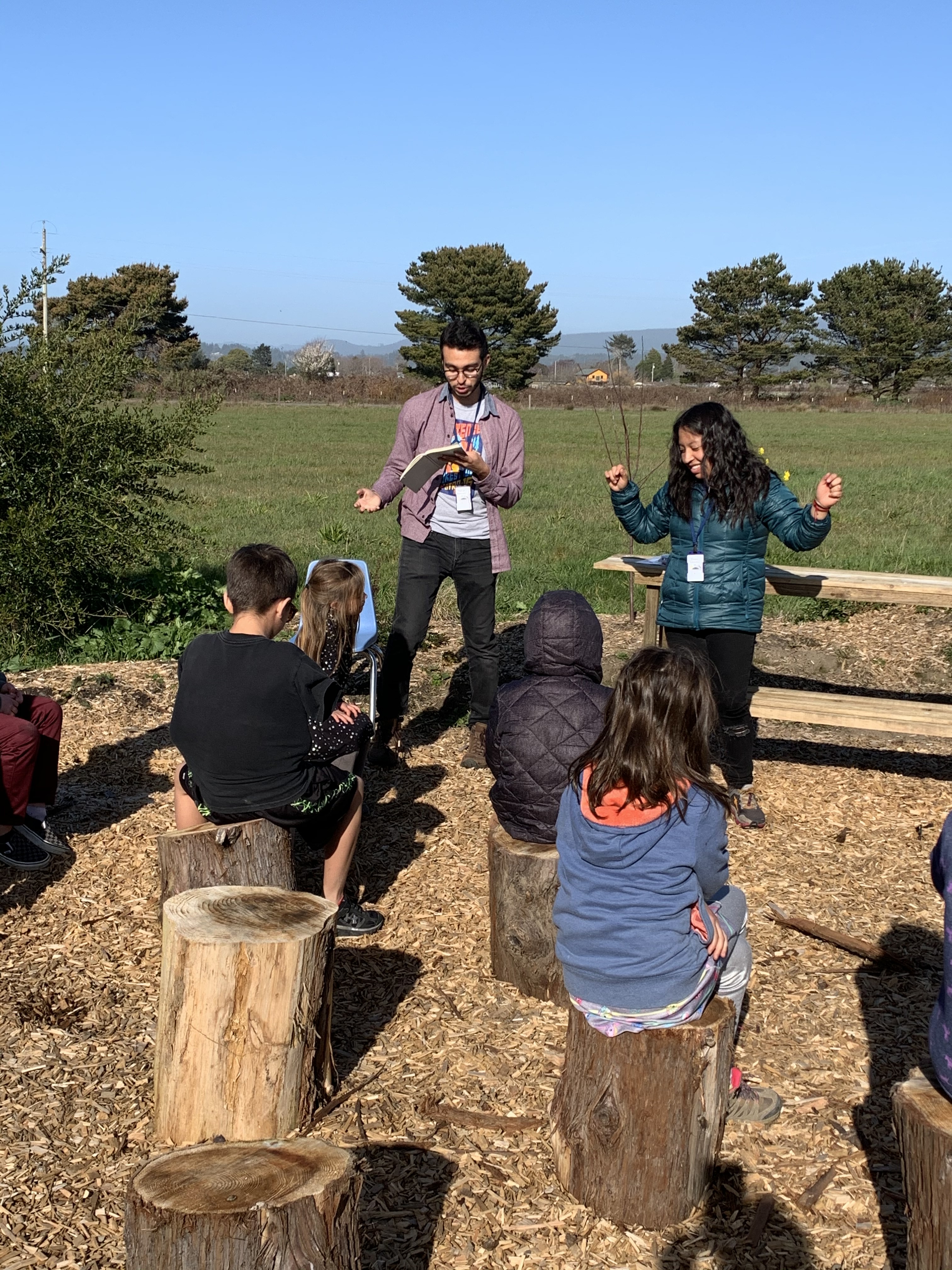
    Ciencia Para Todos, known as “Science for All,” is a Humboldt State University program that hopes to bridge the gap between younger, grade-school students and Science, Technology, Engineering and Mathematics careers through teaching English and Spanish in conjunction with local elementary schools like Fuente Nueva Charter School.

    Christian Trujillo, a senior environmental science and management major, is the founder of Ciencia Para Todos. He strives to elevate youth whose first language is Spanish.

    “We’re trying to destigmatize that idea,” Trujillo said. “Be like, ‘We are people who are bilingual, we’re in STEM, we want you to do that when you grow older, and hopefully you could become a scientist and also use your abilities and cultural lens to really help the science community.’”

    Ciencia Para Todos came from a desire to create an environment for budding Latinx STEM students. Feeling ostracized from many of the spaces on campus, Trujillo and his fellow Latinx classmates communicate in Spanish as a means of escape.

    An already-established refuge named Indian Natural Resource Science and Engineering Program for marginalized science students on campus, inspired them to create a refuge of their own.

    “We need to make our own space on campus since no one else is really going to do it for us, so we have to do it for ourselves,” Trujillo said. “And we’re like, ‘Oh, now that we’re doing this for ourselves, why don’t we do it for our communities.’”

    Different cultural centers at HSU have gotten their budgets slashed, Trujillo worked to combat the problem with student retention.

    “The stuff we do I think is very important to keeping student retention,” Trujillo said. “Because I’m one of those students that stayed here because of the centers and if it wasn’t because of centers, I would have been gone.”

    Odalis Avalos is an environmental science and management major and senior. She works as the liaison for Ciencia Para Todos and conducts outreach. Avalos is glad to have a space where she can flourish alongside Latinx STEM students, an opportunity she didn’t have growing up.

    “I’m really grateful that there is a program out there that’s able to provide this resource specifically for sciences,” Avalos said. “It’s a very lax subject within the Latinx community, so it’s not really normalized to pursue these types of careers.”

    Building off that, Avalos is glad to be able to feel a sense of community not only with the students she teaches, but also with her colleagues like Trujillo.

    “It means a lot that they’ve created the sense of community for me,” Avalos said. “So we sit together and we come together and we collaborate and we have a common mission and even with that, we also have common experiences together.”

    Diana Martinez recently graduated from HSU but continues to work for Ciencia Para Todos. Responsible for translating entire lessons between English and Spanish and managing the Instagram account for the program, Martinez has become more confident and optimistic in her future endeavors.

    “And I used to do English and Spanish, but then when I go up in Humboldt, it was just English,” Martinez said. “So I almost feel like my Spanish was just blocked, and having met this group of people, it was just like ‘Oh, I could just talk in Spanglish or I could talk in English and in Spanish fifty-fifty.’”

    Martinez is inspired by the children she’s worked with for Ciencia Para Todos and feels accomplished with what she has done for them.

    “Once you see the kids, especially the native kids that only speak Spanish, when you speak in the same language, there’s a huge happy face in their face and it’s hard to describe,” Martinez said. “But knowing that they’re able to communicate just fine and the fact that you know that you’re helping them and supporting them and empowering them, that makes me feel great as an educator, too.”

  • Students shocked at Arcata Community Forest logging

    Students shocked at Arcata Community Forest logging

    COVID-19 hampered the communication of logging plans between the city of Arcata and new members of the community

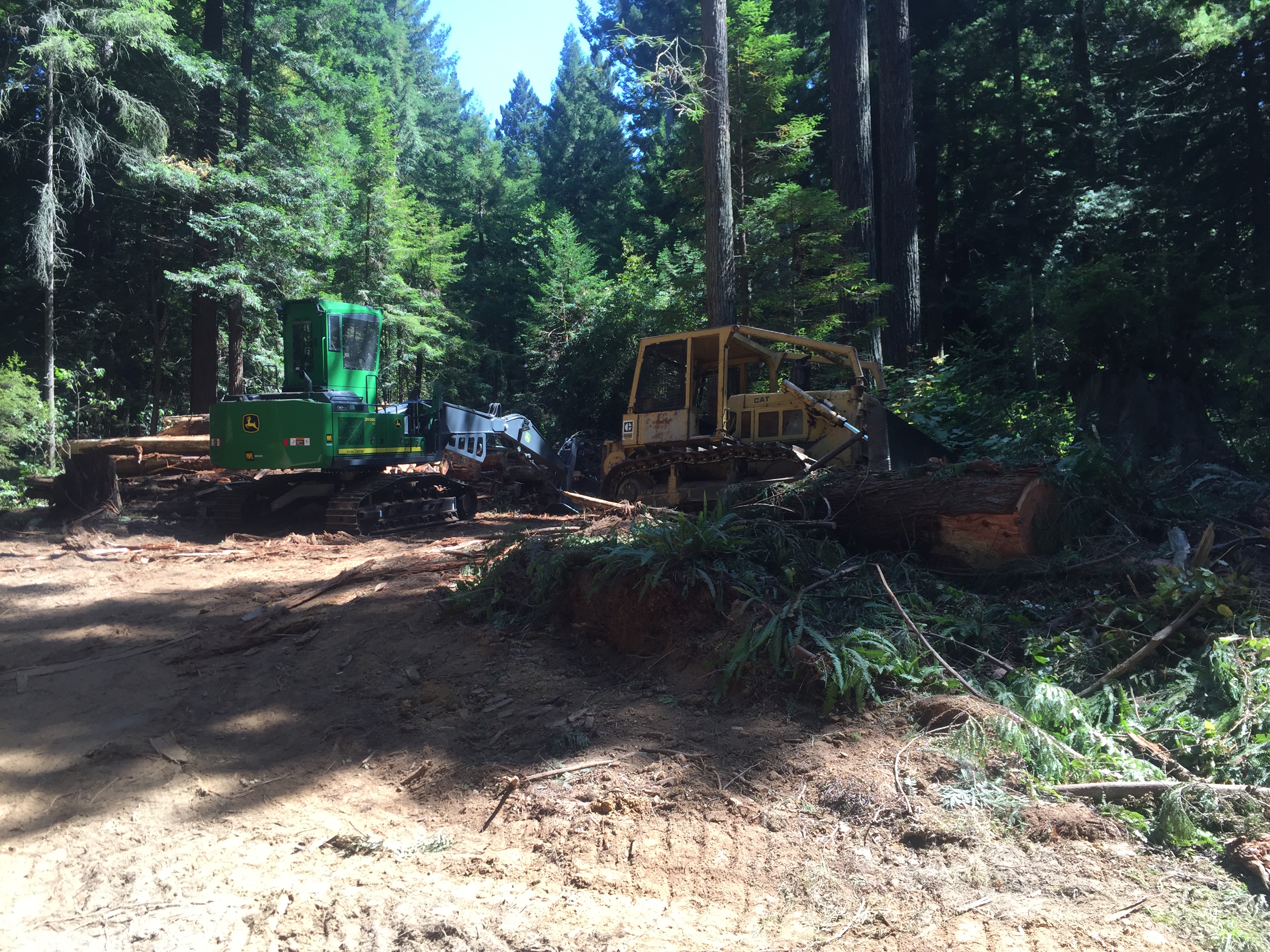
    Lumberjacks with heavy equipment felled redwood trees in the Arcata Community Forest during the last two months, shocking some Humboldt State University students who regularly use the park. The City of Arcata uses timber harvest money to fund the management of the park and purchase additional park land in the area.

    HSU senior Isaac West downhill bicycles the trails most days. He was disappointed when he came across the heavy equipment in the park near Fickle Hill Road, and a friend told him a section of the bicycle “jump trail” had been ruined.

    “We have trees burning down everywhere,” West said. “It just seems like a really bad time to be cutting them down.”

    Karlee Jackson, an HSU transfer student majoring in environmental studies, said many students she talked to hadn’t heard the tree cutting was happening, and were shocked by it.

    “I am so mad they are cutting down these trees when so many trees have already been cut down,” Jackson said. “Why wasn’t it discussed with the community?”

    Jackson acknowledged that COVID-19 may have made it more difficult to consult with the community, but said she would have liked the city to have found another way to engage the community before cutting.

    Mark Andre, Arcata City director of environmental services and former HSU watershed management graduate student, said community engagement in the forest’s management was greatly impacted this year due to COVID-19.

    “The biggest challenge to us is to explain to new people who are moving here,” Andre said. “During this COVID-19 year [community consultation] has not been as perfect as it could have been.”

    Andre prepared the current Non-Industrial Timber Management Plan which allows some logging in local community forests. It was approved in 1999 and therefore public comment is not required each time the city wishes to cut, but the city is required to submit a Notice of Timber Operations (NTO). The city did issue a press release and convened the city Forest Management Committee, made up of appointed experts, although some regular meetings were canceled this year due to COVID-19.

    The NTO includes an impact analysis on spotted owl populations, and the steepness of the grade to ensure the cuts do meet environmental regulations.

    Greg King, executive director of the Siskiyou Land Conservancy and one of the first-ever Redwood tree-sitters, said he supports the efforts of Andre and the city.

    “I’m pretty skeptical when it comes to most logging,” King said. “It almost surprises me to say I support this.”

    King said he was far more concerned about the practices of logging companies owned by the billionaire family, Fisher, and Green Diamond Resource Company. Together these companies own roughly half of all redwoods in existence and regularly get “incidental take permits” which are essentially licenses to kill endangered species found while cutting.

    “What you see is a lot of faux [or fake] sustainable logging, but that’s not what you see here,” King said.

    He hasn’t read the forest management plan, but King encouraged students and community members to keep a close eye on the city. He is impressed at the “light touch” of the operations, and how the city has been able to purchase additional land in the area for conservation with the money from the park’s timber harvest. But King does believe public notice could be improved.

    Andre said he has been working for the city since 1984 and since then the size of the forest has doubled. In the past decade about 30% less is cut annually compared to the 1980s. The city originally purchased the park and instituted the arrangement to use timber harvest money to purchase additional land for conservation after a city bond measure passed in 1979. Andre said since then the city has set standards in sustainable forestry and community based forestry even winning an award from the Forest Stewards Guild.

    Regarding the recent destruction of a section of the downhill bike trail Andre said, “If we damaged the jump trails it’s going to be rebuilt this fall anyway.”

  • Tree sitters defend forest near Strawberry Rock

    Tree sitters defend forest near Strawberry Rock

    The Redwood Forest Defenders demand Yurok tribal land be returned

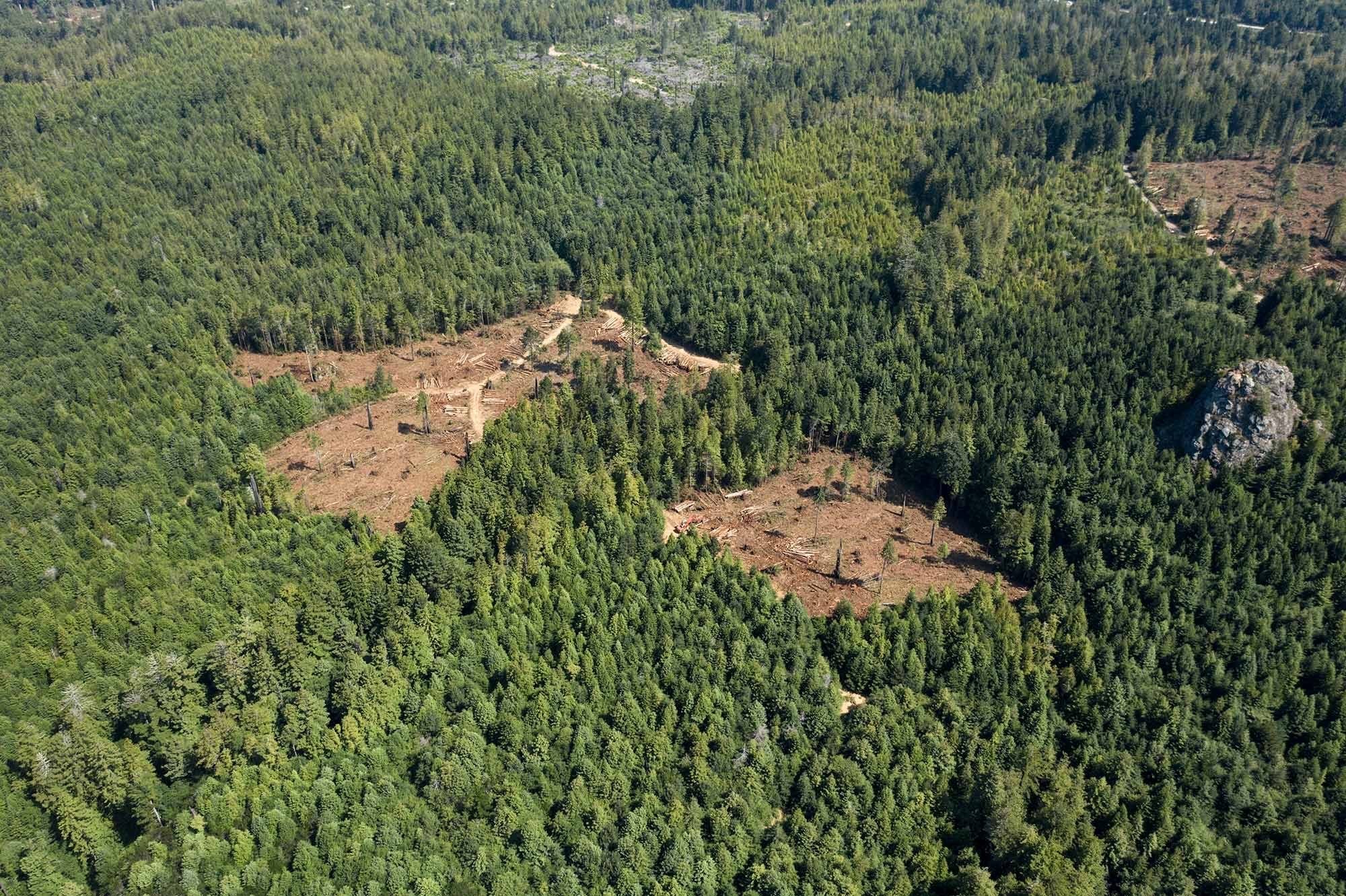
    Green Diamond Resource Company, (GD), an Humboldt State University research partner and local logging company, made two clear cuts near Strawberry Rock in Trinidad this summer. Redwood Forest Defense partially blocked the logging by creating a tree sit village in the forest canopy.

    A Redwood Forest Defense tree sitter risking arrest asked to remain anonymous, but provided the alias Lupine. Lupine said the tree sits were erected April 1 immediately after Humboldt County imposed the COVID-19 isolation order.

    The company stopped about 20 acres, or 20 football fields, short of logging the whole area they originally intended. Roughly 100 acres between two timber harvest plans, Lupine said.

    Karen Pickett from the Bay Area Coalition for Headwaters and an Earth First!er since the early 1980s believes protecting the forest is crucial.

    “I guess forest defense is an essential job too,” Pickett said. “I find it really inspiring that people are up there doing this.”

    Lupine and the tree sitters have defended a five acre area this year. In previous years the sitter protected the remaining untouched 20 acres of the timber harvest plan. Green Diamond and the Trinidad Coastal Land Trust are in active discussion over the 20 acres, wanting to preserve a strip of forest for trail access to Strawberry Rock.

    Sarah Lindgren-Akana, Yurok tribe member and secretary of the Tsurai Ancestral Society, an organization advocating for the Indigenous of the area whose land was stolen, said she supports the tree sitters.

    “I really admire their dedication and I hope people are listening to their message,” Lindgren-Akana said. “While some may argue that this is just a small area, or that it is not an old growth forest, we need to keep in mind that over the past 500 years America has lost about 95 percent of its forest due to development and logging.”

    Gary Rynearson, GD chief communications officer, claims the company stopped logging the clear cuts near Strawberry Rock more than three weeks ago.

    “We think it’s dubious for them to say that [since] they have refused to file the completion paperwork [for the timber harvest plan],” Lupine said. “We are staying here since they are still legally entitled, within the timber harvest plan, to come here and cut.”

    Lindgren-Akana disapproves of the management practices of GD advocating for the land to be returned to the tribe.

    “The Strawberry Rock property is within the Tsurai village and should be returned to the tribe for proper management and care,” Lindfgren-Akana said. “The Yurok tribe can bring the land back into balance and ensure the plants and forest, animals and people all have something to enjoy for generations to come.”

    Lupine supports Lindgren-Akana and the idea of the land being returned to its rightful protectors.

    “The goal for this land is not to be held by an entity like the land trust, but to be returned to the Indigenous people it belongs to, the people it was stolen from,” Lupine said. “Whether that be the tribal council or groups like the Tsurai Ancestral Society.”

    Lindgren-Akana stated that the GD was starting to move towards a streambed that directly impacts the surrounding ecosystem.

    GD declined to comment on stream encroachment and sustainable forestry practices.

    Lupine said very little is done to ensure the company complies with sustainable forestry practices.

    “I think there is very little oversight whether it is from those types of third party certifiers or whether it is from the state and federal agencies who are tasked with overseeing these things,” Lupine said. “I often wonder if [third party] certifiers are doing more harm than good.”

  • How the Redwoods are Battling Climate Change

    How the Redwoods are Battling Climate Change

    While the rest of the planet suffers, what will become of the Redwood Forests?

    While climate change continues to cause destruction around the globe, scientists are finding hope in a local tree: The Giant Redwood, or Sequoiadendron giganteum.

    The trees are currently in the midst of a growth spurt, producing more wood in the past century than any other time in their lives, according to Save The Redwoods League, a nonprofit organization who protect and restore the California redwood forests. Researchers from Humboldt State University, UC Berkeley, Natureserve, United States Geological Survey and Colorado State University are working alongside Save The Redwoods League to understand the growing trees and how they will continue to respond to climate change.

    The Save The Redwoods League and HSU published findings concerning the impact of climate change in the recent research paper Aboveground biomass dynamics and growth efficiency of Sequoia sempervirens forests. They found that within the redwood forests, there are massive amounts of carbon sequestration. “Sequoia forests may be the most effective to [sequester carbon], because they accumulate more above ground biomass than any other vegetation, sustain higher rates of productivity than any other forest, and protect biomass produced via superlative fire- and decay-resistance.”

    Carbon sequestration is “the capture and secure storage of carbon that would otherwise be emitted to, or remain, in the atmosphere,” according to Encyclopedia of Energy, 2004. This means carbon is trapped in forests, soil, or oceans for long periods of time instead of entering the atmosphere. It can be done naturally or artificially, and is becoming a researched effort to delay global warming which is caused by increase of greenhouse gases, such as carbon dioxide.

    This is why scientists are so interested in the natural carbon sequestration of the redwood forests. While this seems to be good news, there is still much research to be done.

    NASA scientists have started to create a global map of where carbon is being stored, and how much carbon is being released through deforestation. The redwood forest is only a tiny part of that map.

    Humboldt State University Professor Steve Sillett has worked on the research with Save the Redwoods League.

    “Redwoods can do little to fight climate change as they occupy a TINY proportion of the landscape,” Sillett said in an email. “Even though they are impressive in many respects, too little of the landscape is covered by them to make much difference at the global scale.”

    While the redwoods alone cannot create a global change, scientists are continuing to research the storage of carbon in forests and what this means for the future of the planet.

  • How the wildfires of California are impacting Arcata

    How the wildfires of California are impacting Arcata

    What life is like as climate change begins to worsen

    Waking up in Arcata, CA on Sept. 9, 2020 was similar to an apocalyptic movie. The sky was as orange as street lamps. Cars had their brights on and were dusted in ash. Air quality numbers began to rise.

    Air quality states how polluted the air is to the public, measured by the air quality index, or AQI.

    AQI levels range from good to hazardous, based on numbers from 0-500. As the number rises, the health risks worsen. Any number above 500 is considered beyond hazardous.

    As wildfires continue to rage across California, the air quality has been majorly impacted. California has seen AQI’s above 500 during this wildfire season. In Arcata, despite being 100+ miles away from the nearest wildfire, the skies that were once full of fog are now full of smoke.

    According to AirNow, a site that tracks AQI around the globe, by 12 a.m. on Sept. 11 Arcata had hit a peak AQI of 269.

    The AQI states that air quality above 201 is considered very unhealthy and above 301 is considered hazardous: “Health warnings of emergency conditions. The entire population is more likely to be affected.”

    The HSU campus closed due to the condition of the air. Students were told outdoor activities could not be moved inside due to COVID-19. “Air quality has worsened to very unhealthy levels since Thursday,” said Humboldt State University in an email to its students. “Please note those levels may fluctuate throughout the day.”

    They also warned students to stay indoors with closed windows, use a portable air purifier if possible and wear a mask that filters air rather than just cloth if they must go outside.

    Despite being advised to wear a mask for filtration, most students are wearing cloth masks. HSU freshman, Dev Lebhar, wore a gas mask when they went outside. They had two other gas masks and two respiratory masks in their dorm.

    “The combination of the respiratory disease and the smoke outside means if your lungs get damaged by the smoke and you get COVID, you’re in big trouble,” Lebhar said.

    They claimed they haven’t felt any effects from the smoke, but do struggle to breathe while wearing the gas mask due to its layered filtration.

    According to the CDC, going out in such unsafe conditions can result in similar symptoms to COVID-19, like cough and difficulty breathing. It can be especially bad for those in high risk groups. Other side effects can result in stinging eyes and throat, increased heartbeat, chest pain, irritate respiratory systems and worsen existing heart and lung diseases. Wildfire smoke can even make you more prone to catching the virus COVID-19.

    According to Berkeley Earth, a nonprofit organization on environmental science, China experiences some of the worst air quality, claiming “on bad days the health effects of air pollution are comparable to the harm done smoking three packs per day (60 cigarettes) by every man, woman, and child.” A typical day in China is equivalent to 2.4 cigarettes. “1 cigarette is equivalent to an air pollution of 22 μg/m3 for one day.”

    On September 11 Arcata’s average AQI was 243, according to AirNow. That means the average air quality if you were breathing it all day was about equal to smoking 8.7 cigarettes. These hazardous conditions exist all across California, including areas like Arcata that aren’t necessarily close to a fire.

    The best way to protect yourself is to stay inside. Any exposure to the smoke can damage your health, especially if large amounts of time are spent outside or if you have other existing health conditions.

  • HSU Seaweed Farm sets sail

    HSU Seaweed Farm sets sail

    The first commercially-approved seaweed farm in California will be on the map.

    Humboldt State University is known for its cutting-edge science projects. One of these projects is an upcoming commercial seaweed farm in Humboldt Bay. A trailblazer in its own right, this project was spearheaded by HSU natural resource grad student Erika Thalman.

    “I went into grad school originally wanting to do fish pathology, so this was something different for me, but I also really love algae,” Thalman said. “I was like ‘I also really kind of want a farm of my own someday.’ And I was like ‘Oh! Algae! Farm!’ so I was excited to be able to say ‘I’m a seaweed farmer.’”

    Thalman has been growing seaweed at the HSU Marine Lab in Trinidad for the past year. This seaweed incubation process begins with sablefish, at the top of the food chain. The sablefish eat food from lower on the food chain and then produce feces that act as nutrients for the seaweed, which absorb them in turn.

    “The seaweeds act as part of a bio-filter, which then sends less nutrient-dense water back to the fish,” Thalman said.

    This bio-filter acts as kind of a recycling system with different levels of the food chain helping each other out.

    Bren Smith is the executive director of Greenwave, a nonprofit that assists with training environmentally-focused farmers, and is a big proponent of the seaweed farm. Smith is excited about the future of regenerative agriculture among the oceans in a world already seeing the effects of climate change.

    “There needs to be a transition in the oceans,” Smith said. “But what’s exciting about that is we get these opportunities to learn from the mistakes of land-based farming and the mistakes of industrial agriculture and really do it the right away. It’s all hands on deck.”

    Thalman would like to put her seaweed to good use, whether that be food for consumption or fertilizer for gardens. The grade of seaweed dictates what it will be used for. If the seaweed is a lower grade, it can only be used for fertilizer and fodder, but if it has a high enough grade where it is deemed edible for humans, then it can be commercially sold.

    Unfortunately, due to permitting issues, the seaweed is currently unable to be sold in any capacity, but when the time comes to sell the seaweed, Thalman plans to donate all the profits.

    Smith is mindful of the extent to which the farm is financially sustainable.

    “And the key from a farming perspective is how much grows — what volume do you get per meter,” Smith. “Because if you don’t get enough volume, then it is not a profitable farm.”

    Before anyone could even worry about making money from the project, they had to worry about finding the money to fund it first.

    Dr. Rafael Cuevas Uribe, an assistant professor in the fisheries biology department at Humboldt State, is another driving force behind the seaweed farm as he was the one that wrote the grant that helped fund the project. As Uribe explained, within the California State University system, there are a number of campuses that do agricultural research and subsequently get grants called the Agricultural Research Institute Grants to fund agricultural-related projects. Because HSU is one of the CSU campuses that is in that boat, it receives said grants, which are managed by Sponsored Programs.

    Uribe tried to get one of these grants but ran into a major roadblock along the way. As it turns out, he had to monetarily match 50 percent of the requested amount of funding.

    “And that was kind of an issue in our project and we thought that we had everything figured out and at the last day when the project was due, we found out that we did not have the match to do this project,” Uribe said. “And we were almost dropping the ball right there.”

    Also stepping in are a growing number of people and agencies interested in getting into the seaweed farming industry. However, as Thalman noted, there are a lot of heads being scratched.

    “People don’t know what to do,” Thalman said. “They don’t know how to get permit regulations, so we’re kind of the guinea pigs. They’re watching what we do and then they’re going to use what we learned to set up their farms in the future.”

  • The Complex Interface of Humans and Wildfires

    The Complex Interface of Humans and Wildfires

    How fire suppression is a mixed bag in Humboldt County

    Every fire season, blankets of smoke roll over Humboldt County. Here on the coast, that’s as close to wildfires as some of us get. But our practice of fire suppression is a relatively new state for our woodlands and the lack of fire is taking its toll on the county.

    “Humboldt county’s interesting. Most of the county really hasn’t experienced much fire over the last few decades,” said Jeffery Kane, associate professor of fire ecology and fuels management at Humboldt State University.

    High levels of rainfall and a more temperate climate contribute to a lower risk of fire, but that doesn’t mean fire isn’t a natural part of Humboldt’s environment.

    “When there are ignitions, and there are ignitions here from lightning and humans from time to time, they are usually fairly easy to put out,” Kane said. “That nice fog layer, that’s going to moderate fire behavior.”

    Inland Humboldt county is not as protected by our temperate, coastal environment. But Kane said that quick fire suppression may not be the safest or most environmentally friendly way to manage wildfire in the long term.

    “The thing that we know is most effective is to treat areas with a combination of thinning and burning,” Kane said.

    The suppression of small wildfires can make future fires more difficult to control. Dense canopies and the buildup of dry fuel makes fire more dangerous. By thinning the forest, the trees become less tightly packed. When the canopy has more gaps, fires spread slower. Then after the canopy is thinned, a prescribed burn can take care of the natural dry fuels and remaining debris created from thinning. Thinning and burning can make an area less vulnerable to uncontrolled wildfires.

    Although Humboldt is relatively protected, this area still would see wildfire activity every few years if not for the relatively recent introduction of American colonizers. Due to the danger of wildfire to settlers and property, wildfire is almost completely suppressed.

    Disturbance Ecology Professor Rosemary Sherriff studies the impact fire suppression has on local woodlands. She thinks there can be a balance between protecting settled areas and letting wildfires run their course.

    Lightning strikes and Indigenous burning would have introduced fire to local oak woodlands. These woodland areas suffer without the fire that shaped the ecosystem.

    “In the past few years we’ve had fires that have gone into more urban areas, a lot of it stemming from more wildland areas,” Sherriff said. “There’s been a substantial amount of urban-woodland interface and these are really extremely hazardous places to live.”

    In addition to providing more fuel to fires, the removal of wildfire has come at the cost of native biodiversity. Removing a natural phenomenon that was encouraged by local Indigenous tribes has consequently impacted our landscape. Local ecosystems are adapted to wildfire and removing fire allows fire sensitive species to grow without natural inhibitors.

    “Inland we have oak woodlands, for example, that historically would have had a lot of fire,” said Sherriff.

    Lightning strikes and Indigenous burning would have introduced fire to local oak woodlands. These woodland areas suffer without the fire that shaped the ecosystem.

    “What we’ve seen is a lot of encroachment of native douglas fir into these oak woodlands,” Sherriff said. “So there’s been a loss of the oak woodland open areas.”

    This loss of oak woodlands can be seen throughout Humboldt County. This destroys native biodiversity. But fire suppression is not the only consideration.

    “Fire suppression has certainly shaped the landscape,” Sherriff said. “We can’t disregard the fact that settlements and communities and ranches and homeownership and the cannabis that’s happening also shapes and reshapes the landscape and can contribute significantly to shifts in fire behavior.”

    The balance between human settlement and fire suppression is a difficult medium to reach.

    “It becomes extremely tricky when it’s someone’s livelihood,” Sherriff said. “It’s very easy to sit at the university and say ‘yeah, more fire on the landscape’ but it’s extremely hard to make it happen with all the structures and policies in place.”

    Lenya Quinn-Davidson is an advisor for the University of California Cooperative Extension. One of her projects is the Humboldt County Prescribed Burn Association. It’s a loose cooperative of land owners and community members that implement prescribed burns. While structures and policy is slow to change, they’ve proactively decided to put fire back into their land themselves.

    “A lot of people want to use prescribed fire,” Quinn-Davidson said. “By the time we’re actually there lighting the fire, there’s already been a ton of work making sure that it’s safe, effective and that it won’t get out of control. It’s not like we’re just going out and lighting things off.”

    Prescribed burning is a tool that landowners can use for fuels management, invasive species control and habitat restoration. The encroaching firs that Sherriff studies are a main target of controlled burn.

    “We’re losing our oaks at a pretty astonishing rate,” Quinn-Davidson said. “So a lot of the landowners that have oak woodlands really want to use prescribed fire to get in there while those firs are small and kill the firs. The oaks survive just fine because they’re very fire adapted.”

    Though douglas firs are native, there are some invasive species that landowners can keep back with prescribed burns. There are invasive species of grass like the medusa head that smother local grasslands. Ranchers want to make sure their cattle grazing lands are free of medusa head.

    “It creates this thick thatch that prevents other plants from growing, so it turns into this homogeneous field of grass that nothing can eat.” Quinn-Davidson said. 

    Fire is necessary for keeping our natural landscape healthy and biodiverse. Where forest and human settlements meet, controlled burning can help maintain a healthy habitat with less danger to human life. With those buffer zones established, wildfire can be allowed to burn in a controlled manner, establishing a careful balance between fire and safety. 

    Quinn-Davidson thinks getting to a meaningful scale of fire management will take a combination of state intervention and owners taking control of their land.

    “It’s a real community thing.” Quinn-Davidson said. “People just love it.”

  • How Non-Lethal are Less Lethal Weapons

    How Non-Lethal are Less Lethal Weapons

    Protestors injured by non-lethal weapons in Eureka following protests against police brutality.

    On May 31 in Eureka a protest against police injustice ended late into the night with officers using pepper-spray projectiles to assist in the arrest of an individual suspected of vandalism. An additional protestor was arrested for attempting to prevent the first arrest.

    Several protestors attempted to pull the individual out of police custody. This resulted in police firing on the rest of the crowd. Capt Brian Stevens of Eureka PD addressed the incident to the public in a video posted to Lost Coast Outpost.

    “Given the escalating circumstances and the safety risks to the officers … They began firing [pepperball projectiles] into the ground in and around the crowd trying to back the crowd off,” Stevens said.

    Sam Papavasilliou, a 22-year-old Humboldt State University student and former Lumberjack writer, was in attendance that night and was among 30 or so protestors fired on by police. Papavasiliou described how the crowd was cut off in the front and back by several police vehicles while passing by Dutch Bros on the north side of Eureka.

    Officers first addressed the crowd to tell them they would be attempting to arrest an individual suspected of vandalism. At 10:33 p.m. this attempted arrest was met with resistance from several protestors.

    “One protestor got shot in the ear with [a pepperball]. They were bleeding and they were really yelling at the officer that they didn’t do shit and they said ‘I can’t hear right now,’” Papavasiliou said.

    Pepperball rounds are amongst a large host of “non-lethal” weapons used to disperse crowds deemed riotous. Pepperball rounds are designed to explode on impact leaving a cloud of OC (oleoresin capsicum), the same ingredient used in pepper spray. It is advised that they are not aimed at the eyes, face, throat, or spine as death has occured when these inappropriate areas have been fired on.

    Rubber bullets are another method of crowd control that fall under a classification of “non-lethal” weapons known as KIPs (Kinetic Impact Projectiles) along with bean bag rounds, pellet rounds, and sponge rounds. In their assessment of “non-lethal” weapons and their safety The Physicians for Human Rights organization argues that “At close ranges, levels of lethality and patterns of injury of some KIPS become similar to those of live ammunition. At longer ranges, KIPs are inaccurate and indiscriminate. Some KIPs are lethal in close range and ineffective at longer distances which make safe use difficult.”

    The problem really comes down to KIPs being too inaccurate at longer ranges to correctly target individuals and areas of the body they are aiming for, and that the injuries sustained at close range can penetrate the skin, break bones, fracture the skull and explode the eyeball.

    Police also rely on chemical irritants (CIs) for crowd dispersal, namely tear gas and pepper spray. Pepper spray is made of a chemical derived from peppers that inflames the afflicted area on contact causing the burning sensation.

    “Officers and deputies were on scene with more or less paintball guns that shoot a paintball projectile that is filled with a powdered OC,” Stevens said.

    Symptoms after exposure to these agents include temporary blindness, respiratory inflammation, increase in heart rate and blood pressure. People with respiratory or heart conditions are at an increased risk of more serious injury or death.

    Other “non-lethal” weapons include pepper spray, bean bag rounds, tear gas and flash bangs just to name a few. When used correctly, these weapons are a less dangerous alternative to shooting people with actual guns, but mistakes in their applications can leave victims with wide ranges of injury.

  • Humboldt State Geologists Research Faults

    Humboldt State Geologists Research Faults

    Faults give clues to the history of the earth’s crust and how it impacts our future

    Earthquakes are more than just shaking. Turns out the rumbling is sound vibrations from the massive snap caused by slipping, bending and breaking rock.

    Deep below Earth’s crust, a mantle of plastic-behaving rock bends and twists under immense pressure. Its mass is 67% of the Earth’s mass. Its temperature ranges from 392 degrees Fahrenheit at the upper boundary of the crust to an incendiary 7,230 degrees Fahrenheit at the core-mantle boundary. Sometimes the overlying, thin 50 to 20 kilometer thick crust cracks.

    “The earthquake is the sound waves moving through the rock, elastic waves propagating through it,” said Dr. Mark Hemphill-Haley, a Humboldt State University neotectonics professor and the co-chair of the geology department. “People who have seen the ground moving are seeing the surface waves of rock bending back and forth.”

    According to Hemphill-Haley, imagining the scale of the mantle is challenging both in size and as a metric of time. Some people have compared the movement in the mantle to lava lamps or boiling water, a force called convection, where hot liquid bubbles up through cooler liquid, but Hemphill-Haley said that can be misleading.

    “We’ve had these old models of the mantle convecting but it’s probably less like that- we’re talking about solid rocks,” Hemphill-Haley said. “They’re solid but they are plastic too. Tectonic plates, which consist of the crust and the upper mantle are in motion and can move faster than four to five centimeters per year. Mantle convection is likely a more slow process than that.”

    Like the snap one hears when a pencil breaks, the sound vibrations from the snapping rock shake the ground all around the breaking point, quaking the earth.

    Giragos Derderian, a fourth year geology student, explained the nuance between elastic, plastic and brittle rock. Generally, a rock seems solid but if enough force is applied, the rock can change shape. Derderian said the change in a rock is called deformation.

    “Plastic deformation is when structures change shape due to a force and the rock stays deformed when the force dissipates,” Derderian said. “After elastic deformation, the rock returns to its original shape when the force is removed.”

    Brittle deformation, Hemphill-Haley said, is when forces are so great, the stress exceeds the rock’s elastic limit and snaps it, like a pencil bent too far. An earthquake is when massive bodies of rock experience so much force that they become brittle and break. Like the snap one hears when a pencil breaks, the sound vibrations from the snapping rock shake the ground all around the breaking point, quaking the earth.

    The earth’s crust is made up of massive plates that fit together like an ill-constructed puzzle with some plates pushed too hard into each other and some plates pulling away from each other. Force builds up where these plates meet and can deform each other in elastic, plastic and brittle ways.

    Hemphill-Haley said the big thing that causes plate motion is the weight of oceanic plates. In this example, oceanic plates have converged with continental plates. he denser oceanic plates are diving below the less dense oceanic or continental plate.

    These convergent plates cause a few things to happen on the surface. The leading edge of the less dense plate can crumple into massive mountain ranges like the Klamath Mountains. The oceanic plate descends deep into the mantle at submarine trenches referred to as subduction zones like off our coast—the Cascadia subduction zone. Geologists research the effects of plate tectonics here on the northern California coast in a variety of ways.

    Hemphill-Haley’s colleague Dr. Melanie Michalak researches the Klamath Mountains in northern California and Oregon, and the Coast Range closer to HSU. In one research effort, she and her team trench the ground and look at rock layers that have been changed by faults. They seek material that can be used to estimate the age of the rock. Some of her research is also on recently active faults.

    “As a geologist I care about all faults, the ancient ones, the active ones, I don’t discriminate,” Michalak said. “But people though, from a risk perspective, they’re more concerned about which ones will cause an earthquake and damage their house.”

  • Before You Forage: Nasturtiums

    Before You Forage: Nasturtiums

    Pretty flowers offer a punch packed with nutrition

    Foraging for your own sustenance is both rewarding and enjoyable. With grocery store shelves low on most necessities like fruits and vegetables, you can still find satisfying snacks out in nature.

    According to Encyclopedia Britannica, nasturtiums are a type of flowering herbaceous plant in the tropaeolaceae family. These green, circular-leaved and orange, red or yellow-petaled plants are edible flowers and foliage.

    While nasturtiums may be hard to find in the wild as they’re native to Central and South America, they can easily grow in home gardens just about anywhere.

    Early spring is the perfect time to start cultivating your own nasturtiums, and you can simply order seeds online to get started. Nasturtium seeds, when dry, look like tiny, brown walnut shells with wrinkled surfaces. When fresh, they are pale green and have a slightly smoother texture. Fresh seeds are edible as well and often pickled and used as caper substitutes.

    A great way to prepare nasturtium for your first taste is in a salad with cucumbers, mandarin oranges and spinach with a light vinaigrette dressing.

    Once fully grown and blossomed, the sprawling, vine-like nasturtium plant offers a bounty of vitamin C if consumed. Not only are these plants aesthetically pleasing, the amount of nutritional value packed into the entire nasturtium is astounding, as they contain vitamins B1, B2, B3, and magnesium, iron and calcium.

    This plant has a peppery, mustard-like taste and can be used as an alternative to potent arugula leaves or mustard greens in salads. You can eat the whole plant, which is said to be similar to the taste of watercress.

    A great way to prepare nasturtium for your first taste is in a salad with cucumbers, mandarin oranges and spinach with a light vinaigrette dressing. Or if you’re bold enough, try the leaves and petals on their own after a thorough rinse.

    Beyond the beauty and nutrition of nasturtiums, this plant also offers antibiotic and antibacterial properties. These plants are by no means a way to cure colds, the flu or COVID-19, but can offer slight relief. Nevertheless, according to a study published in the Open Microbiology Journal, these plants were found to contain antimicrobial effects and can be safely used in the food industry as an antibacterial oil on foodborne bacteria.

    So get your hands on some nasturtium seeds and get to planting. Soon you’ll have a garden full of the edible and nutritional plant.

  • Inside the Immune System

    Inside the Immune System

    How the body uses multiple levels of defense against foreign intruders

    With the coronavirus craze going on right now, it may be nice to know our bodies are working hard to protect us.

    When a foreign bacteria or a virus enters the body, it goes into full defensive mode. A complex relationship of cells evolved over hundreds of thousands of years, the human immune system is our reliable defense from sickness and death. The body has developed a battalion of guards, soldiers, intelligence, weapons factories and communication stations to defend us from attackers.

    The Kurzgesagt – In a Nutshell YouTube channel published an easy-to-watch video on the immune system. They broke down the immune system’s jobs into 12 jobs including to communicate, kill enemies, cause inflammation, remember enemies and make strategic decisions.

    There’s more to the process too. Russel Wheatley is a family practitioner at the HSU Student Health Center. Wheatley said that, even though he doesn’t study immunology, he has a working knowledge of the immune system. He referenced an immunologist colleague named Huang Bo for his explanation.

    Wheatley said there are five levels of immunity, and all of these levels work together as a multi-faceted defense.

    The first level is a physical barrier, the skin. He said the skin is bacteria and virus-proof. Between the skin and the mucous in your nose and mouth, combined with coughing and sneezing, the body is pretty good at fending off invaders.

    If the skin is broken, then the immune system really starts working. When the skin is cut, nearby bacteria take advantage of the break and enter the blood stream, risking infection. First to the plate is the macrophage, a large, abundant cell.

    “Most of the time, they alone can suffocate an attack because they can devour up to 100 intruders each,” Kurzegsagt says. “They swallow the intruder whole and trap it inside a membrane. Then the enemy gets broken down by enzymes and is killed.”

    If the macrophage is overwhelmed, it begins to call for help from the garrison. Neutrophils are hype- aggressive, destructive cells that appear at the site of the battle to destroy any cell near the cut, including healthy ones. If this isn’t enough, the macrophage calls the dendritic cell to the battlefield.

    “You have to rest the body when the immune system is trying to work.”

    Russel Wheatley

    The dendritic cell is the brains of the operation. When hailed by the macrophage, the dendritic cell starts to collect samples of the intruders and presents them on the outer membrane.

    “Now, the dendritic cell makes a crucial decision,” Kurzgesagt says. “Should they call for anti-virus forces that eradicate infected body cells or an army of bacteria killers?”

    If a virus has entered the body, Wheatley says a protein in the blood stream called a complement protein identifies the virus and destroys them. Eventually, after the body has torn apart the virus, white blood cells produce antibodies.

    In the case of the coronavirus, it’s a little more sinister. The virus tries to hide itself from the immune system by burying itself in lung cells. In a video about the virus, Kurzegesagt says the virus attaches itself to a specific receptor on lung cells and inserts a new DNA command: copy and reassemble. It fills up with more and more cells until it’s full, and then the cell receives a final order: self-destruct.

    “At this point, the virus hasn’t done too much damage,” Kurzgesagt says. “After millions of body cells have been infected and billions of viruses swarm the lungs, the virus releases a real beast on you, your own immune system.”

    While the immune system pours into the lungs, the virus infects them and confuses the system. The coronavirus causes immune cells to overreact and yell, “Bloody murder.” The immune system wastes a lot more resources than it should to fight the reaction, exhausting the body’s energy.

    Wheatley encouraged anybody who is feeling sick to rest. He explained when a person wakes up, the body has a limited bowl of energy. Thinking, exercising and immune-responding all need that energy to do their thing, and expending energy can make the body less effective at fighting invaders.

    “You have to rest the body when the immune system is trying to work,” Wheatley says. “Some people have different immune systems and some aren’t nearly as strong as others, especially to these viral type invaders. You have to rest. You have to give it the right kind of energy.”

  • A Brief Breakdown of COVID-19 Misconceptions

    A Brief Breakdown of COVID-19 Misconceptions

    Four things you or your relatives might misunderstand about COVID-19

    Misconception: The fatality rate of COVID-19 is only 2-3%. That sounds low, so it isn’t worth worrying about.

    Reality: Any fatality rate estimate can be misleading. It’s possible that many more people contract COVID-19 than receive a test. Numbers from the World Health Organization put the fatality rate of confirmed cases globally at around 6%, but those numbers are only based on people who have been tested or had severe symptoms. That number can also be misleading because the fatality rate varies by region, age group and other risk factors.

    Though the actual fatality rate is unknown, it is much higher than past pandemics such as H1N1 (swine flu). Even if it was low, a small percentage of the total global population is still a staggering amount of people.

    Misconception: I don’t have symptoms like fever, cough or difficulty breathing, so I must not have it and I can’t spread it.

    Reality: In South Korea, COVID-19 testing was widespread and early testing results showed that many people in their 20s and 30s had the virus, but were completely unaware that they could be spreading it. Since it’s possible that many more people have COVID-19 than get a test, people who feel healthy and demonstrate no symptoms could spread it.

    Misconception: If I wear a mask, I don’t have to practice social distancing.

    Reality: Simple masks for people without symptoms and people not in high-risk groups are recommended by the Centers for Disease Control and Prevention more to protect others from you while in public. Since many cases are asymptomatic, it may help prevent people unaware of their own infection from spreading it. Masks are an additional measure, not a replacement measure. The CDC recommend social distancing along with a mask.

    Misconception: There is a cure for COVID-19.

    Reality: As of April 2020, there is no specific medicine or cure for COVID-19. Antibiotics are not effective against the viral illness, and there is no evidence of any effective home remedy. There are ongoing trials and possible vaccines being considered, so that may change soon.

  • Telehealth Looks to Fill Gaps Left by Pandemic

    Telehealth Looks to Fill Gaps Left by Pandemic

    Telehealth has a chance to make a name for itself in the US

    Many physicians and patients aren’t likely to want to or be able to do face-to-face appointments for now and into the foreseeable future. In the midst of this, a potential solution lies in telehealth.

    Telehealth—also known as telemedicine—involves the interaction of medical practitioners and patients through virtual means. Doctors and other physicians can attend to more serious matters in-person while remotely prescribing and treating other, less critical patients.

    “I think people are gonna be more and more open to going to the doctor full-time via telehealth if not doing a follow-up visit. I think that we’ve made more progress in the last six months than we have in the last six years and I think it’s only gonna go this way forward.”

    Jacob Horn

    Jacob Horn is the managing director at Vivo HealthStaff in Dublin, California. A Humboldt State University graduate, Horn now contracts with various medical clinics and offers immediate telehealth solutions for more rural communities. He projected a lot of growth for telehealth.

    “Before this COVID-19, it was very meager, to say the least—it was underutilized,” Horn said in a phone interview. “I think people are gonna be more and more open to going to the doctor full-time via telehealth if not doing a follow-up visit. I think that we’ve made more progress in the last six months than we have in the last six years and I think it’s only gonna go this way forward.”

    Horn detailed what he sees to be the benefits of telehealth.

    “I think it will address provider burnout,” he said. “I think it will increase patient satisfaction because now they have a wider access of care. I think it will also make the insurance companies happy because follow-up visits might not cost them as much. But also, the patients will see, hopefully, a savings by seeing their doctors at home for low-acuity visits.”

    Kate Schiff, a physician assistant in the HSU Student Health Center, is trying to incorporate telehealth into her practice in a multitude of ways.

    “For the most part, we are utilizing the phone for triage, evaluation of new problems, and management of existing problems and conditions,” Schiff wrote via email. “We are also managing most of our medication refill requests this way.”

    Schiff also uses Zoom video calls to conduct business.

    “We do have the capability to have Zoom visits which we are primarily using for mental health visits at this time,” she wrote. “Counseling and Psychological Services is using the phone and Zoom to provide individual and group therapy for students.”

    Dr. Caroline Connor, a local physician, wasn’t sure how regular telehealth would become in the future.

    “I think it’s gonna bring more accessibility to healthcare, especially for seniors, in Humboldt County but also to the HSU students.”

    Jacob Horn

    “The question is—how regular it’s going to be—is gonna be a very interesting story that has not yet been written,” Dr. Connor said. “If I was still in practice, how many of my patients would still be coming in? Now, most patients, if they had the choice, would rather see you in person, I think. But you wonder—busy millennials, if they want to get an appointment, will they just start making telemedicine appointments? And how is that gonna be incorporated into the daily life of a physician? I have no idea.”

    Speaking of busy millennials, HSU students are no stranger to the lack of healthcare in Humboldt County. Horn said telehealth could help fight that shortage.

    “I think it’s gonna bring more accessibility to healthcare, especially for seniors, in Humboldt County but also to the HSU students,” he said. “We have a massive shortage, we have long waitlists and a lot of people are leaving the county for certain specialty care. I think in the next year, that will switch up—you’ll be able to have more resources at your disposal in Humboldt County due to telehealth.”

    Connor said nursing students in HSU’s revitalized program could take advantage of telehealth to connect with remote specialists.

    “Let’s say somebody is going through nursing school and they have to learn a little about the intensive care unit—there might not be enough educators in Humboldt County about nursing intensive care units,” Connor said. “So, maybe they’ll have telemedicine education.”

  • Happy Thoughts and Hot Liquids Won’t Save Us

    Happy Thoughts and Hot Liquids Won’t Save Us

    A reminder of the few things we know that help prevent the spread of COVID-19

    I received a text from a housemate recently recommending we all drink hot liquids and think happy thoughts to get us through the COVID-19 pandemic. Sadly, happy thoughts and hot liquids won’t save us.

    In the midst of a pandemic, it makes sense that people will seek home remedies—they can give you actionable measures to take to try to inoculate yourself against COVID-19. But peddling bunk medicine like a medieval plague doctor only makes things worse.

    Random herbs, hot liquids and happy thoughts do nothing against COVID-19 (neither does weed). What can help stop the spread of COVID-19 are these much less sexy things you’ve probably already heard, adapted from the Centers for Disease Control and Prevention:

    • Social distancing. Hang out with yourself for a while. The crushing introspection may seem scary, but who knows, maybe you could learn something about yourself. The CDC gives suggestions on how to cope in this stressful time.
    • Frequent hygiene. Wash your hands with soap and water for at least 20 seconds. Sanitize doorknobs in your home. Sanitize your debit or credit card if you’re grocery shopping. You might even go so far as to ask to scan your own groceries at the checkout stand.
    • Don’t touch your face. According to disease expert Michael Osterholm, the virus behind COVID-19 chills out in the throat and lungs, and it likes to get in your body through your eyes, nose and mouth. Your hands provide an Uber ride for the virus straight into your system.
    • Also, cover your face. The CDC have shifted course and now recommend people cover their face with a cloth mask in public, especially in high-risk areas like grocery stores or pharmacies. If you have a sewing machine, here’s how to make your own mask. If you don’t have a sewing machine, the CDC provides a video on its site on how to make a mask out of any old cloth and a couple rubber bands.
    • Keep your body healthy. Eating a well-balanced diet, getting enough sleep and exercising all maintain a healthy immune system.
    • Find a new hobby. Don’t allow depression to set in from all the time spent indoors. Netflix is nice, but it’s not a hobby. Try reading, painting, knot-tying or bread-making. Blogger Matt Gilligan compiled a list of 19 inexpensive hobbies for self-quarantining.
    • Connect with your friends and family. Don’t gather with people in person. (No group hugs.) Instead, take advantage of your phone and call up your friends and family. For a more socially stimulating experience, use FaceTime or Zoom to have a video chat. Invite all your pals and make it a virtual party. If you happen to be posted up in a house with a friend, try to hang out with them rather than hiding away in your room.

    We have no cure for COVID-19. A vaccine, by all accounts, remains a long way off. If you end up with the coronavirus, we only have treatments that can relieve symptoms as suggested by the Mayo Clinic, like Tylenol, cough syrups, rest and fluid intake.

    I’m no stranger to distrusting authority or being suspicious of science—I grew up in Southern Humboldt and wasn’t vaccinated until I was a teenager. But for the sake of yourself and the rest of the world, put your suspicions aside and have a little faith in the only proven measures we know against COVID-19.

  • Rain Returns to Humboldt This Weekend

    Rain Returns to Humboldt This Weekend

    A moderate rainstorm will make its way through Humboldt County

    A storm is hitting Humboldt this weekend will bring a considerable amount of rain.

    Jonathan Garner, a meteorologist for the National Weather Service in Eureka, gave us a preview of what to expect.

    “All in all, maybe up to two inches of rain over the weekend,” Garner said. “I’m also expecting accumulated snow across the mountains for elevations mainly above 3500 feet. We could get a little bit of small hail and stronger showers and perhaps a thunderstorm as well.”

    The rain is mainly forecasted to fall on Saturday but will linger in showers on Sunday. Expect high temperatures to be in the low to mid 50s with lows in the lower 40s.

    “It will put a very small dent into our deficit. We’re about 10 or 11 inches below normal right now.”

    Jonathan Garner, meteorologist for National Weather Service in Eureka

    Garner said the storm won’t resolve our rain deficit for the year.

    “It will put a very small dent into our deficit,” he said. “We’re about 10 or 11 inches below normal right now.”

    Emily Read, a junior environmental studies major, is still around in Humboldt amidst the coronavirus outbreak. With the rain looming, she planned on not doing much this weekend beyond trying to learn a new program for an engineering class.

    “I typically am fine with rain,” Read said. “I like it most of the time—but right now, since we’re stuck at home anyway, I kind of just am tired of it and I just want it to stop raining so it can be nice and warm.”

    Jared English, a junior film major, also planned to remain indoors this weekend even though he was initially looking forward to getting outside and doing the one thing he can do in Manila—frisbee golf.

    “It does kind of make me a little sad,” English said. “Because that means even more time inside and even more time isolated in this quarantine, and the rainstorm kind of takes that one thing away.”

  • Humboldt Mold Manifests in Moisture

    Humboldt Mold Manifests in Moisture

    HSU students are under-informed and unprepared for the beast that is mold

    It accumulates like there’s no tomorrow, unleashing its inner animal at every turn. No damp area is safe from the monster of mold. What can students do to fight it?

    The rainy season is still around in Humboldt. Lurking amidst the hundreds of buildings students live in—and may be stuck in—is a hidden and nasty phenomenon—mold.

    Mary Gaviglio, a freshman business administration major, has had first-hand experiences with mold, from seeing it grow on a bowl of cereal she left out overnight to meeting someone who was severely affected by it.

    “He’s actually allergic to the mold spores here, so he gets really excited because they’re in the air,” Gaviglio said.

    Gaviglio also remarked on how it’s easier to breathe in Humboldt than where she is from in Southern California.

    “I usually get sinus infections when the Santa Ana winds come in because of all the pollutants, and now that I’ve moved here, I actually breathe a lot better,” Gaviglio said.

    Dr. Miriam Peachy, an accredited practicing naturopath in McKinleyville and a mold expert, gave a breakdown of the ins and outs of mold and mold illnesses.

    There are five different kinds of mold and the mold that humans can see is called active mold. Mold reproduces through spores, which get in the air, fly around, settle on surfaces and eventually begin to grow as moisture emerges.

    Mold toxins, the waste products of mold, are what can get people sick. Most people aren’t affected by most kinds of mold, but for those with weakened immune systems or allergies, extended exposure to some mold can cause nausea, headaches and cold sweats.

    “I’ve had people literally sleep outside because they didn’t have anywhere else to live.”

    Dr. Miriam Peachy

    Colton Trent, an environmental science senior, talked about how he’s dealt with mold in his apartment. His bathroom is in the middle of his apartment and has no window and an old ventilation fan, which makes for a messy situation in the winter when humidity is high.

    “Whenever me or my roommates take showers or if we leave the door closed for too long, the condensation collects on the ceiling and the walls,” Trent said. “And we have to clean the walls and the ceiling pretty frequently because mold spots will start to grow.”

    No matter where you stand in the mold illness spectrum, there are steps that can be taken to treat it.

    The first step is distancing yourself from the mold, which means permanently leaving the environment in which the mold is taking over.

    Unfortunately, in Humboldt, the lack of housing is a known factor that is doing the mold illness treatment process no favors.

    “Too many people are afraid to rock the boat or lose their rental and they don’t have anywhere to go and they don’t know if the next place they go will be moldy,” Peachy said. “It’s almost impossible to find a place that’s not moldy here.”

    The next step in treating mold and mold illness is remediation. That is to say, removing and replacing anything and everything that might’ve contracted mold from kitchen wooden cabinets all the way to furniture.

    “I’ve had people literally sleep outside because they didn’t have anywhere else to live,” Peachy said.

    The final step in the process is washing and cleaning everything that can be wiped down or otherwise cleaned like clothes and metal surfaces.

    Above all, Peachy stressed the importance of getting a dehumidifier, as it can work wonders and is the most basic way of combating the spread of mold.