Tag: video
-
Composting at HSU
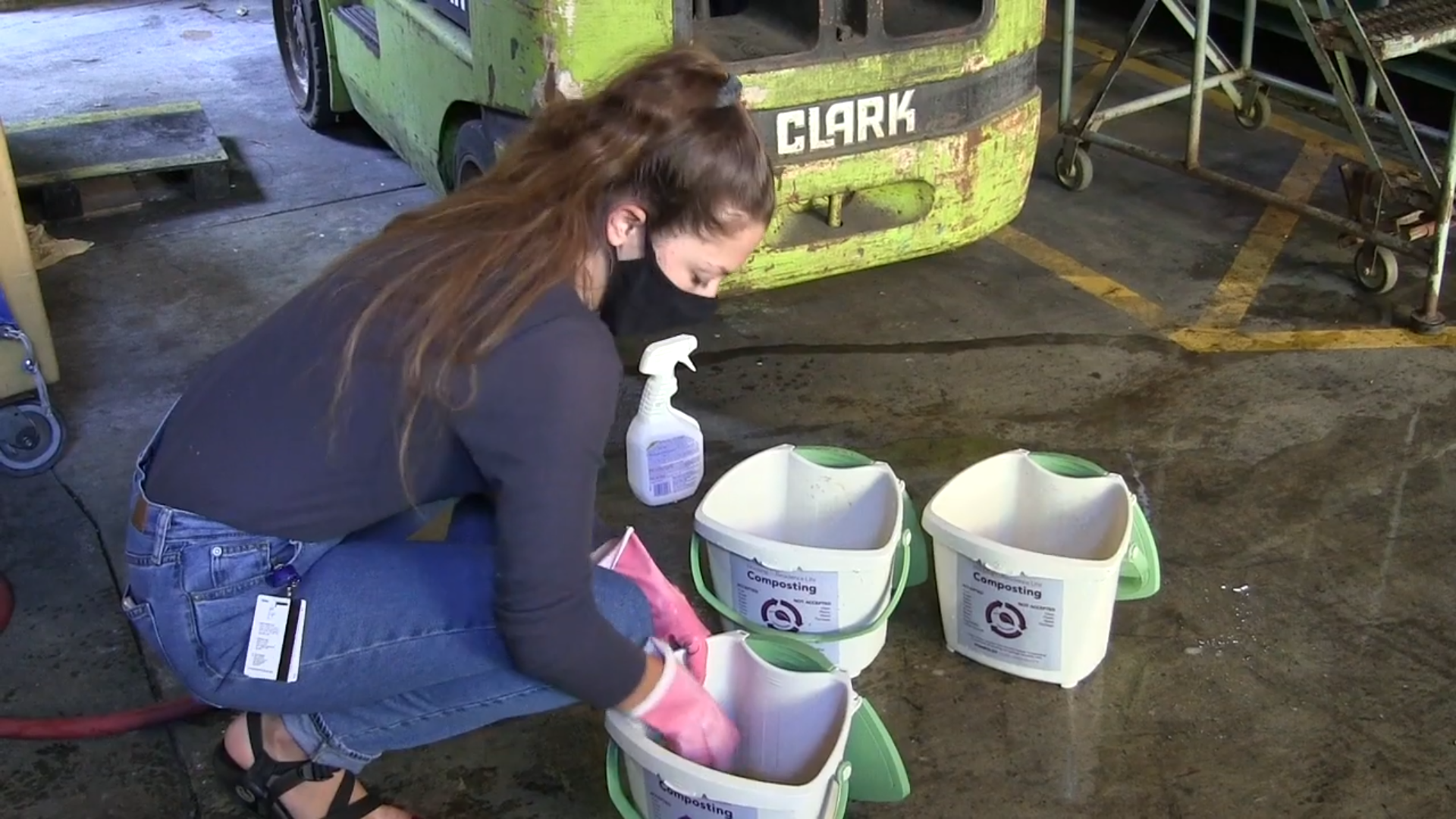
Students at HSU are working to find a solution to the food waste on campus. Kimberly Cossio reports.
-
The San Jose State University Football Team Comes to Humboldt
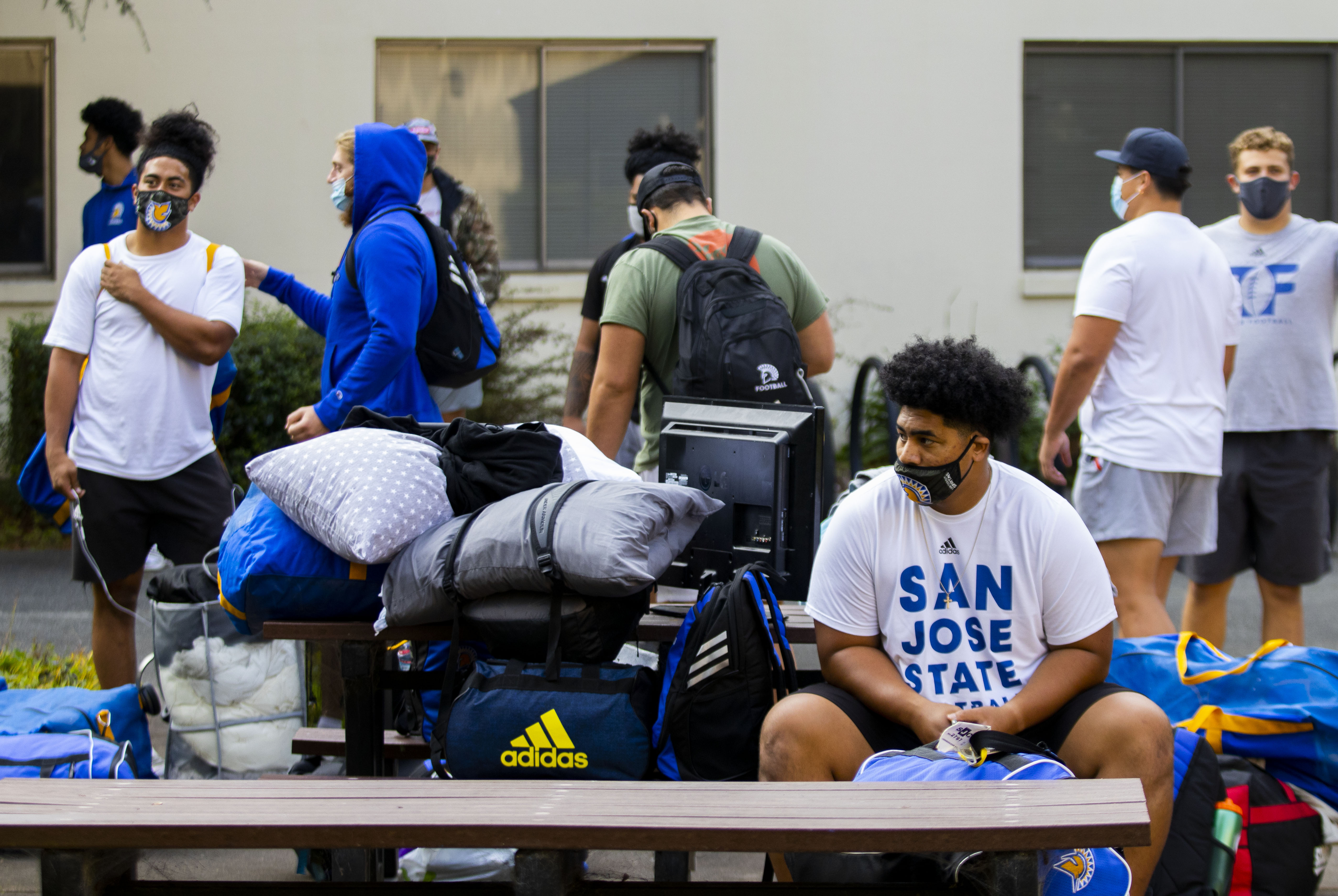
On a day’s notice from administration, the SJSU football team spends a week and a half in Humboldt practicing because their county did not allow it. Students react to their presence on campus in the midst of a pandemic.
Directed and produced by Dakota Cox.
Contributors: Skylar Gaven & Thomas Lal -
Homelessness in Humboldt, CA
This is the first trailer of a homeless documentary created by HSU students. We have spent months filming and will continue to film throughout the next year. Follow the heartbreaking stories of the homeless community around Humboldt county and the organizations who are out trying to help in any way they can during the COVID-19 pandemic.
-
Thrifty Arcata
Taking a tour of the local thrift shops in Arcata during the COVID-19 pandemic.
Directed and produced by Skylar Gaven.
-
House Plants Generate Peace and Meaning During the Pandemic
Three different people with the same love for plants!
House plants have become quite popular these days especially since we’re all basically stuck inside during the pandemic. Not only are they aesthetically pleasing, but these beautiful green oxygen-makers provide more than just a decorative living room. House plants have been known to show positive benefits toward mental health, and with the right amount of care, a healthy connection with all of your house plants will definitely brighten your days. I spoke with three individuals who each shared their experiences with owning plants and helpful tips for new plant parents.
Follow @tobagoplants on Instagram
Directed and produced by Skylar Gaven.
-
Humboldt State Has Trees Grown from Seeds That Went to the Moon
Here’s how HSU received the trees and where you can find them
Humboldt State University has a handful of redwood trees grown from seeds that went to the moon.
In 1971, astronaut Stuart Roosa brought around 500 tree seeds with his personal items on the Apollo 14 NASA mission to the moon. Roosa intended to test the seeds to see if space radiation would affect their germination. While he never set foot on the moon, he orbited the moon 34 times while his colleagues walked the lunar surface.
When Roosa returned, he sprouted most of the seeds. NASA then sent the seedlings around the world. Around 1976, HSU received a handful of redwood seedlings and planted them around campus. Some of those trees remain near the theatre arts and natural resources buildings and near the Campus Center for Appropriate Technology and Facilities Management.
-
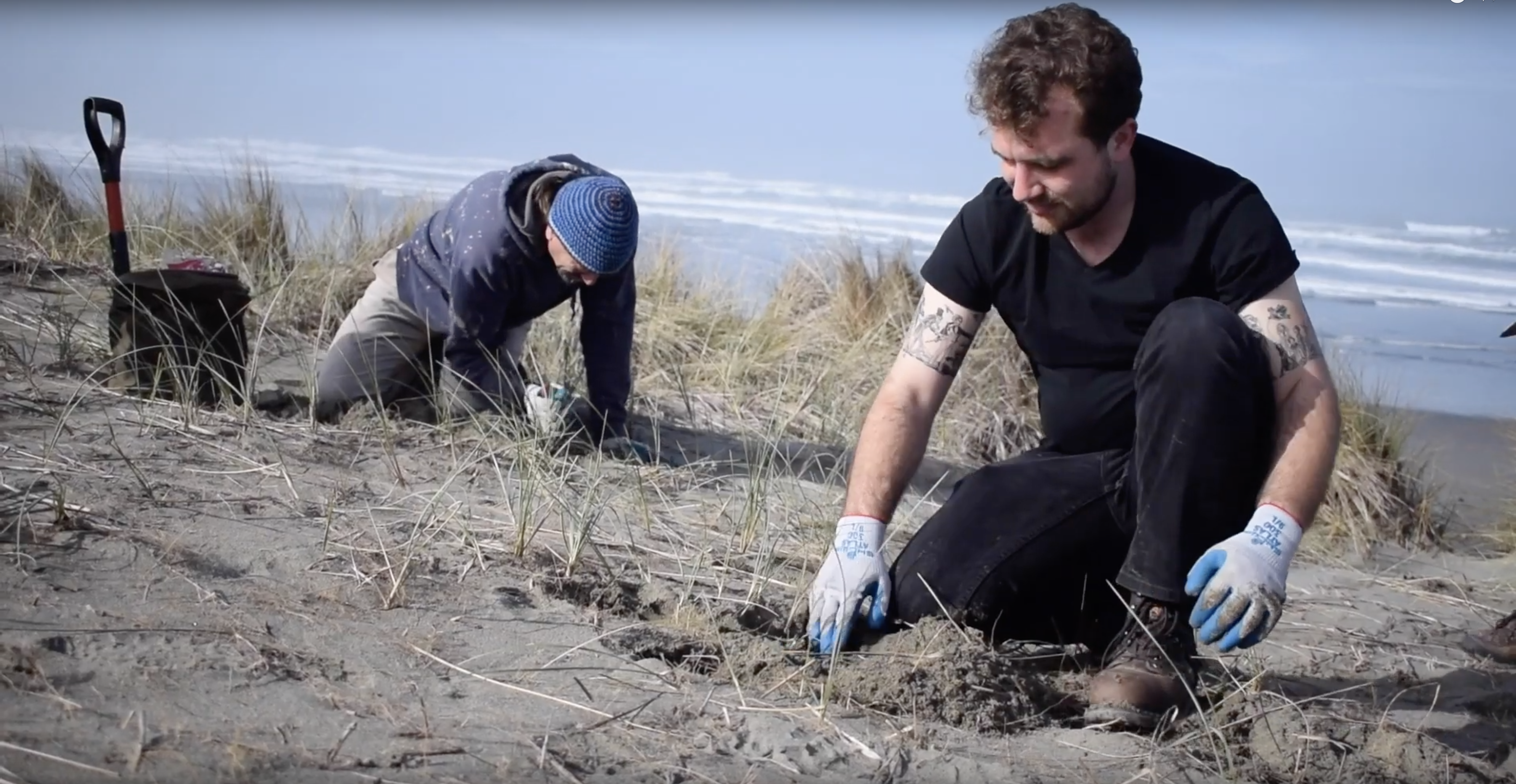
Digging in the Dunes
Making a difference in the dunes by hand, plant-by-plant
Volunteers visited the Manila Dunes in Arcata Feb. 15 to tug invasive grasses from the sands in a monthly gathering facilitated by Friends of the Dunes. The volunteers of all ages from youthful college students to gray-haired, retired locals removed beach grass to allow native plants to repopulate the dunes.
-
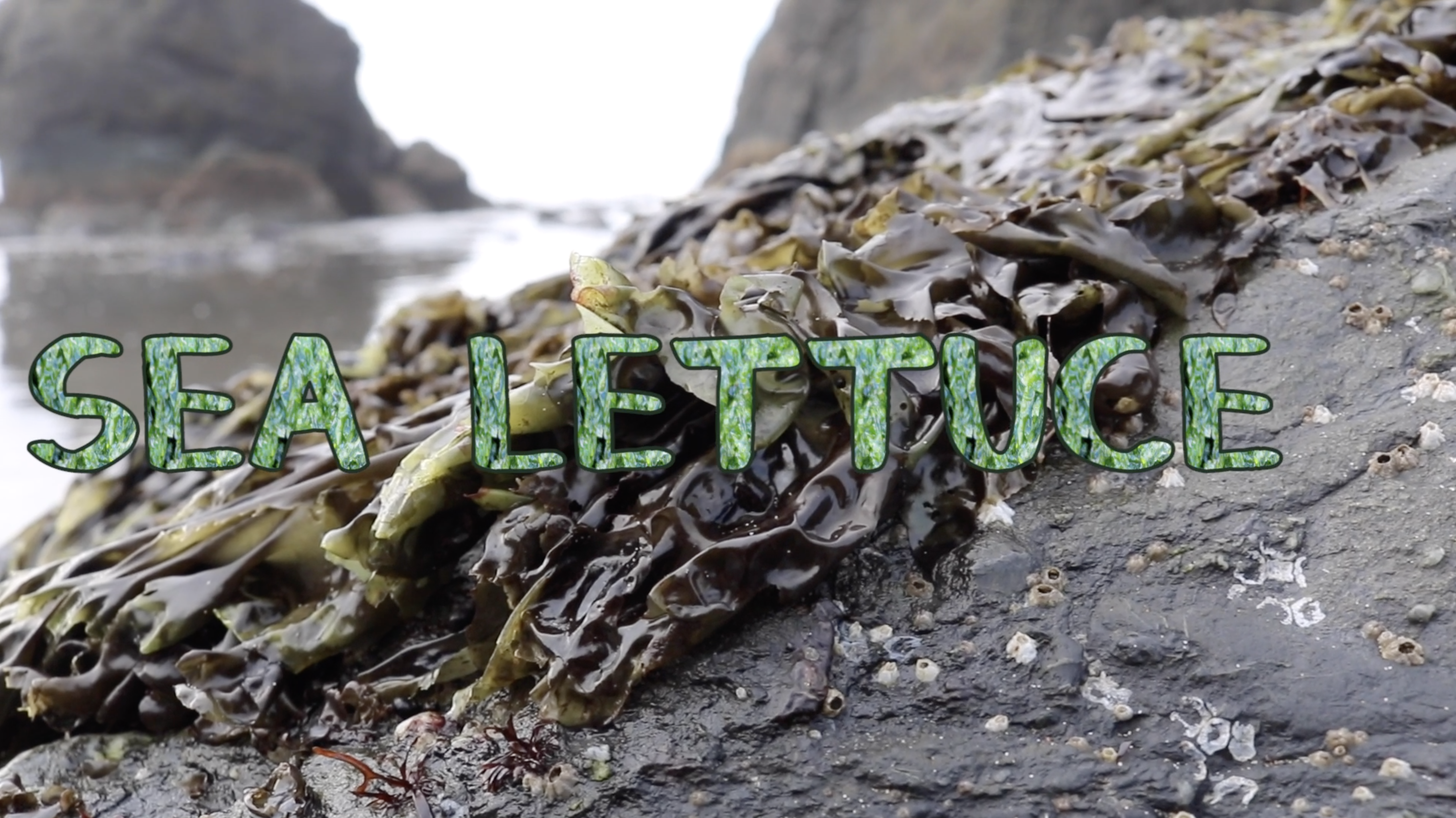
Before You Forage: Sea Lettuce
Everything you ever wondered about sea lettuce
Learning to forage for sustenance is a convenient and exciting way to spend a day. In Humboldt County you can find your next snack or meal on the coast or in the forest—if you know what to look for.
One easy item you can forage for is sea lettuce, an edible green algae scientifically known as Ulva lactuca. Sea lettuce looks similar to garden-grown lettuce, as it has ruffly, thin leaves that bunch together, forming a head.
This vibrant green algae is found along coastlines worldwide, typically in tidal zones on rocks and docks. Ollie Relfe, a British blogger and self-professed nutrition expert, says sea lettuce offers antioxidant qualities and is a great source of vitamins A, C and E, to name a few.
Sea lettuce thrives in areas with high levels of nutrients or pollutants, which makes harvesting for consumption depend on water quality. A bushel of sea lettuce from a remote beach is surely more pristine than a bushel harvested from the mouth of a boat harbor.
According to Capital Regional District, a Canadian governmental sustainability organization, sea lettuce is a valuable food source to numerous creatures. Grazing sea animals, including snails, amphipods and sea urchins, all rely on seaweeds like Ulva lactuca to provide nutrients. Too much sea lettuce can inhibit the growth of other seaweeds, especially when large, floating blooms block sunlight from reaching other oceanic plants below the surface.
As sea lettuce decomposes, it releases hydrogen sulfide, a chemical compound which smells like rotten eggs. The United States Occupational Safety and Health Administration says this toxic gas can be harmful to humans and animals alike, and can even be deadly in high amounts.
When foraging for anything, it’s important to take only as much as you need. Harvesting sea lettuce is no different. However, foraging for sea lettuce can help reduce its decomposition and subsequent toxic contamination.
It’s important to verify the safety of any body of water you plan on foraging in. You can do so by checking local biotoxin warnings. During hotter months, steer clear of consuming coastal collections due to potential red tide contamination.
You don’t need a fishing license to recreationally collect seaweed in California. The daily limit is 10 pounds of wet seaweed, and you must carry a scale with you to ensure you’re within regulation standards.
To collect sea lettuce, one needs a sharp knife and a bucket. Only harvest bushels that are large enough to leave some behind after collecting. Be sure to leave a good amount to ensure you don’t affect the holdfast of a sea lettuce head so the algae can grow back next time.
Before heading out to the coast to collect sea lettuce, check local regulations and make sure you aren’t harvesting on protected land.
-
Equity Arcata Holds Home Away From Home Potluck
Potluck seeks to bring together and welcome students to the community
Equity Arcata’s Home Away From Home Potluck is an event that happens four times a year. There are two during the spring semester and two during the fall semester. The purpose is to bring together all students, community members and local businesses and make them feel welcome within the community while enjoying a free meal.
-
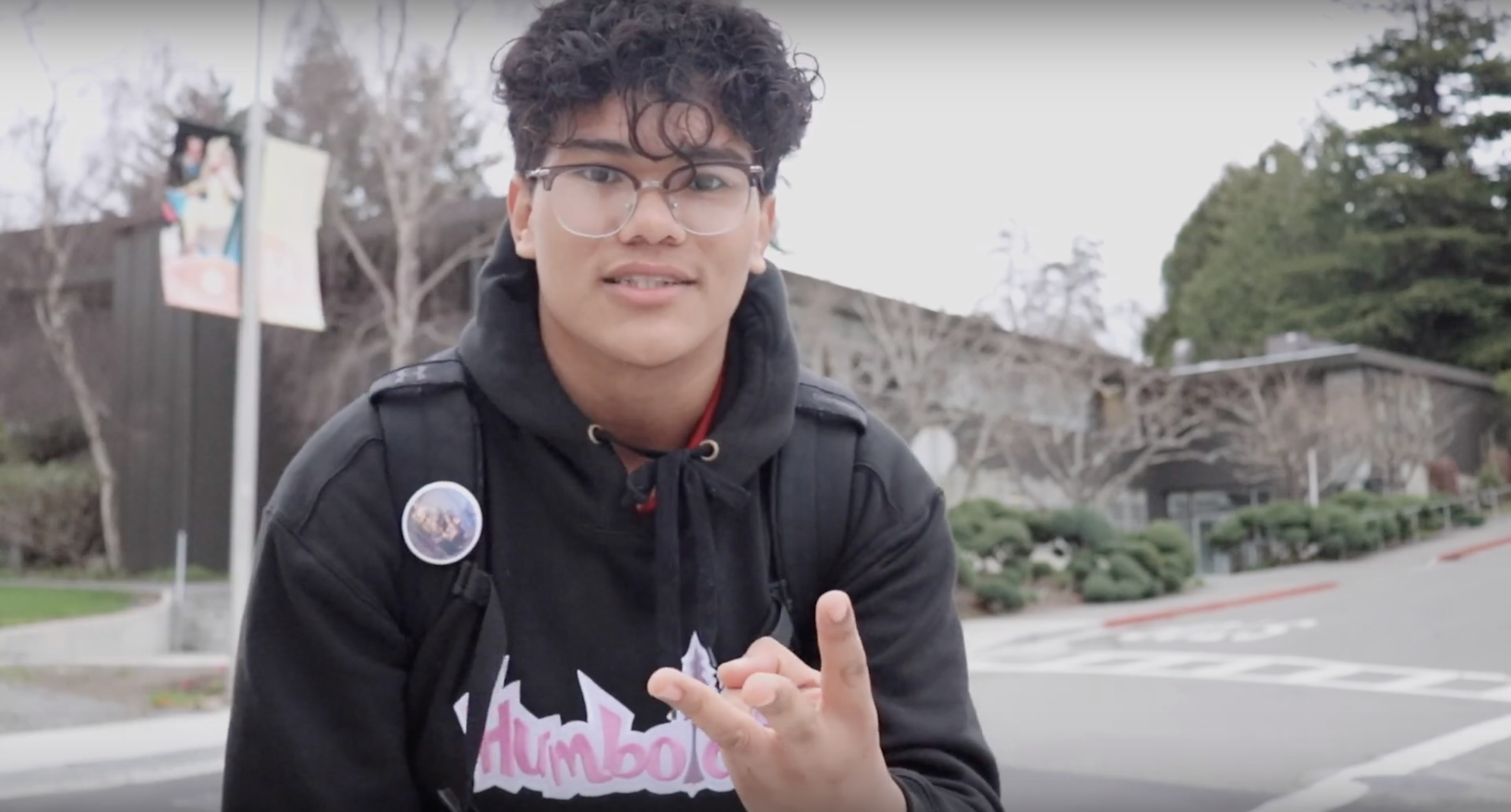
HSU Students’ Home Remedies
We asked HSU students for their home remedies to get over colds and flus
It’s about that time of year when empty seats and sniffles become a daily thing in class. Hopefully everybody is taking care of themselves during the winter, because the common cold or even the flu can creep up on you. I asked students and staff what home remedies and tips they use when they feel a cold coming.
-

HSU Confessionals: Student Apologies
If you had to apologize to someone, who would it be and for what reasons?
The Lumberjack asked Humboldt State University students if they had the chance to apologize to someone who would it be and for what.
Who would you apologize to?
-

Humboldt State Mascot Change
“It doesn’t have to be a human, and that way you don’t have to get into a big debate.”
Humboldt State University is known for its tree-filled campus and our lovable Lucky the Lumberjack mascot. However, some take offense to the patriarchal figure, so we asked HSU students what they’d replace our mascot with if Lucky were to be changed.
What would you change our mascot to?
-

Students’ Semester Speculations
“Getting back in touch with my friends. I think that’s the most important.”
The new semester has students feeling excited, nervous and distressed. We asked Humboldt State students what they were expecting from this semester.
What are you looking forward to the most this semester?
-

It’s hard to take your eyes off this art
By Sarahi Apaez
Sarah Arias, a senior art studio major and business administration minor is in a process of creating a piece for her advanced painting class.
Arias has created a series piece of gay lovers eyes. Eyes who belong to the Queer Trans People of Color (QTPOC) community. Arias is adding a twist to a late 1700s to early 1800s jewelry fad of necklaces, rings, and broaches which held small photos of their secret lovers’ eyes. Arias was inspired by a similar theme within her life and the lives of her POC friends who still struggle to come out to their families. For her friends, telling their parents about their lovers could jeopardize more than just their relationships, it could jeopardize their schooling if their parents pay for it. This lack of acceptance from Latinx parents results in lovers being kept secret.
To learn more about Arias and her work, watch the video below.