For better or worse, Big Sean is likely gone for good.
After taking a three year hiatus, following luke-warm reception to his 2017 album “I Decided,” and an overwhelmingly negative response to the collaborative album he released later that year with Metro Boomin – ironically titled “Double or Nothing” – Big Sean’s new album “Detroit 2” marks a permanent step away from superstardom.
Sequel to the 2012 mixtape “Detroit,” part two – the album version – delivers a much different experience in almost every regard. Each project boasts features from some of the biggest artists in the game at the time and each project features interludes from three highly respected entertainers, however, the similarities end there.
Previously rapping about fame, fortune and the fast-life, with 2017’s “I Decided.” Sean took his music in a new direction of peace, positivity and personal growth. Doubling down on these new themes in “Detroit 2,” Sean delivers his second solo-album in a row without an undeniable hit-record like “I Don’t Fuck With You” or “Clique.”
Leading up to the release of “Detroit 2,” Sean set the tone releasing “Deep Reverence,” featuring the late Crenshaw king, Nipsey Hussle. On the track, Sean opens up about his overblown beef with Kendrick Lamar, the baby he lost and thoughts of suicide. Sean, only displays this level of vulnerability once more on the song “Lucky Me,” where he speaks to his public break-up with R&B singer and current girlfriend Jhené Aiko and having been diagnosed with heart disease at 19-years-old. These topics are all left at the surface level and unfortunately, we never get to hear directly how Sean feels about any of it – only that he’s gone through it.
After focusing an entire album around the theme of reflection with “I Decided,” Sean captures his life path and what it’s cost him with an effortless delivery, resembling conversation, on the track “Everything That’s Missing.” Along with “Guard Your Heart,” “Full Circle” and “Feed,” in which he focuses on the conflictions within fame. These are the songs where Sean is in his element.
On the flip side of things, time and time again on this project, Sean falls short of a hit-record – lacking the undeniable catchiness factor on the song “Harder Than My Demons,” not giving Post Malone the entire chorus of “Wolves” or letting Travis Scott give up half-way through the hook on “Lithuania.” For someone with as much experience as Sean, it’s as if he’s actively trying to avoid a hit.
Fortunately, Sean saves the best for last, ending the album on an extremely high note, beginning with the song “Don Life,” featuring a strong verse from Lil Wayne and sampling the legendary Michael Jackson’s classic song “Human Nature.”
For the next track, “Friday Night Cypher,” Sean recruits 10 fellow Detroit MCs to rap over eight different beats that mostly cater to each artist. Sean delivers two of his best performances of the album on these songs and the latter is a moment not soon to be forgotten by fans of hip-hop.
With “Detroit 2,” Sean delivers a project more honest and open than anything he’s released before but at the cost of the quality of his music. After three years off, Sean’s musical abilities remain unchanged and his concept of quality has suffered. Most songs are ruined by a bad flow here, a lazy hook, poor arrangements or overproduction that make them hard to listen to outside of the context of the album.
An inside look at how Humboldt State students’ are staying busy with pandemic hobbies.
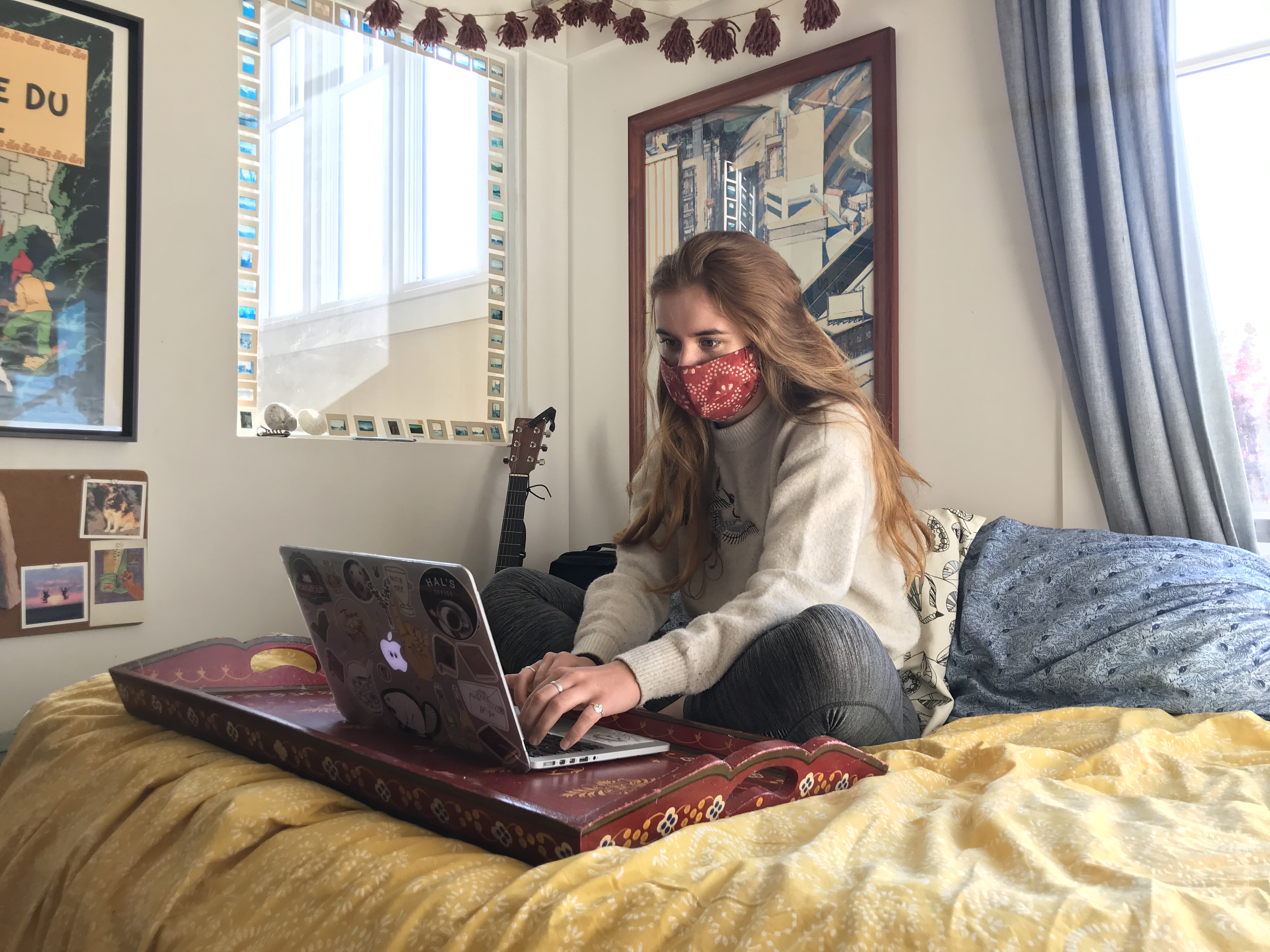
Just because life has begun to resemble a sci-fi movie, doesn’t mean students aren’t having fun. Abiding by COVID-19 protocol, students are cooped-up indoors more than usual. While video games, Netflix and sleeping becoming more common in the household, others have chosen instead to spend their time creatively.
Rebekka N. Lopez, a music education major at Humboldt State University, was the drum major for the Marching Lumberjacks in the spring. When classes were brought online and health-guidelines were put in place, the Marching Jacks’ season was cut short and they remain on the bench this semester. Undeterred, Lopez continues to practice through quarantine.
“That’s what I did almost every day this quarantine,” Lopez.
Lopez enjoys practicing as a hobby and intends to pursue a professional career in music. Recenty, she’s been learning to play new instruments.
“I play a couple, I play the flute and the saxophone mostly and, I’m still learning other instruments like ukulele, guitar, clarinet and piano,” Lopez said. “It’s my job to know even more than that so I’ve got a long way to go,” Lopez said.
Hobbies are not only great outlets for self-expression, they can also make it easier to co-exist with the anxious attitude of the difficult times we live in. HSU psychology major Madelynne J. Avila uses some of the extra time she has during quarantine to practice singing.
“For me personally, singing has always been an outlet for you know relieving stress and just kinda getting my mind off of whatever may be going on right now,” Avila said.
Along with singing, Avila also enjoys volunteering. In the spring, before quarantine, she volunteered at her local animal shelter and at a local wildlife rehabilitation hospital. Once quarantine started, volunteer opportunities were no longer available. She was able to transfer into the education department at Lindsay Wildlife Experience and continues helping those in need.
“Volunteering has been something that I’ve really wanted to do for a while, and really kinda just go all into it,” said Avila.
Jared Schroter, a sophomore at HSU, is an Eagle Scout with the Boy Scouts of America, the highest rank earned by completing various tasks and demonstrating expert survival skills. Schroter is also a leader in the Venture Scouts program, composed of male and female scouts between the ages of 14 and 21.
“I started to make a crew when I was 18 because I aged out of Boy Scouts,” Schroter said.
As the president of crew 200, Schroter continues to plan and hold meetings over Zoom, keeping him more or less occupied most days. Schroter also enjoys outside activities like golf to fill in gaps during the day.
“I’m horrible at golfing but I’ve become somewhat decent at it now,” Schroter said.
Being stuck inside for long periods of time is not healthy, so for students willing to follow social-distancing guidelines, like anthropology student Scarlet Chapman, they can still experience the joy of nature.
“I’ve been getting out a lot, spending a lot of time in nature,” Chapman said. “Been trying to put my phone down more.”
One of Chapman’s new quarantine hobbies is drying flowers. She got inspired to spend her time more creatively when she saw friends posting their hobbies on social media.
“I saw a lot of gardening on Instagram,” said Chapman. “And I was like ‘oh that looks fun’, so I’ve been adding to my garden outside,” Chapman said.
Quarantine can be an opportunity for personal growth for those willing to work for it. Finding the silver lining and keeping yourself on track will help repel negativity and boost morale.
“Just to know that even during quarantine you’ve improved on something or you’ve like gotten better at a certain skill, I think that’s really great for personal morale and you can only get so much from watching a show,” Lopez said.
HSU graduates attempt to navigate a world turned upside-down by COVID-19
In May, Humboldt State University graduated hundreds of students, as it does every year. Unlike past years, graduates didn’t get to shake hands with their respective dean and receive a diploma on-stage in front of their friends and family. Instead, the class of 2020 was graduated over a mass-Zoom call.
Claire Matulis graduated last May with a degree in psychology. She recalls the graduation experience as passable but regrets not witnessing it firsthand.
“It was interesting to have the Zoom graduation,” Matulis said. “I still had my family on, we had a Zoom going on watching the slideshow and there was a part of me that kind of wished I had the in-person graduation.”
For former HSU film major, Will Schorn, this was only the beginning of a long and winding road to finding a job. Schorn had an internship with the HSU football team as a videographer but got axed when the program was cut. He’s since gotten back on the market, looking for similar positions.
“With COVID impacting so many sports, especially if you’re not playing at the top level – if it’s not professional sports – it’s been really difficult to find a job filming sports right now,” Schorn said.
“It’s difficult for people to feel like they’re building community now because, like, I’m sitting here in my room by myself talking to a screen and even though I know I’m communicating to a person, there’s a different feeling to communicating this way than it would be sitting face-to-face.”
Madison Hazen
Other students have had less trouble finding work, even if it is remote work. Madison Hazen is one recent graduate who fits that bill. An anthropology and religious studies double-major, Hazen was able to land a job in English-language learning support and reading intervention support for elementary school students, through the AmeriCorps company. While Hazen feels very fortunate to have found a job at all, she’s not too fond of working in a virtual setting.
“At the school I’m at, I’m going to have like forty-plus coworkers, who are people I’m not going to see face-to-face at all,” Hazen said. “I think it’s difficult to feel kind of like you’re fully becoming integrated into that work environment.”
Although Hazen remains optimistic for the future of former students but admits that she misses interacting with other people in a physical space.
“I definitely took it for granted as a student and having the physical community taken away or being removed from the physical community really helped me appreciate it,” Hazen said. “It’s difficult for people to feel like they’re building community now because, like, I’m sitting here in my room by myself talking to a screen and even though I know I’m communicating to a person, there’s a different feeling to communicating this way than it would be sitting face-to-face.”
Like Hazen, Matulis was able to find a job in her field. Working as a child and family specialist for a non-profit called Evolve Youth Services, Matulis acts both as a mentor and a therapist for adopted kids. Unlike the others, Matulis is remaining in Humboldt for the time being.
“I love Humboldt and I’m actually really grateful that I’m here in the time of the pandemic,” Matulis said. “My family is in much more populated areas in L.A. and Riverside and Ventura. Here out on the trail, I don’t have to worry about there being as many people and I feel like everybody is very conscious of wearing their masks and keeping their distance, so I feel grateful to be here.”
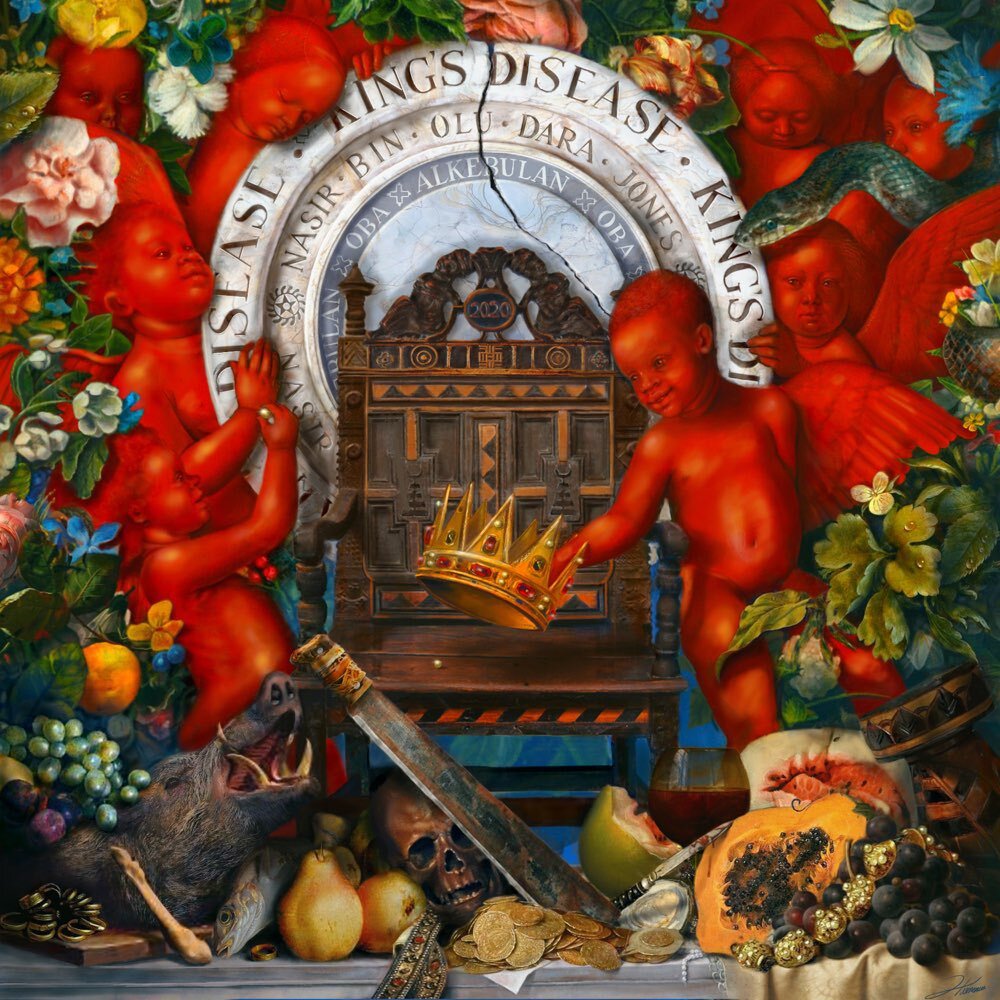
Regarded unanimously as one of the greatest rappers of all time and by many as having created the best hip-hop album to date with his 1994 debut, “Illmatic,” Nas has returned at the age of 46 with his studio album, “King’s Disease.”
More than eight years since his last full-length album, “Life is Good,” Nas has been more active than usual in the last few years. In June 2018, Nas released his seven-track “NASIR” album, executive produced by Kanye West, then followed it up with “The Lost Tapes 2” compilation album in July of 2019.
To set the tone for his new album, Nas released the lead single, “Ultra Black,” boasting the beauty of black life, a theme which is felt throughout the album and heavily featured on songs like “27 Summers,” “10 Points,” and the title track. In these songs, Nas lays down the definition of a true king: someone who is willing to work their way to the top, leave their baggage behind them and give back opportunities and knowledge to their people. In other words, a leader not a ruler.
Produced entirely by Hit-Boy, with occasional assists from other producers, “King’s Disease” features a mixture of old school beats on songs like “Full Circle” and “Car #85” and more modern instrumentals on tracks like “Til the War is Won” and “Spicy,” a New York anthem featuring hometown rappers Fivio Foreign and A$AP Ferg. To compliment the tone of the tracks, Nas recruits features for over half the songs on the album, including unlikely appearances from Travis Scott’s new artist Don Toliver and Big Sean on the track “Replace Me.” Nas also reunites his old group, The Firm, to please fans of the old-school, with nearly four minutes of uninterrupted bars, on the track “Full Circle.” The features that stand out the most, however, both in terms of their quality and the surprise of hearing their voice alongside Nas on a song are Lil Durk with “Till the War is Won” and Anderson.Paak with “All Bad.”
As Nas fans have come to expect, he delivers more of the signature story-telling style that caused hip-hop to fall in love with his music. He brings you into his world like no one else can with the songs “Blue Benz” and most especially “Car #85,” as Nas reminisces on life in the hood. Forever a part of him, mentions or allusions to the hood appear on the majority of the album, most powerfully on the track “Till the War is Over.” In this song Nas expresses his sympathies for single mothers and especially those who’ve had to bury a child, while Lil Durk provides the perspective of one of the children caught up in the streets.
Following the longest break between proper full-length albums in his career, Nas lays all his cards on the table, dedicating entire tracks on “King’s Disease” to addressing the ugly, prejudiced state of the world and reflecting back on his 27 summers in the game with “The Definition” and “The Cure.”
Around 7,500 people in the world can be considered one in a million with “King’s Disease,” Nas proves once again that he’s one of a kind.
Humboldt State University reopens campus and student housing for new incoming students.
Universities across the nation are experiencing a drop in enrollment this year due to COVID-19 and Humboldt State University is no exception. With around a thousand new students moved into single-occupancy rooms on Aug. 17, HSU remains determined on reopening campus and providing student housing for the fall semester.
Among those returning is second year HSU student, Bryce Hunt. Hunt lived on campus prior to in-person instruction ending and he knew he would be returning to campus.
“I had already made my decision internally,” Hunt said. “I knew a majority of my friends were coming back up and I needed to get out of my home and my hometown.”
For Hunt, the adjustment to life on campus during the pandemic has been fairly easy. While he admits the absence of resources such as in-person advising has been a hindrance, he feels the school is taking strong protective measures.
“I like that they’re offering free coronavirus testing,” Hunt said. “They’ve been open about the fact that they have had cases.”
Hunt feels that campus is safe as long as everyone takes proper precautions and follows the advised county health guidelines.
“Even with everything going on, I want to be here, because I’m happy here.”
Adrian Black
“I feel fairly comfortable,” Hunt said. “I know I’m taking the protective measures so I can to be safe. I don’t think it’s bothering me as much as it did after spring break.”
Adrian Black, a second year student at HSU, is staying off-campus but remaining in Humboldt. Without any in-person classes, Black made their decision partially out of want, and partially out of need.
“I don’t really have any other place to live,” Black said. “My parents don’t have room for me. Besides, I really like living here. Even with everything going on, I want to be here, because I’m happy here.”
While they had previously considered not returning to HSU after last semester’s disorganized attempt at online classes, Black decided to give this semester a try. Driven by both a passion for learning and a fundamental hunger for something to do, Black returned. However, they’re disappointed in the lack of resources and social-outlets available to students.
“A lot of the charm of being a student is being on campus, interacting with students and faculty,” Black said. “I feel like clubs and such are going to be lacking since we can’t do in-person meetings. It limits what types of clubs are allowed and accessible and puts a damper on social lives.”
With students and faculty better prepared for online classes, new precautions in place and the world adjusting to a new reality, they believe that it can be a good semester.
“I have high hopes, and I hope that by next year, things will have gotten better,” Black said.
Students stay home this semester with concerns of health and quality of education.
In the midst of the global pandemic, Humboldt State University students have chosen to stay home and attend classes virtually or not at all this semester, citing living expenses, health concerns and quality of education as factors in their decisions. Given most classes will only be offered virtually this semester, there’s much less incentive to be present on campus.
Ahead of their return, the HSU health department informed students of the risk in coming back to campus and the new safety protocol including wearing masks, practicing social distancing and a mandatory COVID-19 test followed by two weeks of self-quarantine upon arrival.
Calista Tutkowski, an environmental science major, is one of the students staying home and continuing her education online. Tutkowski’s family lives in Colorado and she decided coming back to campus wasn’t worth the risk. In her time on campus, Tutkowski made lots of friends that were also from out of state/from all over the country
“All of them coming back to one place felt like a recipe for disaster,” Tutkowski said.
While Tutkowski’s lab-classes were deemed deserving of in-person instruction this semester, her concern outweighed her desire to return.
“It just wouldn’t feel like a safe environment,” Tutkowski said.
In Colorado, she’s employed as an essential worker and frequently has to interact with customers that don’t abide by social-distancing protocols. Tutkowski also has the financial advantage of staying in her parents home and avoiding the cost of out-of-state tuition with the cost of housing in California, it wasn’t worth her return.
“It’s like pulling teeth with some people,” Tutkowski said. “I could just be making money here if I stayed home.”
Oliver McVay, a psychology student, online learning was never an option. The shift to online-instruction last semester in response to the initial outbreaks of COVID-19 cases, students like McVay, who suffers from a learning disability, were left to fend for themselves.
“There wasn’t a lot of face-to-face stuff,” McVay said. “It was more just, here’s the assignment, turn it on canvas by this day at this time.”
McVay experiences difficulty teaching himself the material and felt he wasn’t receiving the education he paid for, so he decided to take the year off.
“Last semester, I didn’t really learn anything from my online classes,” McVay said. “I just felt like it wasn’t benefiting me.”
Former HSU student, Chase Ervin, also found learning online too challenging in the spring and decided not to return for the fall.
“I knew that online schooling was going to be difficult,” said Ervin. “I went from like all A’s to all B’s and C’s.”
Students like Ervin and McVay require a proper learning environment to tap into their potential.
“I was lacking a lot of focus,” Ervin said. “There were a lot of distractions at home that I wouldn’t necessarily have at school.”
Whether students patiently await their return to the classroom or carry on pursuing an online education, it’s clear the virtual teaching methods do not benefit or cater to all students.
The hip-hop community rallies behind the Black Lives Matter Movement
When footage of an unarmed black man named George Floyd being murdered by police officer Derek Chauvin was uploaded to the internet on May 25, Black Lives Matter protests began erupting across the country and throughout the world. Given the role hip-hop plays in the black community, it’s natural that protesters adopt anthems from the genre to fuel their cause.
In the weeks following Floyd’s death, several members of the hip-hop community took their frustrations to the studio and created new anthems to further fuel the protests, notably including FTP by YG, Other Side of America by Meek Mill and The Bigger Picture by Lil Baby, all of which are raw reflections of the artists’ real experiences as black men living in America.
An unlikely protest anthem came from the late Pop Smoke, who was gunned down in his Los Angeles residence earlier this year. Thousands of New Yorkers took to the streets of Manhattan during the initial protests, chanting the words to the former rapper’s hit song “Dior.”
To celebrate Juneteenth, the holiday commemorating the abolition of slavery in the United States, Beyoncé released her own Black Lives Matter anthem, “Black Parade.” On July 31, she delivered an entire visual album titled “Black is King” celebrating the African race throughout history.
When the protests were at their height, another song from Beyoncé’s 2016 album “Lemonade” titled “Freedom,” featuring Kendrick Lamar, was also being played across the country. Along with Lamar’s own song, “Alright.” Another artist with a critically acclaimed album celebrating Black excellence in “To Pimp A Butterfly,” Lamar has remained suspiciously silent since the protests broke out, beside participating in the Compton Peace Walk.
Regarded alongside Lamar as one of the best and most progressive rap artists of the era, J.Cole chose a different path that landed both him and Lamar on the list of Twitter cancellation campaigns.
Afterwards, Cole admitted in a tweet, “[he hasn’t] done a lot of reading and [doesn’t] feel well equipped as a leader in these times.” Cole released a song on June 16 titled “Snow On Tha Bluff,” addressing both his own ignorance of the plight of his people, and the criticisms of an unnamed Black woman, quickly discovered to be Chicago rapper, Noname. On the track, Cole compels Noname to preach her knowledge rather than shame those unwilling to speak up and to share it with audiences outside of those that already have access. Cole’s “queen-tone” lyric, however, muddied the message with accusations of policing a Black woman’s tone and inspired a response track from Noname with “Song 33,” in which she questions how he could write about her in a time of such international tragedy.
As the Black Lives Matter movement carries into the fall, hip-hop continues to celebrate its roots, most recently with the release of the first official, full-length Nas album in over eight years, “King’s Disease,” preceded a week by his own Black Lives Matter anthem, lead single “Ultra Black.”
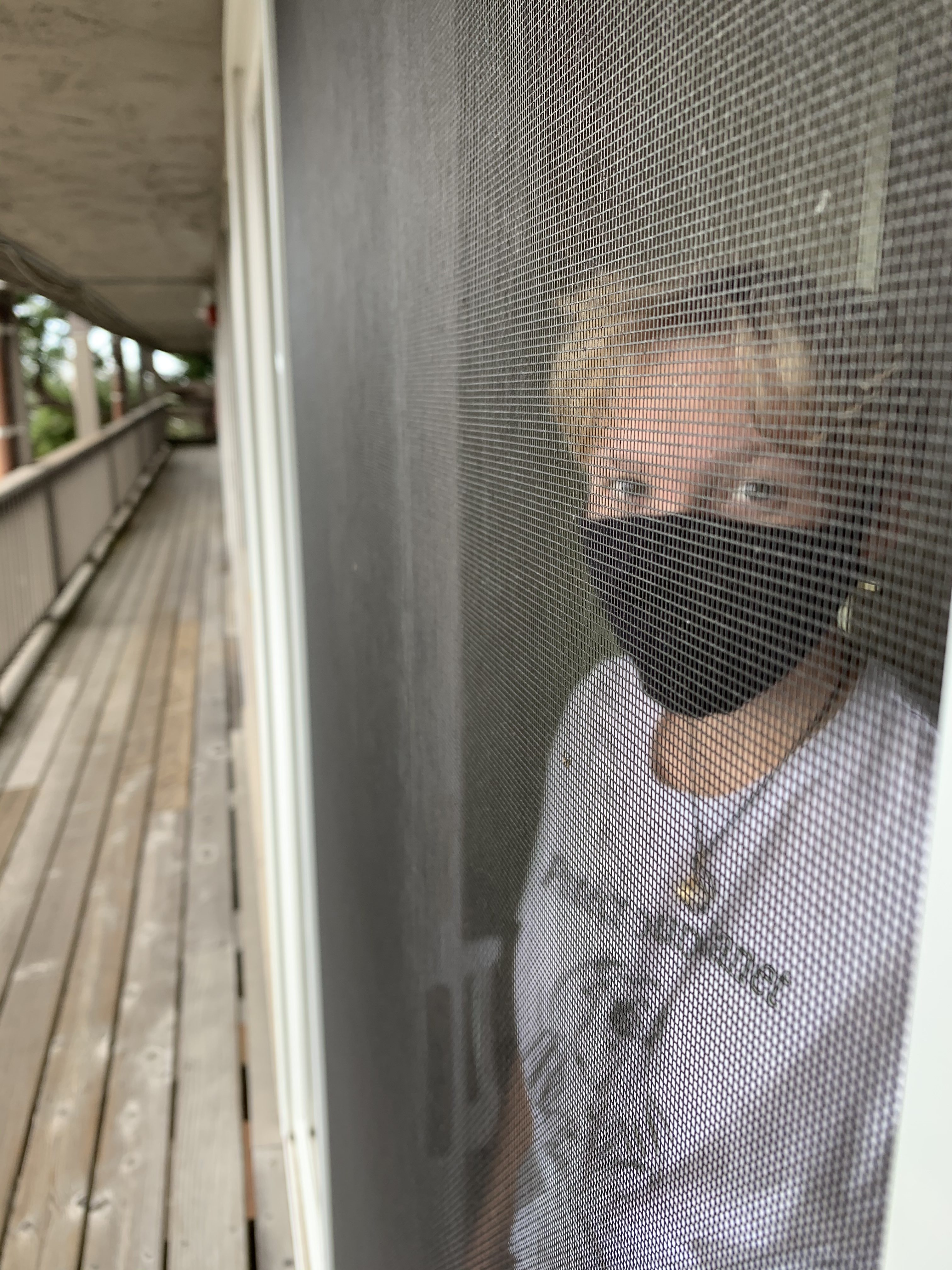
After losing the second half of my senior year to the pandemic and missing out on new friendships at a new school, I begin my college journey isolated in a campus apartment, where my only access to the outside world is through a screen door I’m not allowed to open.
Coming from dusty and deserted Western-Colorado, all I’ve wanted to do since I was accepted to Humboldt State University is explore. An area surrounded by redwood forests and ocean was a dream alone, but it’s also home to the majestic, wild banana slug – I had to see one! But first, there were a few things to do.
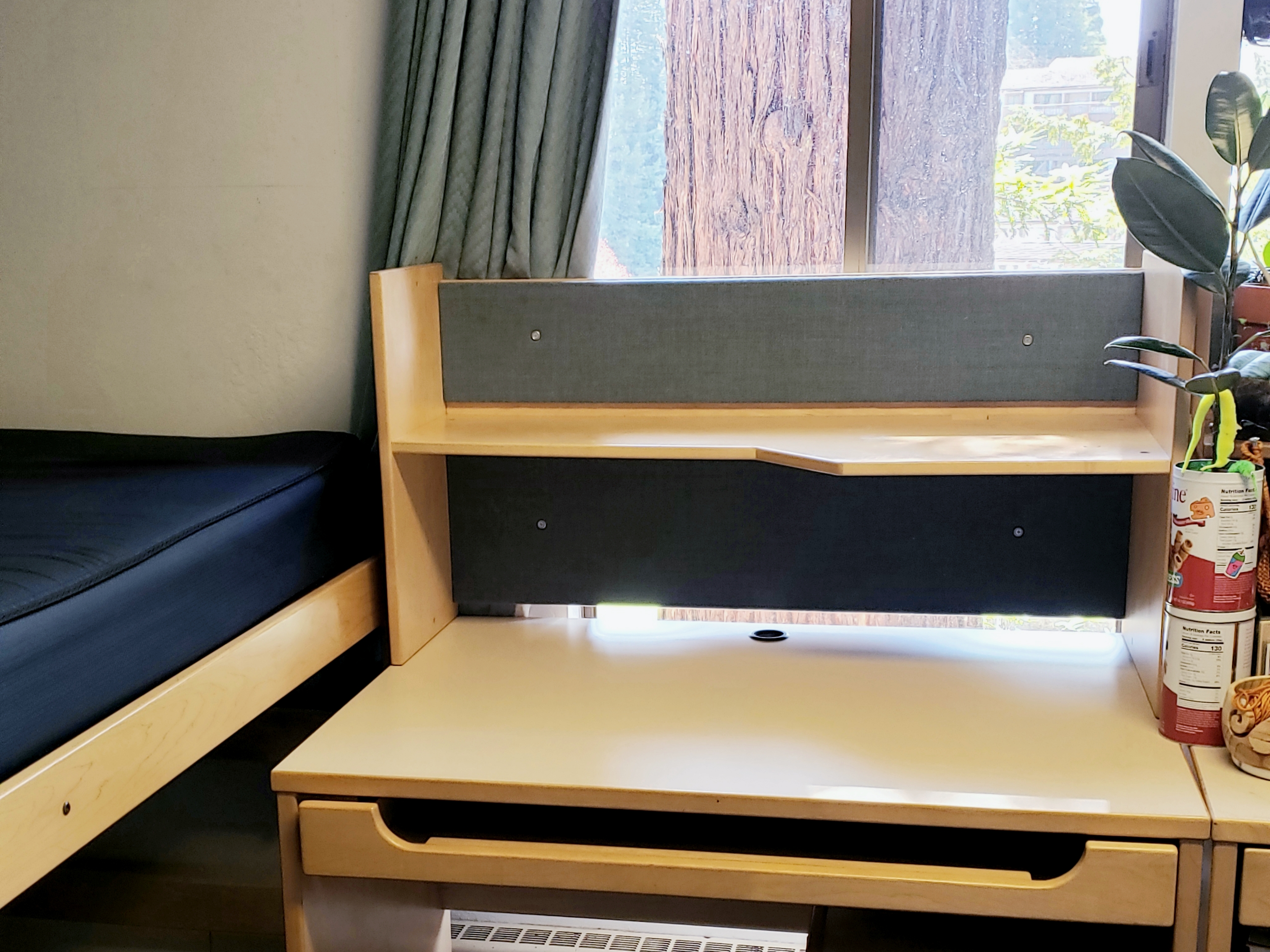
On Aug. 17, I took my mandatory COVID-19 test and excitedly began moving things into my dorm, arranging a plethora of houseplants and a cozy corner for my pet tree frog, Terra. Very quickly, this became my new home. Aug. 18 was orientation day – I’d quickly adjusted and felt ready to conquer the world at HSU. That afternoon, I explored campus and the forest, making not just one, but an entire slimy armful of banana slug friends. My dream had come true, at the cost of only a few tiny slug-bites.
Before my parents returned home on Aug. 19, we met at a local coffee shop to say goodbye; that’s when I received the call informing me my COVID-19 test had come back positive. It was as if suddenly the world started spinning; I was speechless. I never imagined it would be me who caught COVID-19; afterall I’m young and otherwise healthy. But this pandemic has taught us what we think we know to be true is often not the case.
I wish I could say we rushed to my dorm, but instead, we stepped out of line and just stood together in shock. It occurred to me, I’d experienced possible symptoms of the virus earlier in the week – shortness of breath, nausea, low appetite, fatigue and headaches – however, each is also a symptom of my anxiety-disorder and it’s unclear which was the cause. My parents asked questions, but all I could think was of myself and every person I’d seen, connected by a piece in my contaminated puzzle. Suddenly, guilt and anxiety filled my entire being. I began to suffer a panic attack.
It took a moment to start my car as I fought to catch my breath; my whole body felt as if it were collapsing. I called my boyfriend in Colorado but all he could understand was how afraid I was.
This fear was never for myself; this fear was for others. Fear for my parents, for my friends, for my boyfriend and his family – fear for people I passed in the grocery store and for those I worked with. I never worried about myself. I worry about the damage I caused, unaware I carried the virus. It all felt like my fault. It felt like I’d let down the entire world.
I was moved to a new room where I said goodbye to my parents and the company of others for at least a week. Over a thousand miles from home and yet it doesn’t seem nearly as far as the four walls separating me from beginning this new chapter of my life.
In a state of constant fatigue and boredom, I sleep most of the day, only waking when my phone rings. Doctors, health centers and housing, all call several times each day asking similar questions and often I can’t tell them apart. When you’re only allowed in one place, you don’t have much aside from your thoughts. Is this my fault? Did I do something wrong? Should I stay quiet about it? When will they let me leave this room?
My new room has a kitchen and a bathroom, a beautiful view through my screen door and plenty of food. HSU staff checks in consistently, doing everything they can to help me through this. I feel like I have a whole team of friends working to guarantee my health and safety.
Despite everyone’s help, I’m still on my own. My main source of optimism is knowing my isolation is protecting others. Recognizing how our decisions affect others is the first step in preventing the spread. Sure, a mask is uncomfortable, but so is being locked in a room for seven days and so is losing someone you love because precautions weren’t taken.
For those who don’t believe in COVID-19, it is real. It is harmful. It is possible for anyone to contract. We all believe we’re invincible until we’re not. My battle with COVID-19 continues, but I know someday I‘ll be able to step outside again and I will find another banana slug.
Drake drops surprise project, “Dark Lane Demo Tapes”
Nearly two years following the release of his last commercial project, “Scorpion,” Drake is back with more music than ever. Surprising fans April 30, Drake hopped on Instagram to announce his upcoming sixth studio album, set to be released this summer. He also announced a new mixtape, “Dark Lane Demo Tapes,” that dropped hours after.
Ashton Pomrehn is a Humboldt State University alumnus from the psychology department. His thoughts on Drake have dramatically changed over the course of Drake’s decade and a half long career.
“I love Drake,” Pomrehn said. “I tried to hate on Drake early in his career but he’s put so much good music out that I’m excited for anything he puts out.”
Kathleen Madrid is an environmental resources engineering major at HSU. She’s not the biggest Drake fan but she is heavily invested in the hip-hop genre and enjoys watching it evolve.
“I will say that I think he has been really influential,” Madrid said. “Drake really brought a different topic of discussion to hip-hop. Males are not traditionally encouraged to express their feelings and I think Drake gave young men that voice.”
Despite his undeniable contribution to the industry, Drake has received heavy criticism in the past over cultural appropriation of different regions’ music, beginning with his 2016 single “One Dance.” Despite featuring one the genre’s prominent artists, WizKid, Drake’s 10-minutes with afrobeats were seen by fans of the genre as a Hollywood actor taking the Broadway stage. The song was also a blend of Jamaican dancehall music – a style that Drake sprinkled throughout “Views” and his “More Life” playlist, without ever featuring an artist from the genre. Drake continued to catch flack for appropriation of UK Grime on “More Life,” however, the project features several guests from across the pond.
“There is a fine line between appropriation and appreciation. Paying homage or showing love may be necessary, but I think it’s more important to educate yourself before you participate in another culture’s genre.”
Kathleen Madrid
Drake set the tone for a possible new release in late Dec. 2019, with the track, “War,” taking the sound of the United Kingdom’s take on drill music and running with it. Similarly, on the song “Demons,” Drake hops on a New York drill beat, this time providing guest spots for the artists that popularized the genre. However, the missing presence of the recently-deceased leader of the movement, Pop Smoke, is heavily felt on the track.
Madrid acknowledges that Drake is in a tough position, but it’s ultimately his own decisions that repeatedly put him there.
“Cultural appropriation is a muddy concept,” Madrid said. “There is a fine line between appropriation and appreciation. Paying homage or showing love may be necessary, but I think it’s more important to educate yourself before you participate in another culture’s genre.”
In this new release, Drake pays his respects to some of the most prominent cities in modern hip-hop on “Dark Lane Demo Tapes,” with tracks like “From Florida With Love” and “Chicago Freestyle.” The later track was originally paired with the song “When To Say When” and released on Leap Day earlier this year as a music video. “When To Say When” samples one of Jay-Z’s most-famous tracks, “Song Cry,” and some of the footage from the video was shot outside the Marcy Projects where Jay-Z grew up.
Despite mixtapes almost always receiving significantly less care and budget than studio albums, when it comes to top-tier artists like Drake, fans still expect top-tier material. With features from Future, Young Thug and Chris Brown on the track list, fans will be let down to find out Young Thug only receives half a placement on the chorus of “D4L.” Chris Brown only provides a handful of background vocals on “Not You Too” and of Future’s two verses on the project, his better performance is significantly shorter. Despite consistently creating a dominant presence on songs where he is featured as the guest, including “Life Is Good,” “No Guidance” and “Going Bad,” Drake has proven unwilling to provide artists with a fraction of space on his own records.
With an entire album on the horizon, a number one record with “Toosie Slide” and a classic track with “Losses,” Drake fans have nothing to complain about – drill fans, however, are a whole other story.
The pandemic forces people to re-imagine their birthday plans
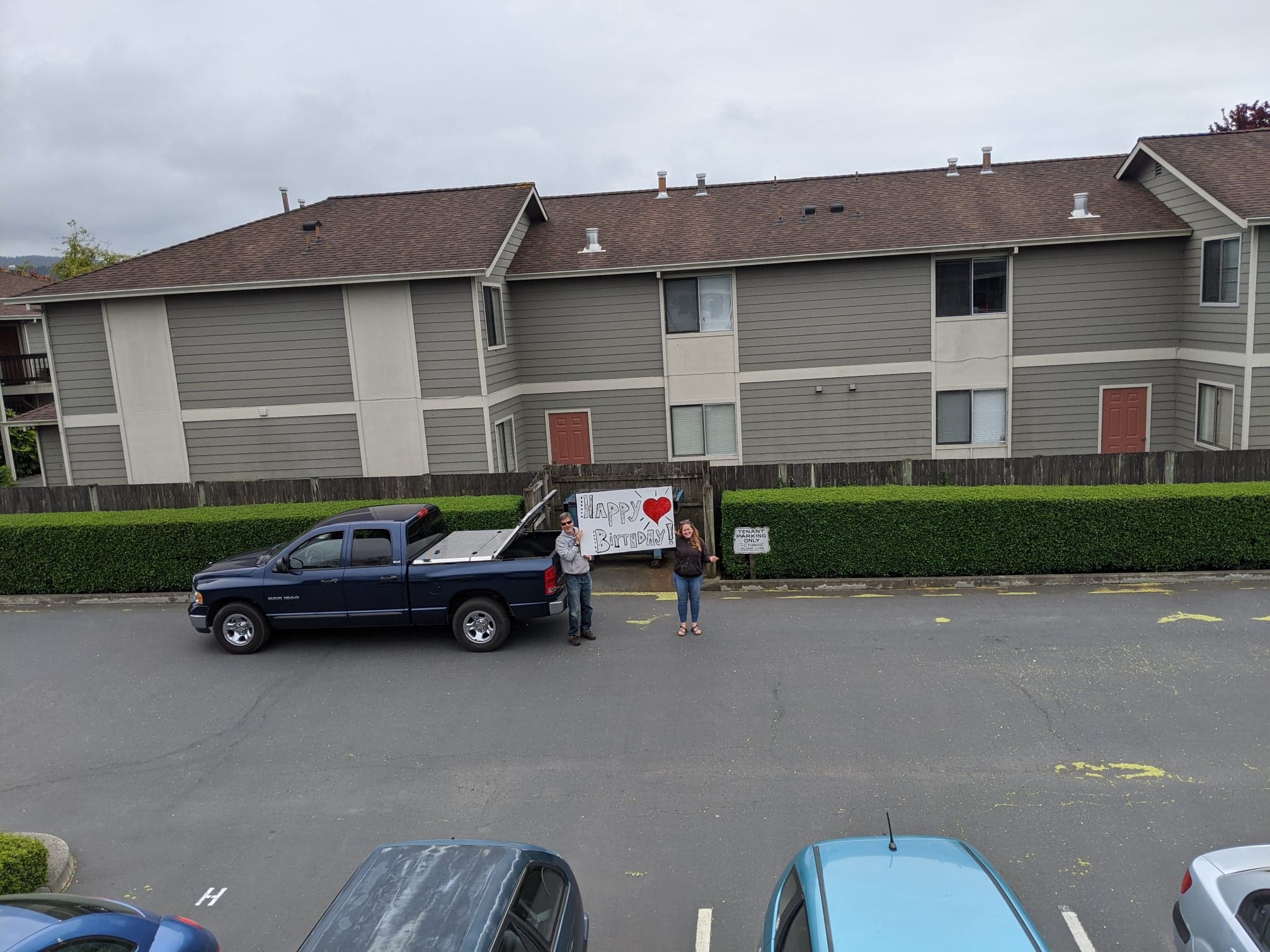
When it comes to a birthday, you’d expect a party, a night out, a small get together with friends and family, or maybe a chill day at home. Unfortunately, with social distancing still in order, celebrating alone is the closest option to a party.
Because social distancing is still in order, many have had to accept the fact that their big birthday plans aren’t going to happen anytime soon. Without the streamers and drinking games, people have found ways to remain somewhat festive on their special day. While some have taken to Zoom for video chat parties, others have spent their day with their fellow quarantine pals.
Tracy French’s, a Humboldt State University alumna from the geology department, birthday was on April 30. French celebrated it with her two good friends, who are also alumni, and have birthdays that same week.
“My birthday was on April 30,” French said. “It’s one day after a friend’s birthday, and the day before another friend’s birthday.”
The three had originally planned for a big get together, and reserved the Arcata Common Hall for a huge party. With entertainment and plenty of drinks to go around, it would’ve been one heck of a birthday bash.
“We were planning on getting a live band called ‘Old Dog’ at the Arcata Common Hall,” French said. “I went to Facebook and invited over 150 people, but that got cancelled.”
Instead, French spent her day enjoying the warm sun in her backyard along with her friends.
HSU psychology major, Shelley Magallanes, was hoping to have a night full of fun back home in Los Angeles for their 21st birthday. With social distancing likely to be in order, Magallanes had to cancel their original plans.
“Because I’m turning 21 I was planning to have a big thing with friends,” Magallanes said. “We’d go into LA and go clubbing.”
“I had plans to go to the bar with some pals on my 21st to see what it was all about. I had planned to have 30+ people invited to my birthday.”
Bryan Gambrel
Magallanes plans to return home around June, but with their big plans ruined by COVID-19 they’re preparing for the second best thing, spending it with the people they love most.
“I’ll probably end up spending it with my family,” Magallanes said. “Maybe go swimming and eat some cake.”
Bryan Gambrel, a junior at HSU, originally planned his celebration to be like any other 21st birthday, going out for a drink — legally.
“I had plans to go to the bar with some pals on my 21st to see what it was all about,” Gambrel said. “I had planned to have 30+ people invited to my birthday.”
Because of social distancing, going out was a no-go. Regardless, he was happy to celebrate his birthday with a small gathering of close friends and some quality-time with his mother.
“The most memorable thing was having my mom and I build a garden bed out of spare wood palettes I’ve collected. It was a fun, crafty project,” Gambrel said. “While it was much smaller than I was hoping for, it was very memorable.”
For those celebrating birthdays during this time, something as simple as a phone call or a video-chat can make all the difference. Drinking with roommates and creating fun games, or even sitting out on a nice sunny day can make this year’s birthday a bit more pleasant. No matter how you decide to celebrate, stay safe and it will definitely be a birthday to remember.
A recipe for when you have too many bananas and don’t know what to do with them
I’ve read enough recipe blogs to know you open a recipe with an autobiography.
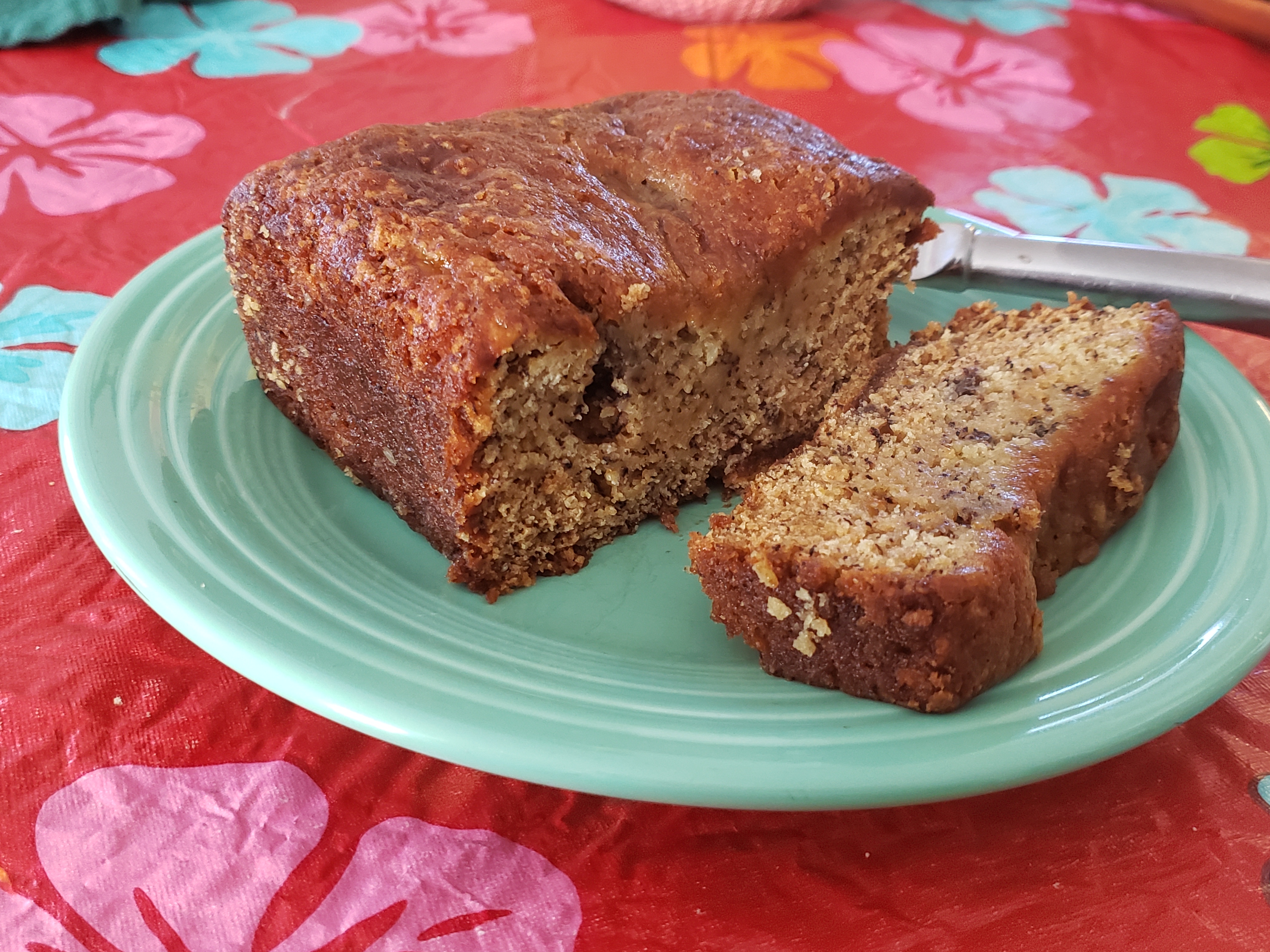
It all began when the plague hit. I panicked and bought too many bananas. This was immediately followed by remembering I don’t even like bananas that much. However, I do love bread, and banana bread works best with bananas just on the brink of going bad. Assuming you were able to gather the energy to wear socks in isolation, here’s a recipe that will knock your socks right off.
With no further ado, here’s the “Oh No, I Bought Too Many Bananas—Banana Bread” recipe (this yields 2 loaves):
Ingredients:
4-6 very ripe bananas, mashed 2 cups sugar 2 eggs 1/2 cup vegetable oil 3 cups flour 2 tablespoons baking soda 2 tablespoons salt
walnuts or chocolate chips, to personal preference (optional)
Directions:
1. Preheat the oven to 350 degrees and grease two loaf pans. 2. In a large bowl, combine bananas, sugar, eggs and oil. It will look lumpy, and that’s OK. There’s bananas in there—there’s only so much you can do. 3. In a separate bowl, combine flour and baking soda. Fold into the banana mixture and combine until no dry ingredients remain. 4. Add salt and any additional, optional mix-ins, and combine thoroughly.
5. Bake for an hour or until a toothpick inserted into the bread comes out mostly clean.
There’s no time like the pandemic to get a start on a starter
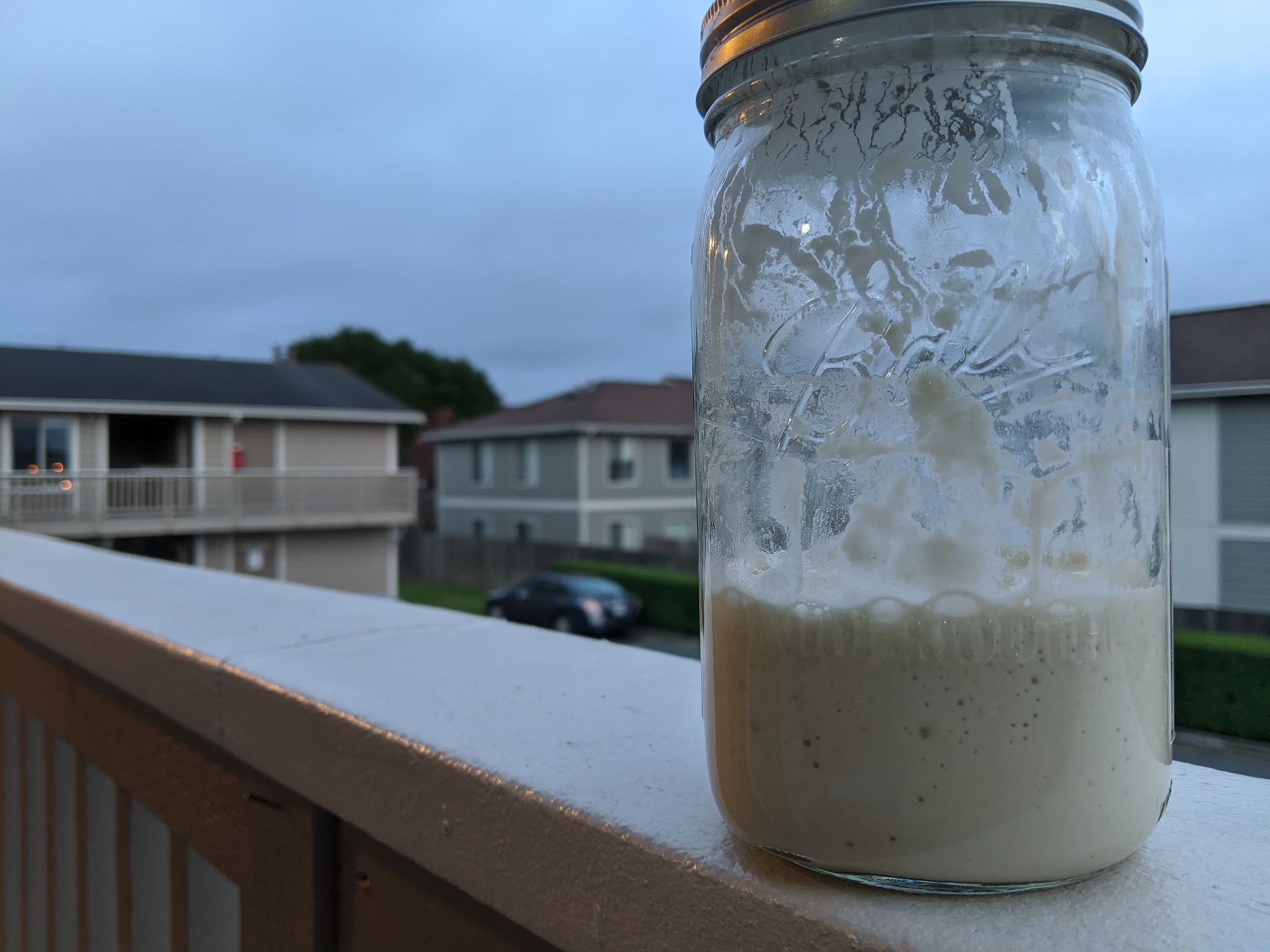
Sourdough starters are a great project for the apocalypse, as yeast and other baking materials are becoming hard to come by. Hopefully you’ve still got that bag of flour sitting in the back corner of your cupboard, because with just a couple minutes of work a day, you’ve got yourself a sour new addition to the family. After day seven, your starter will be ready for use in bread, pancakes, muffins or any other baked good that includes flour and water.
Ingredients and supplies:
Flour
Lukewarm water (around 85 degrees Fahrenheit)
A scale
A mason jar with a lid
Patience
Directions:
Day 1 – Beginning the starter
Weigh your jar empty, without the lid, and write the weight down
Add 100 grams of flour to your jar
Add 150 grams of lukewarm water to your jar. Mix thoroughly until combined, making sure you don’t leave any clumps
Attach lid loosely to the jar (not too tight, or you will make a bread bomb)
Wait 24 hours
Day 2: Feeding the starter
Remove starter from your jar until there is 70 grams of the starter remaining (that’s 70 grams added to the original weight of your jar)
Add 100 grams of flour
Add 100 grams of water
Mix thoroughly until combined without clumps
Attach loosely fitting lid to jar
Day Three: Onwards
Repeat instructions from day two until you forget for a couple days and accidentally kill it.
Tips
Your starter can range in smell from yeasty “footy-ness” to a nail polish remover or a boozy smell which changes from day-to-day.
Adding a little more water or a little more flour will affect the scent and taste of your dough drastically.
Excess starter removed during feeding is perfectly safe to eat after being fried in a bit of oil. It makes wonderful fry bread with a bit of a funnel cake consistency.
Keep your starter in a warm place. Warm temperatures encourage fermentation, and cold temperatures can kill your starter.
DaBaby releases his third album in 13 months, “BLAME IT ON BABY”
Capitalizing on a unique sound and unique circumstances, with COVID-19 providing more available listeners than ever before, DaBaby is flooding the market—a strategy that’s proven most useful to artists like Lil Wayne and Young Thug in the past. Coming less than seven months after his previous effort, “KIRK,” and only a year after his extremely successful debut, “Baby on Baby,” DaBaby has returned with his third album, “BLAME IT ON BABY.”
Since his introduction to mainstream hip-hop with his platinum-hit-record, “Suge,” DaBaby has kept his name relevant in the media with a string of negative headlines, most recently “accidentally” slapping a female fan. Despite the negative nature of these incidents, each headline only seems to contribute to his success.
A great deal of DaBaby’s launch into the mainstream can be credited to arguably the most impressive feature run from a rookie, landing himself a verse on songs with the likes of Chance the Rapper, J. Cole and Post Malone and playing a standout role on each of the associated albums. This earned DaBaby the attention of hip-hop fans everywhere.
“He’s just different from everybody else—his style, the way he goes about it. I just like him cause you can never tell what direction he’s gonna go with it.”
“BLAME IT ON BABY” is still mostly filled with the party music that we expect from DaBaby, with raw lyrics about guns, girls and guap laid over high-energy beats intended to be played at high volumes.
Jesus Ontiverof plans to transfer to Humboldt State University after completing the nursing program at College of the Redwoods. As a casual fan of DaBaby, Ontiverof enjoys all his music.
“He’s just different from everybody else—his style, the way he goes about it,” Ontiverof said. “I just like him cause you can never tell what direction he’s gonna go with it.”
“A lot of his music sounds the same, which is kind of a bummer. But I do like some of his shit when he mixes it up.”
Jay Coch, kinesiology major
HSU kinesiology major Jay Coch has a different view and experience with DaBaby’s music.
“A lot of his music sounds the same, which is kind of a bummer,” Coch said. “But I do like some of his shit when he mixes it up.”
Even though Coch wasn’t eagerly awaiting the new release, he can’t knock the hustle.
“For him, it seems like he’s being pretty successful putting out a lot of music,” Coch said. “A lot of people like that. They’re like ‘Drop more music, drop more music,’ but it would be cool [if] he took a little more time and really mixed it up and thought about his lyrics more, and actually put himself out there as a musician more than just a big name in the rap industry.”
Despite having its moments on the song “ROCKSTAR,” with a feature from the other hottest new name in rap, Roddy Ricch, and another feature on the song, “NASTY,” with DaBaby’s biggest featured guest to date, Ashanti, “BLAME IT ON BABY” is easily his most forgettable album yet.
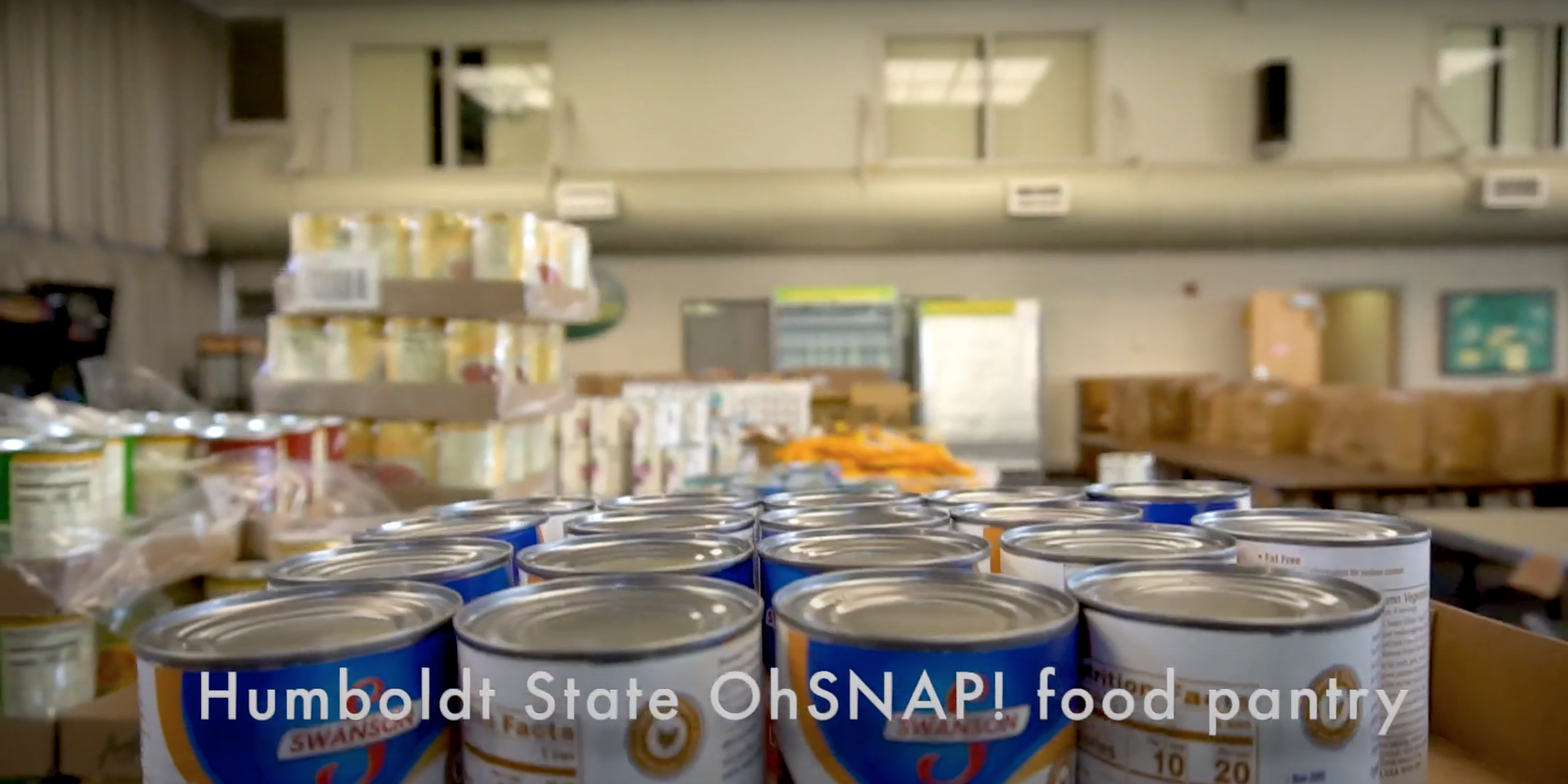
On-campus food pantry provides for students in need
With the J dining hall closed and grocery stores inducing anxiety, some students are relying on Humboldt State’s OhSNAP! pantry for food.
OhSNAP! will remain open for the rest of the semester, serving students Wednesdays from 10 a.m. to noon and Thursdays from 1 to 3 p.m. on the bottom floor of the Jolly Giant Commons. OhSNAP! can also deliver food directly to you if you can’t make it to campus (email mira@humboldt.edu for more information).
Pasta, the go-to, easy-to-do meal, but with avocado
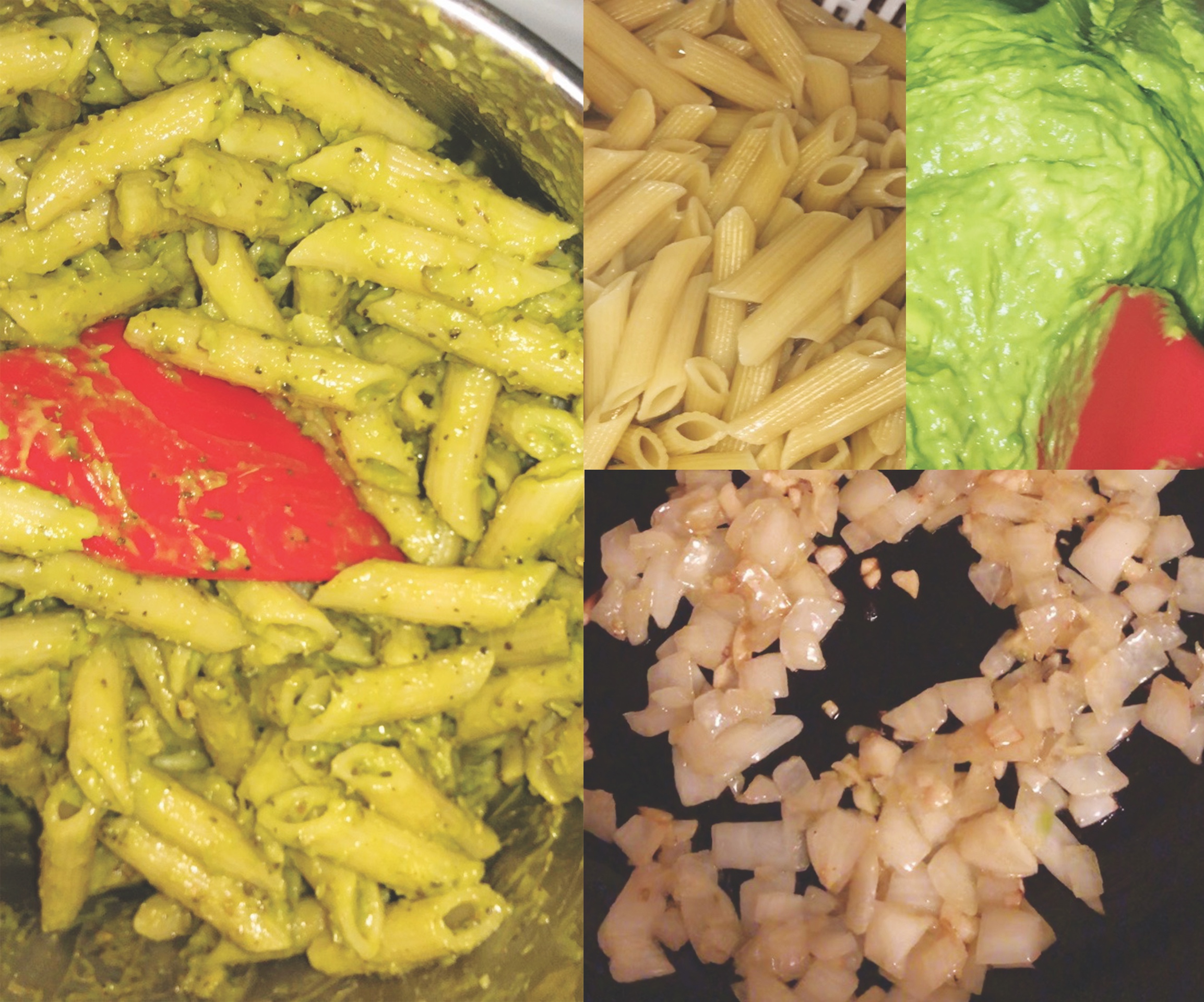
Pasta is the go-to meal when nothing else sounds good. I’m sure many of you have eaten pasta during quarantine—it’s just so convenient. However, it’s nice to finally switch it up a bit after having the same ol’ spaghetti for days on end. A sauce I discovered a while back is an avocado-based sauce. At first I was a bit skeptical, but then I thought “I love avocados and I love pasta, it shouldn’t be that bad.” After looking through and trying out a few recipes online, I got the hang of it and decided to just do it on my own. With a few modifications, I have a great recipe for you to try. It’s simple, fast and delicious.
Awesome Avocado Pasta recipe:
Ingredients:
2 ripe avocados
1 whole yellow onion
3 cloves garlic
2 teaspoons of lemon juice
1/4 cup of olive oil
1/2 a box of penne rigate or regular spaghetti (more or less depending on how hungry you are)
Seasonings:
Salt
Pepper
Oregano
Basil leaves
Cayenne pepper (for a little spice)
Directions:
1. Dice the onion along with three cloves of garlic.
2. Grab a medium sized pan, coat it with a tiny amount of olive oil and turn on the burner. Once the pan is hot, add in the diced onion and garlic. Cook until the onion is caramelized. Once caramelized, turn the heat off.
3. Grab a blender. Slice and open the 2 avocados. Scoop the avocados in the blender, then transfer the cooked onions and garlic from the pan to the blender. Add 1/4 cup of olive oil and 2 teaspoons of lemon juice and blend until the sauce looks smooth and creamy.
4. Once the sauce is ready, start the pasta. Grab a pot and bring the water to a boil. Add in your pasta and follow the directions on the box.
5. After the pasta is cooked to your liking, drain and put back in the pot. Take the avocado sauce from the blender and spoon in to the pot of pasta.
6. Add in spices to taste and stir (remember to taste as you go).
7. Once it’s seasoned to your liking, get a bowl and enjoy!
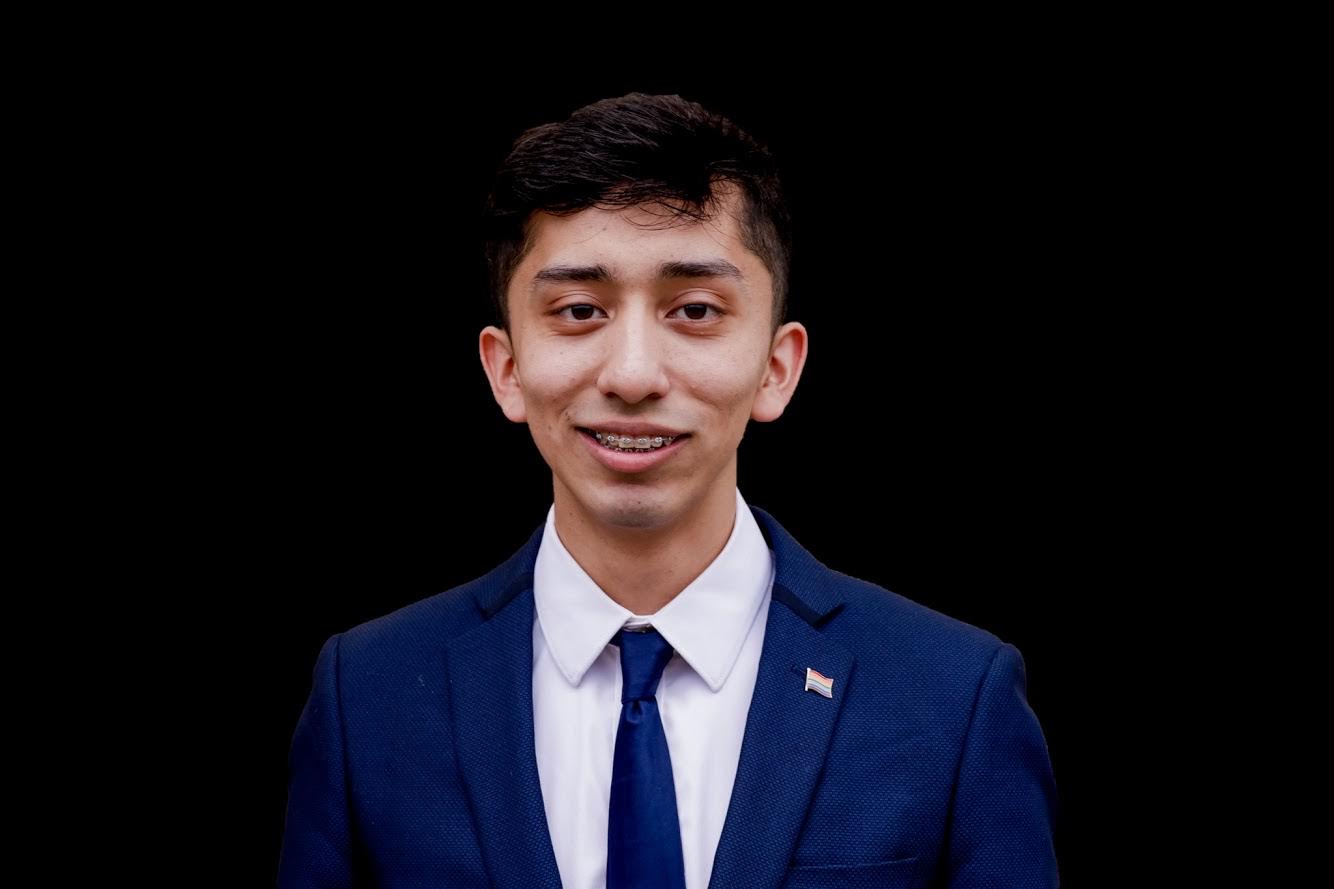
Giovanni Guerrero makes his case for the Associated Students presidency
Born and raised in southern California, Giovanni Guerrero is an openly gay, first-generation Latinx student. Coming to the end of his junior year, this is Guerrero’s first time running for a position with Associated Students, and he’s aiming straight for the top—the presidency.
While Guerrero lacks a background with AS, he might make up for with a background working with the Federal Government. Last summer, he attended an internship with the Bureau of Land Management Eastern States division in Washington D.C. The division is an office of the BLM, a branch of the Department of the Interior. He spent time working with fellow interns in a geospatial segment of the Eastern States division—work that involved collaborating on several projects simultaneously.
As an environmental science major, Guerrero brings preservation into the discussion as the foundation of his platform.
“We have resources on this campus that help those students. And I think it’s very essential that we prioritize those resources and make sure that those resources aren’t seeing drastic reductions.”
Giovanni Guerrero
“We have some terrific resources on this campus, but over the next two years we’re gonna be facing $20 million in budget reductions, and that’s a big, scary number,” Guerrero said. “Those reductions will probably come in the form of student interests. So, it’s very important that we recognize the challenges that we’re gonna face, and we’re very vocal about it so that we can protect important resources.”
Humboldt State University is home to many students in need, including those facing housing and food insecurities, as well as mental health issues.
“We have resources on this campus that help those students,” Guerrero said. “And I think it’s very essential that we prioritize those resources and make sure that those resources aren’t seeing drastic reductions.”
Guerrero advocates for more energy to be spent on the promotion of these resources. One idea is to feature a ‘program of the week’ on the HSU homepage because the current navigation system does little to support them.
“I really wanna focus on promoting what Humboldt State has to offer,” Guerrero said. “Because our resources can’t serve the students that they’re meant to serve if they don’t know they exist.”
“I think he would be a great leader because he understands the complexities in debates, that sometimes we have to find productive ways to maintain arguments we can’t end, and because he is so eager to make HSU a better place for students who feel left out.”
Aaron Donaldson, debate team coach
As the only upcoming senior running for the position, Guerrero has the most respective experience on the HSU campus and the challenges faced by its students.
“I’ve been very fortunate to experience different areas around campus,” Guerrero said. “It’s really opened up my perception to how diligently students are working.”
As well as working for Recreation Sports on campus, Guerrero also worked at the J. He’s also involved in several student clubs including the running, climbing and debate clubs.
Aaron Donaldson, coach of the debate team, praised Guerrero as a genuine, sympathetic listener.
“I would describe Gio as thoughtful, careful as an advocate and a good student,” Donaldson said. “I think he would be a great leader because he understands the complexities in debates, that sometimes we have to find productive ways to maintain arguments we can’t end, and because he is so eager to make HSU a better place for students who feel left out.”
If elected president, Guerrero intends to improve HSU’s social media. That way students interested in attending the university will know what the campus has to offer. He advocated that all students take advantage of the opportunities at hand, especially clubs.
“His ability to anticipate, plan for and respond to issues in dynamic and creative ways makes him an asset to any group or team he chooses to be a part of.”
Katherine Earle, Recreation Sports
“Clubs have really helped me to connect with other people, and I think they’re really essential to building community on campus,” Guerrero said. “That leads to retention as well. If you feel connected to your campus and where you live and where you study, then you’re more likely to stay.”
One of Guerrero’s bosses at Recreation Sports, Katherine Earle, spoke highly of his performance.
“Gio has already proven himself to be an effective leader while working for Rec Sports at HSU,” Earle said. “His ability to anticipate, plan for and respond to issues in dynamic and creative ways makes him an asset to any group or team he chooses to be a part of.”
Another priority for Guerrero, as president, would be to ensure the security of student jobs.
“A lot of students depend on those jobs and I think the more opportunities we have on campus, the more attraction we will get at HSU, and more retention,” Guerrero said.
One of the biggest short-comings of AS, according to Guerrero, is active student engagement.
“You could probably go up to any student on this campus and ask them, ‘Do you know what an Associated Student does or who they are?’ And they’ll probably tell you ‘No, I have no idea.’”
Guerrero wants to create avenues to engage with the student body and inform them on what’s going on at an administrative level and within AS.
Guerrero said this will help prioritize what students want from AS. If he wins, Guerrero is aware he has his work cut out for him, and he said he’s up for the task.
“I’ve faced a lot of different barriers and a lot of different challenges, and just in general, it’s really helped me to be a resilient person,” Guerrero said. “And I think that’s the key to success. Cause you’re gonna face a lot of obstacles throughout life, and have to learn how to handle those obstacles.”
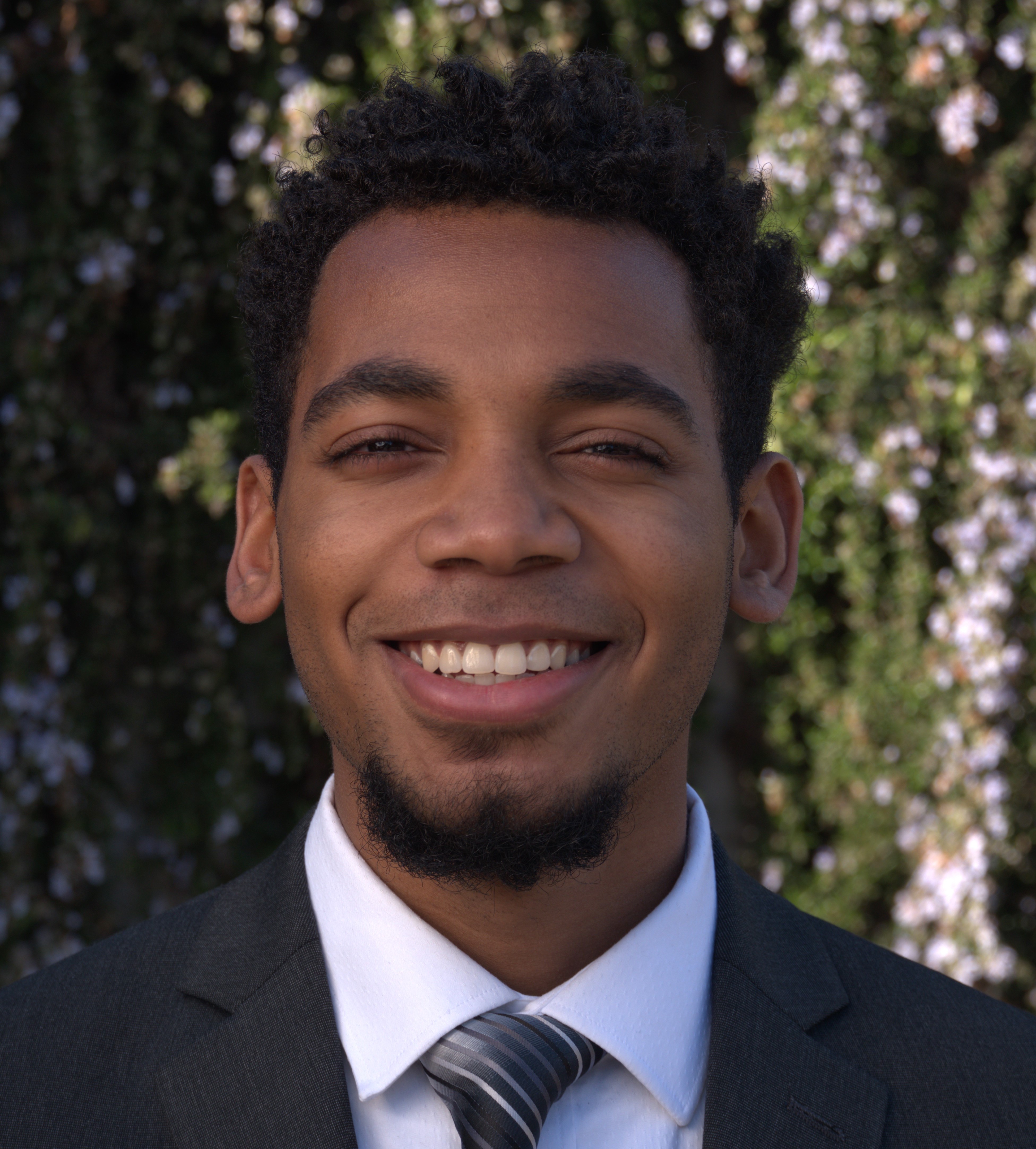
Associated Students Legislative Vice President Jeremiah Finley runs for the presidency
Former Vice President of Student Affairs and current Associated Students Legislative Vice President Jeremiah Finely has placed his hat in the race for the 2020-2021 AS presidency.
Majoring in political science, Finley’s passion for politics can be traced to the last presidential election.
“When I watched the 2016 race, I think something just awoke within me,” Finley said. “It got nasty, it got dirty, and that’s something that I don’t want to see happen ever again.”
“When he walked into our first meeting, I knew he was going to be a great leader then.”
Jourdan Lamar, Resident Hall Association president
A sophomore in high school at the time, Finley didn’t put his passion into practice until arriving at Humboldt State University. In his first semester, Finley became president of the Cypress Hill Council after attending the info session and receiving encouragement from the council to run. Current Residence Hall Association President Jourdan Lamar first met Finley when he joined the council.
“When he walked into our first meeting, I knew he was going to be a great leader then,” Lamar said. “He was advocating, asking questions, joining other organizations to learn more about HSU. Since then, I have had the opportunity to work alongside him in many organizations on campus, seeing him become a great student leader.”
From day one, despite the threat of consequences, Finley said he’s made it his number one priority to place students’ interests first.
“Due to this I have been penalized a lot, in various different ways,” Finley said. “Whether it be not getting the votes I needed to pass certain legislation, or not receiving the same type of social treatment. Ultimately, I bet on the students consistently. I think that all my students are worth it.”
Jeremiah is a super bright and motivated student leader, both in AS as the legislative VP and housing as an RA. On multiple occasions, he has combined those roles by educating his residents about current issues on campus as well as bringing his residents to campus events.”
Jenessa Lund, executive director of Associated Students
Finley began making regular visits to the AS office in his first semester on campus, familiarizing himself with the organization. He attempted to apply for the position of social justice and equity officer, but was turned down due to lack of a college GPA. He returned the following semester and was appointed to the position of student affairs VP in February of 2019.
Executive Director of AS Jenessa Lund has worked closely with Finley since he became a part of the board.
“Jeremiah is a super bright and motivated student leader, both in AS as the legislative VP and housing as an RA,” Lund said. “On multiple occasions, he has combined those roles by educating his residents about current issues on campus as well as bringing his residents to campus events.”
Finley’s favorite thing about being part of AS is watching students engage with one another and the various programs on campus.
“When I get the chance to see how my advocacy helped them along the way, those moments are my favorite moments,” Finley said. “I get to interact with folks, I get to hear about their passions, what they’re excited about, what they’re doing.”
“It’s been tough. It’s been really hard trying to navigate that, especially as a person of color in this predominantly white institution. It’s really difficult to make sure I can still be myself, but at the same time, be professional.”
Jeremiah Finley
Beyond the rewarding big-picture projects, Finley finds plenty to be proud of in his daily routine.
“My day-to-day experience is something special,” Finley said. “It’s always fast-paced, there’s always something new going on—so you have to really adapt quickly to the changing scenarios. One thing you hear in the morning could be totally different from what you hear in the afternoon. And it’s been tough. It’s been really hard trying to navigate that, especially as a person of color in this predominantly white institution. It’s really difficult to make sure I can still be myself, but at the same time, be professional.”
Despite everything HSU has to offer, including various programs and resources, a sense of community on campus and the attention paid to student voices, Finley sees endless room for improvement.
“I don’t think anything should really stay the same, and I mean that,” Finley said. “There’s just too much complacency and I think there’s a lot that needs to change.”
Finley intends to place more emphasis on incorporating student engagement within AS.
“Yeah, we have the AS board of directors, but that’s really geared towards AS and what AS wants to do,” Finley said. “But I feel like we don’t have a place where all students can come together to talk about what we all want to do and want to see happen. So, if we can make a central hub where we can talk and just listen to each other and hear what we want to do as a collective, then I think we can truly start generating some great ideas to change the way this campus runs.”
Finley said he understands the struggles college students face, whether it’s coming up with enough money to pay bills or buy groceries, providing for your family or setting aside time for schoolwork.
“But ultimately you just gotta keep going, you gotta keep fighting. And so I’ll keep fighting, I’ll keep going and I’ll keep being persistent, that way I can make sure I can advocate for students.”
Jeremiah Finley
“It’s just this balancing act and I think there’s a lot of things that can be easier for students, things that I currently have no direct control over,” Finley said. “So, if I can put myself in that position to really help, then that’s what I want to do.”
As legislative VP, Finley referred to his magnum opus, his great work, as the AS Constitution, Codes and Policies. He put together a full constitution revision packet over the course of the 2019-2020 school year, including new bylaws and revisions for out-of-date codes and policies. Presented to the board back in February, the revision wasn’t passed.
“It hurt,” Finley said. “It really did hurt when the board decided not to think carefully or listen carefully to what I was saying. I think from that moment I knew that if I wanted to bring the change that I want to see in HSU, and I think that we all deserve here, then I can’t continue in this role.”
Finley said he’s not only prepared, but is determined to take on bigger challenges and face greater consequences in the name of improving the lives of students.
“Some days are good, some days are better than others,” Finley said. “But ultimately you just gotta keep going, you gotta keep fighting. And so I’ll keep fighting, I’ll keep going and I’ll keep being persistent, that way I can make sure I can advocate for students. And come election time, I have faith that I’ll be elected for AS president for the next academic year.”
20 years later and Resident Evil 3 still feels just as good
The Resident Evil franchise began as a survival horror video game that rose to fame in the 90s and has continued with a series of sequels and film adaptations. This is a brief, spoiler-free review about the recently released Resident Evil 3.
Twenty years ago, I embarked on one of my many video game binges. This included playing Resident Evil 3: Nemesis. It was the first time I learned about the anxiety of being chased by the video game’s antagonist, Nemesis. On April 3, I relived that experience, thanks to Capcom delivering on the Resident Evil 3 remake.
The plot of the video game features protagonist Jill Valentine, a returning character from the first game’s story line, which saw the Special Tactics and Rescue Service members trapped in a mansion fighting for survival against nightmarish creatures. In Resident Evil 3, the fight for survival takes place in the streets in the fictional Raccoon City.
In the remake, the game’s mechanics have changed slightly, giving you the ability to dodge more efficiently, as opposed to the original, in which you had to rely on frantic button-pressing and leaving it to chance. Another returning feature is the ability to craft ammunition, giving the player a fighting chance as increasing difficulty makes items more scarce.
With Valentine and Nemesis as the main features of the game, it did radiate the nostalgic feeling I had when I first played 20 years ago.
Although the game was a perfectly rendered remake, I do have some complaints that affected my nostalgia. Let me start off with the main concept, which is encountering Nemesis. In the original game, you had to fight your way through the city, and upon arriving at the police station, you had to fight for your life.
In the remake, that suspense is taken away when you encounter Nemesis at the start of the game. Adding on to that complaint is the use of cut scenes in which Jill Valentine runs away from Nemesis. In the original it was solely up to you, the player, to control Valentine in hopes that you can fend off the creature.
Another grievance focuses on the locations in the game. The remake felt shorter than the original and that’s because the creators decided to cut down the time it took for the player to explore certain parts of the game. Originally it took hours of exploration to acquire items for progression through areas, but by taking that out, it felt more like a rushed experience.
Other than those issues, the game is worth trying out. With Valentine and Nemesis as the main features of the game, it did radiate the nostalgic feeling I had when I first played 20 years ago. Capcom really went above and beyond to deliver another quality product similar to their Resident Evil 2 remake which launched last January.
Whether you are a lifelong fan or new to the Resident Evil series, I assure you the recent remakes are worth the purchase, especially for the revamped story line.
COVID-19 rages through US as students struggle with online schoolwork
Humboldt State University transitioned to online instruction for the rest of the semester on March 26. Since then, some students have had a hard time staying focused and motivated in online classes.
Deana Lopez, a third-year zoology major at HSU, admitted that this hasn’t been an easy transition.
“I feel overwhelmed with the amount of emails professors and instructors are sending, and everything seems all over the place,” Lopez said. “I have been neglecting my school work so much that I forget that I still have classes. I’ve missed quizzes and assignments already because it’s so easy to forget that I have to do them without a professor reminding me.”
Third-year psychology major Madeline Baker said she was having a tough time staying motivated without face-to-face instruction.
“Not being able to have classes in person further discourages me,” Baker said. “Holding classes through Zoom has been easier for me in contrast to pre-recorded lectures, but they still aren’t the same. Not having that in-person connection alters the learning environment in a way that makes me feel disconnected from my overall learning experience.”
Not only are students dealing with the move from face-to-face instruction to online classes, but they also have to manage the stress of living in a pandemic. With many students moving back home, there’s added family stress as well.
Not only do I feel like my beginning of therapy has been interrupted, but the full college experience for this semester.”
Madeline Baker
Lopez was feeling pressure from school alongside tension from life in general.
“I know I can find the motivation, but everything is hectic at the moment,” Lopez said. “My grandma recently passed away so there was that on top of the COVID-19 situation, and a lot of family problems have occurred as well. I’m trying to get myself and my surroundings organized before I can actually put all of my focus into school.”
No matter how good a job professors are doing, online education doesn’t appear to be the same. For the students, it’s not just the classes they feel they’re missing out on, but the whole college experience.
Meanwhile, the state of the world may be taking a toll on student mental health.
“The resource I would like to use most right now is CAPS,” Baker said. “Before all of this happened, I finally decided to go in and begin appointments, something I feel like I’ve needed to do for a while now. I feel like that has now been interrupted for me. I had a private safe space provided to speak with someone and learn to cope with things. Given my current housing situation, I do not have a private enough space in which I would feel comfortable confiding in someone and work through my personal feelings and issues over the phone or video. Not only do I feel like my beginning of therapy has been interrupted, but the full college experience for this semester.”
Many students are also dissatisfied about paying full-price tuition for resources they won’t be able to access for the rest of the semester.
Kayla Rodenburg, a third-year English major, thinks the tuition price doesn’t add up with all classes now online.
“I do feel like the tuition price is too high for online classes,” Rodenburg said. “Online university is dirt cheap and we are paying CSU prices for that which is kinda ridiculous in my opinion. I’m pretty sure many parts of our tuition fund things on campus that we now don’t have access to, so I hope some type of refund happens, even though it’s kind of a stretch.”
Despite Humboldt State University going digital, campus housing remains open
Humboldt State University President Tom Jackson announced via email March 18 that the school would be going entirely online, and he encouraged students to vacate campus housing if possible.
“It is important we reduce the number of people on campus,” the email read. “We encourage students who can return to a home off-campus to do so. We will not displace students who are facing housing insecurities or homelessness.”
“They should have just made the choice before people left for spring break to keep it as safe as possible.”
Calista Tutkowski
Freshman Calista Tutkowski was among those who decided to move back home after learning that classes would transition online. Tutkowski considered her choice the right one for her own physical and mental wellbeing.
“It felt like things were just going to get worse and worse on campus and around the world, so if I was going to be doing online classes, I wanted to be home with my family,” Tutkowski said.
Tutkowski was frustrated with the sudden notice from the school. By the time the school sent out the notice that they were going online and encouraging students to leave the dorms, she had already gone home for spring break and was out of state. Like many other students, she had to return to campus to pick up her things, potentially putting herself and others at risk by traveling.
“They should have just made the choice before people left for spring break to keep it as safe as possible,” Tutkowski said.
Some students are still on campus. Emma Bradley-Solis is one of those who elected to remain in campus housing despite virus concerns.
“I live in Washington and it is a lot worse there,” Bradley-Solis said. “I thought it would be smarter for me to self-quarantine here.”
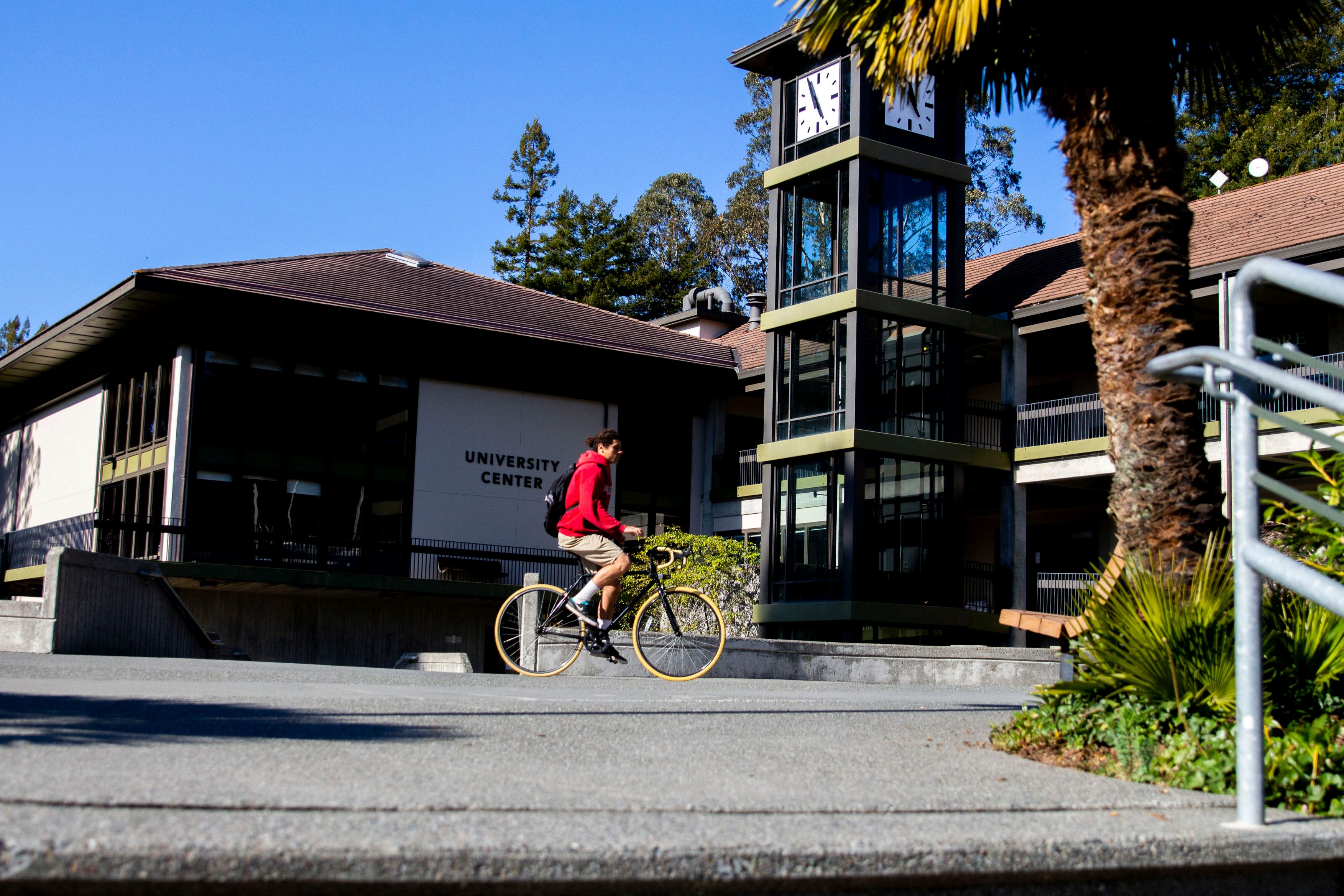
According to an April 7 Enrollment Management report, about 300 students remain on campus. Most of the campus facilities are closed, including the library, computer labs and University Center.
With the severely reduced numbers of students left behind, pickings are slim. There isn’t much variety left in the food selection, and many staples such as rice, pasta and fresh fruit are out when Bradley-Solis goes to the marketplace. For students who rely on J-points to eat, this is both a serious problem and a waste of the money spent on their meal plans.
“I feel like they could take care of the students still here better—like better food,” Bradley-Solis said. “We paid a lot of money for J-points.”
With life disrupted, lecturer Kerri Malloy perseveres with flexibility and humor
A professor noticed students often left Kerri Malloy’s class laughing. One day the professor asked what he was teaching.
“Oh, that’s my genocide class,” Malloy said.
Malloy teaches courses in the Humboldt State Native American studies department on colonialism and genocide. With such somber subjects, Malloy relies on humor and honesty to engage students. Now that classes have gone online during the pandemic, Malloy has employed those traits, alongside plenty of flexibility, to keep students connected.
“The hurdle is going to be maintaining that connection with the students,” he said.
He created class blogs for students to post what they want—questions, memes, dog or cat or reptile pictures. Glance through Malloy’s Instagram, Twitter or Snapchat accounts, and you’ll find lots of memes, like one he posted April 3 on Instagram:
“The year 2020. Brought to you by the letters W, T & F.”
“I think you have to walk into it—at least my plan is to walk into it—with an incredible amount of flexibility.”
Kerri Malloy
“I love a good meme,” he said in one of two Zoom interviews. He sat in his home office. Behind him, family photos and a Star Wars Yoda action figure topped a bookshelf. He wore glasses and a button-up shirt.
Memes dominate Malloy’s social media accounts, but there’s more to the accounts than humor. They make him accessible to students. He receives messages on those accounts about class, and he replies happily.
“There are times where I’m like, ‘Why am I doing this?’” he said. “And then I realize, I’m getting to see a different side of students, and my colleagues, too.”
Malloy also emphasized the importance of flexibility.
“I think you have to walk into it—at least my plan is to walk into it—with an incredible amount of flexibility,” he said. “And let them—let the students—help guide where we’re going to go.”
Yurok and Karuk by heritage, Malloy was born on the Oglala Lakota Reservation in South Dakota, but he grew up on the Quinault Indian Nation Reservation in Washington.
Marlon Sherman, chair of the HSU NAS department, knew Malloy from working together for the Yurok tribe. Sherman and Malloy have a family connection, as Sherman grew up on the Oglala Lakota Reservation where Malloy was born.
“If it wasn’t for Kerri, there might not be a NAS department right now.”
Marlon Sherman, chair of the Native American studies department at Humboldt State
After working together for the Yurok tribe, Sherman and Malloy parted. About six years ago, Sherman asked Malloy to come to HSU to teach two courses for a semester.
Shortly after Malloy came on board, Sherman had to take time off. He had cancer. Sherman returned in about a year, but Malloy became program leader and helped steer the department. Sherman said Malloy basically did all the work and helped the department hire two professors.
“If it wasn’t for Kerri, there might not be a NAS department right now,” Sherman said over the phone.
Malloy said Sherman was too generous, but there’s no doubt that Malloy works, a lot—so much so that Sherman joked it might be illegal.
Malloy wakes up around 4:30 a.m. every day. He gets up so early partly because he finds those early hours productive, and partly because his back is built on metal rods and pins that make lying flat for too long unbearable. He’s not exactly sure how he damaged his back—maybe a car accident—but he had to have surgery that put him out of commission for three years.
He estimated he’s on eight to 10 HSU committees, from the University Resources Planning Committee to the Diversity, Equity and Inclusion Committee. Malloy does this while teaching multiple classes as a lecturer—a position with an uncertain future amid HSU’s projected enrollment decline and budget cuts. He joked when asked how he has the time.
“People usually don’t like my answer,” he said. “How do I have the time? A calendar.”
Kumi Watanabe-Schock, a 23-year HSU employee, works in public programming and as the library media coordinator. She first met Malloy when he was an HSU student getting degrees in economics and Native American studies.
Since then, Watanabe-Schock has worked with Malloy on committees and for classes. Every time she talks to Malloy, he seems to be attending workshops or giving talks around the world. She praised his willingness to help out.
“He’s not good at saying, ‘No,’” she said over the phone. “I don’t know if he’s that way with everybody, but when you ask him to do a favor he always follows through and he always says, ‘Yes.’ So I really am appreciative, yeah. He’s a good person.”
When not working, Malloy is more private. He has a husband and three dogs. He has two sisters and 14 nieces and nephews he tries to see every year. Around 8 p.m. every night, he tries to unwind. Maybe he’ll watch some TV, or maybe he’ll read a book about genocide. Fun.
While COVID-19 has pushed teaching online, Malloy has found his courses as relevant as ever.
A key concept in Native American studies is survivance, a portmanteau of survival and resistance. Survivance is about the living of Native American lives in the present tense. By surviving, Natives resist, and by resisting, Natives survive.
Malloy said people must fight right now to have their voices heard, like many Natives must do at all times. He said individual voices humanize current events and prevent people from kicking the ball of reality down the road.
On that note, Malloy told a story. Last summer, he taught Native history in a program that spent two days in Auschwitz I, the main site of the Nazi concentration camp. One day he stopped and looked out a window. The bizarreness of the situation dawned on him. Here they were, decades later, standing in a place of horror and trying to learn from it.
A window at Auschwitz I, the main site of the Nazi concentration camp on August 20, 2019. | Photo courtesy Kerri Malloy
Later that night he received an email from then-HSU President Lisa Rossbacher. She was checking in, so he wrote back.
“If we can educate in such a place of incredible horror and death, we have the ability to change the world,” he remembered writing. “We really do. If we can actually go into these places and find this incredible darkness and turn it into something that allows us to reach out to other human beings and get us to talk to each other and push the things that really don’t matter aside, I think we can do this.”
To get people to talk, Malloy uses humor, which he said can get us past anything—and Malloy does seem capable of getting past anything. It seems strange to call research on genocide a passion, but Malloy approved the descriptor.
“Passion’s a good word for it, actually,” he said. “You’ll find that for those of that this is what we do, it is a passion.”
Every student interviewed for this story agreed on a few descriptions of Malloy. He’s open and funny, they said, and he can be brutally honest. They warned against getting into an argument with him.
“If you’re gonna have an argument with him, you better have good stats and have all your ducks in a row, because you’re not gonna win Kerri in an argument—I’ve tried,” HSU biology major Michelle Navarette said over the phone.
“And he told me, like, ‘You can’t let the system fuck you up and throw you down.’”
Michelle Navarette, Humboldt State biology major
Navarette, a senior, first had Malloy for a 9 a.m. general education course. Once she got to know him, she tried not to miss his class. Since that first course, she’s tried to have a course with him every semester.
Navarette’s appreciation of Malloy goes beyond the classroom. She said she was losing her job last semester due to discrimination from her boss. She didn’t know what to do, so she went to Malloy.
“He sat me down and was like, ‘You know what, this is just a portion of how life is,’” she said. “’You’re gonna have these obstacles all the time.’ And he told me, like, ‘You can’t let the system fuck you up and throw you down.’”
When she thinks of Malloy, she remembers his honesty.
“I think he was like the first person to tell me, ‘This shit is going to be hard.’”
As a lecturer of general education courses, he usually has to work for the attention of students. He goes into his courses hoping for students to leave with more questions than answers. Students have told him he gives too many assignments, but no interviewed students said Malloy graded harshly.
“My philosophy,” he said, “is if I can get one brain cell to function per student on an assignment, we’ve succeeded.”
Malloy once had a student he didn’t think he had triggered any brain cells in. Malloy said the student believed everyone should be committed to a single belief. Malloy respected the devotion, but he worried about the implications.
About a year after the student left his class, Malloy received a message on one of his social media accounts. The student wanted to know if a site he shopped on looked like a hate group.
“I went and checked the site out and went, ‘Yeah, this is definitely an organization that supports anti-Islam—very Islamophobic,’” he said.
The student thanked him and decided to shop elsewhere. Malloy remembered that as a success.
“It’s when you see those little things, you’re like OK,” he said. “Even at some small level, we were able to plant some idea, some seed that is getting people to think differently, or at least question.”
Like many of Malloy’s students, Joshua Overington, an HSU environmental science senior, only took Malloy’s introductory Native American studies course for a general education requirement.
The class was so good Overington signed up for more. He eventually worked with Malloy on the Northwest Genocide Project, an online archive Malloy manages.
Overington also worked with Malloy on a research project on Tuluwat Island for HSU’s IdeaFest, which led into a research paper Overington is now finishing.
“He is incredibly passionate in what he does and he is uncompromising in his views,” Overington said over the phone. ”If Kerri feels something or has an opinion, he always speaks his mind and really, he’s always the one who’s honest and puts himself out there. And that’s not something I see at all in other teachers.”
“If we can make those connections on that level, this is much more understandable. And then we get to be more willing to go, ‘Alright, maybe I need to look in the mirror.’”
Kerri Malloy
Malloy likes to tell people teaching about genocide is fun. People usually give him a blank stare and change the subject. But if asked, Malloy will elaborate.
“And what it means is not fun as in, ‘Yay, happy stuff.’ It means that it’s fundamental,” he said. “Atrocity is a fundamental part of the human existence. Peace is a fundamental part of the human experience. It’s understandable—we can understand why it happened, how it happened, what needs to be done to prevent it. And it’s necessary.”
Malloy knows most people don’t want to talk about atrocities all day. To get past that, Malloy said we have to be willing to look at ourselves.
Malloy tries to relate concepts directly to his students. He sometimes asks if students curate their social media profiles—do they post every photo they take? They admit they do some curating, and he suggested history books do the same.
“If we can make those connections on that level, this is much more understandable,” he said. “And then we get to be more willing to go, ‘Alright, maybe I need to look in the mirror.’”
Malloy teaches because he believes we’re all here to learn. He admits his own ignorance and encourages others to do the same. That openness to learning is perhaps what makes Malloy love his job. His willingness to let students guide his classes is perhaps what makes students love him.
“I tell my students this directly: ‘This is not my class,’” he said. “’This is yours. You guys are the ones who are paying for it. I am just the tour guide on this expedition.’”
Malloy always ends each of his classes—each chapter of the expedition—with the same message.
“Go out and learn something,” he tells his students. “Go out and breathe.”
An account of one HSU surfer’s last breath of clean, fresh air
When Humboldt State University forestry major Gavin Schreiner set out on a 10-day surf trip over spring break, he had no clue what he would return to.
Planned months in advance, Schreiner wasn’t going to let a virus stand in the way of his vacation. Packing over 50 pounds of food and supplies, he and a friend hiked nine miles up the coast of California. Schreiner stopped along the way to admire otters, countless shells and of course, to surf.
“Surfing is obviously my favorite part and that’s the drive to go, but I love camping anyway,” Schreiner said. “I’m an avid backpacker. I’ve been through the Trinity Alps and definitely backpacked into SoCal a bunch.”
A territorial surfer, Schreiner requested the location not be named, especially after this trip. Between spring break and COVID-19, the waves were packed.
“It’s definitely my life path to surf until I die.”
Gavin Schreiner
“It was the most crowded anyone has ever seen that spot,” Schreiner said.
Fortunately for those adventurous enough, there are nine miles of coast to surf on the way.
“There’s the main surf spot out there, but there’s countless other waves along there,” Schreiner said. “It’s like a wave park. There’s so many different types of waves and different spots you can surf, and all offer different excitements.”
Time between surf sessions consists of eating, sleeping and battling the elements to stay comfortable.
“On the coast the weather changes super quick, so you have to be shedding layers, putting layers back on and also watching the waves 24/7 to make sure you get the best seshes [sessions] in,” Schreiner said.
This is the longest trip Schreiner has taken so far, but he wants to break the record.
“If we could spend a month, I would be in for that,” Schreiner said.
At 20 years old, Schreiner has been surfing over half his life.
“Surfing and the ocean is my number one priority,” Schreiner said. “It’s definitely my life path to surf until I die.”
When he returned from his 10-day trip, Schreiner was greeted by strangers wearing masks and businesses with closed doors. The virus was not a factor in the trip. Surfers treated each other with the same brotherly love and competition. Schreiner would’ve stayed longer if it weren’t for school.
“We kinda knew a little bit going into it that shit was going crazy,” Schreiner said. “The only thing we reconsidered was whether or not we could stay indefinitely and figure out a way to complete homework assignments out there.”
Now that he’s back home, he tries to surf every day to take advantage of the opportunity.
“I know a lot of my friends down south can’t surf because they’re closing the beaches, so I definitely feel super blessed to be up here right now,” Schreiner said. “I can follow social distancing and still go out every day.”
Student resources for school, finances, food, housing and counseling
Here is a list of resources Humboldt State is offering for students. Click here for a student-created site of community resources. Click here for the site in Spanish.
Educational advice:
Enoch Hale is the director of the Center for Teaching and Learning at Humboldt State University. He provided five tips to help students with online learning during the shelter in place order. His tips revolved around being kind and flexible.
“Kindness is having the patience and the benefit of the doubt to know that everyone else is struggling,” Hale said. “Be flexible—no one signed up for this and we are going to have to be agile in our expectations in the changing patterns.”
Five tips to help with online school from Hale:
Don’t ignore feelings—reflect on them so they don’t manage us.
Communicate with professors more, not less.
Log on more frequently. Check your emails and canvas more often. Not all courses will be on Zoom.
Set a schedule, use a study calendar and stick to a routine.
HSU Coordinator of Student Services for the financial aid office Morgan McBroom provided financial advice to students. McBroom suggested students in a crisis contact the financial aid office.
For students who are hard-pressed for money, there is a student emergency loan that ranges from $500 to $1000. It is a short-term loan and can come within a few days. Financial services will work to help students pay it back. Students who have not used all of their student loans from the previous semester may also still have access to them.
Due to the COVID-19 crisis, students’ loan interests are being waived, but the estimated date that it will stop is in June. As of now, the end date hasn’t been established. If you are an HSU graduate, you can have your loans waived for a year with no interest.
Contact: finaid@humboldt.edu or (707) 826-4321.
Housing:
In addition to her advice on financial matters, McBroom also provided housing advice. There is emergency housing available on campus. The off-campus liaison is a resource if you’re struggling with rent.
Contact: housingliaison@humboldt.edu
Food:
1. The recreation room on the first floor of the Jolly Giant Commons offers pre-made bags with food items. This happens twice a week on Wednesday from 10 a.m. until 12 p.m. and Thursday from 1 to 3 p.m. Vegan and vegetarian meal bags are also available.
If you cannot make those times due to isolation or quarantine, contact mira@humboldt.edu and she can set up a delivery time.
2. Oh SNAP! can also help you load your student ID card with J points. You need to express a financial need for food support. If you have over $40 in J points, you need to wait until your card is under $40. You can receive $60 every four weeks, but this is subject to change. If there is an increase of funds there could be an increase in the amount given to students. You can also donate your J points to help students in need.
Contact: ravin.craig@humboldt.edu.
3. For extra help, try applying for CalFresh, a state-funded program to help pay for food. Students not working 20 hours a week can apply for CalFresh, except for students in the Educational Opportunity Program program, students with specialized grants and work-study students. You can qualify for up to $200 a month for groceries.
Contact ravin.craig@humboldt.edu if you need help with the application process or would like to see if you qualify.
Counseling:
Mira B. Friedman is the lead for health education and clinic support services. She provided information about counseling for students.
HSU Counseling and Psychological Services is offering virtual appointments.
Students can call (707) 826-3236 to make an appointment. There’s also a 24/7 hotline for immediate crisis outreach for students to speak with a therapist by phone at (707) 826-3236.
This website uses cookies to improve your experience. We'll assume you're ok with this, but you can opt-out if you wish. Cookie settingsACCEPT
Privacy & Cookies Policy
Privacy Overview
This website uses cookies to improve your experience while you navigate through the website. Out of these cookies, the cookies that are categorized as necessary are stored on your browser as they are essential for the working of basic functionalities of the website. We also use third-party cookies that help us analyze and understand how you use this website. These cookies will be stored in your browser only with your consent. You also have the option to opt-out of these cookies. But opting out of some of these cookies may have an effect on your browsing experience.
Necessary cookies are absolutely essential for the website to function properly. This category only includes cookies that ensures basic functionalities and security features of the website. These cookies do not store any personal information.
Any cookies that may not be particularly necessary for the website to function and is used specifically to collect user personal data via analytics, ads, other embedded contents are termed as non-necessary cookies. It is mandatory to procure user consent prior to running these cookies on your website.